How to Advertise Medical Weight Loss Online
A founder's guide to advertising medical weight loss in 2026. The creative formats that survive platform review, the GLP-1 vs non-GLP-1 framing decision, and the retention math behind brands that compound.
Concepts shown are internal creative studies, not client campaigns.
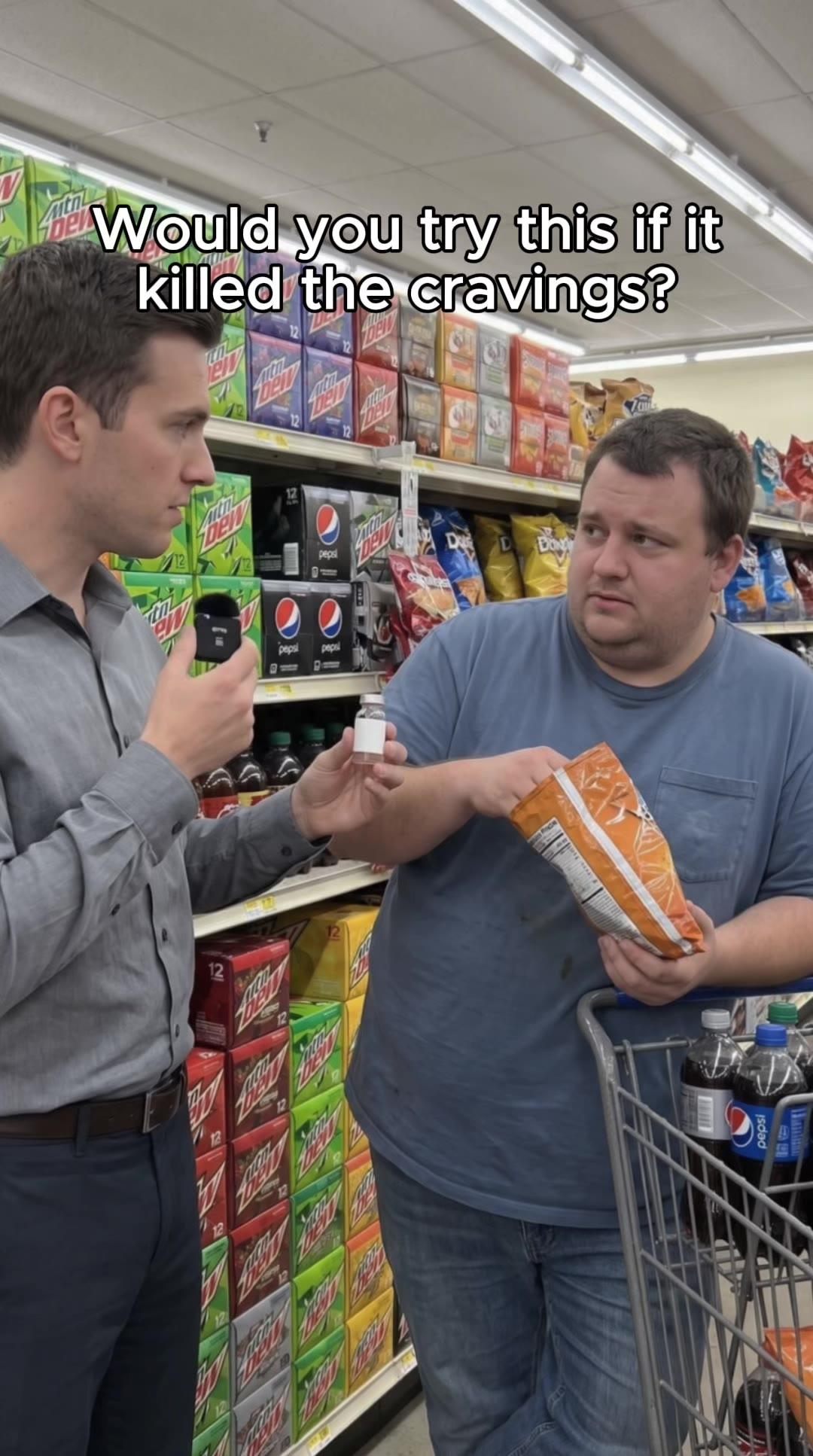
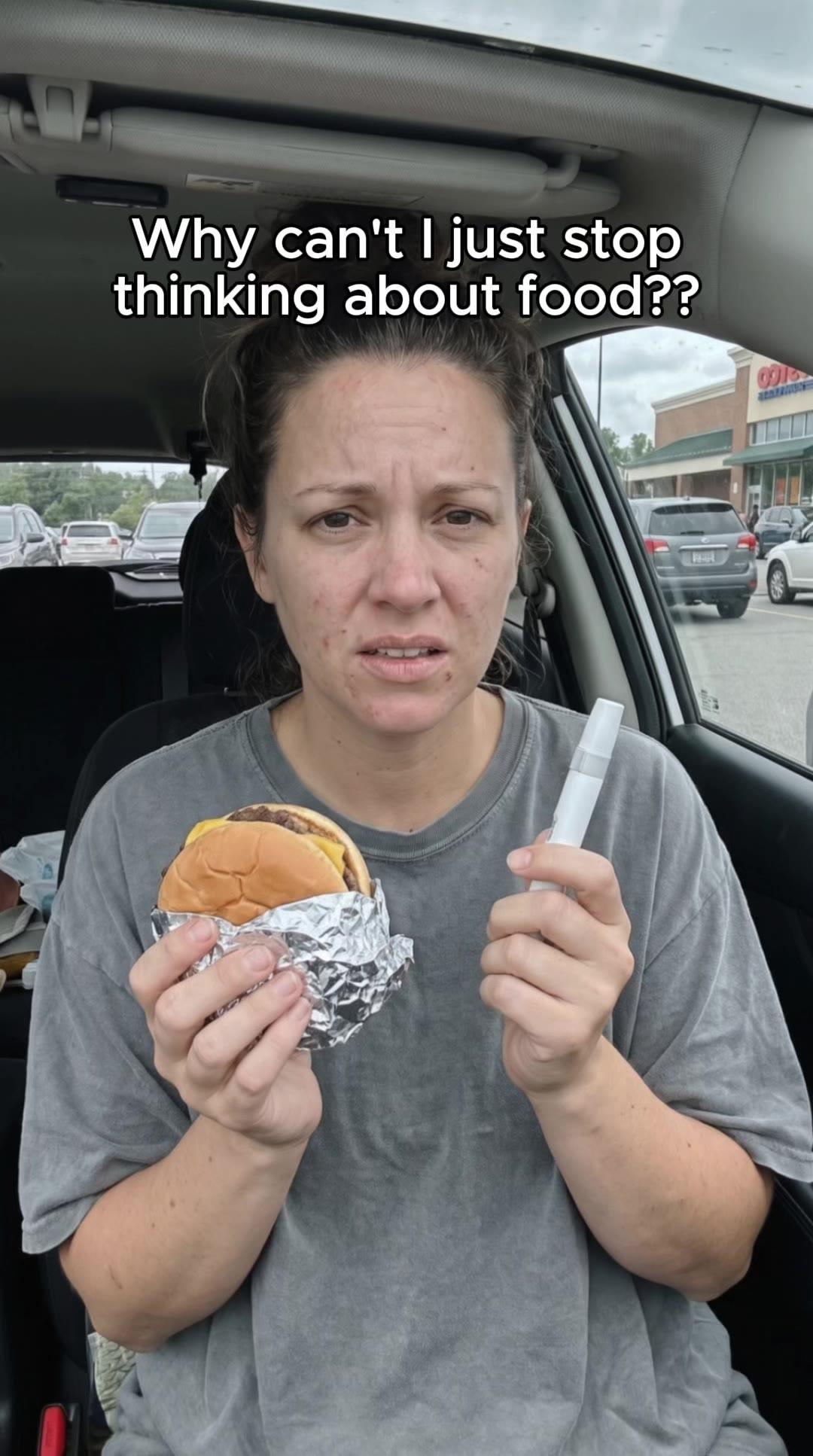





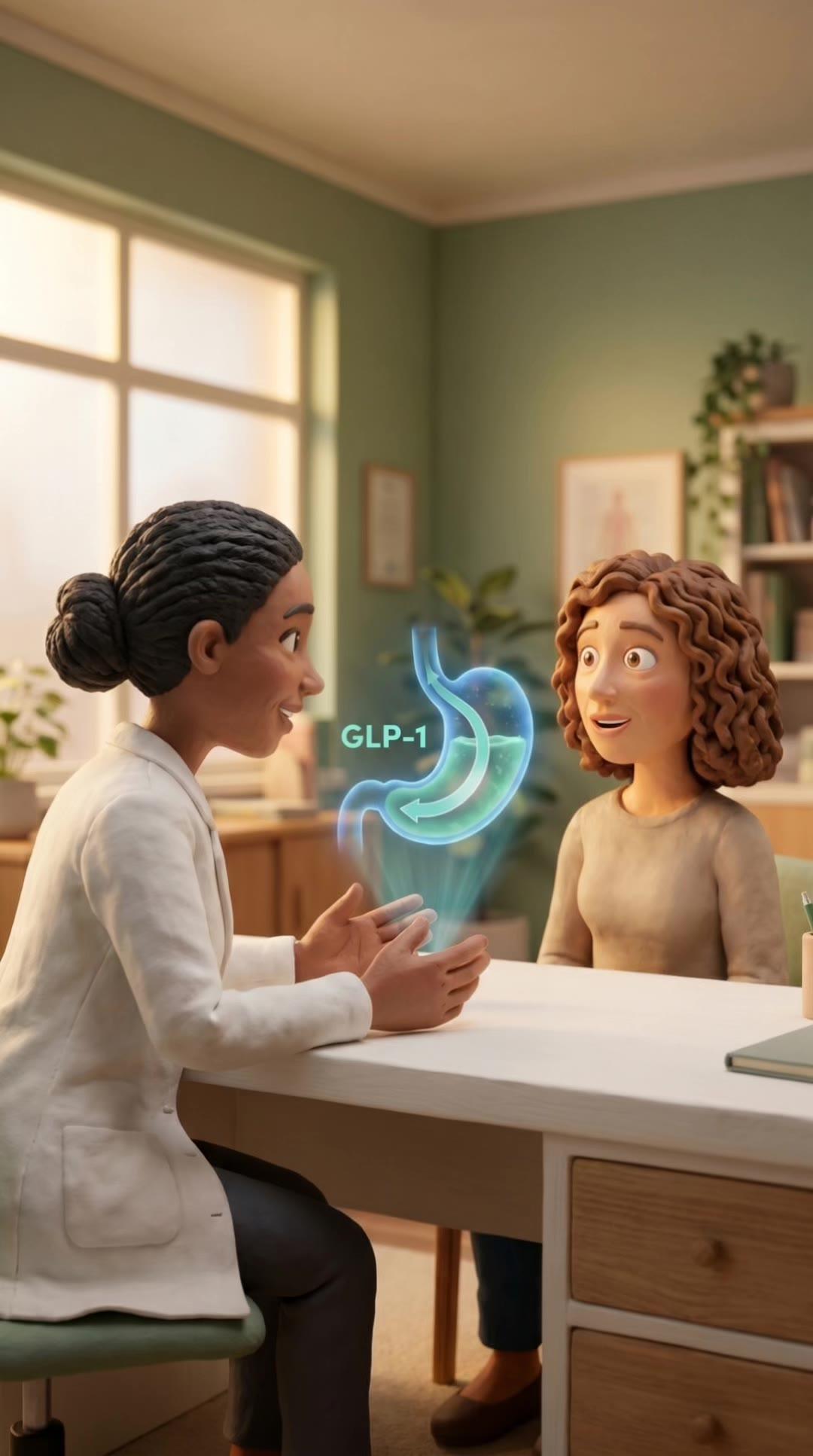
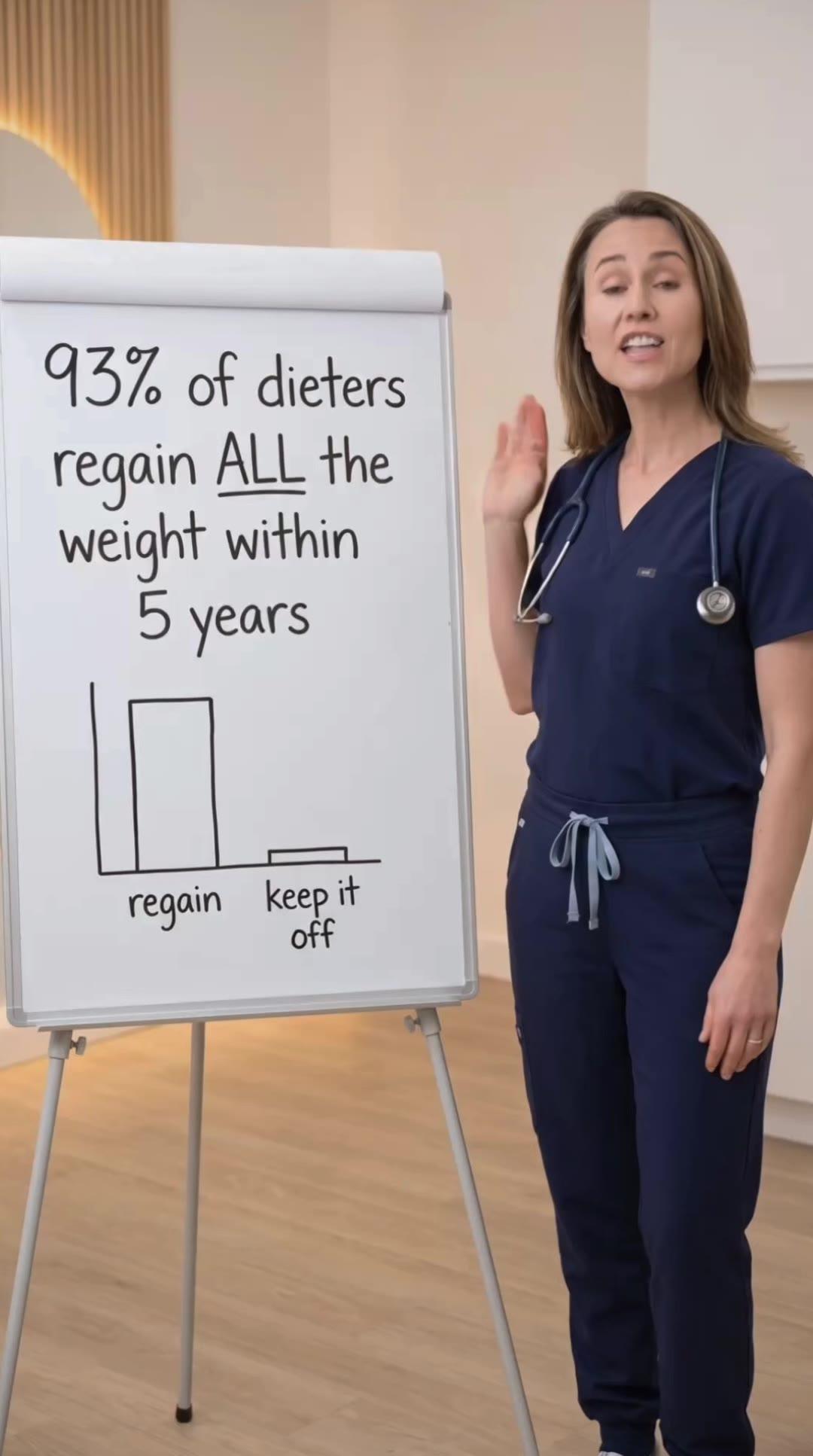
Medical weight loss is the largest commercial-intent category in telehealth in 2026, and it is also the most heavily reviewed. Meta has tightened weight-loss ad scrutiny year over year. Google requires LegitScript and clean landing-page architecture. State telemedicine boards have stepped up enforcement on compounded medication marketing. The brands that grow have accepted that the easy paths from 2022 are closed and are building around the constraints.
Here is how to advertise medical weight loss online in 2026 without burning your ad accounts.
The GLP-1 vs Non-GLP-1 Decision
Most medical weight loss advertising in 2026 centers on GLP-1 medications: semaglutide, tirzepatide, and the related newer agents. The platform compliance posture, audience expectations, and creative formats are all different than for non-GLP-1 medical weight loss (phentermine, metformin off-label, etc.).
GLP-1 brands face tighter Meta scrutiny on outcome claims but have a larger and more research-engaged audience. Non-GLP-1 brands have an easier compliance window but a smaller and less excited demand pool. Most founders in 2026 build around GLP-1 because the demand math is too compelling to ignore.
Creative That Survives Review
Mechanism-of-action explainers. A provider explaining how GLP-1 receptors work, what dual-agonist activity is, and why the medication affects appetite, blood sugar, and weight. Forty-five seconds. The lowest-rejection format in the category.
Process transparency walkthroughs. What the consultation looks like, what the qualification gate checks for, what shipment looks like, what the first month involves. Sixty to ninety seconds. Strong cold and retargeting performance.
Provider-led education on what patients commonly get wrong. "Three things most GLP-1 patients did not expect" or "What I tell every new patient." Builds trust and converts well.
Avoid: specific weight loss numbers, before-after framing without strict compliance disclaimers, urgency around pricing, and personal-attribute targeting hooks. These are the four most common rejection patterns in medical weight loss advertising in 2026.
Landing Pages Are Where Reviewers Actually Decide
The ad copy can be perfectly compliant and the landing page can sink the submission. Reviewers visit the destination. If the landing page makes outcome claims, hides pricing behind a quiz funnel, or omits subscription terms, the ad gets rejected even when the ad itself is clean.
Above-the-fold non-negotiables: clear medication identification, transparent pricing with full subscription terms, qualification gate visible, state availability disclosure, and provider credentialing.
Concepts we ship across every awareness stage.
See the work →Channel Strategy
Meta is the volume engine. Sixty to seventy-five percent of paid medical weight loss patients come from Meta. The audience targeting depth and creative tolerance for mechanism-of-action explainers make it the obvious starting point.
Google search is the second channel. Branded search compounds as your Meta spend builds awareness; non-branded search captures patients already researching GLP-1.
TikTok works for medical weight loss but only with platform-native creative. Repurposed Meta ads consistently underperform on TikTok.
YouTube serves retargeting and brand-building. Direct response on YouTube is harder for medical weight loss than for hair loss or TRT.
Compounded vs Brand-Name Marketing
Compounded medical weight loss has lower price points, more restrictive state availability, and a different compliance posture. Creative needs to focus on access, personalization, and provider-supervised dosing.
Brand-name medical weight loss has higher price points and a fundamentally different audience (more deliberate, often insurance-curious, less price-sensitive). Creative needs to focus on outcome data, prescriber legitimacy, supply chain certainty, and insurance navigation.
Brands running both products through one creative engine consistently underperform. Build two tracks; the audiences and compliance windows are too different to share. For more, see cash pay vs insurance GLP-1 marketing.
Retention Decides Everything
Medical weight loss unit economics depend on six-month retention. CAC at $250 with $300 monthly net revenue per patient breaks even almost immediately at strong retention, and falls apart fast at weak retention. The retention investments that matter: side-effect education, dose-titration coaching, plateau messaging at month 3-4, and pricing flexibility.
Brands that pace acquisition spend against retention infrastructure scale. Brands that scale acquisition without retention infrastructure burn cash.
The Short Version
Advertising medical weight loss online in 2026 means running a disciplined operation: mechanism-of-action and process-transparency creative, transparent landing pages, separated compounded and brand-name tracks, Meta-first channel strategy, and retention infrastructure that holds patients past month three. Brands that operate this way grow. Brands that try to grow on aggressive outcome claims and quiz funnel obscurity end up in regulator letters and platform restrictions.
Related Articles
How to Run Ads for a Weight Loss Clinic
A founder-level ad playbook for weight loss clinics.
GLP-1 Marketing Ideas That Actually Work in 2026
Specific GLP-1 marketing ideas you can use.
Weight Loss Telehealth Ad Angles
Angle library for weight loss telehealth creative.
How to Advertise GLP-1 on Facebook
Meta-specific GLP-1 advertising compliance.
Ready to build a testing system that scales?
A 30-minute call. We audit your creative approach and show you exactly what a complete angle-format-hook system looks like for your vertical.