Cash Pay vs Insurance GLP-1 Brands: How Marketing Differs
A founder's view on how marketing differs between cash-pay compounded GLP-1 brands and insurance-coordinated brand-name GLP-1 brands. Different audiences, different creative, different economics.
Concepts shown are internal creative studies, not client campaigns.
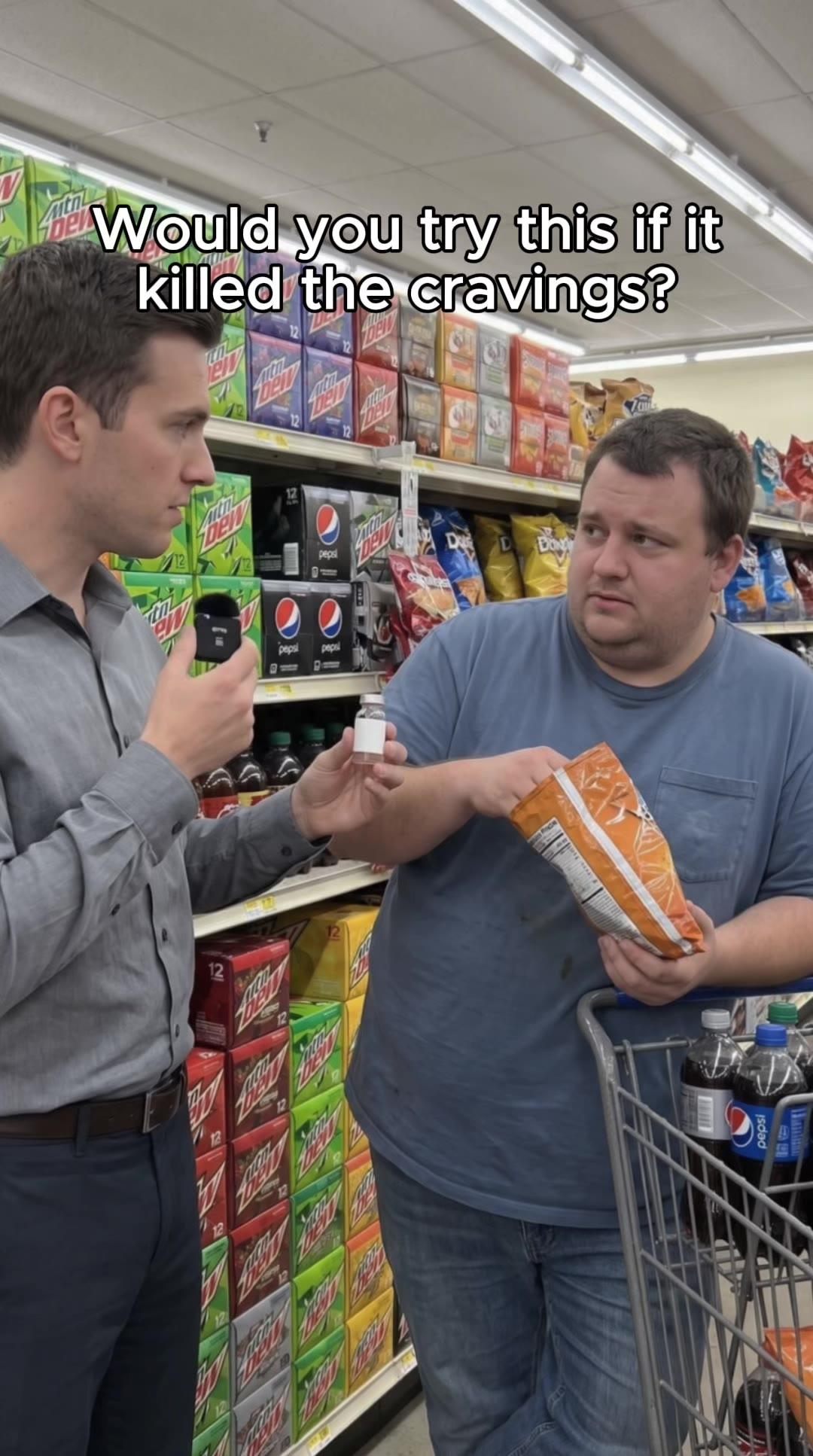
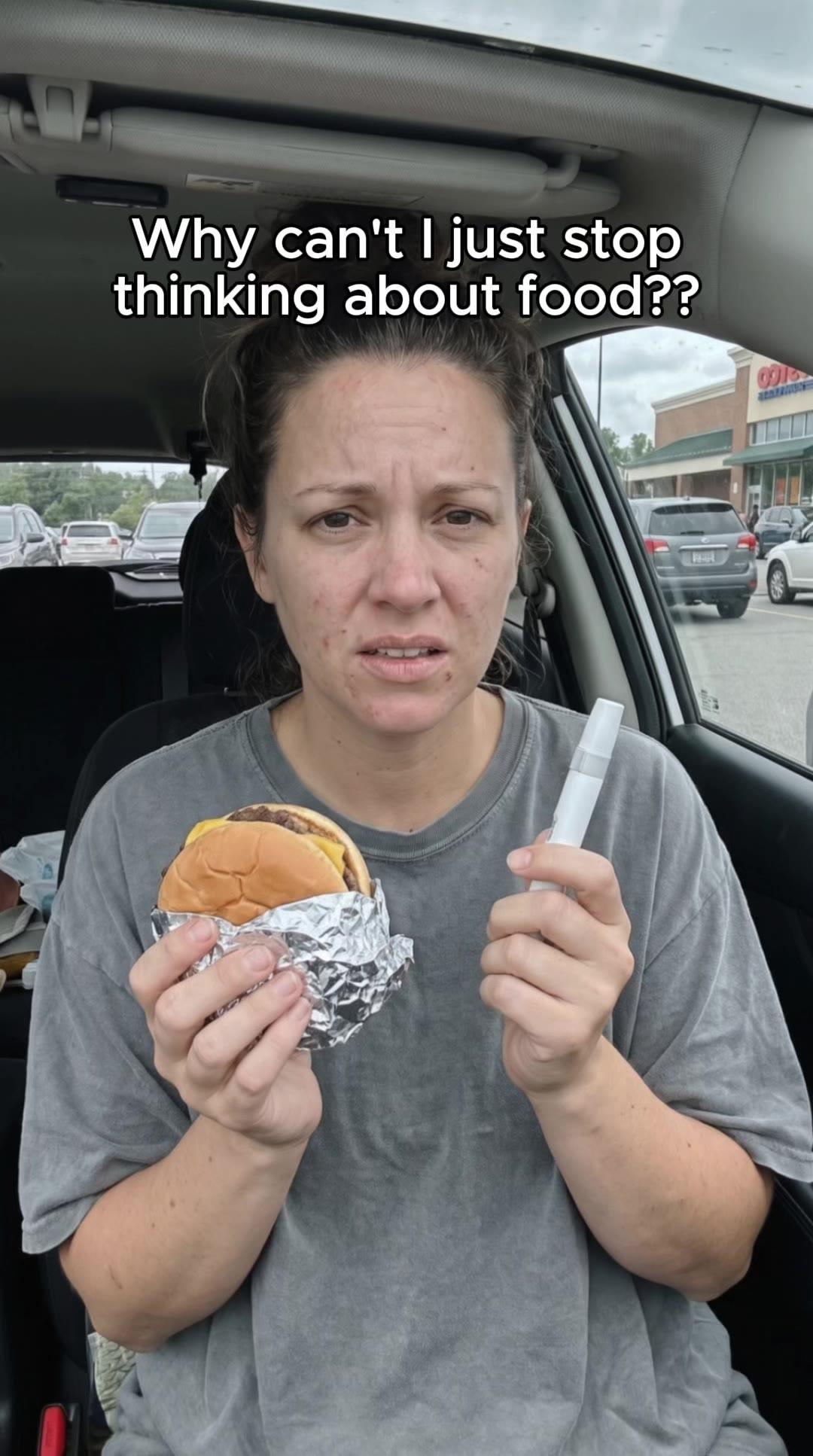

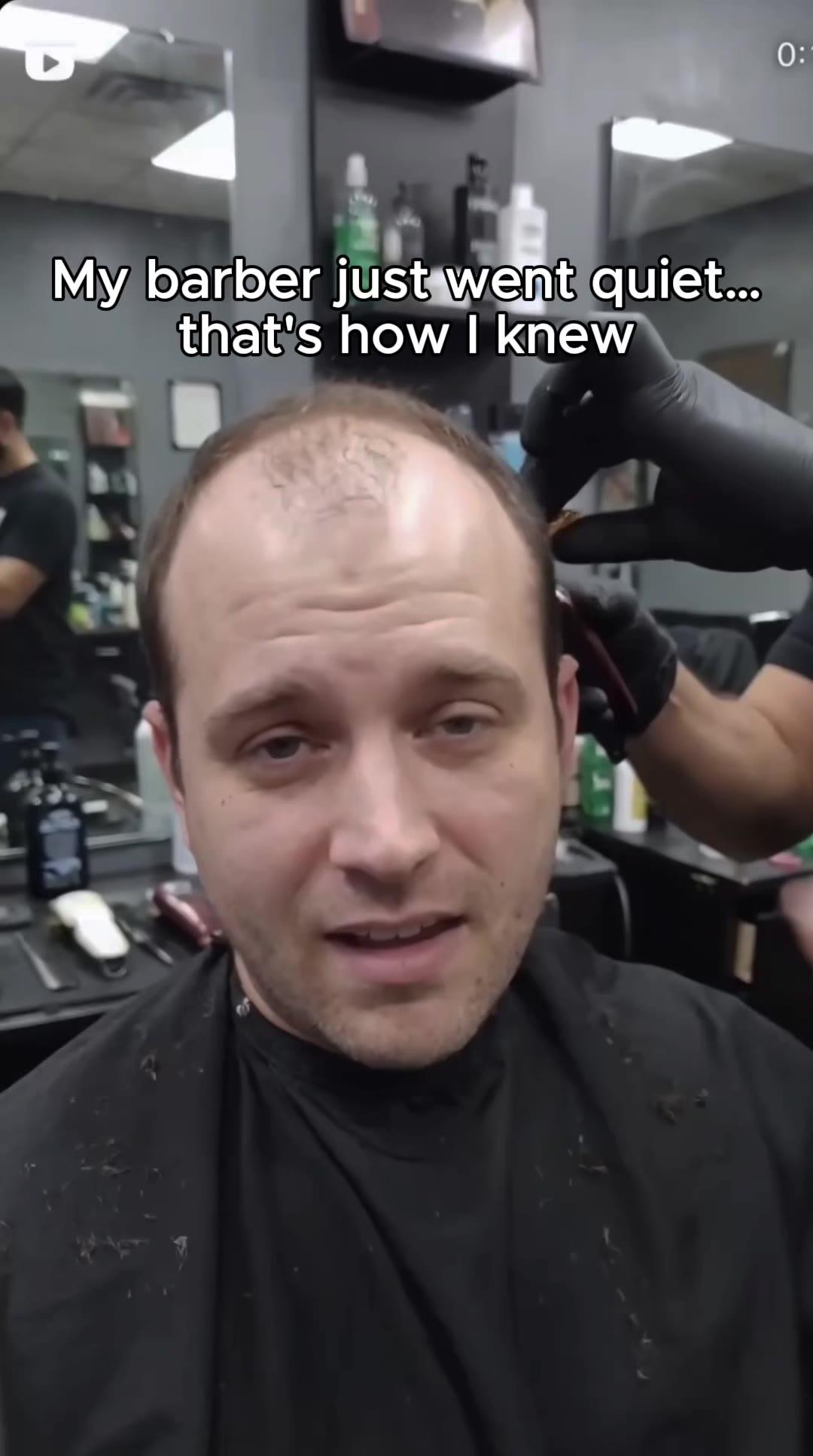




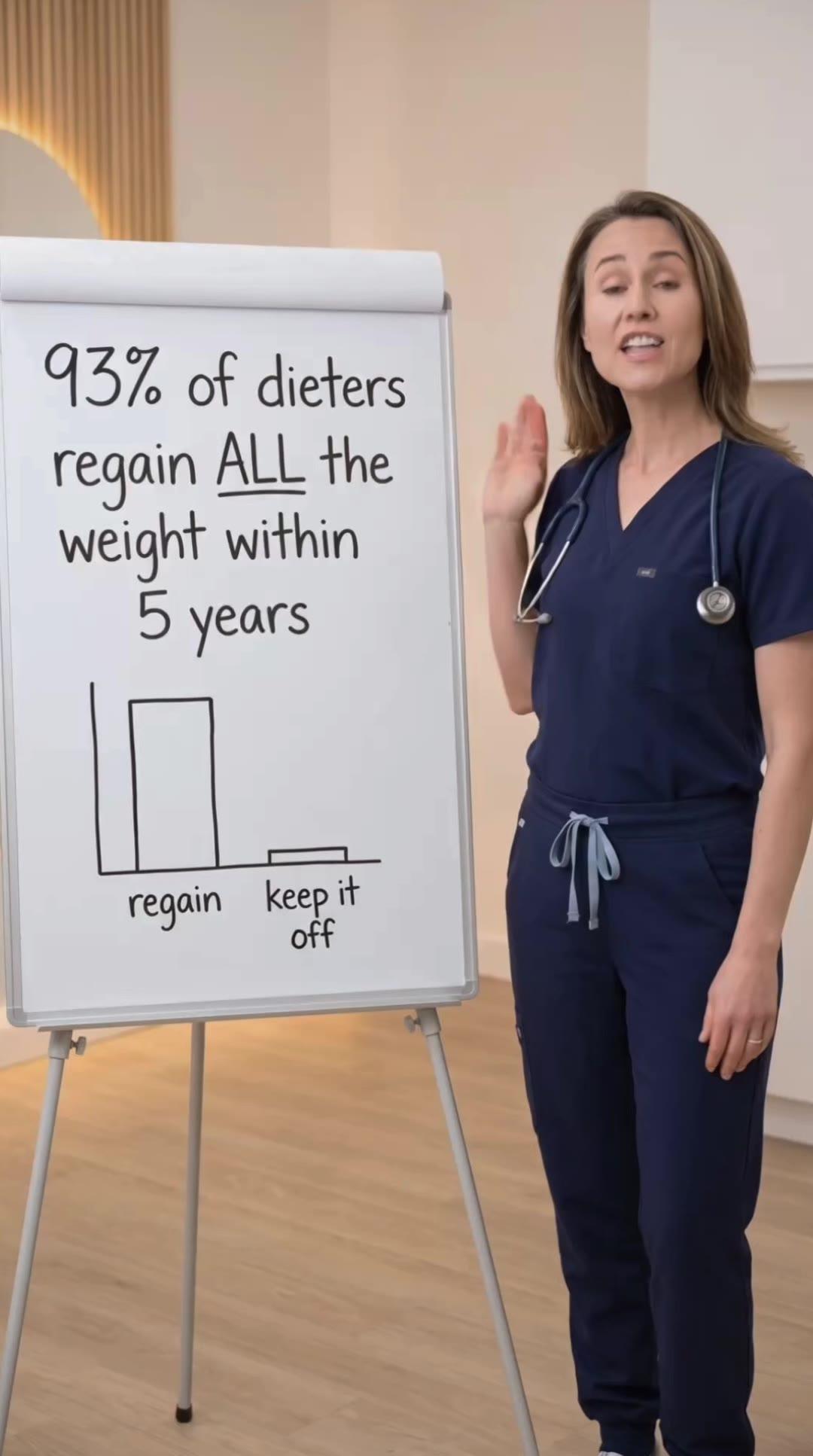
Cash-pay compounded GLP-1 brands and insurance-coordinated brand-name GLP-1 brands look similar from the outside. Both prescribe GLP-1 receptor agonists for weight loss, both run telehealth consultations, both compete in the same broad category. The marketing playbooks are surprisingly different. Audience profiles diverge, creative angles separate, channel mixes shift, and unit economics work on different math.
Here is how the two models actually differ in 2026.
The Business Model Difference
Cash-pay compounded GLP-1: patient pays out of pocket, typically $299-499 monthly, for compounded semaglutide or tirzepatide. Operationally simple. No insurance navigation. Direct relationship with the patient.
Insurance-coordinated brand-name GLP-1: patient is fulfilled with Wegovy or Zepbound through their insurance, with the telehealth brand handling prior authorization, copay assistance, and pharmacy coordination. Operationally complex. Higher revenue per active patient but variable based on insurance reality.
Audience Differences
Cash-pay audience: price-conscious or insurance-frustrated. Often has insurance but does not want to fight for coverage. Decisive once they find a clean offering. Skews 30-55.
Insurance-coordinated audience: typically older (40-65), more deliberate, willing to invest time in prior authorization for the long-term financial advantage. More skeptical of cash-pay compounded as a category. Often comes through primary care referral patterns.
Creative That Works for Cash-Pay
Pricing transparency and simplicity. "$299 monthly, no insurance navigation, no surprise costs." The cash-pay buyer values predictability.
Provider-led mechanism explainer about compounded semaglutide and tirzepatide. Education that justifies the cash-pay choice.
Process transparency on what the consultation, prescription, and shipping experience looks like. The audience wants to know the workflow before they commit.
Creative That Works for Insurance-Coordinated
Insurance navigation pain. "Tired of being denied coverage for Wegovy? We handle the prior authorization for you." Names the actual buyer frustration.
Care coordinator-led process explainer. How prior authorization works, what to expect on timing, what happens if coverage is denied.
Provider credentialing emphasis. The insurance-coordinated audience is more attuned to clinical legitimacy because they are usually comparing against in-person clinic options.
Concepts we ship, problem-aware to product-aware.
See the work →Channel Differences
Cash-pay leans more heavily on TikTok and Instagram for younger audience segments. The pricing message and instant-access framing fit those platforms.
Insurance-coordinated leans more heavily on Facebook and YouTube for older audience segments. Long-form clinical content earns trust during the longer research mode.
Both channels work for both models, but the weighting differs.
CAC and Unit Economics
Cash-pay CAC sits at $180-320 fully-loaded at $50-200K monthly spend. Monthly net revenue per active patient is $200-350. Payback is typically 1-2 months. Retention drives the math.
Insurance-coordinated CAC sits at $300-450. Monthly net revenue per active patient is harder to forecast because of insurance variability but typically $200-400 net of pharmacy economics. Payback timing varies.
Both models work, but they work on different rhythms. For broader CAC context, see GLP-1 telehealth patient acquisition cost.
Compliance Differences
Cash-pay compounded marketing has to navigate state-by-state compounding rules, FDA scrutiny of outcome claims, and the equivalence-claim landmine when referencing brand-name medications.
Insurance-coordinated marketing has to handle brand-name promotional rules carefully, avoid direct brand promotion, and navigate the same outcome-claim restrictions.
Both require disciplined medical review and platform-aware creative briefs.
Hybrid Models
Some brands offer both: cash-pay compounded as the entry point, with insurance-coordinated navigation as a premium tier or for patients with documented coverage. Operationally heaviest but most adaptable as the regulatory landscape shifts.
Hybrid marketing has to manage two creative tracks. Brands trying to combine them in one funnel consistently underperform brands that segment.
The Short Version
Cash-pay and insurance-coordinated GLP-1 telehealth are different businesses with different audiences, creative requirements, channel weightings, and unit economics. Brands that pick a model and execute it well outperform brands that hedge across both with one creative engine. If you are running both, run them as separate marketing programs. If you are picking one to start with, cash-pay compounded is operationally simpler for most founders.
Related Articles
GLP-1 Telehealth vs Pharmacy Ads
Competing against pharmacy-driven GLP-1 fulfillment.
Compounded Semaglutide Advertising
Compounded semaglutide marketing playbook.
GLP-1 Telehealth Subscription Marketing
Subscription dynamics for GLP-1 telehealth.
How to Market Zepbound Telehealth Services
Marketing tirzepatide-based telehealth programs in 2026. How to position around Zepbound, what you can and can't say, and how to compete on paid social.
Your next GLP-1 batch, minus the compliance roulette.
A 30-minute call. We audit your creative approach and show you exactly what a complete angle-format-hook system looks like for your vertical.