GLP-1 Telehealth vs Retail Pharmacy: How to Win in Advertising
How GLP-1 telehealth brands compete against traditional pharmacies in advertising. Positioning strategy and messaging that drives conversions.
Concepts shown are internal creative studies, not client campaigns.
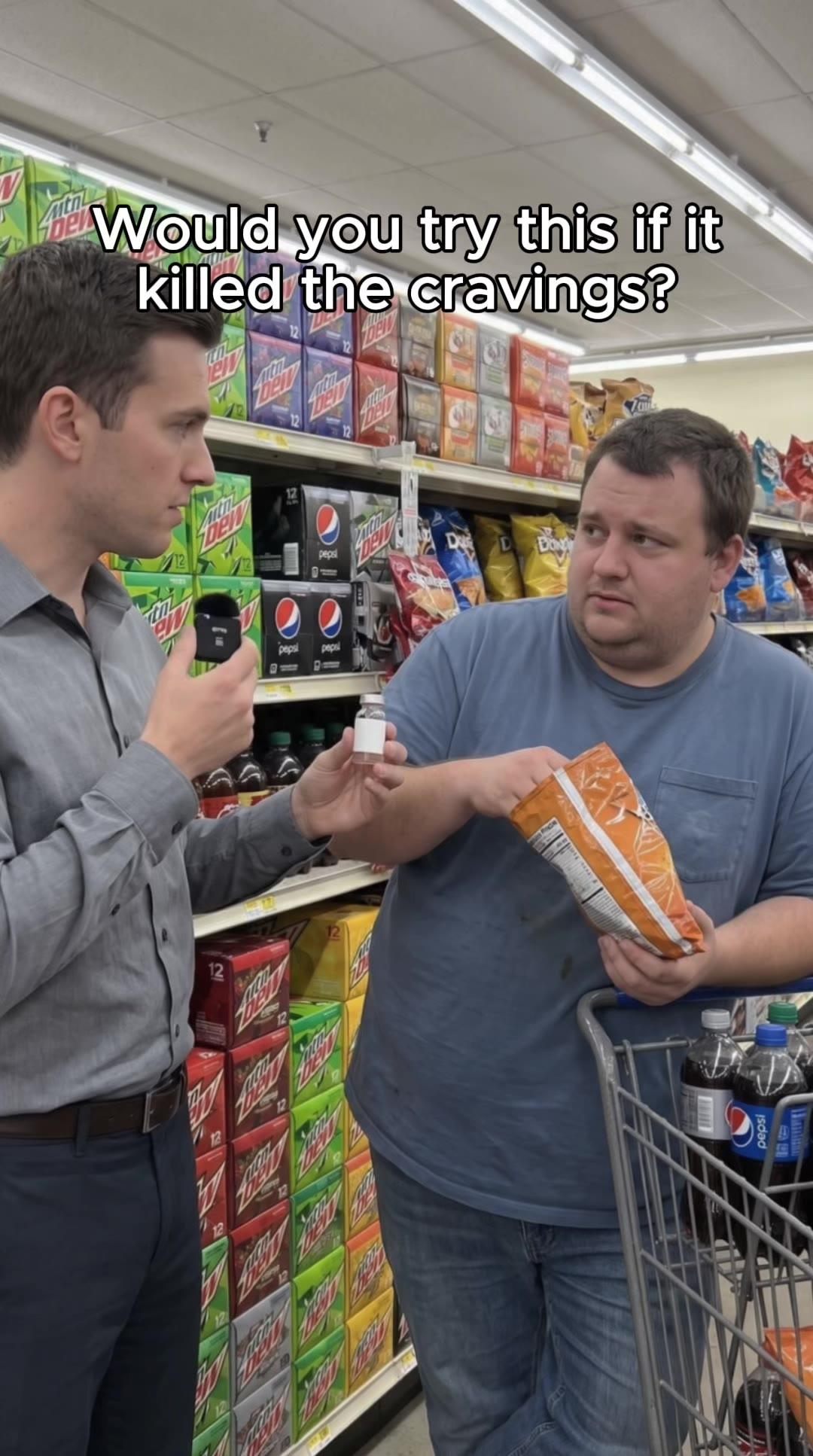
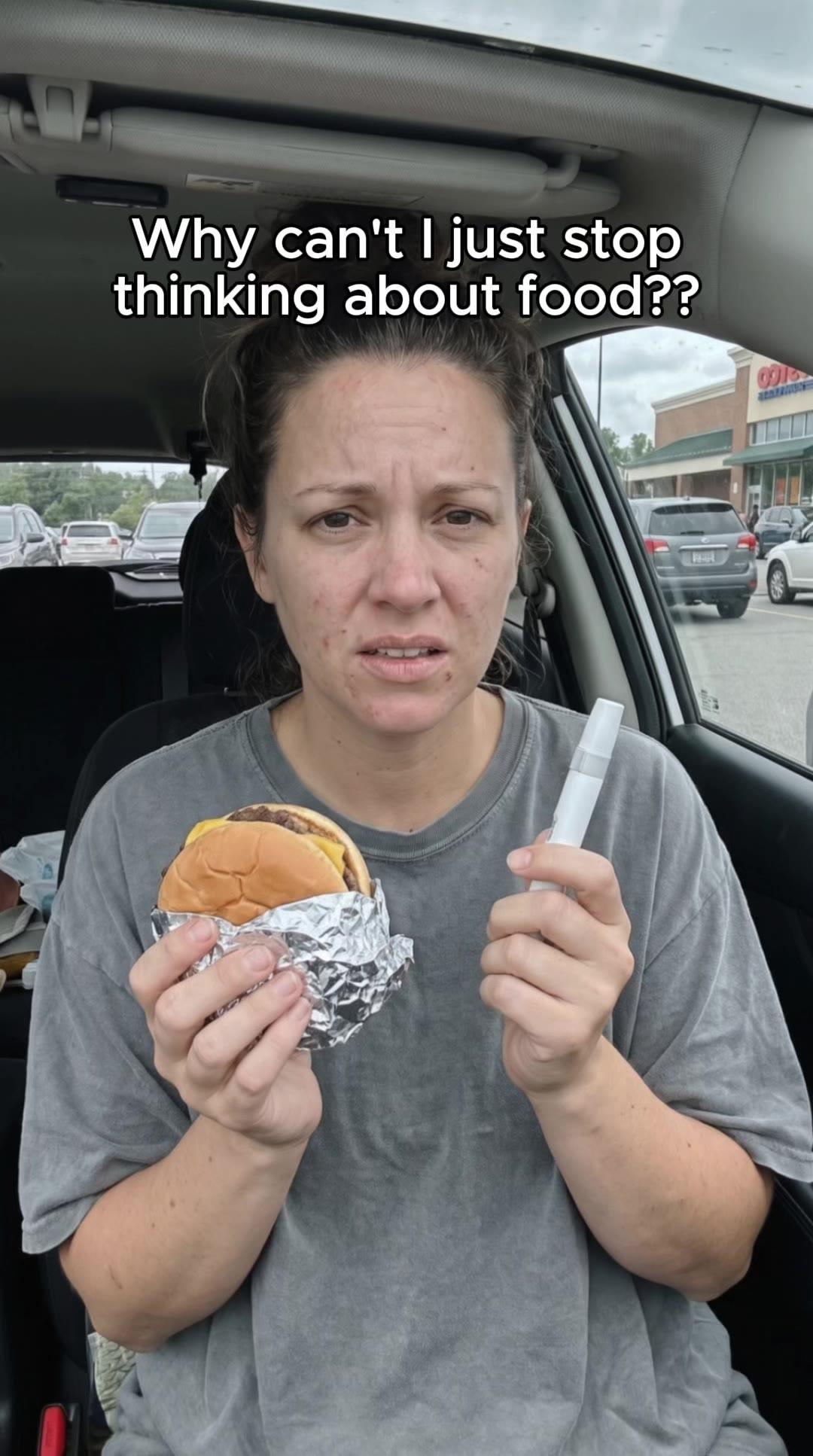

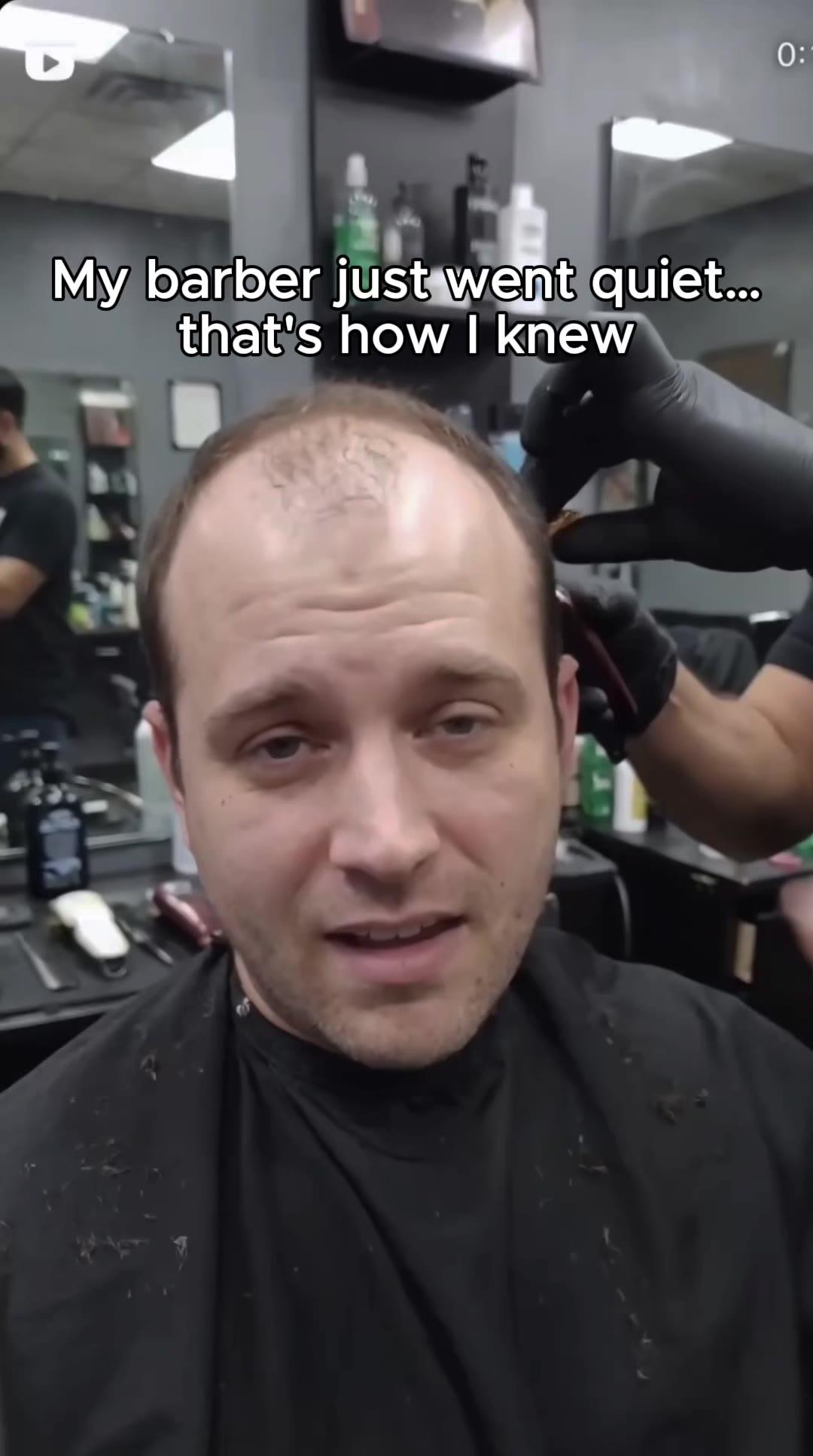

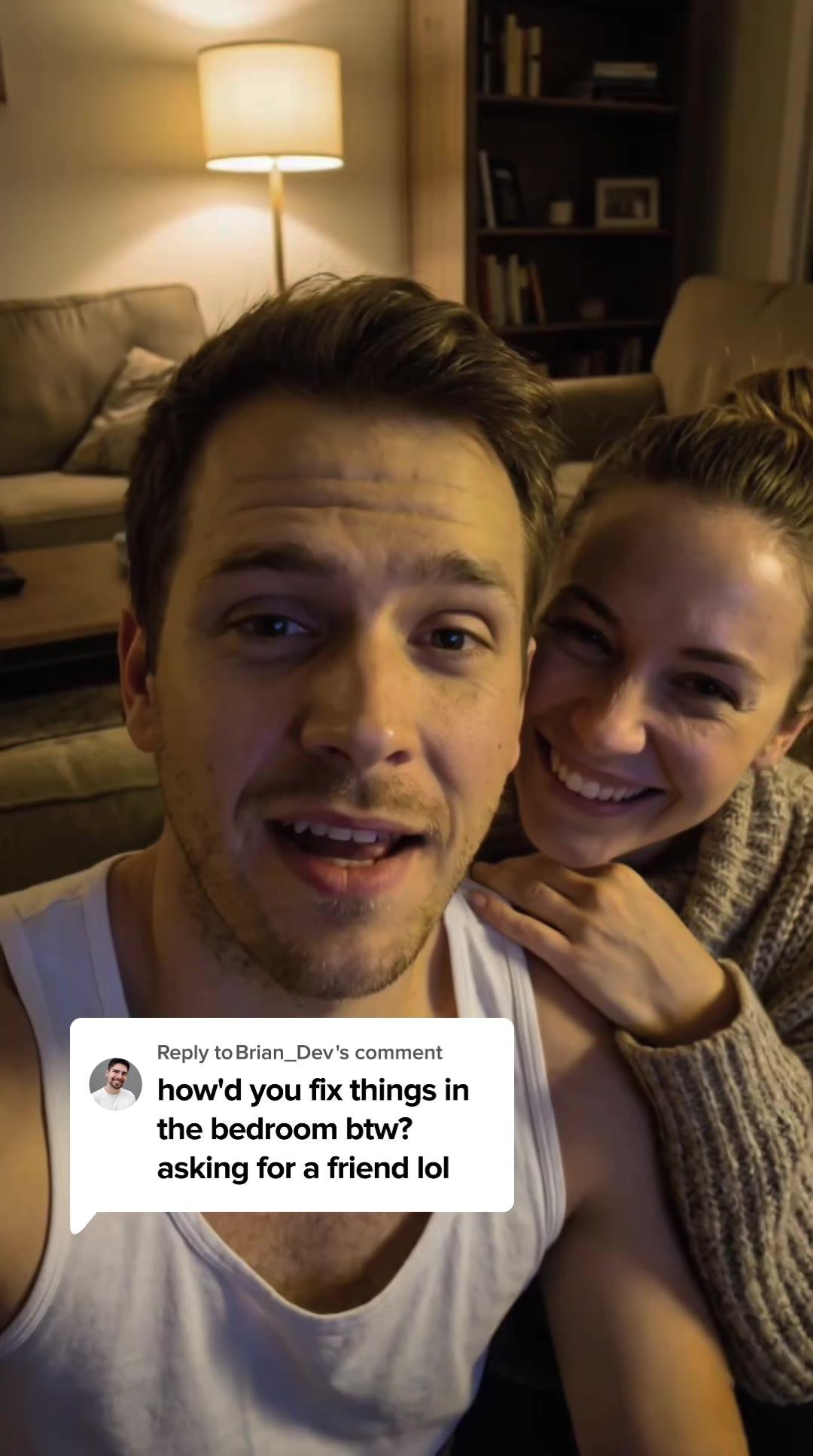

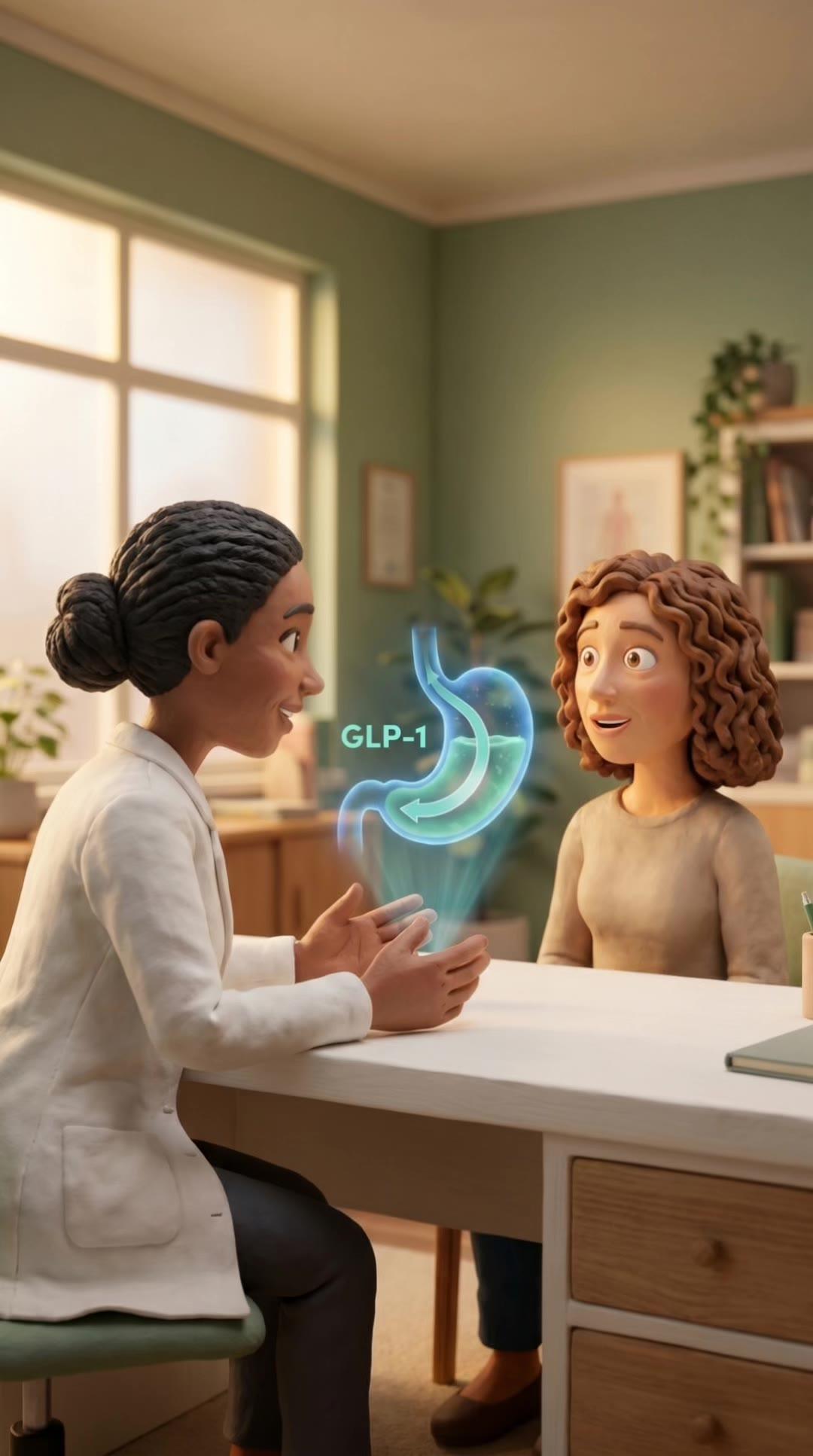
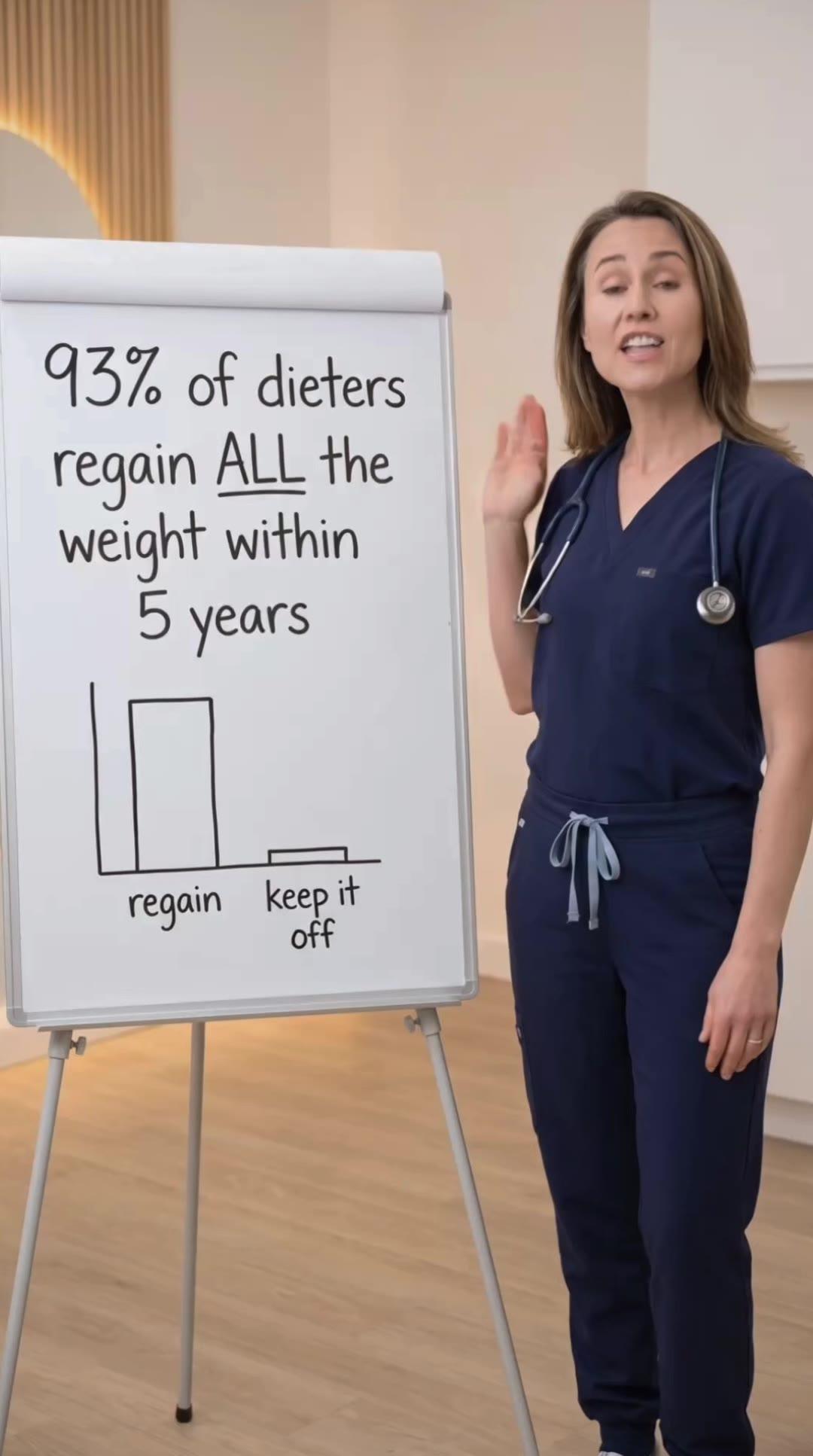
GLP-1 telehealth brands compete against traditional retail pharmacies for the same patients. CVS, Walgreens, and local pharmacies offer semaglutide prescriptions through in-person doctor visits and insurance coverage. Telehealth brands offer convenience, cash-pay pricing, and no insurance hassles. The brands that win in advertising are the ones that position these differences clearly without making false comparisons. This guide explains how to compete against traditional pharmacies in GLP-1 advertising based on positioning strategies that work.
Why Telehealth Has an Advertising Advantage
Traditional pharmacies do not advertise GLP-1 prescription services aggressively. CVS and Walgreens run generic pharmacy ads, not GLP-1-specific campaigns. Local pharmacies do not have digital advertising budgets. That creates an opportunity for telehealth brands to dominate paid social and search advertising for GLP-1 access.
The challenge is positioning. Patients default to familiar options. They think "I'll ask my doctor about semaglutide and pick it up at CVS." Your ads need to disrupt that default behavior by demonstrating why telehealth is better: more convenient, faster, more affordable, or more supportive.
Positioning Strategy: Convenience Over Traditional Care
The angle: Traditional GLP-1 prescriptions require multiple doctor visits, insurance pre-authorization battles, and pharmacy trips. Telehealth eliminates all of that. Book a consultation online, talk to a doctor from home, receive medication shipped to your door.
Ad messaging:
- "Skip the waiting room. Get GLP-1 therapy entirely online."
- "No insurance required. No pharmacy trips. No scheduling delays."
- "Book a consultation today. Talk to a doctor tomorrow. Medication arrives in 48 hours."
Why it works: Convenience is a real differentiator. Traditional care requires logistical effort that time-constrained patients want to avoid. Telehealth removes friction from the entire process.
What to avoid: Do not claim telehealth is "better" medical care. Focus on convenience, not quality of care. Traditional pharmacies provide quality service. Your advantage is access, not superiority.
Concepts we ship, problem-aware to product-aware.
See the work →Positioning Strategy: Cash-Pay Transparency Over Insurance Complexity
The angle: Insurance coverage for GLP-1 weight management medications is inconsistent. Many patients face denials, high copays, or months of pre-authorization paperwork. Telehealth cash-pay pricing is predictable and transparent.
Ad messaging:
- "No insurance? No problem. Access GLP-1 therapy with transparent cash-pay pricing."
- "Starting at $299/month. Includes consultation, medication, and shipping. No surprises."
- "Insurance denied your GLP-1 prescription? We offer an alternative."
Why it works: Insurance frustration is a real pain point for patients seeking GLP-1 medications. Many patients have insurance but cannot get coverage for weight management. Cash-pay telehealth provides an accessible alternative.
What to avoid: Do not claim insurance is bad or unnecessary. Many patients prefer insurance coverage when available. Position cash-pay as an alternative for patients who cannot access insurance coverage, not as universally better.
Positioning Strategy: Physician Oversight and Ongoing Support
The angle: Traditional pharmacies fill prescriptions but do not provide ongoing medical monitoring. Telehealth platforms offer continuous physician oversight, dose adjustments, and patient support throughout treatment.
Ad messaging:
- "GLP-1 therapy with ongoing physician support, not just prescription refills."
- "Your doctor monitors your progress and adjusts your treatment plan as needed."
- "Monthly check-ins with your provider to ensure safe, effective treatment."
Why it works: Ongoing support is a real service differentiator. Traditional care models often involve one initial prescription and minimal follow-up. Telehealth brands that emphasize continuous physician oversight position themselves as comprehensive care, not transactional medication access.
What to avoid: Do not imply that traditional pharmacies provide inadequate care. Focus on what your service includes, not what traditional models lack.
What You Cannot Say in Comparison Ads
Do not claim your semaglutide is better than pharmacy semaglutide. If you offer the same medication (FDA-approved semaglutide or compounded semaglutide), you cannot claim superiority. The medication is the same. Your service model is different.
Do not disparage traditional pharmacies. "Pharmacies do not care about your health" or "doctors do not spend enough time with patients" are negative comparisons that backfire. Patients trust their local pharmacies and doctors. Criticizing them makes your brand look adversarial.
Do not make false claims about insurance coverage. "Insurance never covers GLP-1" is inaccurate. Some insurance plans do cover semaglutide for weight management. Position cash-pay as an alternative for patients who cannot access coverage, not as the only option.
The Comparison Ad That Works
Format: Split-screen or side-by-side comparison.
Left side (Traditional care): Patient shows waiting room, insurance forms, scheduling delays, pharmacy trips.
Right side (Telehealth): Patient shows booking online, talking to doctor from home, receiving medication at their door.
Voiceover: "Both options provide access to GLP-1 medications. One is easier."
Why it works: The comparison is service-based, not medication-based. You are not claiming your semaglutide is better. You are explaining why your service model is more convenient. That framing is compliant and resonates with patients.
How to Win Without Direct Comparisons
You do not need to mention traditional pharmacies explicitly to position against them. Focus on the benefits of telehealth: convenience, speed, transparency, ongoing support. Patients will naturally compare your service to their default option (visiting a doctor and picking up medication at a pharmacy). If your positioning is strong, they will choose telehealth.
Emphasize what telehealth uniquely offers:
- Book consultations in minutes, not weeks
- Talk to a doctor from anywhere
- Medication shipped directly to your door
- Transparent pricing with no insurance paperwork
- Ongoing physician monitoring throughout treatment
These benefits speak for themselves. You do not need to criticize traditional care to demonstrate telehealth value.
For more on GLP-1 marketing, see our guides on brand positioning, marketing semaglutide, and differentiation strategy. If you need help with compliance, read compliant ad claims. More at our GLP-1 marketing hub.
Need positioning strategy and creative for your GLP-1 telehealth brand? We build marketing campaigns that differentiate telehealth from traditional care compliantly. Book a strategy call.
Your next GLP-1 batch, minus the compliance roulette.
A 30-minute call. We audit your creative approach and show you exactly what a complete angle-format-hook system looks like for your vertical.