How to Run Ads for a Weight Loss Clinic
A founder's playbook for running paid ads for a weight loss clinic in 2026. The channels, the creative, the compliance lines, and the budget realities.
Concepts shown are internal creative studies, not client campaigns.
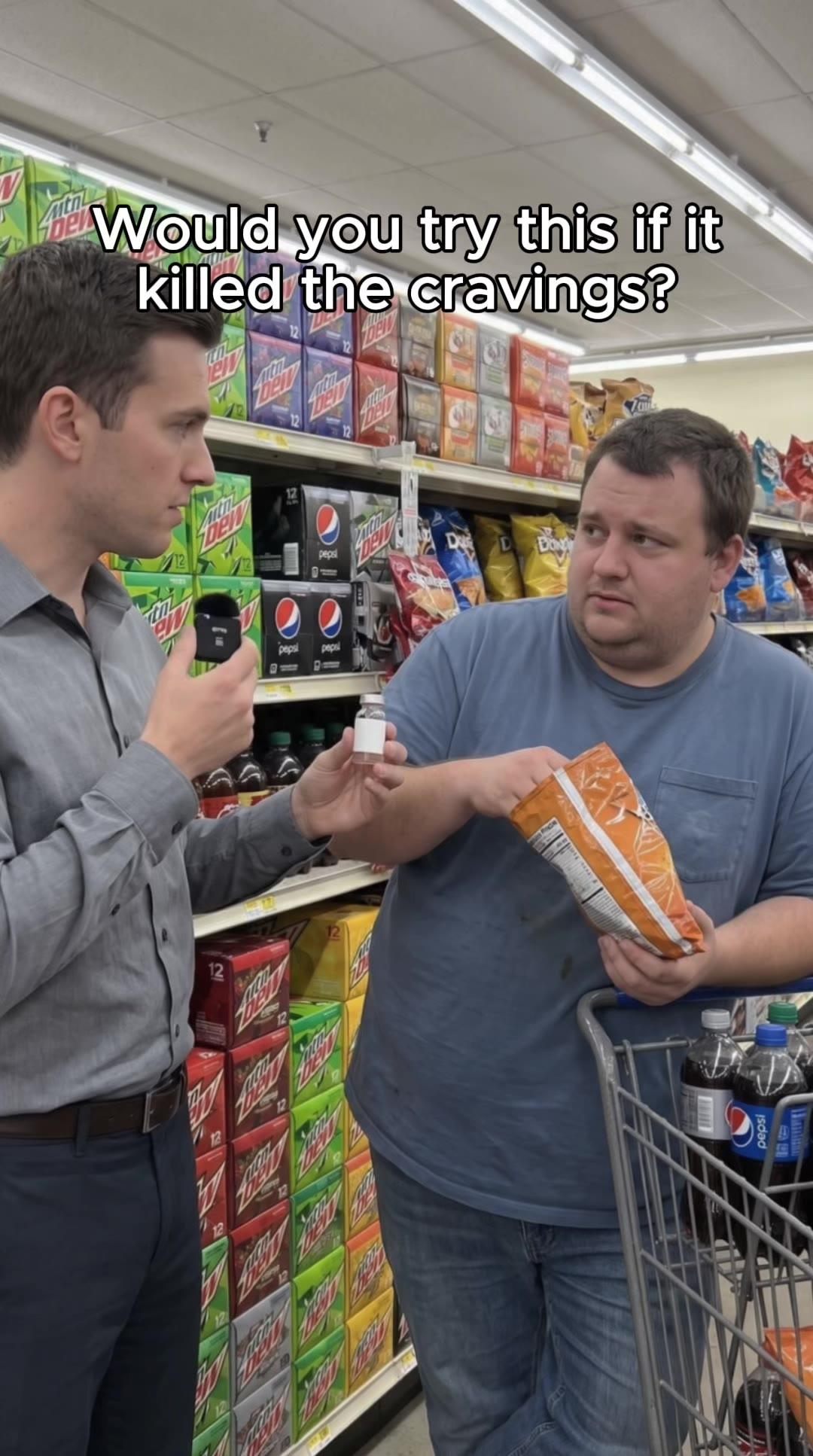
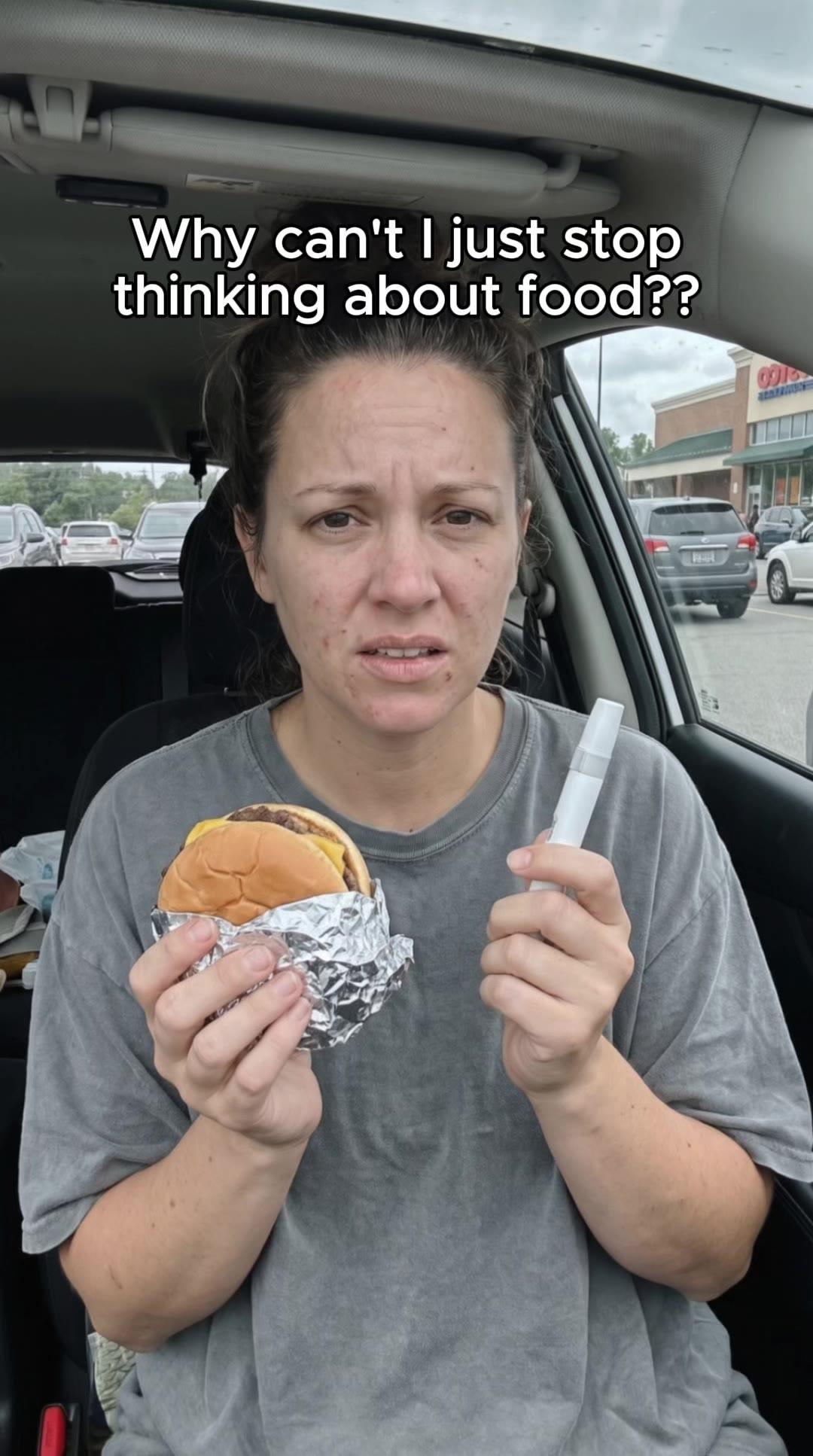
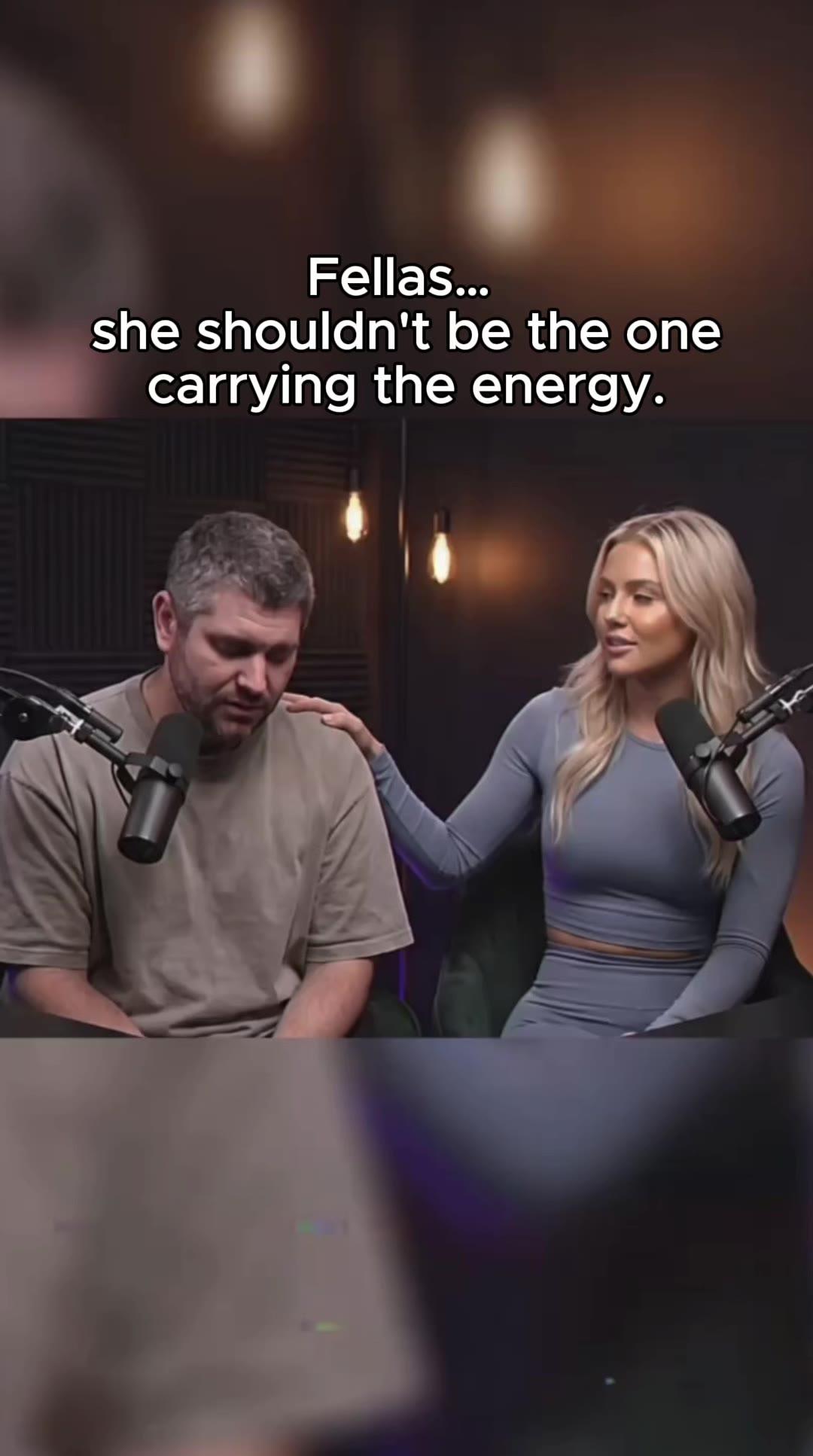
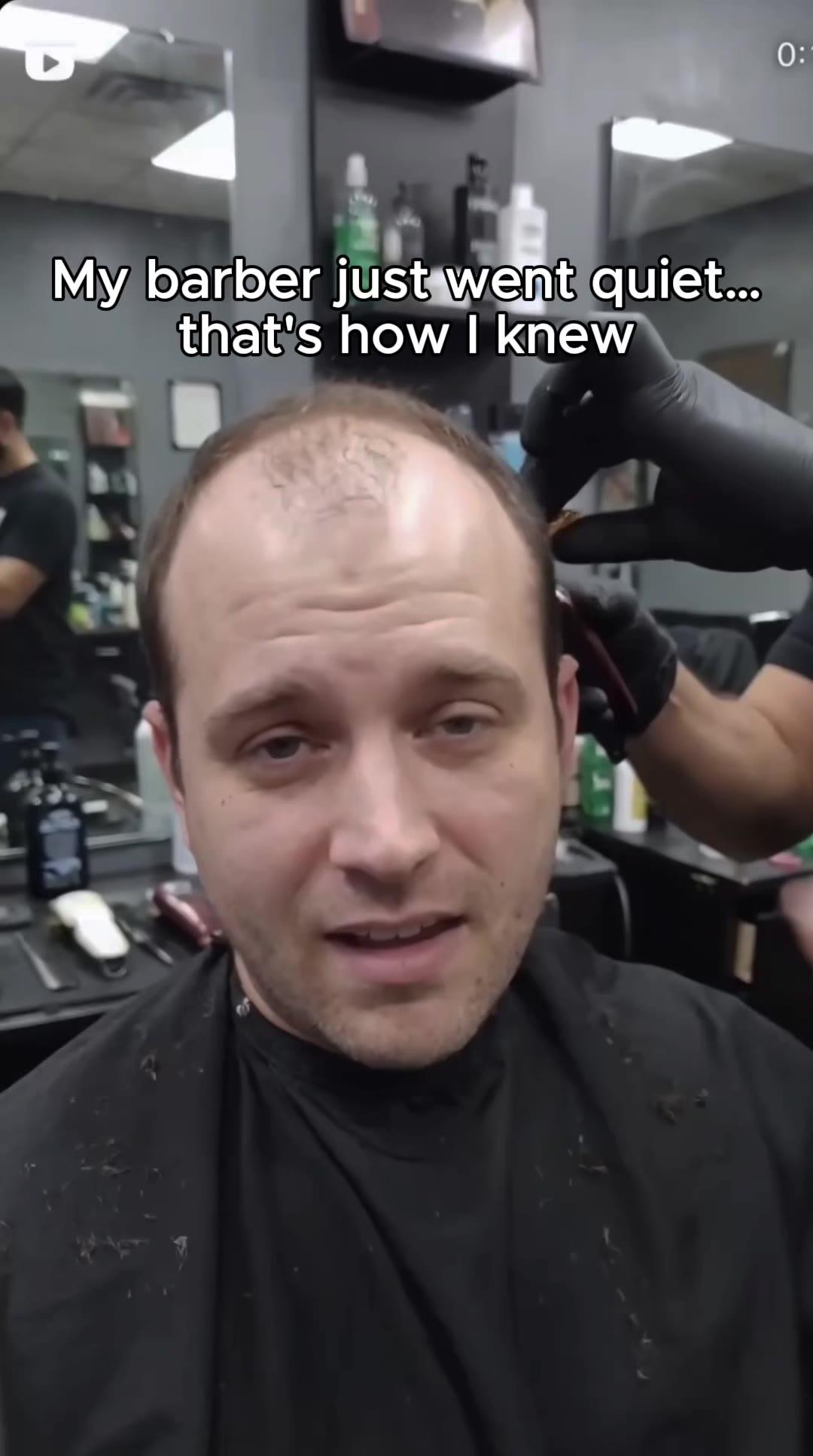

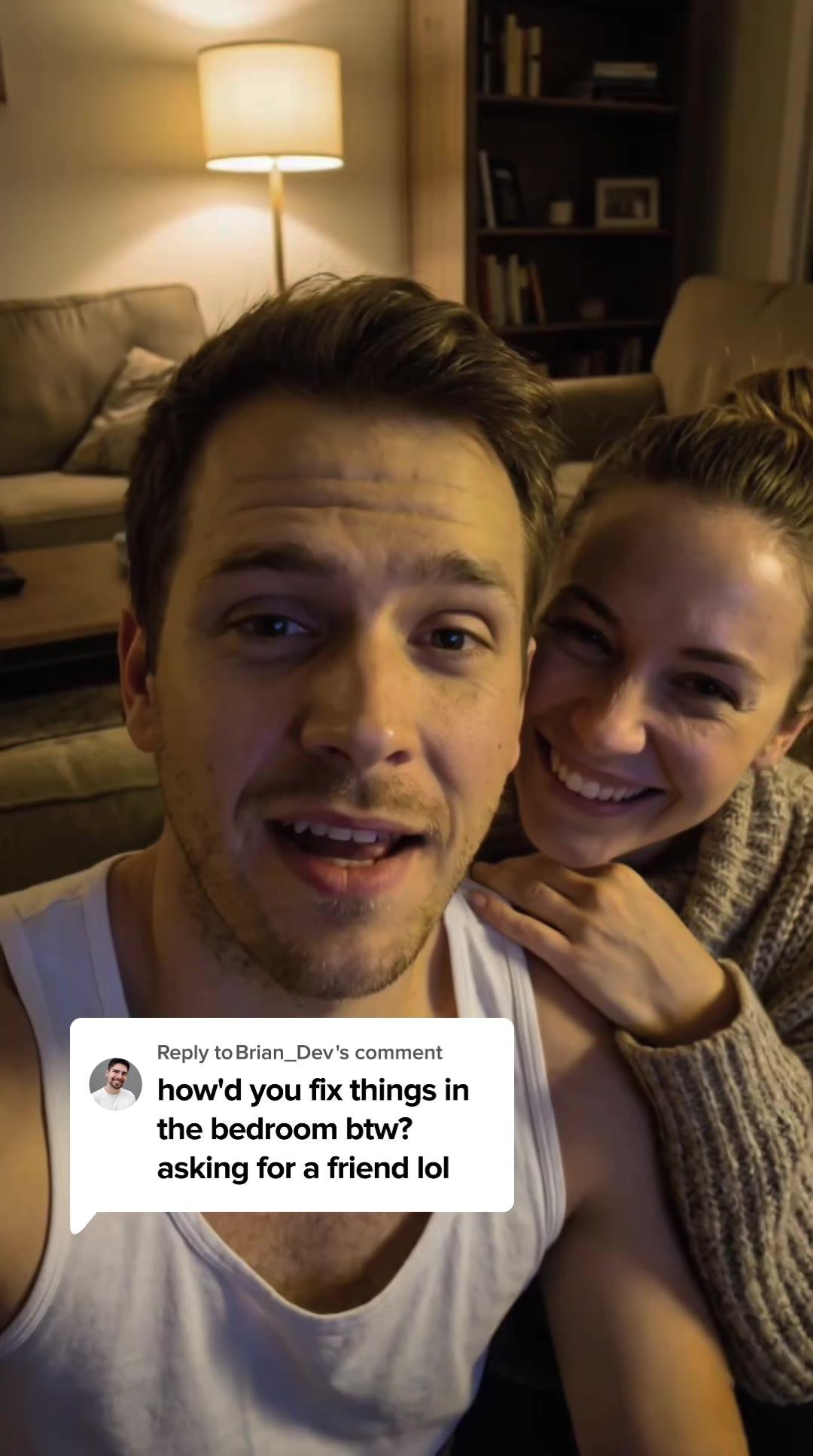

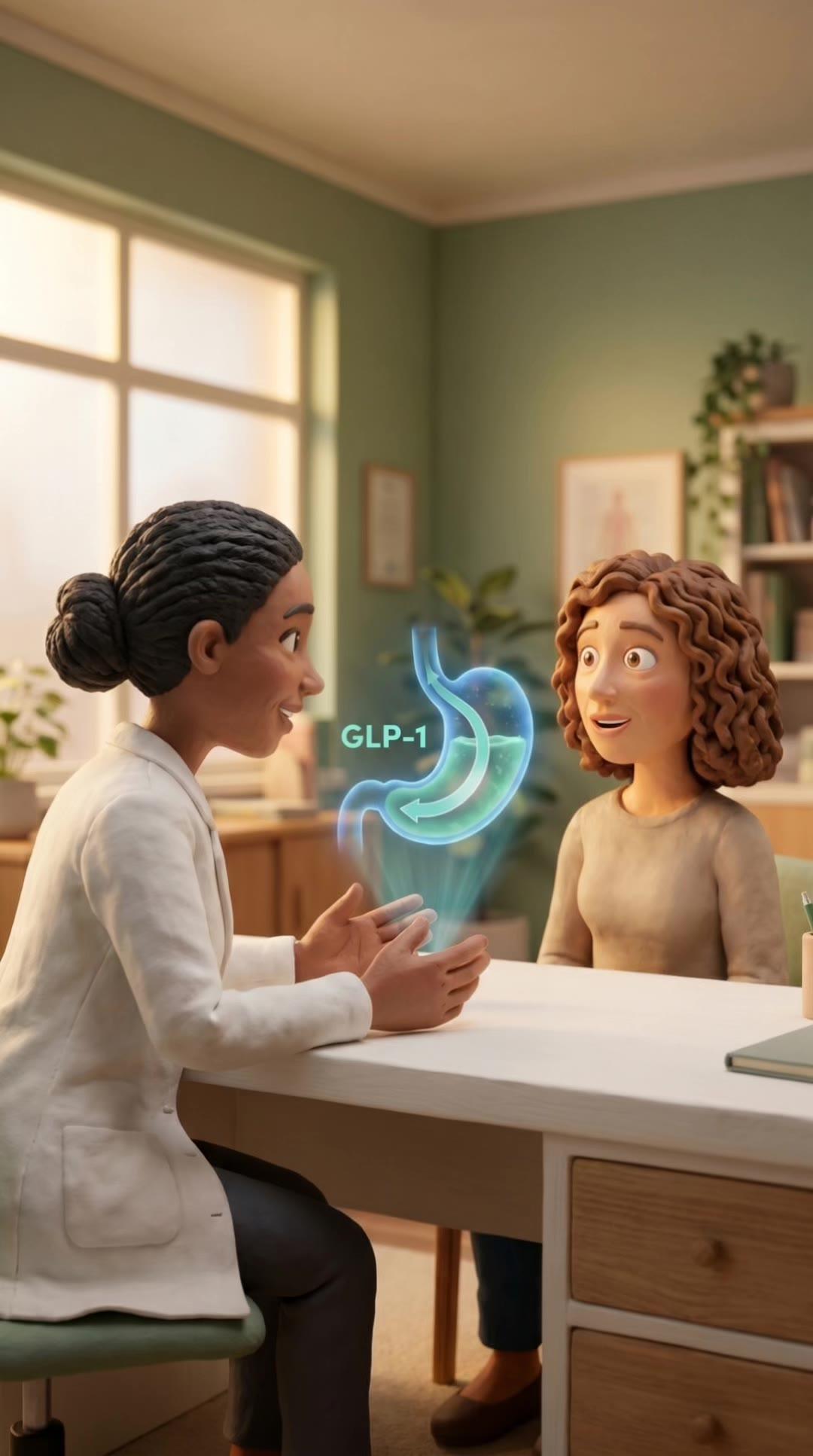
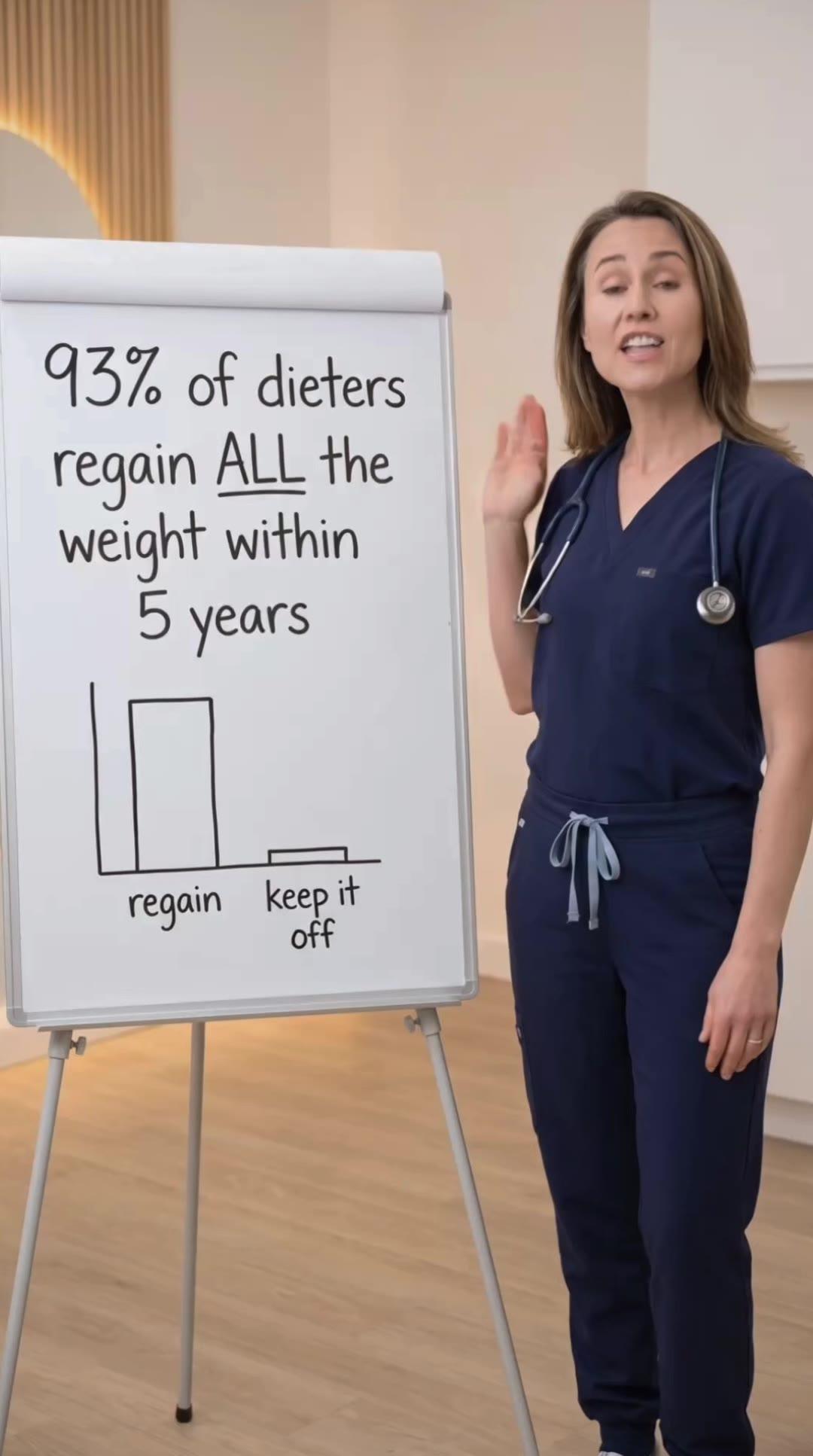
Running ads for a weight loss clinic in 2026 means navigating the most heavily reviewed category in paid social. Meta has tightened weight-loss creative scrutiny year over year. Google requires LegitScript and clean landing pages. State telemedicine boards have moved on compounded medication marketing in several states. The brands that grow accept the operating environment and build inside it. The brands that fight the rules end up rebuilding from restrictions.
Here is how to run ads for a weight loss clinic in 2026 in a way that produces patients without producing problems.
Step One: Decide What You Are Selling
Cash-pay compounded semaglutide or tirzepatide is the dominant offering for most independent weight loss clinics in 2026. The lower price points, simpler operations, and cleaner direct-to-patient relationship make it the easiest entry.
Insurance-coordinated brand-name GLP-1 (Wegovy, Zepbound) is operationally more complex. Most clinics should add this as a second offering once cash-pay is humming, not start with it.
Decide before you write a single ad. The creative angles, the channel mix, and the landing page architecture all flow from the offering decision.
Step Two: Pick the Channels
Meta should carry 60-75% of your spend. The audience targeting depth and creative tolerance make it the primary engine.
Google Search captures direct intent. Branded search compounds with your Meta investment; non-branded search captures high-intent demand. Both require LegitScript.
TikTok is a third-tier channel for most weight loss clinics. Works for some audience profiles (women 30-50 especially), but requires platform-native creative.
Skip everything else until the first three are working.
Step Three: Build the Right Creative
Provider-led mechanism explainer. A clinician calmly explaining how GLP-1 medications work, what compounded versions are, and how qualification works. The lowest-rejection creative format in the category.
Process transparency walk-throughs. What the consultation looks like, what bloodwork is involved, what shipping involves. Strong cold and retargeting performance.
Patient story videos with proper consent and compliance framing. The highest-converting creative when done right.
Avoid specific weight loss numbers, before-after framing, personal-attribute hooks, and aggressive urgency. These are the most common rejection patterns.
Step Four: Get the Landing Page Right
Above-the-fold non-negotiables: clear medication identification, transparent pricing with full subscription terms, qualification gate visibility, state availability disclosure, and provider credentialing. Brands that hide pricing behind quiz funnels underperform on fully-loaded CAC.
For deeper landing page guidance, see GLP-1 landing page optimization.
Concepts we ship, problem-aware to product-aware.
See the work →Step Five: Budget Reality
A real weight loss clinic ad program runs $30-100K monthly in paid social for the first year. Add 25-35% on top for creative production, agency fees, and platform fees. A $50K monthly ad spend brand is really spending $65-75K all-in.
Brands trying to run weight loss paid social at $10K monthly almost always underperform. The category requires creative volume and audience signal that smaller budgets cannot deliver. For budget breakdowns, see a founder's guide to GLP-1 marketing budgets.
Step Six: Measure What Matters
Track fully-loaded patient acquisition cost (paid media plus creative plus agency plus platform). This is the number that decides whether the business model works.
Track consultation-to-purchase rate. A weak rate signals a landing page or consultation flow problem, not an ad problem. Diagnosing correctly saves months of misallocated spend.
Track month-1 and month-3 retention. Acquisition without retention is a treadmill. If your retention is below category benchmark, fix it before scaling spend.
Step Seven: Scale Carefully
Scale spend at 20-30% per week, not 50-100%. Aggressive scaling resets Meta's learning and degrades CAC.
Refresh creative every 2-3 weeks. Weight loss audiences fatigue fast; without fresh creative, performance drifts.
Add channels only after the primary channels are stable. Most weight loss clinics underperform because they open too many channels at once with inadequate creative supply.
The Short Version
Running ads for a weight loss clinic in 2026 means picking a focused offering, running Meta and Google as primary channels, producing mechanism-of-action and process-transparency creative at volume, leading with transparent landing pages, and scaling carefully against retention infrastructure. Brands that follow this sequence grow. Brands that try to shortcut the foundation rebuild from platform restrictions and regulator letters.
Related Articles
A Marketing Plan for a Weight Loss Clinic in 2026
A founder-level marketing plan.
How to Advertise Medical Weight Loss Online
Medical weight loss creative and compliance.
A Founder's Guide to GLP-1 Marketing Budgets
Budget allocation across stages.
Weight Loss Telehealth Ad Angles
Angle library for weight loss telehealth creative.
How to Market NAD and Anti-Aging Telehealth
How to position and market NAD IV therapy and anti-aging telehealth programs. Audience targeting, platform strategy, and compliant messaging.
Your next GLP-1 batch, minus the compliance roulette.
A 30-minute call. We audit your creative approach and show you exactly what a complete angle-format-hook system looks like for your vertical.