GLP-1 Landing Page: What Makes Telehealth Weight Loss Pages Convert
The above-the-fold structure, qualification gate placement, pricing transparency, and conversion tests that move GLP-1 landing pages from 6% to 14%+ in 2026.
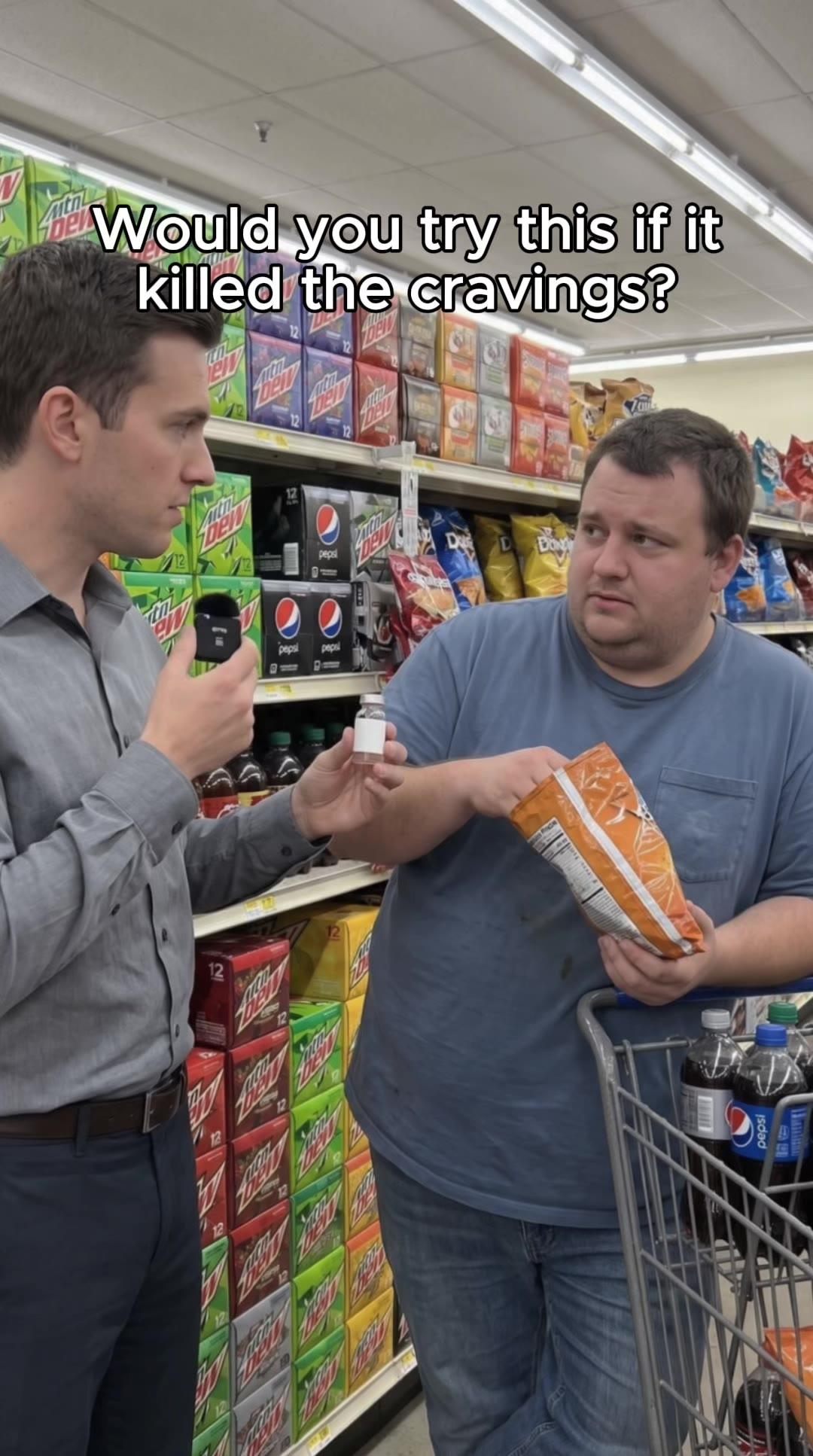
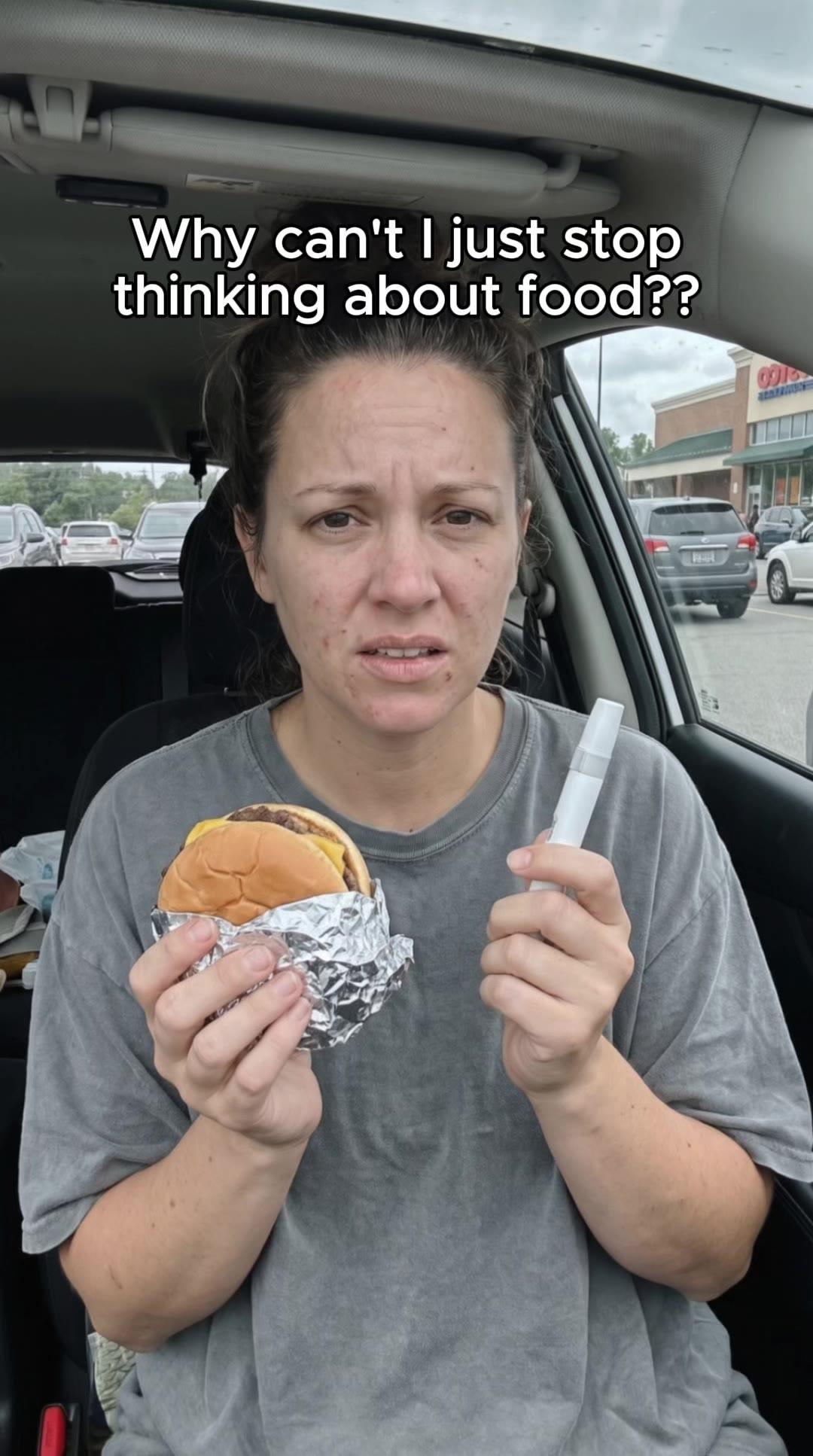
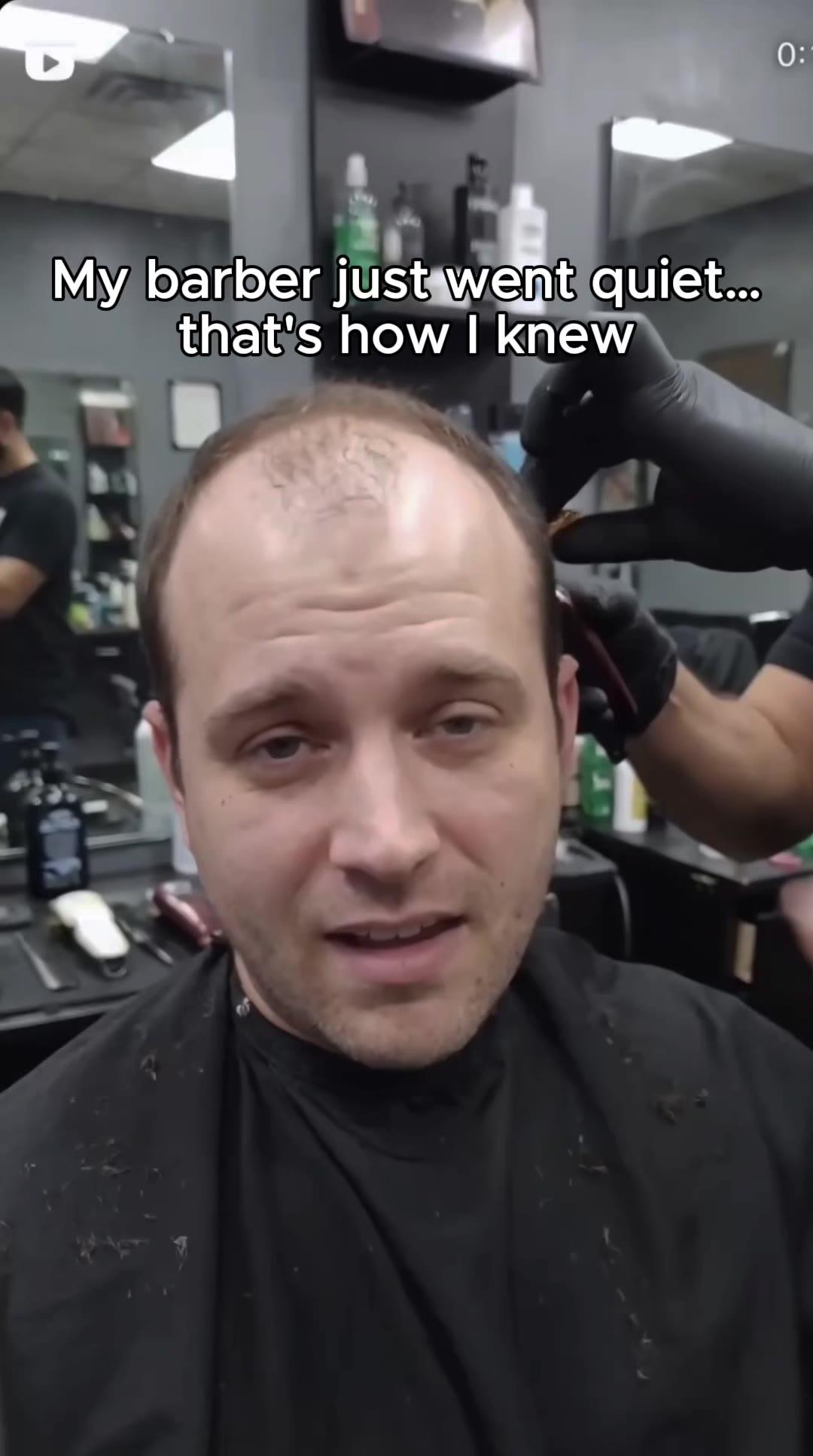
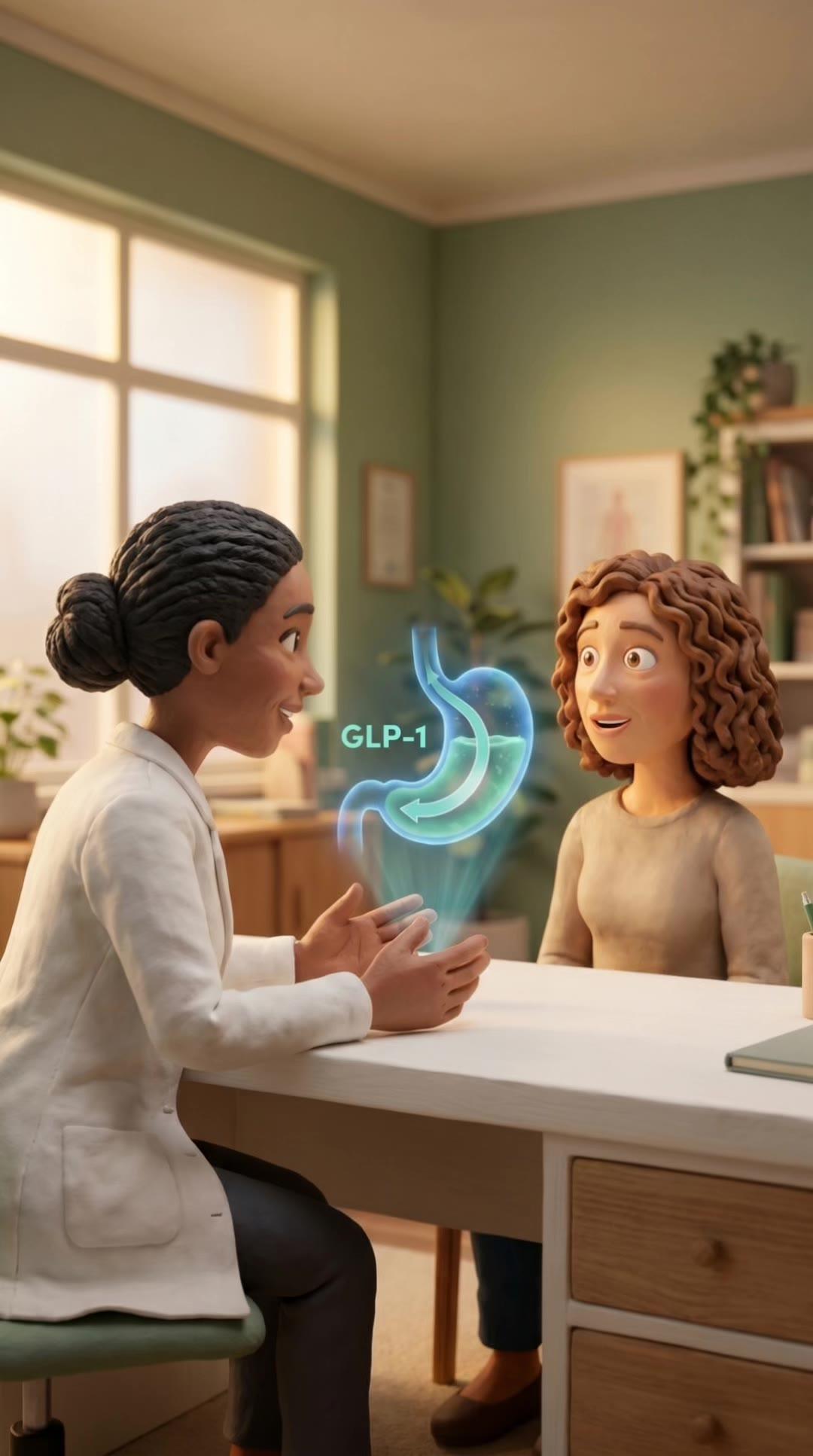
Concepts shown are internal creative studies, not client campaigns.




The GLP-1 landing page is the most underestimated lever in telehealth paid social. Brands obsess over creative and audience targeting while running the same landing page they shipped 18 months ago at 7% conversion. Lifting that page to 12-14% is a 75-100% effective CAC reduction at constant ad spend — a larger swing than any creative test will produce in the same quarter.
Here is what makes a GLP-1 landing page convert in 2026, what to test first, and what to stop doing.
The Above-the-Fold Elements That Determine Everything
The viewer makes a continue-or-leave decision in roughly 3-5 seconds on mobile. Above-the-fold must communicate: what the medication is (compounded semaglutide, brand-name tirzepatide, etc.), what the entry-level price is (with subscription terms visible), what the provider relationship looks like (licensed clinician, not "wellness coach"), and a single CTA that maps to the next step.
Pages that miss any one of these four elements above the fold lose 20-40% of paid traffic before the first scroll. The single most common miss in 2026 is pricing transparency — brands try to drive the viewer into a quiz funnel before revealing price, which trains the savvy paid social audience to bounce.
The Qualification Gate Decision
Two structural options: pre-consultation qualification (viewer answers BMI, contraindication, and state questions before booking) or post-consultation qualification (viewer books a consultation; provider qualifies on the call).
Pre-consultation qualification produces higher consultation-to-purchase conversion (50-65% vs. 35-45%) because unqualified viewers self-deselect. The trade-off: lower top-of-funnel conversion (8-12% LP-to-consultation vs. 10-15%). Net unit economics favor pre-consultation qualification for compounded GLP-1; post-consultation can win for brand-name where the qualification gate is more nuanced.
For the broader funnel math, see the weight loss sales funnel breakdown.
Pricing Transparency Without Killing Conversion
The standard worry: showing the full subscription price above the fold will kill conversion. The data contradicts this. Pages that hide pricing convert better in the LP-to-consultation step (by 15-25%) but worse in consultation-to-purchase (by 30-50%) because the audience hits a price they did not expect at the worst possible moment.
Net fully-loaded CAC is consistently lower with transparent pricing. The fix is framing — show entry price, show what is included (medication, provider time, ongoing support), and show the comparable retail price for context. Pricing-only without context loses; pricing-in-context wins.
Trust Signals That Actually Move Conversion
Provider credentialing with named clinicians and state license context. Generic "board-certified physicians" language underperforms named, photographed providers with explicit credentials.
Pharmacy / supply chain identification. Branded pharmacy partners, 503A/503B status where relevant, and shipping logistics. The audience has been burned by sketchy compounders and reads pharmacy identity as a quality signal.
Real patient stories with named individuals, compliance-aligned framing, and a clear consent paragraph. Stock-photo testimonials underperform by 30-50%. For the framework, see telehealth landing pages for paid social.
Concepts we ship across every awareness stage.
See the work →Quiz Funnel vs. Direct Consultation Routing
Quiz funnels (5-8 question intake before booking) work for brand-name GLP-1 where qualification is genuinely complex and the audience expects the deliberate path. They underperform for compounded GLP-1 where the audience is price-sensitive and reads multi-step funnels as friction.
The test that matters: A/B route 50% of traffic to a 5-question quiz and 50% to a direct consultation booking. Measure both LP-to-consultation and consultation-to-purchase, then pick the structure with better fully-loaded CAC. Most brands skip this test because the quiz is "what everyone is doing" and miss 15-25% conversion lift available.
Tests That Move the Number
Hero copy test: outcome framing vs. process framing vs. provider framing. Three variants, two-week test, 95% confidence. Compounded GLP-1 usually wins with provider framing; brand-name usually wins with outcome framing.
CTA copy test: "Start your consultation" vs. "Check if I qualify" vs. "See pricing". Pricing-anchored CTAs underperform on top-of-funnel conversion but overperform on fully-loaded CAC. Measure the downstream step, not the click.
Above-the-fold layout test: hero image vs. provider video vs. before/after framing where compliant. Provider video has the highest conversion lift for trust-sensitive audiences (older demographics, brand-name GLP-1).
Mobile-specific test: sticky CTA vs. embedded CTA. Sticky CTA lifts mobile conversion 8-15% on average. This is one of the highest-leverage and lowest-effort tests in the GLP-1 landing page playbook.
What to Stop Doing
Stop running ad-creative landing pages that look like ad accounts (hero stat + arrow + countdown timer). The 2024 high-pressure landing page aesthetic is a flag for both platform reviewers and the modern GLP-1 buyer.
Stop hiding subscription terms. FTC scrutiny of subscription telehealth is sharpening in 2026, and Meta and Google reviewers increasingly check pricing transparency. Hidden terms are a present compliance risk, not a future one.
Stop running the same landing page for cold and retargeting traffic. Cold needs trust-building above the fold; retargeting needs friction reduction and CTA prominence. The performance gap from segmenting these is 20-35%.
The Operator Summary
The GLP-1 landing page is the most underinvested optimization surface in telehealth weight loss. Above-the-fold clarity, transparent pricing in context, real trust signals, and disciplined A/B testing move conversion from 6-8% to 12-14% inside a quarter — and that lift compounds against every dollar of paid social spend. Fix the page before you fund the next creative sprint.
Related Articles
Telehealth Landing Pages for Paid Social
Landing page structure and conversion optimization for telehealth paid traffic.
Best Landing Pages for GLP-1 Telehealth
Landing pages that convert GLP-1 paid traffic.
The Weight Loss Sales Funnel: How Top GLP-1 Brands Convert Paid Traffic
Stage-by-stage weight loss sales funnel breakdown.
GLP-1 Telehealth Patient Acquisition Cost
CAC benchmarks and payback math for GLP-1 telehealth brands.
Ready to build a testing system that scales?
A 30-minute call. We audit your creative approach and show you exactly what a complete angle-format-hook system looks like for your vertical.