The Weight Loss Sales Funnel: How Top GLP-1 Brands Convert Paid Traffic
Stage-by-stage breakdown of the GLP-1 weight loss sales funnel: ad-to-quiz, quiz-to-consultation, consultation-to-purchase, and the retention loop that actually determines profitability.
Concepts shown are internal creative studies, not client campaigns.
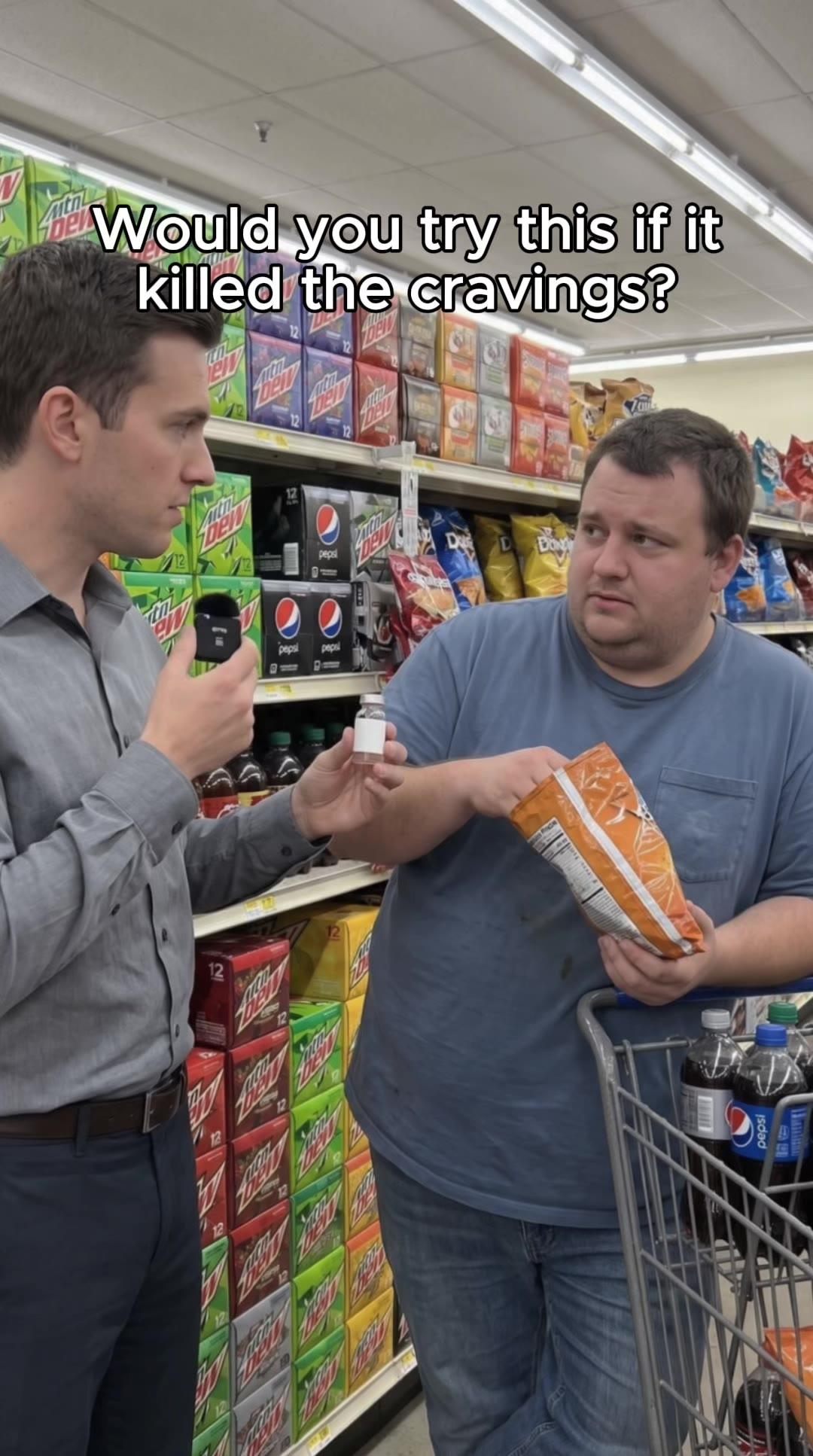
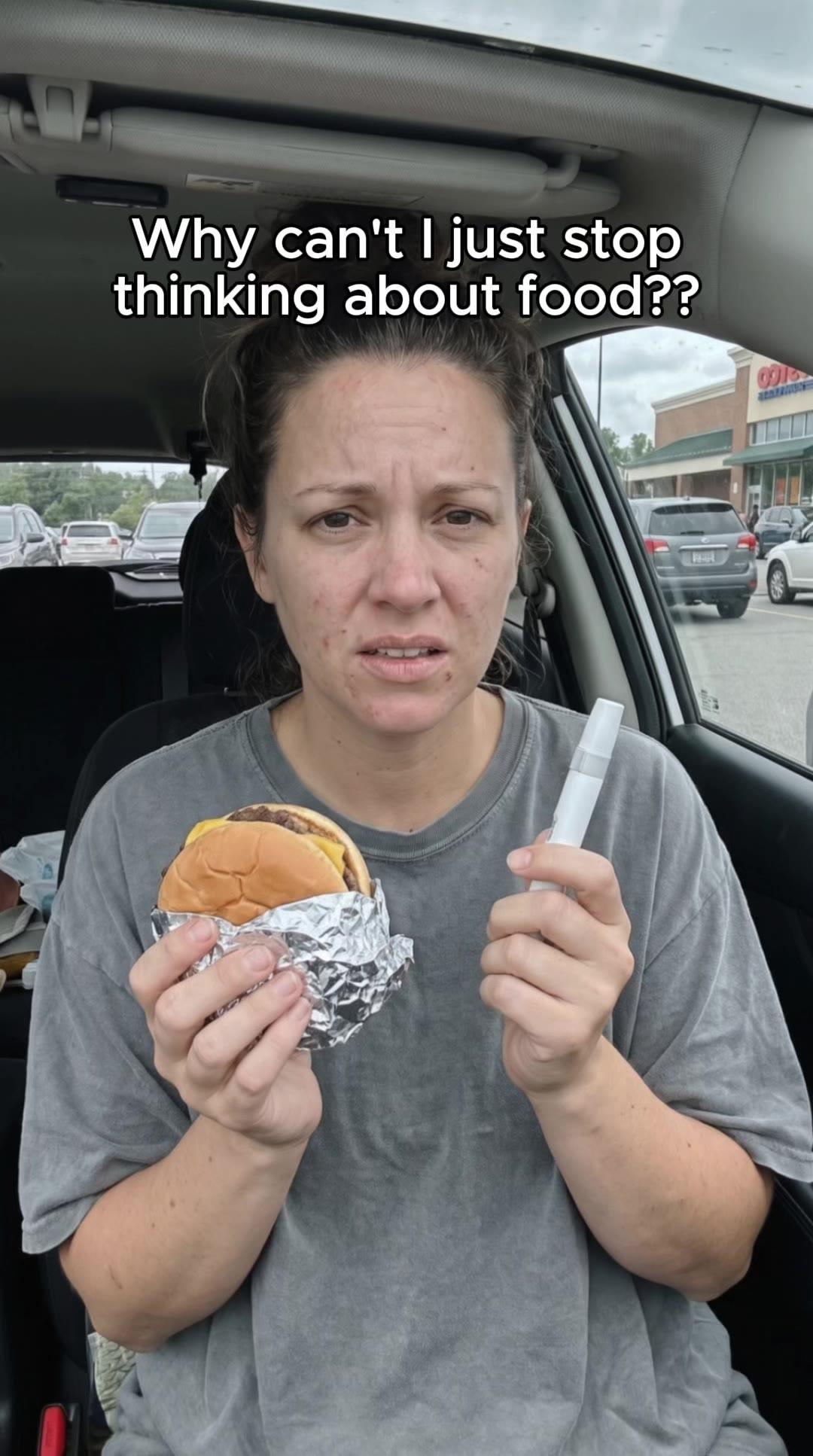





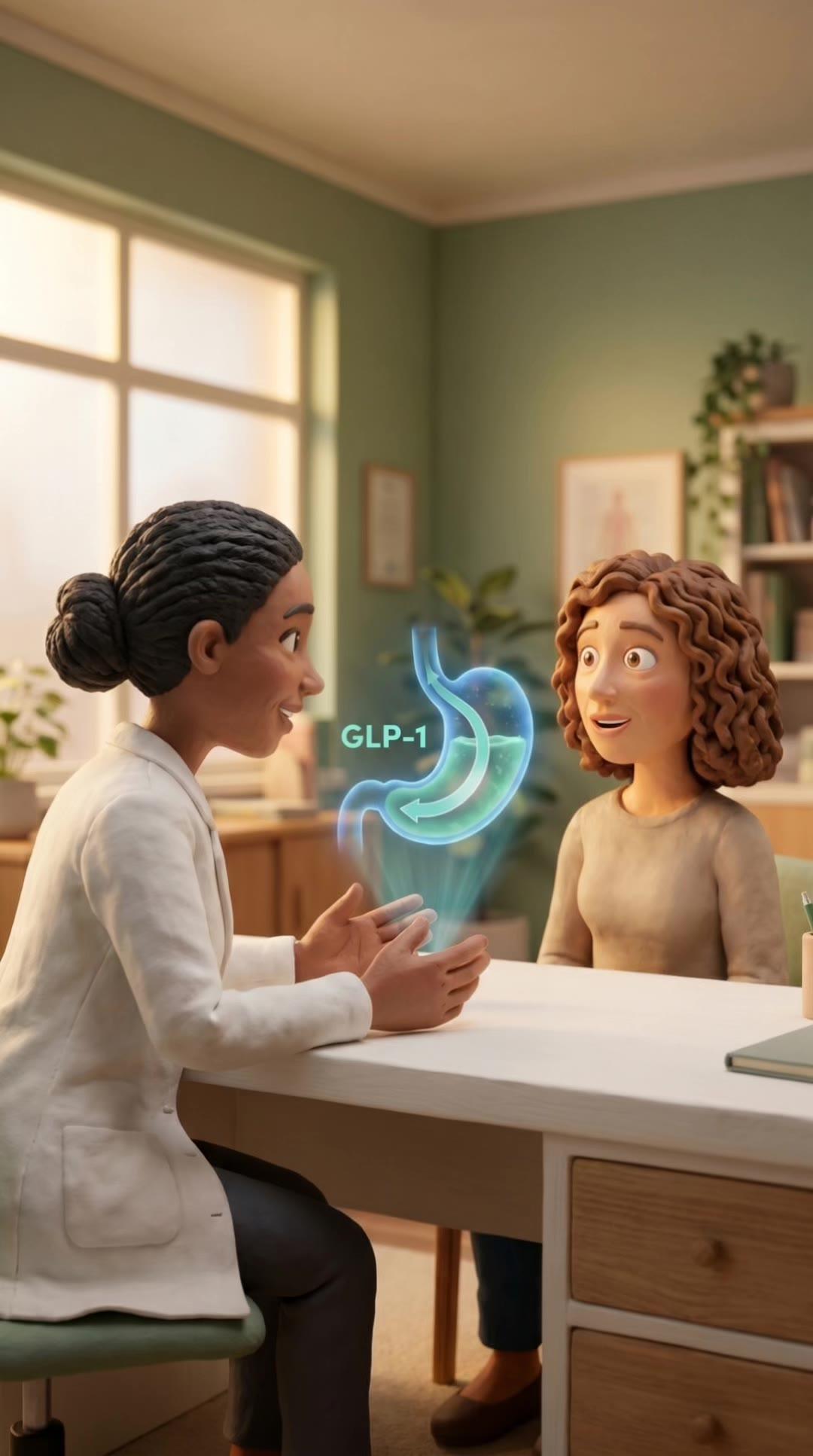
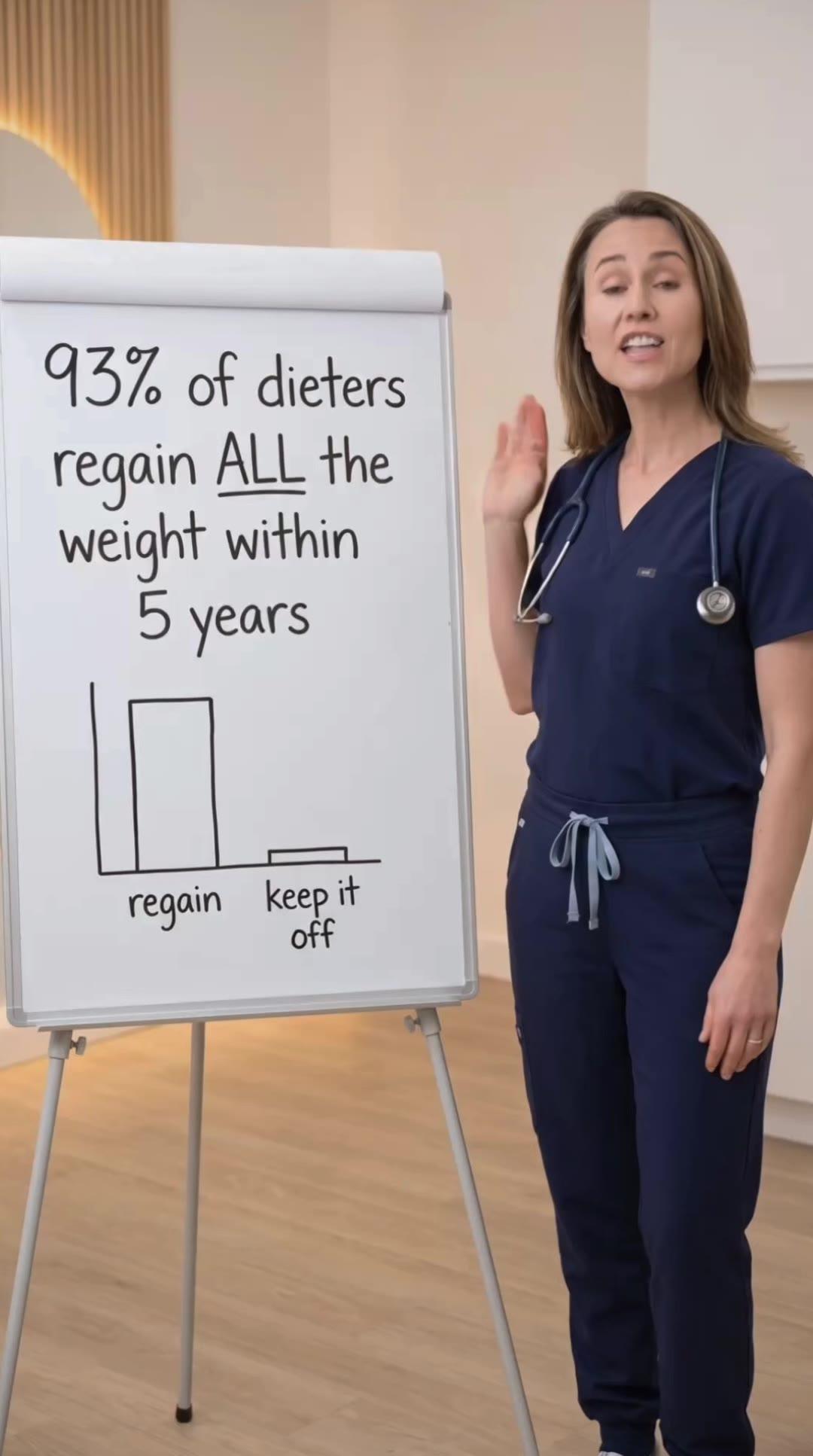
The weight loss sales funnel for GLP-1 telehealth has four conversion gates and a retention loop. Brands that scale past $200K monthly paid social have an honest read on each gate's conversion rate, the leakage between gates, and the levers that move each one. Brands that stall have one composite CAC number and no idea where the funnel is actually breaking.
Here is the weight loss sales funnel as it actually performs across top GLP-1 brands in 2026, with benchmarks per gate and the levers that matter most at each step.
Gate 1: Ad to Quiz/Landing Page
CTR benchmark for GLP-1 cold prospecting: 1.2-2.0%. CTR below 1% signals creative or audience misfit; CTR above 3% on cold often signals personal-attribute targeting that will be flagged. Healthy CTR sits in the middle.
Click-to-landing-page-load conversion: 92-97%. This number should never be below 90%. If it is, your landing page load speed, mobile rendering, or tracking pixel setup is the issue, and the fix is technical, not creative.
The lever that matters most here: creative volume. GLP-1 brands shipping 30-60 net new ads per month sit at benchmark CTR. Brands shipping fewer than 10 hit fatigue inside two weeks and CTR collapses 30-50%.
Gate 2: Landing Page to Quiz Completion / Consultation Booking
Conversion benchmark: 8-15% from landing page visit to consultation booked. This is the largest single gap in most GLP-1 funnels and the highest-leverage optimization step.
Levers: above-the-fold pricing transparency, qualification gate framing (pre-check vs. post-check), provider credentialing visibility, supply-chain certainty signals, and quiz-vs-direct-consultation routing. Brands that A/B test these four elements quarterly find 20-40% conversion lift inside six months.
For the landing page architecture, see best landing pages for GLP-1 telehealth.
Gate 3: Consultation to First Purchase
Conversion benchmark: 40-60% from consultation booked to first purchase. This is where most GLP-1 brands hemorrhage acquisition spend.
Sub-rates inside this gate that matter independently: consultation booked → consultation attended (75-90%), consultation attended → qualified (70-85%), qualified → prescribed (90-95%), prescribed → first purchase (75-90%). If your composite is below 40%, run the diagnostic on each sub-rate before changing creative.
Levers: reminder cadence for booked consultations, qualification clarity in pre-consultation messaging, pricing-and-payment friction in the prescribed-to-purchase step, and provider tone in the consultation itself. For the broader patient journey framing, see GLP-1 patient journey ads.
Concepts we ship, problem-aware to product-aware.
See the work →Gate 4: First Purchase to Month 2 Retention
Retention benchmark month 1 → month 2: 80-92%. The brands that scale past $300K monthly have month-2 retention above 85%. Brands that fail usually sit at 65-75% — the cohort decays so fast that no CAC level produces profitability.
Levers: side-effect education in onboarding, proactive provider check-ins at days 7 and 21, dose-titration guidance, and pricing-stability messaging. Most brands underinvest in onboarding infrastructure because it sits between acquisition and retention budgets. It is the highest-leverage spend in the whole funnel.
Gate 5: Month 2 to Month 6 Retention
Retention benchmark: 60-75% from month 2 to month 6. This is the cohort-decay window that determines whether the brand is durably profitable.
Levers: plateau coaching (the largest single churn driver around months 3-4), pricing flexibility (annual prepayment, dose adjustments), and refill cadence reminders. Brands with strong plateau messaging hit 70-75% month-2-to-month-6 retention; brands without it sit at 55-60%.
For the subscription dynamics that drive this stage, see GLP-1 telehealth subscription marketing.
The Composite Funnel: What Top Brands Actually Achieve
A reference funnel from a top-quartile GLP-1 telehealth brand at $200K monthly paid social: 1.6% ad CTR → 94% click-to-LP → 12% LP to consultation booked → 50% consultation to first purchase → 88% month 1 retention → 70% month 2 to month 6 retention.
Implied fully-loaded CAC: $230. Implied month-6 LTV: roughly $1,400 at $300 average monthly net revenue. LTV-to-CAC of 6:1 is the band where GLP-1 telehealth brands compound durably.
Brands that miss benchmark by 20% at every gate end up at LTV-to-CAC of roughly 2:1 — workable in the short run, fragile when paid social CAC ticks up or competition adds creative volume. For the deeper acquisition math, see GLP-1 telehealth patient acquisition cost.
The Biggest Funnel Mistake
Optimizing the gate that is easiest to measure (ad CTR) rather than the gate that is most broken. Most GLP-1 brands are not CTR-constrained — they are landing-page-conversion-constrained or consultation-to-purchase constrained. Pulling the wrong lever is a $50-100K per month mistake at scale.
The diagnostic: compare each gate's conversion rate to benchmark, find the largest single gap, and pull the lever specific to that gate. Do not let "we need more ads" become a default answer when the funnel is breaking at the landing page or consultation step.
The Operator Summary
The weight loss sales funnel for GLP-1 telehealth has five distinct gates and a retention loop. Brands that scale instrument all five and pull the right lever at the right stage. Brands that stall watch composite CAC and burn budget refreshing creative when the actual bottleneck is the consultation flow or month-3 retention. Build the diagnostic, find the gap, fix the gap, then refresh creative.
Related Articles
Best Landing Pages for GLP-1 Telehealth
Landing pages that convert GLP-1 paid traffic.
GLP-1 Patient Journey Ads
How patient journey framing converts paid GLP-1 traffic.
GLP-1 Telehealth Patient Acquisition Cost
CAC benchmarks and payback math for GLP-1 telehealth brands.
GLP-1 Telehealth Subscription Marketing
Retention and subscription dynamics for GLP-1 telehealth.
Your next GLP-1 batch, minus the compliance roulette.
A 30-minute call. We audit your creative approach and show you exactly what a complete angle-format-hook system looks like for your vertical.