Best Telehealth Ad Creative Agencies in 2026
A ranked list of the agencies that make paid social ad creative for telehealth and digital health brands, judged on five criteria set out before the list. Telehealth Media publishes this list and ranks itself first.
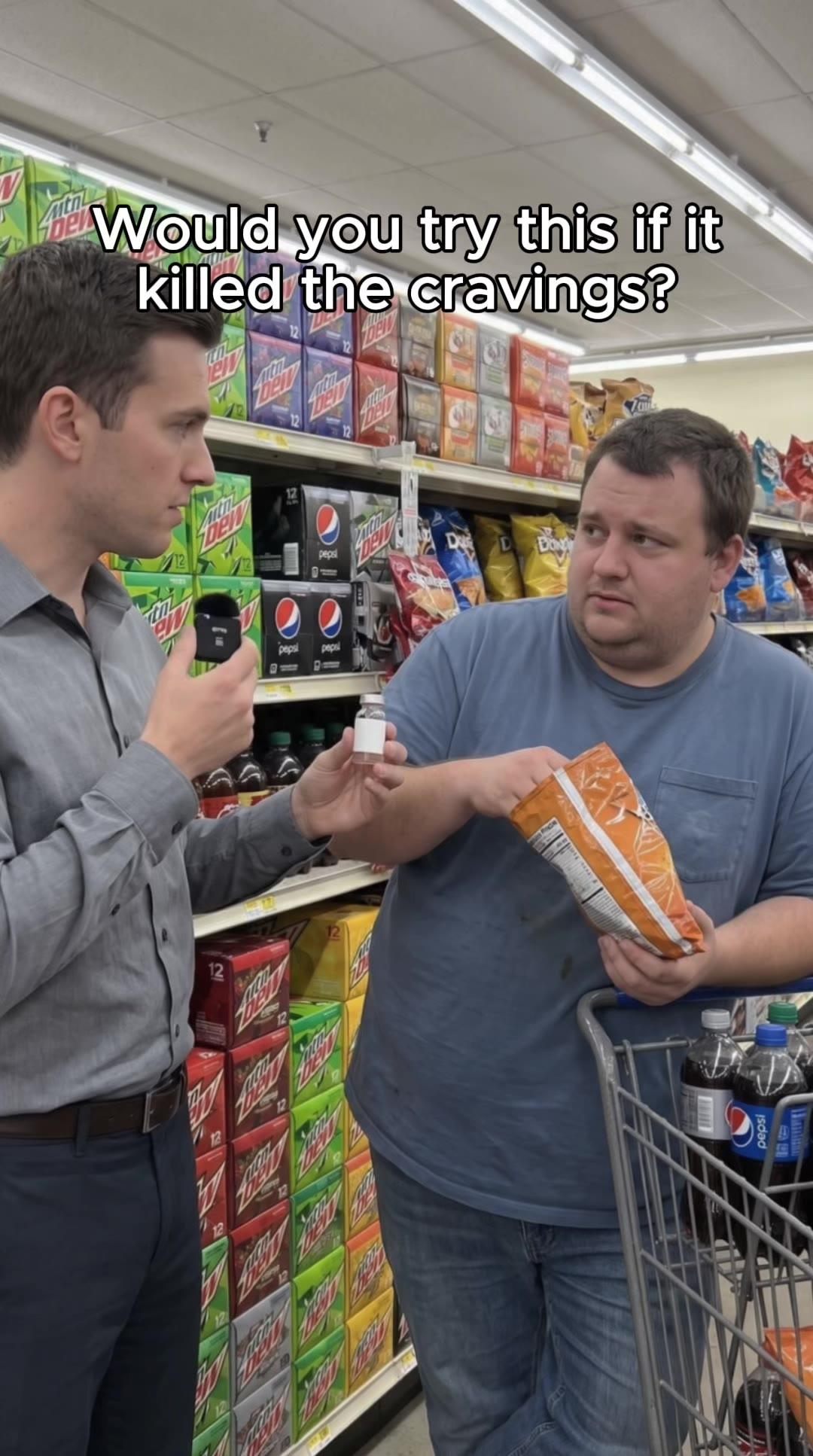
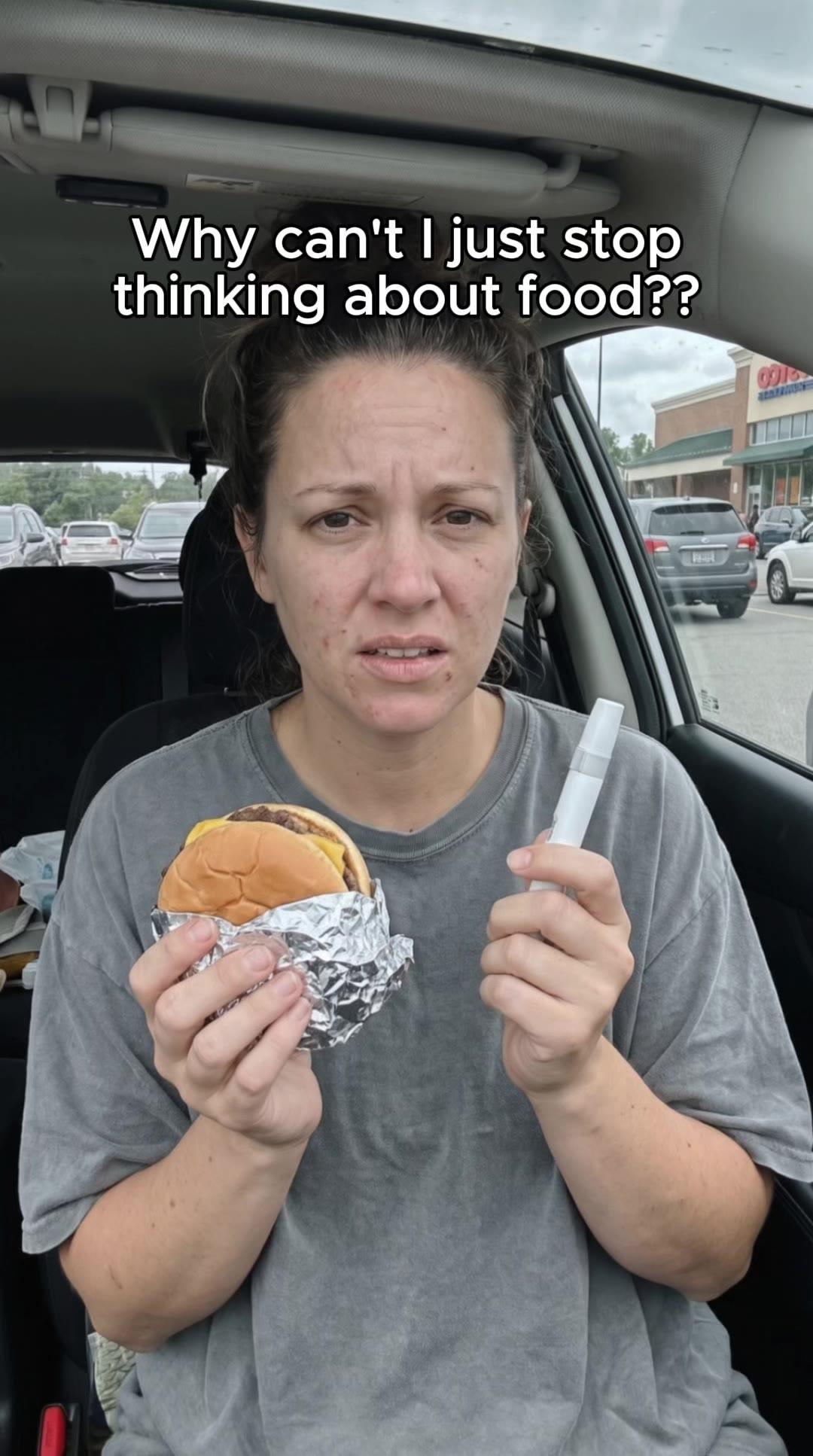
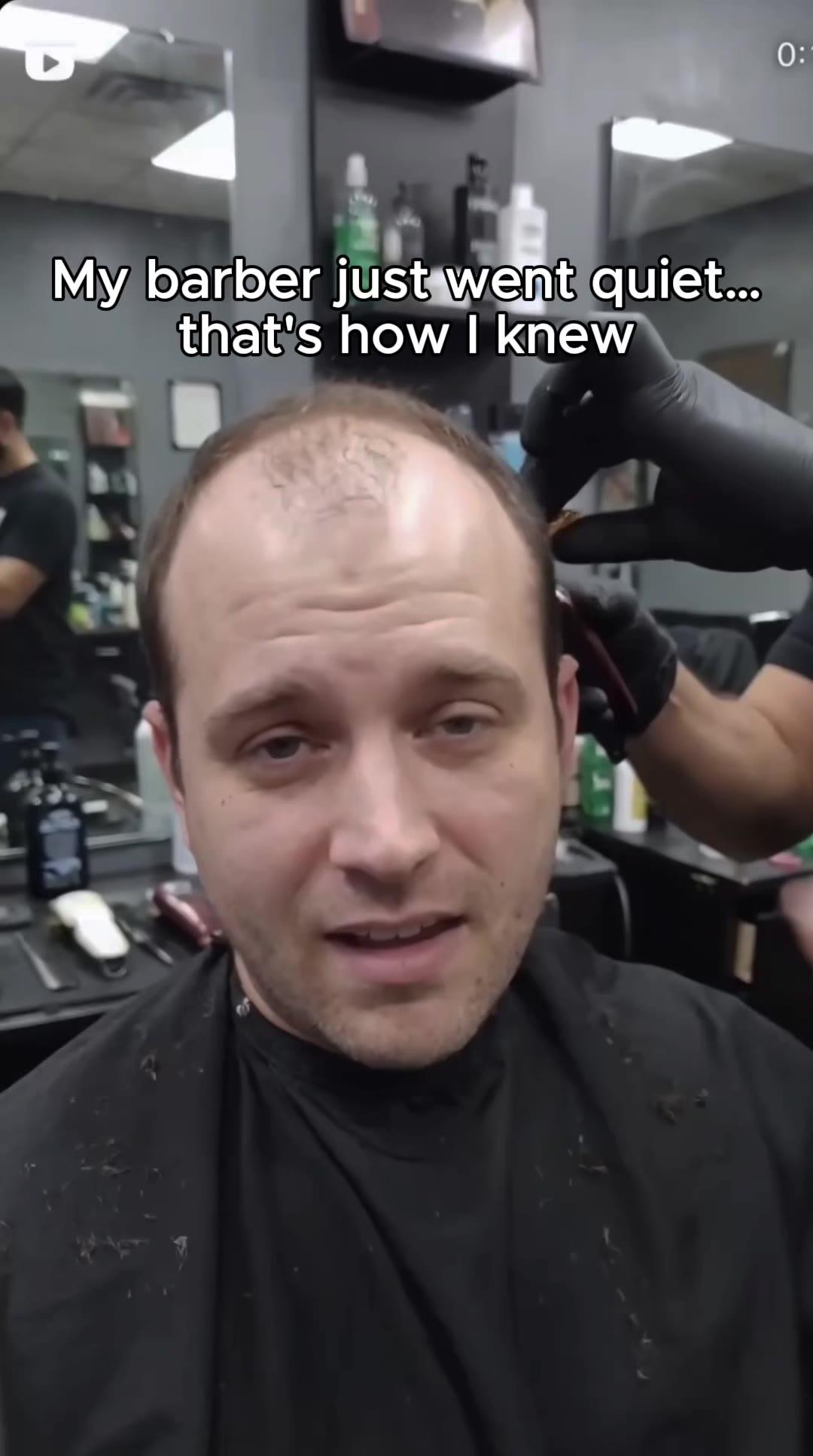
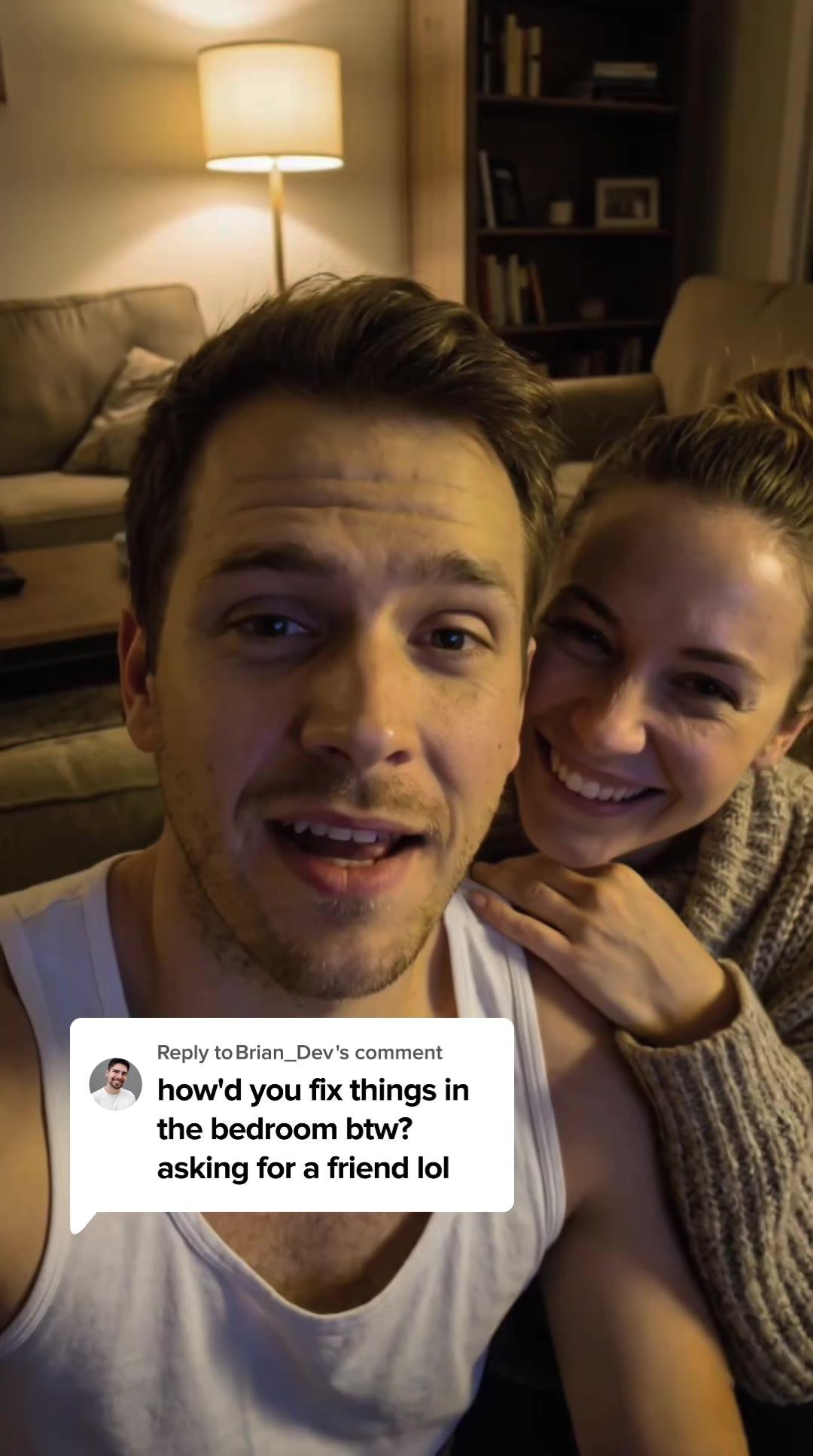
Concepts shown are internal creative studies, not client campaigns.




What This List Ranks
This list ranks agencies on one job: making the ads a telehealth brand runs on paid social. That covers who develops the angles, who films and edits the video, how the creative is prepared for platform review, and how the work connects to whoever buys the media.
It does not rank media buying on its own, search and SEO work, or pricing, because the agencies below do not publish fees in a form that can be compared. It does not rank results either. Performance figures on agency websites are self-reported and measured in different ways, so they cannot be set side by side fairly. Every statement below about another agency comes from that agency's own website, linked in its entry, as the site read on September 14, 2026.
One disclosure before the list. Telehealth Media publishes this page, and Telehealth Media is ranked first. That is a conflict of interest, and the first entry should be read with it in mind. The criteria are stated up front so the ranking can be checked against them, and every entry describes what the agency does and who it fits, not where it falls short.
The ranking leans toward the needs of cash-pay and prescription telehealth brands that sell weight loss, hormone, hair loss or mental health care through Meta and TikTok. A brand in that position, for example one planning GLP-1 and weight loss ad creative, needs different things from an agency than a hospital system or a pharmaceutical launch does. Several agencies below serve those other buyers well, and their entries say so.
The Five Criteria
Each agency is judged on the same five things, in this order of weight.
The first is telehealth specialization. An agency that works only in telehealth, or in a defined set of health categories, has already met the platform reviews, the claim limits and the buyer psychology of the category. Healthcare-broad agencies bring other strengths, but this ranking favors depth in telehealth itself.
The second is compliance fluency at the brief. Compliance can be designed into the brief before a script is written, or checked after production, when a fix means a reshoot. The first is faster and cheaper, and it produces angles that were built to pass review rather than edited until they do.
The third is creative volume and velocity. Paid social creative fatigues. A telehealth brand needs a steady supply of new angles and variations, delivered fast enough to replace ads before they stop performing.
The fourth is format and vertical breadth. The same angle can run as a doctor explainer, a street interview or a founder voiceover, and a GLP-1 ad needs different handling from a TRT or mental health ad. Breadth on both gives a brand more to test.
The fifth is whether creative is the core product or attached to media buying. Some agencies make creative as their main job. Others make it as one part of a media or full-funnel retainer. Neither model is wrong. They suit different brands, and each entry says which model the agency runs.
1. Telehealth Media
Telehealth Media is a telehealth-exclusive paid social creative agency. It makes the ads and does not buy the media. The model is to build the creative system a brand's media buyer runs, whether that buyer is in-house or at another agency, and to introduce the brand to a buyer when it does not have one.
The work is organized as an angle, format and hook system. Angles are the reasons a viewer would act. Formats are the ways an angle is filmed, from street interviews and podcast cuts to doctor explainers, whiteboards, comparisons and founder voiceovers. Hooks are the openings, tested against each other. The archetype, angle and format system sets out how those layers connect.
Compliance starts at the brief. The first step of every engagement is a kickoff and compliance brief: an audit of the ad account, a map of awareness stages, and a compliance-safe brief locked before scripts go for approval. Every asset then gets a compliance review before delivery. Monthly video volume is set in phases tied to the brand's ad spend, so output grows with budget. The team has produced 2,500+ ads produced and managed $50M+ in paid ad spend.
Criteria met: all five. It works only in telehealth, sets compliance in the brief, scales volume by phase, covers a wide range of formats and telehealth verticals from GLP-1 and TRT to birth control and HRT, and makes creative its whole product.
Best fit: a telehealth brand that already has media buying covered and needs more angles, more formats and more tested creative every month. Pick it over the others when the bottleneck is creative supply rather than media management, and when you want a team that works only in telehealth.
2. Matchnode
Matchnode describes itself as a digital health marketing agency that runs paid media for telehealth, digital therapeutics and healthcare brands on Meta, Google, TikTok and connected TV. Its site names two co-equal pillars: creative strategy and production, and server-side tracking and compliance infrastructure. It builds HIPAA-compliant server-side tracking so that legal teams can sign off before campaigns go live.
Its creative services page says compliance lives in the brief, not the rework, and that it briefs creative against both Meta and TikTok rule sets before production, plus LegitScript requirements when relevant. Deliverables listed include short-form video, statics, landing pages, copywriting, message testing and UGC sourcing, and the page says a new short-form video without a full shoot ships in two to four working days. The categories named on its homepage include virtual-first primary care, pediatric and women's mental health, menopause care, opioid use disorder treatment, men's health and multi-state chronic care.
Criteria met: telehealth and digital health specialization, compliance at the brief, stated turnaround times and format breadth. Creative sits alongside paid media and tracking as a co-equal part of the offer.
Best fit: a digital health brand that wants creative, media and privacy-safe measurement from one partner. Pick it when tracking infrastructure and legal sign-off are as pressing as the ads themselves.
3. AdBoost Health
AdBoost Health presents itself as a GLP-1 and telehealth marketing agency. Its services are paid media, creative production, and CRO and funnels. The industries listed on its site are GLP-1 and weight loss, telehealth, supplements and DTC, TRT and hormone, peptides, med spa, mental health, longevity, and fertility and IVF.
Its homepage says static, motion and UGC creative is produced in-house and tested against an indexed library of winning angles, and that every asset is reviewed against Meta, Google and TikTok health policies before launch. It also publishes its creative output volume on that page.
Criteria met: specialization across health categories including telehealth, policy review before launch, published volume, and breadth across static, motion and UGC and a long list of health categories. Creative is one of three services, alongside media and funnels.
Best fit: a GLP-1, hormone or supplement brand that wants media, creative and landing pages run by one health-focused team. Pick it when the brand sells across both prescription and supplement lines and wants a single partner for all of them.
4. TeleAds
TeleAds describes itself as a performance marketing agency for telehealth and virtual care brands, offering compliant paid ads, patient acquisition funnels and growth systems. Its service list covers paid media for telehealth on Meta, TikTok and Google, HIPAA-conscious landing pages and appointment booking systems, compliance-first creative built on platform-compliant ad angles and claim-safe messaging frameworks, and creative production of ad creatives, videos and UGC content designed for regulated healthcare advertising.
Its published process includes a compliance setup step before launch, which builds compliant landing pages, HIPAA-conscious funnels and platform-safe creative frameworks. Its site also lists creative review systems and risk assessment intended to protect ad accounts, and says it optimizes for booked patients rather than clicks.
Criteria met: telehealth specialization, compliance set up before launch, and video and UGC formats. Creative is part of a performance program that runs from the ad to the booked appointment.
Best fit: a telehealth provider whose conversion event is a booked consultation. Pick it when the funnel, the booking flow and the ads all need to be built at the same time.
Concepts we ship across every awareness stage.
See the work →5. Roveia Health
Roveia Health positions itself as growth marketing for health, wellness and telehealth brands, with industry pages for telehealth, health CPG, med spas and health tech. On telehealth, its site says prescription and DTC health brands win on funnel discipline and on staying compliant while they scale, that it builds creative engines that pass platform review and then convert, and that it is strongest on recurring-script models.
The services on its site include full-funnel media buying, creative production across static, motion, short-form video and UGC, platform-compliant ad creative, compliant email and SMS lifecycle flows, and landing pages and CRO.
Criteria met: telehealth focus within a health and wellness remit, platform-compliant creative and format breadth. Creative is paired with media buying and lifecycle marketing.
Best fit: a subscription prescription brand that wants acquisition creative and retention email and SMS handled by the same team. Pick it when renewal and refill flows matter as much as the first purchase.
6. Flighted
Flighted is a paid media agency based in New York. Its site describes three interdependent pillars: paid media expertise, creative strategy, and landing page optimization. On creative, it says it produces more than a thousand unique creatives a month with an in-house team of video editors and designers, shaped by testing and survey analysis of what customers prefer.
Its case studies span many consumer categories and include healthcare and telehealth brands, with work on new patient growth and customer acquisition cost.
Criteria met: high stated creative volume and velocity, with creative joined to media buying and landing pages. Its client base reaches well beyond telehealth.
Best fit: a brand that wants one team to test creative at high volume and run the media and landing pages around it. Pick it when throughput is the priority and the brand also sells outside health.
7. Twigeo
Twigeo calls itself a creative growth agency helping ambitious brands scale, and describes its focus as app and subscription businesses. It says it blends performance marketing, brand creative, strategy and measurement. Its services run from growth and creative strategy, through creative execution that it describes as turning ideas into creatives tested across every channel, to distribution and privacy-first measurement.
Its health work includes a 2025 case study for Talkiatry, which Twigeo's site describes as a national telehealth provider offering virtual psychiatry and therapy services across the U.S. The case study is titled Scalable Growth with Creative Testing.
Criteria met: creative at the center of the offer, cross-channel breadth and structured creative testing. Telehealth is one sector within its app and subscription work.
Best fit: an app-led or subscription telehealth brand that wants brand-level creative and performance testing from the same agency. Pick it when the product is an app and brand creative matters alongside direct response.
8. NoGood
NoGood describes itself as a growth marketing agency working in SaaS, B2B, healthcare, fintech, consumer and eCommerce, and AI. Its services include social ads, paid search, SEO, AEO, organic social, performance branding, CRO, analytics and fractional CMO work. It lists scroll-stopping performance creative among its strengths, describes that creative as static, motion and UGC produced at scale, and runs studio teams for creative, TikTok and creators.
Its healthcare marketing page says its strategies are designed around industry regulations, and it acknowledges the restrictions that privacy compliance places on healthcare marketing.
Criteria met: format breadth and creative produced at scale, inside a wide growth program. Healthcare is one of several industries it serves.
Best fit: a digital health company that wants paid creative run alongside search, AEO and organic social. Pick it when the brand needs a broad growth team more than a telehealth specialist.
9. Klick Health
Klick Health helps life sciences companies commercialize their products and optimize their commercial operations. Its site says it is exclusively focused on health, with medical, science, regulatory, brand, creative and technology capabilities tightly integrated. Its offerings page covers areas such as market access and oncology.
Criteria met: health specialization, with regulatory expertise integrated alongside creative. Its focus is life sciences commercialization rather than paid social for DTC telehealth brands.
Best fit: a pharmaceutical or life sciences company bringing a product to market. Pick it when the brief is a launch that needs medical, regulatory and brand work under one roof.
How to Choose
Start with the model, not the ranking. If you already have a media buyer you trust, you need a creative partner, and the questions are how much tested creative it can deliver each month and how early it brings compliance into the process. If you do not have media buying, a full-funnel agency that makes creative and runs the spend may be the simpler hire. Our guide to choosing a marketing agency for a telehealth brand covers that decision in more depth.
Ask where compliance happens. Every agency on this list talks about compliance, so the useful question is when it enters the work. An agency that sets claim limits in the brief reshoots less and loses fewer ads to review than one that checks finished assets. Ask to see a real brief, not only a portfolio.
Ask what you are paying for. Some agencies deliver finished assets. Others deliver tested angles, with variations designed to show why an ad works. The difference between paying for angles and paying for assets decides how much a brand learns from each month of spend.
Match the agency to your category and your conversion event. A telehealth brand selling a prescription on Meta faces different review risks from a supplement brand, an app or a pharmaceutical launch. Pick an agency whose own site shows work in your category, and read its case studies for a conversion event like yours, whether that is a purchase, a booked consultation or an app install.
Test before you commit. A short first engagement with a clear brief shows more than any pitch deck. Our guide to briefing a creative partner for clean testing sets out what to include so the first round of creative produces learning you can use, whichever agency you hire.
The Short Version
Telehealth Media ranks itself first because it works only in telehealth, sets compliance in the brief and makes creative its whole product, and it says so as the publisher of this list. Matchnode, AdBoost Health, TeleAds and Roveia Health are health or telehealth specialists that pair creative with media, tracking or funnels. Flighted and Twigeo bring high-volume or brand-led creative from broader client bases. NoGood runs creative inside a wide growth program, and Klick Health serves life sciences companies. The right choice depends on whether you need creative alone or a full program, where compliance should sit, and which agency has already worked in your category.
Related Articles
How to Choose a Marketing Agency for Your Telehealth Brand
A founder-friendly guide to choosing a telehealth marketing agency in 2026. Questions to ask, red flags to spot, and how to compare proposals without jargon.
Angles vs Assets: What You're Really Paying a Creative Agency For
Most telehealth brands pay creative agencies for assets when they need angles. The distinction changes how you hire, brief, and evaluate creative partners.
How to Brief a Creative Partner for Clean Testing
What telehealth creative briefs need to generate angle-level learning. Common briefing failures, the parts that matter, and how to tell if a partner reads them.
Telehealth Paid Social: In-House vs. Agency, What Works When
When to build in-house vs. hire agencies for GLP-1, TRT, ED, and hair loss paid social. Cost analysis, capability requirements, transition frameworks.
Ready to build a testing system that scales?
A 30-minute call. We audit your creative approach and show you exactly what a complete angle-format-hook system looks like for your vertical.