The Archetype, Angle, and Format System for Telehealth Creative
The archetype, angle, and format system is a three-layer framework for organizing telehealth creative production. Each layer serves a different function and the order is deliberate — starting at the wrong layer produces the wrong output at every stage downstream.
Concepts shown are internal creative studies, not client campaigns.





Most telehealth creative programs are built backwards. The team picks a format — "let's do a UGC testimonial" or "let's try a documentary style" — then figures out what to say, then thinks about who should say it. When the ad underperforms, nobody is quite sure why because the variables are tangled.
The archetype, angle, and format system works in the opposite direction. You start by identifying who is speaking and to whom. Then you define the specific demand premise — the angle — that the ad will be built around. Then, and only then, do you select the format that best delivers that angle to that archetype pairing. The result is creative where every element is in service of a clear strategic purpose.
Layer One — Archetype
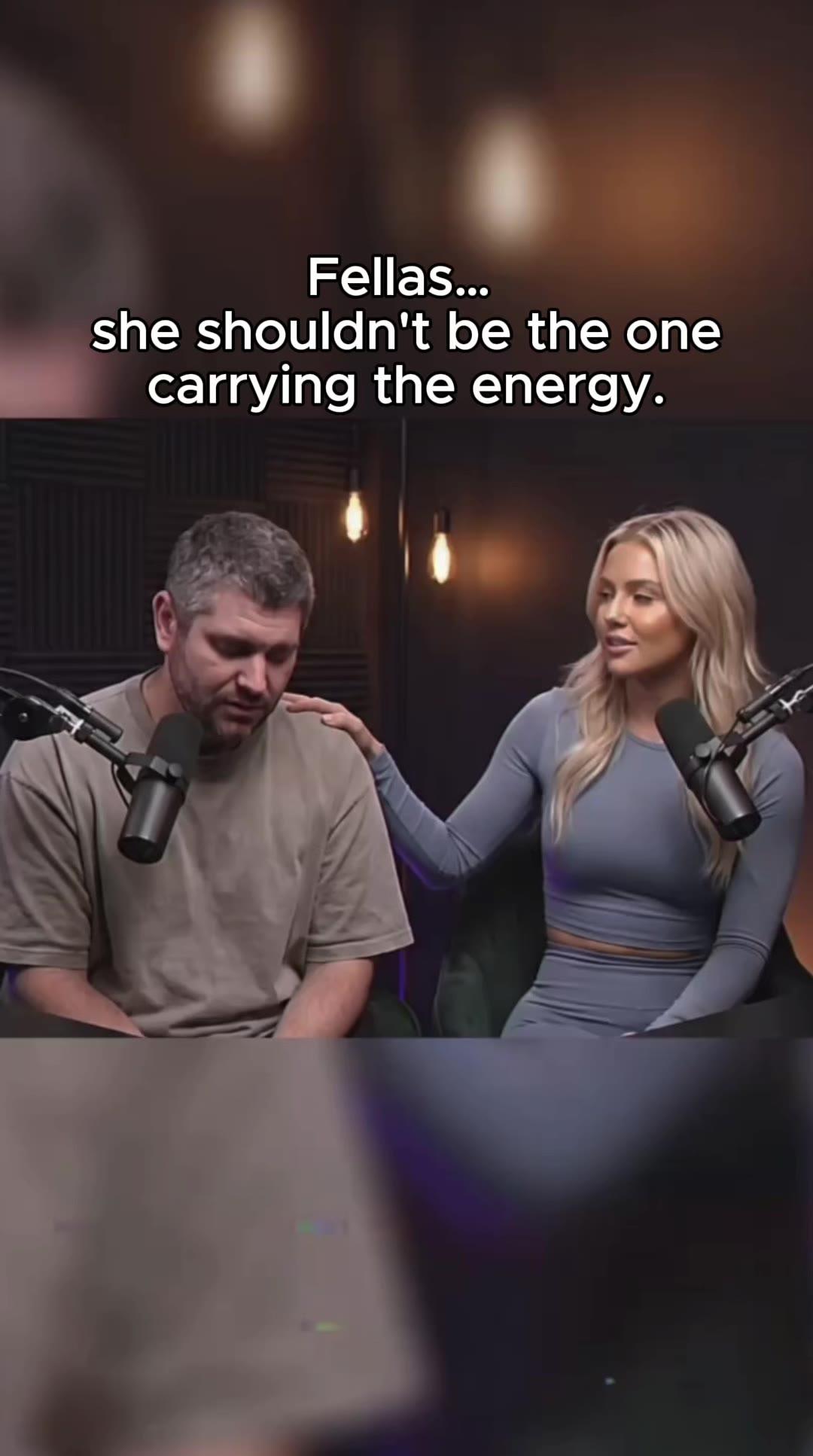
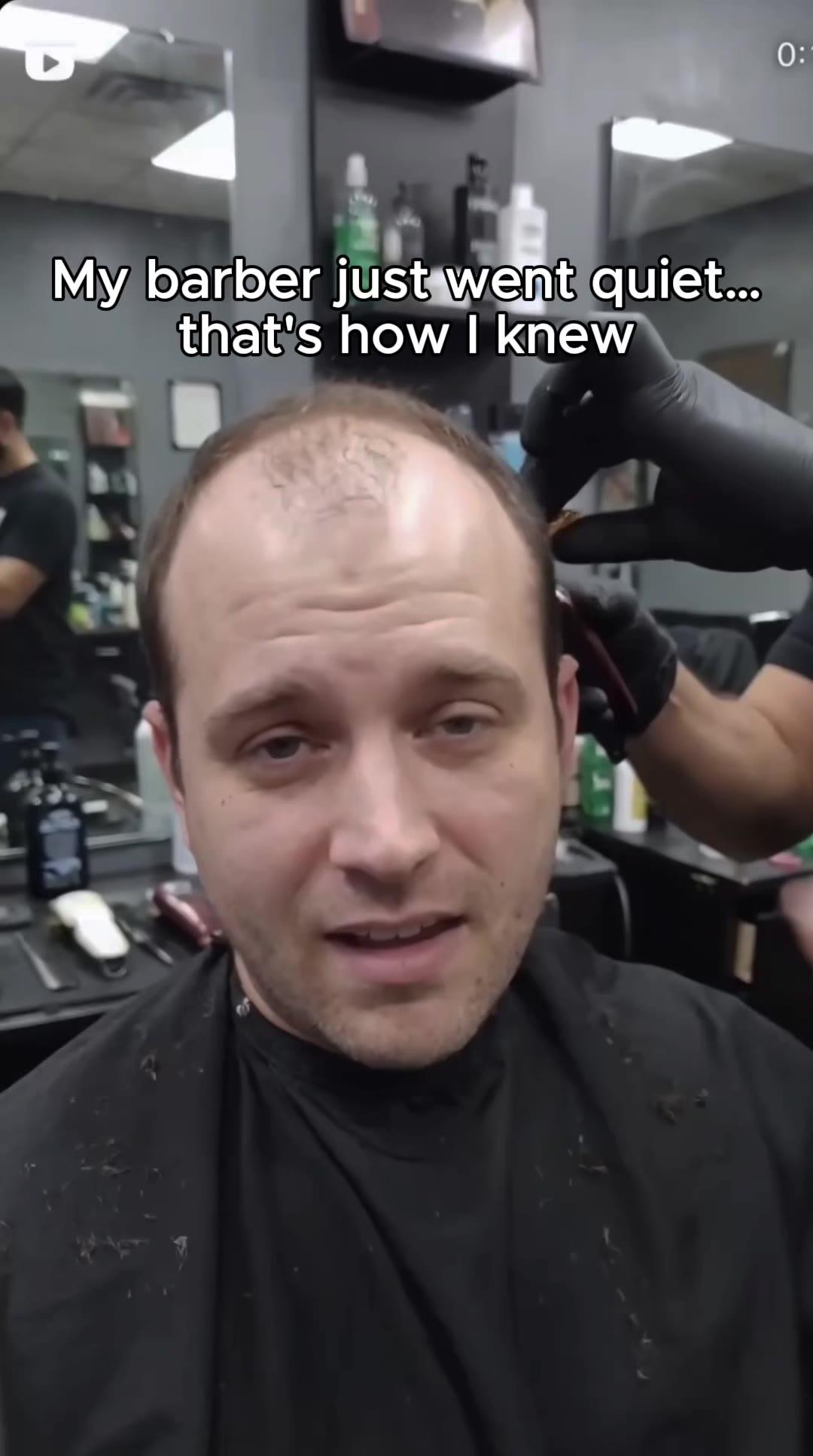
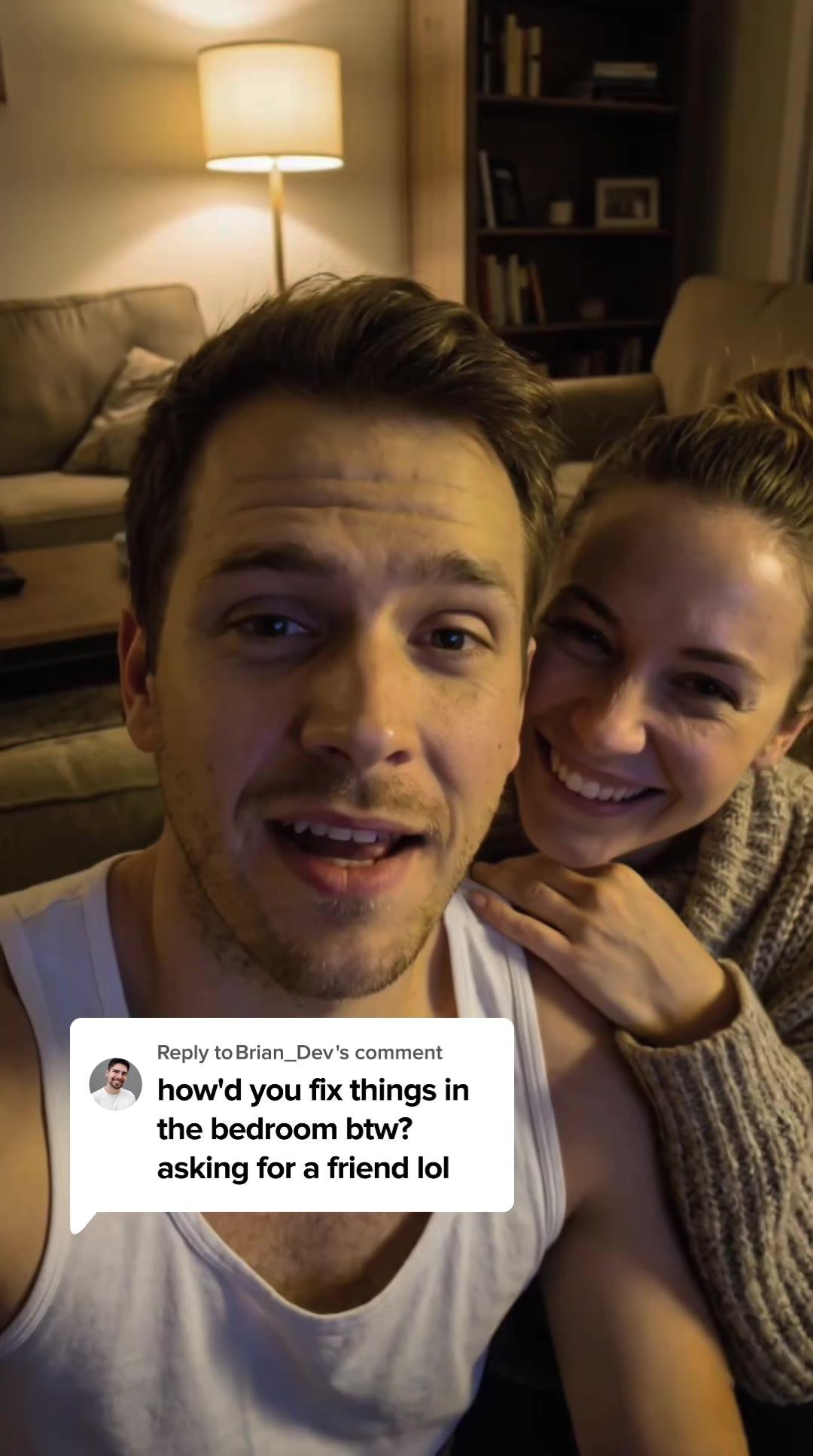
An archetype in this context is not a personality type. It is a pairing: who is speaking, and who are they speaking to? In telehealth advertising, the range of archetypes is broader than most brands use. A physician speaking to a skeptical patient who has had bad experiences with the healthcare system is one archetype. A peer — a patient who has been through the journey — speaking to someone who recognizes their situation is another. A clinical educator explaining a mechanism of action to a medically curious audience is a third. A man in his forties speaking directly to other men in his forties about something he was not ready to talk about is a fourth.
The archetype matters because trust travels differently depending on who is speaking to whom. A physician speaking to a skeptical patient builds trust through authority and specificity. A peer speaking to someone who shares their situation builds trust through recognition and relatability. Neither is universally better. Each works for specific audience segments and specific angles. The archetype layer determines which messenger is most likely to be believed by which audience.
Most telehealth brands default to one or two archetypes and run them across all their creative. This works until it stops working. The brands that sustain performance across market conditions are the ones that deliberately maintain variety at the archetype level, not because it is philosophically satisfying but because different audience segments require different messengers.
Layer Two — Angle
The angle is the demand premise — the specific reason the target audience would care about this service at this moment. An angle is not a benefit. "Fast, discreet delivery" is a feature and a benefit. "The moment you realized you had been putting this off for two years and something needed to change" is an angle. Angles are situated in the audience's emotional reality. Benefits live in the product's feature set.
A good angle answers a very specific question: what state is this person in, and what does our service do about that state? The answer has to be specific enough that a person in that state would recognize themselves in the first five seconds of the ad. If the answer is too broad — "they want to feel better" — it is not an angle. It is a hope.
The angle layer is where most of the strategic work lives. Finding good angles requires research — mining reviews, reading intake form responses, listening to sales calls, paying attention to what customers say unprompted. The angles that convert best are almost always ones that capture something real from the audience's own language rather than something invented from the inside of the brand.
Multiple independent angles should be running simultaneously. This is covered in depth in the independent demand angles article, but the short version is that each angle reaches a different audience segment, and leaving an angle untested is leaving revenue on the table.
Layer Three — Format
Format is the delivery vehicle. Talking head video, documentary-style walkthrough, before-and-after static, text-on-screen with voiceover, podcast-style conversation, social proof compilation, hook-led problem-solution video. Each format has structural properties — length, visual rhythm, the role of text versus speech — that make it better or worse suited to different angles and archetypes.
A physician explaining a mechanism of action to a medically curious audience is well-served by a longer, slower, more educational format — something with depth and space for detail. A peer describing a moment of recognition to a time-constrained audience in their feed is better served by a tight, fast, emotionally efficient format that gets to the point in the first ten seconds.
Format selection should follow archetype and angle selection. When a team starts with format — "let's do a UGC piece" — they are making a production decision before a strategic one. Sometimes that works by luck. The system makes it work by design.
Concepts we ship across every awareness stage.
See the work →How the Three Layers Work Together
Consider a telehealth brand offering GLP-1 treatment. Layer one: the archetype is a woman in her late thirties speaking to other women in their late thirties who have been on-and-off dieting for years. Layer two: the angle is the moment of giving yourself permission to try a medical approach after years of feeling like you should be able to solve this on your own. Layer three: the format is a two-minute talking-head video, relatively unpolished, with direct-to-camera address, because the authentic quality of the delivery signals that this is a real person talking honestly rather than a brand ad.
Each layer reinforces the others. The archetype makes the messenger credible to the specific audience. The angle speaks directly to their emotional state. The format signals authenticity, which is what the angle requires to land. Remove any one of the three and the whole thing loses coherence.
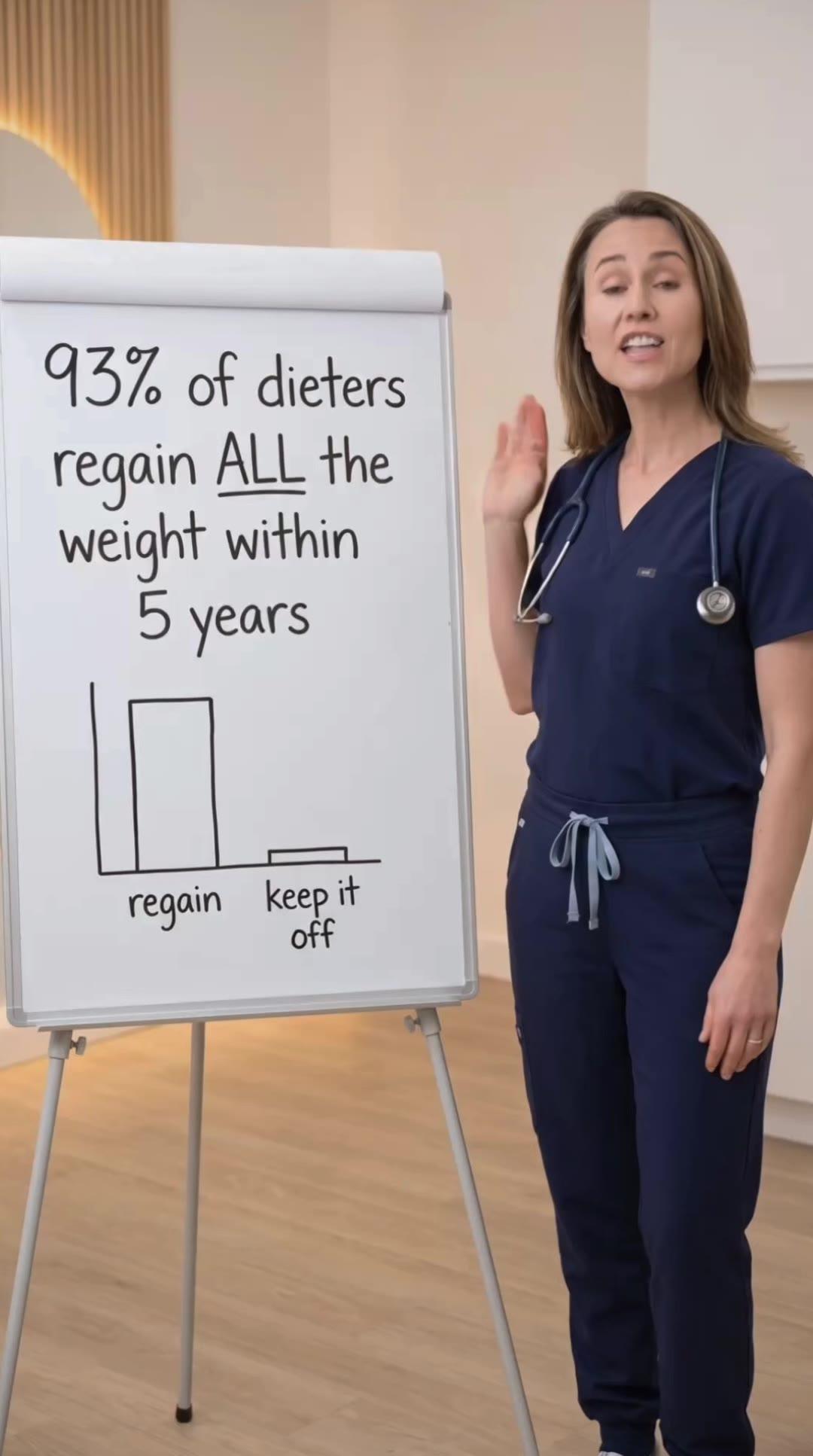
Now contrast that with a different piece for the same brand. Layer one: a physician speaking to a skeptical audience that wants clinical proof before committing. Layer two: the angle is understanding exactly how the medication works and why the clinical evidence is stronger than they assume. Layer three: the format is an educational walkthrough — whiteboard-style or clinical setting, slightly longer, focused on information density rather than emotional resonance.
These two pieces are completely different creative — different messengers, different emotional territory, different production approach — but they are both built on the same systematic logic. That is what the archetype, angle, and format system produces.
How to Apply the System
Start by building an archetype map for your brand. This does not need to be exhaustive. Four to six archetypes covers most telehealth brands. For each archetype pairing, identify the two or three angles that feel most urgent or most underserved. Then, for each archetype-angle combination, select the format that best serves delivery. That combination is your creative brief.
The system gives you a way to generate creative briefs that are strategically coherent rather than creatively random. It also gives you a way to diagnose why an ad failed. If a piece did not work, you can trace the failure back to a specific layer — was the archetype wrong for the audience? Was the angle too abstract? Was the format at odds with what the angle needed? Each of those diagnoses points to a specific fix rather than a general "make it better" revision.
The Operational Benefit
Beyond the strategic clarity, the system has a practical operational benefit. When everyone on the team — creative director, media buyer, copywriter, brand lead — uses the same three-layer vocabulary, briefing and feedback become much faster. "The archetype is right but the angle is too broad" is a clear note. "This format underserves the angle because it rushes past the emotional setup" is actionable feedback. Without the framework, creative notes tend toward subjective description: "it doesn't feel right" or "we need more energy." With it, the notes are diagnostic.
For teams managing high-volume creative programs across multiple telehealth verticals, the system is what makes quality control at scale possible. The more output a program requires, the more valuable the shared framework becomes. Without it, quality is entirely dependent on individual judgment and institutional memory. With it, quality standards can be maintained across a team and a brief library.
Related Articles
What Independent Demand Angles Are and Why They Matter
A precise definition of independent demand angles and how to find them.
Why the Angle Is the Message and the Format Is the Vehicle
The distinction between what an ad says and how it delivers that message.
How to Map Archetypes for a Telehealth Brand
A practical process for identifying and mapping archetypes across your audience.
Why Creative Variety Beats Volume for Telehealth Ads
The case for genuine angle variety over raw creative volume.
Ready to build a testing system that scales?
A 30-minute call. We audit your creative approach and show you exactly what a complete angle-format-hook system looks like for your vertical.