Why the Angle Is the Message and the Format Is the Vehicle
The angle is what the ad is saying. The format is how it says it. Confusing the two is one of the most persistent errors in telehealth creative programs — it leads to running format tests when you should be running angle tests, and drawing conclusions about demand when you have only measured delivery mechanics.
Concepts shown are internal creative studies, not client campaigns.








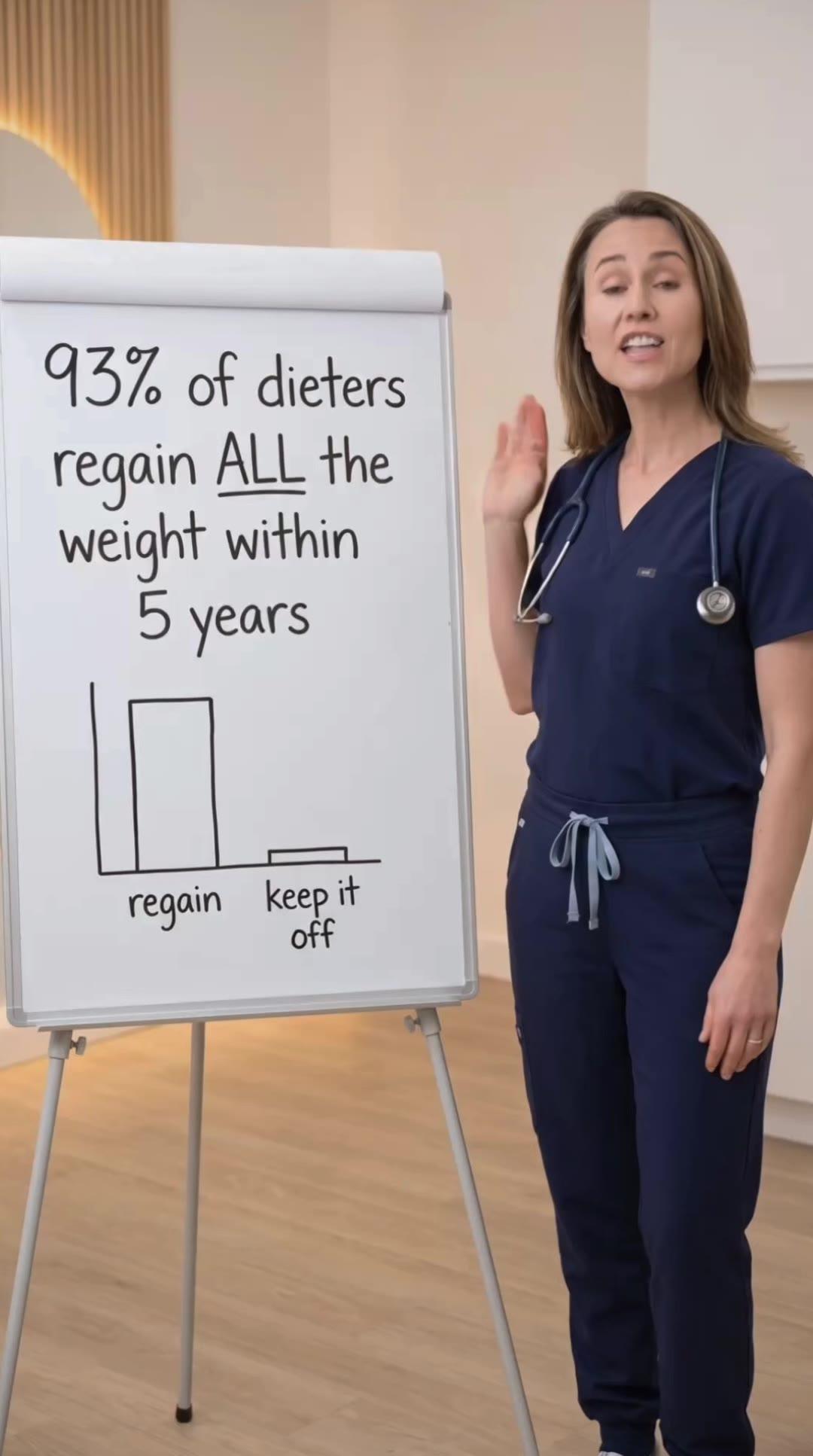
The distinction between angle and format sounds obvious when stated plainly. Of course what you say is different from how you say it. But in practice, the two get blurred constantly. A creative team switches from a polished brand video to a raw UGC piece and calls it "testing a new angle." A media buyer reports that "the documentary format works better than the talking head" and the team starts over-indexing on documentary formats regardless of what angle is inside them. These are not angle tests. They are format tests. The conclusions are correct within their scope but wrong if applied to the strategic question of demand.
What the Angle Contains
The angle is the complete demand premise — who the ad is for, what situation they are in, and what argument the ad makes about why this service addresses that situation. An angle exists independently of any format. The "self-efficacy failure" angle — built for someone who has tried everything else and is ready to consider a medical approach — can be delivered in a UGC testimonial, a physician walkthrough, a text-heavy static, or a documentary-style video. The angle is the same in all four. The format changes.
What changes with the format is not the message but the delivery mechanism — the pacing, the visual rhythm, the role of text versus speech, the implied production value, the signaling of authenticity versus authority. These are real variables that affect how the message lands. But they are secondary to the message itself. A great format delivering an angle the audience does not care about will underperform. A mediocre format delivering an angle that speaks directly to the audience's situation will outperform. The angle is the primary variable. Format is the amplifier.
Why Changing Format Without Changing Angle Is Not a Real Test
When a team produces two ads with the same underlying demand premise but different formats, they are running a delivery optimization test. The question being answered is: does this audience receive this particular message more effectively in format A or format B? That is a legitimate question with real operational value. But it is not an angle test, and the answer does not tell you anything about whether there are better angles to pursue.
The distinction matters because format optimization and angle discovery require different production investments and generate different categories of learning. Format optimization is relatively cheap — producing a UGC version and a brand-voice version of the same angle is a production variant, not a new strategic direction. Angle discovery is more expensive in terms of upfront thinking and more valuable in terms of what it reveals about the audience.
When teams conflate the two, they tend to over-invest in format optimization and under-invest in angle discovery. They run a dozen format variants of a proven angle and generate marginal improvements in delivery efficiency while leaving genuinely new demand premises completely unexplored. The creative program looks busy. The strategic learning is nearly zero.
Concepts we ship across every awareness stage.
See the work →When Format Selection Actually Matters
Format selection matters most when the angle has been proven and the question shifts from "does this demand premise work?" to "how can we deliver it most efficiently at scale?" At that point, the format question is worth answering carefully. Which format has the lowest cost per quality view? Which format sustains attention longer on this specific angle? Which format works best in feed versus Stories versus Reels?
Format selection also matters structurally — certain angles are better served by certain formats. An angle built around clinical authority requires a format that conveys credibility. A physician in a clinical setting, speaking directly to camera with specific credentials visible, delivers that credibility. The same angle delivered by a creator in casual street clothes with a handheld camera undermines the authority signal the angle requires. Here, format and angle alignment is the issue. The wrong format does not just deliver the angle less efficiently; it actively works against the angle's credibility claim.
Similarly, an angle built around peer empathy — the feeling of being understood by someone who has been through the same experience — requires a format that signals authenticity rather than production. A highly polished, studio-produced video undermines the peer signal. The ad that looks like an ad will not land as peer testimony. Here the format signals something the angle requires — and getting it wrong is not a minor efficiency issue but a fundamental misalignment.
The Right Sequence
The right sequence in creative development is: angle first, format second. Develop the demand premise clearly. Understand who the audience is and what argument resonates with them. Then ask which format structure best serves that specific argument for that specific audience. The format question becomes much easier to answer when the angle is clear, because many format options will immediately feel wrong given what the angle requires.
A brief that starts with format — "let's do a three-part carousel with text-heavy copy and a product reveal" — is forcing the creative to fit the container rather than selecting the container to fit the creative. Sometimes that works by luck. Systematically, it produces creative that is aesthetically consistent but strategically disconnected — ads that look polished and say nothing that a specific person would find compelling.
In practice, the briefing template should require the angle to be defined before format is discussed. The angle section of the brief — who this is for, what their situation is, what argument the ad is making — should be written and reviewed before anyone picks a format. The format section should then be filled in with explicit reference to the angle: "given this audience state and this argument, the format that best serves delivery is X because Y."
Reading Results Correctly
When a format test produces a winner, the conclusion should be "format A delivers this angle more efficiently than format B for this audience." Not "format A is better than format B" universally. The winning format is winning in the context of a specific angle for a specific audience. It may not win for a different angle or a different audience segment.
When an angle test produces a winner, the conclusion should be "demand premise X resonates more strongly with the available audience than demand premise Y." That conclusion transfers more broadly — it says something about who is in the market and what they respond to, which informs future angle development regardless of what format is used.
Keeping these two types of tests and two types of conclusions cleanly separated is what makes a creative testing program generate usable strategic knowledge. The knowledge from angle tests tells you about the demand landscape. The knowledge from format tests tells you about delivery efficiency. Both are valuable. Neither substitutes for the other. And angle knowledge, applied well, is worth more — because it tells you not just how to deliver a message but which messages are worth delivering at all.
Related Articles
The Archetype, Angle, and Format System for Telehealth Creative
The three-layer framework for organizing telehealth creative production.
What Independent Demand Angles Are and Why They Matter
A precise definition of independent demand angles and how to find them.
Why Creative Variety Beats Volume for Telehealth Ads
The case for genuine angle variety over raw creative volume.
Ready to build a testing system that scales?
A 30-minute call. We audit your creative approach and show you exactly what a complete angle-format-hook system looks like for your vertical.