Why Creative Variety Beats Volume for Telehealth Ads
Most telehealth brands produce more ads when they should produce different ones. Creative variety — meaning genuine variety across angles, archetypes, and demand premises — consistently outperforms raw volume of similar creative.
Concepts shown are internal creative studies, not client campaigns.



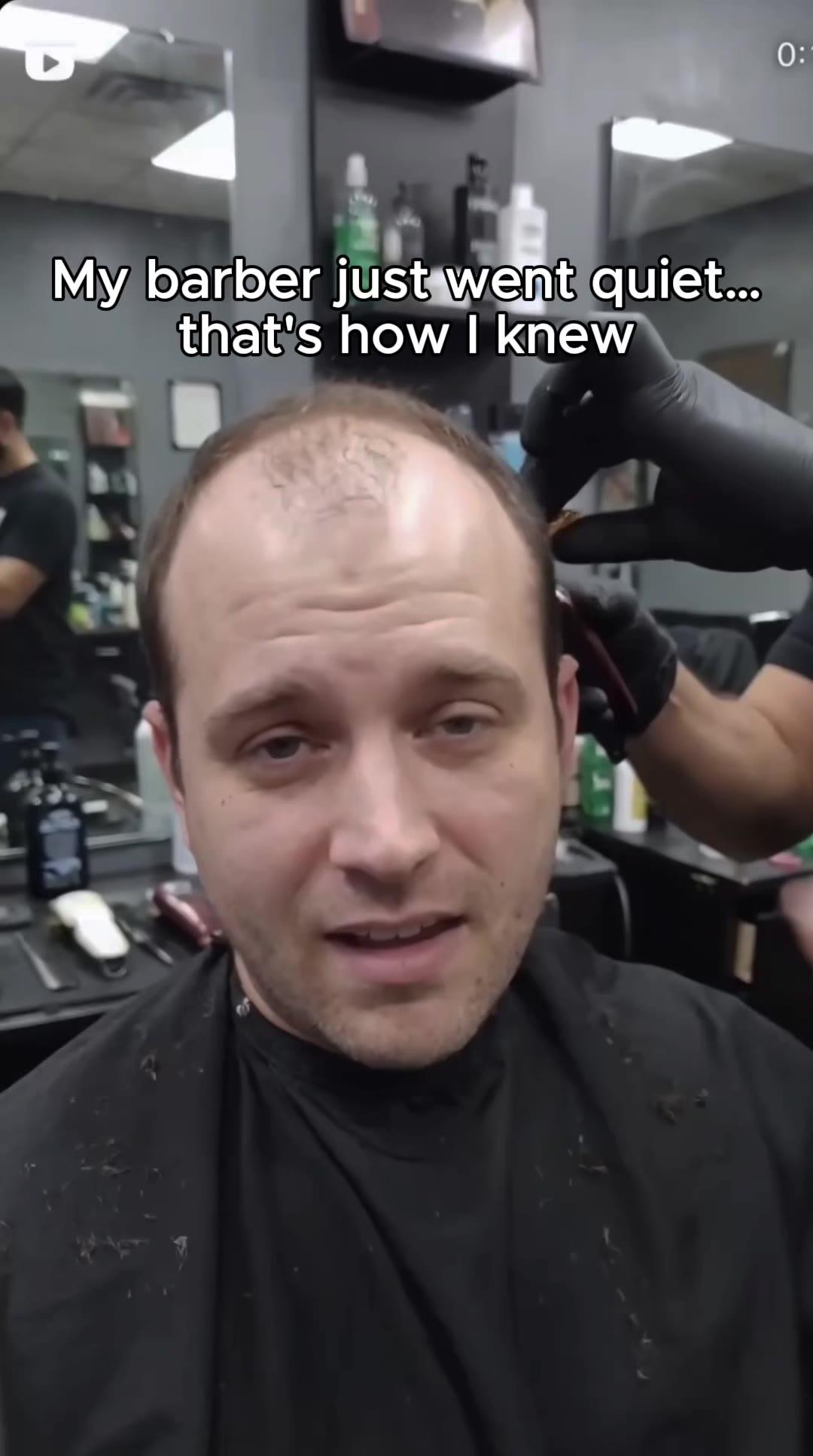

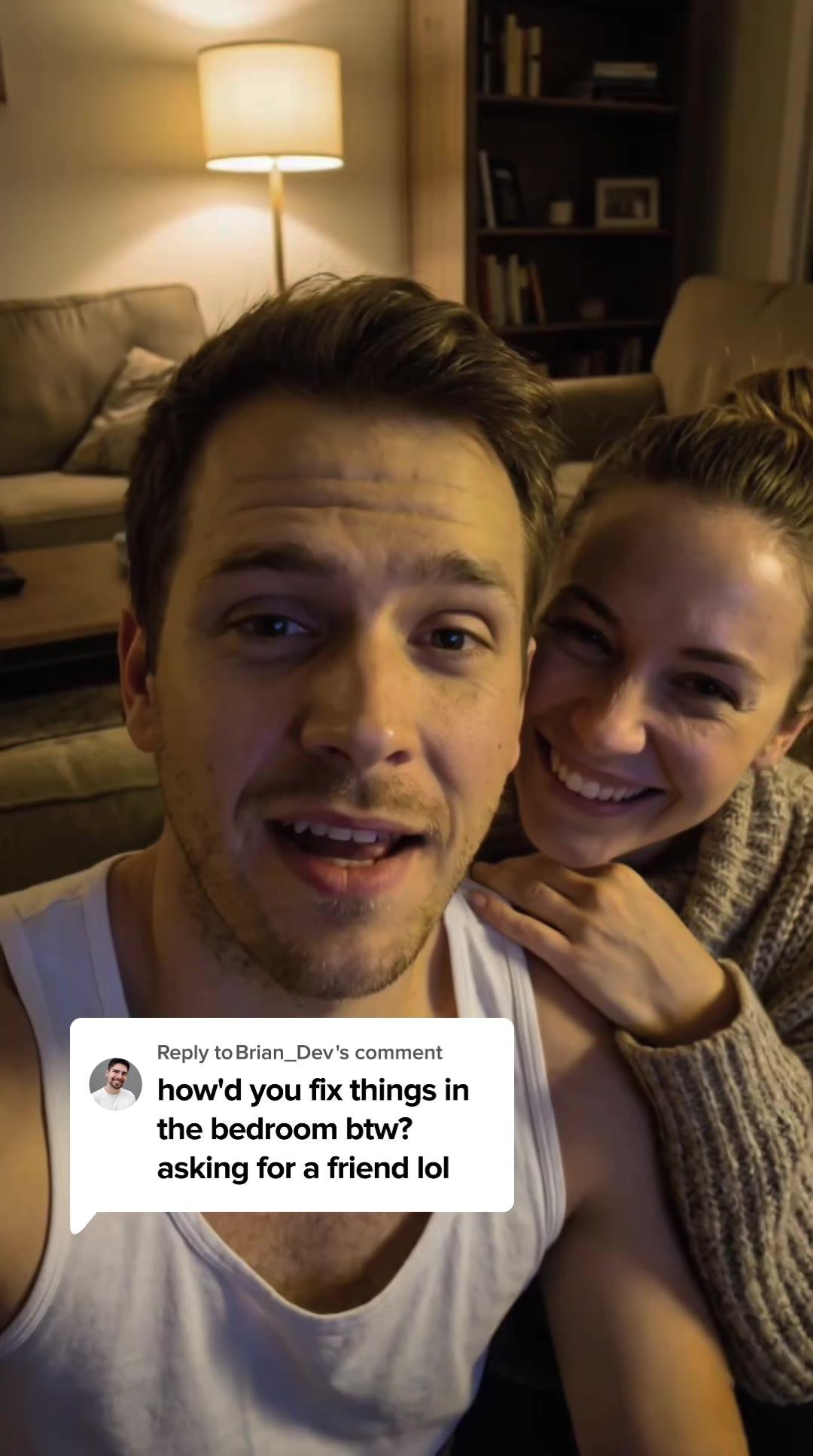


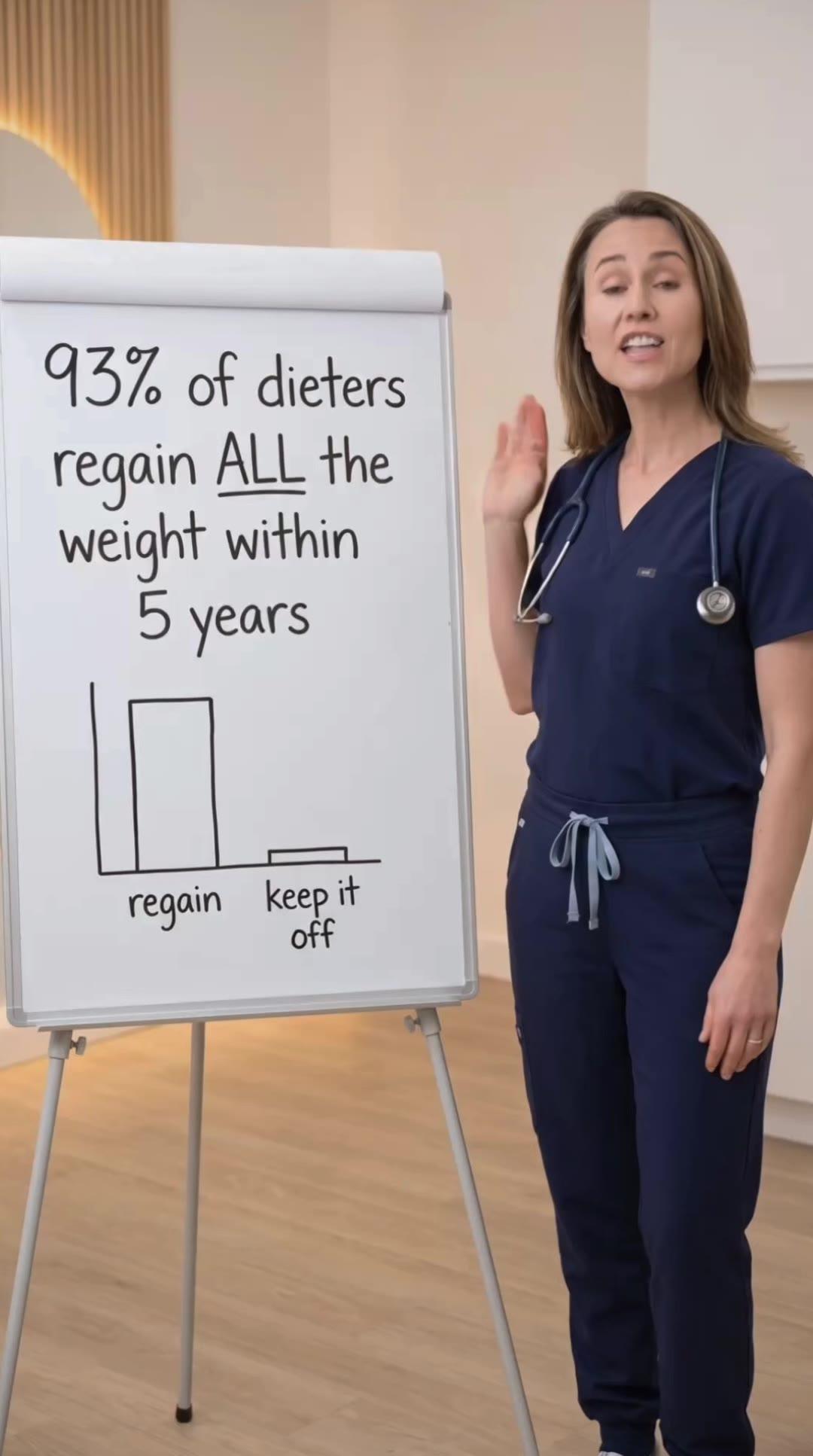
The instinct when ads stop performing is to make more of them. The agency gets briefed for another batch. The creative team goes back into production. Two weeks later there are twelve new ads, and half of them look suspiciously like the ones that just fatigued. The results stay flat and the cycle repeats.
Creative variety solves this problem. Not variety in the sense of different thumbnails or slightly reworded hooks, but variety in the underlying premise — the reason a specific type of patient would stop scrolling, watch, and click. That is what this article is about.
What Volume Looks Like in Practice
A brand spending $100K per month on paid social might have fifty ads live at any one time. On the surface, that looks like variety. The thumbnails are different. Some are UGC, some are polished video. There are short versions and long versions. But if you strip away the production and look at the underlying premise — the demand angle each ad is addressing — you might find that all fifty ads are making the same argument to the same type of person.
That argument might be "this is convenient," or "this is affordable," or "this actually works." All of those are legitimate angles. But running fifty executions of the same angle is not creative variety. It is creative volume, and the platform treats it accordingly.
The algorithm can only reward signal. When every ad in your account is chasing the same audience segment with the same premise, the system has no new signal to act on. It keeps spending on whatever first worked, that asset fatigues, and your cost per acquisition climbs.
What Variety Actually Means
Creative variety, properly understood, means addressing meaningfully different demand premises in each ad. A demand premise is the specific reason a specific type of person would want what you are offering right now. "I want a telehealth provider because I do not have time to visit a clinic" is one demand premise. "I want a telehealth provider because I have been dismissed by in-person doctors and I want a second opinion" is a completely different one. The first is about convenience. The second is about being heard. Those two people are not the same person and they will not respond to the same ad.
Real creative variety means running ads built for each of these premises separately. It means thinking about the full landscape of people who might buy from you and deliberately creating work that speaks to each of them in the language of their specific situation.
This is harder than producing volume. It requires understanding your audience at a level that most creative teams and agencies do not work at. But it is the thing that makes paid social work at scale, and it is the thing most telehealth brands are missing.
The Three Dimensions of Creative Variety
There are three places where genuine variety lives in a telehealth creative program. The first is the archetype — who is speaking and to whom. A doctor explaining a treatment protocol to a skeptical patient is a different archetype than a patient explaining their journey to a friend. A woman in her fifties describing what changed for her is a different archetype than a 35-year-old man addressing his peers. Archetype variety matters because different people trust different messengers.
The second is the angle — the specific demand premise or reason to care. This is where most of the creative work should happen. The angle is the strategic layer. Getting it right means understanding which unmet need, fear, aspiration, or frustration your audience carries, and connecting your service to that specific thing rather than to a generic promise.
The third is the format — the delivery vehicle. Is this a talking head video, a documentary-style piece, a text-heavy static, a before-and-after, a podcast-style conversation? Format matters, but it matters less than angle. A great angle in an average format will outperform an average angle in a great format more often than not.
Why the Platform Rewards Variety
Meta's ad auction is built to reward ads that generate engagement from audiences that were not already engaging. When you introduce a new angle — one that speaks to a demand premise the algorithm has not seen from your account — it has a fresh audience segment to match against. That freshness translates to lower initial CPMs and faster learning.
The inverse is also true. When every ad in your account is addressing the same narrow slice of your audience, the system keeps showing those ads to the same people. Frequency rises. Performance drops. The natural response is to produce more ads, which makes the saturation worse rather than better.
Variety at the angle level opens new audience segments. It does not guarantee any single ad will win, but it gives the platform genuine options to work with. The accounts that maintain performance at scale are the ones that continuously introduce new angles rather than new executions of old ones.
Concepts we ship across every awareness stage.
See the work →How to Audit Your Current Creative Mix
Pull your active ad library and strip out everything that is production-level: the creator, the format, the thumbnail, the background. Look only at the underlying argument. Write down in one sentence what each ad is trying to convince the viewer of. If you can write the same sentence for more than three ads, you have a volume problem dressed up as a variety problem.
A healthy creative mix across a telehealth brand's ad account should contain at least five meaningfully distinct premises running simultaneously. More is better, within the limits of what your budget can support at statistically useful spend levels. The goal is not to have the most ads. It is to have the most angles.
When you identify the angles that are currently running, look for the gaps. Are there demand premises you know your audience carries that no current ad addresses? Those gaps are your highest-priority production briefs.
What a Variety-First Creative Program Looks Like
A variety-first program starts with angle discovery, not with production. Before any script gets written or any creator gets briefed, the team works through the full landscape of demand premises available to the brand. That means research — customer interviews, reviews, comment sections, intake form data, sales call recordings. The raw material of angle discovery is what real patients say about why they chose this service and what problem they were trying to solve.
From that research comes a prioritized angle library. The library contains more angles than the brand can run at once. That is intentional. Each month, the team selects a new set of angles to test, produces minimum-viable creative for each, and launches them with enough budget to generate signal. Winners get scaled. Losers get retired and replaced with new angles from the library.
This is a very different operating model than briefing an agency to "make twenty ads." It requires treating creative strategy as a continuous research function rather than a periodic production sprint. The output is not a batch of ads. It is a systematically expanding understanding of what your audience responds to.
The Common Objection
The most common pushback is that variety-first creative is more expensive than volume-first creative. That is only true if you are measuring cost per asset. If you measure cost per angle learned, variety-first is almost always cheaper because each asset carries new information rather than confirming what you already know.
Volume-first programs produce lots of output and learn slowly. Variety-first programs produce less output and learn faster. In a market where the cost of paid media keeps rising, learning faster is the primary competitive advantage available to a telehealth brand's creative team.
The Practical Starting Point
If you are running a telehealth brand and want to shift from volume to variety, start with the audit described above. Identify your current angles. Find the gaps. Write three briefs for angles you are not currently testing. Produce minimum-viable creative — one asset per angle, not five. Launch them with equal budget. Let the platform tell you which angle generates signal. That is the beginning of a variety-first program.
The full framework for how angles, archetypes, and formats work together is in the archetype, angle, and format system. The specific question of what you are actually paying a creative agency for is covered in angles vs assets.
Related Articles
Angles vs Assets: What You're Really Paying a Creative Agency For
Most agencies sell asset production. What you actually need is angle discovery.
The Archetype, Angle, and Format System for Telehealth Creative
The three-layer system that organizes telehealth creative production around real demand signals.
Why 100 Similar Ads Fail and 10 Varied Ones Win
How brands fall into the volume trap and what varied creative actually looks like.
Creative Intelligence vs Content for Telehealth Brands
The difference between producing content and building creative intelligence into your ad program.
Ready to build a testing system that scales?
A 30-minute call. We audit your creative approach and show you exactly what a complete angle-format-hook system looks like for your vertical.