Creative Intelligence vs Content for Telehealth Brands
Content is what gets produced. Creative intelligence is what determines what to produce and why. Most telehealth brands have a content production process. Far fewer have a creative intelligence layer that makes that production strategically useful. The gap between the two explains most underperforming creative programs.
Concepts shown are internal creative studies, not client campaigns.








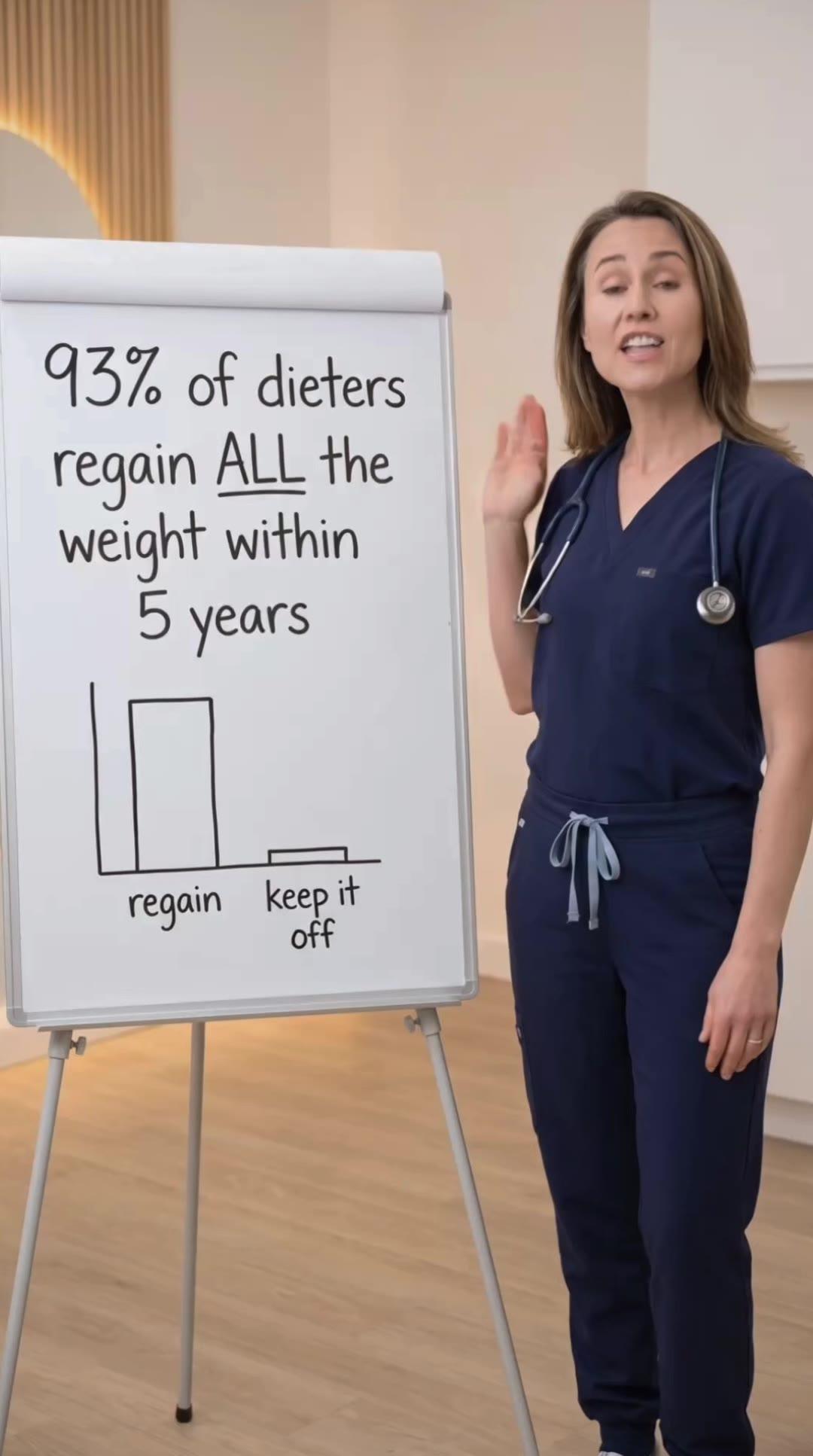
The distinction between creative intelligence and content is easy to miss because they produce the same outputs — ads, videos, scripts, images. The difference is not visible in the deliverable. It is visible in the process that generated it and the learning that comes back from running it.
A content-first program produces creative based on what feels right, what the brand has done before, what the creative director prefers, or what the brief requested without interrogating why. A creative intelligence program produces creative based on a documented theory of the audience — which demand states exist, which archetypes are credible, which angles have and have not proven out — and uses performance data to update that theory continuously.
What Creative Intelligence Is
Creative intelligence is the accumulating body of knowledge about what your audience responds to, why they respond to it, and how that understanding should shape what gets produced next. It is built from three sources: audience research (what real patients say about their situation, their motivations, their objections), performance data (which demand premises and delivery approaches are generating signal in the market), and synthesis (the ongoing work of connecting audience research and performance data into testable creative hypotheses).
Creative intelligence manifests in practical artifacts: an angle library with performance histories, an archetype map with validated messenger-audience pairings, a brief template that encodes strategic thinking rather than just production direction, a testing backlog with prioritized hypotheses and the rationale behind each. These are not documents that an agency produces as deliverables. They are working tools that the creative program builds and updates continuously as evidence accumulates.
The brands that have genuine creative intelligence know things about their audience that competitors do not. They know which types of patients are most responsive to paid acquisition, which demand premises drive the highest downstream value, which angles have been exhausted and which are still expanding. That knowledge is a competitive asset. It compounds over time. It cannot be replicated by a competitor just by copying the surface-level creative.
Why Most Agencies Only Deliver Content
The creative intelligence layer is expensive to build and maintain. It requires ongoing audience research, systematic performance analysis, and a team function that is explicitly dedicated to synthesis — connecting what is learned about the audience to what should be produced next. For most agencies, this function is either underdeveloped or absent. The agency produces content. The client is expected to know what to do with the insights that come back from running it.
This is not a moral failing of agencies. It reflects the engagement model. Clients pay for creative assets. They evaluate agencies on the quality of those assets and, if they are measuring well, on their performance. The intelligence work that should precede production is not in the scope of work and is not in the invoice. The result is production that is responsive to what the client describes wanting but not informed by a systematic understanding of what the audience needs.
Some agencies do offer strategy as a service — but strategy-as-deliverable is different from creative intelligence as an ongoing function. A strategy document produced at the start of an engagement captures a point-in-time view of the audience. Creative intelligence is living — it updates every time new performance data comes in, every time an angle test produces a result, every time a patient interview adds a new data point. The value is in the continuity, not the document.
Concepts we ship across every awareness stage.
See the work →How to Build Creative Intelligence Into Your Program
The minimum viable creative intelligence function for a telehealth brand has three components. The first is a designated owner — someone whose explicit responsibility is to synthesize audience signals and performance data into creative hypotheses. This can be an in-house strategist, a senior creative director with a data mandate, or a media buyer who has been structured to play a broader role. What matters is that someone owns the function, not that it is a full-time role at every stage.
The second component is a systematic input process. The creative intelligence function needs regular inputs: angle performance reports from the media buyer, customer interview summaries, review mining outputs, intake form analysis. Without these inputs, the function produces intuition rather than intelligence. The process does not need to be elaborate. A monthly review of three to five signal sources — performance data, customer language, competitive observation — is enough to keep the intelligence function current.
The third component is an output that production can use. The creative intelligence function should produce, each month, a small set of prioritized angle hypotheses with explicit rationale. "Test the 'milestone urgency' angle because intake data from the last 60 days shows 22% of new patients mentioning an upcoming event as a motivating factor." That is creative intelligence. It is specific, evidence-based, and actionable. It tells production what to make and why, which is what content production alone cannot provide.
The Long-Term Value
Creative intelligence compounds in a way that content production does not. Each month of building and updating an angle library, each month of testing hypotheses derived from audience signals, each month of recording what worked and why — these activities produce an ever-richer map of the demand landscape. After a year of disciplined creative intelligence work, a telehealth brand knows its audience deeply and specifically. The creative hypotheses it generates are better calibrated, more likely to prove out, and more likely to find audience segments competitors are missing.
After a year of content production without a creative intelligence layer, the brand has a large library of assets and a shallow understanding of its audience. It knows which ads performed and which did not. It does not know why, or what to do differently next time other than iterate on what performed.
The question for any telehealth brand investing in paid social is whether they are building creative intelligence or just building content. The answer is visible in how briefs are written, how performance is analyzed, what happens after a winning ad is identified, and whether the team can articulate a theory of its audience that is more specific than "they want to feel better." The brands with genuine creative intelligence can articulate that theory in detail. The ones with only content production cannot — and the difference shows up in their paid social performance over time.
Related Articles
Why Creative Variety Beats Volume for Telehealth Ads
The case for genuine angle variety over raw creative volume.
Why You Need a Creative System Not Just a Creative Agency
The structural difference between what an agency delivers and what a system builds.
How to Brief a Creative Partner for Clean Testing
What briefs need to contain to generate angle-level learning.
Ready to build a testing system that scales?
A 30-minute call. We audit your creative approach and show you exactly what a complete angle-format-hook system looks like for your vertical.