How to Brief a Creative Partner for Clean Testing
Most telehealth creative briefs are written as production instructions rather than strategic direction. They tell the partner what to make but not why — which angle is being tested, who the ad is for, what demand state it addresses. Briefs without that strategic layer produce creative that is untestable in any meaningful sense.
Concepts shown are internal creative studies, not client campaigns.



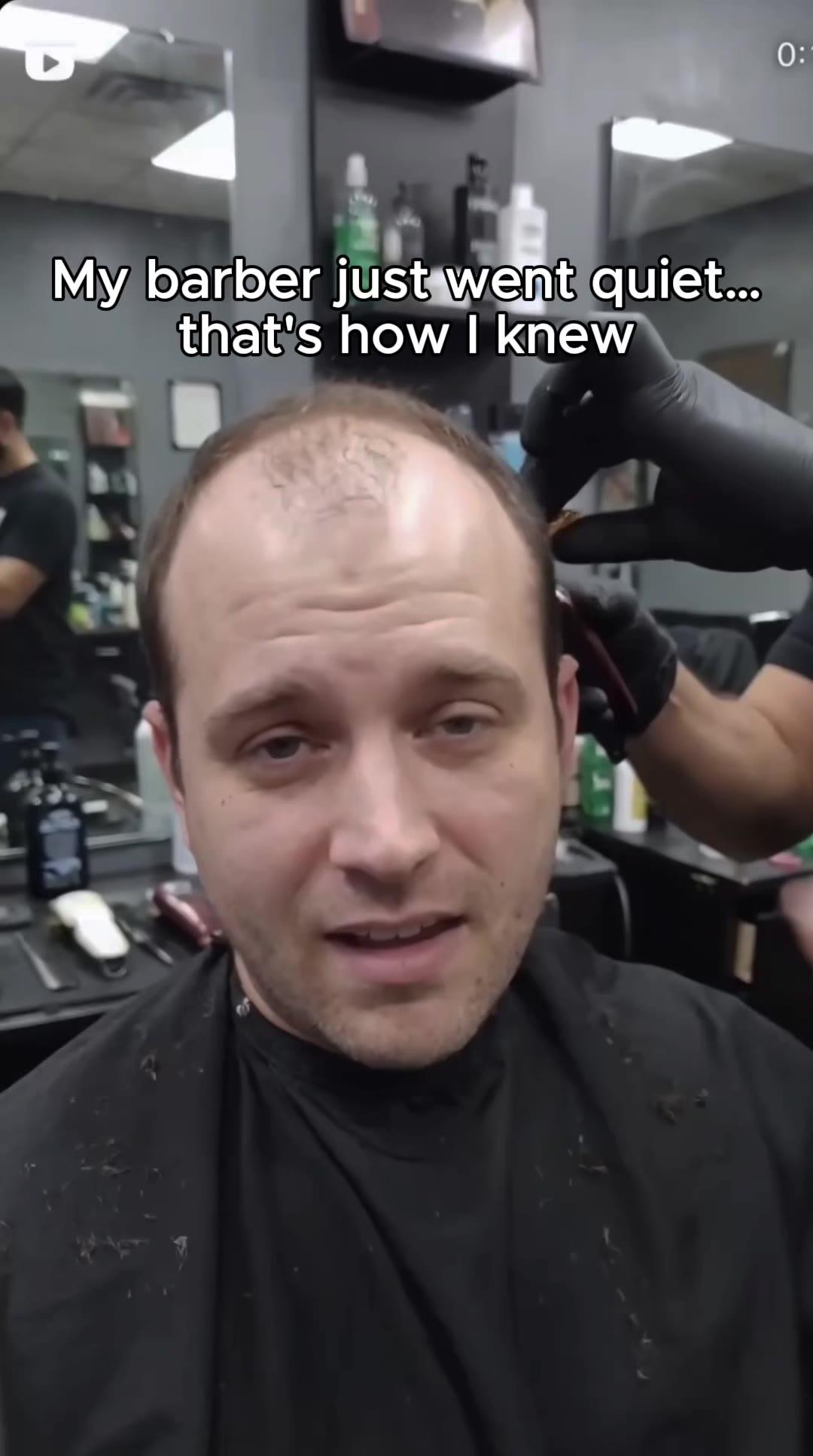

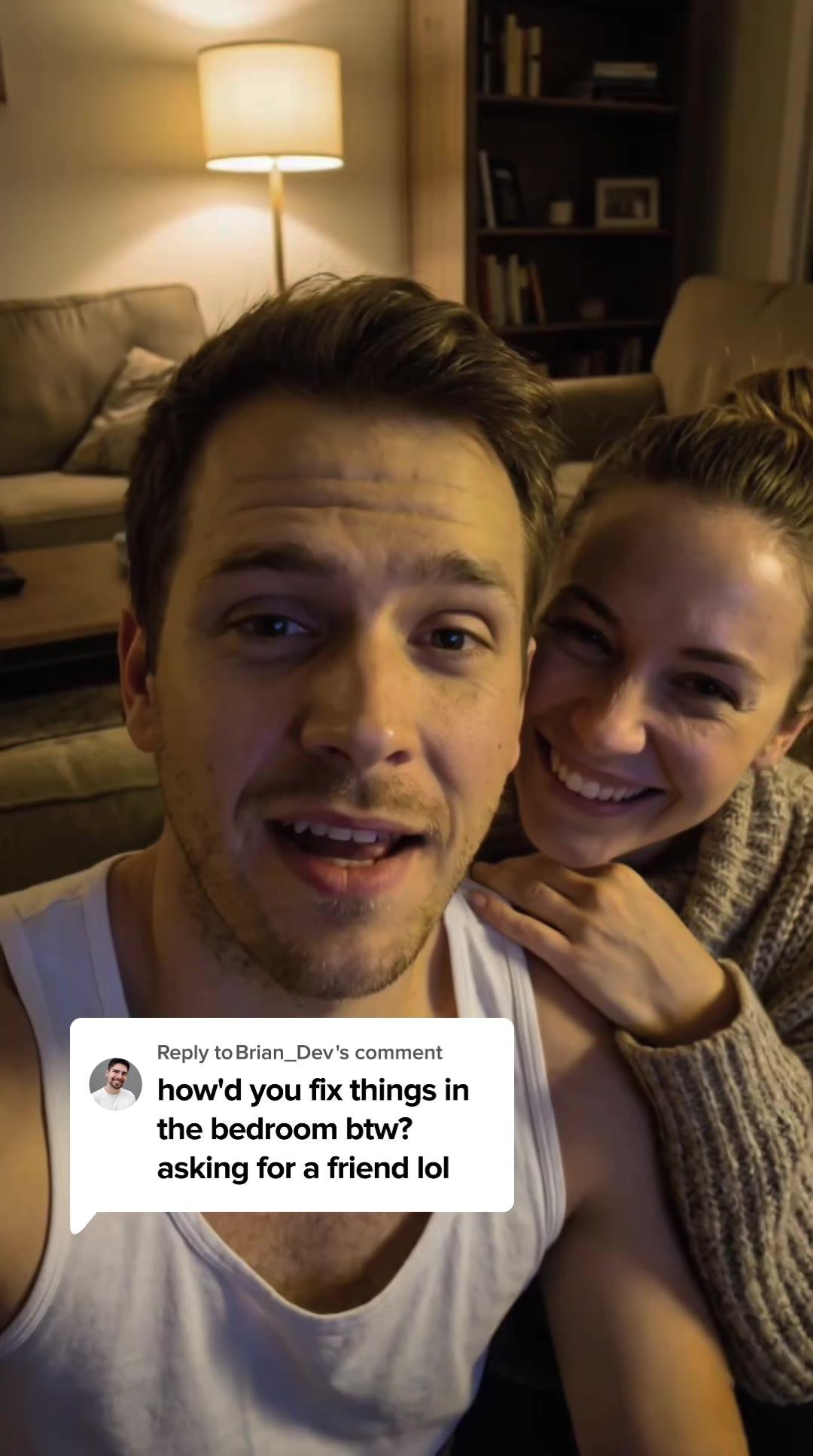


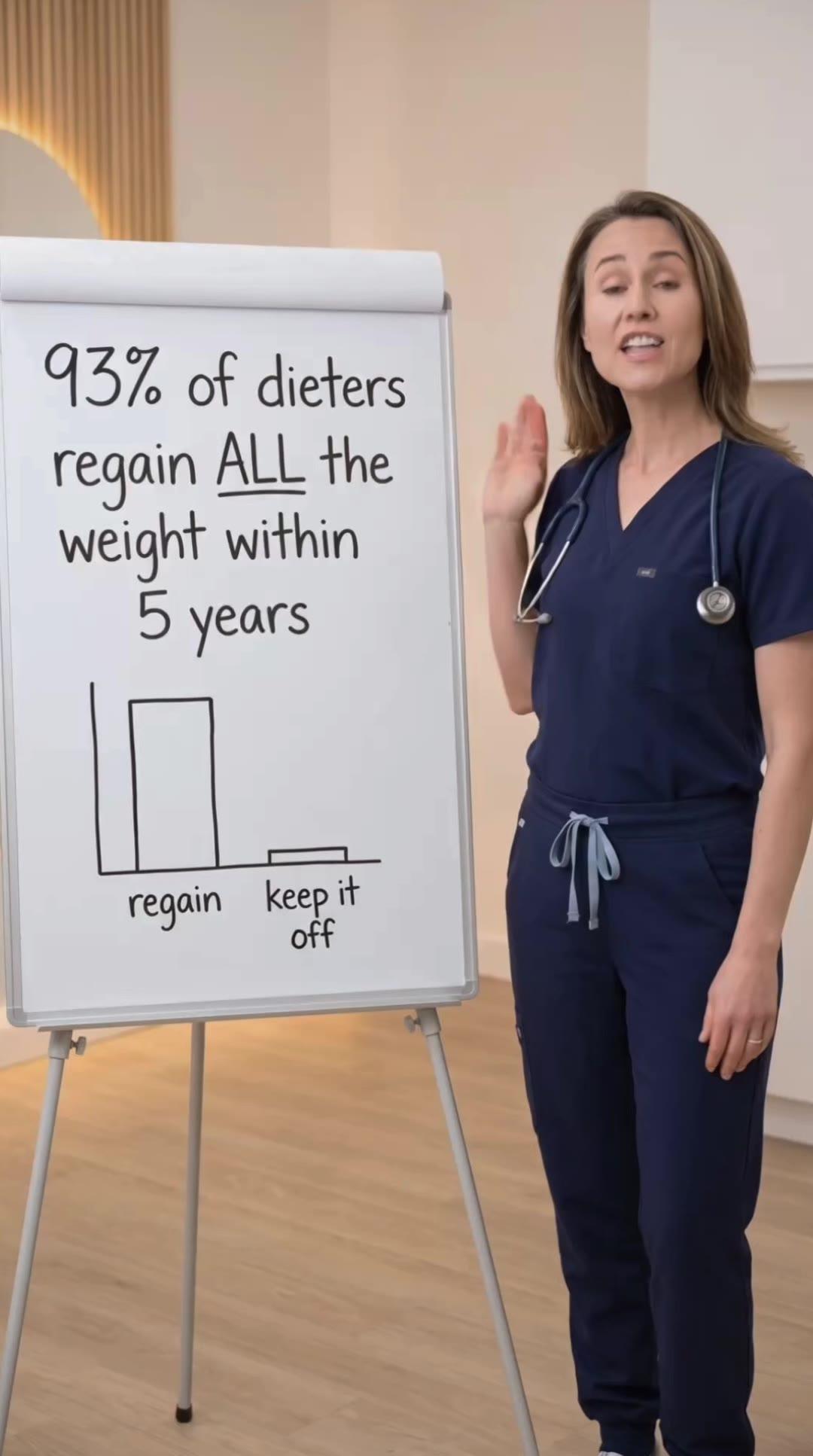
A brief for clean testing answers two questions before any production direction is given. First: what demand premise is this piece of creative designed to test? Second: who is this ad for, specifically — what type of person, in what situation, carrying what emotional state? Everything else in the brief — format, length, creator type, tone, messaging points — follows from the answers to those two questions.
When the strategic foundation is absent from the brief, the creative partner fills the gap with aesthetic judgment and personal taste. The result is ads that may be well-produced but are not testing anything in particular. When performance comes back, there is nothing to explain it. "The ad worked" or "the ad did not work" are the only conclusions available, with no guidance on why or what to do differently.
What Most Briefs Get Wrong
The most common brief failure is starting with execution. "We need a 60-90 second UGC-style talking head video with a hook about weight loss and a CTA to the quiz." This brief describes a deliverable. It does not describe an audience, a demand state, or a premise being tested. The creative partner will make a reasonable video that fits the description. There is no guarantee it will speak to anyone in particular or test any hypothesis in particular.
A related failure is excessive aesthetic direction without strategic direction. Extensive guidance about tone, color, music, and visual style communicates strong preferences about what the brand wants the ad to feel like. But aesthetic preferences without strategic clarity produce creative that is on-brand but off-premise. The ad matches the brand guidelines and fails to address any specific audience need.
A third failure is listing too many messaging points. "Include: convenience, discreet delivery, licensed doctors, affordable pricing, fast intake, no waiting room, supports all 50 states." A brief that requires an ad to hit eight claims produces an ad that hits none of them well. The creative partner tries to include everything, the ad ends up covering the surface of many claims without going deep on any, and the viewer's response is "OK, sure" rather than "that is exactly my situation."
The Components That Actually Matter
A brief designed for clean testing has six components. The first is the angle definition: a one-to-two sentence description of the demand premise being tested. Who is this person and what is their specific situation? "This ad is for someone who has tried dietary interventions for at least a year and has reached a point of willingness to try a medical approach, specifically because they feel their body is not responding to effort the way it did before." That is an angle definition. It tells the creative partner exactly who they are writing for.
The second is the archetype specification: who is speaking and what relationship does that person have to the audience? Physician, peer patient, clinical educator, family member, or brand voice? Each implies a different creative approach and a different trust mechanism. The brief should specify this explicitly, not leave it to the creative partner's preference.
The third is the single core message: not a list of claims, but one central argument. If the viewer remembers one thing from this ad, what should it be? For the angle definition above, the core message might be: "Medical intervention is available, it is legitimate, and this is the right moment to consider it." One message, stated clearly. The brief can note supporting points, but the hierarchy should be clear — one message leads, everything else supports.
The fourth is the format specification with rationale. Format selection should follow from the angle and archetype, so the brief should specify the format and briefly explain why it fits. "Talking head video, relatively unpolished, because the peer archetype requires authenticity signals that high production undermines." That explanation prevents the creative partner from upgrading the production quality based on their own aesthetic preference and inadvertently working against the angle.
The fifth is the compliance parameters. Telehealth advertising operates within platform policies and regulatory constraints that the creative partner may not know without explicit guidance. The brief should state what claims are allowed and what language is not permitted. This is not optional — it prevents rework and platform disapprovals.
The sixth is the success definition. What is this ad supposed to achieve, specifically? Not "a good performance" but "a cost per acquisition below X for the patient profile described in the angle definition." Having a stated success definition makes the post-production review productive — not "did we like the ad?" but "did this ad reach the audience it was designed for and move them to the intended action?"
Concepts we ship across every awareness stage.
See the work →How to Tell Whether a Partner Is Reading Your Brief
The most direct test is to read the first-draft creative and ask whether it would work on a different audience than the one the brief specified. If an ad designed for "someone who has tried everything and is ready for medical intervention" would work equally well for "someone who has never tried anything and is starting from curiosity," the partner did not internalize the angle definition. The creative is too generic. The brief did not land.
Another test: ask the creative partner, before they see the performance data, to explain what they were trying to accomplish strategically. If the answer is in execution terms — "we wanted a warm, relatable tone with a strong hook" — the partner engaged with the production brief but not the strategic brief. If the answer is in audience terms — "we wanted to speak to someone who has been on a long journey with this and give them permission to take a different kind of step" — the partner engaged with the angle definition and built the creative to serve it.
Red flags in creative review include: the creative is technically correct but tonally safe and generic; the hook addresses the broadest possible version of the problem rather than the specific situation described in the brief; the core message is buried in a list of claims rather than foregrounded; the archetype is inconsistent with what the brief specified. Any of these suggests the angle definition did not shape the creative, which means the test is not actually testing the angle.
The Brief Review Before Production Begins
The single most effective quality control step for brief-driven creative production is a brief review before production begins. Not a review of the first draft, but a review of the brief itself. Does the angle definition pass the specificity test — is it describing a real person in a real situation, or a generic audience? Is the archetype clearly specified? Is there one core message rather than a list? Are the format rationale and compliance parameters present?
If the answer to any of these is no, the brief should be revised before production starts. Revising a brief takes fifteen minutes. Reshooting a video because the strategic direction was wrong from the beginning takes two weeks and a full production budget. The brief review is the cheapest form of quality control available in creative production, and it is the one most consistently skipped.
A brief review practice also changes how the creative team thinks about its work. When briefs are reviewed before production and held to a standard of strategic clarity, the team gets better at writing them. The angle definitions become sharper. The core messages become cleaner. The creative that comes out of good briefs is better calibrated to audience needs, performs better in tests, and generates cleaner learning. The brief is the leverage point in the entire creative production process.
Related Articles
The Creative Feedback Loop Between Agency and Media Buyer
How the agency-media buyer feedback loop should work and how to fix it when it breaks.
The Archetype, Angle, and Format System for Telehealth Creative
The three-layer framework for organizing telehealth creative production.
Building a Creative Testing Architecture for Telehealth
The structural layers of a creative testing program that compounds over time.
Ready to build a testing system that scales?
A 30-minute call. We audit your creative approach and show you exactly what a complete angle-format-hook system looks like for your vertical.