How to Map Archetypes for a Telehealth Brand
Archetype mapping for a telehealth brand is the process of identifying which messenger-audience pairings are credible and what trust mechanisms each pairing activates. Most brands default to one or two archetypes without ever asking what they are missing. This article shows how to do the mapping deliberately.
Concepts shown are internal creative studies, not client campaigns.


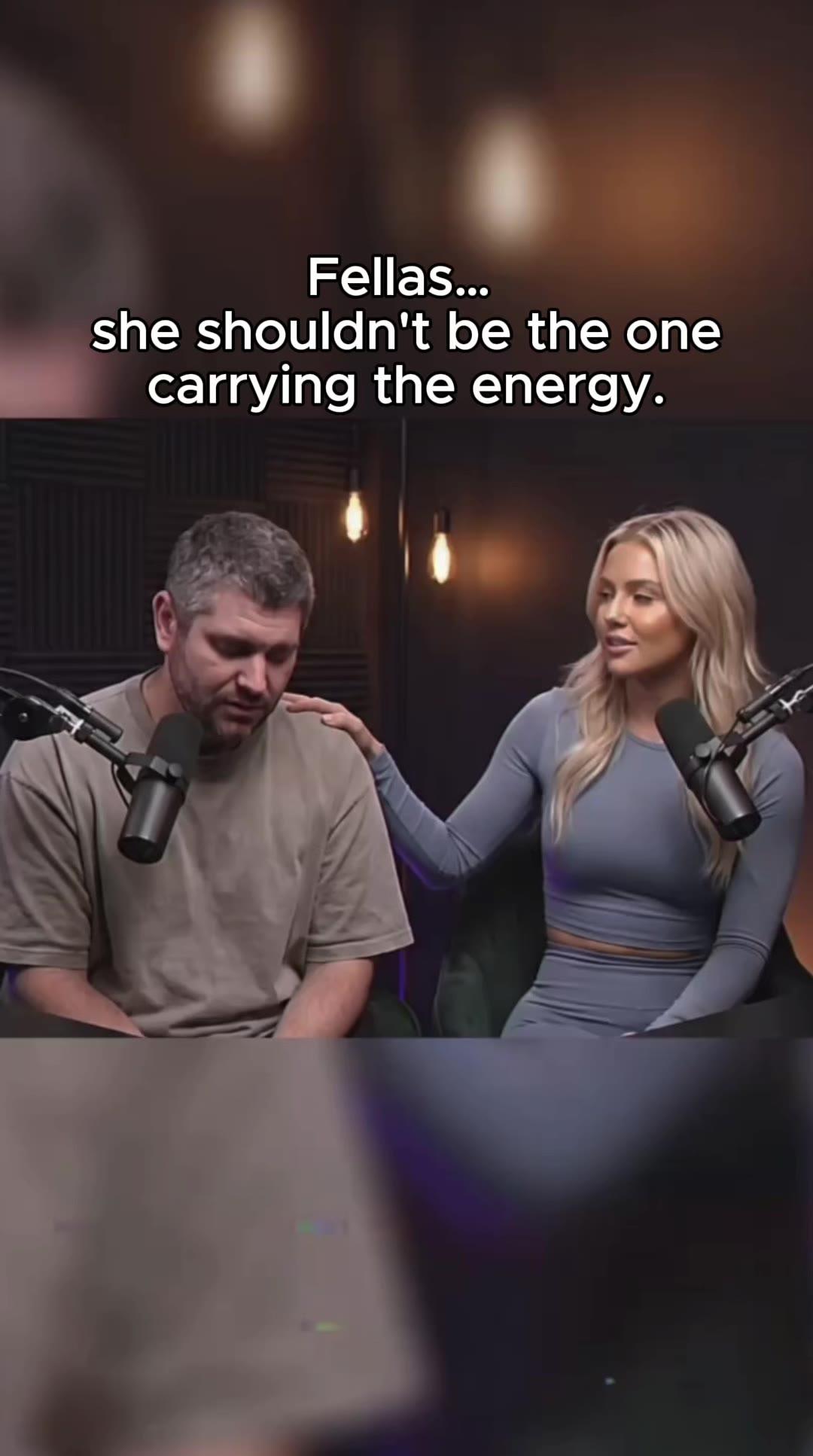
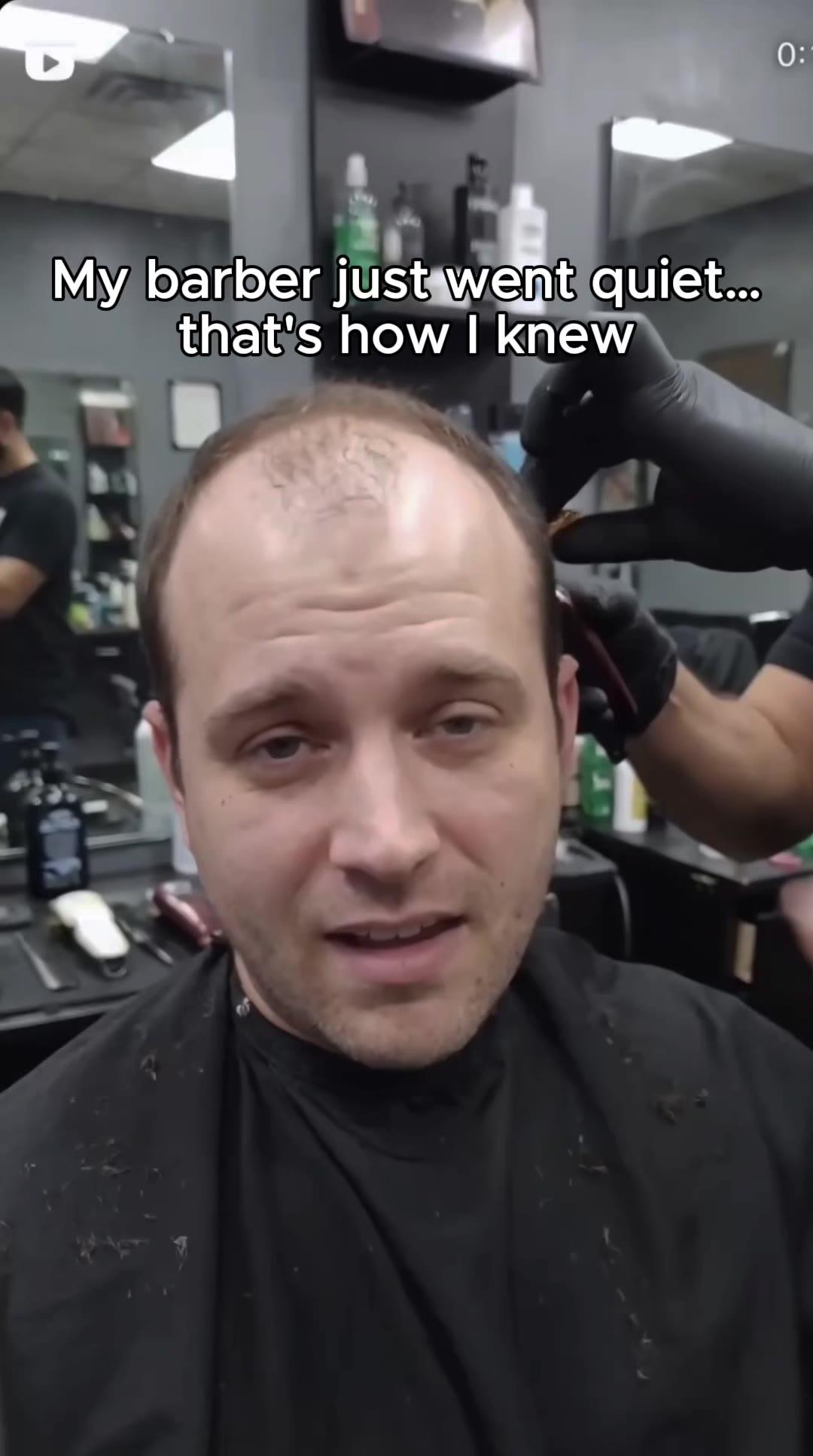

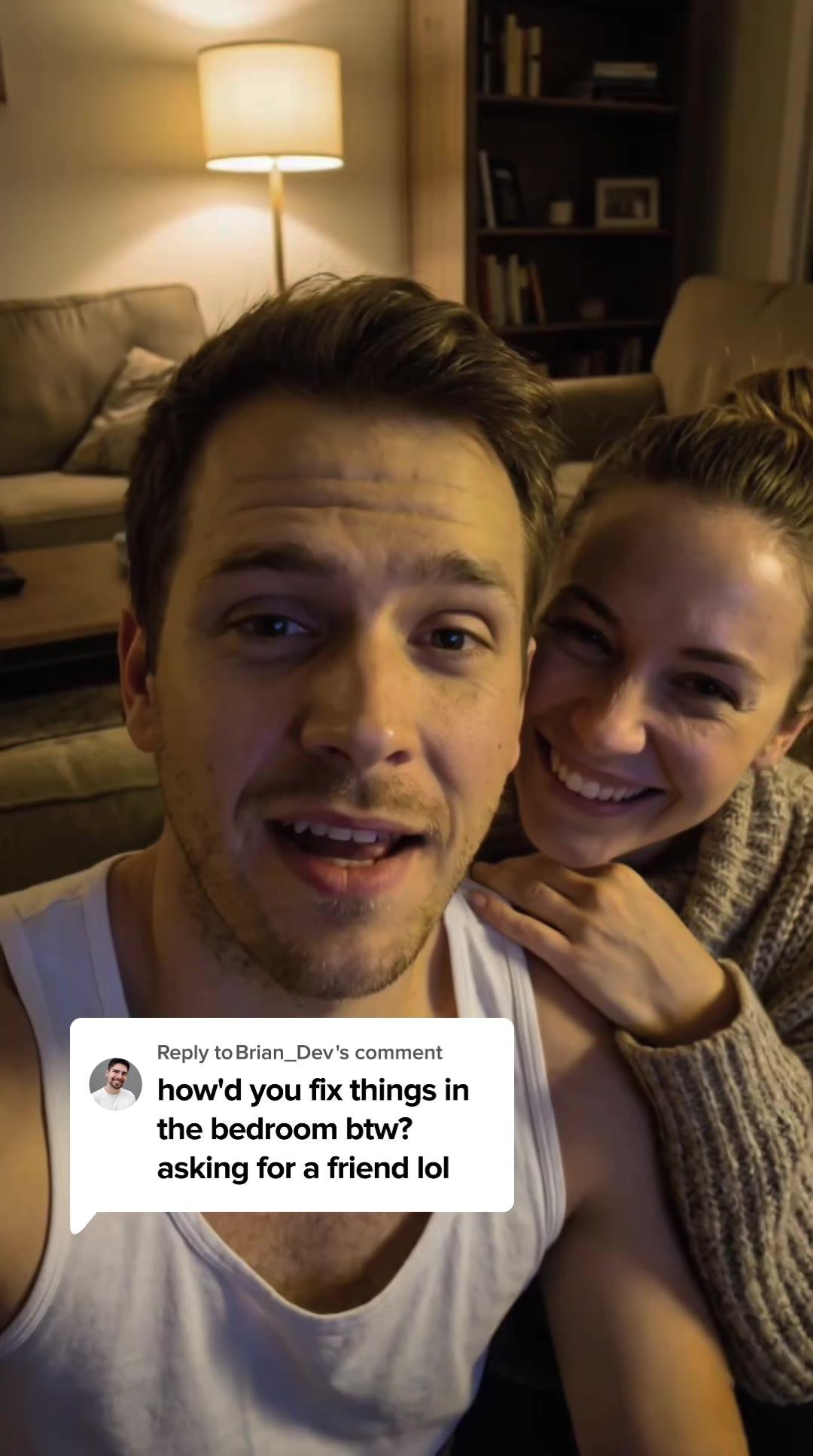

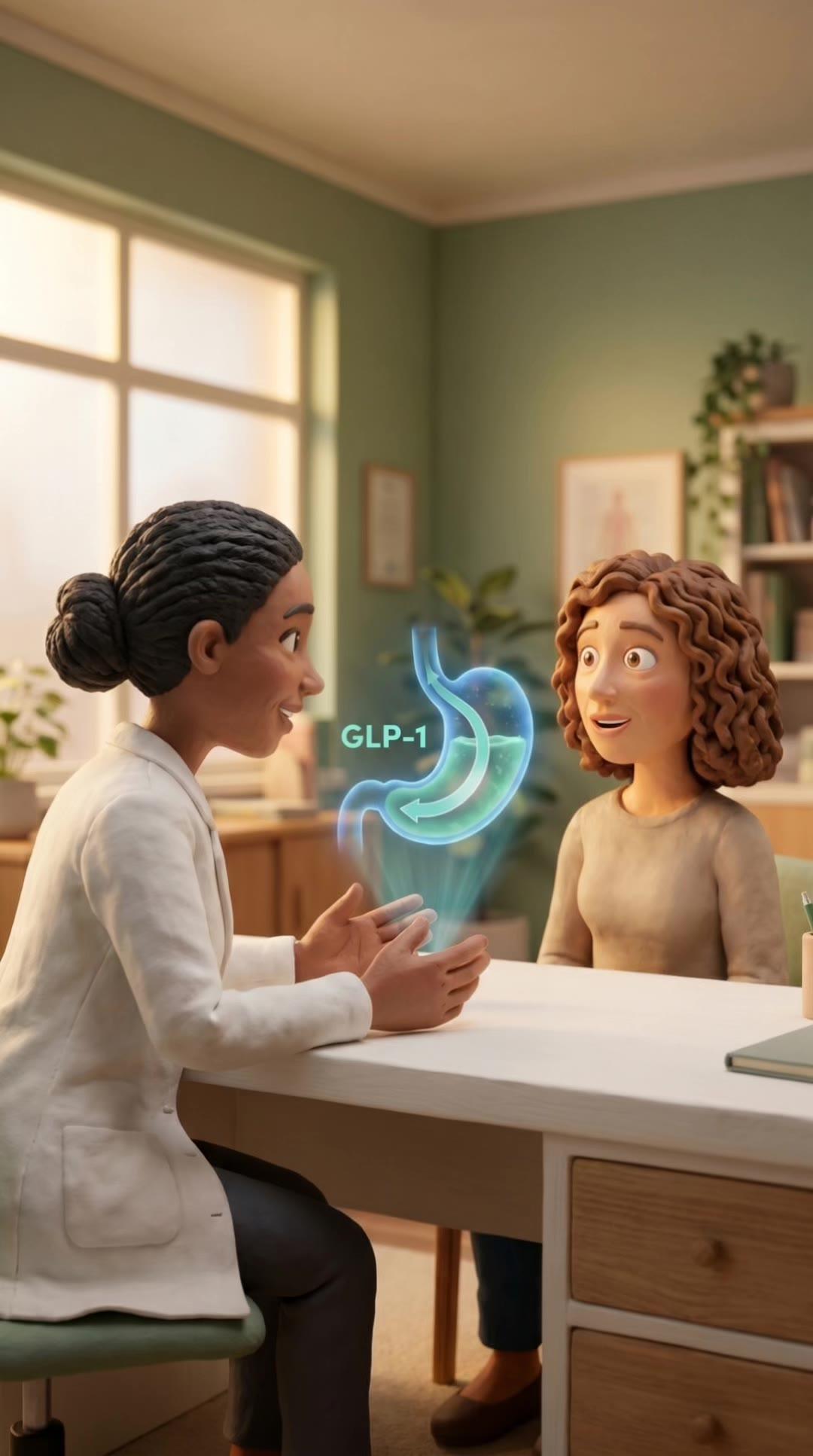
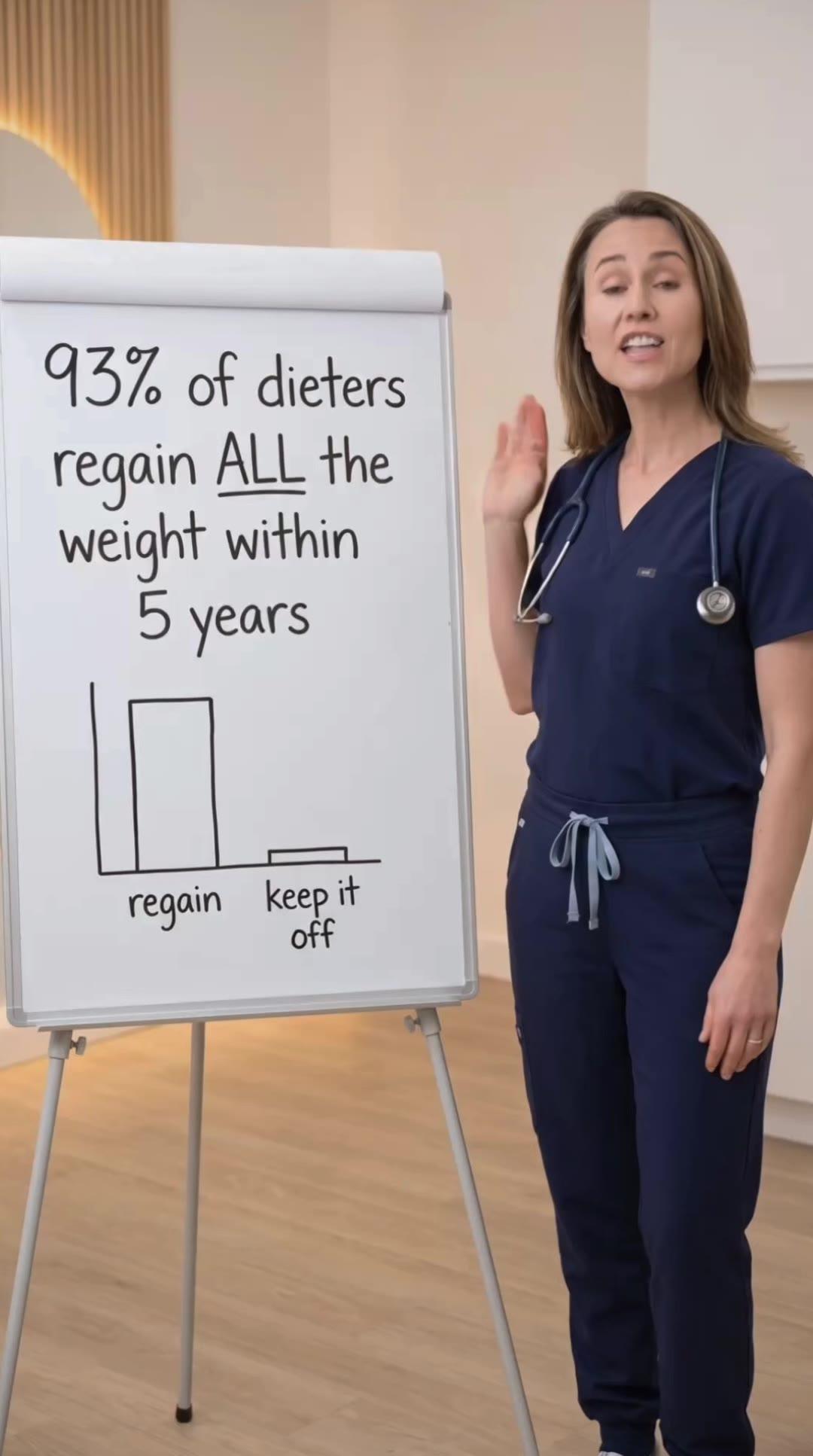
An archetype in telehealth advertising is a pairing of messenger and audience. Who is speaking, to whom, and what trust mechanism does that pairing activate? The physician speaking to the skeptical patient activates authority trust. The peer patient speaking to someone who recognizes their story activates identification trust. The educator speaking to the medically curious activates information trust. Each mechanism is real and works, but each works for a different type of audience member and a different type of demand state.
Archetype mapping is the work of identifying the full range of valid pairings available to your brand and understanding which ones serve which angles. A brand that maps its archetypes deliberately knows which messengers to deploy for which audience segments, and can build a creative portfolio that activates multiple trust mechanisms rather than relying on one.
The Common Archetypes in Telehealth
The physician archetype is the most commonly used in telehealth advertising. The messenger is a licensed medical professional — ideally named and credentialed — speaking directly to the patient audience. The trust mechanism is clinical authority: the viewer's assumption is that a doctor would not recommend something that does not work or is not safe. This archetype works best for angles where the demand state involves skepticism about efficacy, uncertainty about candidacy, or a need for clinical permission before the patient feels comfortable proceeding.
The peer patient archetype deploys someone who has been through the same journey as the viewer. The messenger is typically a patient testimonial — not a celebrity or an influencer, but someone who reads as genuinely similar to the target audience in age, appearance, lifestyle, or situation. The trust mechanism is identification: "if it worked for someone who was where I am, it can work for me." This archetype works best for angles where the demand state involves hopelessness, doubt about personal candidacy, or a need to see proof in someone relatable rather than a clinical context.
The clinical educator archetype is different from the physician. The educator explains mechanisms, breaks down how treatments work at a physiological level, and addresses common misconceptions. The trust mechanism is information — the viewer feels more confident taking action when they understand the underlying science rather than just the promise. This archetype works best for medically curious audiences who need to understand a treatment before they feel comfortable pursuing it.
The peer-to-peer informal archetype is the closest to raw UGC. The messenger speaks directly to camera in casual, unpolished delivery, as if sharing a personal recommendation with a friend or online community. The trust mechanism is authenticity — the very imperfection of the production signals that this is not a staged advertisement. This archetype works for audiences with high commercial skepticism, often younger demographics or audiences that have become sensitive to polished brand messaging in health categories.
The brand voice archetype is the least personal — voiceover, text-on-screen, animated elements, or a brand representative rather than a clinician or patient. The trust mechanism is brand authority rather than personal credibility. This archetype tends to underperform in conversion-focused telehealth campaigns but has a role in awareness and positioning contexts where the brand is building recognition rather than driving immediate action.
Concepts we ship across every awareness stage.
See the work →How to Map Archetypes for Your Brand
The mapping process starts with your audience, not your available messengers. Begin by listing the types of people who might buy from you and the trust barrier each type is most likely to carry. A patient who is skeptical about telehealth legitimacy needs authority trust. A patient who doubts their own eligibility needs identification trust from someone similar. A patient who needs to understand the mechanism before acting needs information trust. A patient who has been burned by marketing before needs authenticity trust.
For each trust barrier, identify which archetype addresses it. The physician archetype addresses authority skepticism. The peer patient archetype addresses personal eligibility doubt. The clinical educator addresses mechanism uncertainty. The informal peer-to-peer addresses commercial skepticism. Map the audience trust barriers to the archetypes, and you have the beginning of your archetype portfolio.
Then ask which of these archetypes you currently have access to. Do you have a physician who can appear on camera? Do you have patient testimonials that are authentic and credentialed enough to use? Do you have the production capability to produce clinical educator content that is accurate and compliant? The mapping will surface archetypes that are strategically valuable but operationally unavailable. Those gaps are worth addressing — sometimes through new production relationships, sometimes through the brand building out its clinical content library.
Connecting Archetypes to Angle Selection
Archetypes and angles are not independent — certain archetypes serve certain angles better than others. An angle built around clinical authority and candidacy criteria is naturally served by the physician archetype. An angle built around "someone like you had this experience and it changed things" is naturally served by the peer patient archetype. An angle built around "here is the science that explains why this works differently" is naturally served by the clinical educator.
When you are developing an angle, the archetype question should be asked at the same time: who is the right messenger for this premise, given the trust mechanism it requires? Getting this right at the brief stage prevents the mismatch of a great angle delivered by an archetype that undermines it. A peer patient testimonial delivering an angle that requires clinical authority will feel thin. A physician delivering an angle that requires emotional identification will feel cold.
The full archetype map — a grid of audience trust barriers, corresponding archetypes, and validated performance by angle — is one of the most useful strategic assets a telehealth creative program can build. It is the guide for casting every creative brief. Rather than asking "who should be in this ad?" the team asks "which archetype does this angle require, and who in our roster fits it?" The answer comes from the map rather than from personal preference, which produces more consistent alignment between strategic intent and creative execution.
Why Most Brands Use Too Few Archetypes
Brands default to fewer archetypes than their audience requires because building and maintaining a diverse archetype portfolio requires ongoing production relationships and a larger talent pipeline than a single-archetype approach. A brand that runs all its creative through one physician and a handful of UGC creators is operationally simple. But it is leaving audience segments underserved — the patients who would respond to the clinical educator, the patients who need the more formal peer testimony rather than the casual UGC delivery, the patients who would respond to a brand voice approach in an awareness context.
Expanding the archetype portfolio is a production investment. It requires identifying and vetting new talent, developing new production approaches, and testing new pairings in the account. But the payoff is access to audience segments that a single-archetype approach cannot reach. Over time, the archetype portfolio is as important to creative performance as the angle portfolio. Both need to be deliberately built and maintained.
Related Articles
The Archetype, Angle, and Format System for Telehealth Creative
The three-layer framework for organizing telehealth creative production.
What Independent Demand Angles Are and Why They Matter
A precise definition of independent demand angles and how to find them.
How Many Angles a Telehealth Brand Should Test Per Month
The right angle testing cadence for telehealth brands by spend level.
Ready to build a testing system that scales?
A 30-minute call. We audit your creative approach and show you exactly what a complete angle-format-hook system looks like for your vertical.