How to Use Social Proof in GLP-1 Telehealth Ads
Social proof strategies for GLP-1 telehealth advertising. Patient testimonials, physician credibility, volume claims, and trust signals that convert.
Concepts shown are internal creative studies, not client campaigns.







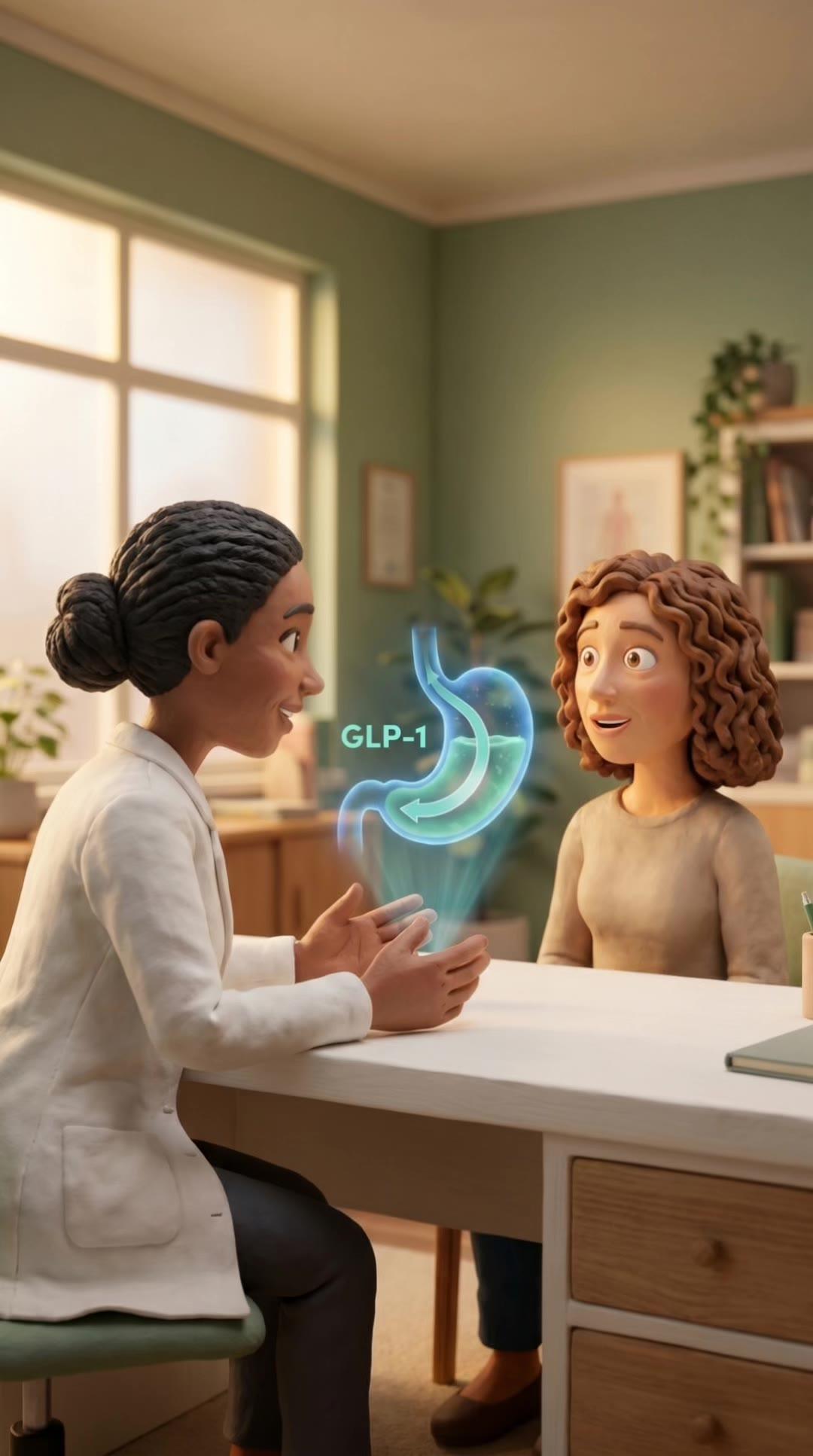
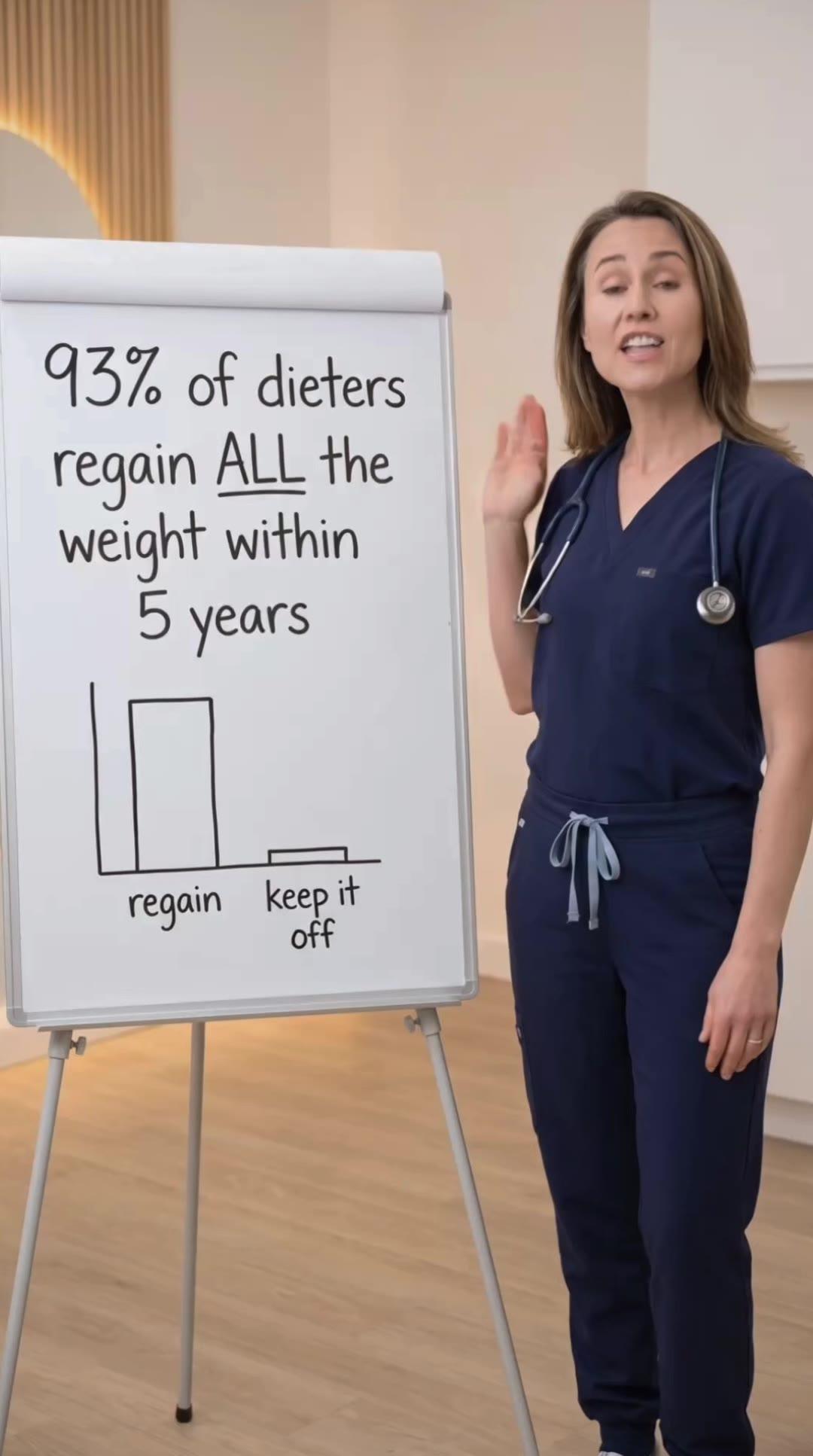
Social proof drives conversions for GLP-1 telehealth brands, but most brands use it wrong. They show patient testimonials making medical claims without disclaimers. They reference patient volume without context. They use physician credentials that do not actually build trust. The brands that convert use social proof strategically and compliantly. This guide explains what works based on testing social proof strategies across GLP-1 brands spending $10M+ annually.
Social Proof Type 1: Patient Testimonials About Service Experience
What it looks like: "The consultation was straightforward. My doctor explained everything clearly. I had my prescription filled within three days."
Why it works: Service testimonials are compliant because they do not make medical outcome claims. The patient is describing their experience with your platform, not the efficacy of the medication. This type of social proof builds trust without triggering compliance violations.
How to implement it: Film patients discussing the booking process, the quality of the consultation, the speed of medication delivery, and the ongoing support they receive. Avoid any language about weight loss results or symptom relief.
Compliance risk: Low. Service testimonials do not require disclaimers as long as they avoid outcome claims.
Social Proof Type 2: Physician Credibility Signals
What it looks like: "Our physicians are board-certified and licensed in all 50 states" or "Work with a licensed medical provider who specializes in weight management."
Why it works: Physician credibility is the highest-trust signal for healthcare decisions. Patients want to know they are working with real doctors, not unlicensed consultants. Highlighting physician credentials differentiates your service from supplement sellers and gray-market medication vendors.
How to implement it: Feature physician bios on your landing pages. Show doctor faces and names in ads. Mention board certifications, years of experience, and specializations. The more visible your medical team, the more credible your brand.
Compliance risk: Low. Physician credentials are factual statements that do not require disclaimers.
Concepts we ship, problem-aware to product-aware.
See the work →Social Proof Type 3: Patient Volume Claims
What it looks like: "Over 50,000 patients trust our telehealth platform" or "We have helped thousands of patients access GLP-1 therapy."
Why it works: Volume signals popularity and trust. If thousands of patients have used your service, new patients assume it is legitimate and reliable. Volume claims work especially well for newer brands that do not yet have strong brand recognition.
How to implement it: Reference total patients served, total consultations completed, or years in operation. Be specific: "50,000 patients" is more credible than "thousands of patients."
Compliance risk: Low, as long as the volume claim is accurate and does not imply medical outcomes. "50,000 patients treated" is compliant. "50,000 patients lost weight" is not.
Social Proof Type 4: Before and After Testimonials With Heavy Disclaimers
What it looks like: Patient discusses their weight management journey over 10 months. Shows progress photos with prominent disclaimers: "Results not typical. Individual results vary."
Why it works: Transformation content is the highest-converting social proof format when done compliantly. It demonstrates real patient experiences while setting realistic expectations through disclaimers.
How to implement it: Use moderate transformations (15-30 pounds over 6-12 months). Include disclaimers in text overlay for at least three seconds. Add voiceover disclaimers. Emphasize physician supervision throughout the journey.
Compliance risk: Medium to high. Requires prominent disclaimers and physician oversight signals. Higher rejection rate than service testimonials.
Social Proof Type 5: Third-Party Validation
What it looks like: "As seen in [Publication]" or "Rated 4.8/5 stars on Trustpilot" or "LegitScript certified."
Why it works: Third-party validation from recognized sources builds credibility faster than self-promotion. Media mentions, review scores, and certifications signal that your brand has been vetted by external authorities.
How to implement it: If your brand has been featured in credible publications, reference them. If you have strong review scores on Trustpilot or Google, display them. If you have LegitScript certification, highlight it as proof of regulatory compliance.
Compliance risk: Low, as long as claims are accurate and verifiable.
Social Proof Type 6: Transparent Pricing as Trust Signal
What it looks like: "Starting at $299/month. No hidden fees. Includes consultation, medication, and shipping."
Why it works: Transparent pricing is a form of social proof because it demonstrates honesty and builds trust. Patients are skeptical of "contact us for pricing" models. They want to know the cost upfront. Brands that display pricing prominently convert better than brands that hide it.
How to implement it: Show pricing on landing pages and in ads. Break down what is included: consultation fees, medication cost, shipping. Make it clear that there are no surprise charges.
Compliance risk: None. Pricing transparency is a best practice, not a compliance issue.
What Not to Do With Social Proof
Do not use outcome-based testimonials without disclaimers. "I lost 40 pounds" requires "results not typical" disclaimers. "The process was easy" does not. Focus on service experience to avoid compliance issues.
Do not fabricate patient volume or credentials. False claims about patient numbers or physician certifications are FTC violations. Only reference accurate, verifiable data.
Do not use social proof from patients who were compensated without disclosing it. FTC requires disclosure of material connections. If you paid the patient or gave them free product, add "paid testimonial" on screen.
Do not overuse celebrity or influencer endorsements. GLP-1 medications are prescription drugs, not lifestyle products. Influencer endorsements can work, but they require FTC disclosures and carry higher compliance risk than physician credibility or patient testimonials.
How to Test Social Proof Strategies
Launch ads with different social proof formats and track performance. Test physician-led content vs patient testimonials. Test volume claims vs transparent pricing. Test service testimonials vs transformation testimonials. Measure cost per consultation and consultation-to-patient conversion rate, not just click-through rate.
Rotate social proof formats as they fatigue. Even the best testimonial loses effectiveness after 30-45 days. Build a library of diverse social proof content and rotate it to maintain performance.
For more on GLP-1 marketing, see our guides on patient journey ads, UGC ads, and Facebook ad examples. If you need help with compliance, read testimonial rules. More at our GLP-1 marketing hub.
Need compliant social proof content for your GLP-1 brand? We produce testimonial and credibility-driven ads for semaglutide telehealth brands exclusively. Book a call.
Your next GLP-1 batch, minus the compliance roulette.
A 30-minute call. We audit your creative approach and show you exactly what a complete angle-format-hook system looks like for your vertical.