Video Testimonials for a Mental Health Telehealth Brand
A founder's guide to producing mental health telehealth video testimonials with the care a sensitive category requires. Casting, situational prompts, compliance framing, and the patterns that earn trust.
Concepts shown are internal creative studies, not client campaigns.


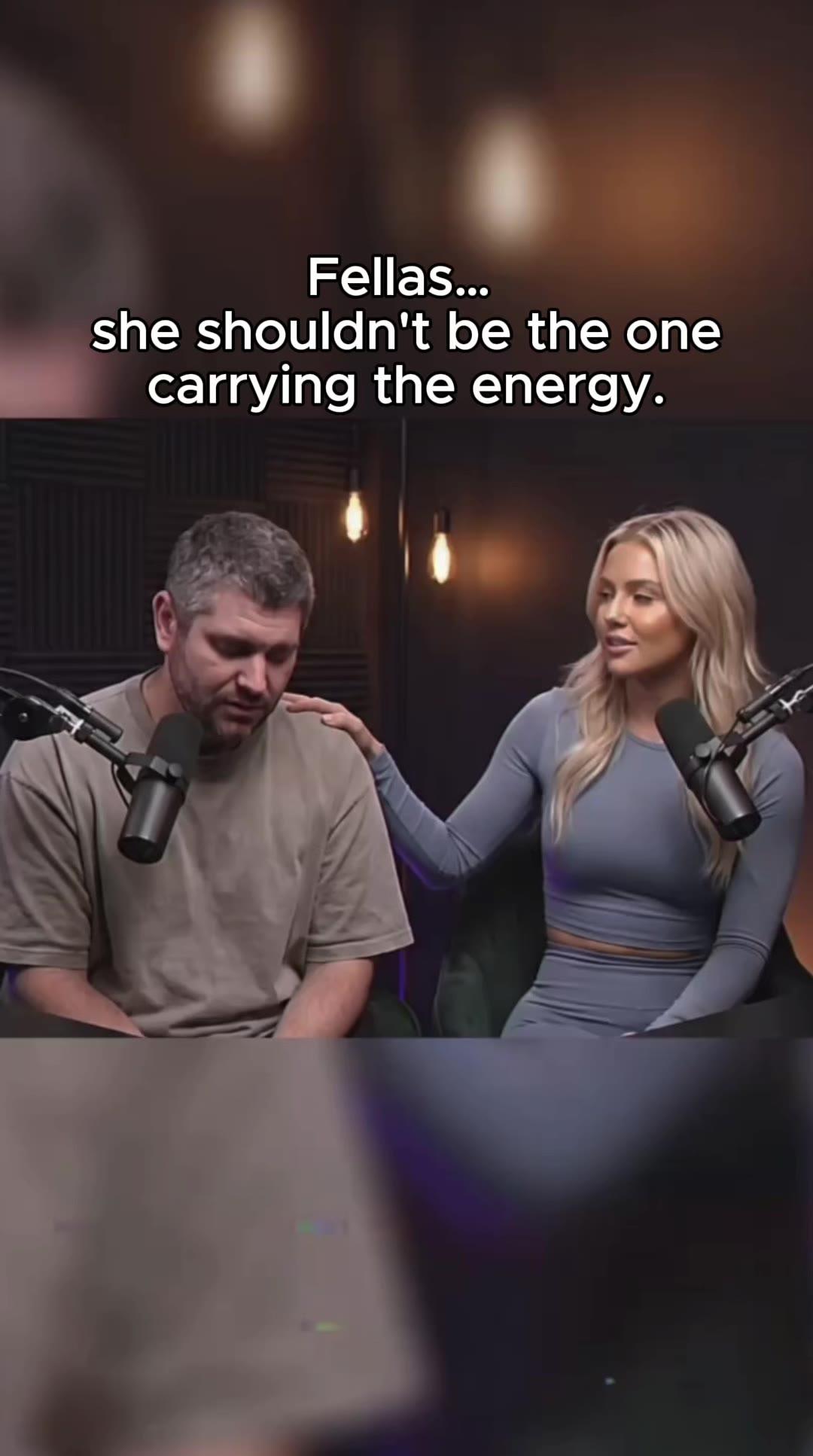
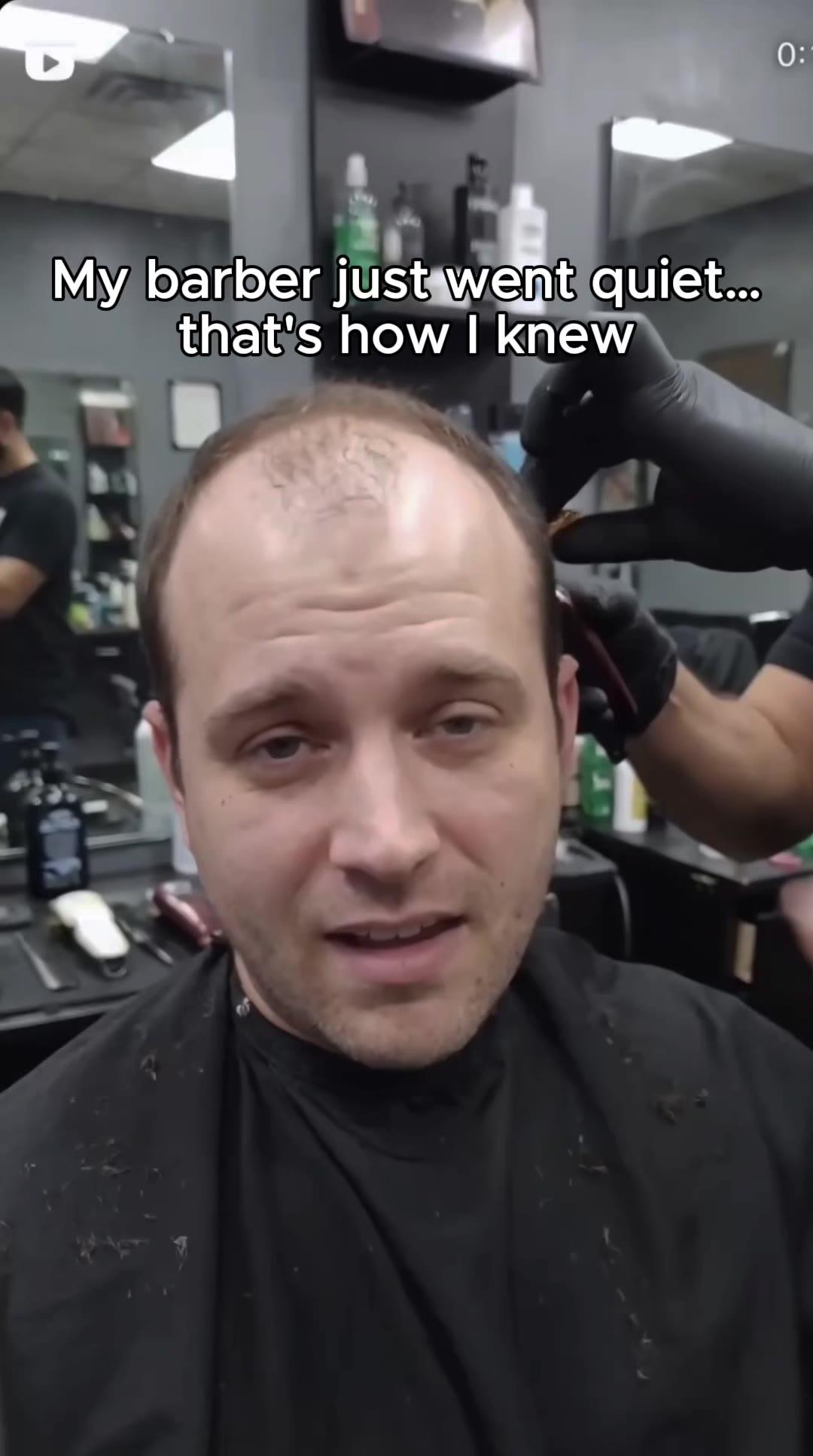

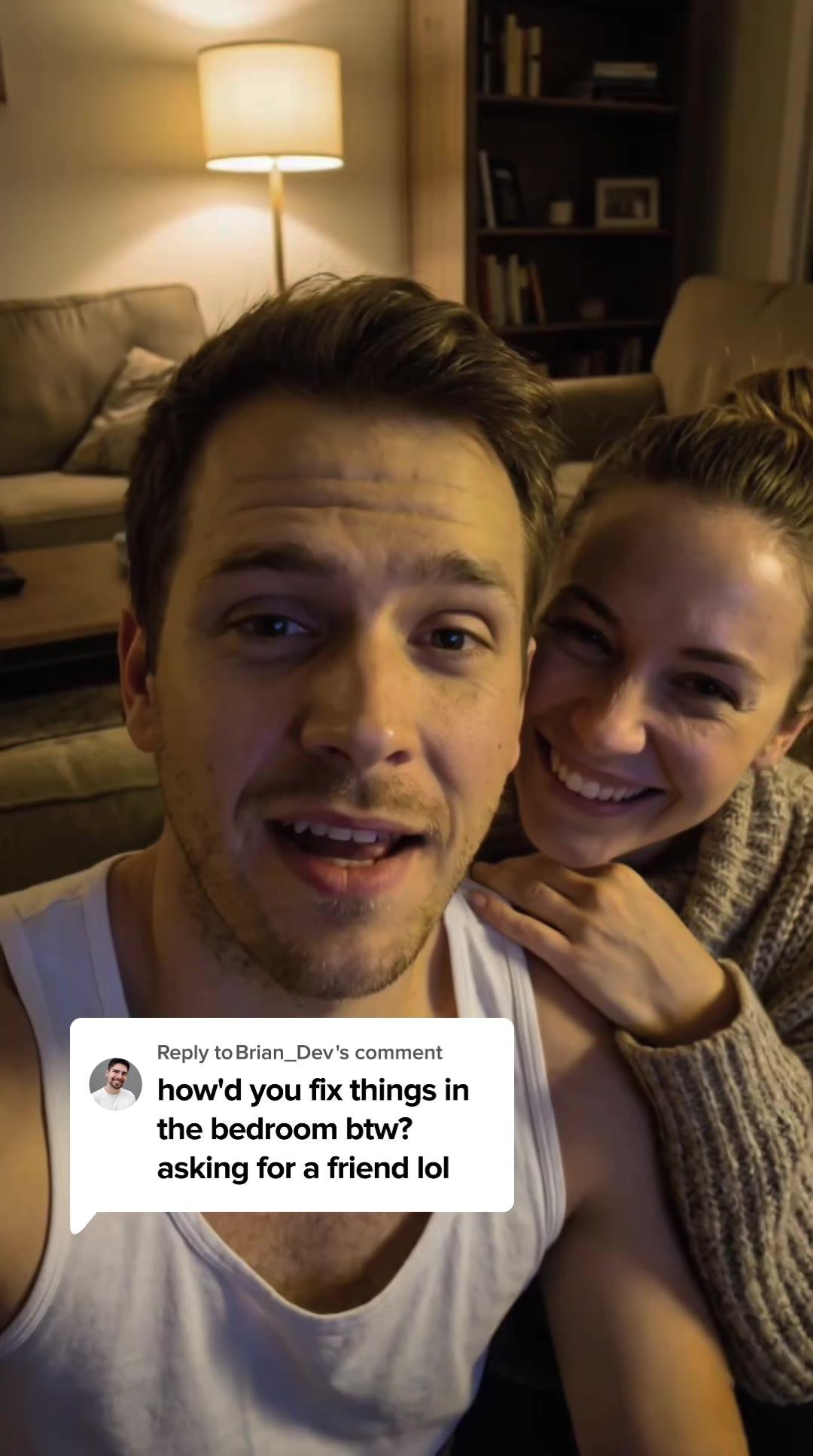

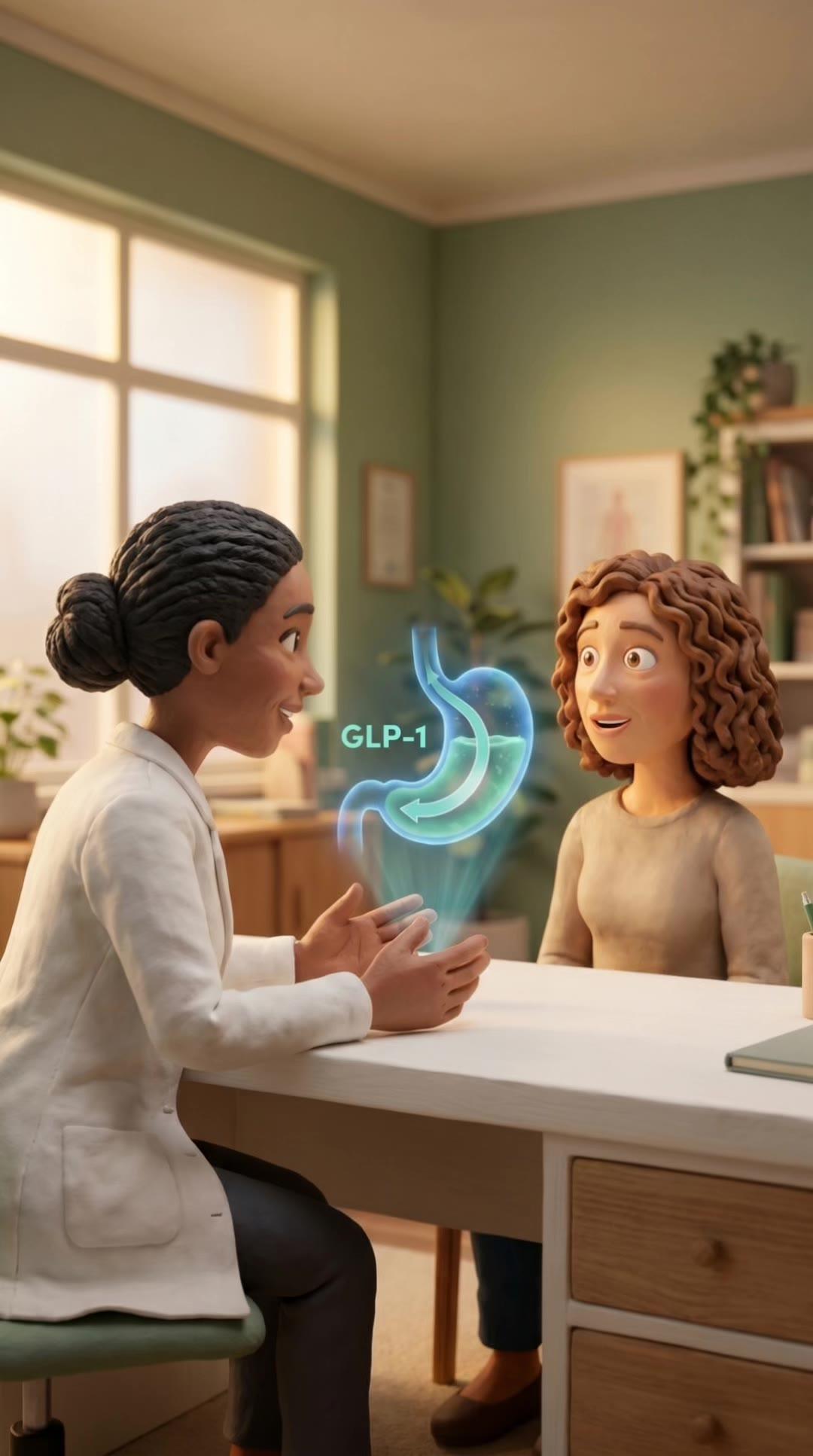
Mental health testimonials require more care than testimonials in any other telehealth category. The audience is emotionally guarded, the platforms apply tighter personal-attribute scrutiny, and the patient experience itself is internal rather than physically visible. The testimonials that work are situational, empathetic, and grounded in real human experience without crossing into diagnostic territory.
Here is how to produce mental health video testimonials that convert and respect the category.
Who to Cast
Real patients who have voluntarily expressed interest in sharing their story. Pressuring patients into sharing produces hollow testimonials that do not convert and create ethical problems.
Diverse cast spanning age, gender, and background. Mental health audiences are broad, and the testimonial library that performs reflects that breadth.
Patients comfortable with the public exposure. Mental health testimonials carry more personal exposure than other categories; the patient has to be genuinely comfortable with the visibility.
What to Ask
"What was the situation that pushed you to look for support?" Situational framing instead of diagnostic.
"What were you nervous about before the first consultation?" Acknowledges the emotional reality.
"What did the first session actually feel like?" Process transparency for the highest-friction step.
"What surprised you about the experience?" Generates honest, specific detail.
"What would you tell someone who is on the fence about reaching out?" Natural recommendation language.
What to Avoid Asking
"What diagnosis did you receive?" Diagnostic framing creates compliance and ethical issues.
"How much did the medication help?" Outcome quantification triggers platform and FDA review.
"Are you cured now?" Cure language is flagged across mental health advertising.
Compliance Framing
Frame the testimonial around the consultation and process experience, not the medication or specific outcome. "I appreciated how the therapist took the time to understand me" works; "the medication fixed my depression" creates exposure.
Disclose that the testimonial reflects an individual experience and that mental health treatment is highly personalized.
Avoid before-after framing entirely. Mental health is internal; visual proof framing does not apply and triggers platform doubt.
For broader mental health advertising compliance, see mental health advertising for telehealth brands.
UGC formats we produce for telehealth.
See the work →What to Show on Camera
The patient at home, in a comfortable setting, dressed casually. The visual should reinforce that the testimonial is real and the patient is in their normal environment.
Avoid: medication imagery, hospital or clinical settings, dramatic lighting that adds emotional weight beyond what the patient is expressing.
Length and Structure
Sixty to seventy-five seconds. Mental health testimonials need enough time to feel honest and respect the weight of the topic, but should not overstay.
Open with the situational moment, middle with the consultation and provider relationship experience, end with the encouragement framing for the audience.
Production Quality
Lower-fi production outperforms higher-fi for mental health testimonials. The audience reads polished as commercial and commercial as untrustworthy in this category specifically.
Vertical phone-recorded video in natural lighting with a lav mic delivers what the format requires. Avoid music underscore that adds emotional manipulation.
Where Mental Health Testimonials Perform
Retargeting audiences who reached the consultation form but did not complete. Mental health has the highest consultation-to-purchase friction in telehealth, and testimonials close that gap better than provider explainers.
Cold prospecting on Meta with situational hooks targeting the relevant audience profile.
Email nurture sequences for consultation no-shows, where the testimonial helps re-engage hesitant patients.
The Short Version
Mental health video testimonials work when you cast patients who genuinely want to share, ask situational and process questions instead of diagnostic and outcome ones, frame everything around the patient's individual experience, and keep production grounded and respectful of the topic's weight. Brands that produce mental health testimonials this way earn the trust the category requires. Brands that try to formula the testimonials lose the authenticity that makes them work.
Related Articles
Mental Health Advertising for Telehealth Brands: What Works in 2026
Mental health telehealth advertising playbook.
How to Advertise Online Therapy in 2026
Online therapy advertising playbook.
Patient Testimonials in Telehealth Marketing
General patient testimonial framework.
Can You Use Patient Stories in Telehealth Ads?
Patient story compliance answers.
UGC systems built for telehealth.
A 30-minute call. We audit your creative approach and show you exactly what a complete angle-format-hook system looks like for your vertical.