Mental Health Advertising for Telehealth Brands: What Works in 2026
The platform reality, the angle library, the compliant hook patterns, and the CAC math for anxiety, depression, and ADHD telehealth advertising in 2026.
Concepts shown are internal creative studies, not client campaigns.








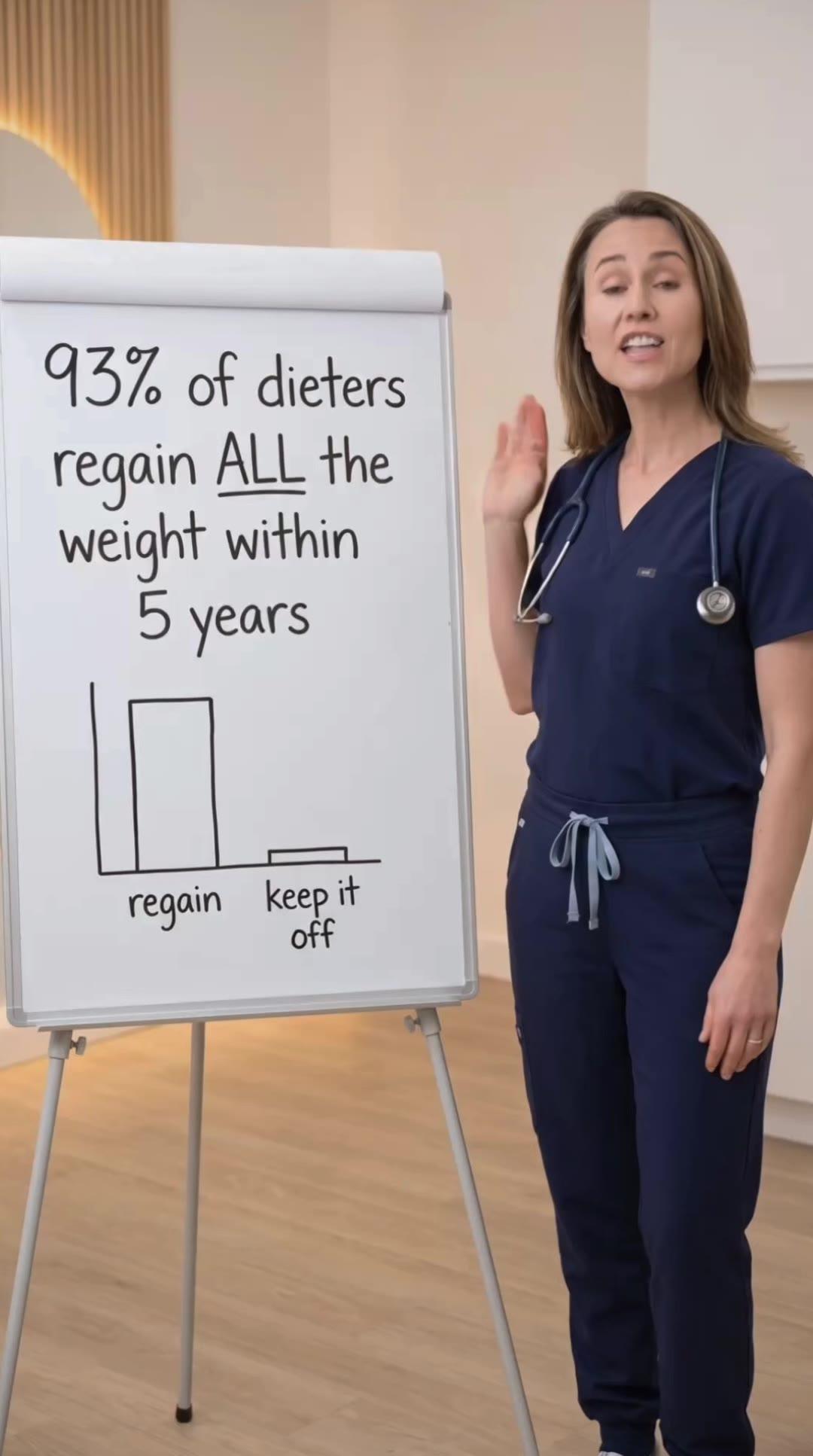
Mental health advertising is the hardest paid social category in telehealth. The audience is high-intent but emotionally guarded, the platforms apply tighter personal-attribute scrutiny than they apply to GLP-1 or TRT, and the regulatory landscape spans state telehealth boards, DEA scheduling rules for stimulants, and FTC scrutiny of subscription cancellation flows. The brands that scale are the ones that accept these constraints and build creative inside them.
Here is how mental health advertising actually works in 2026 — by sub-vertical, by platform, by angle pattern — from running campaigns across anxiety, depression, ADHD, and combined behavioral health telehealth brands.
The Three Sub-Verticals Have Different Rules
Anxiety and depression: the largest pool, with the most flexible creative options. SSRIs and SNRIs are well-understood, telehealth prescribing is widely accepted, and platforms tolerate problem-aware messaging if framed around situational signs rather than diagnosed symptoms. CAC sits in the $180-300 range at $50-150K monthly spend.
ADHD: structurally harder. Stimulant medications are Schedule II, platforms restrict imagery and copy around stimulant treatment, and the audience expects faster onset than the qualification process delivers. CAC sits 30-60% higher than anxiety/depression: $250-450 at $50-150K monthly. Creative angles that work for anxiety often fail for ADHD because the qualification gates are more disclosure-heavy.
Therapy (talk-therapy subscriptions, no medication): the most platform-friendly mental health category but the lowest LTV. CAC is $80-180 at $50-150K monthly spend, but average customer life is 3-5 months. Therapy economics are tight; medication-included models usually outperform therapy-only models on unit economics.
What Platforms Actually Restrict
Meta's personal-attribute policy is the dominant constraint. Hooks that imply the viewer has a diagnosed condition ("Living with depression?", "Are you struggling with anxiety?") trigger reviewer flags more often than equivalent hooks framed around situations ("When work feels heavier than it should…", "If your mornings have changed in the last 6 months…").
TikTok restricts visible medication imagery for mental health categories more strictly than for any other telehealth vertical. Creative that mentions specific medications, shows pill imagery, or includes pricing in the first three seconds is routinely rejected. TikTok mental health ads work when they live entirely in the "I started feeling different and then I tried something new" frame — generic, situational, never naming the prescription product.
Google Search for mental health requires LegitScript certification for any brand prescribing controlled substances and full compliance with healthcare ad policy for non-controlled. Branded search drives 30-50% of paid acquisitions for mental health brands at scale; non-branded search is competitive and expensive.
Angle Library That Actually Performs
Situational reframe: the strongest angle for cold prospecting. Instead of "Do you have anxiety?", run "I thought it was just stress. Then it lasted six months." The viewer self-identifies without the platform flagging personal-attribute targeting. Conversion intent stays high because the viewer is matching themselves to a story they recognize.
Process transparency: how the consultation works, what the qualification gate looks like, what happens after first prescription. This is the highest-converting retargeting angle because the audience deferring purchase usually defers because the next step is opaque. For format selection, review our telehealth ad creative guides.
Provider authority without diagnosis: a licensed provider speaking about how the category works, what evidence-based options exist, and what kinds of presentations they see most often. This angle protects compliance posture and builds the trust that mental health categories require for high conversion rates.
Concepts we ship across every awareness stage.
See the work →Creative Formats by Sub-Vertical
Anxiety/depression: UGC-style story format outperforms studio formats by 25-40% on cold prospecting. The narrative structure ("here is what I noticed → here is what I tried → here is what changed") matches how the audience self-reports their experience. Studio-quality provider interviews work as retargeting trust-builders.
ADHD: provider-led explainers outperform UGC for cold. The audience is researching and wants credibility before they will engage. UGC works for retargeting but underperforms for top-of-funnel acquisition because the audience doubts unverified personal stories. For sourcing UGC creators, see how to find UGC creators for telehealth brands.
Therapy: testimonial-style UGC dominates cold and retargeting. The product is the relationship with the therapist, so creator stories that emphasize ease, accessibility, and emotional honesty drive the highest conversion rates.
Compliance Patterns That Keep Accounts Live
Lead with situations, not diagnoses. "I haven't felt like myself" is approvable; "Do you have major depressive disorder?" is not. The substantive difference is small; the platform-policy difference is large.
Avoid before/after framing for mental health. Visual proof works for hair loss and weight loss; it does not work for mental health, where the construct is internal. Brands that try before/after framing for mood get flagged for unsubstantiated claims and personal-attribute targeting simultaneously.
Disclaim subscription terms early. Mental health is the FTC's current focus for subscription telehealth, and ads that bury cancellation terms or auto-renewal pricing are the most likely to draw regulator attention. Be transparent in the ad itself, not just in the checkout flow.
CAC, Retention, and the Real Unit Economics
Anxiety/depression at $230 CAC and $120 monthly net revenue per patient pays back in roughly 2 months if 6-month retention clears 60%. Most well-run anxiety/depression brands hit this. The brands that fail miss on retention, not CAC — the consultation-to-purchase flow converts, but month-3 churn destroys cohorts.
ADHD at $350 CAC and $150 monthly net revenue pays back in 2.5 months if retention clears 70%. ADHD retention is structurally better than anxiety/depression because the audience is older, more deliberate, and less likely to discontinue once stabilized.
Therapy at $130 CAC and $80 monthly net revenue pays back in 1.5-2 months but the cohort decays fast. Most therapy customers cancel between month 4 and 6. Therapy unit economics require either a step-up to medication-included pricing or aggressive cohort reactivation campaigns to make the math work at scale.
The Operator Summary
Mental health advertising for telehealth in 2026 works when you accept three constraints: situational hooks beat diagnostic hooks, platform-specific creative beats cross-platform repurposing, and retention is the unit-economics lever that matters more than CAC. The brands that lead with retention infrastructure and let creative serve cohort quality outperform the brands chasing the lowest possible CAC.
Related Articles
The Archetype, Angle, and Format System for Telehealth Creative
A three-layer framework for organizing telehealth ad creative around archetypes, angles, and formats. How the layers connect and why the order matters.
UGC Hook Formulas That Work for Telehealth Brands
Proven hook structures for telehealth UGC ads that stop the scroll, including examples for GLP-1, TRT, ED, hair loss, and peptide brands.
UGC Scripting for Telehealth: How to Write Without Sounding Scripted
How to write UGC scripts that feel authentic, stay compliant, and drive conversions for GLP-1, TRT, ED, and peptide telehealth brands.
Telehealth Advertising Compliance Guide
Navigate FDA, FTC, and platform policies for compliant telehealth advertising.
Ready to build a testing system that scales?
A 30-minute call. We audit your creative approach and show you exactly what a complete angle-format-hook system looks like for your vertical.