Finding UGC Creators for Peptide Telehealth Brands
Concepts shown are internal creative studies, not client campaigns.


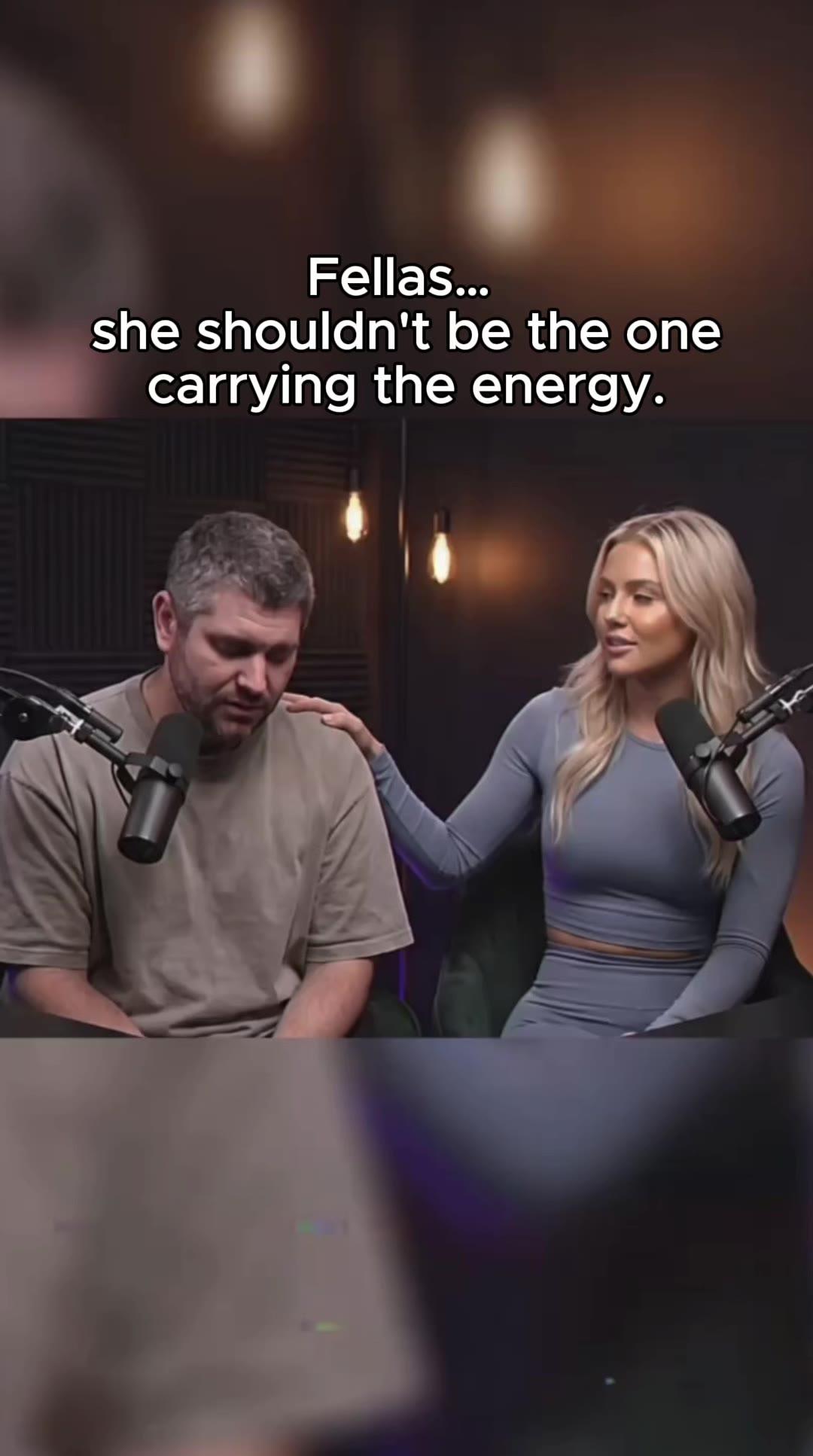
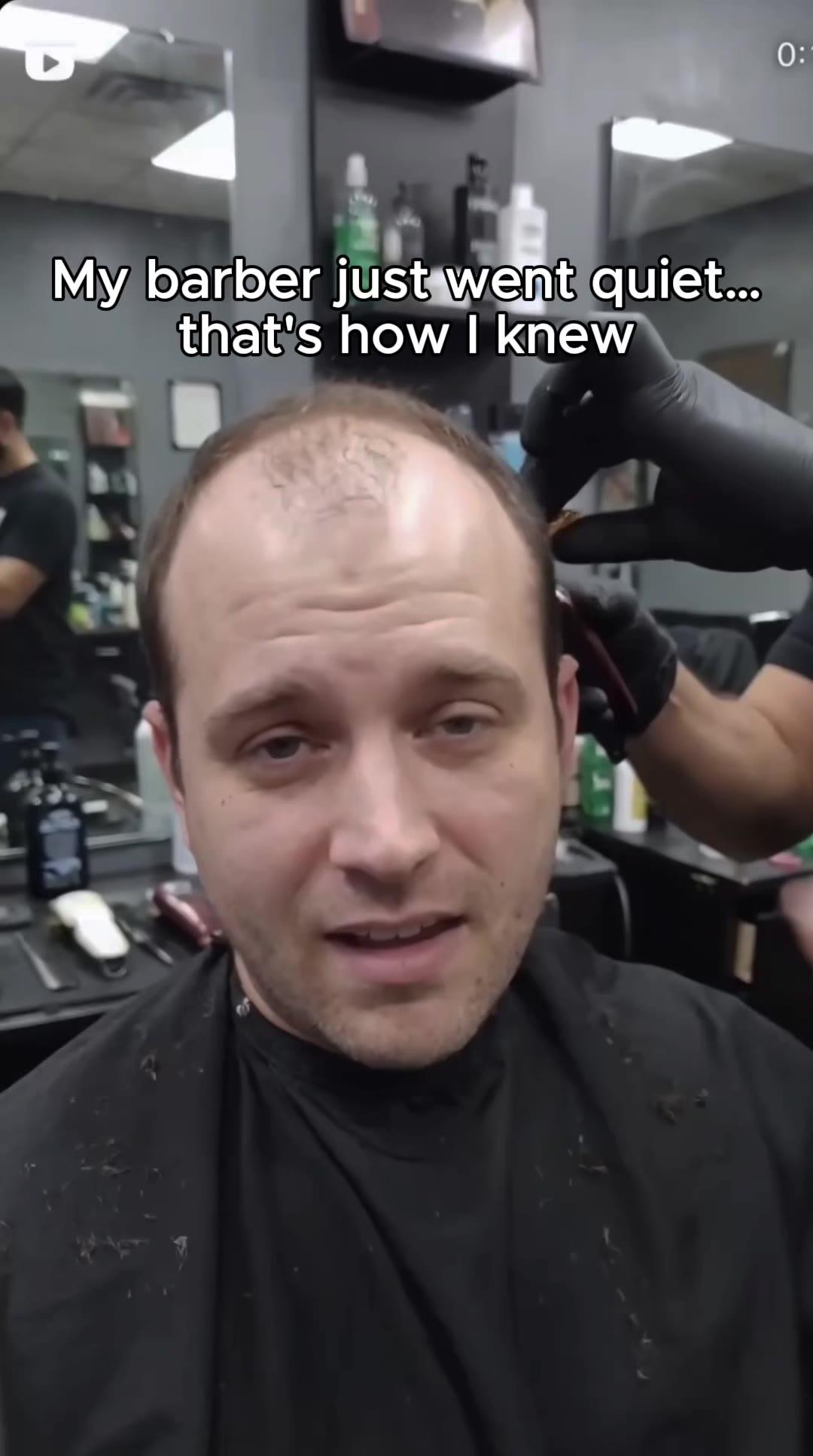




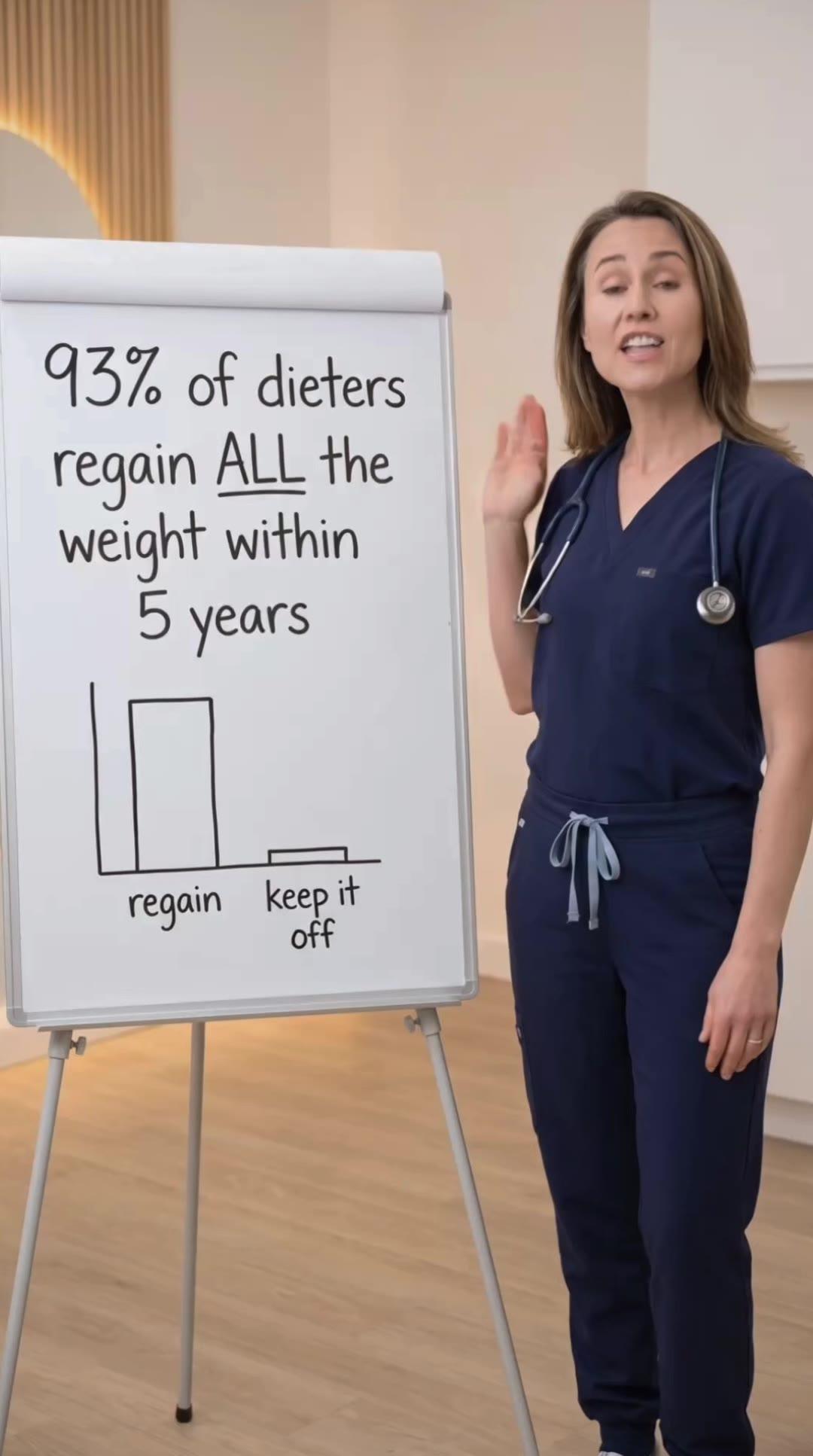
UGC creators for peptide telehealth are the hardest profile to source in this entire space. The brief is the hardest to write, the vetting process is the most rigorous, and the compliance risk of getting it wrong is higher than almost any other telehealth vertical. Most creators either do not understand peptides at the level required to speak about them credibly, or they understand them too well — meaning they are already used to making the kind of specific performance claims that will get your ads rejected or your brand flagged.
That said, when you find the right creators and give them the right brief, peptide UGC can be extremely effective. The audience for peptide therapy is engaged, research-oriented, and responsive to peer content from people they perceive as genuinely knowledgeable. This guide covers where to find those creators, how to vet them, and what the brief structure needs to look like.
Why the Compliance Risk Is Higher in Peptide UGC
Peptides occupy a gray area in how they are marketed. The regulatory landscape around compounded peptides is actively evolving, and the claims environment is correspondingly sensitive. Creators who are familiar with peptides from the biohacking or fitness community are often used to making specific performance, recovery, or body composition claims — "healed my injury in half the time," "my HGH levels improved," "built more muscle with the same training load." These are exactly the kinds of claims that expose a brand to platform bans and regulatory scrutiny.
The compounding issue is that creators who understand peptides tend to have come through channels — Reddit, biohacking forums, certain fitness communities — where these claims are made freely and regularly. When you recruit a creator from those channels, you are recruiting someone whose content norms are built around that kind of language. Even with a tight brief, the instinct toward performance claims can surface in ways that are subtle enough for a creator to miss but significant enough to create problems.
This is why the vetting process for peptide creators has to be more rigorous than for other telehealth verticals. You are not just assessing whether someone can create good content — you are assessing whether their instincts and their existing content history are compatible with a compliant brief.
The Right Creator Profile for Peptide Telehealth
The creator profile you are looking for in peptide UGC spans several categories. Biohackers and health optimization enthusiasts who document their approach to performance and longevity are a strong fit if their existing content is measured and curious rather than claim-heavy. Functional fitness athletes who approach training as a long-term health practice and who speak about recovery and performance optimization in nuanced terms can work well. Sports medicine adjacent creators — people who engage with that literature but are not practicing clinicians — are worth considering. Health-oriented professionals who are personally interested in longevity research and have built content around it can be excellent.
The thread connecting all of these profiles is the same: they engage with this topic as curious, informed individuals exploring an emerging area of health optimization under physician guidance. They are not making categorical claims. They are sharing an experience of exploration and discovery.
Credentialed creators — NPs, pharmacists, sports medicine professionals — are high-value if you can find them. A nurse practitioner who can explain what peptide therapy involves from a clinical perspective, what the consultation process looks like, and who might be a candidate for evaluation is giving the audience genuinely useful information while keeping the brand entirely on the right side of the claims boundary.
Where to Find Peptide-Aware Creators
The sourcing landscape for peptide creators is narrower than for other telehealth categories, but there are specific places to search. Instagram and YouTube in biohacking and longevity adjacent spaces are the primary channels. Creators who engage seriously with topics like cellular health, recovery optimization, athletic longevity, and health span tend to have at least some familiarity with peptides and often have covered the topic directly.
The functional fitness community — particularly creators who document training for masters athletes, high-performance executives, or longevity-focused training programs — is another strong sourcing pool. These creators understand recovery and performance at a level that allows them to speak intelligently about peptide therapy without needing to be briefed on the basics.
Health-optimization focused communities on Reddit, while not a direct sourcing channel, can tell you which creators and channels the target audience actually follows. Look at what community members reference as trusted sources. The channels and creators who consistently come up as credible are the ones your audience will recognize and trust when they see them in a paid ad.
UGC formats we produce for telehealth.
See the work →The Vetting Process
For peptide creators, the vetting process should include a review of 10 to 15 recent posts, with specific attention to red flags. Any content that discusses PEDs or performance-enhancing drugs in an approving or instructional way is a hard disqualifier — the content history creates brand association risk regardless of what they agree to say in your sponsored content. Any posts that made specific performance claims without disclaimers for supplements or other health products are a warning sign. Creators who have promoted gray-market compounds or spoken positively about unregulated sourcing channels are not appropriate for a compliant telehealth brand.
Beyond content history, look at how a creator handles nuance. Peptide therapy is not a simple topic, and the right creator needs to be able to sit with complexity rather than defaulting to oversimplification. A creator who understands that "it depends" is often the right answer, who references physician evaluation as a necessary step, and who approaches the topic with genuine curiosity rather than categorical certainty is a strong candidate regardless of their follower count.
We produce paid social creative exclusively for telehealth brands. From 18 to 200 assets per month.
Get in TouchWriting the Brief for Peptide UGC
The brief for peptide UGC must include explicit language about what cannot be said — this is not optional and it is not enough to say "please keep it compliant." Write out the specific no-fly phrases: no claims about healing faster, building muscle faster, increased growth hormone levels, treating injuries, or reversing specific health conditions. Put this section of the brief before the content direction, not at the end as a footnote. Creators need to understand the constraints before they start thinking about what they are going to say.
The permitted frame is the consultation service and personal curiosity. The creator was curious about peptide therapy. They wanted to understand what options might be available to them. They decided to consult a physician through the telehealth platform to get a proper evaluation. What that process was like, how accessible it felt, what questions they asked — that is the content. The outcome is not part of the brief because outcome claims are where the compliance exposure lives.
The educational angle is particularly effective for peptides. A creator who frames their content as "I went through the consultation process to understand what this is and who it might be appropriate for" is providing genuine value while maintaining a clean compliance posture. The audience for peptide content is research-oriented enough to appreciate a measured, educational approach rather than a hype-forward one.
Format and Platform Considerations
Longer format works better for peptide UGC than for most other telehealth categories. The concept is complex enough that a 15-second or 30-second ad does not give the creator enough room to establish credibility before making the ask. Test 60 to 90 second formats as your primary length, with 30-second cuts created from the longer edit rather than scripted separately.
Platform-wise, Meta is the safest channel for paid amplification of peptide UGC. TikTok's paid ads environment is more aggressive in reviewing health content, and peptide-related claims face elevated scrutiny. TikTok organic is viable with careful framing — if a creator has an existing organic presence in this space, their organic posts can drive meaningful traffic without the risk profile of paid amplification.
Testing Creator Backgrounds
Run a structured test between two creator types: fitness or athletic background creators versus general biohacking or health optimization background creators. The hypothesis you are testing is which background produces content that generates more consultation intent from your target audience.
Fitness-background creators tend to speak about peptides in the context of performance and recovery, which resonates with an athletically oriented audience. Health optimization creators tend to speak about them in the context of longevity and systemic health, which resonates with a different audience profile — older, more focused on health span than athletic output.
If your target patient profile skews toward one of these audiences, match your creator sourcing accordingly. If you are trying to reach both, build a roster that includes both types and let performance data tell you where to concentrate. In peptide telehealth more than most categories, the match between creator background and audience identity has a significant effect on conversion rates.
Need help with UGC for your telehealth brand? Get in Touch or explore our creative services.
UGC systems built for telehealth.
A 30-minute call. We audit your creative approach and show you exactly what a complete angle-format-hook system looks like for your vertical.