UGC for NAD and Anti-Aging Telehealth Brands
Concepts shown are internal creative studies, not client campaigns.
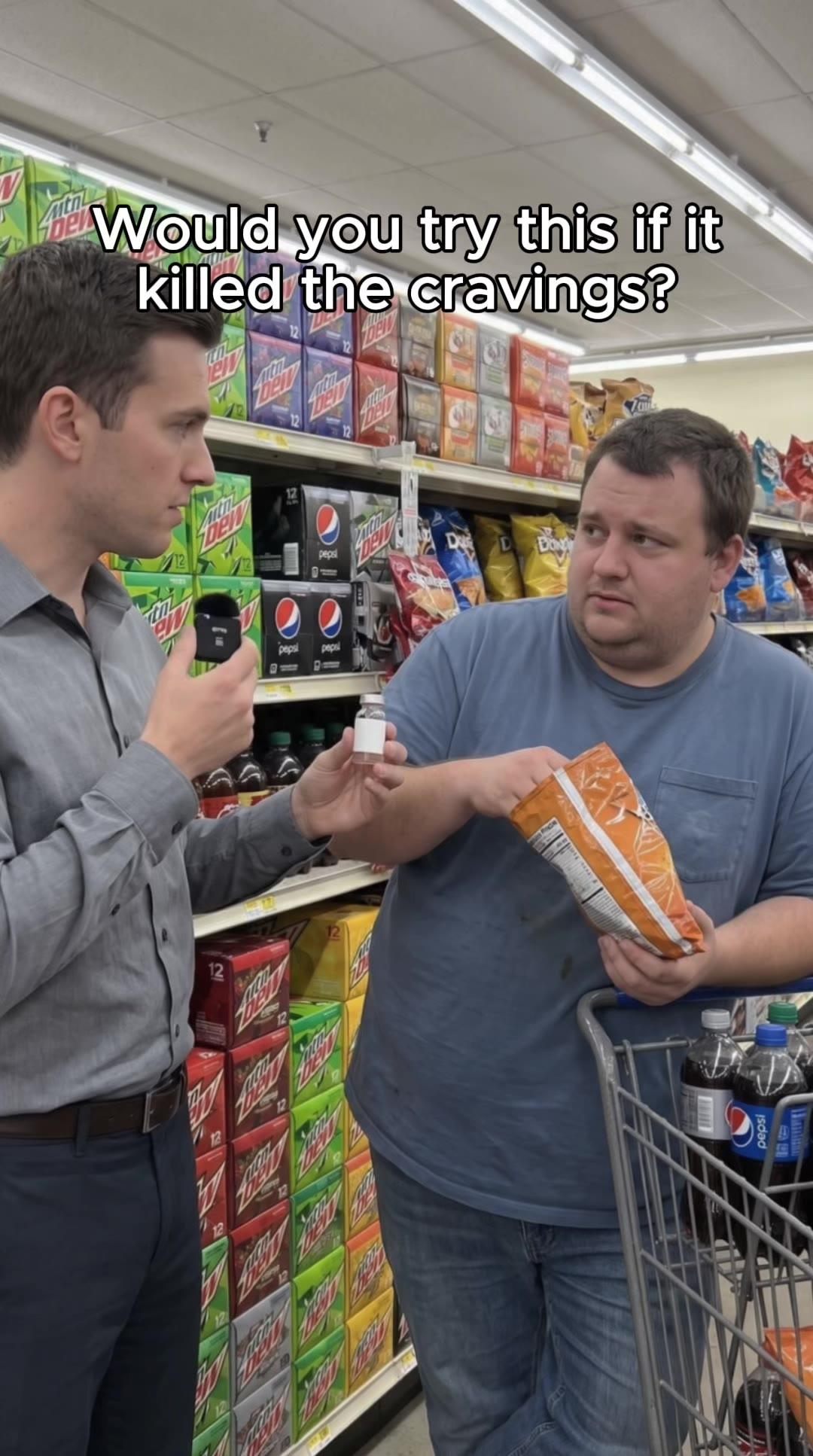
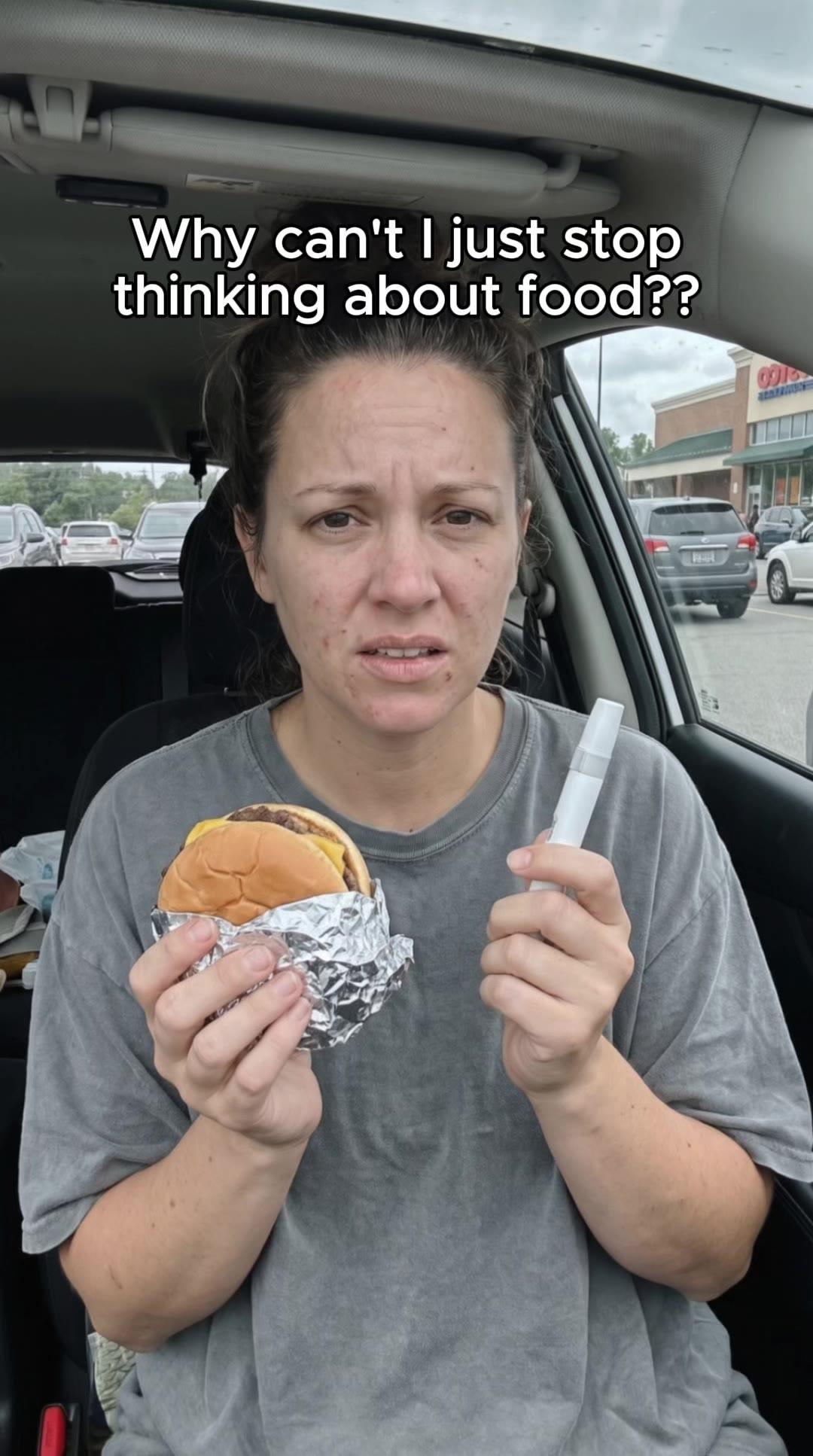
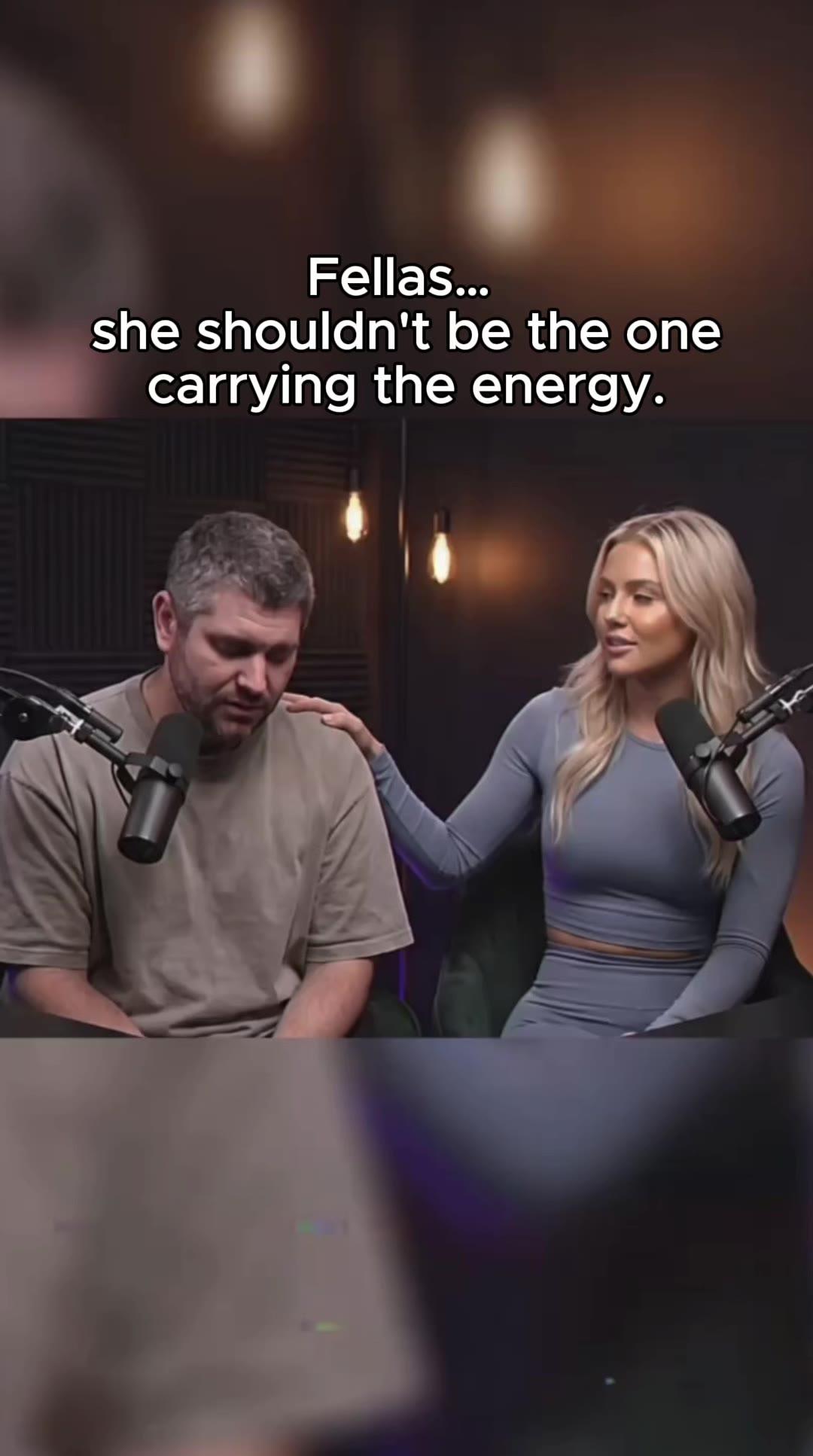
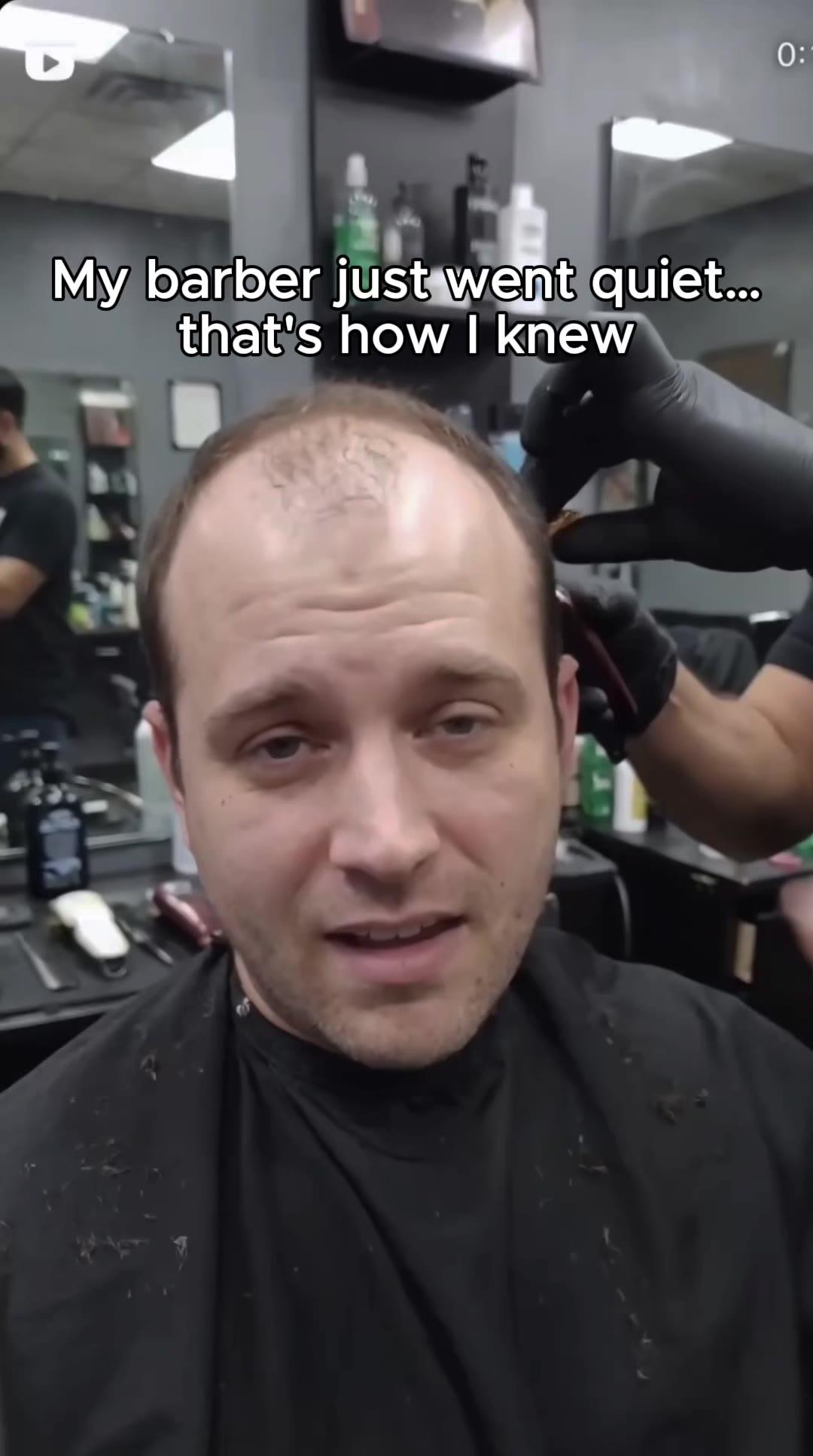
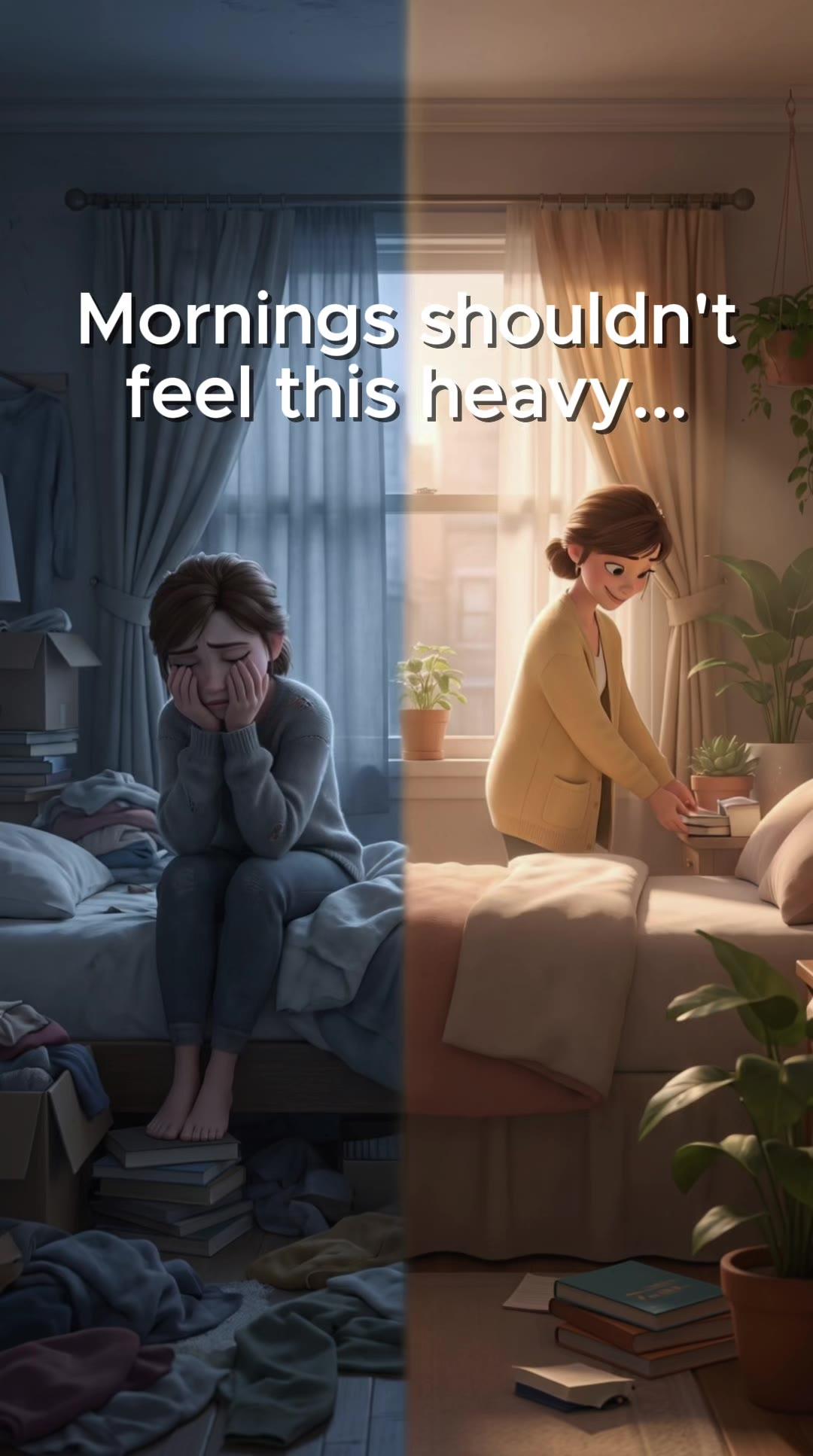
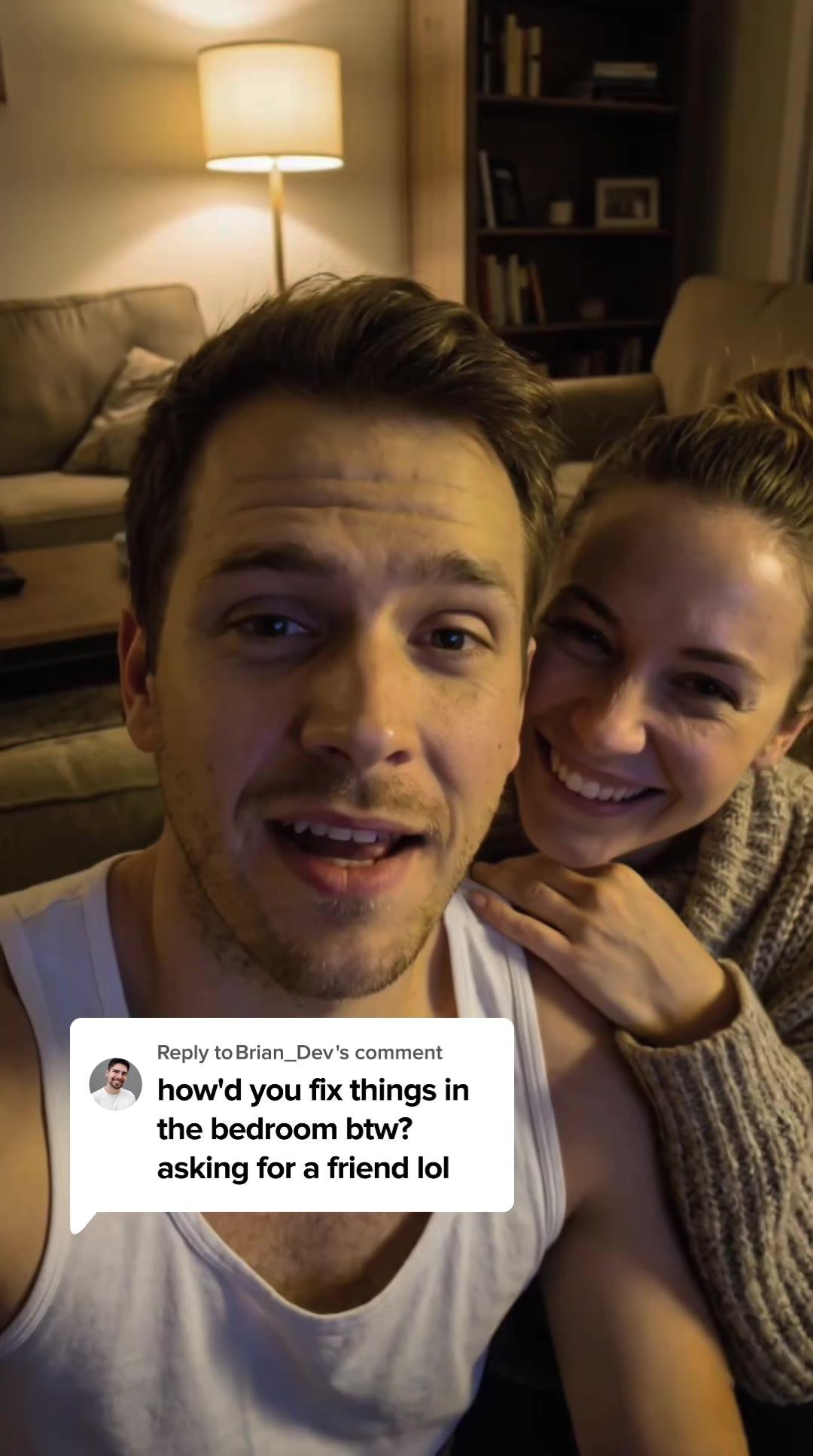
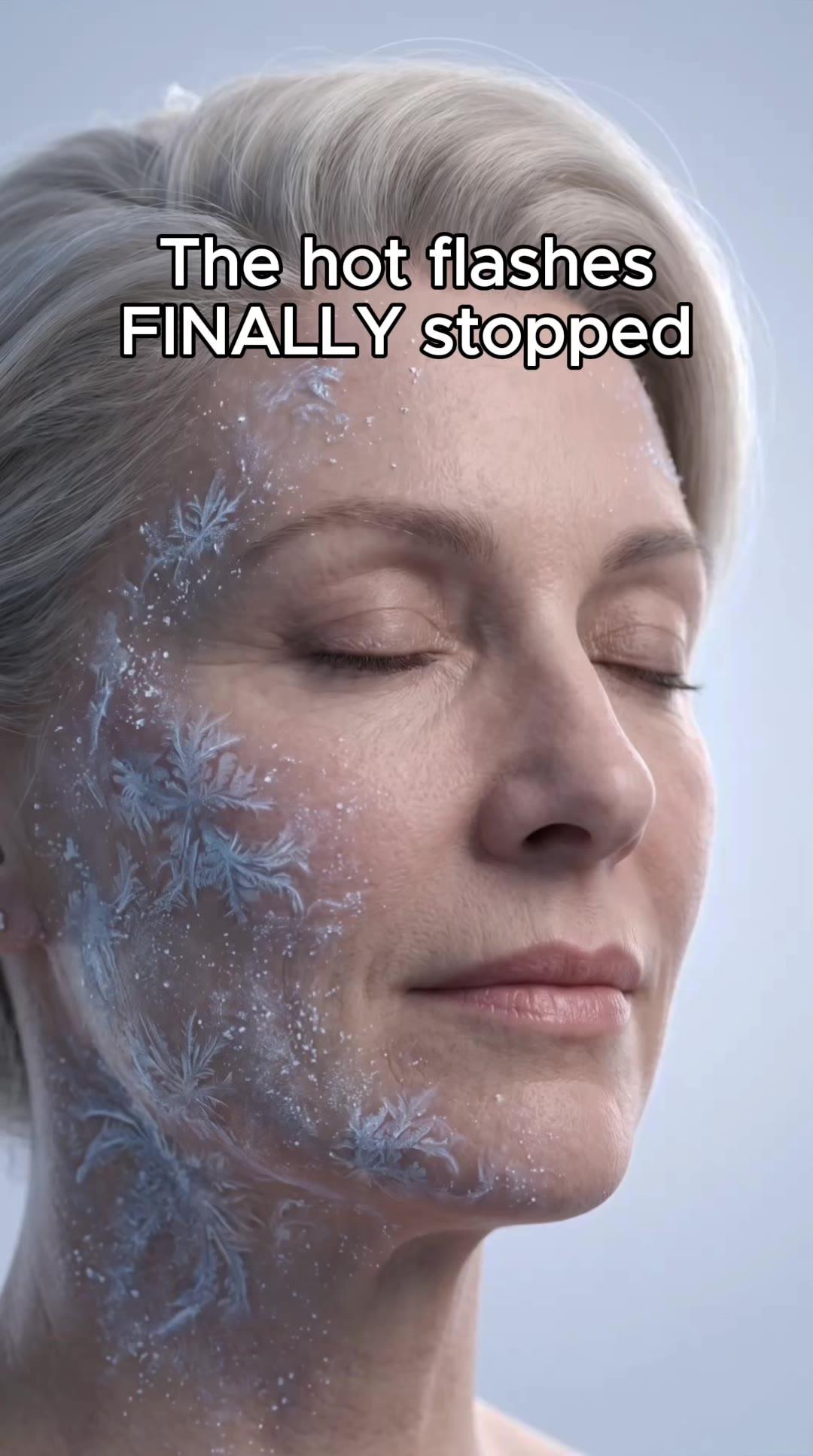
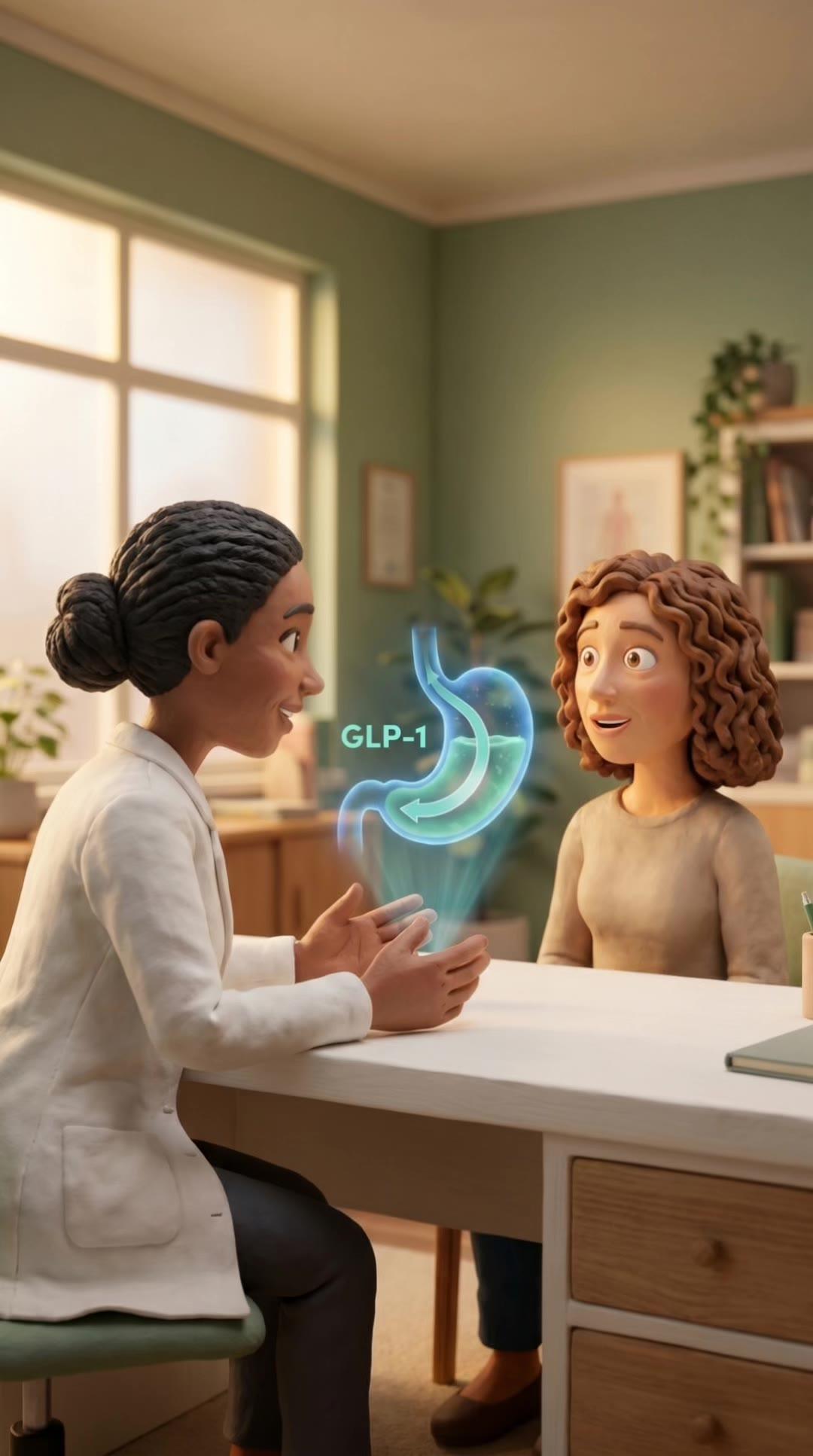
UGC NAD anti-aging telehealth is one of the more demanding creative briefs in the category. The audience is educated, skeptical, and research-oriented. They will fact-check your creators. They will notice if someone speaks about NAD therapy with the same vague wellness language they use to talk about collagen supplements. The brief has to be tighter, the creator profile has to be more specific, and the compliance guardrails have to be written into the creative from the start — not added as disclaimers at the end.
This guide covers the creator profile that works for NAD and anti-aging UGC, where to find them, how to brief them, what to keep off the script entirely, and how to structure your creative testing. If you are running paid social for a longevity-focused telehealth brand, this is where to start.
Why Generic Wellness Creators Do Not Work for NAD UGC
The audience for NAD and anti-aging telehealth is not the general wellness consumer. They are reading about NAD precursors, following longevity researchers on social media, and listening to podcasts about mitochondrial function. When a creator speaks about NAD with the same superficial tone they use to discuss a protein powder, that audience exits immediately. The trust signal is gone in the first fifteen seconds.
Generic wellness creators also tend to drift toward overclaiming — the language of dramatic transformation is baked into their content style. That is exactly the content that will get your ad rejected on Meta or flagged for FTC issues. The combination of low authenticity and high compliance risk makes generic wellness creators a poor fit for this vertical regardless of their follower count.
The creator you need for NAD UGC is someone who speaks about health optimization as a personal practice, not a trending topic. They reference their own research process. They ask questions rather than making declarations. They are not performing wellness — they are living it.
The Right Creator Profile for NAD and Anti-Aging Telehealth
The target creator profile for NAD UGC is men and women in the 35 to 60 age range who are health-conscious, physically active, and can speak credibly about energy, cognitive performance, and how they are approaching the process of getting older. They do not have to be medical professionals — but they need to speak with the fluency of someone who reads about this stuff and has integrated it into their life.
Concretely, you are looking for creators who: track their health metrics in some way (blood work, wearables, HRV), engage with functional medicine or longevity content regularly, have an established content history that demonstrates they have thought carefully about health and aging, and can speak extemporaneously about a topic without memorizing talking points word for word.
Executive types who document their health optimization practice are particularly effective — they bring natural authority, speak in complete sentences, and tend to be careful about what they claim. Their audiences are often high-intent and in the right income bracket to act on a telehealth consultation offer.
Where to Source NAD-Ready Creators
The search surfaces are different from typical UGC sourcing. You are not searching TikTok's top fitness creators. You are looking in more specific places.
Instagram and YouTube are the primary channels. Search within biohacking, longevity, and functional medicine adjacent communities. Hashtags around cellular health, NAD, mitochondria, longevity, and health optimization will surface creators who are already engaged with the topic. Look at who comments substantively on well-known longevity researchers' and functional medicine physicians' content — engaged community members often have their own channels.
LinkedIn is underused for health creator sourcing and worth exploring for this vertical specifically. Executives, entrepreneurs, and senior professionals who document their health practices publicly on LinkedIn have built audiences that overlap almost perfectly with the demographics most likely to purchase a longevity-focused telehealth program.
YouTube is where longer-form health optimization content lives. Creators who produce 10 to 20 minute videos on health topics they are personally exploring are naturals for longer UGC formats and can often produce shorter cuts from the same shoot.
UGC formats we produce for telehealth.
See the work →Brief Requirements and What Cannot Be in the Script
The brief for NAD UGC must be built around the experience of the consultation process and personal curiosity — not around claimed outcomes. Creators should frame their content as: "why I wanted to explore NAD therapy," "what I was looking to address when I talked to the physician," and "what my experience with the consultation process was like."
The off-limits language is everything that implies a specific physical outcome from NAD therapy: "NAD reversed my aging," "I look years younger," "my biological age markers improved," "my mitochondria are functioning better" — any claim that attributes a specific health outcome to the treatment. These are drug claims and will create regulatory exposure as well as platform rejection.
What creators can say: how they were feeling before they decided to look into NAD therapy, what drew them to the telehealth consultation model, what the experience of the consultation was like, how they felt the process was handled by the clinical team. The frame is the discovery and access process, not the medical outcome.
FTC disclosure requirements apply regardless of the creator's own genuine enthusiasm for the product. Any compensation — cash, free treatment, or both — requires disclosure. Creators should understand this before they start and have a standard disclosure language agreed in advance.
We produce paid social creative exclusively for telehealth brands. From 18 to 200 assets per month.
Get in TouchCreative Formats That Work in NAD and Anti-Aging UGC
The narrative arc that converts best for NAD UGC is the discovery story: a health-conscious person describes what they were noticing about their energy, focus, or recovery, explains why they wanted to explore options proactively, and walks through how they ended up at a telehealth consultation. The telehealth platform is positioned as the access mechanism — the easy, credible way to explore this with a physician.
A second strong format is the "what I asked my doctor" video. The creator walks through the questions they brought to their consultation, what they learned, and what the physician helped them understand. This format is genuinely educational, naturally compliant because the framing is about learning rather than claiming, and it builds trust quickly with a research-oriented audience.
A third option is the functional reflection: the creator talks about their approach to optimizing how they feel and function as they get older, mentions that they have been exploring various therapeutic avenues, and describes the telehealth consultation as part of that broader practice. This works well for executive-type creators who have an established health optimization identity on their channel.
Formats that do not work well for this vertical: transformation reveals, dramatic before/after structures, highly emotional testimonials, or any hook that leads with the dramatic outcome. The NAD audience processes information differently than a general weight loss audience — they want to feel like they are getting access to a thoughtful perspective, not being sold to.
Production Approach
Natural, conversational environments are the right production setting for NAD UGC. A home office, a kitchen with good light, an outdoor setting on a clear day — these read as authentic and credible. Staged clinical environments create the wrong impression: they make the content feel like a pharma ad, which is the opposite of what you want from UGC.
The NAD audience will watch longer videos than the typical social media scroller. They are used to long-form podcast content and research-dense reading. This means you can run longer creative — 60 to 90 seconds — and actually hold attention. Do not cut the content down to 15 seconds just because that is the reflex. Test lengths across placements.
Audio quality matters more for this audience than for younger demographics. Clean, clear audio signals that the creator takes their content seriously. Lapel mics or a quality desk mic are worth specifying in your production guidance even for a self-filmed piece.
Testing Creator Types
Two creator types worth testing against each other: functional medicine educators (creators who produce content about health optimization from an educational perspective) versus patient-journey creators (people documenting their personal health exploration without a clinical or educational framing).
The educator type tends to drive higher engagement and more substantive comments — the audience feels they are learning something. The patient-journey type tends to drive more direct response — viewers see themselves in the creator's story and are more likely to click through.
Neither is universally better. Run them against each other with the same targeting, measure consultation intent as the conversion metric, and let performance data tell you which resonates more with your specific audience segment. The answer may also vary by placement — what works in Facebook feed may not be what works in Instagram Reels or YouTube pre-roll.
Once you have a winning creator type, go deeper. Find more creators who match that profile rather than broadening back to generic wellness. In this vertical, specificity compounds. A small roster of genuinely well-suited creators will outperform a large roster of adequate ones every time.
Need help with UGC for your telehealth brand? Get in Touch or explore our creative services.
UGC systems built for telehealth.
A 30-minute call. We audit your creative approach and show you exactly what a complete angle-format-hook system looks like for your vertical.