UGC for Female Rx Telehealth Brands
Concepts shown are internal creative studies, not client campaigns.
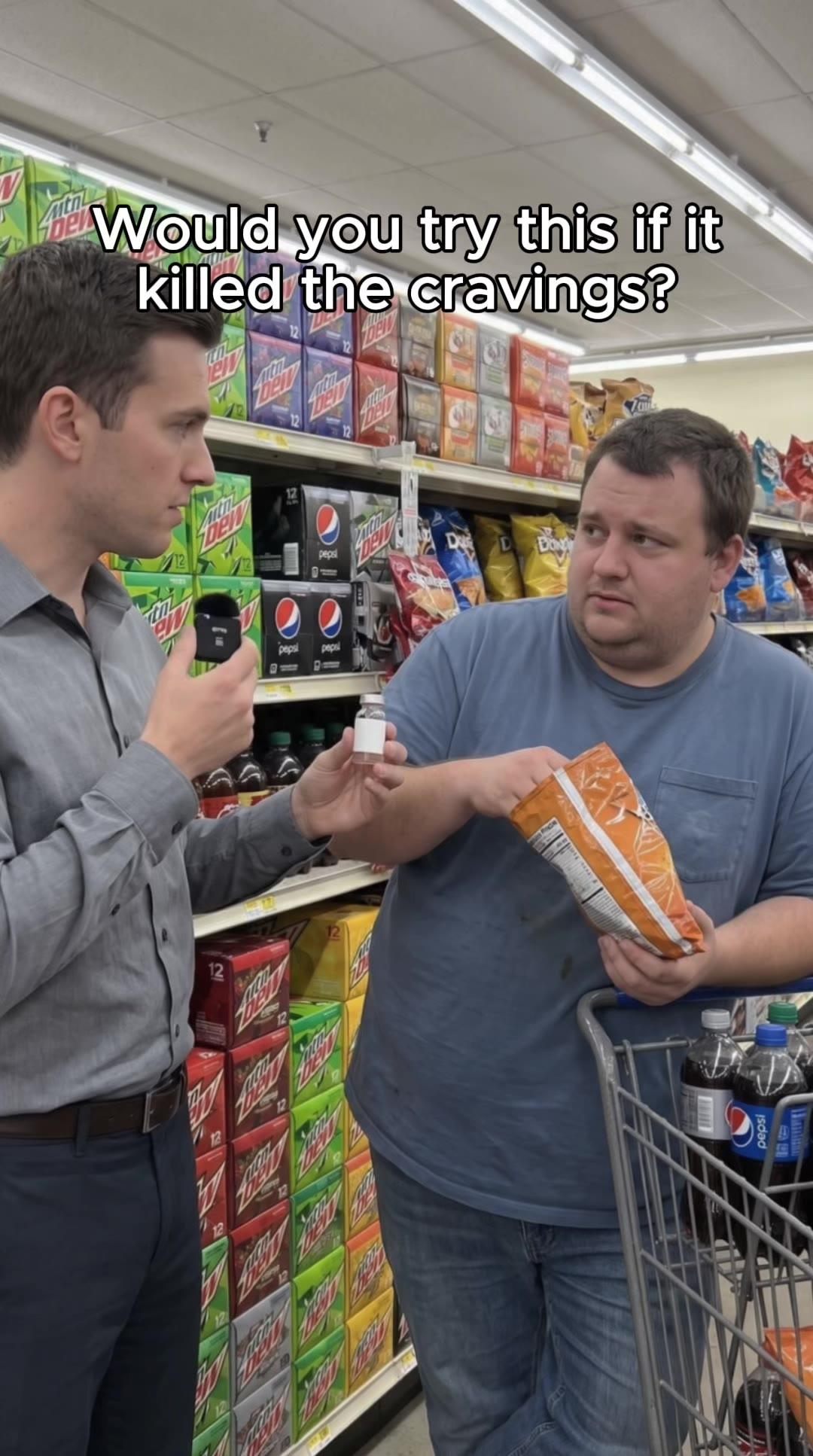
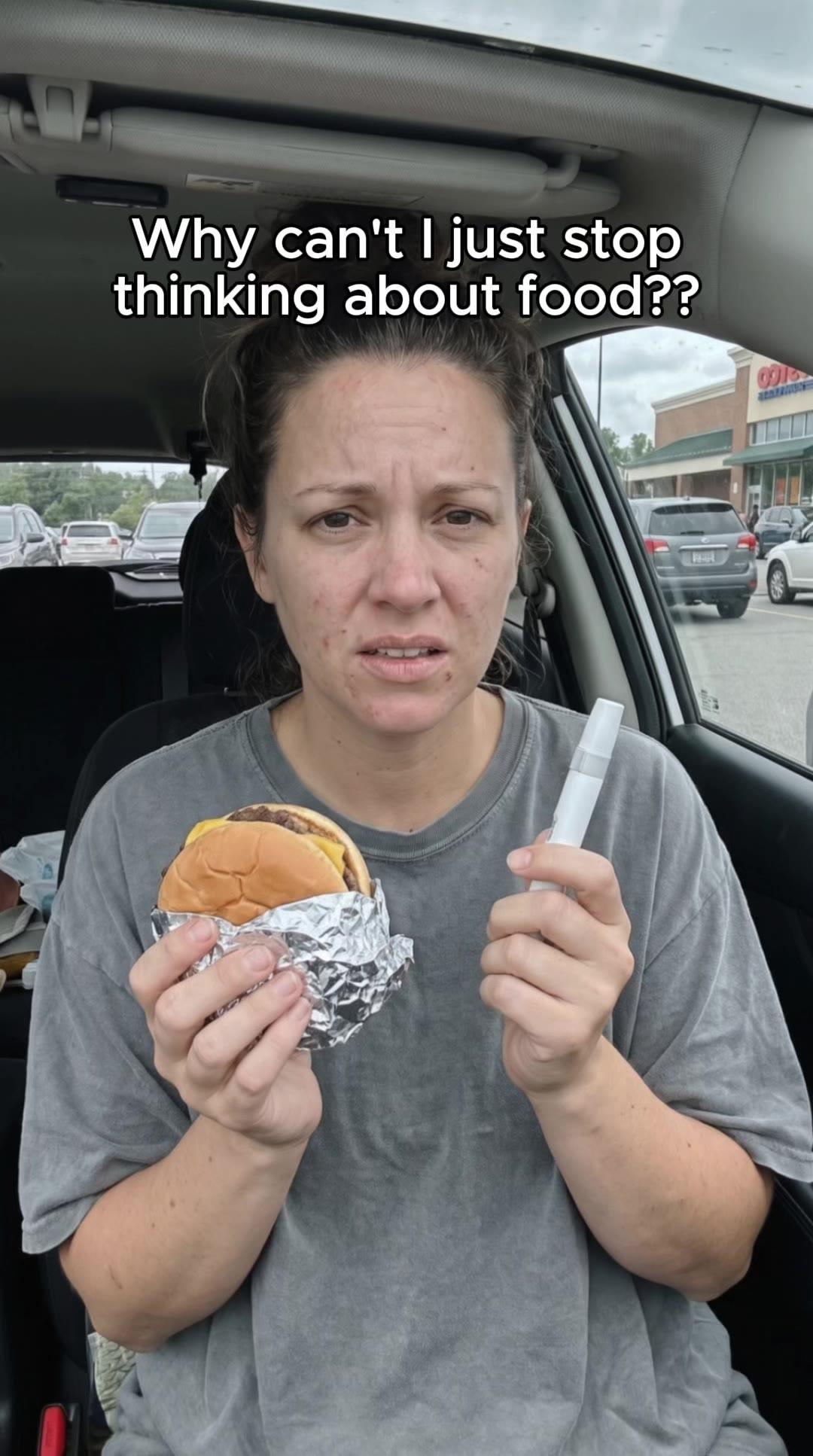
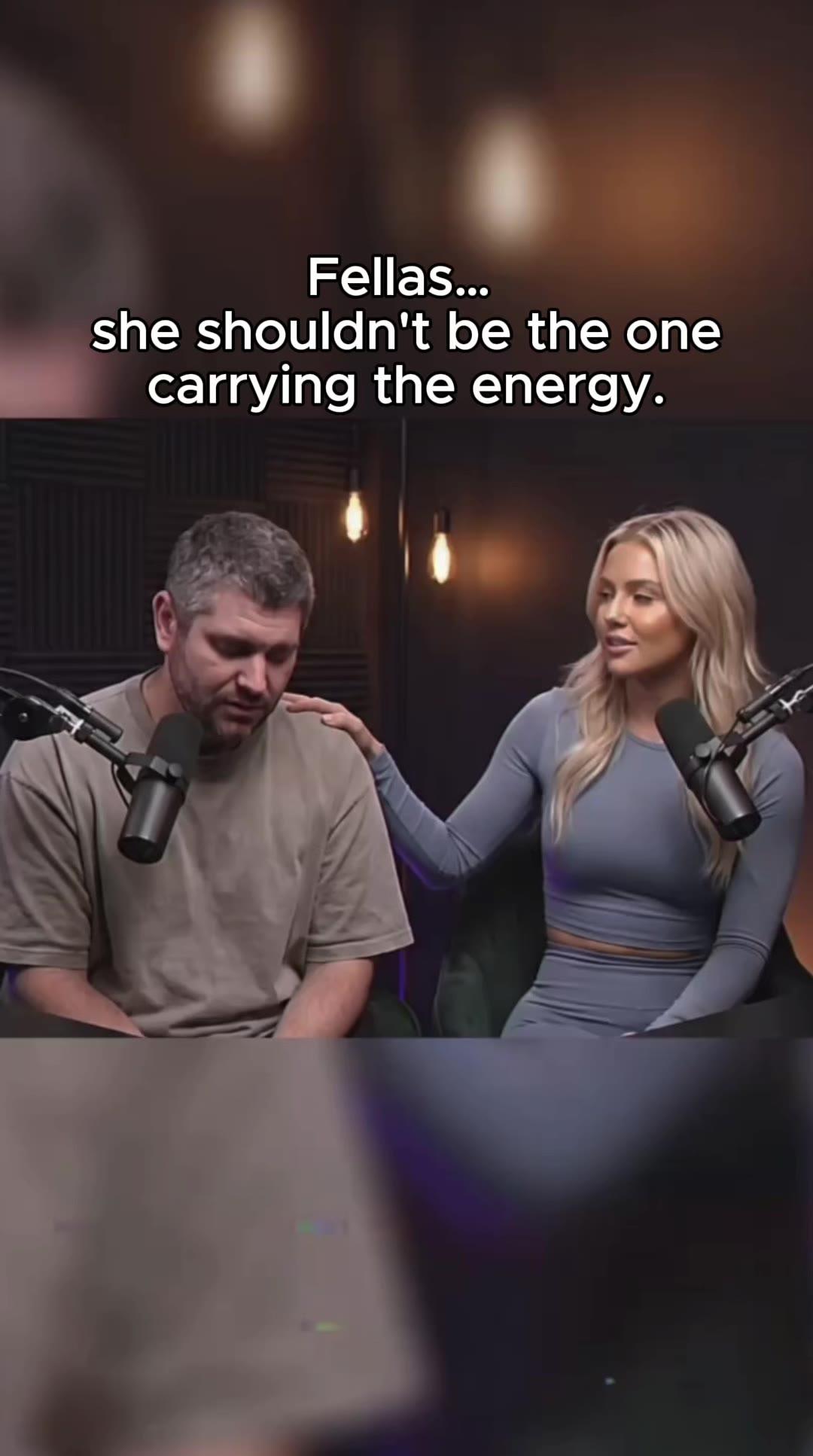
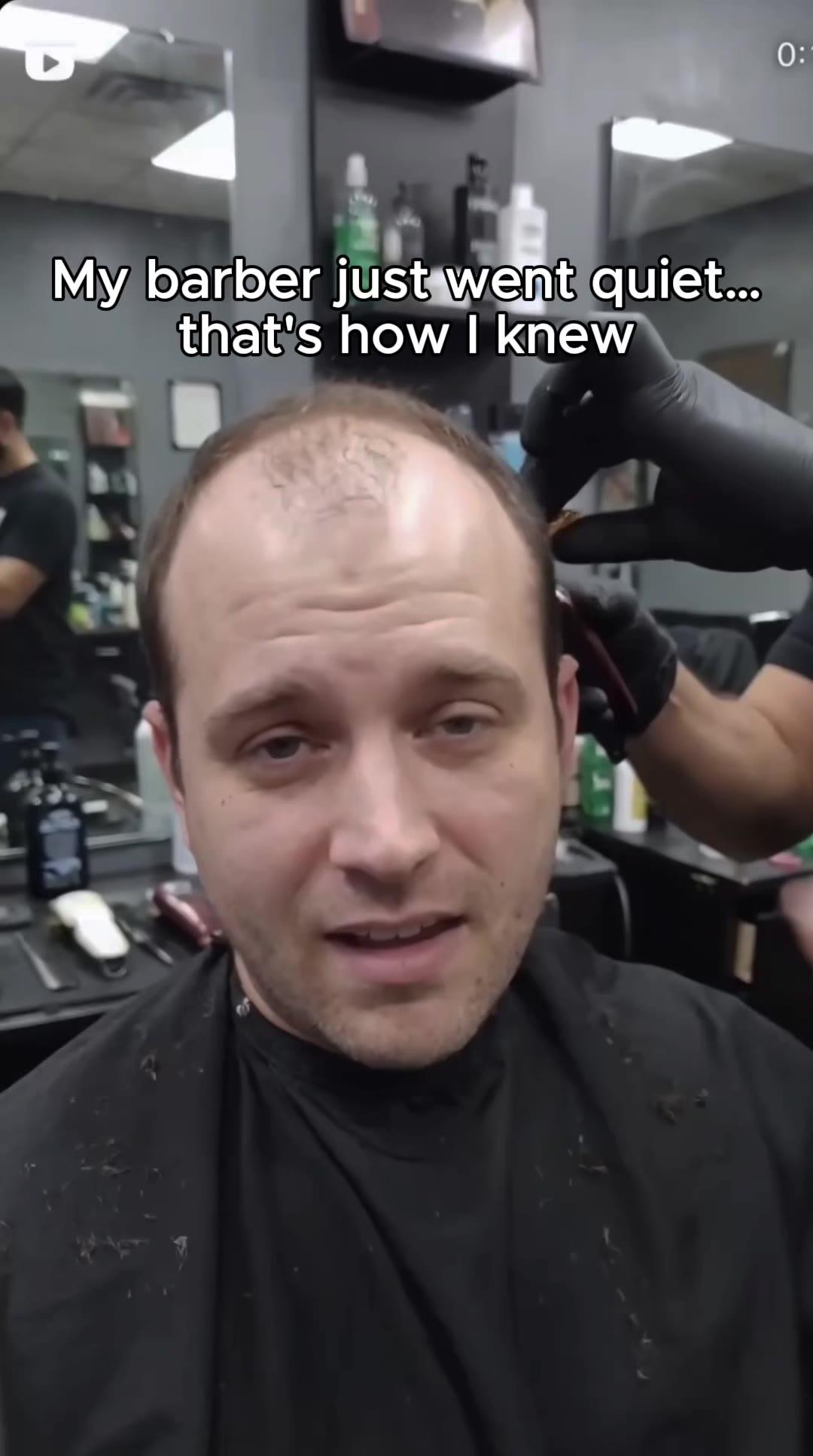

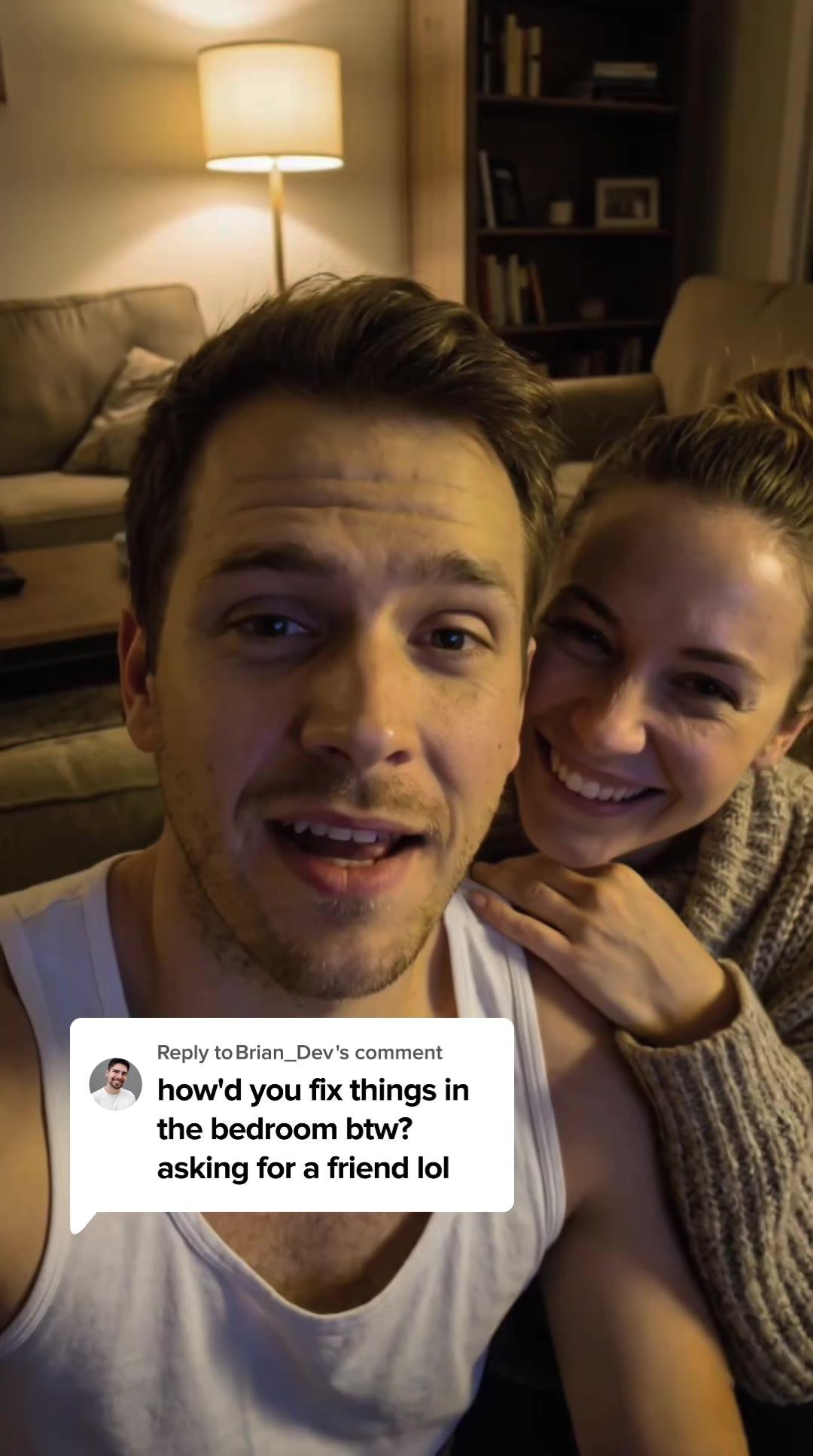

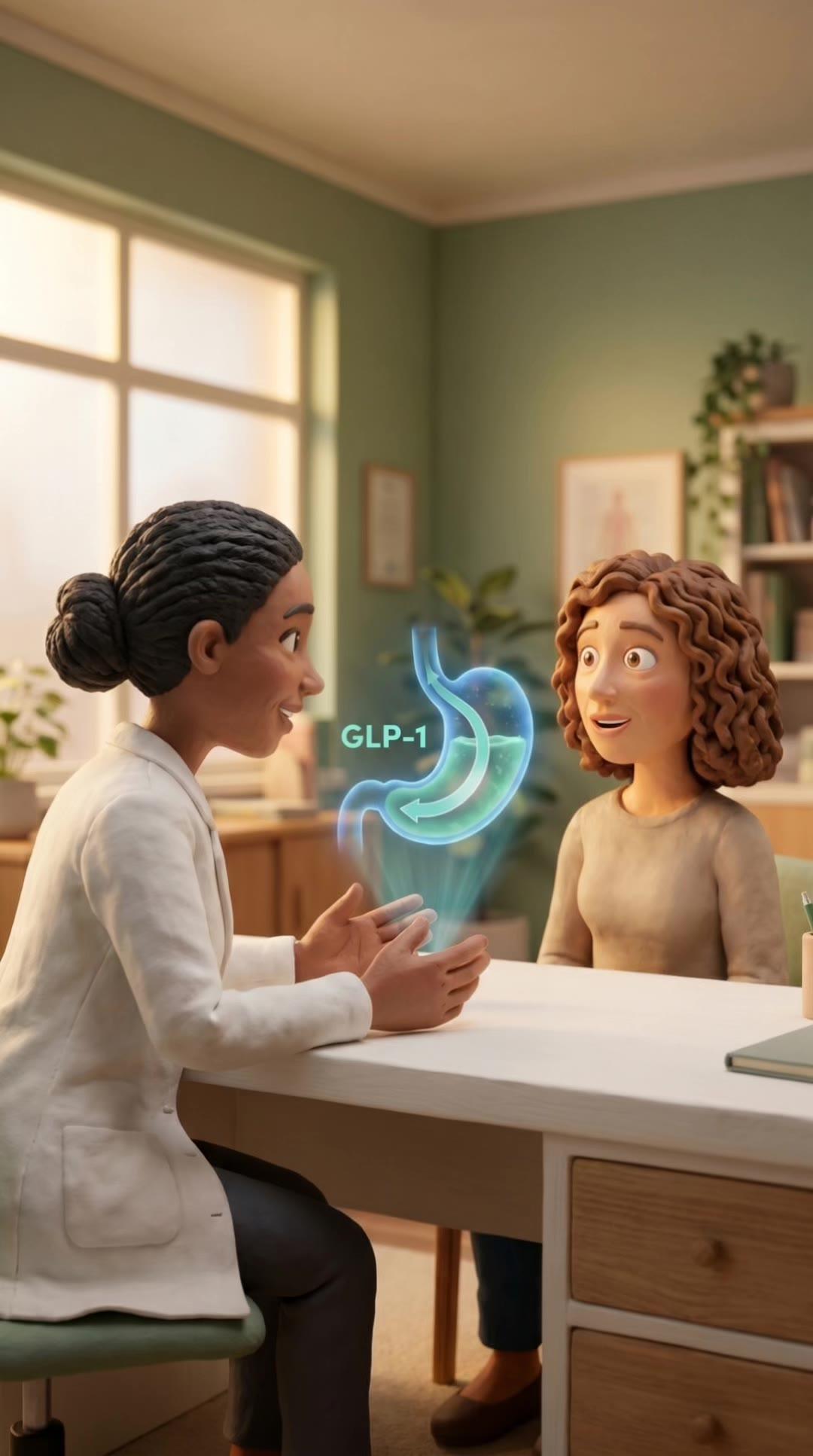
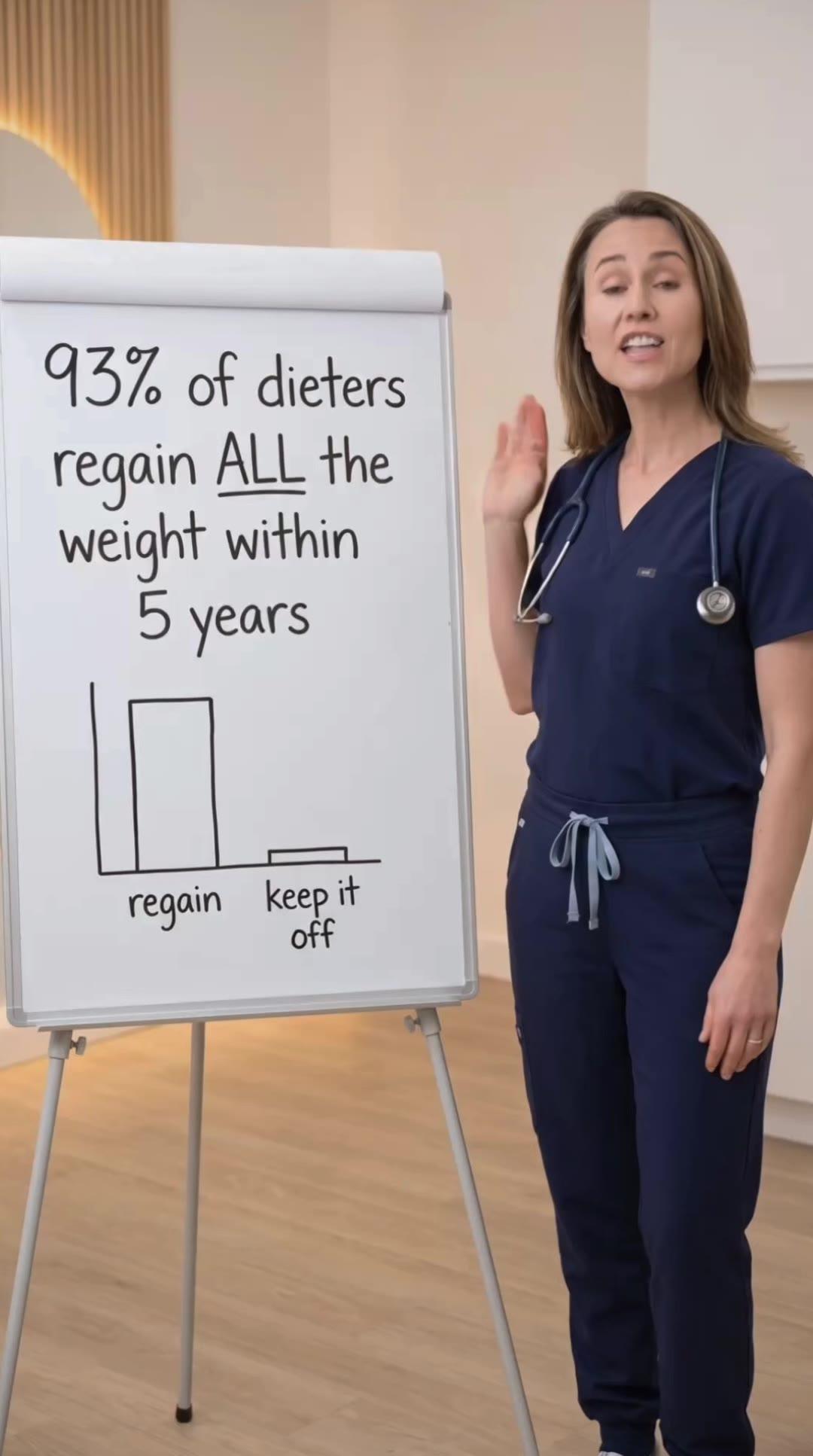
UGC female Rx telehealth is one of the most trust-dependent advertising environments in paid social. Women seeking treatment for hormonal health — HRT, perimenopause support, progesterone, thyroid, and related categories — are not passive consumers. They have usually spent months or years researching before they click on an ad. A peer who has navigated this process and can speak honestly about how they got there is vastly more persuasive than any brand-produced asset. This is the category where UGC has its largest performance advantage over traditional creative.
The challenge is executing it well. The creator profile is specific. The compliance guardrails are real. And the sensitivity of the subject matter requires a more careful approach to sourcing, briefing, and production than most other telehealth verticals. This guide covers each of those layers.
Why Peer Experience Outperforms Brand Messaging in This Category
Women in the perimenopause and menopause demographic are, as a group, highly self-directed health consumers. Many of them have had the experience of going to a traditional provider with hormonal symptoms and being dismissed or undertreated. When they find content from a peer who has navigated that same experience and discovered a more accessible clinical option, the response is very different from how they respond to a brand telling them the same thing.
The credibility gap between brand voice and peer voice is wider in this category than almost anywhere else in telehealth. A polished brand ad that leads with clinical language and product benefits reads as corporate. A creator who says "I spent three years not knowing why I felt the way I felt, and then I finally talked to someone who actually understood perimenopause" reads as a friend who found something useful. That difference in framing is worth a significant cost-per-consultation delta.
The secondary factor is specificity. Women who are researching hormonal health know the terminology. They know what perimenopause means. They know the difference between progesterone and progestin. A creator who uses accurate, specific language — naturally, not in a recited way — signals instantly that she knows what she is talking about, and that signal extends to the brand she is referencing.
Creator Profile for Female Rx UGC
The ideal creator for female Rx UGC is a woman in the 35 to 60 age range with genuine personal experience navigating hormonal health challenges, or someone credentialed in women's health (nurse practitioner, midwife, women's health coach). Both types work, but they serve different functions in your creative mix.
The personal experience creator provides the emotional resonance and relatability that drives consultation intent. She has been where the audience is. Her content arc — recognizing something was off, struggling to get answers, finding a path through telehealth — mirrors the viewer's journey closely enough to move them to act.
The credentialed creator provides validation and authority. An NP who works in women's health explaining why HRT is underutilized and how telehealth has expanded access is giving the audience permission to take action. She is telling them: this is clinically legitimate, you are not overreacting, and here is how to get evaluated.
Both types should be tested. Neither should be used exclusively. And both should have deep familiarity with the topic — this is not a vertical where you can rely on a good brief to compensate for a creator who has to learn the basics from scratch.
Where to Find Creators for This Category
TikTok and Instagram are the primary sourcing channels. The perimenopause community on both platforms is substantial and active. Search hashtags around perimenopause, menopause, hormonal health, HRT, hormone therapy, and women's health at 40 and 50. The creators posting consistently in this space with genuine engagement are your candidates.
Facebook groups focused on GLP-1 and hormonal health have significant overlap. Women discussing their experiences in those communities often have public social channels where they document their health journey.
LinkedIn is worth searching for women's health practitioners — NPs, PAs, and health coaches who have built professional audiences around women's health topics. Their audiences are often more affluent and more decision-ready than general social audiences.
Referrals from existing creators are underrated. When you find a creator who is a strong fit, ask her who else she knows in the space. The perimenopause creator community is relatively small and well-connected. A warm introduction often surfaces candidates who are not easily findable through hashtag search.
UGC formats we produce for telehealth.
See the work →Brief Structure That Works for Female Rx UGC
The brief for female Rx UGC should be built around three narrative pillars: discovery, access, and agency. Discovery — how the creator recognized that something was wrong and began looking for answers. Access — how she found a telehealth pathway that made it easier to talk to a qualified clinician. Agency — how having that conversation changed what felt possible for her.
The hook that tests best in this category is the recognition moment: "I didn't know what perimenopause actually looked like until I started reading about it," or "I assumed what I was feeling was just part of getting older — it wasn't." This hook is immediately resonant with a large percentage of the target audience and creates the emotional frame for everything that follows.
The telehealth-specific selling point to feature is access: the ease of getting an evaluation from a qualified provider without the barriers of traditional healthcare — waiting rooms, referrals, providers who are not well-versed in hormonal health, geographic limitations. The creator speaks to what made the process easier than she expected.
We produce paid social creative exclusively for telehealth brands. From 18 to 200 assets per month.
Get in TouchWhat Cannot Be in the Brief
Hormone level numbers used as claims — "my estrogen was at X and now it's at Y" — are off-limits. Specific lab value comparisons imply medical claims that the brand cannot substantiate across a population and that expose the creative to regulatory scrutiny.
Before-and-after hormonal transformation stories that attribute specific physical changes to the treatment are not permissible in paid advertising. The creator can share her overall experience of feeling better — she cannot attribute specific physical or cognitive improvements to the hormone therapy in a way that implies this result is typical or guaranteed.
Comparison claims against other treatment options — "this worked better than what my OB offered" — create legal exposure around competitive advertising standards and should be removed from any brief.
Handling Privacy Sensitivity
Many women in perimenopause or dealing with hormonal health issues prefer not to appear on camera with their full name attached to a brand advertisement. This is a legitimate concern and the approach should accommodate it rather than push back against it.
Offer options: some creators are comfortable fully on-camera. Others prefer voice-over with b-roll of everyday life rather than direct-to-camera content. Some prefer an animated or illustrated format where the story is narrated without showing the creator's face. These are all viable formats and some of them perform exceptionally well because the audience understands intuitively why someone might prefer privacy when discussing their health.
The privacy accommodation itself can be a creative asset. When an ad acknowledges that this is a sensitive topic that many women prefer to discuss privately, and then introduces the telehealth consultation as a private, low-barrier option, the sensitivity of the format and the sensitivity of the product reinforce each other.
Testing Age Cohorts
The 35 to 45 range and the 45 to 58 range are different audiences with different needs and different responses to creative. Women in early perimenopause are often just beginning to recognize what is happening — they need content that validates the experience and introduces telehealth as an option they might not have known existed. Women who are further along in the transition often have more specific needs and respond better to content that speaks to the difficulty of getting adequate treatment through traditional channels.
Run separate creative for these cohorts with age-targeted ad sets. Creator age matters here too — a 38-year-old creator resonates differently to a 38-year-old viewer than a 55-year-old creator would. Match creator age to audience segment where possible, and let the performance data guide how you allocate budget across cohorts.
TikTok organic combined with Spark Ads is the most effective distribution approach for this category. Organic posts build audience trust and social proof. Spark Ads amplify proven organic content to paid audiences. The combination lets you validate creative organically before committing paid budget, which is particularly valuable in a sensitive category where you want to be sure the message is landing well before scaling.
Need help with UGC for your telehealth brand? Get in Touch or explore our creative services.
UGC systems built for telehealth.
A 30-minute call. We audit your creative approach and show you exactly what a complete angle-format-hook system looks like for your vertical.