How to Source GLP-1 Creators Who Are Real Users
Concepts shown are internal creative studies, not client campaigns.
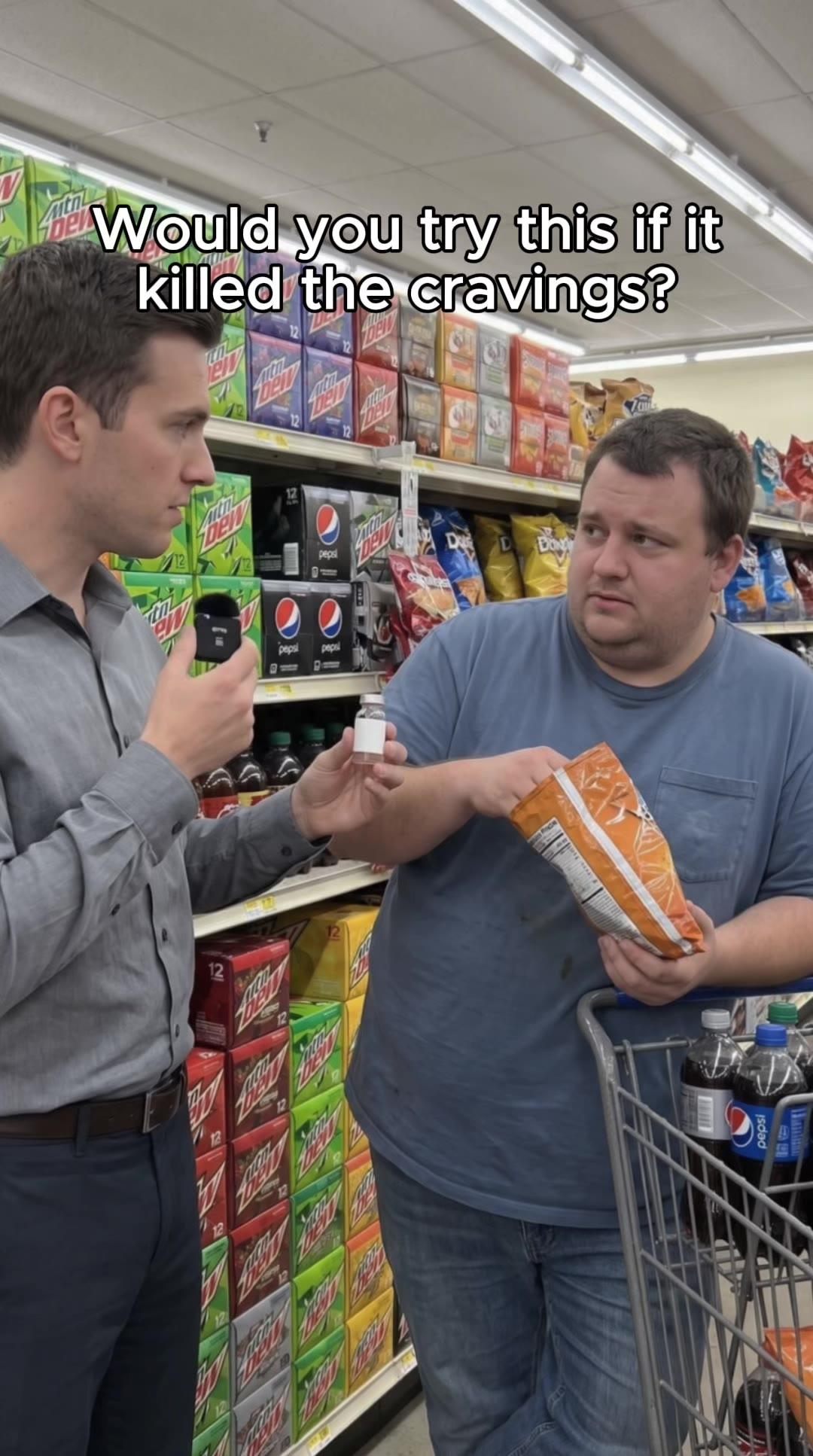
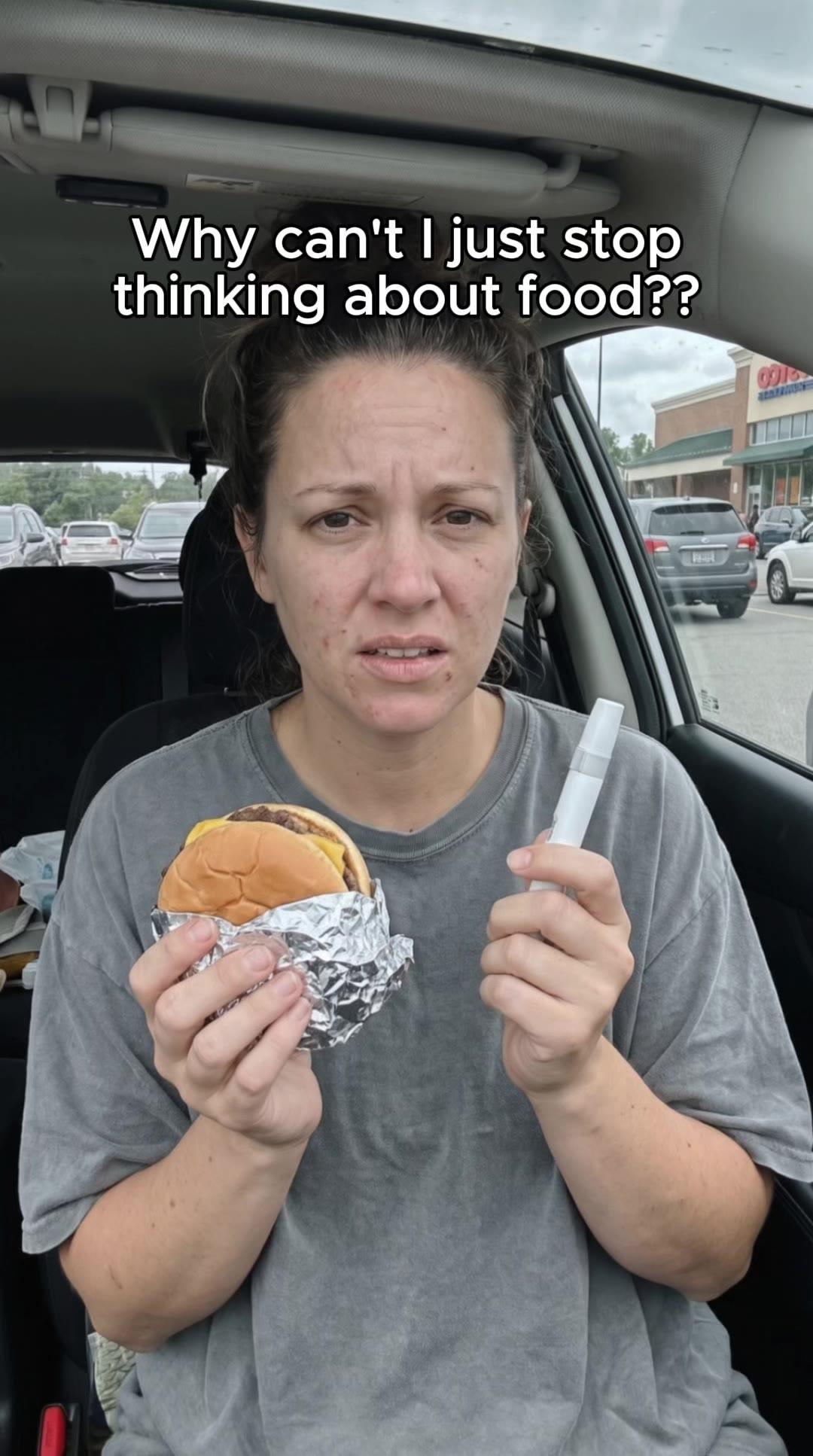
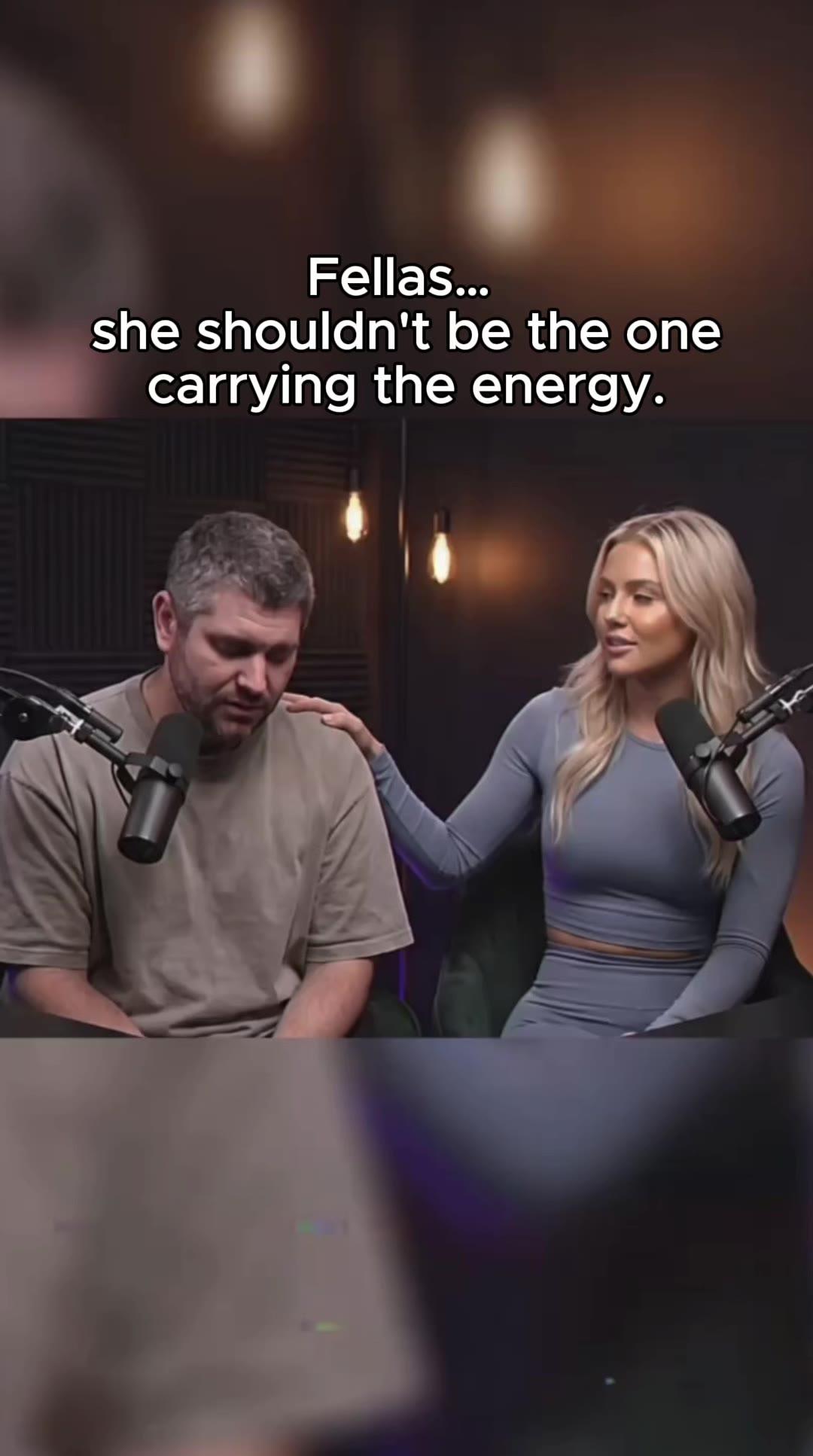
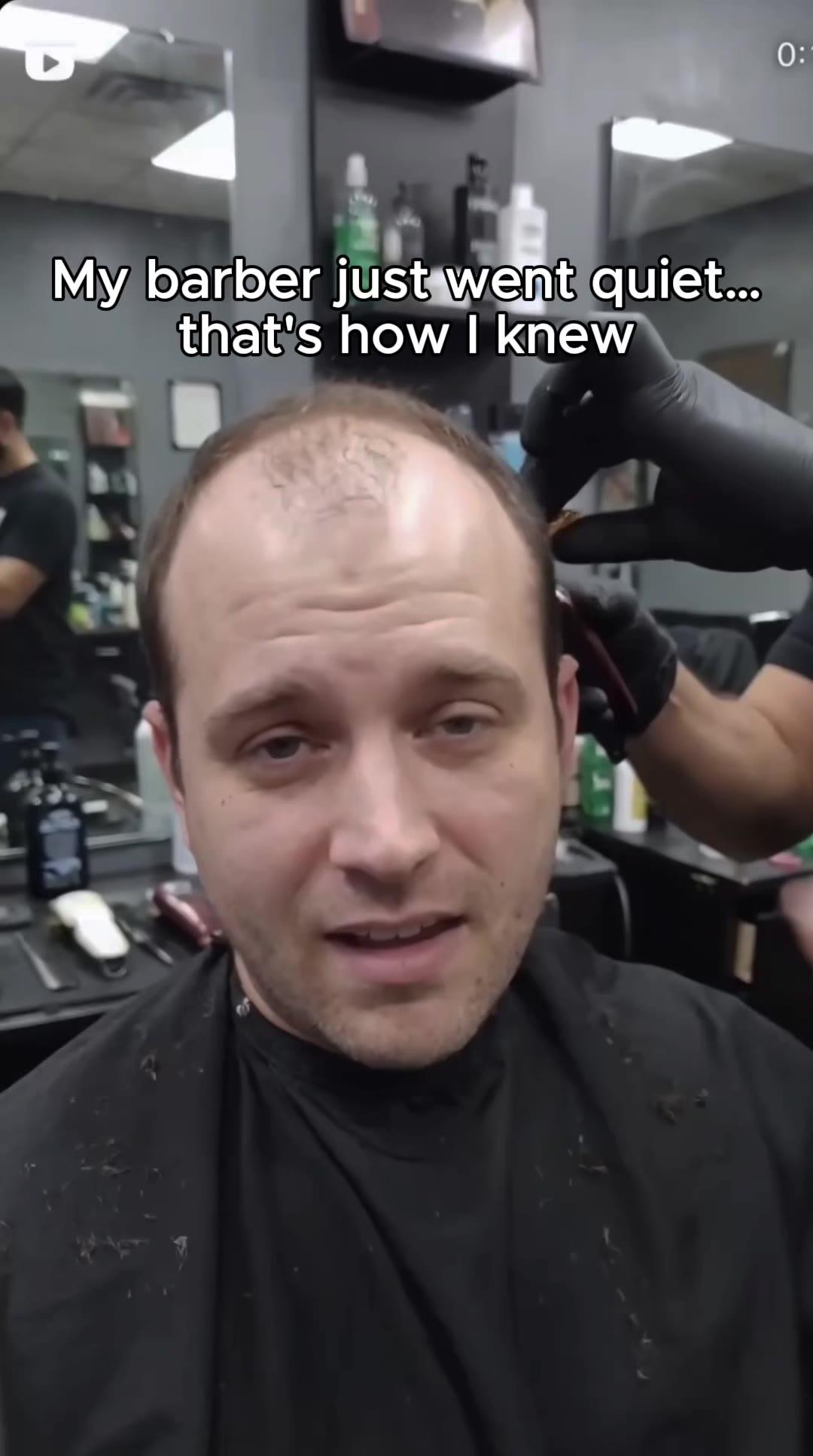

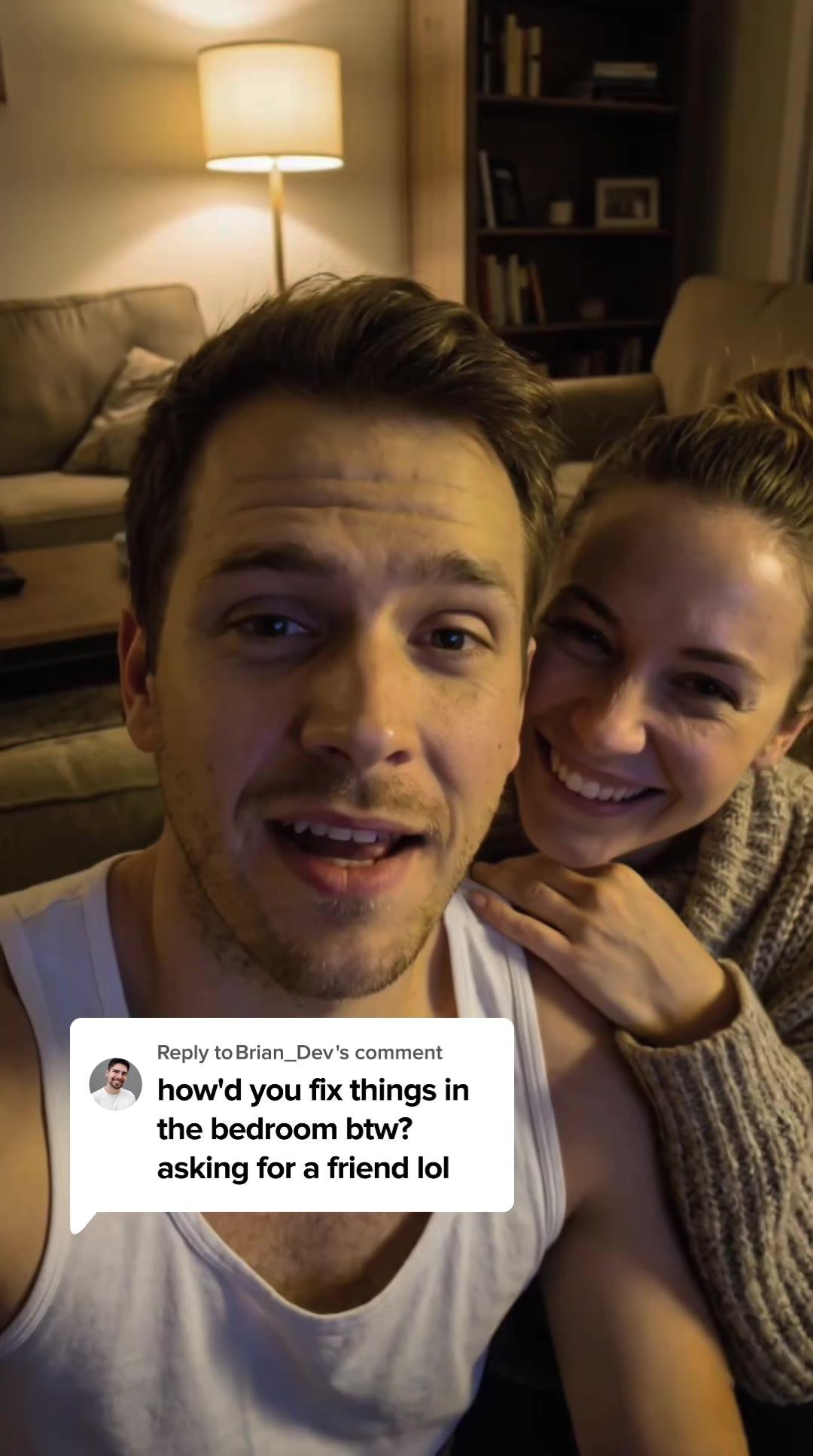

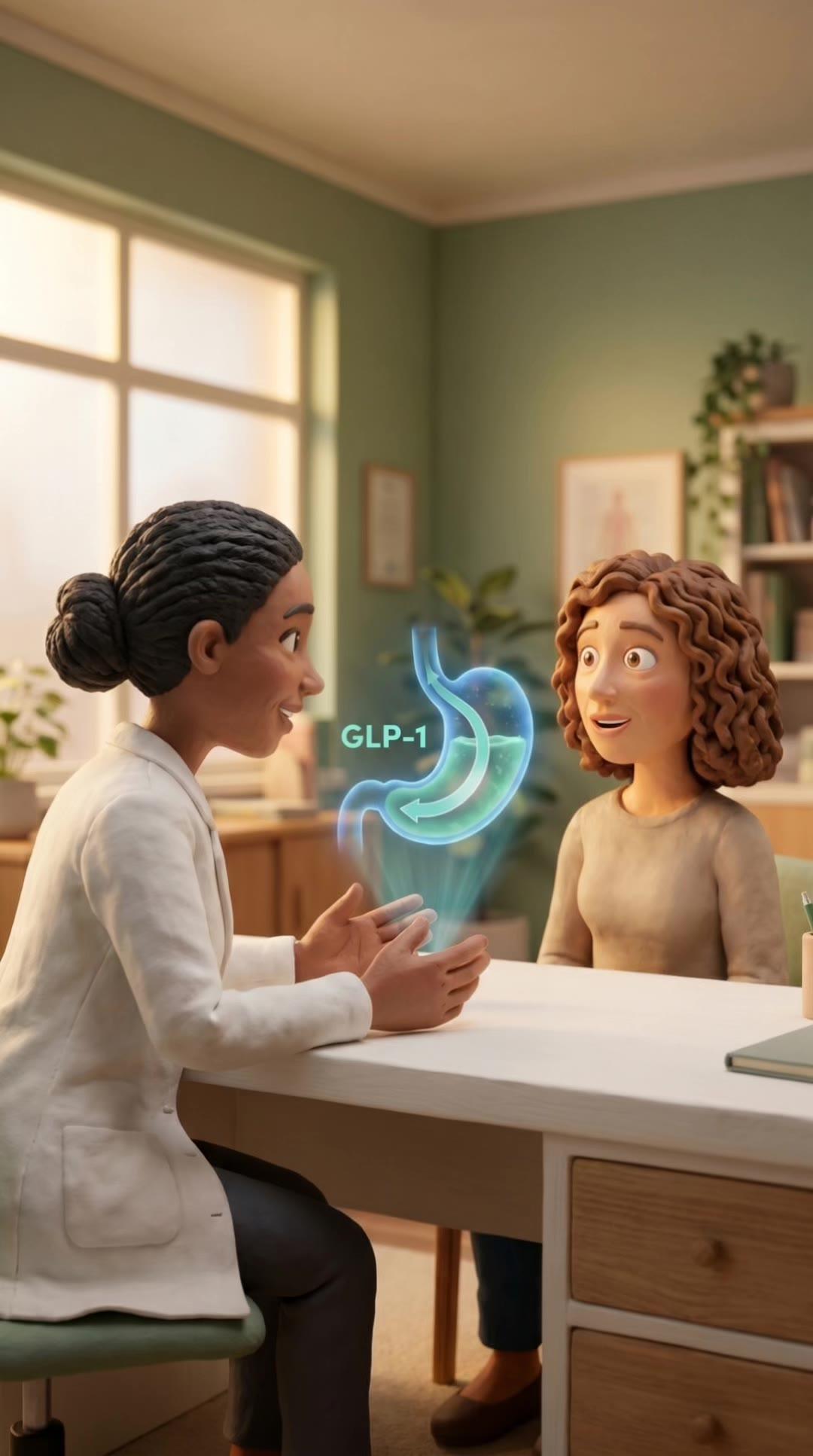
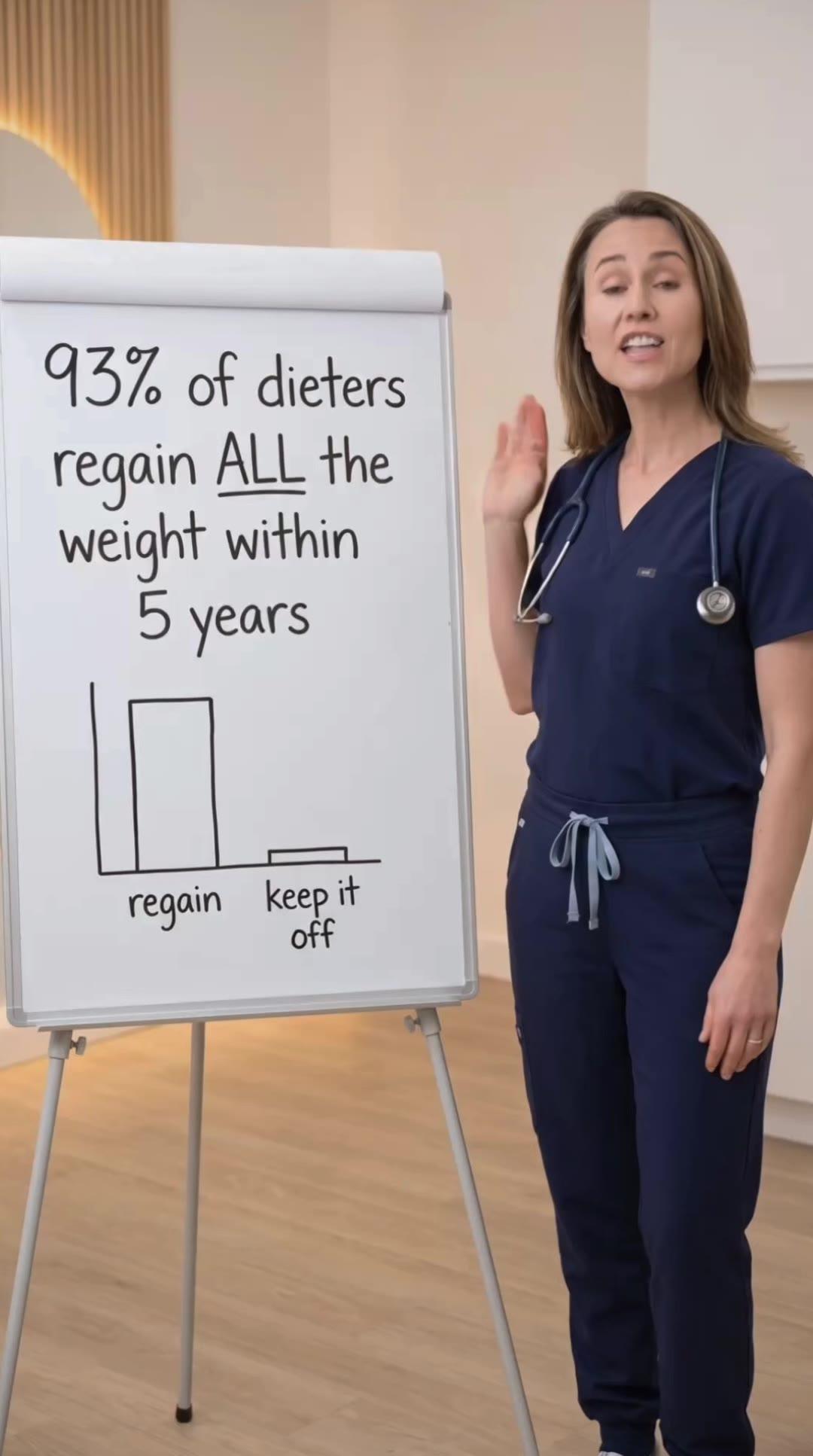
Sourcing GLP-1 creators who are genuine program users is the highest-leverage move available to telehealth brands in the weight management category. Authentic user content outperforms creator-produced content in GLP-1 advertising consistently — the audience has seen enough polished UGC to recognize the difference between someone who has actually been through the program and someone who is performing the experience. The challenge is that building a real-user creator pipeline requires different sourcing strategies, different outreach, and different management than working with professional UGC creators.
This guide covers where GLP-1 real-user creators actually are, how to approach them, how to vet them, what to pay them, and how to build a sustainable pipeline from your own patient base. If you are currently running all of your GLP-1 creative with professional creators who are not genuine users, this is the operational gap to close.
Why Genuine Users Perform Differently in GLP-1 UGC
GLP-1 audiences are, as a group, highly research-oriented and skeptical of advertising. Many of them have tried multiple weight loss programs and have a finely tuned sense of what feels real versus what feels marketed to them. When a creator who has actually been on a GLP-1 program talks about the consultation process, the medication titration experience, the appetite changes, or the challenges they have navigated along the way — they use specific language that no brief document generates. They reference the awkwardness of their first appointment, or a side effect they did not expect, or how a conversation with their physician changed their approach. These details are not in the brief because they come from genuine experience.
That specificity is the conversion driver. A viewer who is considering a GLP-1 consultation recognizes those details as real because they have read the same forum discussions, the same Reddit threads, the same patient community posts. A creator who speaks with that specificity without the air of recitation creates a trust signal that directly lowers the psychological barrier to booking a consultation.
The Sourcing Challenge
The obvious difficulty is that many GLP-1 users who would otherwise be excellent creators are on a journey they experience as deeply personal and private. Weight, body image, and metabolic health carry significant cultural weight. Many people who are actively documenting their GLP-1 experience on social media do so with some level of anonymity — not showing their face, using a pseudonym, or posting in communities rather than to a public profile.
This means the GLP-1 creator pool that is both genuinely on the program and publicly visible is smaller than it initially appears. You will need to search deliberately and expect that outreach conversion rates will be lower than for general UGC sourcing — not because people are not interested in being compensated, but because appearing in brand advertising is a different ask from posting organically about a personal health journey.
Where to Find GLP-1 Real-User Creators
TikTok and Instagram are the primary channels. Search GLP-1 specific hashtags: the medication names directly, weight management program communities, journey documentation tags, and telehealth-adjacent health hashtags. The creators posting consistently under these hashtags with genuine engagement — real comments from people sharing similar experiences, not generic engagement farm responses — are your candidates.
Facebook groups dedicated to GLP-1 weight loss are another significant source. These groups often have thousands of active members sharing their experiences, many of whom also have public social media profiles. Joining as a brand and making transparent outreach posts — "We are looking for patients who want to share their story and are open to brand collaboration" — can surface candidates who are pre-qualified as genuine users.
Podcast audiences and newsletter communities focused on GLP-1 and metabolic health attract exactly the kind of engaged, research-oriented user who makes for strong UGC content. Sponsoring a relevant podcast or newsletter with an outreach call embedded in the content can generate inbound creator interest at scale.
Do not overlook Reddit. While Reddit does not allow direct DM solicitation easily, watching who posts substantively in GLP-1 communities and then finding their connected social profiles — many Reddit users link to their Instagram or TikTok in their profiles — is a viable sourcing path for creators who have demonstrated they can write and communicate thoughtfully about their experience.
UGC formats we produce for telehealth.
See the work →Outreach Approach and What to Say
The outreach DM for a real-user GLP-1 creator needs to be specific and honest. Generic "we love your content, want to collab?" messages signal immediately that the sender has not looked at the account carefully. Reference specific content the creator has made: a specific post, a specific thing they shared about their experience. Show that you know who they are before you ask anything of them.
Be transparent about what you are asking. You are asking them to produce content about their experience for use in paid advertising. You will compensate them fairly. Their content will be disclosed as a paid collaboration. Giving them a realistic sense of what the content will look like and where it will appear — Instagram ads, Facebook feed ads — avoids surprises after agreement.
Address the privacy question proactively. Some creators will be comfortable fully on camera. Others will prefer a format where they are shown from behind, or voice-over with b-roll, or a format where their face is visible but their name is not used in the ad copy. Offering these options in your initial outreach will increase conversion rate significantly compared to assuming full-face on-camera content.
We produce paid social creative exclusively for telehealth brands. From 18 to 200 assets per month.
Get in TouchScreening for Compliance Risk
Not every enthusiastic GLP-1 user is a safe creator choice. Before committing to a production agreement, review their existing content for the same red flags you would check for any telehealth creator: exaggerated claims without disclaimers, dramatic before-and-after content that implies guaranteed outcomes, inflammatory health claims, or content that disparages alternative treatments.
Real-user creators who have been posting organically about their journey sometimes develop content habits that work fine organically but would create problems in paid advertising. A creator who regularly posts comparison content ("I tried everything and nothing worked until this") may need significant brief work to redirect those instincts. A creator who has posted specific scale numbers and attributed them entirely to the medication may need to understand why that framing does not work in a brand context before you proceed.
This is not a reason to avoid real users — it is a reason to do thorough vetting and clear briefing before production.
Building a Creator Pipeline from Your Own Patient Base
Your own patient base is the highest-quality source of genuine GLP-1 users — you know they have used your service, you know their experience (in general terms), and you have an existing relationship. Building a pipeline from this source requires a structured approach.
Post-intake and post-purchase email sequences are the operational mechanism. At the point where a patient has been on the program long enough to have genuine experience to share — typically 4 to 8 weeks in — a personalized email from the clinical team or the brand inviting them to apply as a creator ambassador can generate consistent inbound applications. The email should explain what is involved, what the compensation looks like, and what the content is used for.
Compensation for real-user creators recruited from your patient base should be competitive and structured for ongoing relationship rather than one-off content delivery. A creator who had a good experience and is willing to produce content consistently is far more valuable than a series of one-time shoots with different people. Monthly retainer arrangements, or per-asset rates with minimum volumes, are more sustainable than transactional payments.
What to Pay and What to Brief
Real-user GLP-1 creators command a premium over generic UGC creators because they are harder to find and because their genuine experience is the asset. Budget accordingly. The cost differential is worth it when the performance data confirms that real-user content drives lower-cost consultations — and in GLP-1, it consistently does.
The brief should focus entirely on process rather than outcomes. "How I got started" — the moment the creator decided to explore a GLP-1 consultation and why. "What the consultation was like" — the ease and accessibility of the telehealth process. "What questions I asked my doctor" — the kind of educational, informational content that serves the viewer while keeping the brand on the right side of the claims boundary. Outcome narrative is not part of the brief because outcome claims are where compliance exposure lives.
Before any content is produced, ensure the creator understands the FTC disclosure requirements and has agreed on the disclosure language that will appear in the content. Compensation disclosure is non-negotiable and should be treated as a standard part of the production process rather than an afterthought.
Need help with UGC for your telehealth brand? Get in Touch or explore our creative services.
UGC systems built for telehealth.
A 30-minute call. We audit your creative approach and show you exactly what a complete angle-format-hook system looks like for your vertical.