Podcast-Style UGC for Telehealth Brands
Concepts shown are internal creative studies, not client campaigns.
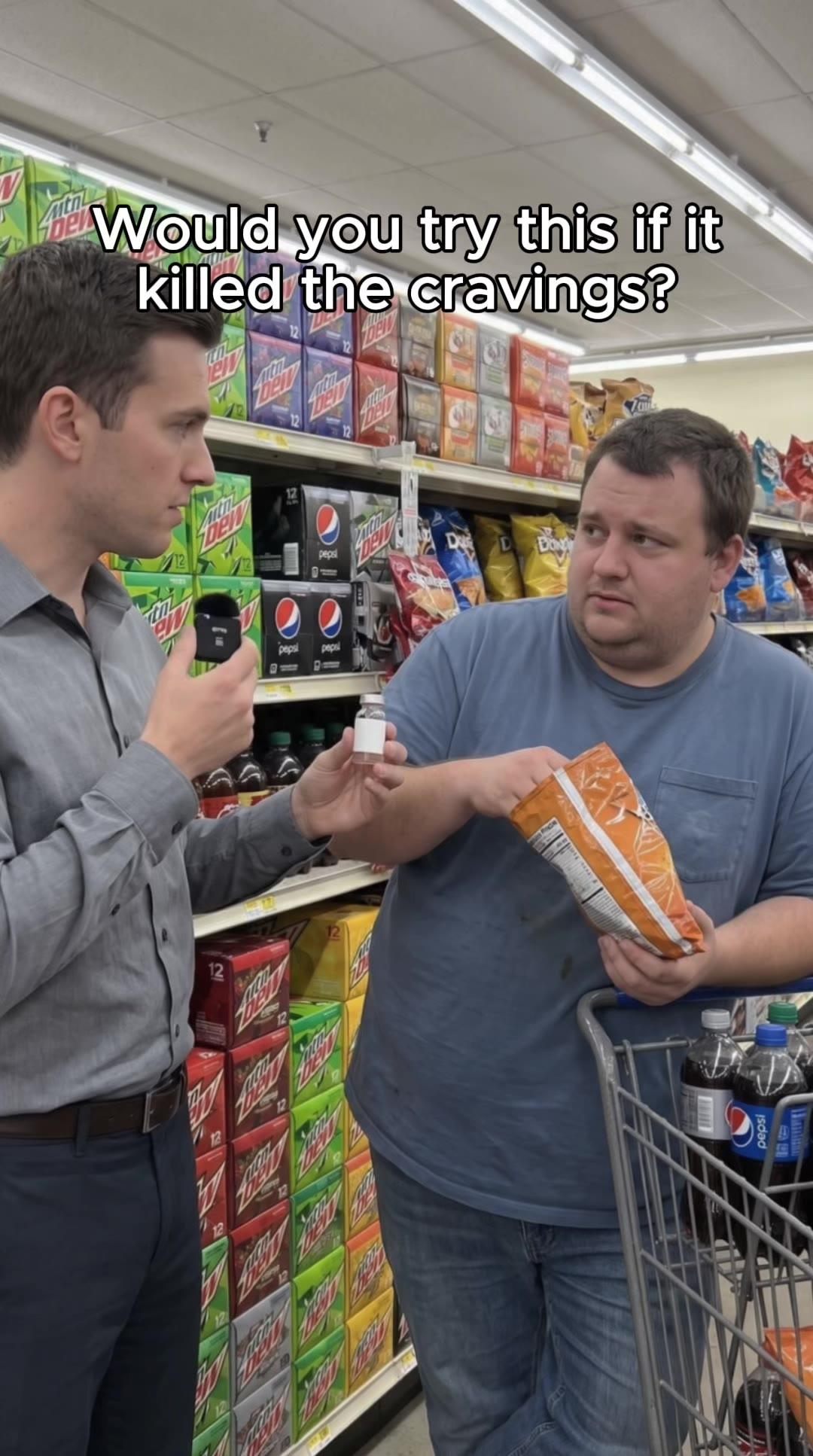
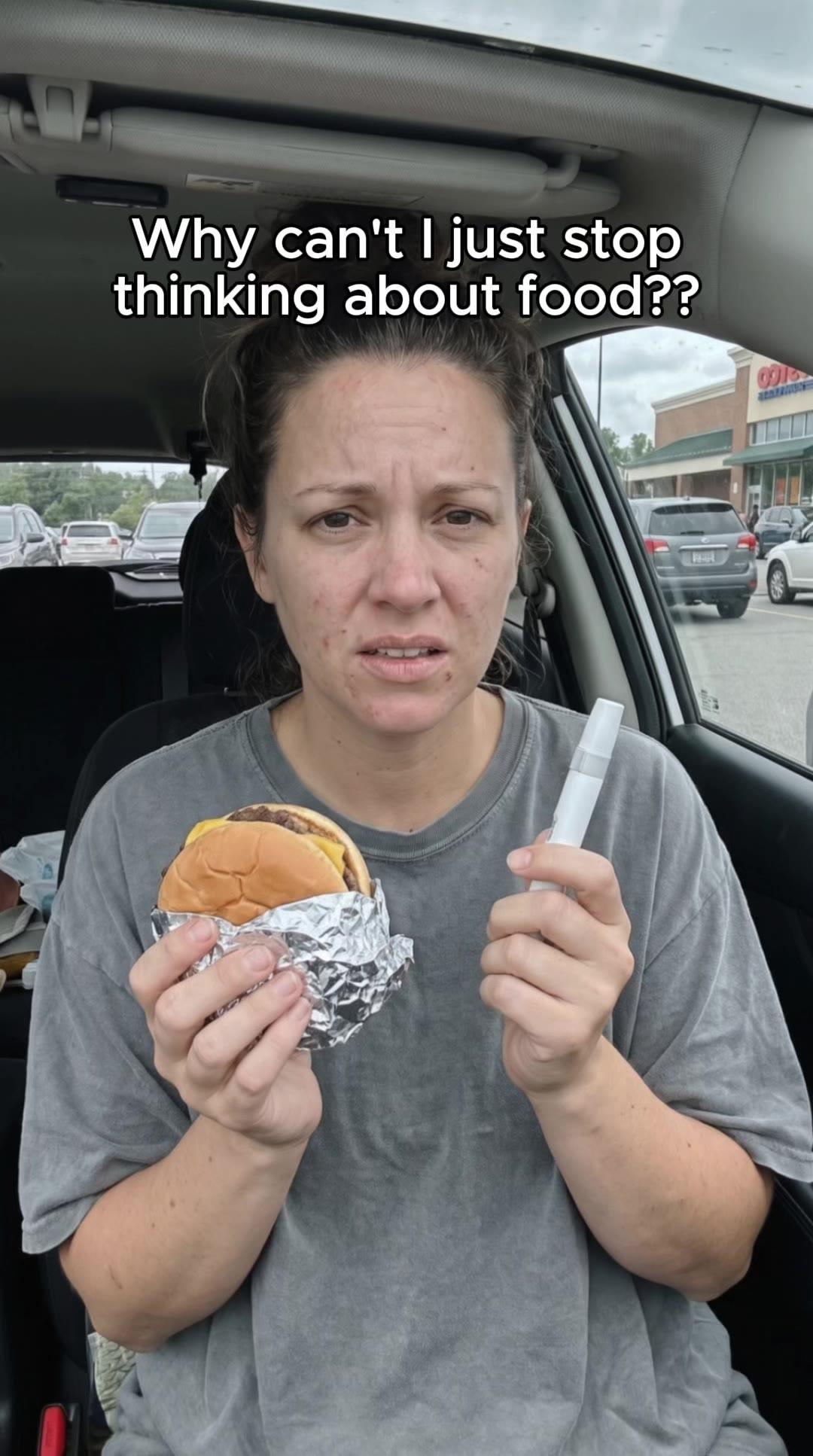
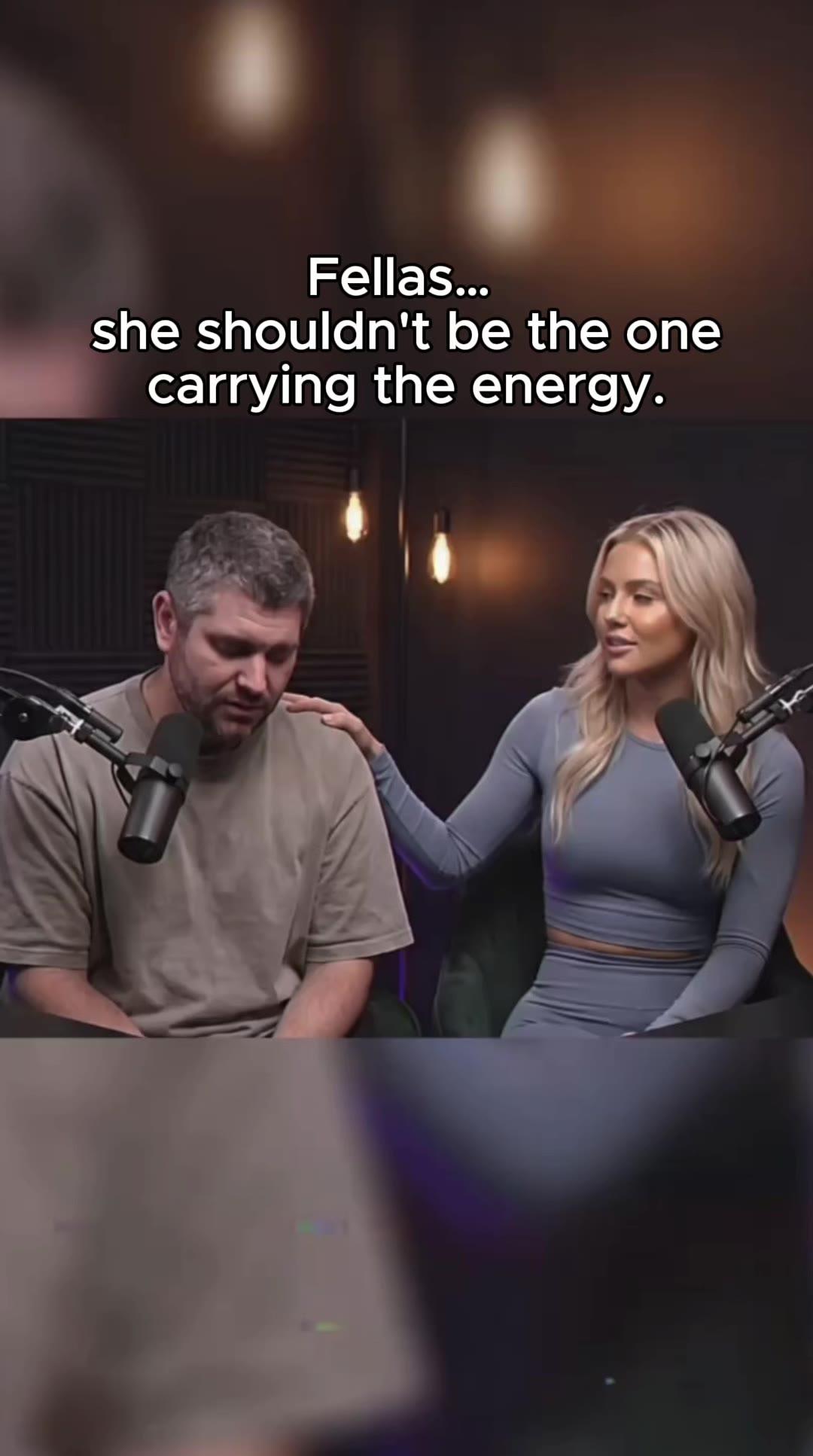
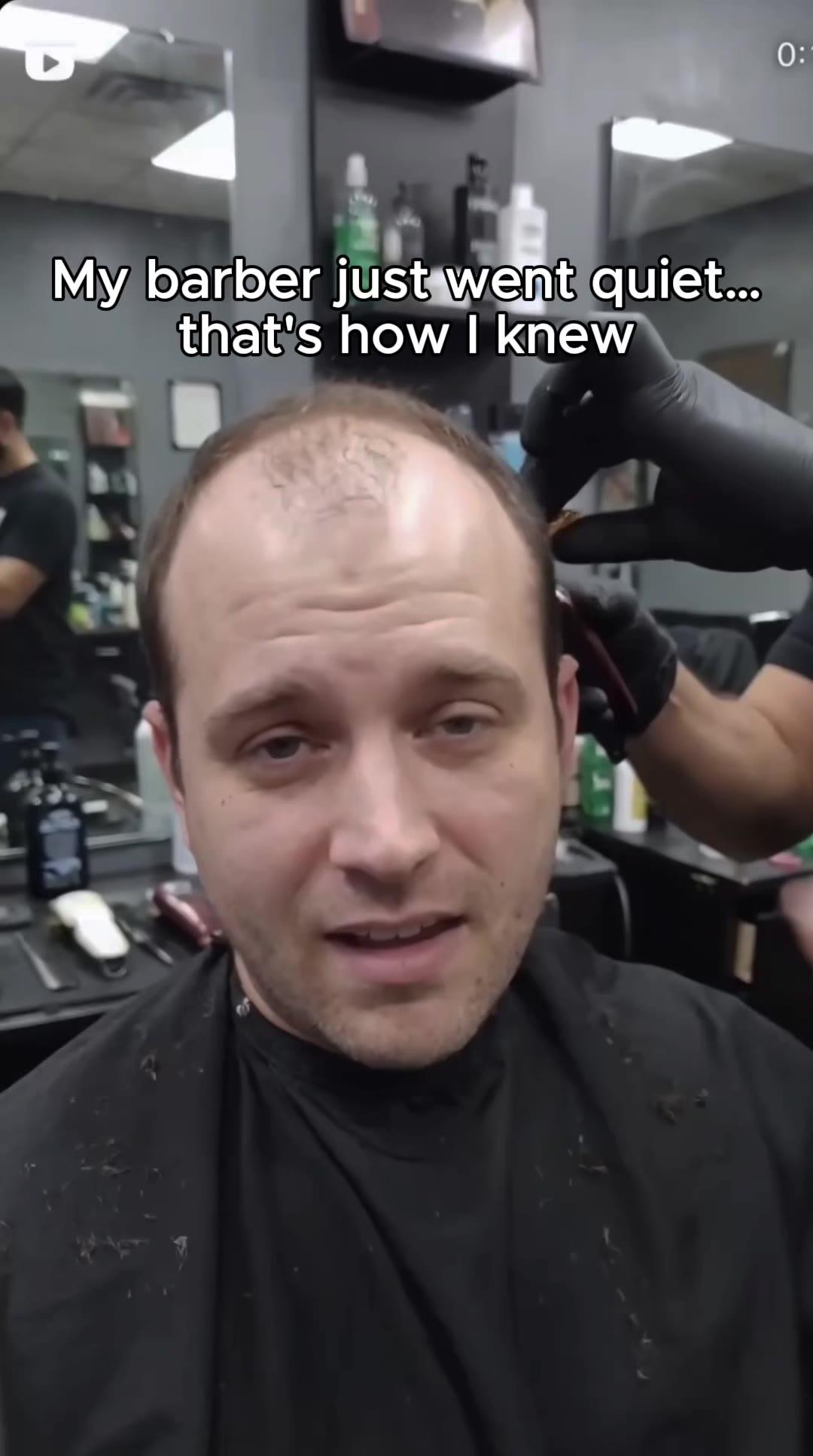

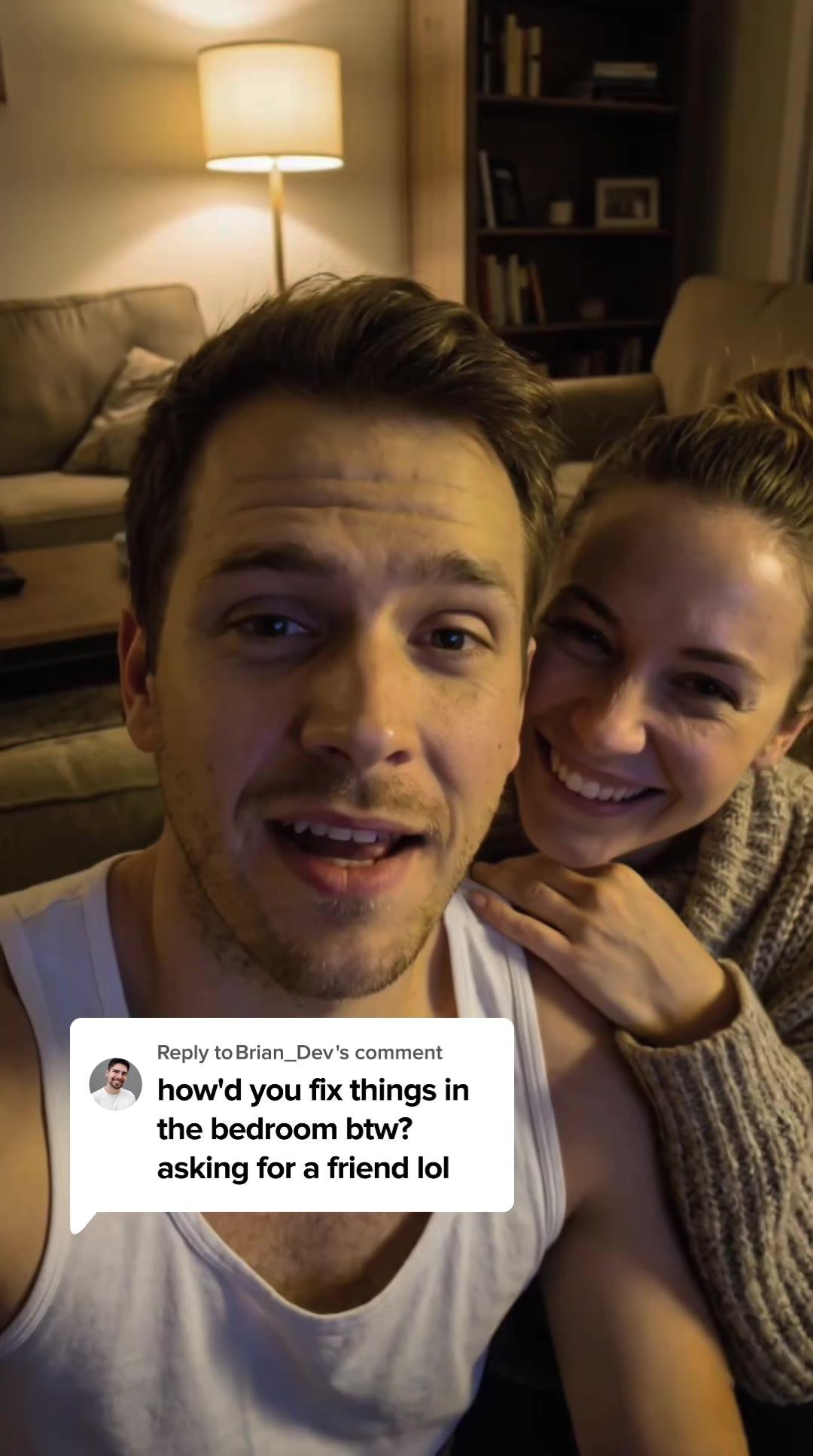

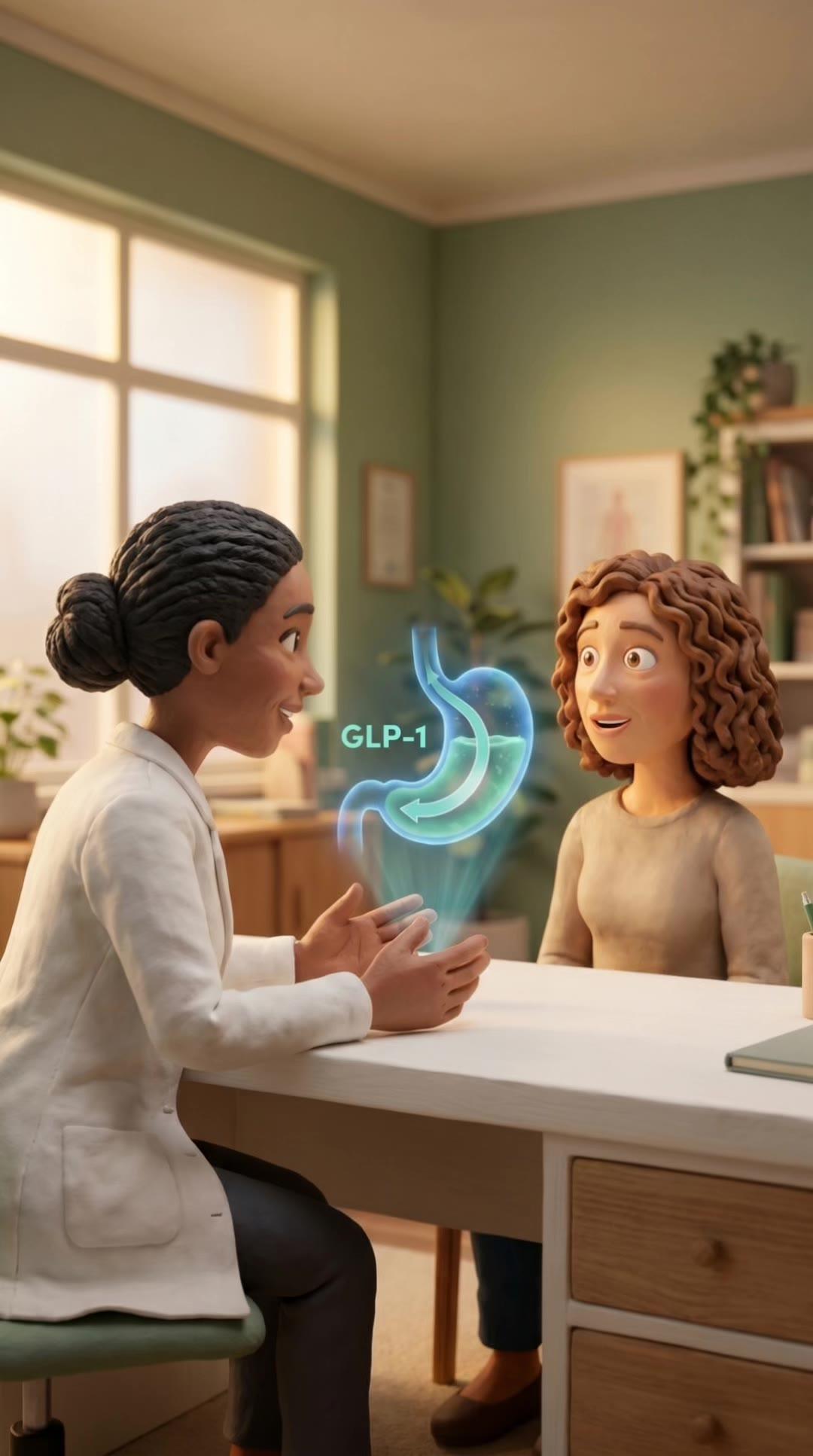
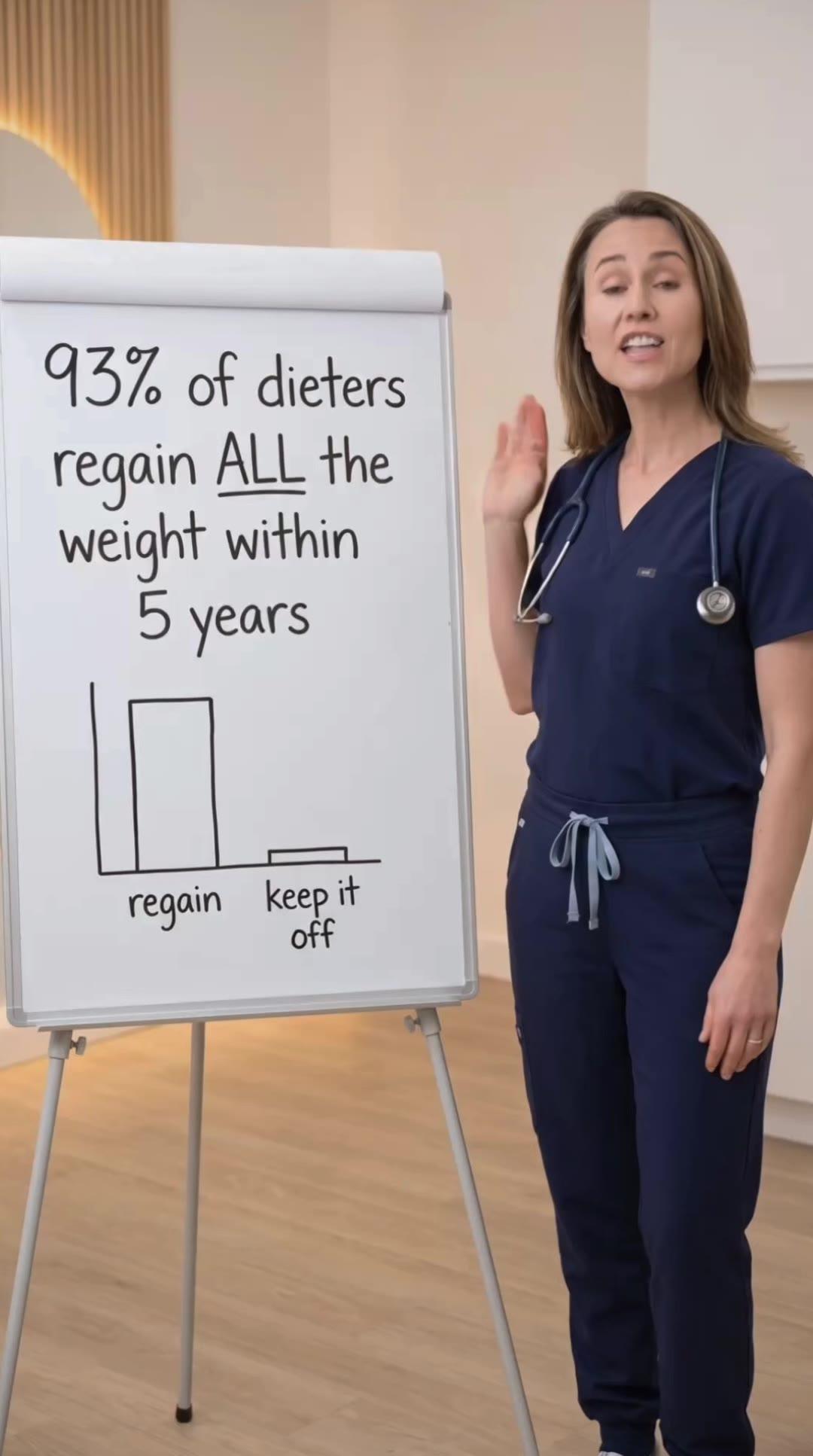
Podcast UGC telehealth is one of the fastest-growing creative formats in paid social for health and wellness brands, and for good reason. The audience for telehealth services — particularly in categories like GLP-1, HRT, TRT, and peptide therapy — is accustomed to getting health information from long-form podcast conversations. They listen to hours of health optimization discussion, doctor interviews, and patient journey episodes before they make a clinical decision. A creative format that mirrors that conversational dynamic is meeting them exactly where their information consumption habits already live.
This guide covers how podcast-style UGC works as a paid creative format, why it performs well in telehealth specifically, how to produce it without over-producing it, and how to build a repurposing strategy that extracts maximum value from a single shoot.
What Podcast-Style UGC Actually Looks Like
The format is simple: two people on camera in a conversational setting — a table, a couch, a home office — talking about a health topic. One person is typically a patient, creator, or health-curious individual. The other is a host figure, a clinician, or a knowledgeable peer. The conversation is natural, not scripted word for word. It flows the way an actual conversation about health flows: one person shares an experience or raises a question, the other responds with information, clarification, or their own perspective.
This is distinct from a standard interview ad, which tends to feel more structured and formal. The podcast format works because the setting and the dynamic communicate something specific: this is two people who are genuinely interested in the topic, having a real conversation that happens to be on camera. That signal is what drives the performance advantage over traditional UGC or single-creator testimonial formats.
The visual aesthetic reinforces the format. Two cameras — one on each person — with cuts between them as the conversation moves. Decent but not studio lighting. Clean but lived-in backgrounds. A table with two glasses of water or coffee. The visual language of an actual podcast, scaled down to the level of production that a creator or small production team can execute without a full crew.
Why This Format Works in Telehealth
Health decisions involve trust, and trust is built through the perception of honest exchange. When one person says something and another person responds — with follow-up questions, with pushback, with clarifications, with their own experience — the audience processes that as a real exchange rather than a prepared statement. The Q&A dynamic of a conversation naturally produces the hedged, nuanced language that both compliance and trust require.
A single creator delivering a prepared statement to camera faces a credibility challenge: however natural the delivery, it is one person saying what they decided to say. A two-person conversation carries an implicit claim that the content was not fully scripted — because scripting a natural-feeling conversation between two people is genuinely difficult, and the audience recognizes when it has not been done. The slight unpredictability of real conversation, the moments where one person says something slightly unexpected and the other genuinely reacts, are the authenticity signals that land.
The compliance dimension is equally important. Conversational format naturally produces hedged language: "in my experience," "from what my doctor explained," "I don't know if this is true for everyone but," "what I was told during my consultation." These hedges are not weaknesses in the ad — they are signals of honesty that reduce audience skepticism while simultaneously keeping the content on the right side of the claims boundary. Absolute claims are harder to sustain in a natural conversation because they invite follow-up questions that the conversation must then answer.
Casting for Podcast-Style UGC
The most effective pairings for telehealth podcast UGC are combinations that produce genuine information asymmetry — where one person is asking questions or sharing patient-level experience and the other is providing context or clinical perspective that the first person does not already have.
A patient creator paired with a nurse practitioner or health coach creates a natural dynamic: the patient has lived the experience, the NP or coach can explain what is happening clinically and why the approach makes sense. The patient's questions are genuine because they represent real information gaps, and the NP's answers are genuinely useful because they fill those gaps.
Two peers who are both health-interested individuals exploring the same topic also works well. The dynamic in this case is mutual curiosity and mutual discovery — "I didn't know that," "have you tried," "what did your doctor say about that" — which reads as an authentic peer conversation rather than a patient-provider interaction. This format works particularly well for categories where the audience does not need clinical authority as much as they need social permission: GLP-1 in some demographics, wellness optimization programs, preventive health offerings.
Casting tip: the host or "question asker" role is as important as the expert or "experience sharer" role. A good host who asks natural follow-up questions, expresses genuine curiosity, and does not feel the need to fill silence is what makes the conversation feel real. This is a production role that deserves attention in the casting process, not just an afterthought to the primary talent.
We produce paid social creative exclusively for telehealth brands. From 18 to 200 assets per month.
Get in TouchUGC formats we produce for telehealth.
See the work →Production Requirements
Podcast-style UGC requires slightly more production infrastructure than single-creator UGC, but not dramatically more. The minimum viable setup is two cameras (even two phones on tripods will work if the framing is clean), two microphones (lapel mics or a table mic positioned between the speakers), and controlled lighting — either a good natural light environment or two basic softboxes.
Audio quality is non-negotiable for this format more than any other. Podcast-style content trains the audience to expect clear, well-balanced audio. An ad that looks like a podcast but sounds like it was filmed in an echoey room immediately breaks the format cue. This is the one production element worth investing in if you are doing anything on this format at scale.
The settings that work best for this format are naturally comfortable environments: a kitchen table with good light, a living room corner with a couch and a low table, a clean home office or study. Clinical environments — anything that looks like a consultation room or medical office — work against the format because they shift the dynamic from peer conversation to medical appointment.
Brief Structure for Podcast-Style Shoots
The brief for podcast-style UGC should be a list of conversation topics and questions, not a script. Provide the key points you want covered — the pain point the telehealth service addresses, how the consultation process works, what made the experience easier or more accessible than expected — and then let the conversation find its natural path through those topics.
Give both participants the question list in advance so they can think about what they want to say, but do not pre-coordinate their answers. The best podcast-style content has moments where one person says something the other did not expect, and the genuine reaction that follows is worth more than any scripted exchange.
Run the full conversation once before the camera shoot to let the participants find their natural dynamic and identify where the conversation flows well and where it needs guidance. Use the pre-shoot run to work out the rough structure. Then shoot the actual conversation and let it breathe.
Repurposing One Shoot Into Multiple Ads
The repurposing potential of podcast-style UGC is the format's strongest economic argument. A single five-minute shoot with two participants produces a significant amount of raw material to work with across different formats and placements.
From one shoot, a capable editor can extract: one long-form video in the two to five minute range for YouTube pre-roll and organic YouTube; one 90-second cut for Meta Facebook feed and Instagram feed; two 60-second cuts optimized for different hooks or different topic areas; and three to four 30-second clips for Instagram Reels, TikTok, and Meta short-form placements. The captions and framing can be adjusted for each placement independently.
This repurposing math makes podcast-style UGC significantly more cost-efficient than it initially appears. When you compare cost per finished asset across the full repurposed output, podcast-style shoots frequently cost less per asset than producing the same number of individual single-creator UGC pieces.
Platform Distribution and Testing
Meta — Instagram Reels, Instagram feed, and Facebook feed — is the primary paid distribution channel for podcast-style telehealth UGC. The format's longer ideal length (60 to 90 seconds) fits Meta placements better than TikTok, where the default content pace is faster and shorter. YouTube pre-roll is a strong secondary channel for the longer cuts, particularly for retargeting audiences who have already visited your site.
TikTok organic is viable for podcast-style content, particularly on accounts that have an established health or wellness audience. The organic TikTok strategy is different from paid — lead with the most surprising or conversation-starting moment from the discussion rather than a narrative introduction. Use Spark Ads to amplify organic posts that generate strong engagement.
The core test to run before scaling a podcast-style program is a direct comparison with single-creator UGC for the same message. Take the same hook, the same core narrative arc, and produce it in both single-creator and podcast-style format. Run both with identical targeting and measure cost per consultation. The result tells you whether the format premium is worth the production premium for your specific audience — and it gives you the data to make budget allocation decisions with confidence rather than assumption.
Need help with UGC for your telehealth brand? Get in Touch or explore our creative services.
UGC systems built for telehealth.
A 30-minute call. We audit your creative approach and show you exactly what a complete angle-format-hook system looks like for your vertical.