Using Licensed Medical Professionals as Telehealth Creators
Concepts shown are internal creative studies, not client campaigns.
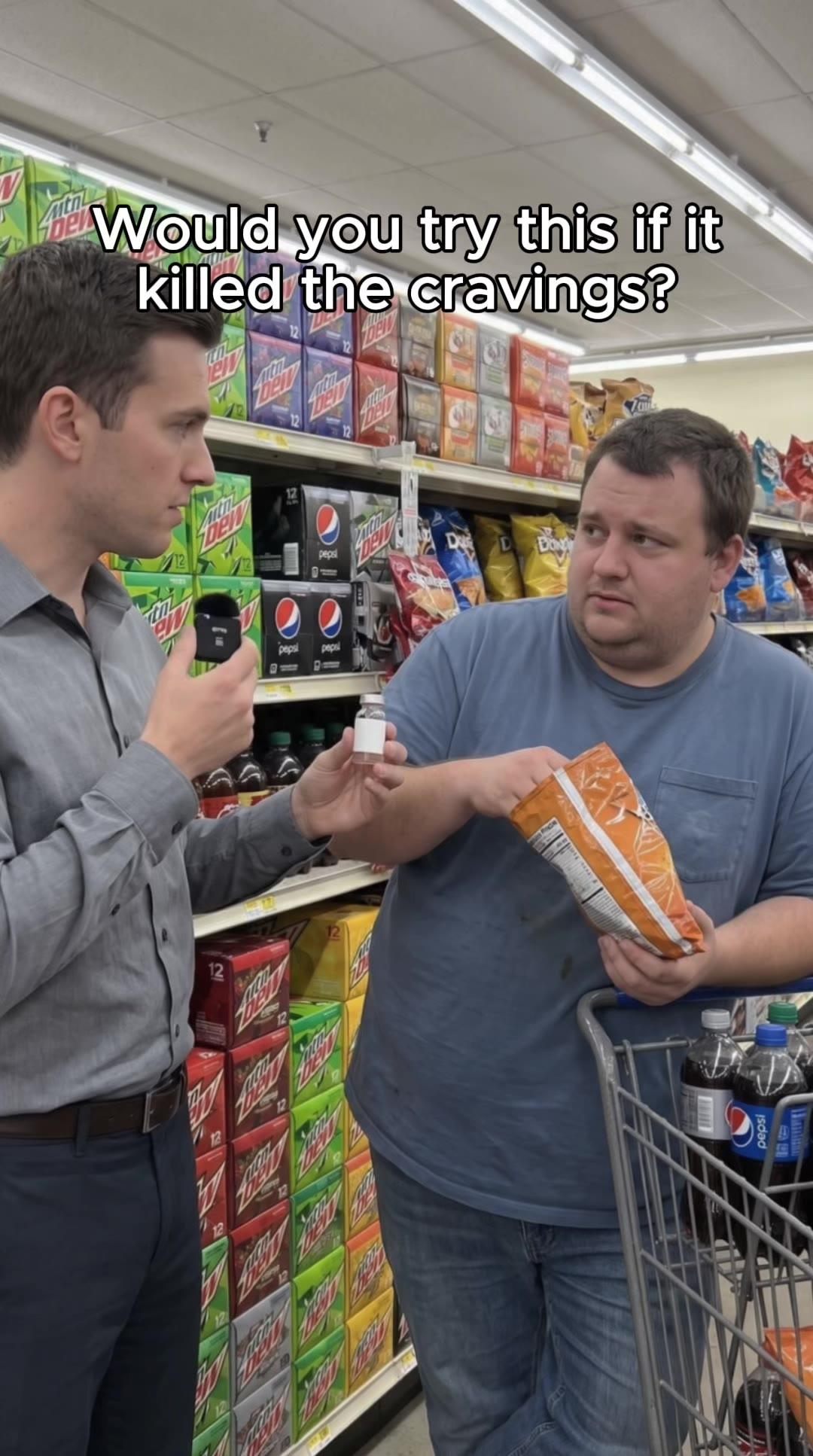
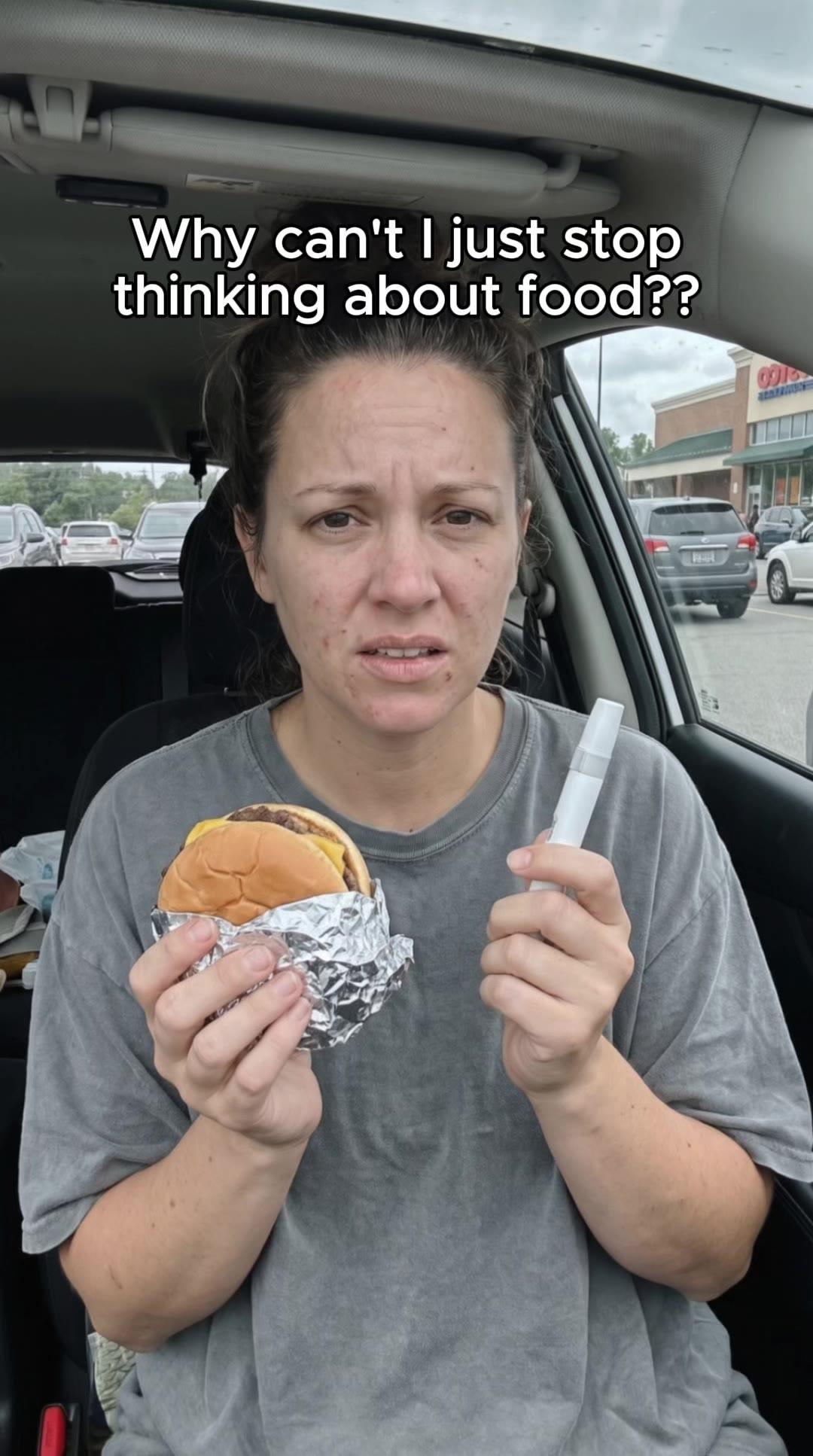
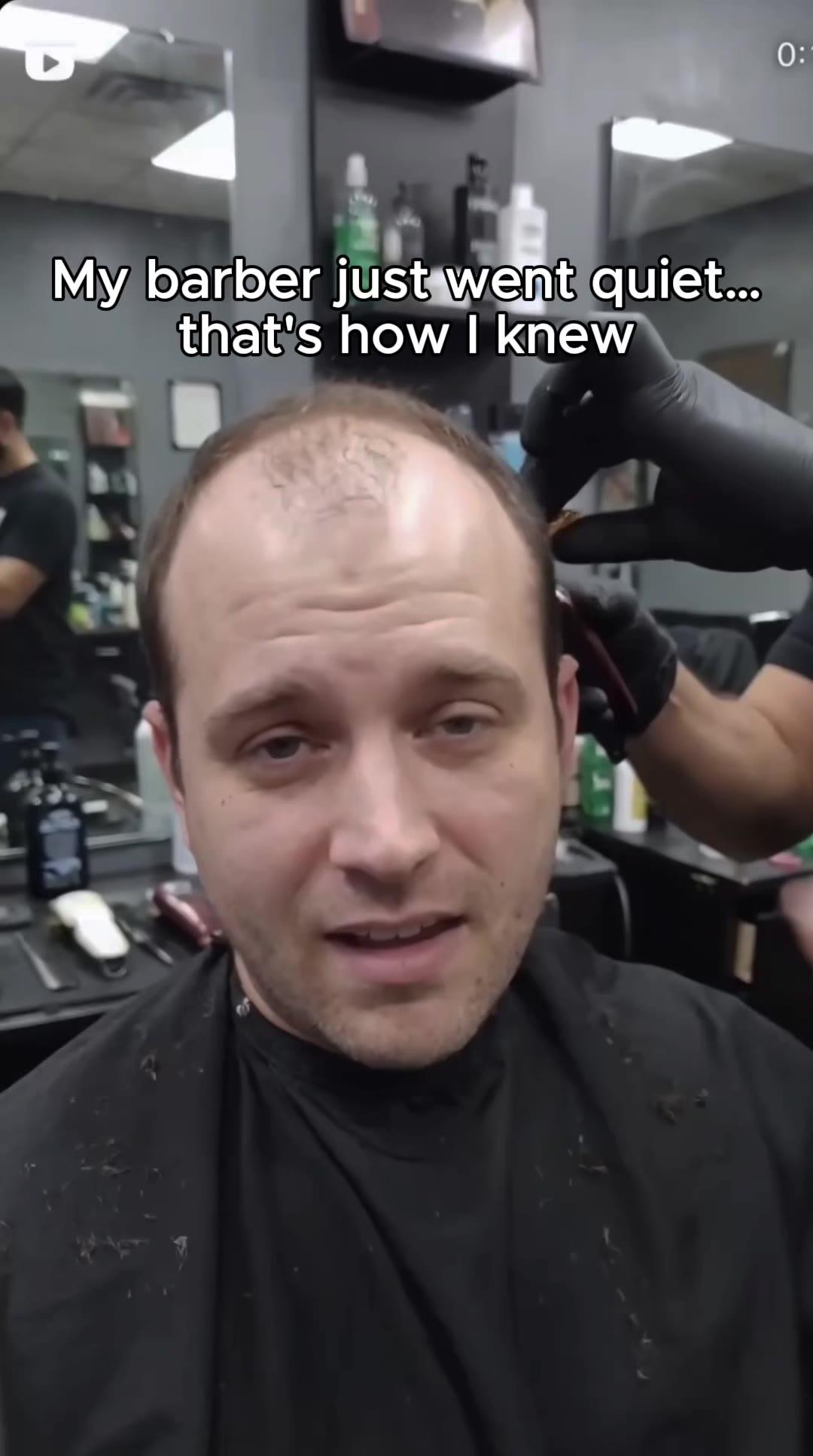

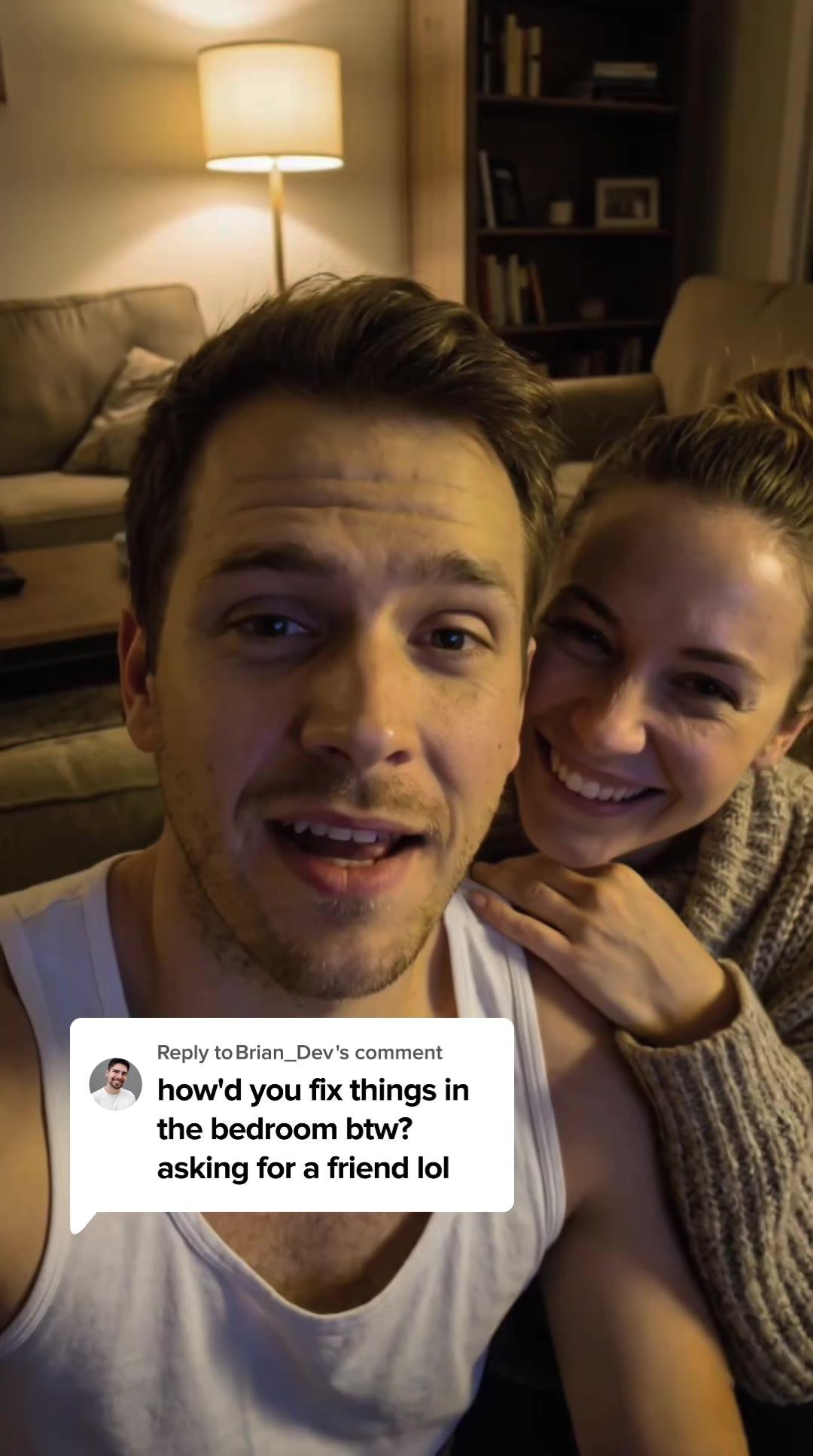
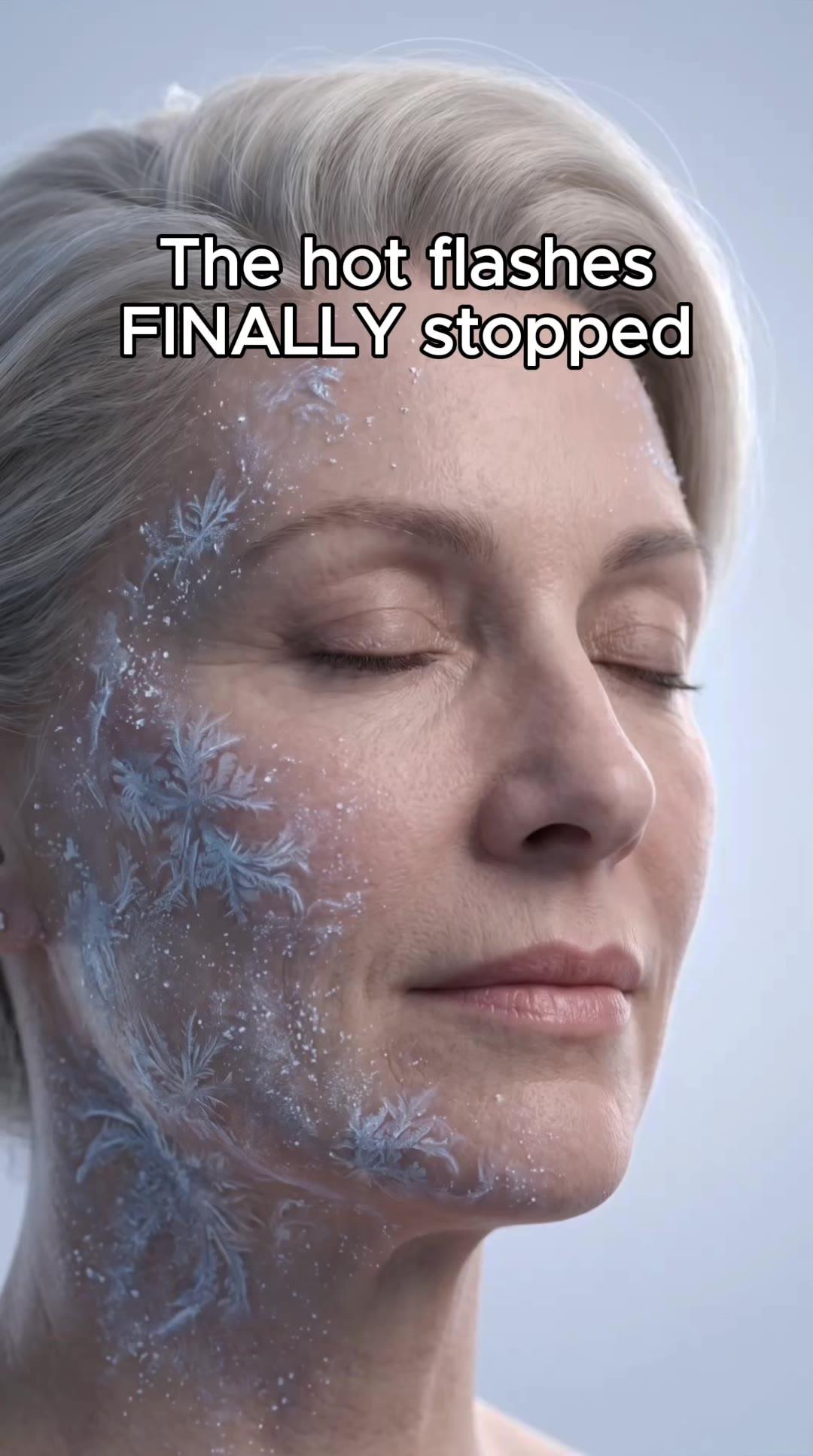
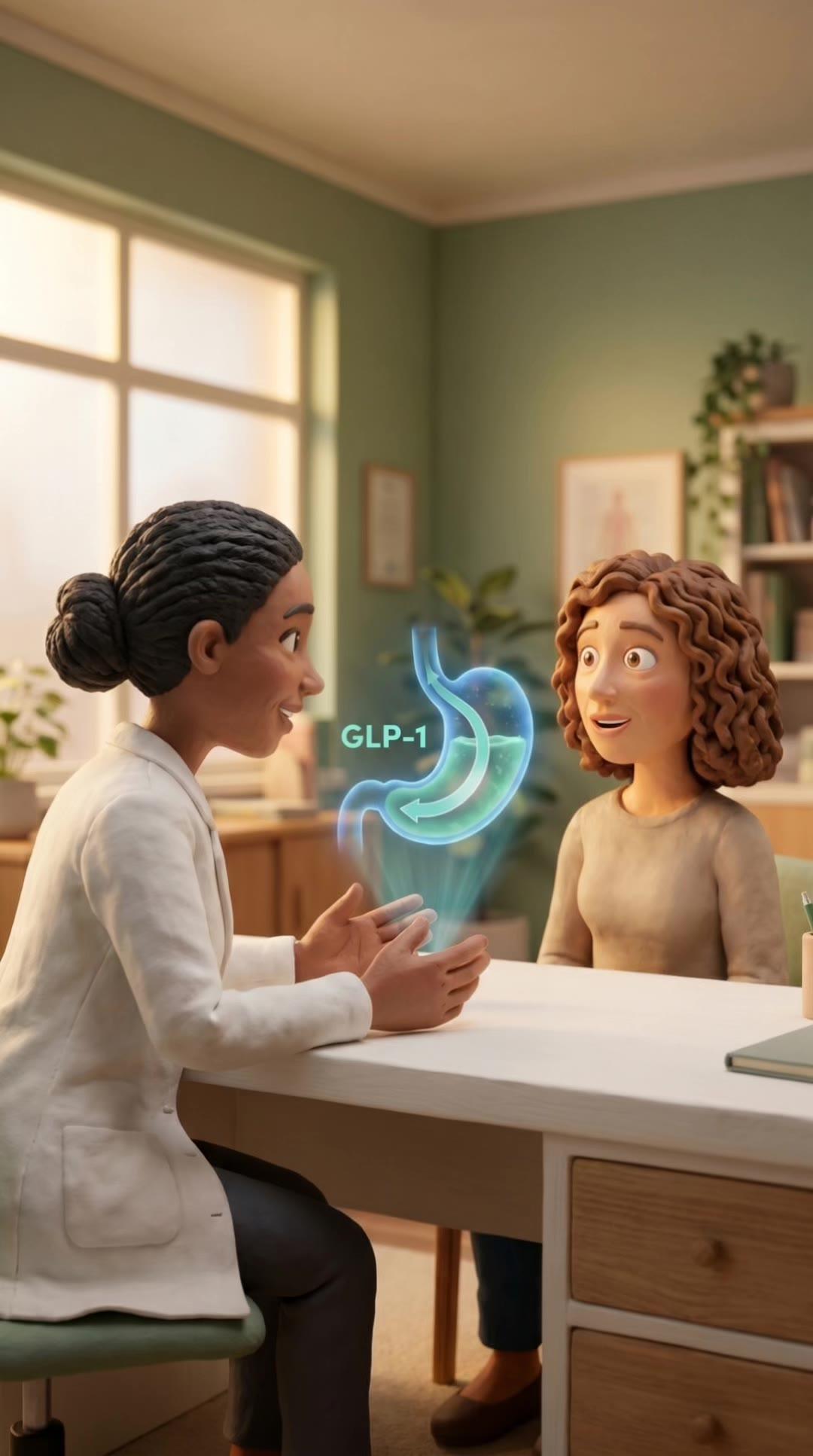
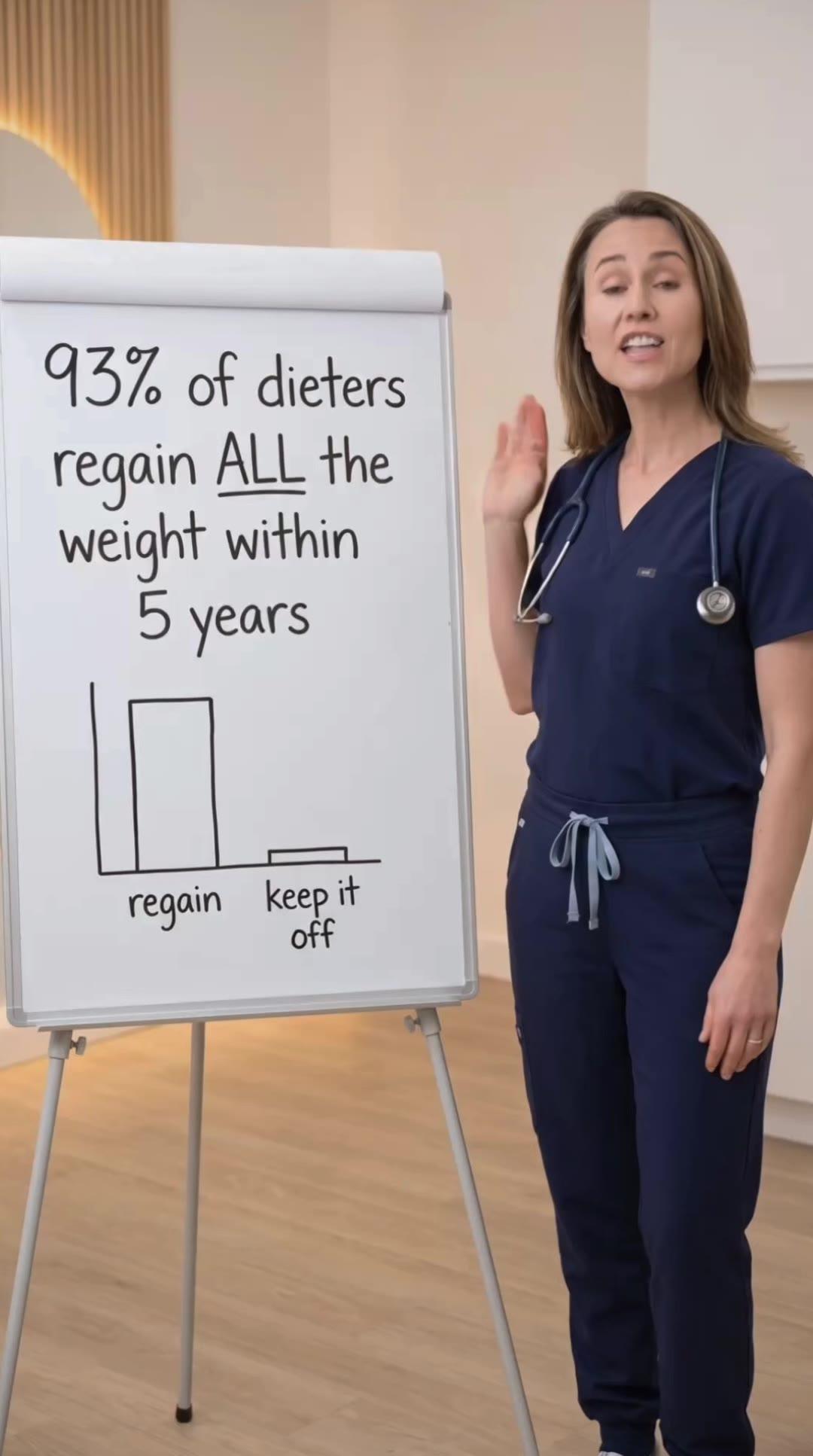
Medical professional creators telehealth advertising is one of the highest-credibility UGC formats available — and one of the most compliance-intensive to execute correctly. A licensed physician, nurse practitioner, PA, or pharmacist appearing in a telehealth ad carries authority that no lay creator can replicate. But that authority comes with specific FTC requirements, scope-of-practice considerations, and briefing constraints that need to be understood before any production begins.
Done well, medical professional UGC is among the most effective creative in telehealth paid social. It converts educated health consumers who have already filtered out general wellness content. It performs particularly well in categories where the decision involves understanding a clinical concept — TRT, peptide therapy, GLP-1, HRT — because the professional can explain what is actually happening and who might be a candidate for evaluation in a way that is both credible and actionable.
The Credibility Advantage
When a licensed medical professional appears in a telehealth ad, the credibility transfer happens almost immediately. The audience understands intuitively that a credentialed clinician has staked their professional reputation on what they say. This raises the cost of overclaiming significantly — which paradoxically makes medical professional content more trustworthy, because the audience knows the clinician has more to lose from making a bad claim than a lay creator does.
This credibility advantage is most pronounced in categories where the target audience is making a complex, high-consideration decision. For GLP-1 programs, a physician explaining what these medications do, what the evaluation process looks like, and who typically benefits from a consultation provides the kind of clinical clarity that can move a hesitant decision-maker off the fence. For HRT or TRT, a clinician contextualizing how the therapy works and what the telehealth consultation involves addresses the information gap that often prevents consultation booking.
The advantage is smaller for impulse-adjacent categories and larger for categories that require clinical understanding before action. Map your specific category against this spectrum to determine how much of your creative budget should go toward medical professional content versus lay creator content.
FTC Expert Endorser Rules for Medical Professionals
The FTC's endorsement guidelines have specific provisions for expert endorsers that apply directly to licensed medical professionals in advertising. The key requirements: the expert must be expressing their genuine professional opinion, they must be qualified by experience and training in the relevant specialty, their statements must be based on an adequate assessment of the product or service, and any material connection — including compensation — must be clearly disclosed.
"Qualified in the relevant specialty" is not a technicality. A general practitioner endorsing a nuanced hormone replacement protocol, or a dermatologist speaking authoritatively about metabolic health, may create FTC exposure if the content implies specialty expertise they do not have. Match the medical professional's actual specialty to the topic area they are covering in the content.
"Genuine professional opinion" means the medical professional must actually believe what they are saying. You cannot brief a clinician into saying something that contradicts their clinical judgment. If a physician does not agree that a particular patient population is broadly well-served by a medication class, you cannot script them into saying otherwise. The brief must be built around messages the clinician can honestly endorse — and if they push back on a message point, take that seriously rather than trying to reframe around it.
What Medical Professionals Can and Cannot Say
The permitted territory for a medical professional creator is substantial and genuinely useful for advertising. They can explain how a drug class or treatment approach works at a mechanistic level — what GLP-1 receptor agonists do, how testosterone replacement addresses specific deficiencies, what the HRT evaluation process involves. They can share their clinical perspective on why they believe certain patients benefit from seeking evaluation. They can describe who might be a reasonable candidate for a telehealth consultation and what questions that person should be prepared to discuss. They can explain what the telehealth clinical process looks like from the provider side — what a good consultation includes, how treatment protocols are typically managed.
What they cannot do: guarantee outcomes for any individual patient, make claims that go beyond their actual clinical experience or the evidence base for the treatment, or promote a specific compounded drug formulation beyond their genuine professional opinion. Outcome guarantee language — "patients who work with this program lose an average of X pounds" — is not appropriate coming from a medical professional in an ad any more than it would be from a lay creator. The clinical credential does not give a clinician license to make claims that would not be acceptable otherwise.
UGC formats we produce for telehealth.
See the work →NPs and PAs Versus MDs
Both nurse practitioners and physician assistants can be highly effective telehealth creators, and in some contexts they outperform MDs. NPs and PAs often communicate with greater accessibility — they are trained to explain clinical concepts in patient-friendly language, they tend to be more comfortable on camera, and their communication style is typically warmer and less formal than many physicians. For categories like women's health, GLP-1, and primary care adjacent telehealth, NP and PA creators frequently perform as well or better than MD creators in paid social.
MDs carry more institutional authority in specific contexts. For categories that involve complex or higher-risk treatments — certain peptide protocols, more nuanced hormonal interventions, anything where the audience is sophisticated enough to care about the level of training involved — an MD credential carries additional weight. Oncology-adjacent content, complex metabolic conditions, and highly technical therapeutic areas are where MD credentialing matters most.
Pharmacists are underutilized as telehealth creators and worth considering, particularly for content about medication management, drug interactions, and the medication aspect of telehealth programs. They bring clinical authority specifically around the medication dimension of the patient experience, which is often exactly what an undecided patient needs explained.
We produce paid social creative exclusively for telehealth brands. From 18 to 200 assets per month.
Get in TouchWhere to Find Medical Professional Creators
LinkedIn is the most productive sourcing channel for medical professionals who are building thought leadership and are therefore already predisposed toward content creation. Healthcare professionals who post regularly on LinkedIn about clinical topics are actively interested in expanding their professional visibility — a well-framed paid collaboration offer is often a natural extension of what they are already doing.
TikTok and Instagram's "medtok" community is significant and growing. Nursing creators, NP creators, and physician creators who build audiences around clinical education are active and reachable through the platform's search and hashtag infrastructure. These creators have already established audiences who trust their clinical voice, which makes their content even more effective when amplified through paid.
Residency and fellowship networks, nursing school alumni communities, and professional association forums are more direct sourcing paths. A straightforward post in the right professional community — explaining that you are a telehealth brand looking for licensed clinicians interested in paid content collaboration — can generate qualified inbound interest without the work of cold outreach.
Compensation and Agreement Structure
Medical professionals command higher rates than lay UGC creators. They bring more compliance complexity, more professional risk, and a credential that has real market value. Budget accordingly. A structured consulting agreement with clearly defined deliverables, usage rights, and compensation is more appropriate than a standard influencer agreement — it matches the professional context of the relationship.
Usage rights need to be explicit. Medical professionals are often comfortable with organic social content but less comfortable with paid advertising amplification, particularly retargeting. Clarify upfront that the content will be used in paid social ads, what geographies and platforms are in scope, and for how long the content will be in active rotation. These parameters affect willingness to participate and compensation expectations.
Briefing and Format
The brief for a medical professional creator should provide the key educational messages you want communicated and then step back. Do not over-script. Medical professionals communicate with clinical precision in their own voice — that precision is the asset. Scripting too tightly produces content that sounds like a clinician reciting marketing copy, which eliminates the credibility advantage entirely.
Give the clinician a list of topics and questions to address, tell them what the key patient concerns are, explain what you want the viewer to walk away understanding. Then let the clinician express it in their own words. Do not approve word-by-word scripts. Approve the messages and the frame.
Format-wise, 60 to 90 second explainer videos are the most effective for medical professional content. Short clips — under 30 seconds — do not give enough runway to establish credibility before the call to action. YouTube and Meta are the primary paid channels for medical professional creator content. Nursing and PA creators perform particularly well on TikTok through Spark Ads because medtok audiences are already established and engaged on that platform.
Need help with UGC for your telehealth brand? Get in Touch or explore our creative services.
UGC systems built for telehealth.
A 30-minute call. We audit your creative approach and show you exactly what a complete angle-format-hook system looks like for your vertical.