Pharma Social Media Marketing: What Telehealth Brands Need to Know
Where traditional pharma social media marketing overlaps with telehealth paid social, where the two playbooks diverge in 2026, and how to evaluate an agency that claims to know both.
Concepts shown are internal creative studies, not client campaigns.

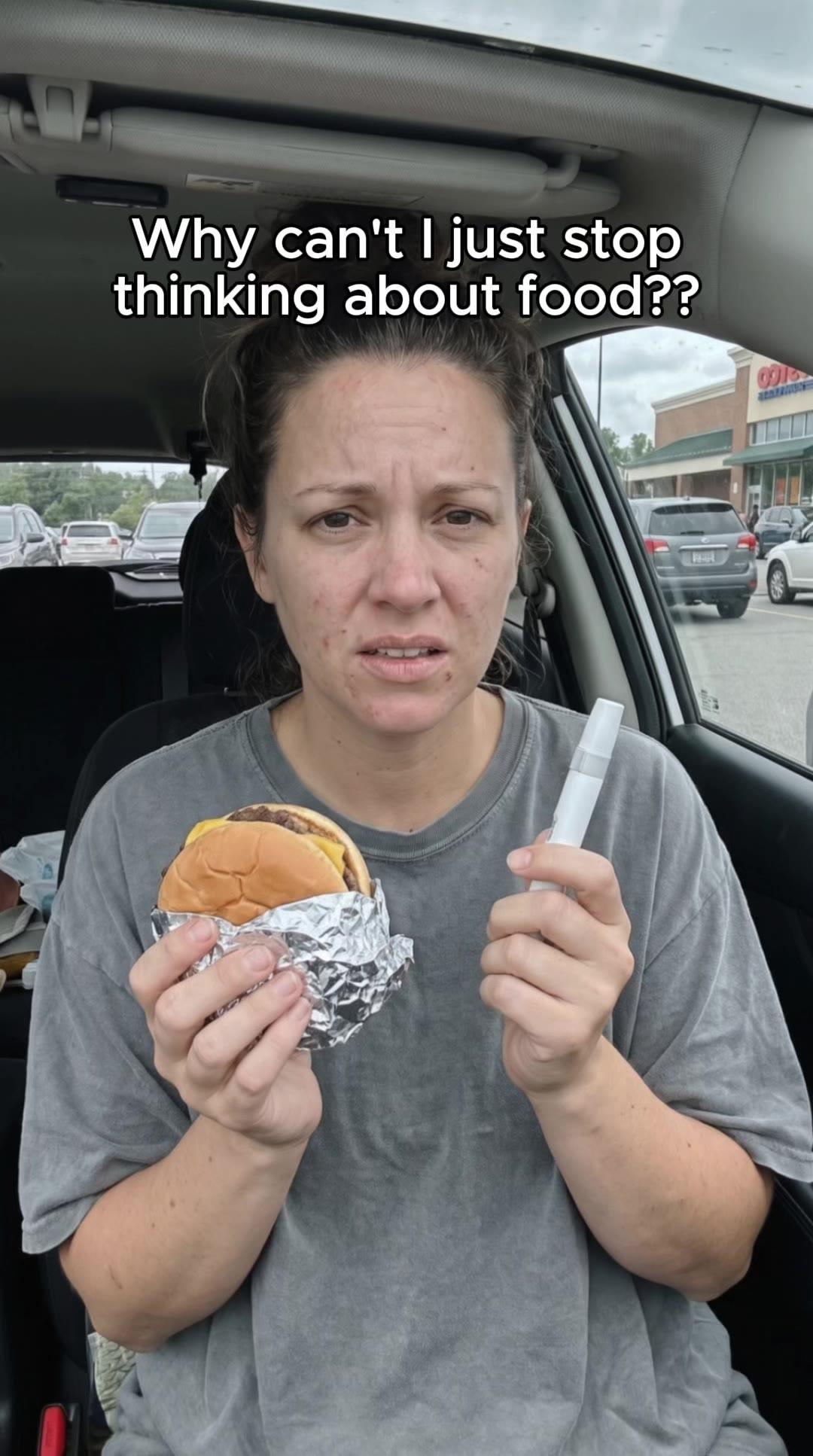







Pharma social media marketing and telehealth paid social are not the same discipline, and the agencies that excel at one are usually weak at the other. Traditional pharma social runs on brand-mandated promotional review (PRC), ISI placement, share-of-voice metrics, and HCP-vs-DTC audience separation. Telehealth paid social runs on direct-response CAC, daily creative iteration, ad-account survival, and full-funnel attribution.
Brands that pick a pharma agency expecting telehealth performance — or pick a DTC agency expecting pharma-grade compliance — get neither. Here is how to think about the difference and how to pick the right partner for your stage.
What Pharma Social Media Marketing Optimizes For
Traditional pharma social campaigns are optimized for awareness, share-of-voice, and message recall across HCP and DTC audiences. Performance is measured on impressions, message recall lift, and downstream prescribing data weeks or months after the campaign runs.
The discipline is built around long approval cycles (PRC, legal, regulatory), ISI placement requirements, fair balance, and platform-by-platform brand-safety controls. Creative iteration is slow because the regulatory surface is large.
What pharma social marketing is not optimized for: same-week creative iteration, ad-account-survival workflows, daily CPA performance management, or landing-page conversion optimization. Those are the muscles telehealth paid social needs.
What Telehealth Paid Social Optimizes For
Telehealth paid social is direct-response. Performance is measured on fully-loaded CAC, consultation-to-purchase conversion, payback period, and 6-month retention. The cadence is fast: creative is produced weekly, tested daily, refreshed monthly, and pulled when CPA drifts.
The discipline is built around platform policy fluency, rejection-pattern logging, ad-account hygiene, landing-page experiments, and cohort retention analysis. Compliance lives in the workflow, not in a separate review cycle. For the broader operator lens, see the complete guide to telehealth paid social.
Where the Two Playbooks Overlap
Both disciplines share medical fair-balance instincts, an understanding of FDA promotional norms, and the discipline of separating off-label and on-label messaging. A senior pharma social marketer brings depth on substantiation and claim hygiene that most DTC marketers lack.
Both also share landing-page-as-claim-extension thinking. Pharma marketers instinctively understand that the destination has to support the ad claim because they have been audited on it; DTC marketers often treat the landing page as separate from the ad until platform reviewers tell them otherwise. For the full comparison, review telehealth vs traditional pharma paid social.
Concepts we ship across every awareness stage.
See the work →Where the Playbooks Diverge
Creative volume. Pharma social campaigns ship 5-15 creative variants per quarter. Telehealth paid social ships 30-150 per month. A pharma agency that prices for quarterly cadence cannot resource a telehealth program at performance benchmark.
Performance metric alignment. Pharma social agencies report on impressions, reach, and message recall. Telehealth performance reporting needs CAC, payback period, retention-adjusted LTV, and cohort analysis. Reports built for one audience are unreadable to the other.
Ad-account ownership and recovery. Pharma agencies typically run on brand-owned ad accounts inside agency Business Managers, with low ban risk because of the conservative claim posture. Telehealth ad accounts get flagged. The agency has to own the recovery workflow and have done it 20+ times before. For diagnosis, see when your telehealth ad account gets banned.
Audience targeting philosophy. Pharma social leans on lookalike-of-HCP-list, third-party data licensing, and contextual placement. Telehealth paid social leans on broad targeting with Meta's algorithm, retargeting layers, and creative-driven self-selection. The targeting stacks do not transfer cleanly between disciplines.
How to Evaluate a Pharma Social Media Marketing Agency for Telehealth
Ask for telehealth case studies with CAC, payback period, and creative cadence. Not impressions, not message recall, not "engagement". The number that matters for telehealth is fully-loaded CAC, and an agency that does not lead with it is selling a different service.
Ask about ad account recovery. How many telehealth Business Managers have they restored, what was the typical timeline, and what is their workflow when an account is flagged? The pharma agencies that have done telehealth have a fast, specific answer. The ones that have not will hedge.
Ask about creative production volume per brand per month. Anything below 25 ads per month at $50K+ spend is structurally underpowered. For the full vetting framework, see telehealth paid social: in-house vs agency.
Ask about reporting structure. Does the agency report on CAC, consultation-to-purchase, and retention, or does it report on impressions and reach? The difference signals whether the team thinks like a DTC operator or like a brand agency.
When a Pharma Agency Is the Right Choice
Brand-name telehealth services tied to manufacturer-promotional infrastructure. If your telehealth brand operates as a prescribing layer for a manufacturer's brand, pharma-grade promotional discipline and fair-balance fluency matter more than direct-response cadence. A pharma agency with telehealth experience is appropriate.
HCP-targeted programs. If you are running B2B telehealth campaigns to physicians or pharmacists, pharma social agencies have the audience targeting infrastructure DTC agencies do not.
Regulatory transition periods. If your brand is entering a window of FDA scrutiny, FTC investigation, or post-warning-letter recovery, pharma-grade promotional review depth is worth the slower cadence for the duration.
When a Direct-Response Agency Is the Right Choice
DTC telehealth scaling from $30K to $300K+ monthly paid social. The creative cadence, performance management, and ad account hygiene requirements are not transferable from pharma social. Pick a DTC-native shop with telehealth experience.
Most telehealth brands sit in this bucket. Pharma social marketing is the wrong primary engine for most DTC telehealth growth, even when the medication category overlaps.
The Operator Summary
Pharma social media marketing and telehealth paid social are distinct disciplines with overlapping vocabulary. Most telehealth brands need DTC-native paid social with embedded compliance discipline — not pharma-grade promotional review imported wholesale. Pick the agency whose performance reporting, creative cadence, and ad-account-recovery posture matches the discipline your brand actually runs on.
Related Articles
Telehealth vs Traditional Pharma Paid Social
How telehealth DTC advertising differs from traditional pharma marketing.
Telehealth Paid Social: In-House vs Agency
When to build in-house vs hire agencies for telehealth paid social.
How to Brief a Creative Agency for Telehealth Ads
What agencies need to produce high-performing telehealth ads.
Telehealth Advertising Compliance Guide
Navigate FDA, FTC, and platform policies for compliant telehealth advertising.
Ready to build a testing system that scales?
A 30-minute call. We audit your creative approach and show you exactly what a complete angle-format-hook system looks like for your vertical.