How to Advertise an Online Pharmacy in 2026
A practical guide for founders, CMOs, and pharmacy operators. What works on Meta and Google, what to expect on cost, and how to keep your ad accounts alive while you scale.
Concepts shown are internal creative studies, not client campaigns.
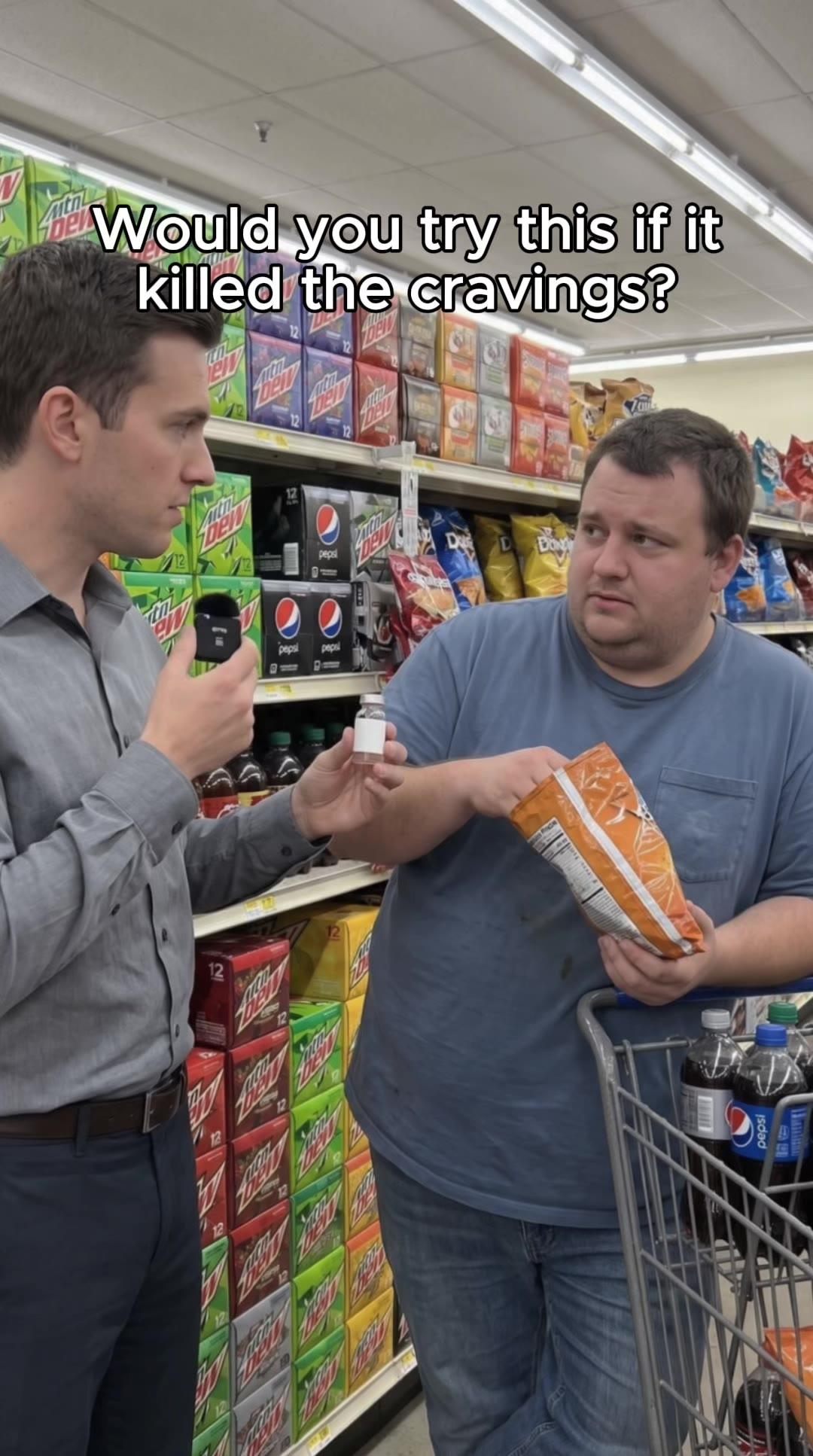
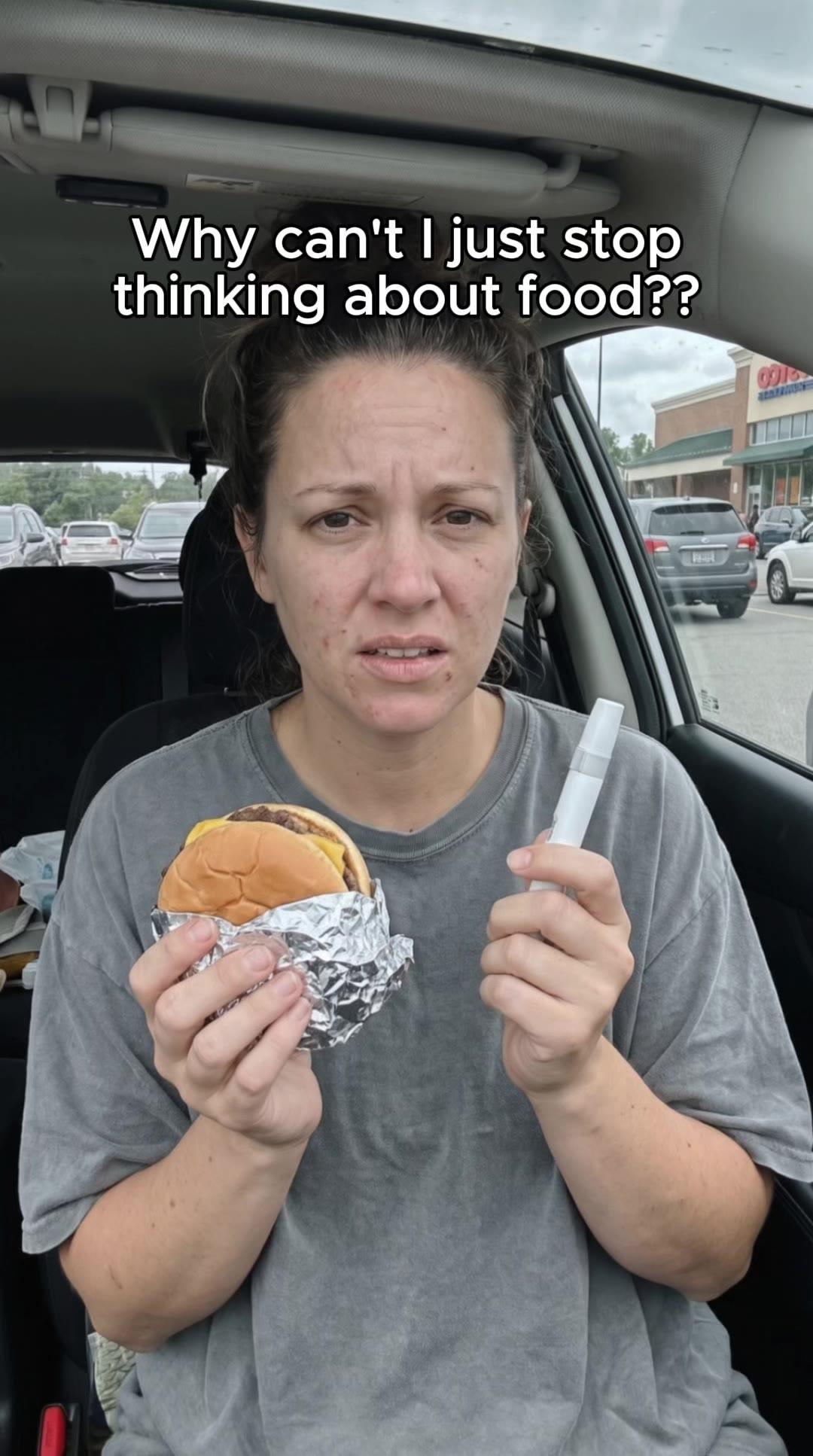

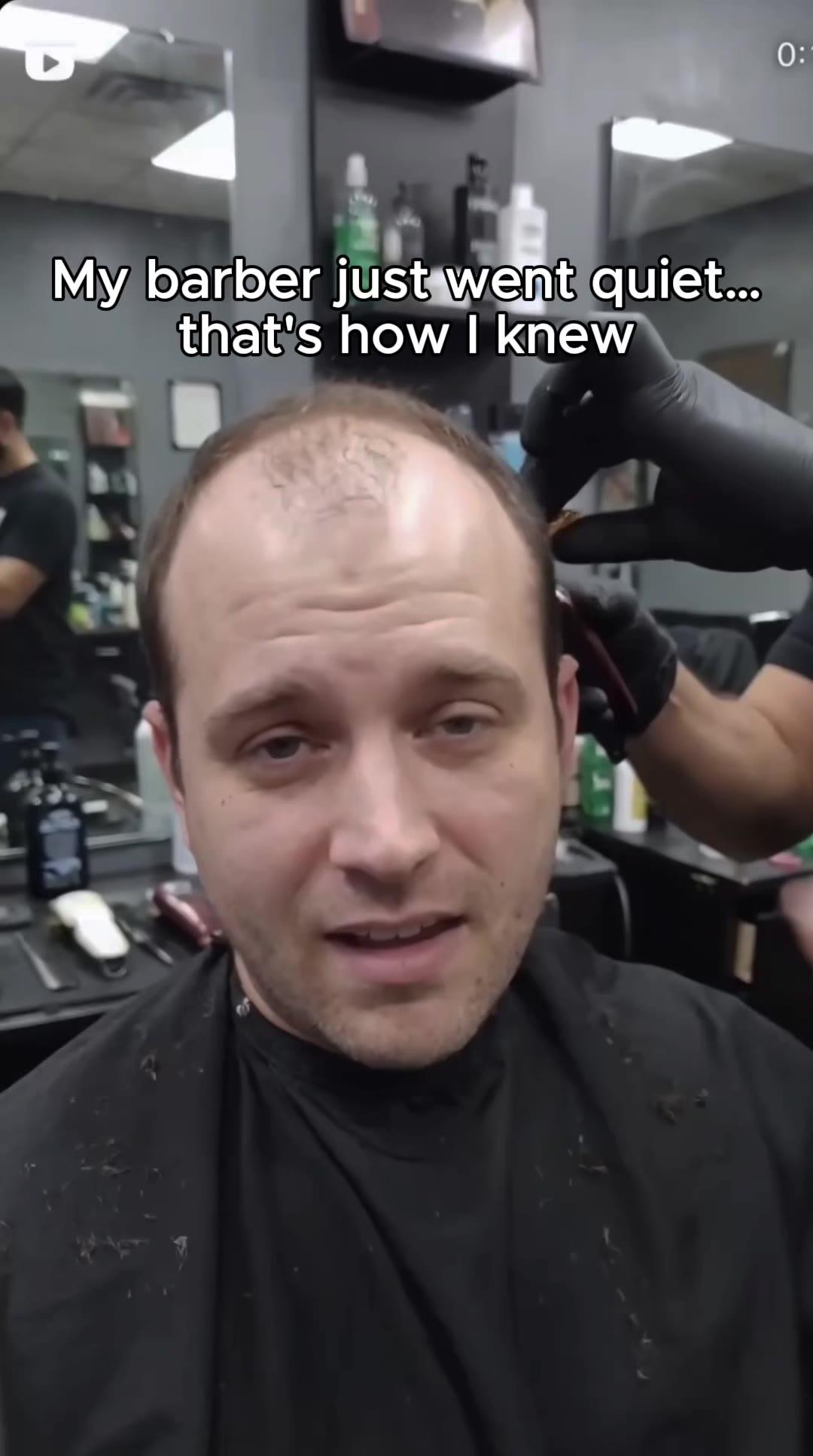



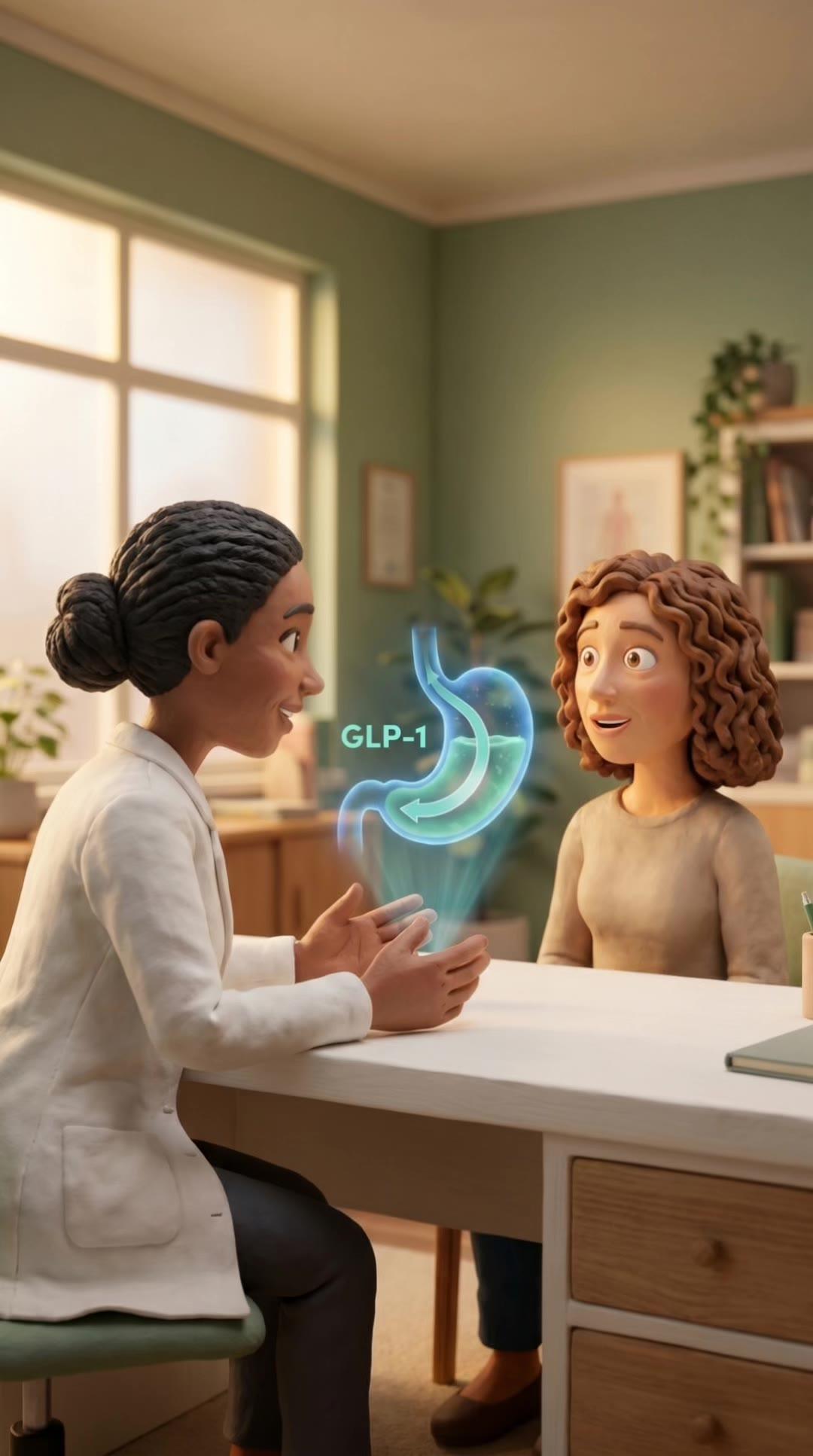
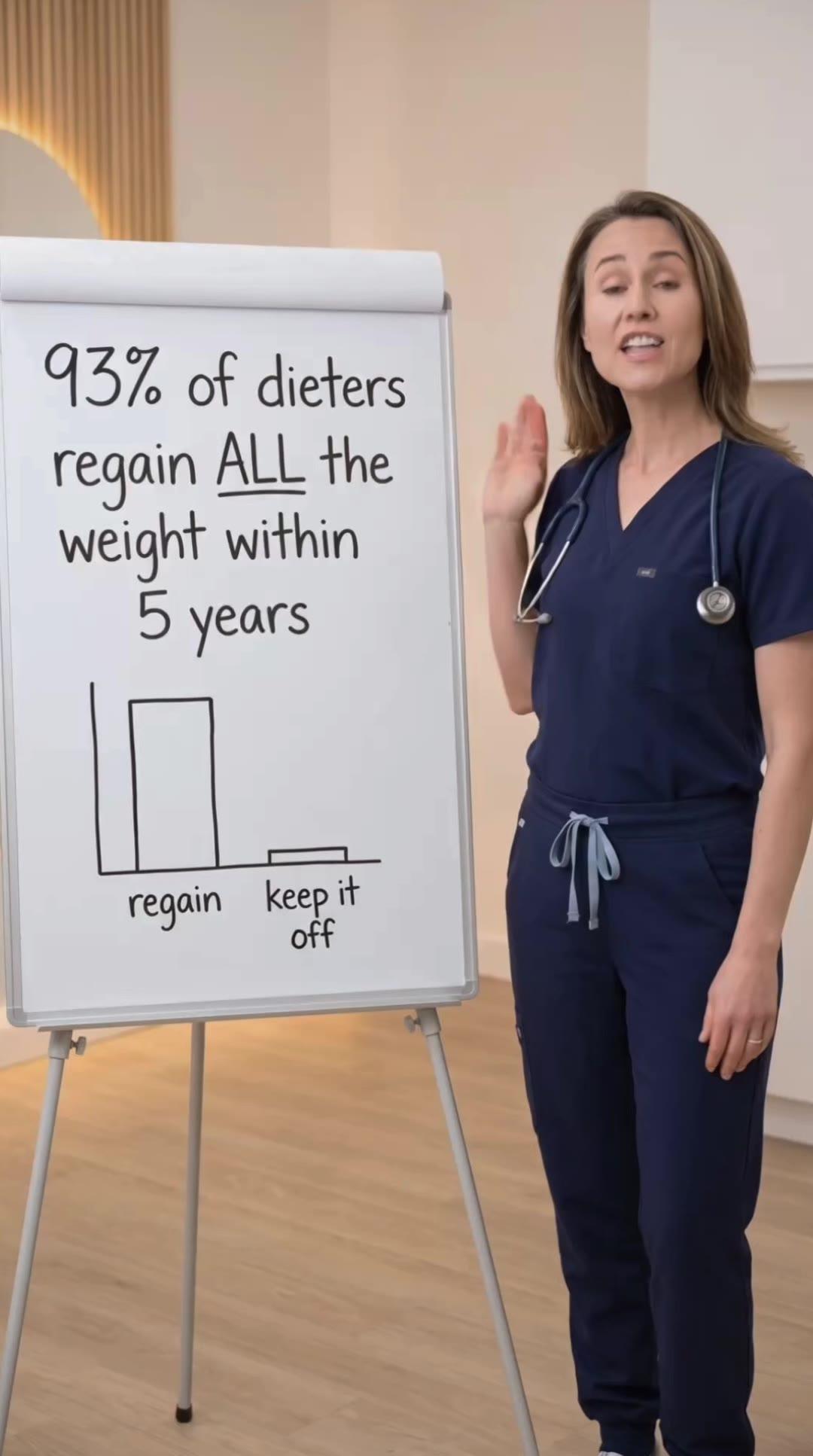
Advertising an online pharmacy in 2026 is more demanding than it was three years ago. Meta has tightened how it reviews healthcare brands, Google requires a formal pharmacy certification before you can buy a single click, and a wave of regulatory attention has changed what you can and cannot say about price, supply chain, and outcomes. The brands that grow are the ones that treat advertising as a structured operation, not a creative experiment.
This guide walks through how to actually advertise an online pharmacy in 2026: where to spend, what to say, what it costs, and how to keep your ad accounts in good standing while you scale.
Step One: Get Your Certifications in Order
Before you write a single ad, you need the certifications platforms require. Google Ads requires LegitScript certification for any pharmacy or telehealth brand prescribing medications. Without it, your account will not serve. Plan on 4-8 weeks for approval if your documentation is clean, longer if it is not.
Meta does not require a formal certification, but your Business Manager has to be set up cleanly with verified business details, a real website, and a privacy policy that actually maps to your data handling. Sloppy setup is the number-one reason Meta restricts new pharmacy accounts inside the first month.
TikTok requires a written application for any healthcare advertiser. Expect a multi-week review and a high rejection rate for first-time pharmacy applicants who do not have an established brand presence.
Step Two: Decide What You Are Actually Selling
The ad story is different for each category. A compounding pharmacy selling weight loss medication competes on access and price. A specialty pharmacy filling brand-name prescriptions competes on convenience and clinical support. A peptide-focused pharmacy competes on provider quality and product education. The creative cannot be generic; it has to match what the buyer is actually weighing.
If you sell across multiple categories, build a separate funnel for each. One landing page and one set of ads cannot serve both a weight loss patient and a hair loss patient. Brands that try this consistently underperform brands that segment from day one. For the broader paid social view, see the complete guide to telehealth paid social.
Step Three: Build the Foundational Creative
Online pharmacies live or die by creative volume and creative quality. Plan to ship 25-50 new ads per month for the first quarter, then settle into a steady cadence of 20-40 per month based on spend level. Anything less than that and your audience will burn through your library inside three weeks.
The creative formats that work for online pharmacies: provider-led explainers where a licensed clinician walks through how the process works, patient story videos where a real customer talks about their experience, and educational content that explains the difference between your product and the alternatives. Avoid pure outcome ads with specific weight loss numbers, hair growth percentages, or testosterone before-after comparisons. Those are the fastest path to account restriction.
Step Four: Budget Reality Check
A serious online pharmacy ad program runs $30-100K monthly in paid social once you are past launch. Below $30K, you do not have enough creative volume or audience signal to optimize. Above $100K, you start to see compound benefits from algorithm learning and lookalike audience depth.
Add 25-35% on top of paid media for creative production, agency fees, and platform fees. A $50K monthly ad spend brand is really spending $65-75K all-in. Founders who only budget the media line item are surprised when their fully-loaded acquisition cost is 30% higher than projected. For a full cost breakdown, see how much a telehealth marketing agency costs.
Concepts we ship across every awareness stage.
See the work →Step Five: Pick the Right Channels
Meta should be your primary channel. Sixty to seventy-five percent of your paid acquisitions will come from Facebook and Instagram once you are properly set up. The audience is broad, the algorithm is mature, and the creative formats match how online pharmacy customers actually research and decide.
Google Search is your second channel. Branded search captures the demand your Meta spend creates; non-branded search captures intent from customers who already know they want what you sell. Both matter, both work, but neither will scale past a certain ceiling without paid social driving awareness upstream.
TikTok is a third-tier channel for most online pharmacies. It can work, but only with creative built specifically for the platform. Brands that try to repurpose Meta ads on TikTok hit a 60-80% rejection rate. Either invest in TikTok-native creative or do not budget aggressively there.
YouTube, Snapchat, and Pinterest are situational. Useful for some categories (hair loss does well on YouTube, women-focused brands can find leverage on Pinterest), but rarely the first three dollars you spend.
Step Six: Keep Your Ad Accounts Alive
Online pharmacy accounts get flagged. Plan for it. The question is not whether you will face restrictions, it is how fast you can recover when you do. Document every ad before you launch it, log every rejection with the platform reason code, and review patterns monthly.
The biggest mistake pharmacy founders make is treating compliance as someone else's job. Your marketing team has to understand what the platforms will and will not approve, your creative team has to internalize the guardrails, and your medical reviewer has to be fast enough to keep up with your production cadence. For practical recovery tactics, review what to do when your ad account gets banned.
What Success Looks Like at 90, 180, and 365 Days
Ninety days in, you should have a stable creative engine producing 20-40 ads per month, a Meta account in good standing serving consistently, branded search starting to grow as a measurable channel, and a real read on your patient acquisition cost by category.
Six months in, you should be retargeting at scale, testing TikTok or YouTube as a second cold channel, and seeing month-over-month improvement on consultation-to-purchase rates from landing page optimization.
One year in, the engine should be producing predictable acquisition at a known cost, your retention infrastructure should be live, and your monthly marketing spend should match a known LTV-to-CAC ratio rather than a guess.
The Short Version
Advertising an online pharmacy in 2026 is doable but it is not casual. Get your certifications first, segment your funnels by category, invest in creative volume, build for Meta as your primary channel, expect to budget meaningfully more than your media line item, and treat ad account hygiene as a first-class operational discipline. The brands that follow this sequence grow. The brands that skip steps spend a year rebuilding what they broke.
Related Articles
How Much Does a Telehealth Marketing Agency Cost?
Real pricing ranges for telehealth marketing agencies in 2026.
How to Get More Patients for a Telehealth Brand
The channel mix and growth levers that actually fill telehealth consultations.
The Best Marketing Channels for Telehealth Brands
Where to invest first, second, and third as a telehealth founder.
Telehealth Advertising Compliance Guide
Navigate FDA, FTC, and platform policies for compliant telehealth advertising.
Ready to build a testing system that scales?
A 30-minute call. We audit your creative approach and show you exactly what a complete angle-format-hook system looks like for your vertical.