YouTube Advertising Policy for Telehealth Brands
YouTube sits inside Google's advertising ecosystem, which means the most structured compliance requirements in digital advertising — but also the most transparent. Here is what telehealth brands need to understand about YouTube ad policy before spending a dollar.
Concepts shown are internal creative studies, not client campaigns.
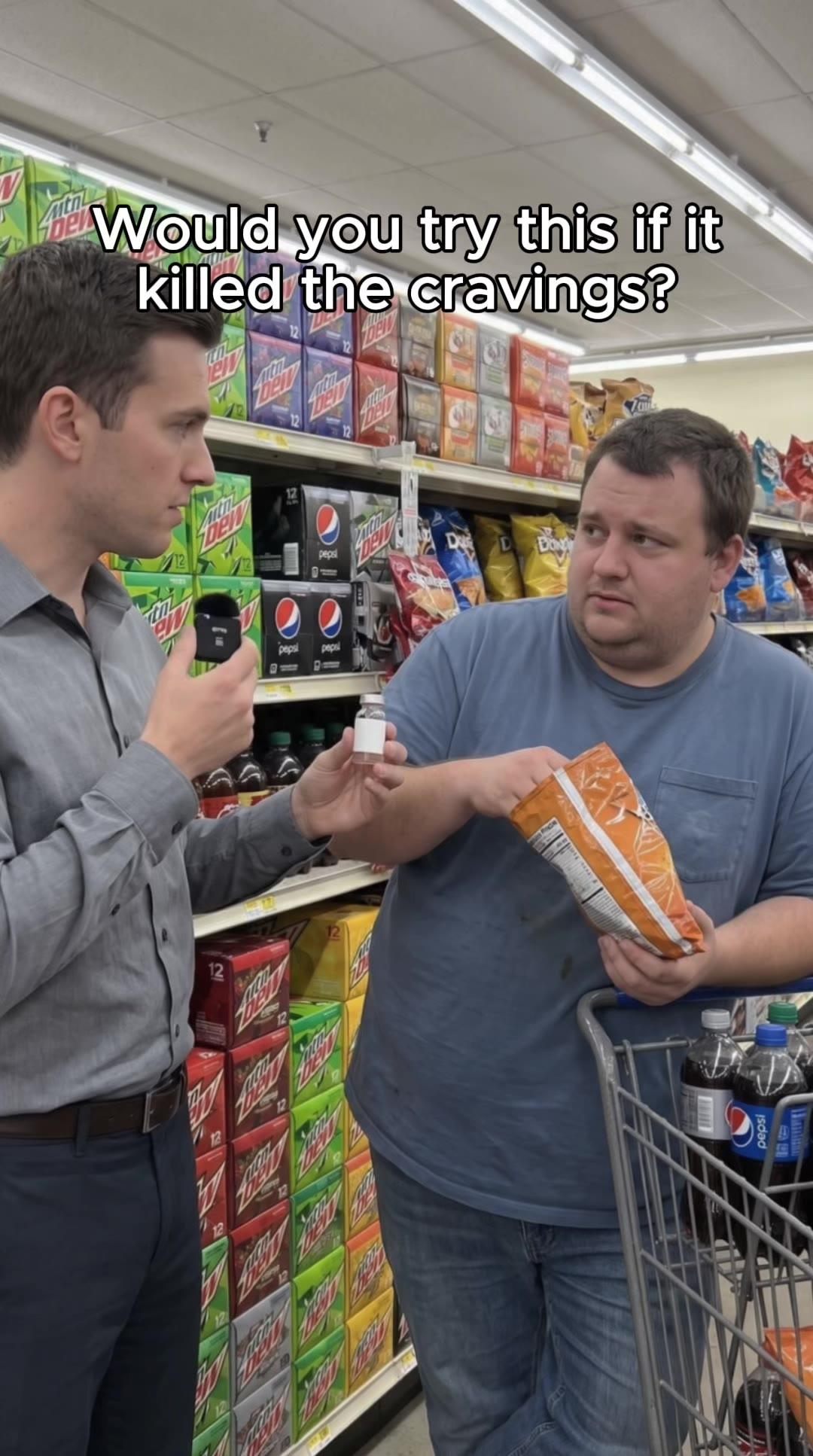
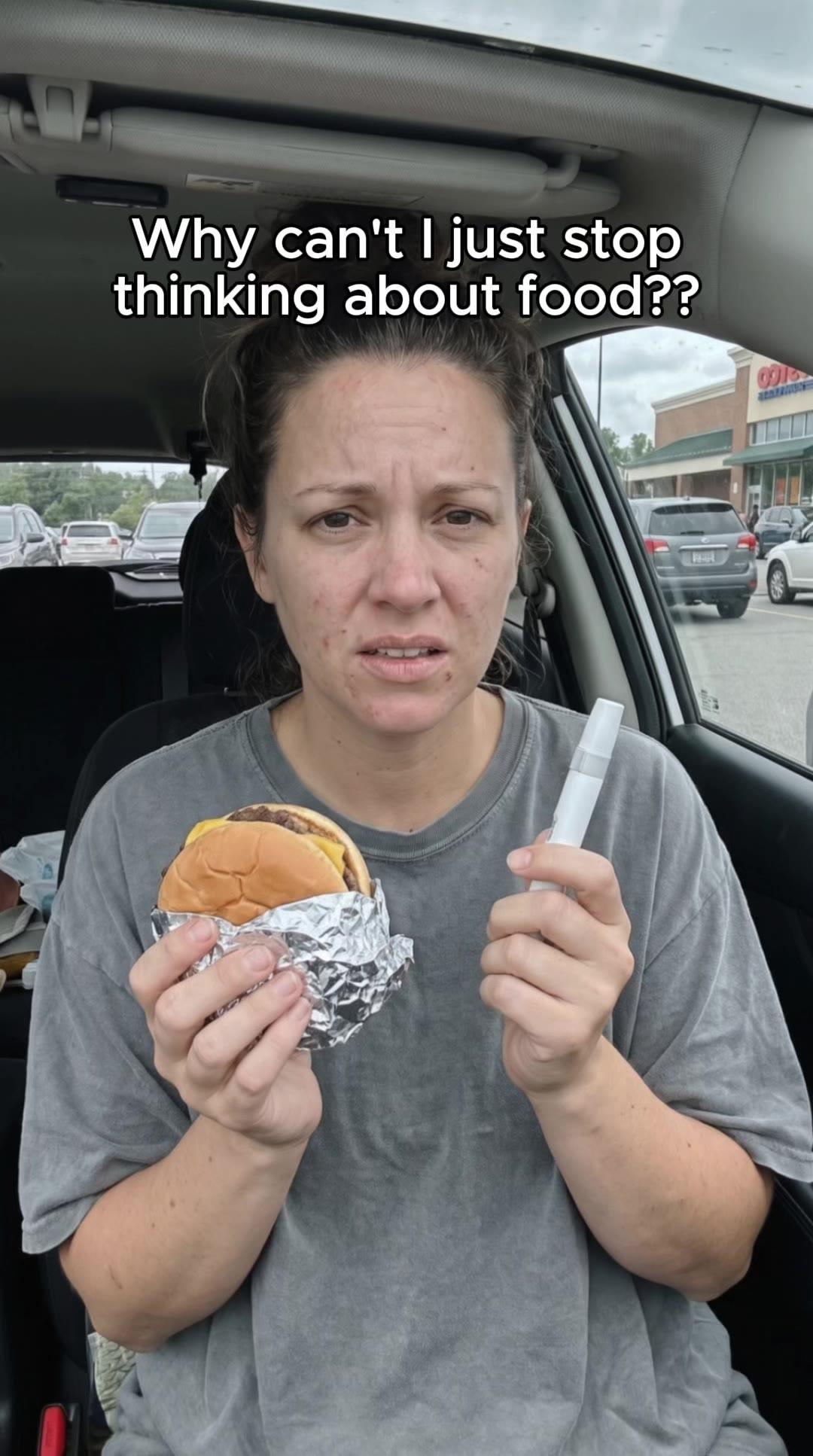

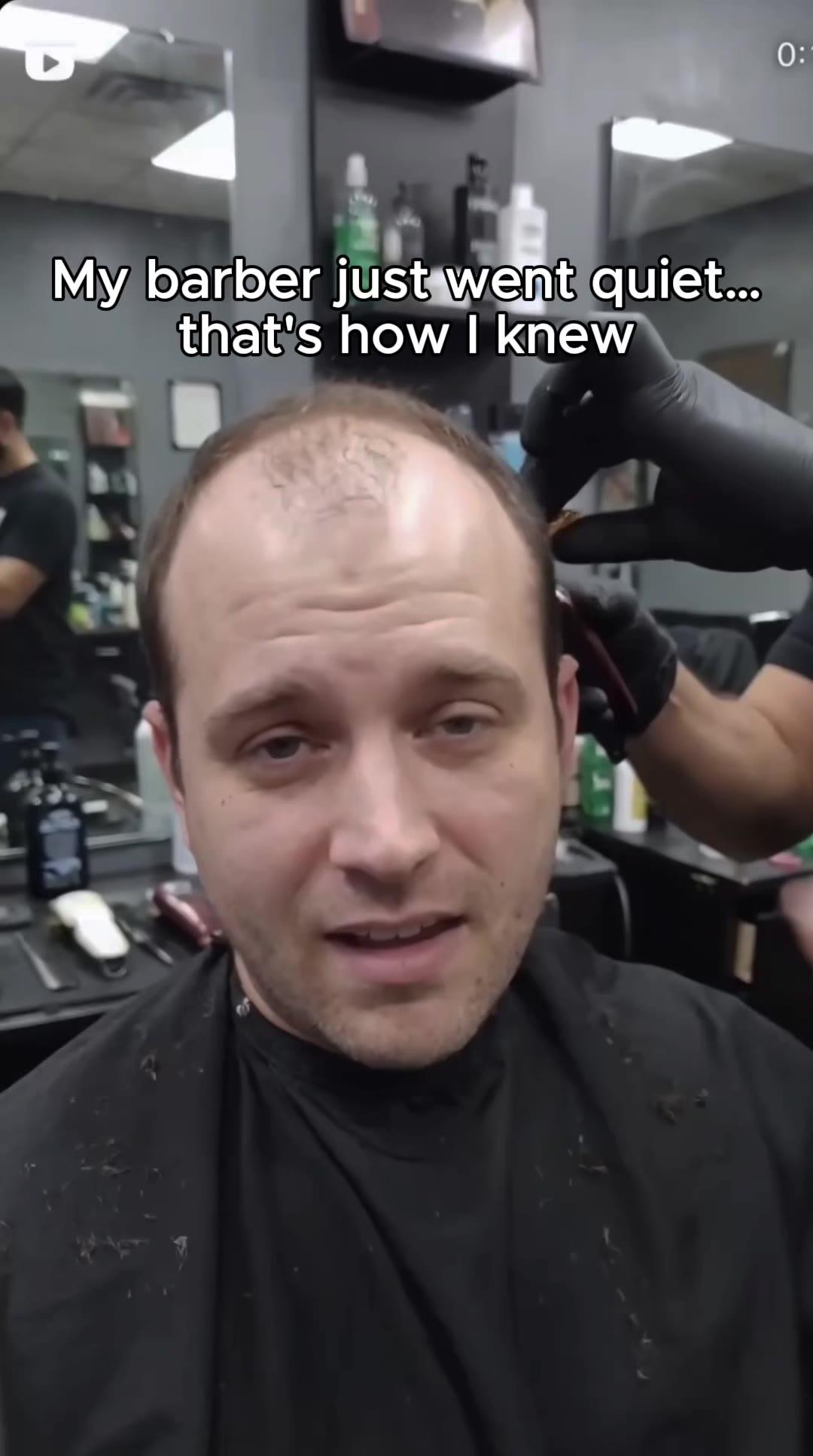




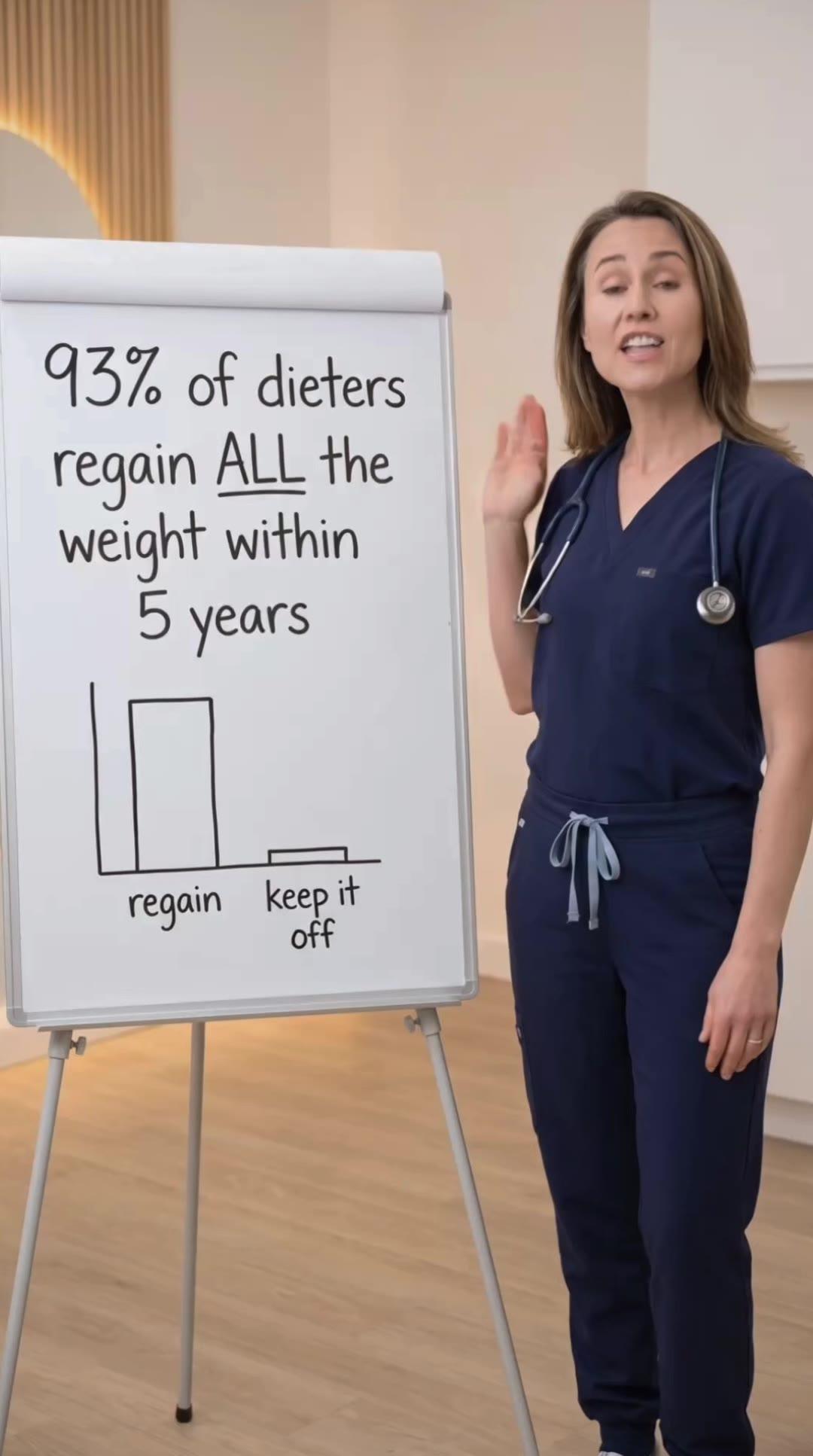
YouTube telehealth ad policy sits within Google's broader Healthcare and Medicines advertising framework — the same system that governs Google Search and Display advertising. For telehealth brands, this means you face the most formally documented compliance requirements of any major platform, but also the most predictable ones. Google's policies are written out explicitly, the certification pathways are defined, and the reasons for rejection are specific rather than ambiguous. If you are willing to meet the requirements, YouTube is a viable and often underutilized channel for telehealth advertising.
The tradeoff relative to Meta is that the upfront compliance work is more substantial. Getting a YouTube telehealth campaign running properly requires understanding the certification landscape, building ad creative that meets Google's claim standards, and setting up targeting and placement correctly for healthcare categories. Brands that do this work find YouTube delivers high-quality, high-intent audiences that complement Meta's volume-focused acquisition.
Google's Healthcare and Medicines Policy Framework
Google's Healthcare and Medicines policy divides healthcare advertising into several distinct categories, each with different requirements. Prescription drug advertising is the most restricted category — direct-to-consumer prescription drug ads require pre-authorization from Google and are only permitted for certain country markets. Over-the-counter products are less restricted but still governed by claim standards. Healthcare services — which is where most telehealth advertising lives — have their own set of requirements that vary by service category.
For telehealth brands, the operative category is typically either healthcare services or, for brands that are effectively marketing access to prescription treatments, pharmaceutical-adjacent services. The distinction matters because pharmaceutical-adjacent categories may require certifications that pure healthcare service advertisers do not. Understanding which category your telehealth brand falls into is the first step before attempting YouTube campaigns.
Google also applies country-specific restrictions to healthcare advertising. What is permitted in the United States may not be permitted in other markets, and some healthcare advertising categories are entirely restricted in certain countries. For US-focused telehealth brands running geo-targeted campaigns, this is largely manageable — but it is something to configure explicitly in campaign settings rather than relying on default targeting.
LegitScript Certification and When You Need It
LegitScript certification is the most commonly referenced pre-requirement for telehealth and online pharmacy advertising on Google and YouTube. LegitScript is a third-party verification service that Google has designated as an approved certifier for online pharmacies, prescription drug facilitators, and certain healthcare service categories. For brands in these categories, running Google or YouTube ads without LegitScript certification is not possible through the standard advertiser process.
Who specifically needs LegitScript for YouTube telehealth advertising: online pharmacies and compounding pharmacies that sell directly to consumers, telehealth platforms that facilitate prescription drug access as their primary service, and brands whose advertising is primarily about connecting patients to prescription treatments rather than general healthcare services. A telehealth platform that provides physician consultations across multiple health categories typically needs LegitScript. A general wellness service that is not primarily about prescription access may not.
The LegitScript certification process involves application, documentation review, and site inspection. The timeline varies, but plan for several weeks minimum. The certification is ongoing — LegitScript monitors certified sites and can revoke certification if practices change. The cost is an application fee plus ongoing annual fees that scale with business size. For brands that need it, the certification is not optional — it is table stakes for Google and YouTube advertising access.
What Types of Telehealth Ads YouTube Approves
Healthcare service ads that emphasize the consultation, physician supervision, and access to care have the clearest approval path on YouTube. Ads that position telehealth as a way to speak with a licensed physician, get a health evaluation, or access a care program — without making specific treatment efficacy claims — align well with YouTube's policy framework. The patient access framing works across multiple telehealth verticals: men's health, weight management, hair loss, hormone health, and mental health all have viable YouTube ad paths with this framing.
Educational content is YouTube's natural format, and telehealth ads that use genuinely educational framing perform well both in compliance review and with audiences. An in-stream ad that explains a health condition, describes the treatment landscape at a general level, and presents a physician consultation as the logical next step is both compliant and contextually appropriate for a video platform where viewers are accustomed to educational content.
Wellness and preventive health framing — content about health optimization, lifestyle management, and proactive health monitoring — is generally less restricted on YouTube than treatment advertising. Brands that can authentically position their service in a wellness framing have more creative latitude than brands positioning primarily as treatment access.
This is what compliant telehealth creative looks like.
See the work →What Gets Rejected and Why
Direct promotion of specific prescription drugs by name in consumer-facing YouTube ads fails review without proper pre-authorization. This applies even to brands that have LegitScript certification — certification enables the category, but individual ads still must meet claim and content standards. An ad that leads with "get semaglutide online" or "order tadalafil" as the primary message is structured as a pharmaceutical ad rather than a healthcare service ad and will be rejected.
Before/after transformation content — the visual format that shows dramatic physical change attributed to a treatment — is restricted under Google's misrepresentation and misleading content policies. The concern is not body image specifically (as it is on Meta) but rather the implied treatment efficacy claim. An ad that shows dramatic weight loss and attributes it to a specific telehealth program is making a treatment outcome claim that requires substantiation standard Google's policy does not accommodate in ad creative.
Ads that make disease treatment claims — content positioning a telehealth service as treating, curing, or reversing a named medical condition — trigger rejection under healthcare policy. The distinction between addressing a health condition (acceptable) and treating or curing it (restricted) is a line that telehealth brands regularly cross inadvertently. "Support healthy weight management" is framed differently than "treat obesity." These distinctions are not arbitrary — they map to how regulatory frameworks distinguish between health claims and medical claims.
Targeting Strategy for YouTube Telehealth
Custom intent audiences are one of YouTube's most powerful targeting capabilities for telehealth brands. These audiences are built from Google Search query data — users who have searched specific health-related terms become a targetable audience on YouTube. For telehealth brands, this means you can reach people who have been actively researching relevant health conditions, treatments, or wellness topics, and serve them YouTube ads that address those topics.
Building custom intent audiences around condition-level queries — searches for symptoms, diagnosis questions, treatment exploration — captures high-intent users at a point in their information-gathering journey where telehealth is a relevant answer. Combine condition-level intent audiences with life-event targeting and demographic filters to narrow to the most relevant population for your specific health category.
Placement controls matter for brand safety and relevance in healthcare advertising. YouTube allows advertisers to select which content categories and channels their ads appear against. Healthcare brands should use content exclusions to prevent ads from running against sensitive health content categories that could create brand safety concerns, and should consider managed placements on health education channels where audience context aligns with the ad message.
The Appeal Process for Rejected YouTube Ads
YouTube and Google have a structured policy review appeal process for rejected ads. When an ad is rejected, the rejection notification includes the specific policy that was violated. Use that reference to assess whether the rejection is clearly correct, is an automated false positive, or is a borderline case where documentation could change the outcome.
For telehealth brands appealing healthcare category rejections, documentation matters. Evidence of LegitScript certification, state medical board licensure for the telehealth providers involved, documentation of physician supervision protocols, and evidence that the service is a legitimate licensed healthcare operation all strengthen appeals for borderline cases. Google's human review process for complex healthcare appeals takes longer than automated re-review but produces more accurate outcomes for well-documented cases.
The most effective approach to YouTube compliance is building ads that do not require appeals — creative that is structured to meet policy requirements from the outset rather than testing limits. YouTube's policy documentation is detailed enough that brands working with experienced healthcare advertising specialists can build compliant creative reliably. The investment in that expertise upfront pays dividends in avoided rejection cycles and account health maintenance.
Related Articles
How to Advertise GLP-1 Weight Loss on Facebook in 2026
Complete compliance guide for advertising semaglutide and tirzepatide telehealth services on Meta. What claims work, what gets banned, and how to scale.
Can I Advertise Compounded Medications Online
Rules for advertising compounded medications through telehealth. Platform policies, FDA considerations, and what framing gets approved.
Can I Use Patient Stories in Telehealth Ads
Rules for using patient testimonials and stories in telehealth advertising. FTC requirements, platform policies, and compliant approaches.
Creative built to pass review, and convert anyway.
A 30-minute call. We audit your creative approach and show you exactly what a complete angle-format-hook system looks like for your vertical.