NAD and Anti-Aging Telehealth Advertising Compliance
NAD+ therapy and anti-aging telehealth advertising has grown rapidly — and so has regulatory attention on the claims brands make. What the FDA and FTC standards allow, what they prohibit, and how to advertise compliantly in this category.
Concepts shown are internal creative studies, not client campaigns.
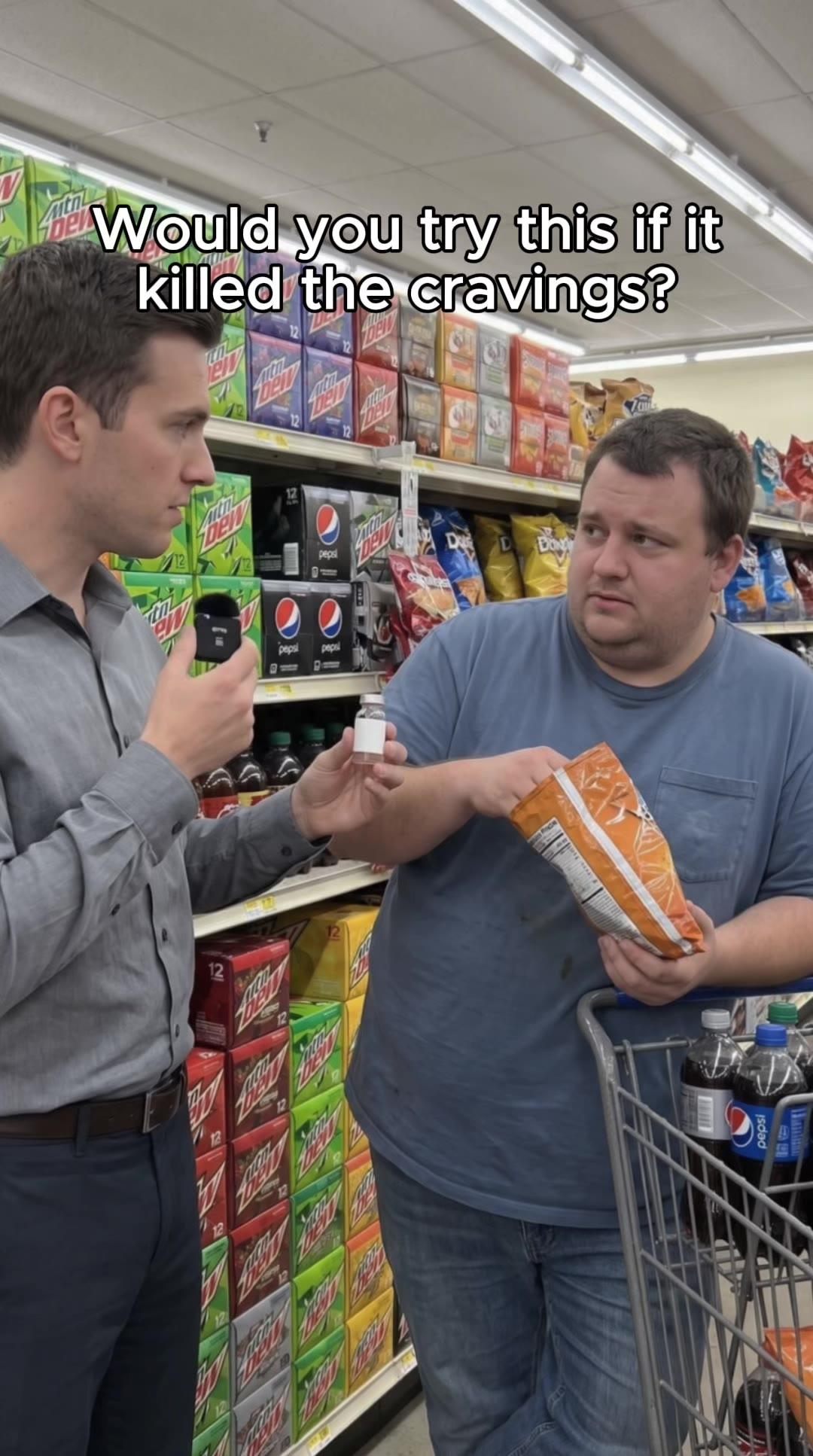


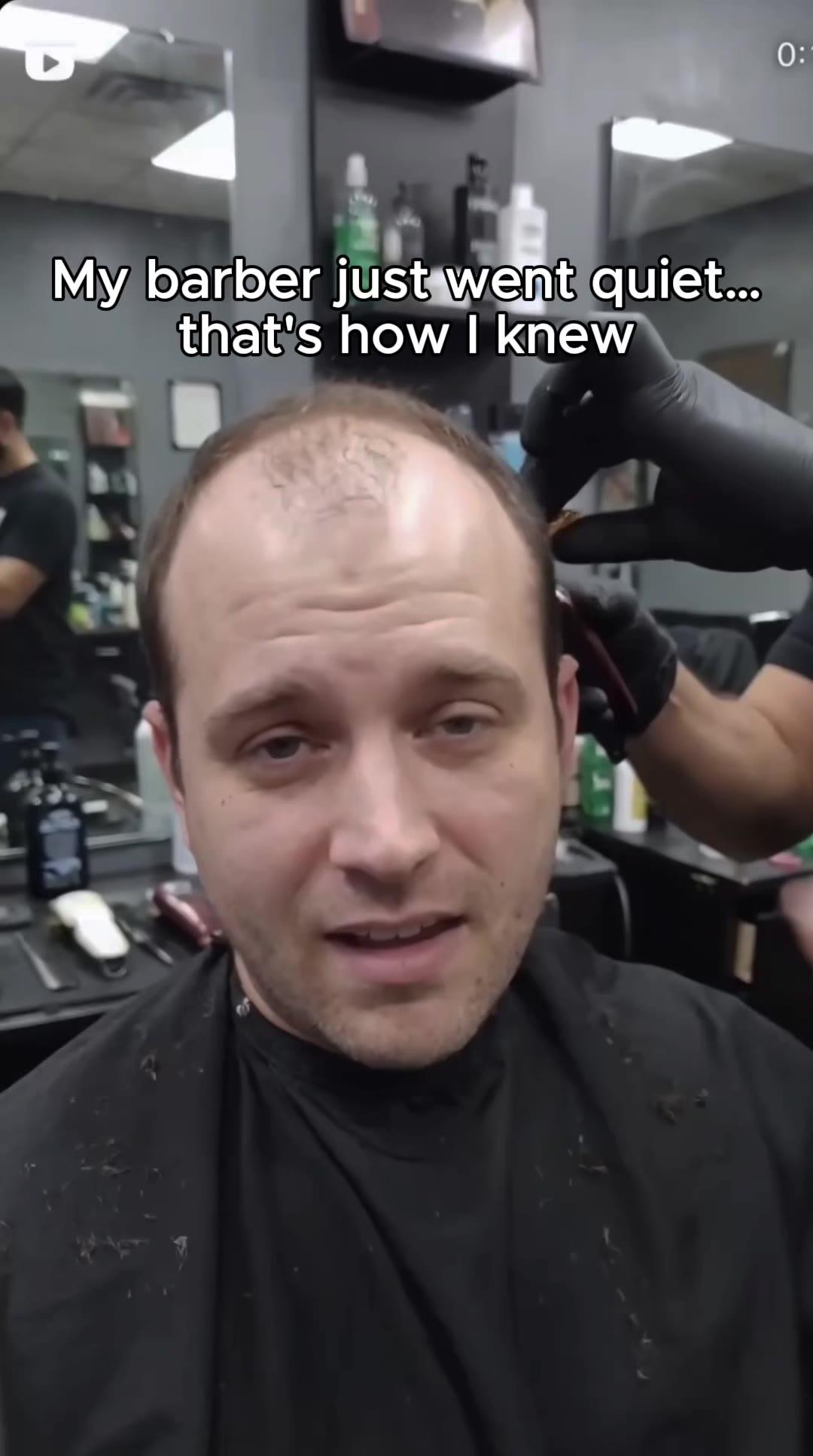




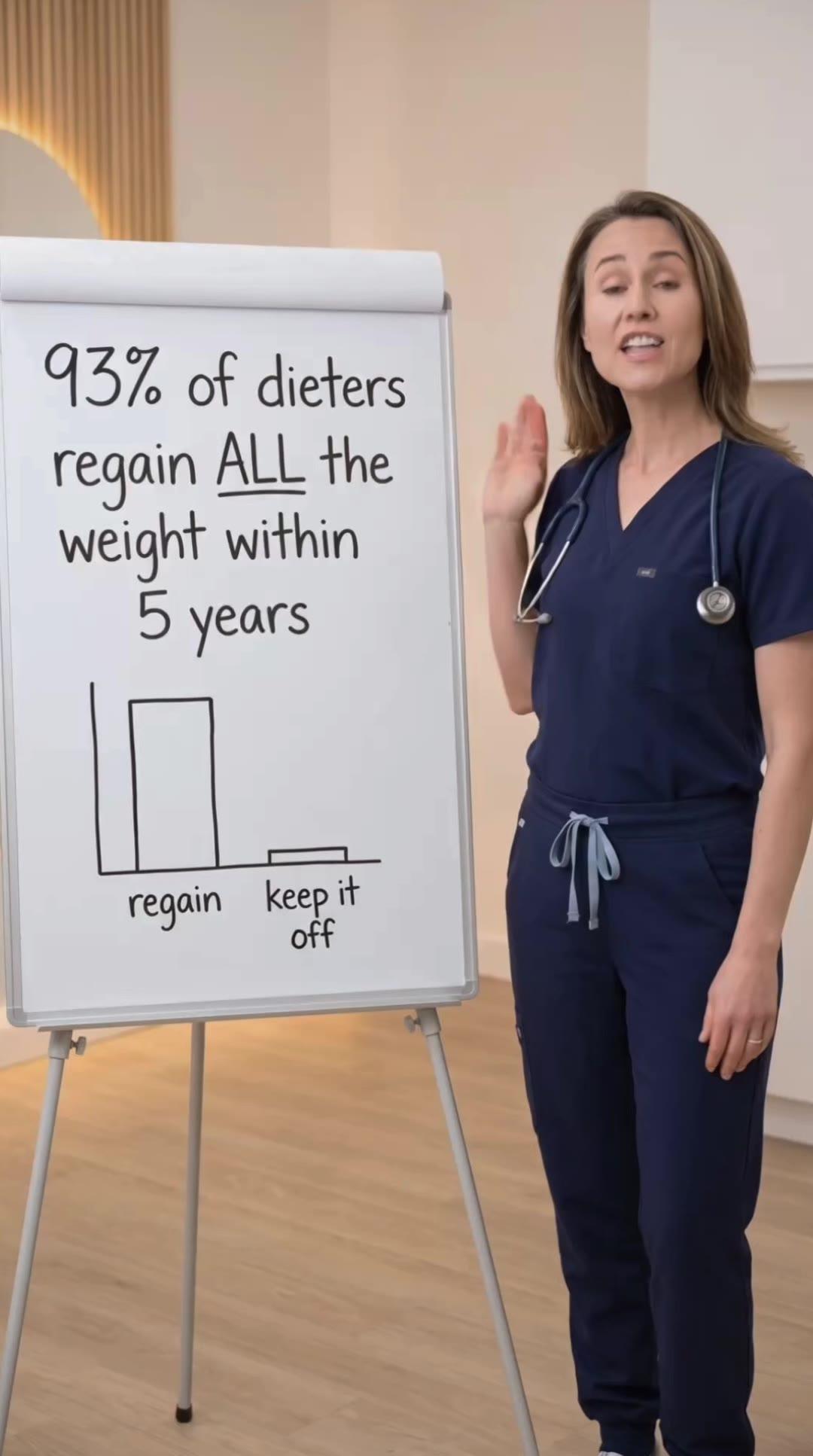
NAD and anti-aging telehealth advertising compliance is one of the more challenging areas in the functional medicine telehealth space. The challenge is not that the science behind NAD+ therapy is necessarily weak — there is a growing body of research on nicotinamide adenine dinucleotide's role in cellular energy metabolism and aging-related biological processes. The challenge is that the claims most commonly made in NAD+ and anti-aging telehealth advertising go significantly beyond what that research currently supports at the level of specificity and certainty that the FTC requires for health claims.
The anti-aging telehealth category has also attracted FTC attention because of a long history of deceptive advertising by supplement and wellness brands making unsupported longevity and anti-aging claims. NAD+ telehealth brands entering paid advertising do so in a regulatory environment where the FTC has already set precedent through enforcement actions against brands making similar types of claims — and where both platforms and regulators are attentive to new versions of familiar anti-aging advertising patterns.
The Regulatory Status of NAD+ Products
NAD+ precursors — including nicotinamide riboside (NR) and nicotinamide mononucleotide (NMN) — are available as dietary supplements. As supplements, they are regulated under DSHEA (Dietary Supplement Health and Education Act) rather than as drugs. This means they can make structure-function claims — statements about how the supplement affects a normal body structure or function — but cannot make disease claims. Statements like "supports cellular energy production" or "promotes healthy aging-related cellular function" are structure-function claims. Statements like "reverses aging," "prevents age-related disease," or "treats mitochondrial dysfunction" are disease claims that are not permitted for supplement products.
NAD+ IV therapy, which is administered as a compounded infusion rather than an oral supplement, is in a different regulatory category. IV NAD+ is not approved as a drug or supplement for any specific indication. Advertising it makes the same advertising rules applicable as for any other compounded preparation — the drug claim prohibition, the misbranding rules, and the FTC substantiation requirements all apply. Many NAD+ IV clinics have advertised with claims ("reverse aging," "feel decades younger," "cellular rejuvenation") that would not meet the FTC's substantiation standard and that the FDA would classify as drug claims.
What Anti-Aging Claims Are Actually Supportable
The claims that are supportable in NAD+ and anti-aging telehealth advertising are narrower than most brands want them to be. For oral NAD+ precursor supplements, structure-function claims based on published research are the appropriate level — claims about supporting cellular metabolism, promoting healthy mitochondrial function, or supporting the body's natural energy production processes. These claims require substantiation (peer-reviewed human research), must include the required DSHEA disclaimer ("This statement has not been evaluated by the FDA. This product is not intended to diagnose, treat, cure, or prevent any disease"), and must not be presented in a disease claim context.
For NAD+ IV therapy and anti-aging telehealth services, the supportable claims are at the service-access level — advertising access to providers who offer these therapies as part of a functional medicine approach to wellness. Claims about the specific outcomes of those therapies — "you will feel younger," "reduce biological age," "reverse cellular aging" — are not currently supportable at the level of specificity and certainty that the FTC requires for advertising health outcomes. The clinical research on NAD+ replenishment in humans is promising but not yet at the controlled clinical trial maturity that would support specific outcome claims in advertising. See our full guide to substantiating health claims in telehealth ads for the evidence standard.
This is what compliant telehealth creative looks like.
See the work →Platform Policy for Anti-Aging Claims
Meta and Google both restrict anti-aging claims in advertising as part of their health and wellness category policies. Meta explicitly lists "anti-aging" as a category requiring heightened review, and ads making specific anti-aging promises face frequent rejection regardless of the underlying product type. The rejections are most common for claims about reversing aging, reducing biological age, or producing measurable anti-aging effects — the types of claims that are also problematic under FTC standards.
The anti-aging advertising that passes platform review most consistently uses wellness-oriented language rather than disease-treatment or age-reversal language. "Support your cellular health," "invest in your long-term vitality," "optimize your energy and wellbeing" — these phrasings address the patient's underlying motivation (wanting to feel better and age healthfully) without making the specific clinical claims that trigger platform rejection and FTC scrutiny. This reframing requires more creative skill than straightforwardly claiming "look and feel decades younger," but it also tends to build more authentic brand positioning because it does not over-promise in ways that lead to patient disappointment and churn.
Longevity Clinic and Functional Medicine Branding
Many NAD+ and anti-aging telehealth brands position themselves as longevity clinics or functional medicine providers rather than as product sellers. This positioning has compliance advantages: by centering the physician-patient relationship and the clinical evaluation process, rather than the specific treatments being offered, longevity clinic advertising can discuss patient goals (optimizing energy, supporting healthy aging, improving metabolic function) without making the product-specific claims that carry higher regulatory risk.
The longevity clinic framing also aligns with how the target patient population researches and makes decisions about these services. Patients interested in NAD+ therapy and functional medicine anti-aging approaches are typically well-informed and seeking a clinical relationship, not a supplement purchase. Advertising that positions the provider relationship and the clinical sophistication of the approach resonates with this audience and converts at high rates without the compliance risks of product-claim advertising.
NAD+ Advertising and the Supplement-Drug Boundary
One of the highest-risk practices in NAD+ telehealth advertising is conflating supplement products with clinical therapy in the same advertising. If your brand sells both oral NR or NMN supplements and IV NAD+ therapy, your advertising needs to be careful about which claims apply to which product. Claims that are permitted as structure-function claims for the oral supplement — because DSHEA allows them with appropriate disclaimers — are not permitted as health claims for the IV therapy product without meeting the much higher drug-claim substantiation standard.
The FDA has increasingly scrutinized brands that use the scientific credibility of the supplement category to imply clinical therapeutic efficacy for adjacent drug products. Running ads that reference the research base for NAD+ while promoting an IV therapy clinical service effectively borrows the supplement's more flexible claims framework to support drug-category claims — a strategy the FDA and FTC are both familiar with from other categories. Keeping supplement and IV therapy advertising clearly segmented — separate campaigns, separate claims, separate disclaimers — reduces this risk materially. See our guide to peptide advertising compliance for related issues in the functional medicine telehealth space.
Related Articles
How to Advertise Peptides on Facebook Without Getting Banned
Platform policies and FDA rules for advertising peptide therapy on Facebook. What language works, what gets flagged, and how to build a compliant peptide ad strategy.
Peptide Ad Claims That Get Rejected on Meta
The specific peptide advertising claims that trigger Meta rejections — and how to reframe them into compliant language that converts.
How to Substantiate Health Claims in Telehealth Ads
The FTC's substantiation standard for health claims in telehealth advertising — and how to build a claims evidence file that protects your brand.
Making Compliant Claims in Telehealth Ads: The Complete Guide
What health claims you can make in telehealth advertising. Efficacy statements, outcome claims, and how to communicate benefits compliantly.
Creative built to pass review, and convert anyway.
A 30-minute call. We audit your creative approach and show you exactly what a complete angle-format-hook system looks like for your vertical.