Peptide Ad Claims That Get Rejected (and What to Say Instead)
The specific peptide ad claims that consistently trigger rejections in 2026, plus the compliant rewrites that deliver the same intent without losing your ad accounts.
Concepts shown are internal creative studies, not client campaigns.



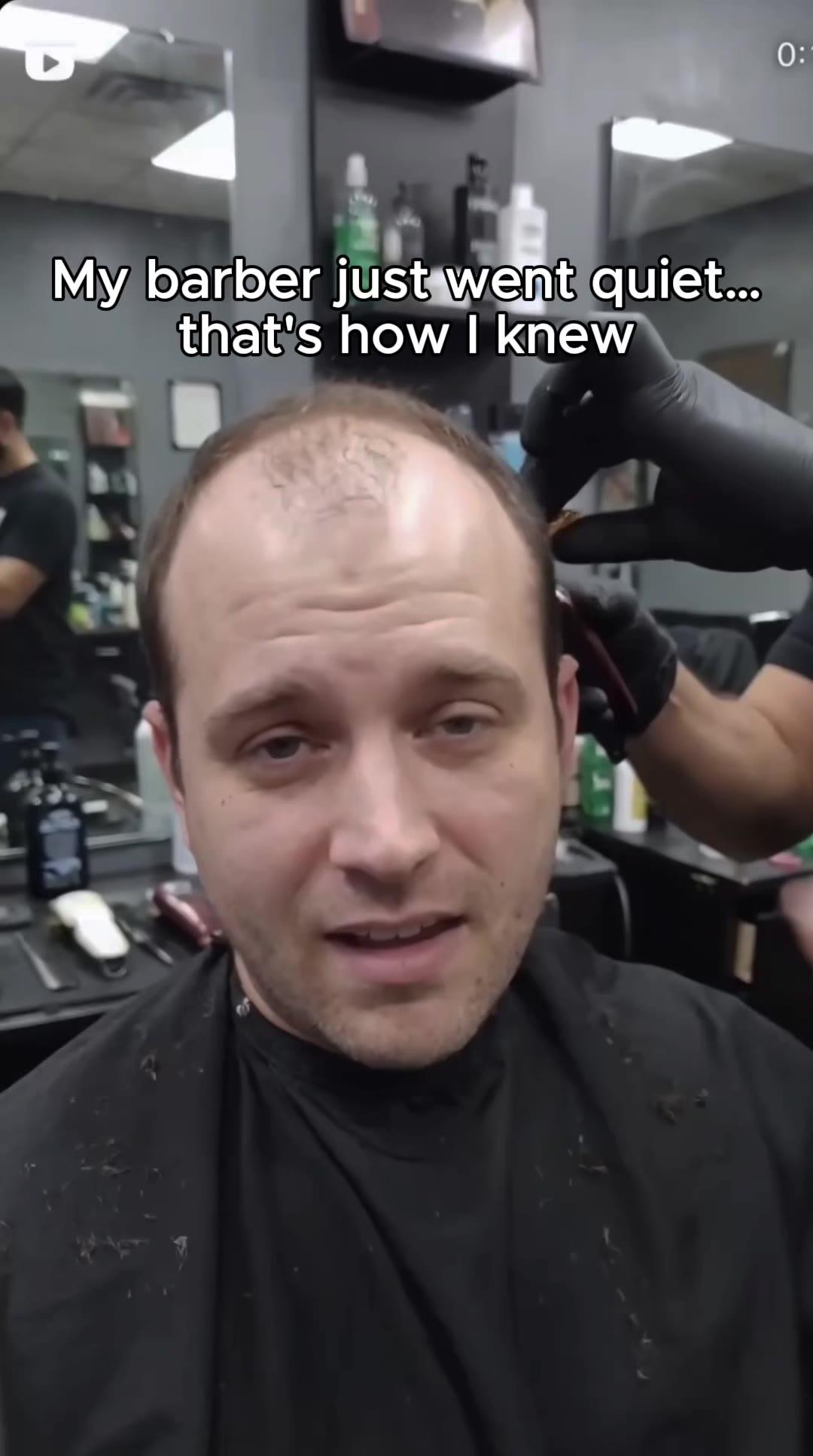





Peptide advertising is the most aggressive compliance terrain in telehealth in 2026. Most peptides are not FDA-approved for the indications brands prescribe them for, the regulatory landscape is uncertain, and platforms apply tighter scrutiny than they do for established categories like GLP-1 or ED. The brands that grow are the ones that have learned what claims trigger rejections and what to say instead.
Here are the peptide ad claims that get rejected most often, and the rewrites that get the same message through.
Pattern One: Outcome Promises
Rejected: "BPC-157 heals injuries in days." "Ipamorelin boosts growth hormone naturally." Specific outcome claims for peptides trigger FDA promotional concern and platform policy violations simultaneously.
Replacement: "BPC-157 is a research peptide studied for its potential effects on tissue repair pathways." Research framing instead of outcome claim.
Pattern Two: Performance and Recovery Hype
Rejected: "Recover like an elite athlete." "Cut your downtime in half." Performance-promise framing triggers cosmetic and performance-treatment policy reviews.
Replacement: "Patients explore peptide therapy as part of comprehensive recovery and longevity programs with their providers." Process framing without performance promise.
Pattern Three: Anti-Aging Claims
Rejected: "Turn back the clock with peptides." "Reverse the effects of aging." Anti-aging outcome language has high FDA scrutiny.
Replacement: "Peptide therapy is one tool in a broader longevity and metabolic health program supervised by a licensed clinician." Clinical context, no aging-reversal promise.
Pattern Four: Comparison to Pharmaceuticals
Rejected: "Better than steroids without the side effects." "An alternative to HGH." Comparison claims against approved drug classes are flagged consistently.
Replacement: "Peptide therapy is a distinct clinical approach with its own indications and protocols, not equivalent to or a replacement for other treatments." Differentiation without disparagement or claim.
Pattern Five: Personal-Attribute Targeting
Rejected: "Feel old and tired?" "Are your workouts not what they used to be?" Personal-attribute hooks trigger Meta's healthcare and personal-attribute policies.
Replacement: "When recovery and energy patterns shift in midlife, peptide therapy is one option providers discuss with patients." Situational framing.
This is what compliant telehealth creative looks like.
See the work →Pattern Six: Unsubstantiated Mechanism Claims
Rejected: "Peptides activate your body's natural healing." Vague mechanism claims that imply universal action are flagged by reviewers.
Replacement: "BPC-157 has been studied in preclinical research for its interaction with tissue repair signaling pathways." Specific research grounding, not universal claim.
Pattern Seven: Direct Sales Language
Rejected: "Get your peptides shipped today." "Order BPC-157 online now." Direct sales language for peptides bypasses the clinical framing platforms require.
Replacement: "Schedule a consultation with one of our licensed providers to discuss whether peptide therapy is right for you." Clinical pathway, not direct sale.
Pattern Eight: Visible Vial or Injection Imagery
Rejected: Hero shots of peptide vials, syringes, or injections in cold creative. Visible drug paraphernalia in healthcare advertising is consistently flagged.
Replacement: Provider-led explainer video without visible drug imagery, or process transparency content focused on the consultation experience rather than the medication itself.
What Stays Approved
Mechanism-of-action education grounded in peer-reviewed research, presented by a credentialed clinician.
Process transparency on what a peptide therapy consultation involves, what labs are run, and how prescribing decisions are made.
Provider authority content where a licensed clinician explains how they evaluate candidates for peptide therapy.
Patient stories framed around the consultation experience and clinical journey, without specific outcome claims. For more, see peptide advertising on Facebook.
The Short Version
Peptide ad rejections in 2026 cluster around outcome promises, performance hype, anti-aging claims, pharmaceutical comparisons, personal-attribute targeting, unsubstantiated mechanism claims, direct sales language, and visible drug imagery. Every pattern has a compliant rewrite that frames the offering around clinical context, provider supervision, and research grounding. Brands that internalize the rewrites can build sustainable peptide marketing. Brands that fight the patterns get stuck rebuilding their accounts every quarter.
Related Articles
Peptide Advertising on Facebook
Meta-specific peptide compliance.
Peptide Therapy SEO Content Strategy
Organic peptide therapy SEO.
Video Testimonials for a Peptide Brand
Testimonial format for peptide telehealth.
Compliant Ad Copy for Telehealth
Compliant copy patterns for telehealth ads.
NAD and Anti-Aging Telehealth Advertising Compliance
NAD+ therapy and anti-aging telehealth advertising faces specific FDA and FTC compliance challenges. What claims are supported, what is prohibited, and how to market these services without regulatory risk.
Creative built to pass review, and convert anyway.
A 30-minute call. We audit your creative approach and show you exactly what a complete angle-format-hook system looks like for your vertical.