Video Testimonials for a Peptide Brand
A founder's guide to producing peptide video testimonials inside the strictest compliance window in telehealth UGC. Casting, prompts, framing, and what actually stays approved.
Concepts shown are internal creative studies, not client campaigns.



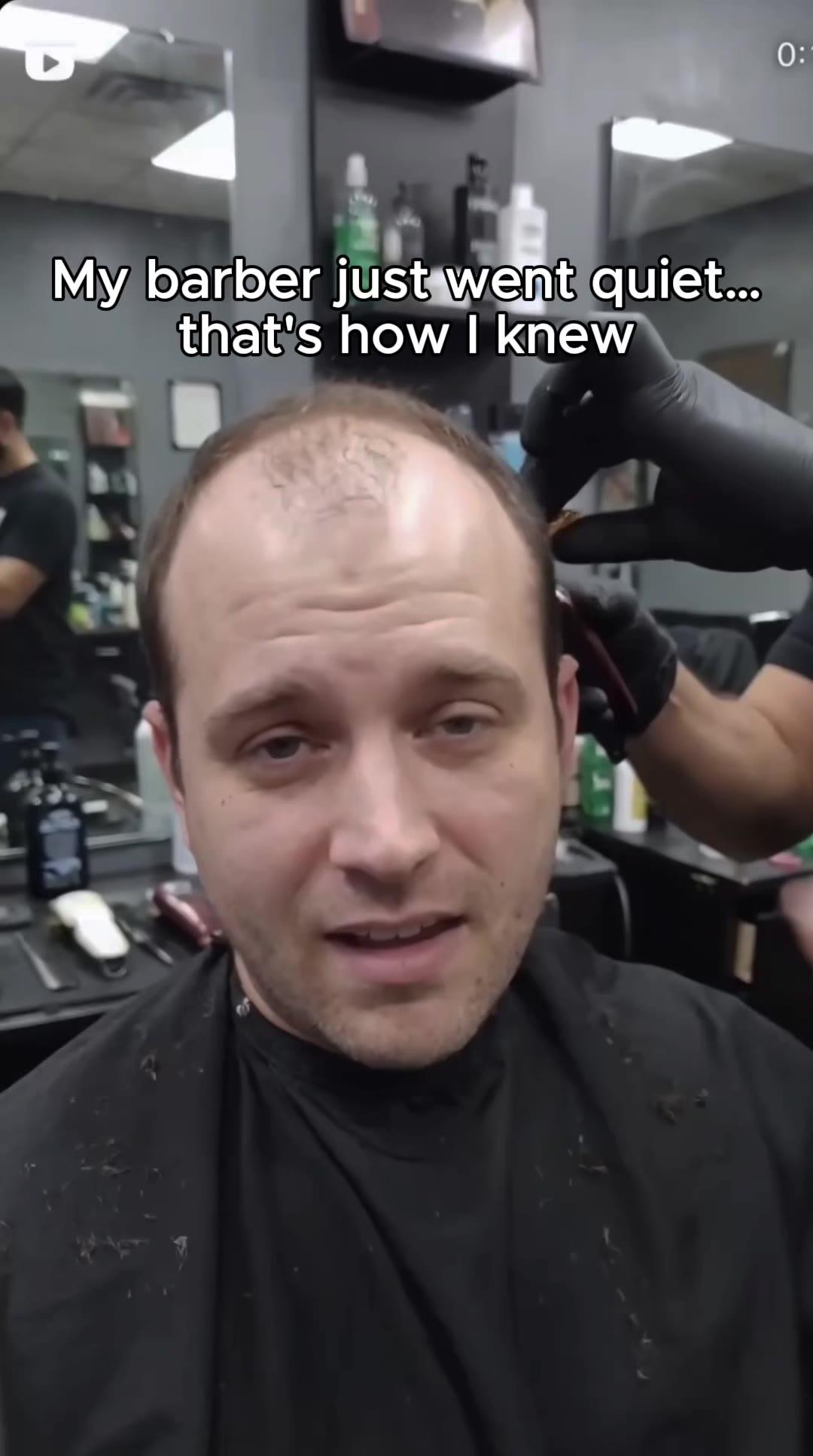




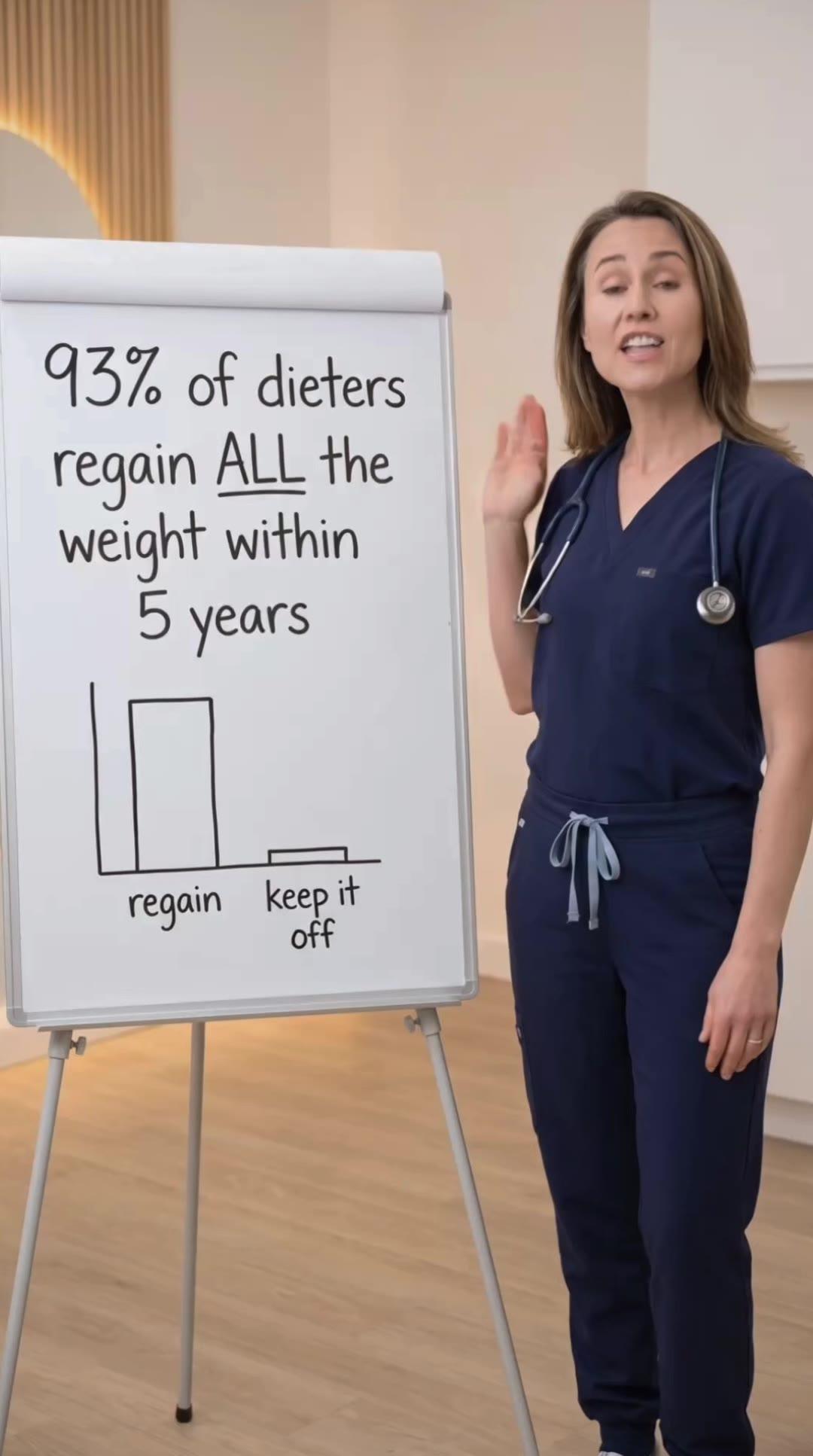
Peptide testimonials live in the tightest compliance window in telehealth UGC. Most peptides are not FDA-approved for the indications brands prescribe them for, which means outcome claims, performance promises, and aggressive results framing all create exposure. The testimonials that work for peptide brands are quieter, more clinical, and more process-focused than testimonials in other categories.
Here is how to produce peptide video testimonials that convert without crossing the lines.
Who to Cast
Real patients comfortable talking about peptide therapy as part of a broader clinical program. The audience is more sophisticated than the average telehealth patient; the testimonial needs to match that sophistication.
Avoid bodybuilders, gym influencers, and aspirational physique imagery. Peptide audiences include athletes and recovery-focused patients, but the testimonial that converts is grounded, not aspirational.
Older patients (40+) often resonate well because the longevity and recovery angle plays naturally to the demographic.
What to Ask
"What were you trying to address when you started looking into peptides?" Establishes the clinical context without making outcome promises.
"How did you find a provider you trusted?" Surfaces the trust factor that converts in this category.
"What did the consultation feel like, and what did the provider focus on?" Process transparency for an audience that values clinical legitimacy.
"What surprised you about the experience?" Generates the unexpected detail that earns trust.
"What would you tell someone researching peptide therapy for the first time?" Natural recommendation framing.
What to Avoid Asking
"How well do peptides work?" Outcome questions produce testimonials with FDA-flagged claims.
"How much faster did you recover?" Performance promises trigger platform and FDA review.
"Did you feel younger?" Anti-aging language is heavily scrutinized.
UGC formats we produce for telehealth.
See the work →Compliance Framing
Frame the testimonial around the clinical program, not the medication. "I appreciated how my provider took the time to explain what we were doing" works; "BPC-157 changed my recovery" creates exposure.
Avoid visible peptide vials, syringes, and injection imagery. Drug paraphernalia in healthcare creative is flagged across platforms.
Disclose that the testimonial reflects an individual experience and outcomes vary. Include language that peptides may be considered research compounds for certain indications.
For broader peptide claim guidance, see peptide ad claims that get rejected.
What to Show on Camera
The patient in a natural, grounded setting. Home office, kitchen, casual outdoor setting. No gym, no clinical settings, no aspirational backdrops.
Patient credentials or context (occupation, training background, family). Builds authenticity for a research-engaged audience.
Avoid: shirtless or revealing wardrobe choices, before-after physique comparisons, peptide vials or syringes.
Length and Structure
Seventy-five to ninety seconds. Peptide testimonials can support longer formats because the audience is research-engaged and wants context.
Open with the clinical situation that drove the research, middle with the provider relationship and consultation experience, end with the recommendation framing and what the patient values about the program.
Where Peptide Testimonials Perform
Retargeting audiences who reviewed peptide content but did not book. The clinical legitimacy framing closes the consideration step.
YouTube long-form content where research-mode audiences spend time. Peptide testimonials thrive in YouTube's environment.
Reddit and niche community advertising where the audience values authentic clinical context.
SEO-embedded testimonials on cluster content pages. For more, see peptide therapy SEO content.
The Short Version
Peptide video testimonials work when you cast grounded patients (not aspirational athletes), ask about the clinical program and provider relationship rather than outcomes, frame the experience around process and trust, and stay strictly inside the FDA and platform compliance lines. Brands that produce peptide testimonials this way earn the trust the category requires. Brands that lean on performance framing or visible drug imagery get flagged and start over.
Related Articles
Peptide Ad Claims That Get Rejected
Peptide claims that fail and the rewrites that work.
Peptide Advertising on Facebook
Peptide compliance and creative on Meta.
Peptide Therapy SEO Content Strategy
Organic peptide therapy SEO content.
Patient Testimonials in Telehealth Marketing
General patient testimonial framework.
UGC systems built for telehealth.
A 30-minute call. We audit your creative approach and show you exactly what a complete angle-format-hook system looks like for your vertical.