Why TikTok Bans Compounded Medication Ads
TikTok's compounded medication ban is broader and more aggressively enforced than most telehealth brands expect. Understanding the policy rationale — and the account-level risk it creates — helps you build a strategy that does not blow up your ad access.
Concepts shown are internal creative studies, not client campaigns.
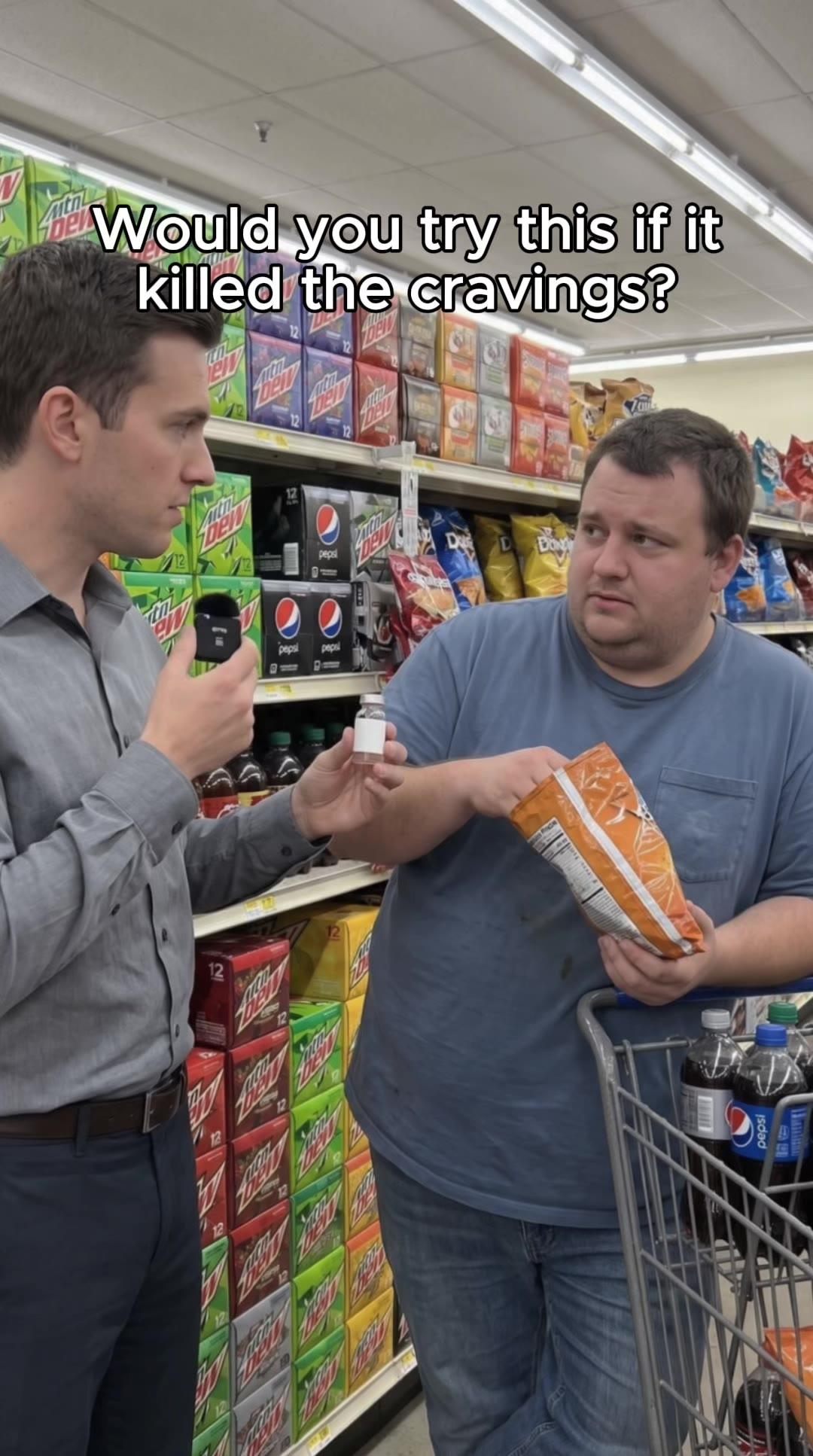
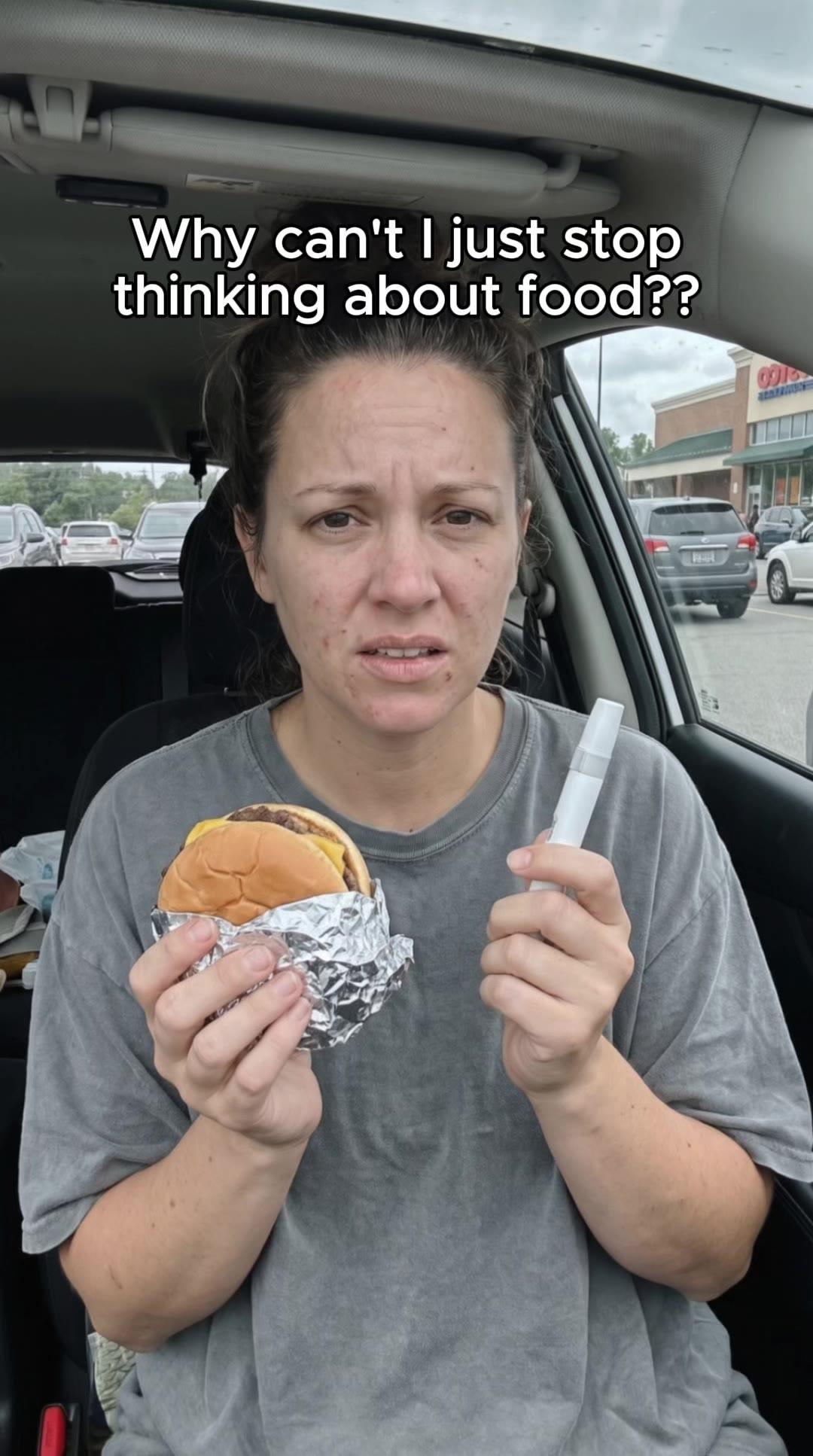

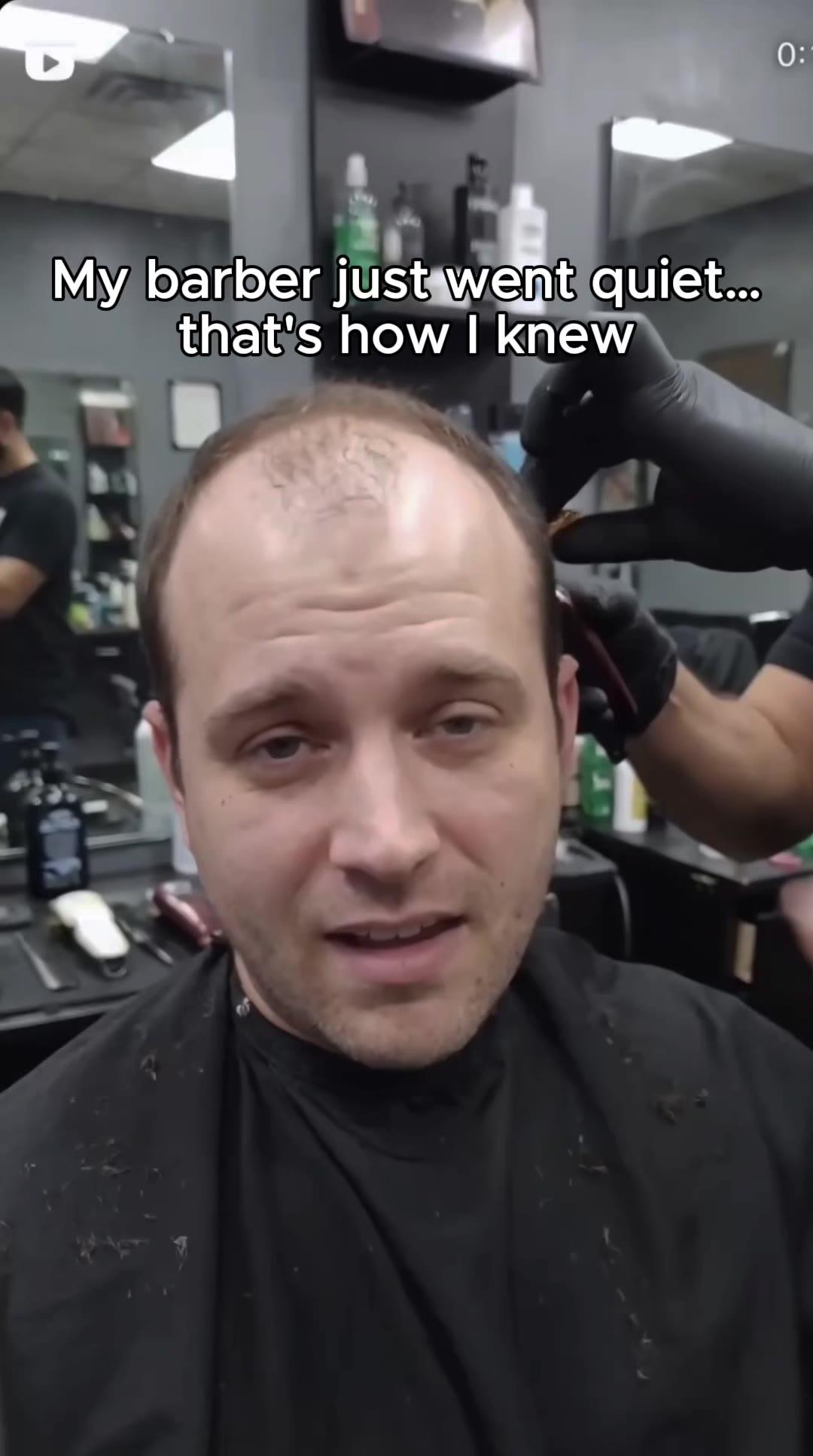




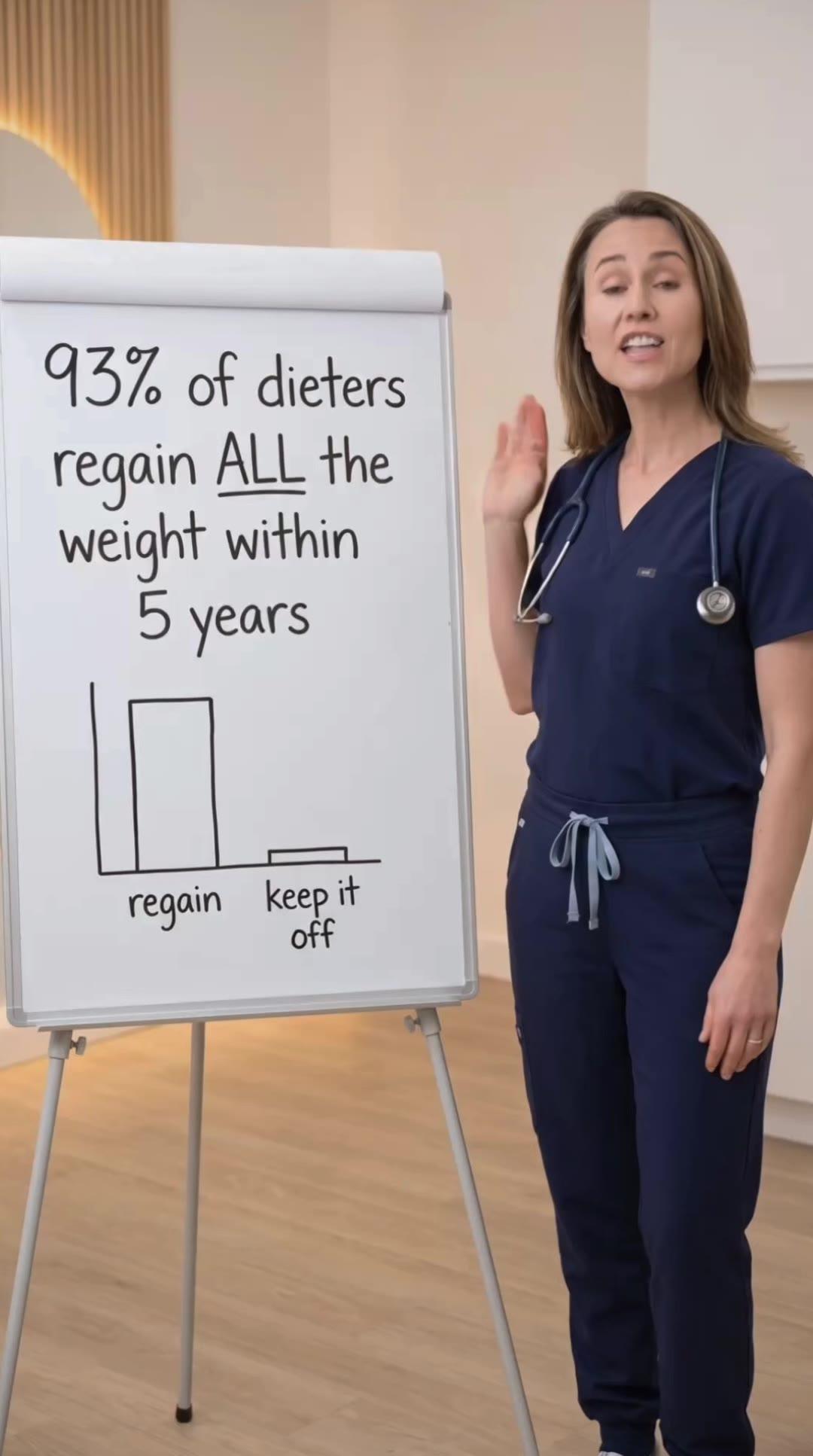
The compounded medication TikTok ban catches many telehealth brands by surprise, not because the policy is hidden but because its scope is wider than most advertisers anticipate. TikTok's restriction covers any advertising that promotes the use, purchase, or prescription of compounded drugs — and the platform enforces this more aggressively than either Meta or YouTube. Understanding exactly why TikTok has taken this position, how detection works, and what the account-level consequences are helps you navigate the platform strategically rather than walking into a compliance problem that damages your long-term advertising access.
Compounded medications affected by this ban include the categories that have driven significant telehealth growth in recent years: compounded semaglutide and tirzepatide for weight management, compounded testosterone formulations for hormone health, peptide compounds for optimization medicine, and other physician-prescribed preparations from compounding pharmacies. If your telehealth brand's primary value proposition involves a compounded drug, TikTok paid advertising requires a carefully constructed strategy that keeps the compound itself out of the frame.
What TikTok Actually Defines as Compounded Medication Advertising
TikTok's healthcare advertising policy defines compounded medication advertising broadly: any ad that promotes the use, purchase, or prescription of compounded drugs falls within the restriction. This covers direct product promotion (obviously), but it also covers ads that reference specific compounded formulations by name, ads whose landing pages describe compounded drug options in detail, and ads that use compounding pharmacy branding or describe a compounding partnership as a feature.
The scope surprises brands because the restriction applies to the ad unit and its destination page together. A brand can write ad copy that never mentions a specific compound, but if that ad drives to a landing page where compounded semaglutide is prominently described as a product offering, the ad fails TikTok's landing page review. TikTok crawls destination URLs during the review process, and the page content is evaluated as part of the ad review — not separately.
This means compounded telehealth brands cannot simply clean up their ad copy and call it done. The full funnel — the ad, the landing page, and in some cases the connected domain — needs to be evaluated for policy compliance before running TikTok paid campaigns. Brands that have detailed compounding pharmacy descriptions, compound-specific product pages, or pricing listed by compound type on their primary site need to build separate TikTok-specific landing pages or subdomains that lead only with the consultation service.
The Regulatory Context Behind TikTok's Position
TikTok's aggressive enforcement of compounded medication advertising policy is not arbitrary — it is a response to the regulatory environment that intensified through 2025. The FDA's enforcement actions against compounded GLP-1 medications, which included warning letters to compounding pharmacies and telehealth platforms making non-compliant claims, elevated platform risk awareness across the industry. When regulators signal that a category is under active enforcement scrutiny, platforms respond by tightening their own standards to reduce the risk of being seen as facilitating non-compliant advertising.
The FDA's concerns about compounded GLP-1 medications specifically centered on unapproved drug claims, quality control questions, and the marketing of compounded versions of brand-name drugs during periods of drug shortage. TikTok's response was to treat the entire compounded medication category as elevated risk regardless of the specific compound — a broad brush approach that catches well-operated telehealth brands along with problematic ones.
Understanding this context matters because it tells you the policy direction. TikTok is unlikely to liberalize its compounded medication advertising standards while the FDA continues active enforcement in these categories. Brands building long-term TikTok channel strategies for compounded medication telehealth need to plan around this restriction persisting rather than hoping for policy change.
How TikTok Detects Compounded Medication Ads
TikTok uses a combination of keyword scanning, image analysis, and landing page review to detect compounded medication advertising. The keyword scanning operates on ad copy and identifies drug names, compounding-related terms ("compounded," "compounding pharmacy," "custom formulation" in pharmaceutical contexts), and performance or health outcome claims associated with specific compounds.
Image and video analysis has become more sophisticated — TikTok's review systems can flag visual elements that are associated with pharmaceutical advertising, including pill or syringe imagery in contexts that imply consumer drug access, before/after health transformation visuals, and packaging that resembles pharmaceutical products. Brands using visual elements borrowed from product photography or clinical settings face higher scrutiny than brands using lifestyle or consultation-focused visuals.
Landing page review is conducted on the destination URL provided in the ad. The review scans for pharmaceutical product descriptions, compounding pharmacy identifiers, specific compound offerings presented as purchasable or prescribable options, and pricing associated with drug products. This review happens at the time of ad submission and can also be triggered by policy review processes applied to active campaigns.
This is what compliant telehealth creative looks like.
See the work →The Account-Level Risk Most Brands Underestimate
The most significant compliance risk from compounded medication ads on TikTok is not the individual ad rejection — it is the account-level consequence. TikTok accumulates policy violations at the account level, and healthcare category violations in particular can trigger broad restrictions on all health-adjacent advertising from the affected account. A brand that runs several compounded medication ads that receive healthcare policy violations may find that subsequent campaigns in any health category face increased scrutiny or outright restrictions.
In the most serious cases, repeated healthcare policy violations result in ad account restrictions that are difficult to appeal and may require establishing new account infrastructure to resolve. For brands that have built TikTok paid advertising into their customer acquisition strategy, an account-level restriction is a material business disruption — not just a temporary inconvenience.
This asymmetric risk — where the downside of getting it wrong is much larger than the upside of squeezing past the policy line — is why the standard advice for compounded medication telehealth brands on TikTok is to be more conservative than you might think necessary. Test clean service-framed creative before testing anything more aggressive. Protect the account record above all else.
Compliant TikTok Strategy for Compounded Medication Telehealth
The viable paid advertising path on TikTok for compounded medication brands is the service-and-consultation frame: advertising the physician access and the health assessment process, not the compound being prescribed. An ad for a weight management telehealth program that focuses on physician supervision, metabolic health assessment, and personalized treatment plans — without naming semaglutide, tirzepatide, or compounded GLP-1 — can run on TikTok. The same program advertised as "get compounded semaglutide prescribed online" cannot.
The landing page discipline this requires is non-trivial. Your TikTok destination page needs to lead with the consultation, the physician team, the health program, and the intake process — and defer the specific treatment discussion to post-conversion, in the physician consultation itself. This is not fundamentally dishonest; physician-supervised telehealth programs legitimately differentiate themselves on their clinical approach, their physician network quality, and their care protocols. Those are real differentiators worth advertising.
Where Compounded Medication Brands Should Invest Instead
Meta has more established compliance pathways for compounded medication telehealth than TikTok. The Meta pre-approval process for healthcare advertisers creates a higher bar for getting started, but the enforcement patterns for approved accounts are more predictable and the category restrictions are less broad. Brands that have established healthcare advertiser status on Meta can run more direct messaging about their services than TikTok's standard policy allows.
Organic TikTok content operates under different policy standards than paid advertising and remains a viable channel for compounded medication telehealth brands. Educational content about the conditions that compounded treatments address — metabolic health, hormone optimization, recovery medicine — builds audiences on TikTok without triggering the paid advertising restrictions. That organic audience can be converted through other channels, and some of it can be amplified through Spark Ads where the content framing avoids direct compound promotion.
Google Search with LegitScript certification captures high-intent users who are actively searching for compounded medication options — the intent signal from search makes it a high-conversion channel despite higher CPCs. For brands with the certification overhead sorted out, Google Search often delivers better patient quality than TikTok even without TikTok's volume. The channel allocation question for compounded medication telehealth brands in 2026 is not whether to use TikTok — it is how to build a compliant multi-channel strategy that reduces dependence on any single platform's policy decisions.
Related Articles
Can I Advertise Compounded Medications Online
Rules for advertising compounded medications through telehealth. Platform policies, FDA considerations, and what framing gets approved.
Can I Advertise Ozempic Online
What you can and cannot say when advertising Ozempic and GLP-1 medications online. Platform rules, FDA considerations, and compliant framing.
How to Advertise GLP-1 Weight Loss on Facebook in 2026
Complete compliance guide for advertising semaglutide and tirzepatide telehealth services on Meta. What claims work, what gets banned, and how to scale.
Creative built to pass review, and convert anyway.
A 30-minute call. We audit your creative approach and show you exactly what a complete angle-format-hook system looks like for your vertical.