Can You Advertise Peptides on TikTok in 2026
Peptide advertising on TikTok is one of the most ambiguous paid media problems in telehealth. Platform enforcement is inconsistent, the regulatory status of peptides is genuinely unclear, and the approach that works depends heavily on what you're promoting and how you frame it.
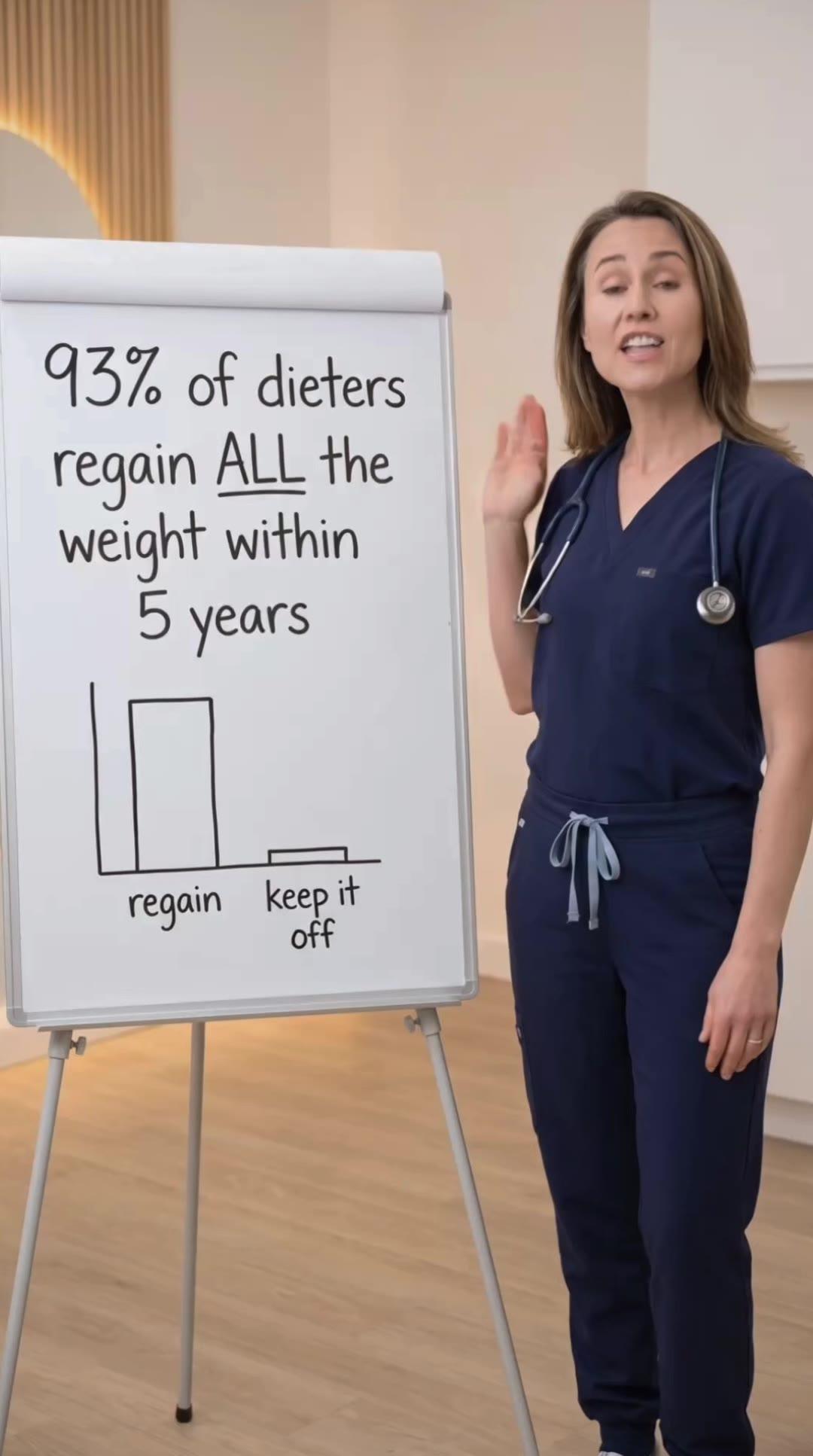
Concepts shown are internal creative studies, not client campaigns.
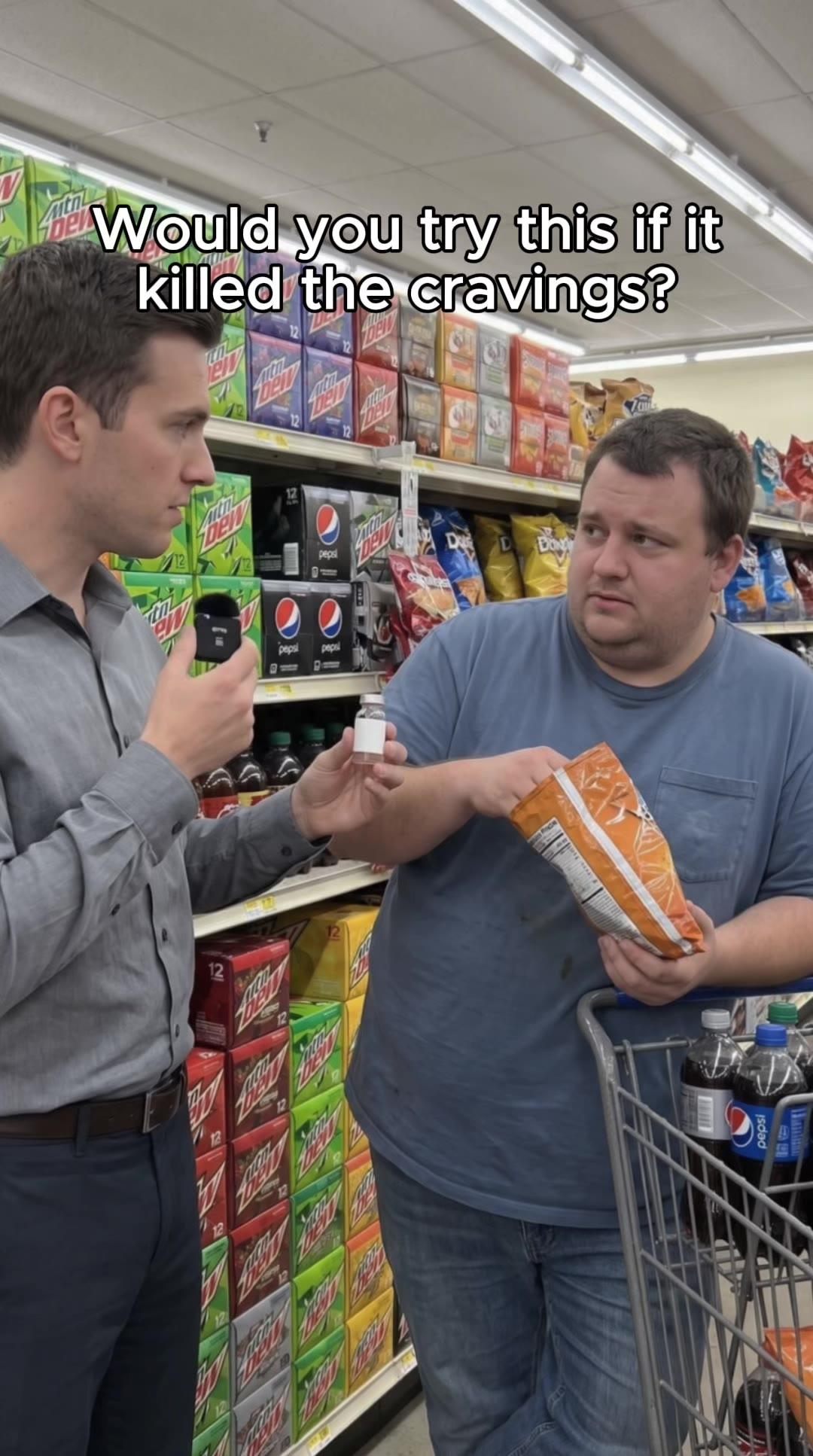
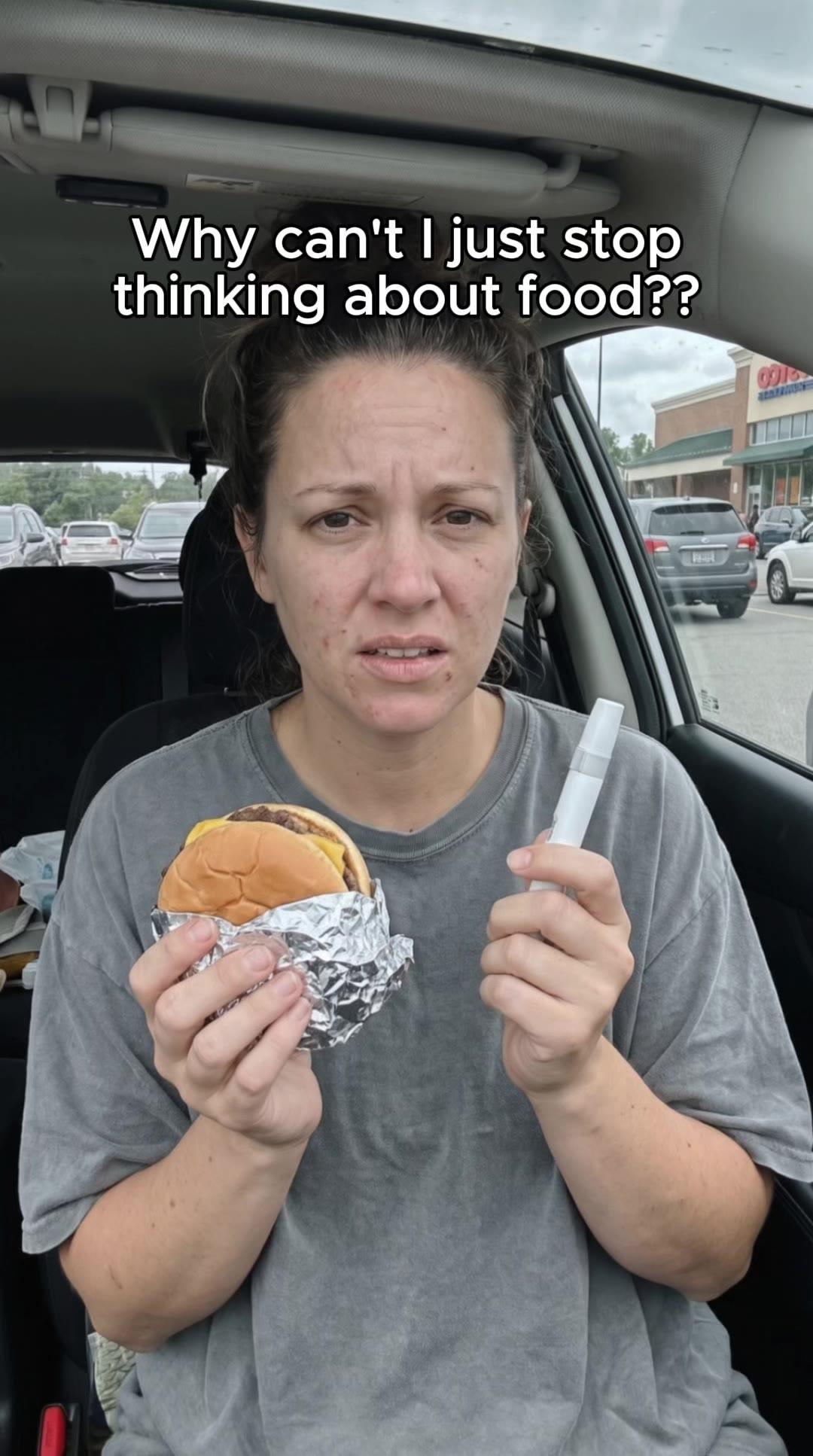

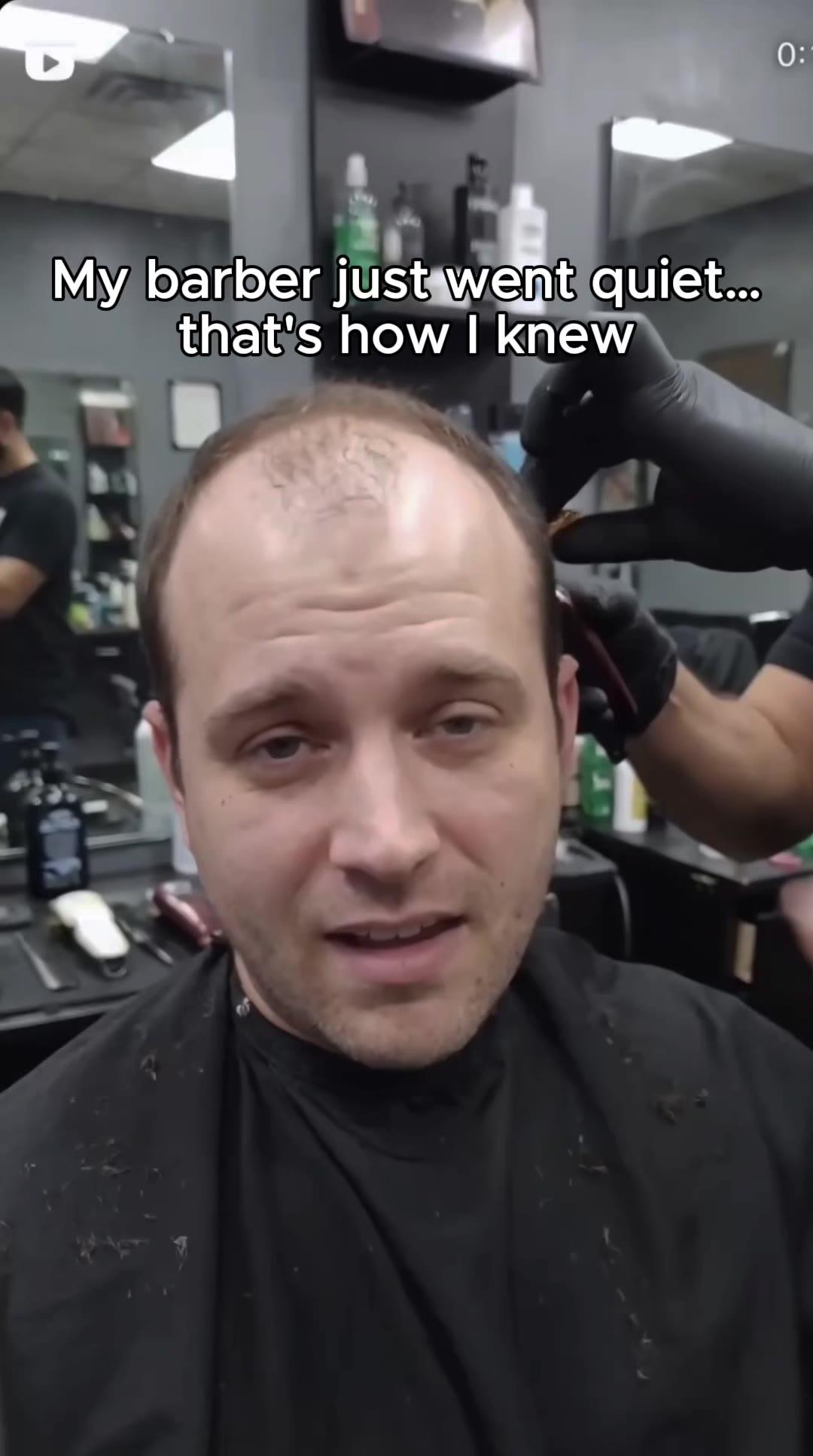



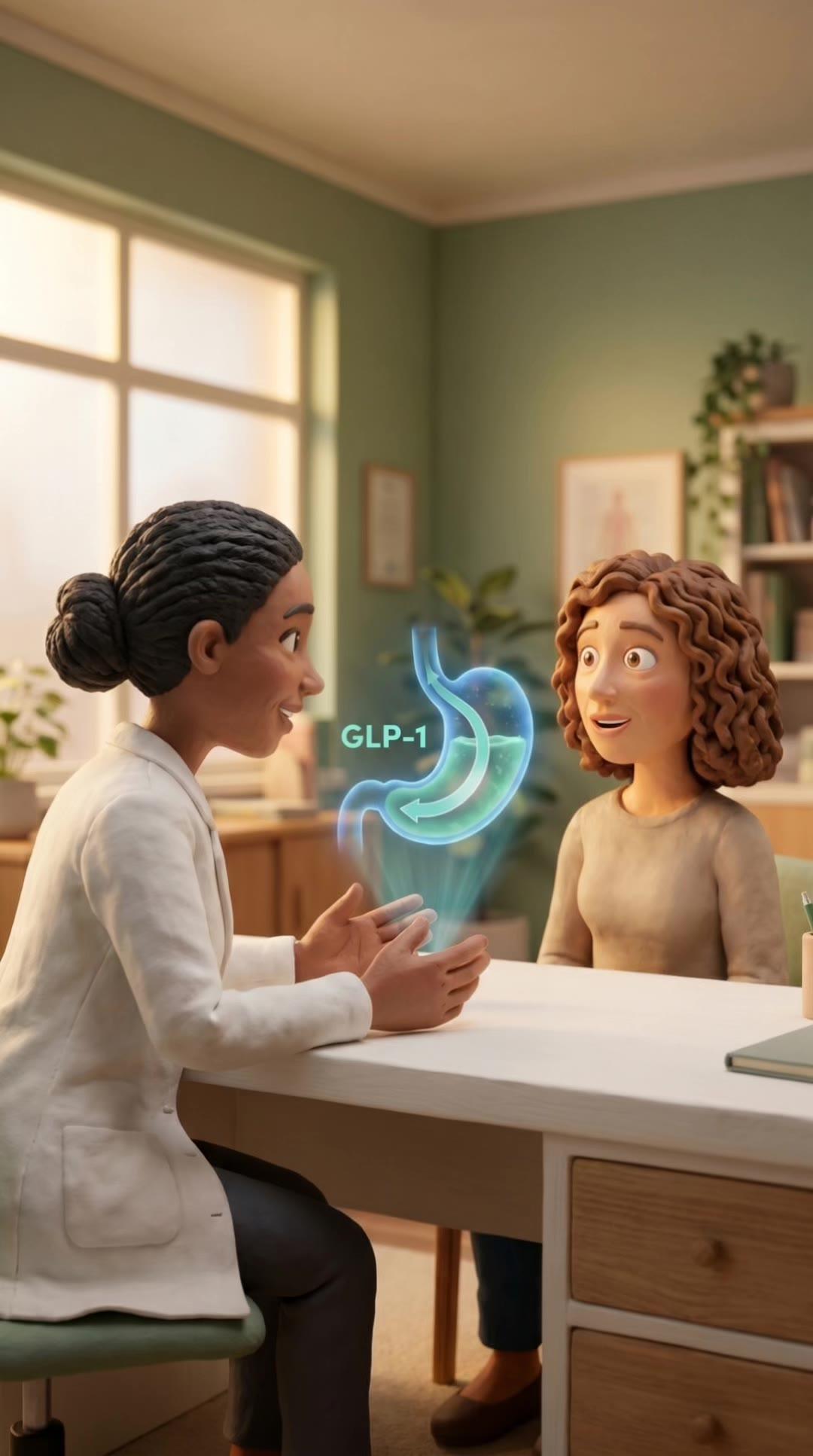
If you want to advertise peptides on TikTok, the challenge is not simply knowing the rules — it is that the rules are inconsistently applied, the regulatory status of peptides is genuinely ambiguous, and what gets approved or rejected varies by account history, creative execution, and which part of TikTok's review infrastructure happens to evaluate your ad. That inconsistency is not a reason to avoid TikTok entirely for peptide brands, but it is a reason to approach it strategically rather than naively.
Peptide therapy occupies a regulatory space that does not map cleanly onto any existing category. Peptides are not FDA-approved drugs in most cases. They are not controlled substances. They are not supplements in the traditional OTC sense. They are physician-prescribed compounded preparations that fall under compounding pharmacy regulation — which means they carry the platform risk of compounded medications without the clarity that comes with scheduled drug status. Platforms like TikTok are making judgment calls about peptide advertising based on incomplete policy frameworks.
What TikTok's Policy Framework Means for Peptides
TikTok applies its Healthcare and Pharmaceutical advertising policy to peptide-related ads. The policy was written primarily around pharmaceutical drugs and healthcare services — not with peptide therapy specifically in mind. What this means practically is that TikTok's automated review systems apply pattern-matching to peptide ads rather than a specific peptide policy.
The pattern-matching flags certain peptide names in treatment or efficacy contexts. BPC-157 referenced in a context that implies health improvement triggers healthcare policy flags. TB-500 in a recovery performance context reads as a pharmaceutical claim. CJC-1295 or Ipamorelin referenced as optimization tools in an ad context draws scrutiny. The platform's systems are detecting terms associated with performance-enhancing or pharmaceutical-adjacent uses and treating them accordingly.
Framing that avoids specific peptide names but uses broadly understood optimization language — "physician-supervised wellness protocols," "functional medicine consultation," "optimization medicine services" — passes review at a higher rate because it does not trigger the keyword flags. The tradeoff is that you are advertising a category rather than a specific product, which requires the audience to do more work to understand what you offer.
What Gets Flagged and What Gets Through
The most reliable pattern for what gets rejected: peptide names used in performance or efficacy contexts, "research peptide" language that carries over from supplement-market positioning, bodybuilding or athletic performance framing, before/after recovery claims linked to specific peptides, and landing pages that list peptide protocols with compounding pharmacy details.
What sometimes gets through: service-level framing focused on physician access and health optimization consultation, educational content about the conditions peptide therapy addresses rather than the peptides themselves, creator content that discusses personal wellness journeys without making therapeutic claims about specific compounds, and Spark Ads from functional medicine practitioners who have established organic content with an educational tone.
The landing page issue deserves emphasis specific to peptide brands. Many peptide telehealth brands have landing pages that list available peptides with descriptions of what each one does. Those pages fail TikTok's landing page review for paid advertising, even if the ad itself uses clean service framing. If you want to test TikTok paid ads for peptide telehealth, build destination pages specifically for paid traffic that lead with the consultation and physician access rather than the compound menu.
Organic Content vs Paid Ads — The Real Opportunity
The peptide community on TikTok is substantial and active. Practitioners, patients, and educators discussing peptide therapy, biohacking protocols, and optimization medicine build large organic followings. The organic content environment is governed by different and more permissive policies than paid advertising — TikTok's content policies for organic posts are about harm prevention, not advertising compliance.
This creates the most compelling TikTok opportunity for peptide brands: invest in organic content through your own account or creator partnerships, build an audience through educational and experiential content, and use Spark Ads to amplify the posts that perform best organically. The Spark Ads pathway allows you to put paid distribution behind content that already has organic credibility and engagement — and that credibility shifts how TikTok's review systems evaluate the content.
Functional medicine practitioners who prescribe peptides as part of broader optimization programs have a particularly strong organic TikTok presence. Partnering with these practitioners for creator content — where they discuss their clinical approach, the conditions they address, and their philosophy around physician-supervised optimization — produces content that builds audience and can be supported with paid spend without the compliance problems that direct brand ads face.
This is what compliant telehealth creative looks like.
See the work →Testing Paid Peptide Ads on TikTok
If you want to determine whether paid peptide advertising is viable for your specific brand on TikTok, start with the most conservative possible framing — physician-supervised wellness consultation, optimization medicine access, functional medicine services — and test with a minimal budget. The purpose of this test is not volume; it is learning whether your account and creative can clear review in this category.
Monitor rejection rates carefully. If initial service-framed ads clear review at a reasonable rate, you have a foundation to build on. If they are consistently rejected, the account may already have category restrictions that make TikTok paid advertising non-viable for your health category until account history improves.
For ads that are rejected, use TikTok's human review escalation process. Automated rejections in healthcare categories are sometimes reversed on human review, particularly for ads that are genuinely service-focused and whose rejection appears to be keyword-triggered. Documentation of your telehealth provider's licensure and the physician-supervised nature of your service strengthens human review appeals.
How TikTok Compares to Meta and Google for Peptide Brands
Meta is more permissive than TikTok for peptide telehealth advertising when service framing is used. Facebook and Instagram ads that lead with the physician consultation and optimization medicine angle — without naming specific peptides in the creative or on the destination page — have a workable approval rate for brands that have built clean Meta ad account histories. Meta's healthcare enforcement is more predictable than TikTok's, and the audience demographic for optimization medicine skews older in ways that match Meta's user base better than TikTok's.
Google is viable for peptide telehealth brands that obtain LegitScript certification or equivalent third-party verification. The certification process confirms that the telehealth provider is a legitimate licensed medical practice, which unlocks healthcare service advertising on Google and YouTube. Google Search is particularly valuable for peptide brands because it captures high-intent users actively searching for peptide therapy information — the compliance overhead of LegitScript certification is justified by the quality of that intent signal.
Long-Term Channel Strategy for Peptide Brands
The most durable marketing strategy for peptide telehealth brands in 2026 inverts the typical paid-media-first approach. Organic content — on TikTok, YouTube, and Instagram — builds audience and authority with fewer compliance constraints than paid advertising in any of these channels. Brands that invest seriously in educational organic content about optimization medicine, functional health, and physician-supervised wellness protocols build the kind of audience that is difficult to reach through paid advertising alone.
Paid media then amplifies what the organic content has established. Spark Ads behind high-performing organic posts, retargeting audiences built from organic engagement, Google Search capturing the intent signal from people who have been exposed to educational content — these paid approaches work better because they have organic foundations beneath them.
Peptide brands that rely primarily on paid advertising to drive awareness face consistent compliance friction across every platform. Brands that treat organic content as their primary audience-building engine and use paid advertising conservatively for amplification and intent capture face substantially less compliance overhead and build more defensible competitive positions over time.
Related Articles
Can I Advertise Compounded Medications Online
Rules for advertising compounded medications through telehealth. Platform policies, FDA considerations, and what framing gets approved.
Can I Advertise Ozempic Online
What you can and cannot say when advertising Ozempic and GLP-1 medications online. Platform rules, FDA considerations, and compliant framing.
Before and After Claims in Telehealth Ads
How to handle before and after content in telehealth advertising. What platforms allow, FTC rules, and compliant alternatives.
Creative built to pass review, and convert anyway.
A 30-minute call. We audit your creative approach and show you exactly what a complete angle-format-hook system looks like for your vertical.