Peptide Ad Creative for Telehealth Brands
The most creatively constrained vertical in telehealth — and how to produce ads that stay in compliance, reach the right audience, and actually drive consultations.
Concepts shown are internal creative studies, not client campaigns.



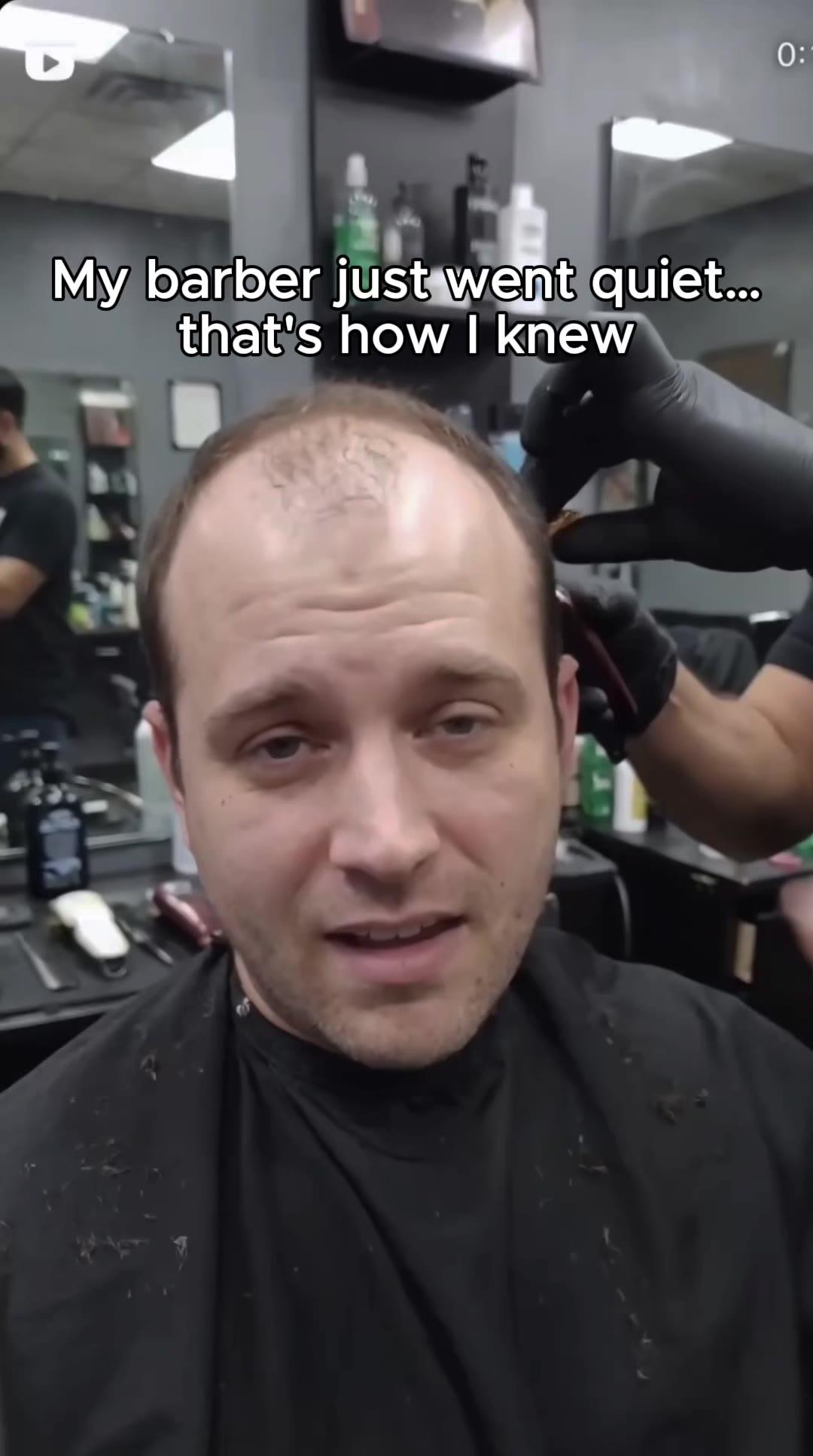




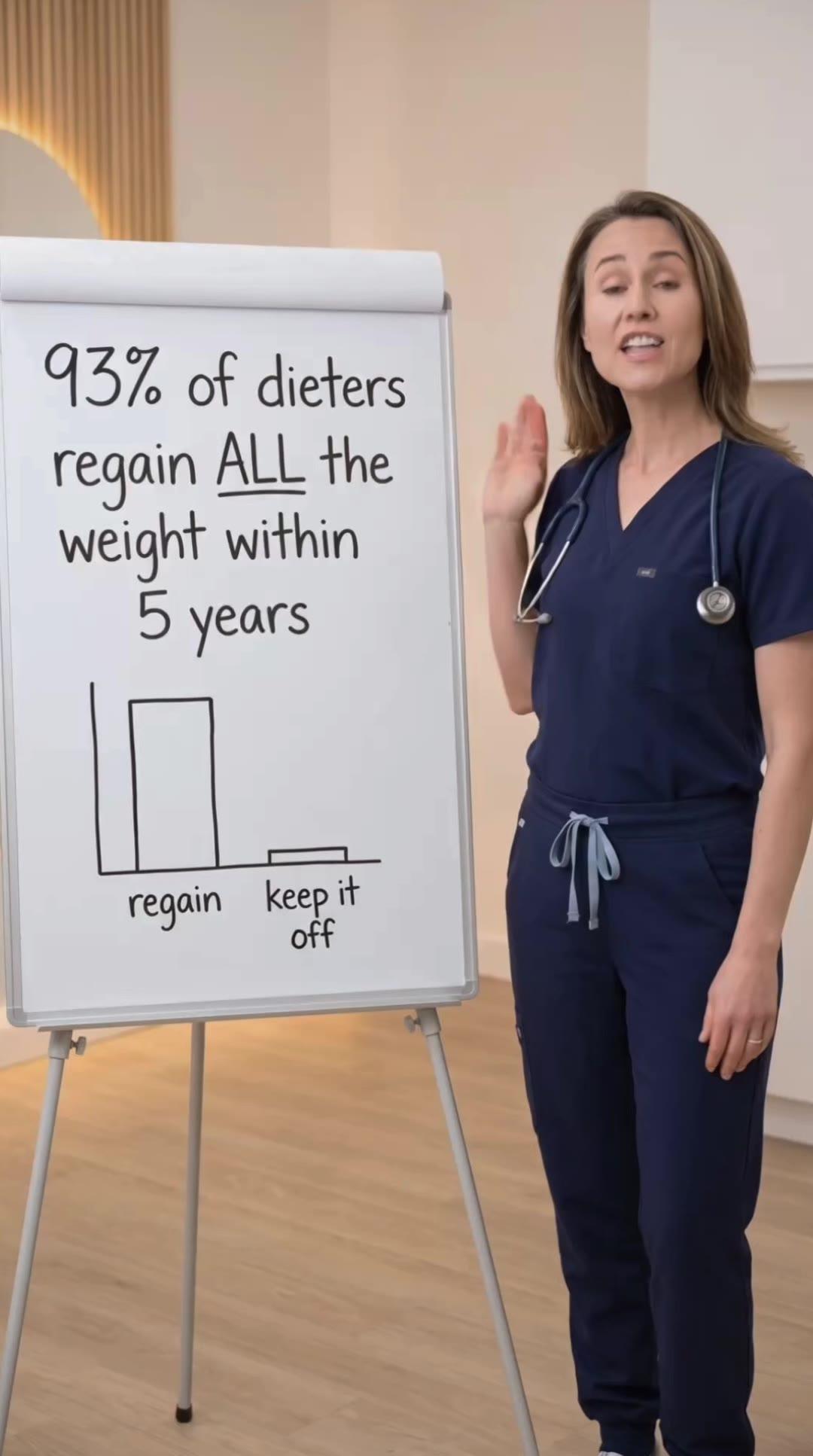
Peptide ad creative for telehealth brands is the most challenging production problem in the space. The compounds themselves — BPC-157, TB-500, CJC-1295/Ipamorelin, Sermorelin, AOD-9604, PT-141 — occupy a regulatory gray area where they are neither FDA-approved prescription drugs nor regulated supplements. That gray area creates specific creative requirements: you cannot describe them the way you'd describe a drug, you cannot make the claims you'd make for a supplement, and platforms treat them inconsistently enough that what works on one account may get another account restricted.
The Regulatory Context You're Working In
Most peptides in the telehealth market are compounded under physician supervision and prescribed off-label or under the "research compound" classification. This is not a loophole — it's the actual legal structure under which these programs operate. But it shapes what you can say in advertising. You cannot make disease treatment claims (BPC-157 cannot be advertised as treating any specific injury or condition). You cannot make drug efficacy claims that imply FDA approval. And you cannot compare these compounds to FDA-approved drugs, even if published research suggests comparable mechanisms.
The FTC's standard for advertising claims requires substantiation — if you make a claim, you need evidence to back it up. For compounds with limited or preliminary human trial data, this creates real constraints on what you can assert. "Physician-supervised peptide program" is substantiable. "Proven to accelerate recovery from soft tissue injury" is not, for most peptides in current clinical evidence. Know the difference before you write copy.
Creative Angles That Pass Compliance
The creative angles that consistently pass review and convert for peptide programs are those that position the offering as a physician-supervised wellness and optimization program, not a drug treatment. "Peptide therapy consultation" is accurate and neutral. "Physician-supervised peptide programs" establishes medical legitimacy without making treatment claims. "Optimization medicine" and "sports recovery support" describe the category without asserting specific clinical outcomes.
The educational creative format performs particularly well. A licensed medical professional explaining what peptides are — short amino acid chains that act as biological signaling molecules — how they work in the body at a mechanistic level, and who might be a candidate for a physician-supervised consultation is both compliant and effective. It positions the brand as credible, gives the audience enough information to feel informed, and doesn't make outcome claims beyond what the science supports.
Interest-based audience targeting around biohacking, longevity, sports performance, and health optimization reaches the audience that already has context for peptide programs and is most likely to take action. You're not educating someone from zero about what a peptide is — you're surfacing a relevant medical offering to someone already operating in that space.
What Gets Peptide Ads Rejected
The rejection triggers in peptide advertising cluster around three areas. First, any claim that a peptide treats a specific disease or injury — "BPC-157 for torn ligament recovery" is a disease treatment claim and will get rejected and potentially trigger account review. Second, before/after performance claims that attribute a specific athletic or physical outcome to the peptide — this reads as a performance-enhancing drug claim and raises both policy and FTC concerns. Third, bodybuilding-adjacent language that implies the compounds are used as performance-enhancing drugs (PEDs) — this is particularly true for growth hormone secretagogues like CJC-1295 and Ipamorelin, where the bodybuilding association is strong enough that careless language can undermine an otherwise compliant ad.
Platform behavior for peptide ads is genuinely inconsistent. Some Meta ad accounts run peptide ads for months without issue. Others encounter restrictions almost immediately. Account history, prior approval record, and the broader category signals on a given account all factor into how the algorithm and human reviewers treat new peptide creative. This means that if you're running peptide programs across multiple brands or entities, tracking which accounts have clean approval histories and routing new peptide creative through those accounts is a meaningful operational decision.
Concepts we ship across every awareness stage.
See the work →TikTok and Organic Strategies
TikTok paid advertising for peptide programs is difficult. The platform's healthcare ad policies are evolving, and peptide content gets caught in review frequently. Organic content and Spark Ads — boosted creator content that lives as an organic post — work meaningfully better than cold paid ads in this space. Creators and practitioners who post educational content about peptide therapy and optimization medicine build audiences that have both context and intent, and boosting that content with Spark Ads preserves the organic credibility while adding paid reach.
The TikTok audience skews younger than the typical telehealth buyer, but the biohacking and optimization medicine subculture on TikTok is real and growing. Longer-form educational content — a practitioner explaining the difference between growth hormone secretagogues and HGH, or walking through what a peptide consultation involves — finds engaged audiences even without paid amplification.
Differentiating on Creative Quality
Most peptide brands use undistinguished imagery — generic lifestyle photography of athletes, stock clinical imagery, or poorly produced talking-head videos. The creative quality bar in this vertical is low enough that professional production is a genuine differentiator. A clean, medical-aesthetic visual approach — precise copy, professional lighting, physician credentials visible, no gym-bro visual language — signals the kind of medical legitimacy that peptide audiences are actively looking for.
This audience is also not mass market. They've read about peptides. They know what BPC-157 is. They've probably considered sourcing research compounds themselves before deciding that a physician-supervised program is safer and more accountable. Creative that speaks to that level of prior knowledge — without being exclusionary — converts better than creative that explains the basics. You're talking to someone already in the funnel, not someone encountering the concept for the first time.
Handling Disclaimers Without Killing Conversion
Required disclaimers in peptide advertising — "These statements have not been evaluated by the FDA. This product is not intended to diagnose, treat, cure, or prevent any disease" — can feel like conversion killers when placed prominently. The solution is to integrate them as visual text at the bottom of the creative frame rather than voiceover, and to time them to appear during the ad rather than dominating the opening or closing frames that have the highest attention value.
In video creative, the disclaimer appearing as a lower-third during content — the same way pharmaceutical TV ads display them — signals compliance without disrupting the narrative. Your compliance team should confirm the placement meets requirements for your specific state and platform context, but most implementations that are visible and readable satisfy the substantive disclosure requirement without dominating the viewer experience.
Related Articles
NAD and Anti-Aging Ad Creative That Works
How to produce ad creative for NAD and anti-aging telehealth programs. Creative angles, compliance, platform strategy, and what actually drives consultations.
TRT Ad Creative That Converts in 2026
Hook patterns, creative formats, compliance guardrails, and the angles that consistently drive TRT patient acquisition.
Branding vs Direct Response in Telehealth Advertising
When telehealth brands should run brand-building creative versus direct response. How to allocate budget and structure campaigns for each objective.
Ready to build a testing system that scales?
A 30-minute call. We audit your creative approach and show you exactly what a complete angle-format-hook system looks like for your vertical.