Brand Ads vs Direct Response Ads for Telehealth Brands
A founder's view on when telehealth brands should invest in brand-building advertising and when direct response should carry the whole load. The trade-offs, the sequence, and the mistakes most founders make.
Concepts shown are internal creative studies, not client campaigns.







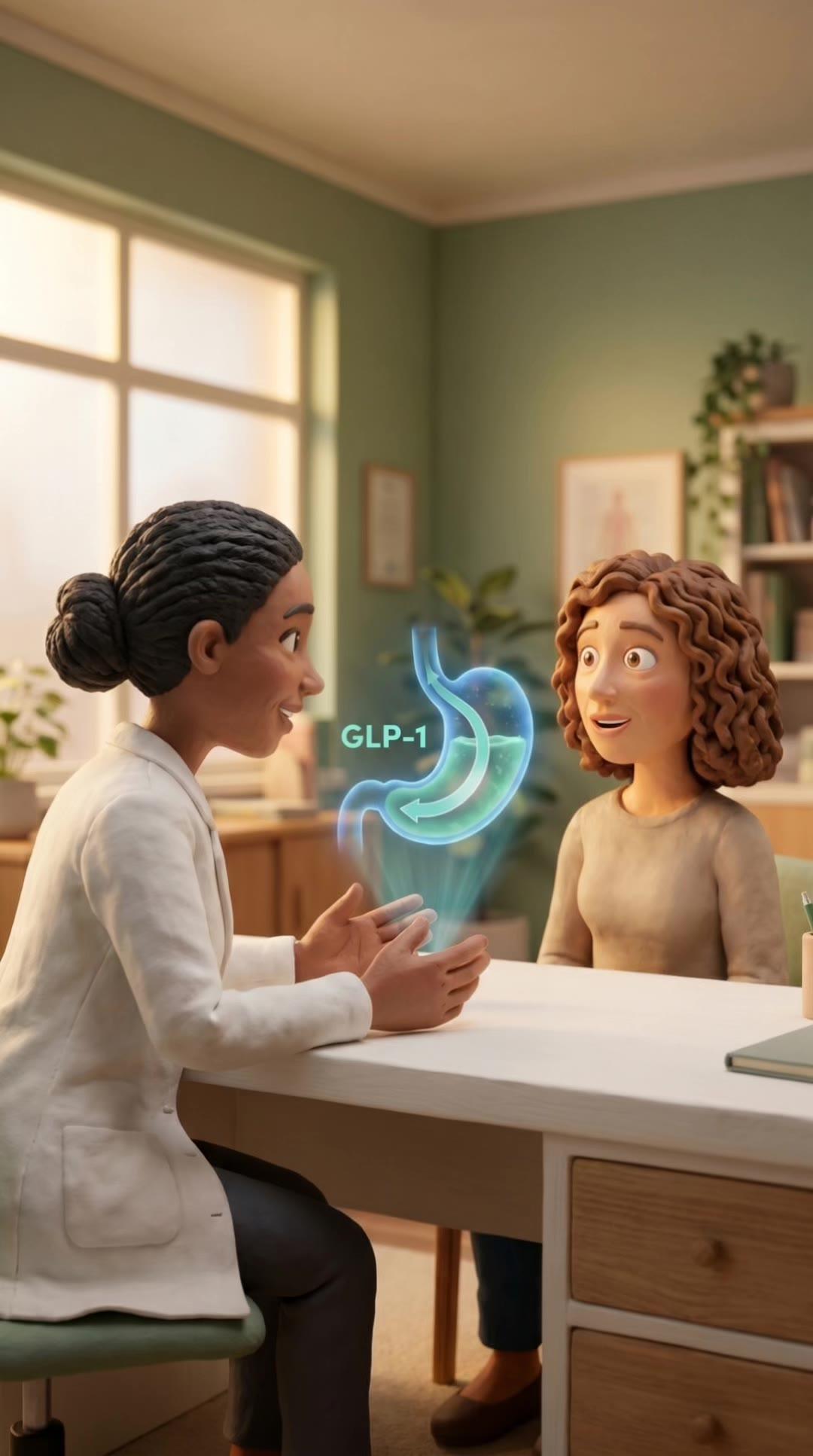
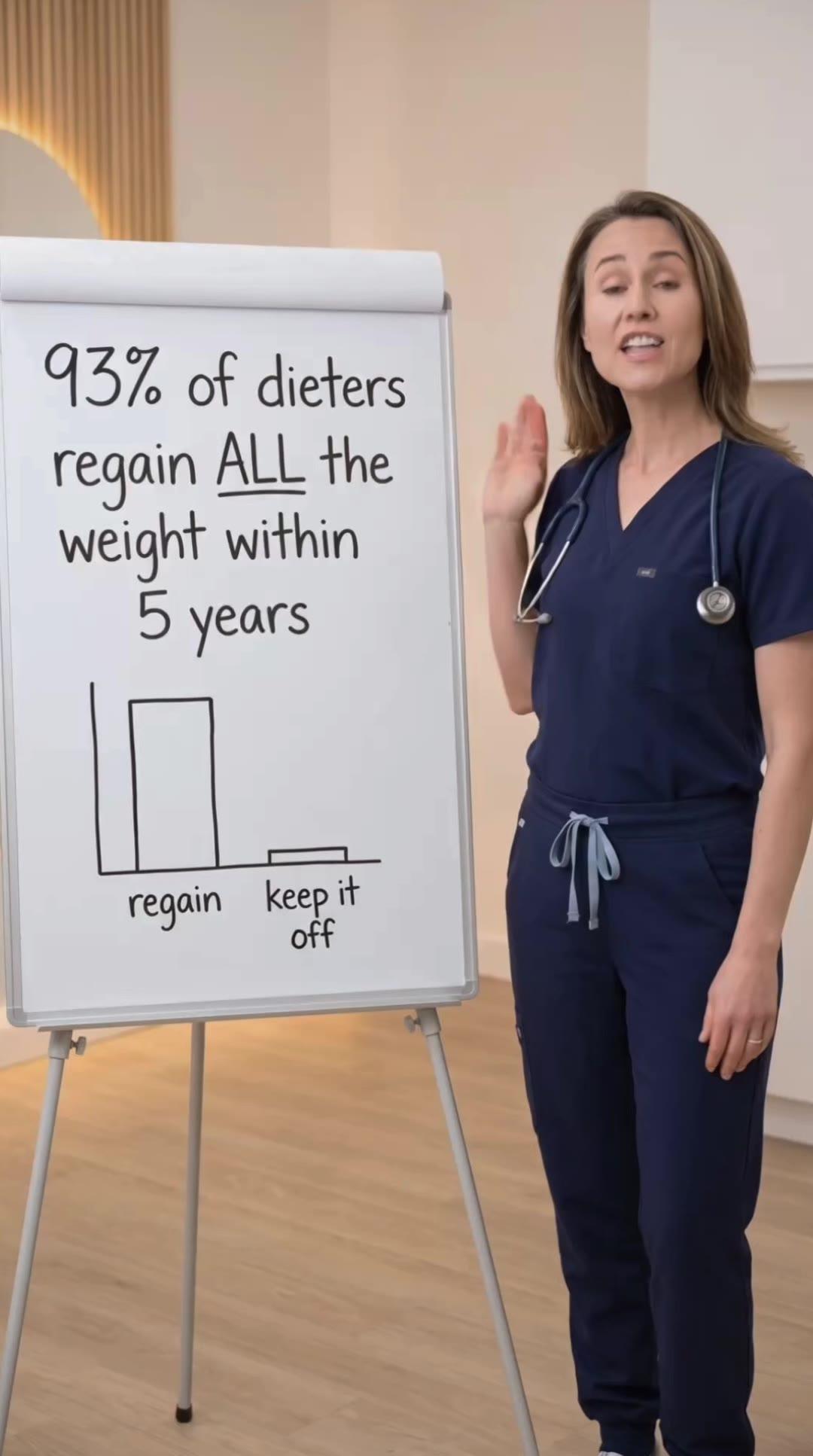
"Should we be doing more brand advertising?" is one of the most expensive questions in telehealth. Founders ask it because they see Hims and Ro running brand ads on TV and assume that is the path to scale. The truth is that brand advertising is a luxury most telehealth brands cannot afford until they have proven direct-response economics. Skipping that step and going straight to brand burns runway with very little to show for it.
Here is how to think about brand ads versus direct response ads for telehealth brands in 2026: what each delivers, what each costs, and the sequence that actually works.
What Direct Response Ads Actually Do
Direct response ads are designed to convert viewers into consultations and consultations into patients within days of the impression. The metrics are concrete: click-through rate, landing page conversion, consultation booking rate, first purchase. Every dollar spent is traceable to a downstream outcome inside a measurement window.
For most telehealth brands, direct response ads are the engine that funds the business. They carry 70-90% of new patient acquisition for the first 18-24 months of a brand's life. The creative is built for clarity, the call to action is sharp, and the measurement is clean.
What Brand Ads Actually Do
Brand ads build awareness, association, and consideration. They prime the audience to be receptive to direct response ads later and to remember the brand when they search Google or ask a friend for a recommendation. The impact compounds slowly and shows up downstream as cheaper branded search, higher direct response CTR, and improved referral rates.
The trade-off is measurement complexity. Brand ads do not produce a clean conversion signal inside a one-week window. You see the impact in the second quarter, the second year, the slow improvement in CAC across all channels. Founders who need to defend every dollar to a board on a monthly basis often struggle to justify brand investment.
The Right Sequence
Phase one (months 0-12): direct response only. Prove the model. Get a real read on patient acquisition cost, retention, and unit economics. Brand investment in this phase is wasted because there is no foundation to build awareness against.
Phase two (months 12-24): begin adding brand-building content within paid social as a small percentage of spend (typically 10-15%). The content is still digital, still measurable, and still tied to the brands and channels you have proven.
Phase three (months 24+): consider real brand investment in podcast advertising, connected TV, and high-leverage content if your monthly spend exceeds $200K and your unit economics are durable. Below that scale, brand investment is usually premature.
Concepts we ship across every awareness stage.
See the work →When Brand Investment Is Worth It Earlier
If your category is restricted on paid social and you cannot scale acquisition through direct response alone, brand investment becomes a defensive necessity. Some peptide and hormone optimization niches face this dynamic.
If you have an exceptional founder-on-camera asset or a credentialed clinician who can produce trust-building content, the content can do brand-building work inside a direct-response delivery model. This is rare but powerful.
If you are well-funded and competing in a category where brand consideration matters (mental health, primary care telehealth, specialty pharmacy), brand spend can prevent the giants from owning your category in the search and consideration journey.
The Mistakes Most Founders Make
Treating brand ads as a tactical lever to fix weak direct response performance. Brand advertising does not fix broken landing pages, weak offers, or compliance restrictions. It amplifies what is already working.
Spending on TV or podcasts before paid social is humming at scale. The compounding effect of brand spend requires a working direct response engine to capture the demand brand spend creates.
Measuring brand spend with last-click attribution. Brand spend will look terrible by that metric because it is not designed to convert in the click window. Use lift studies, branded search growth, and incremental tests instead.
Confusing creative tone with channel intent. A direct response ad can be branded in tone. A brand ad can have a soft call to action. The decision is about what you measure, not about whether the ad mentions your logo.
What "Brand-Friendly Direct Response" Looks Like
Most growing telehealth brands should aim for a hybrid: direct response creative that builds brand affinity as it converts. Provider-led explainers, patient story videos, and process transparency content all convert at high direct response rates while also building the kind of trust associations that compound long term.
This is the highest-leverage creative strategy in 2026 for telehealth brands under $200K monthly spend. You do not have to choose between brand and direct response; you can build a creative engine that does both. For broader strategy, see full-funnel paid social strategy for telehealth.
The Short Version
Direct response ads are the engine for almost every growing telehealth brand. Brand ads belong in the picture once direct response is humming, not before. The brands that scale build brand affinity into their direct response creative, then layer pure brand spend on top once they have the unit economics to justify it. Most founders should not be spending on dedicated brand campaigns in year one. By year three, they should be.
Related Articles
Full-Funnel Paid Social Strategy for Telehealth
Awareness, consideration, and conversion campaigns working together.
How to Compete With Hims, Ro, and the Big Telehealth Brands
Competitive strategy for telehealth challengers.
How to Grow a Telehealth Business in 2026
The growth model behind durable telehealth brands.
The Best Marketing Channels for Telehealth Brands
Where to invest first, second, and third.
Ready to build a testing system that scales?
A 30-minute call. We audit your creative approach and show you exactly what a complete angle-format-hook system looks like for your vertical.