NAD and Anti-Aging Ad Creative That Works
The creative strategy for NAD telehealth programs — how to reach a large, willing audience while staying on the right side of anti-aging claim restrictions.
Concepts shown are internal creative studies, not client campaigns.
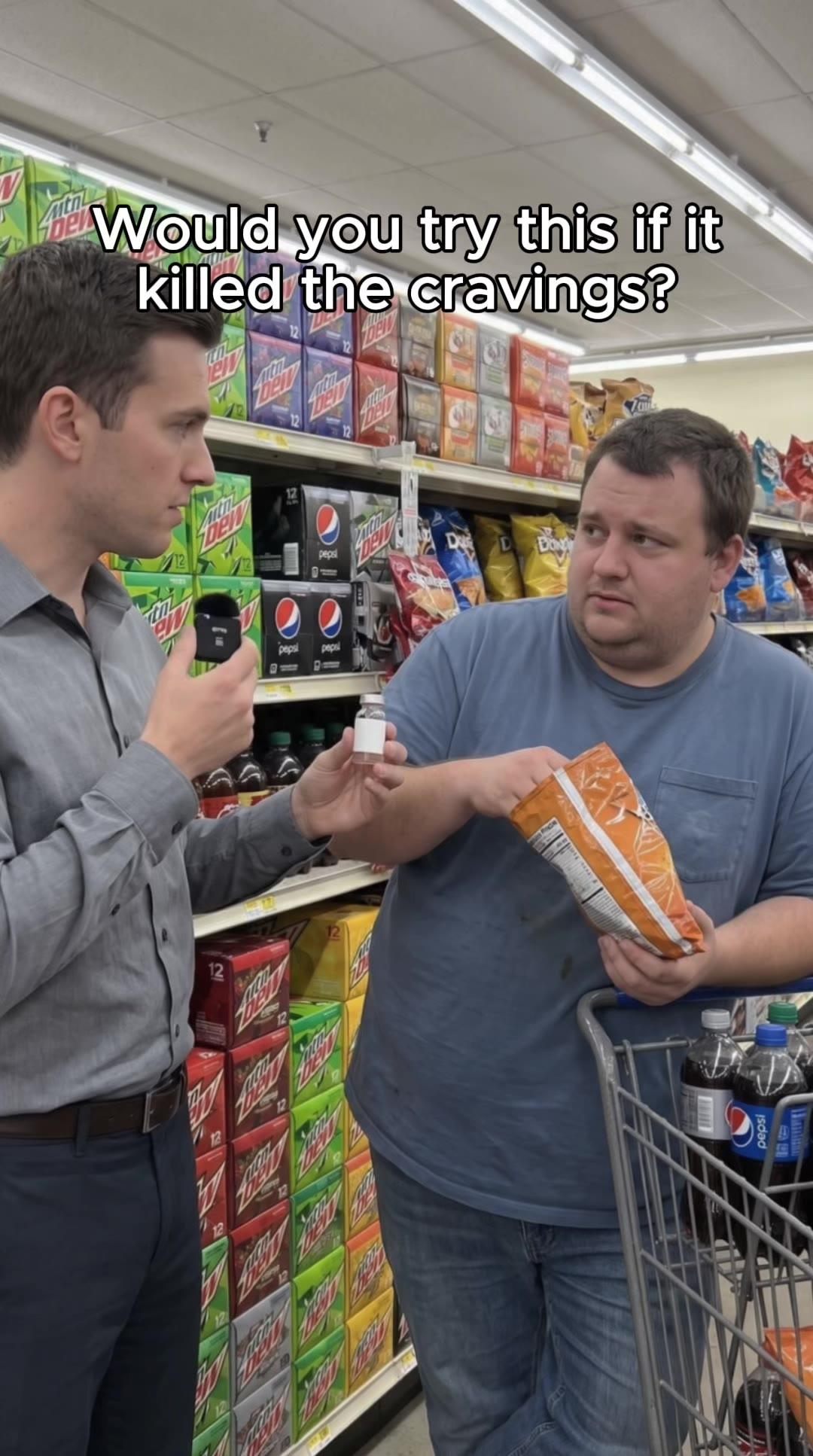
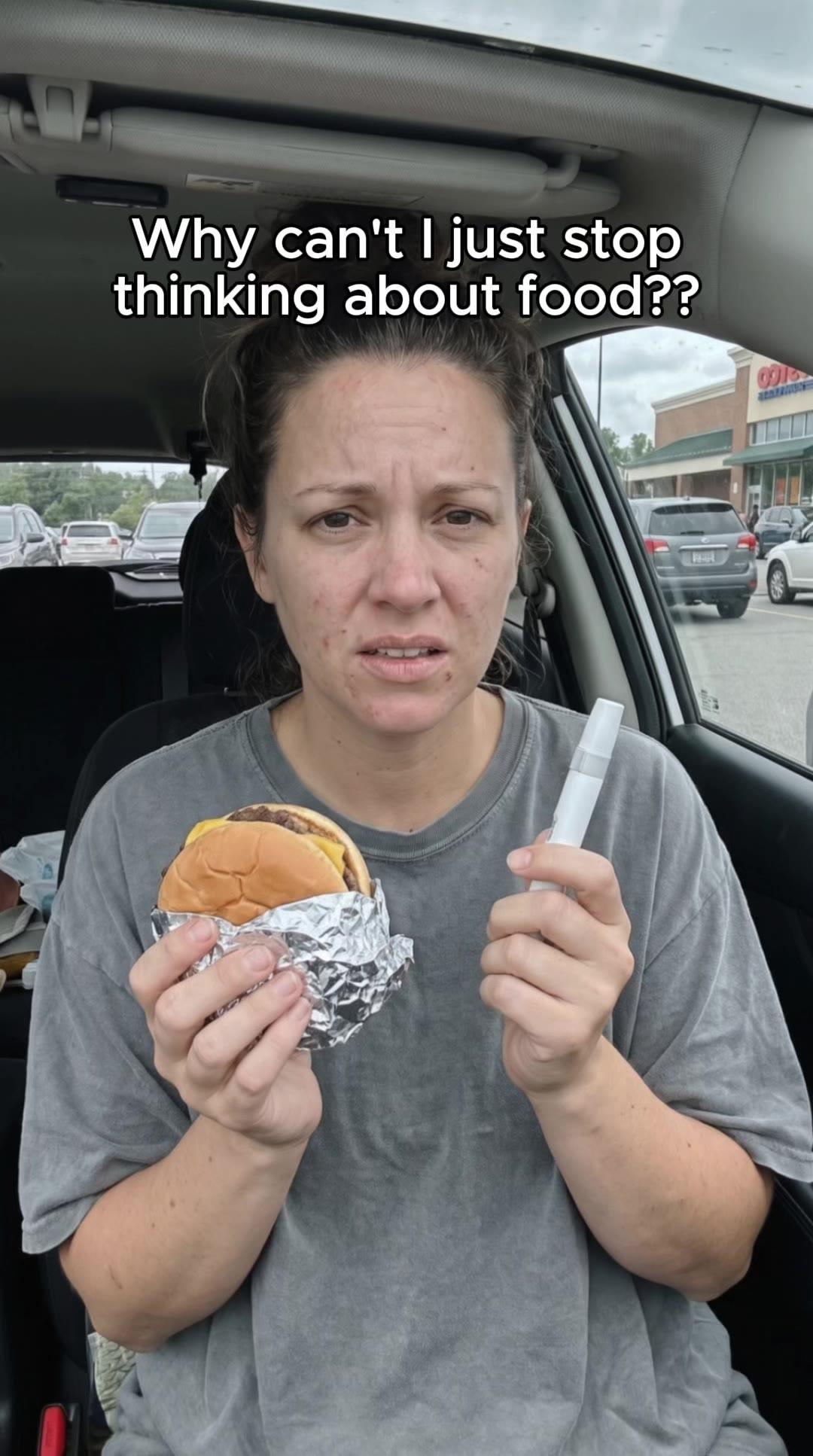
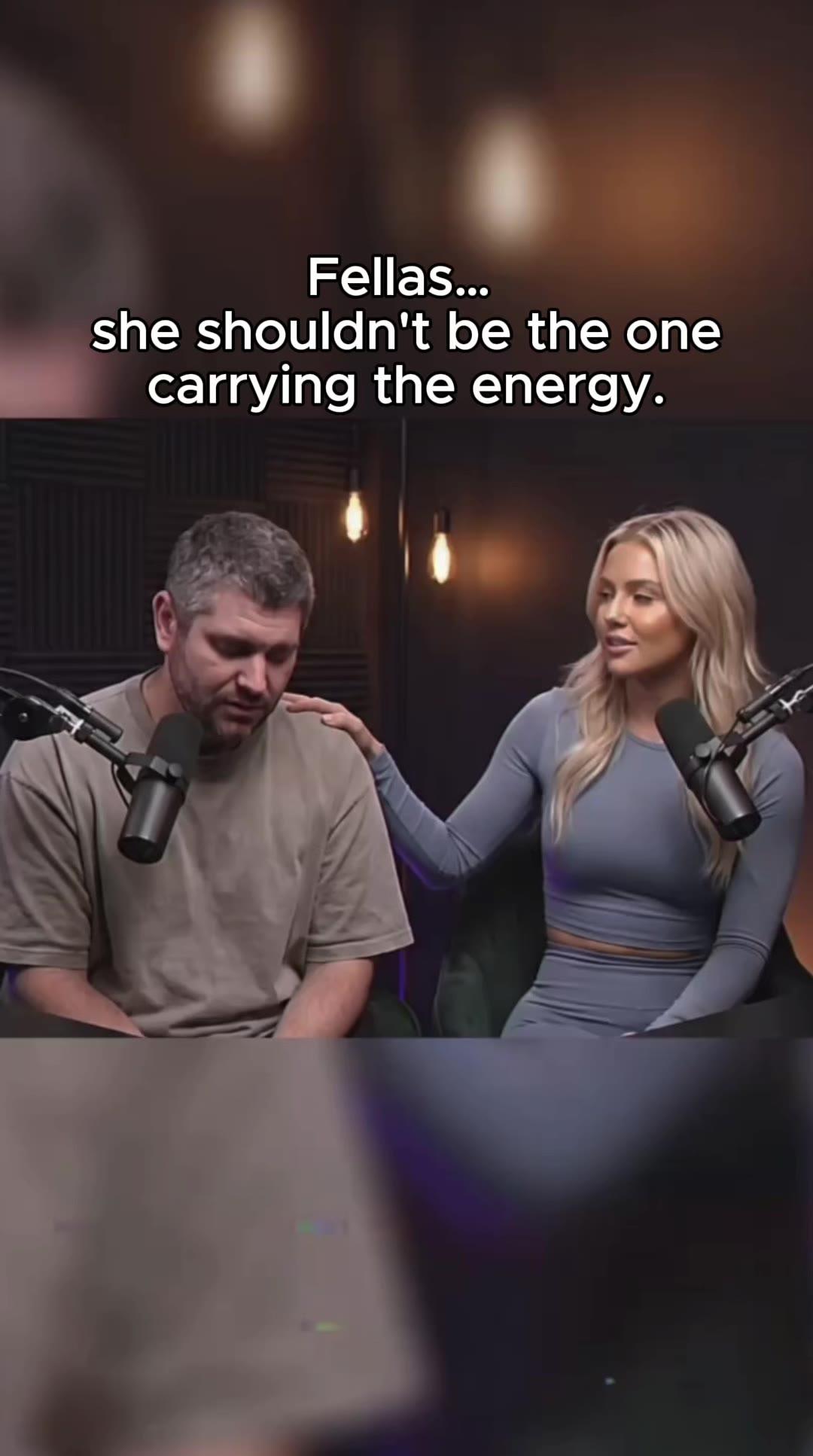
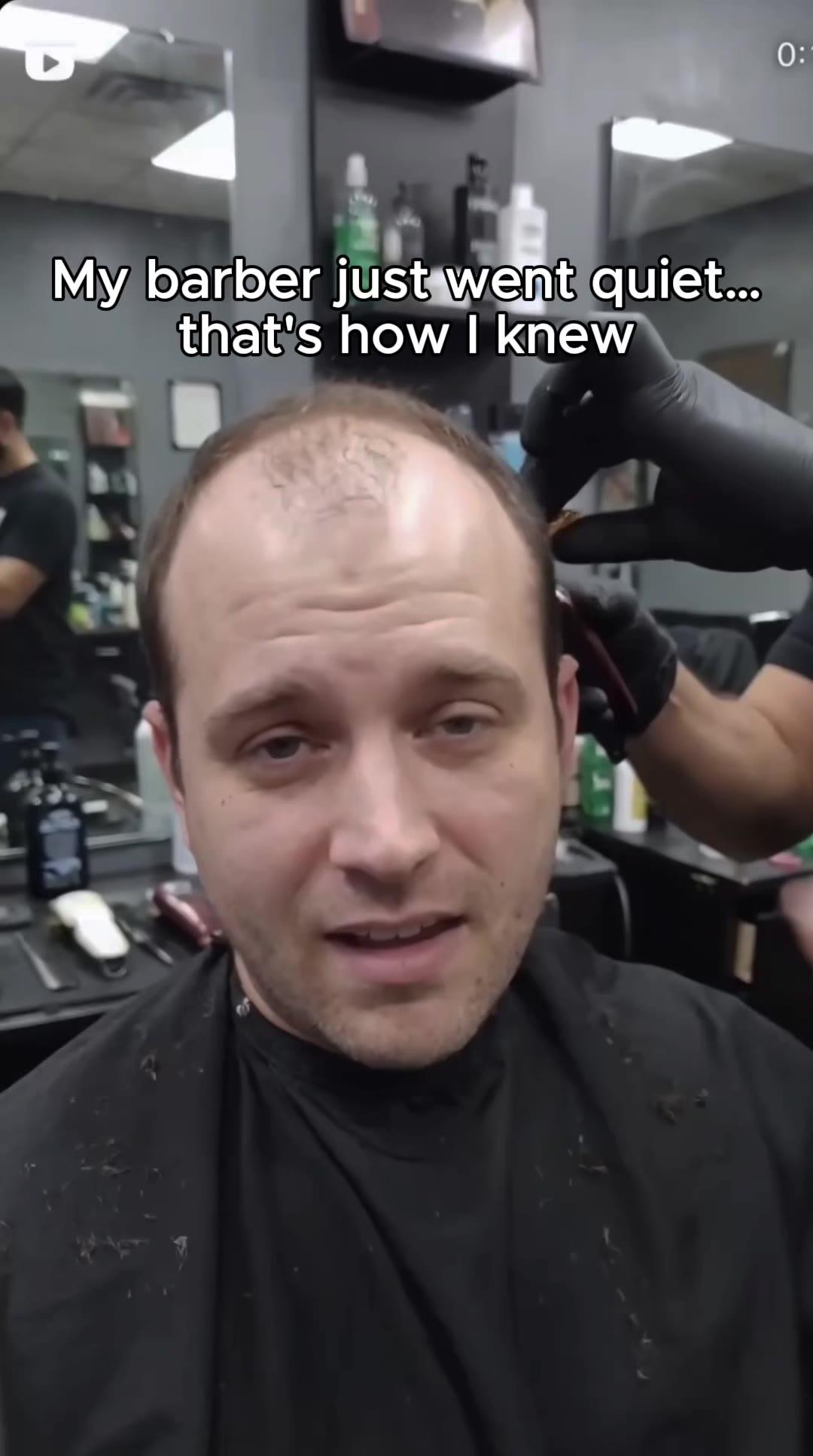

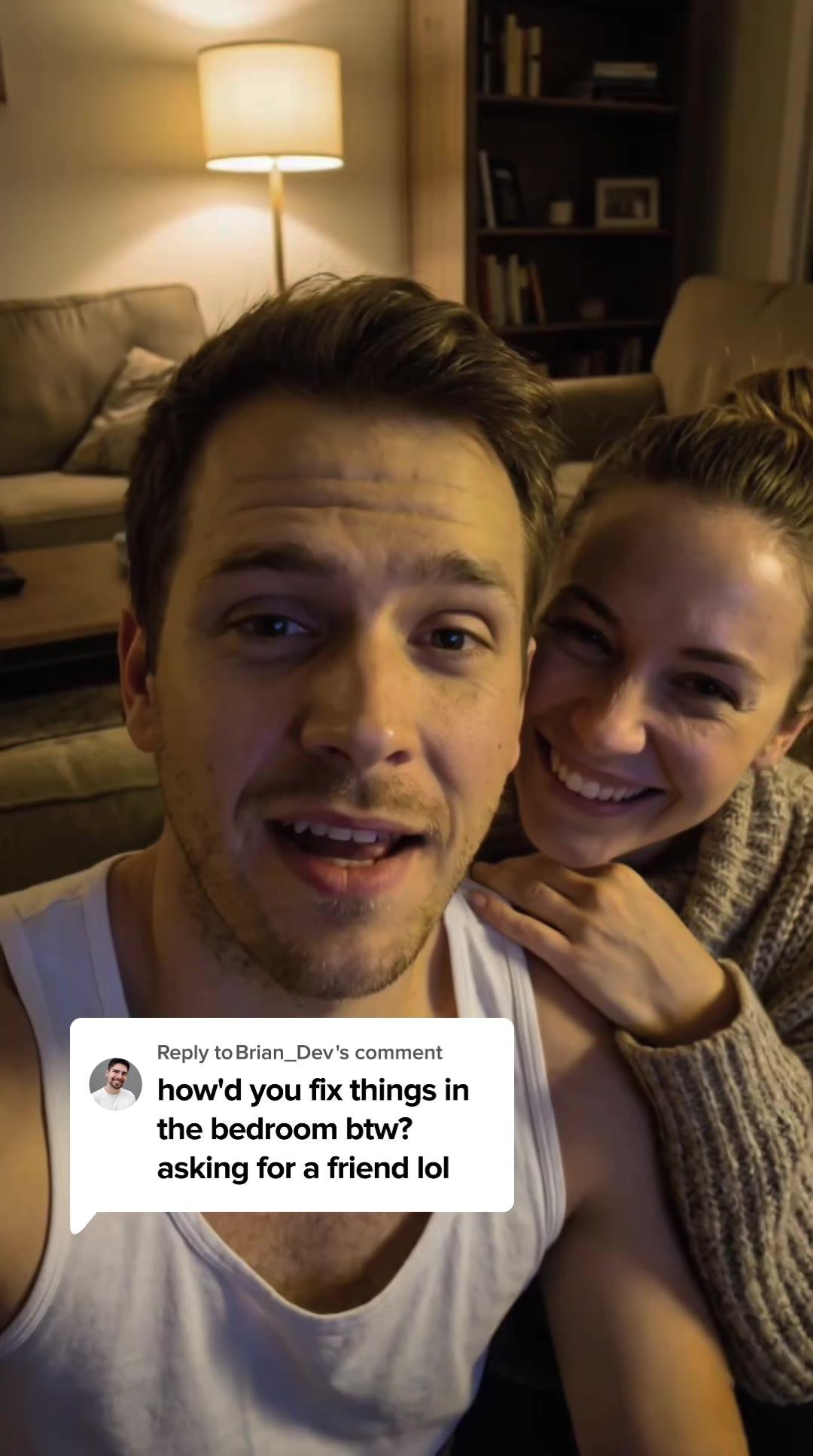

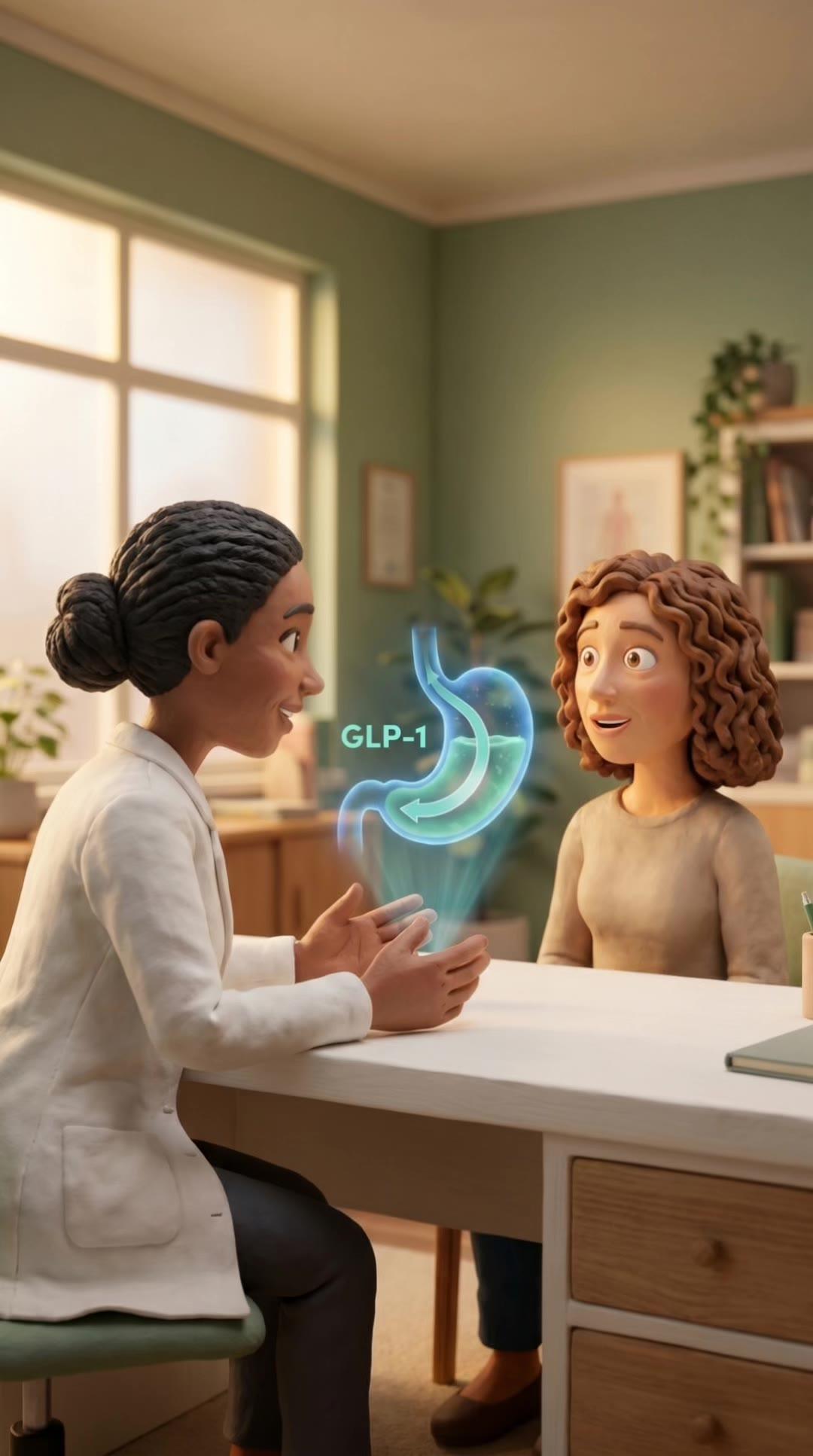
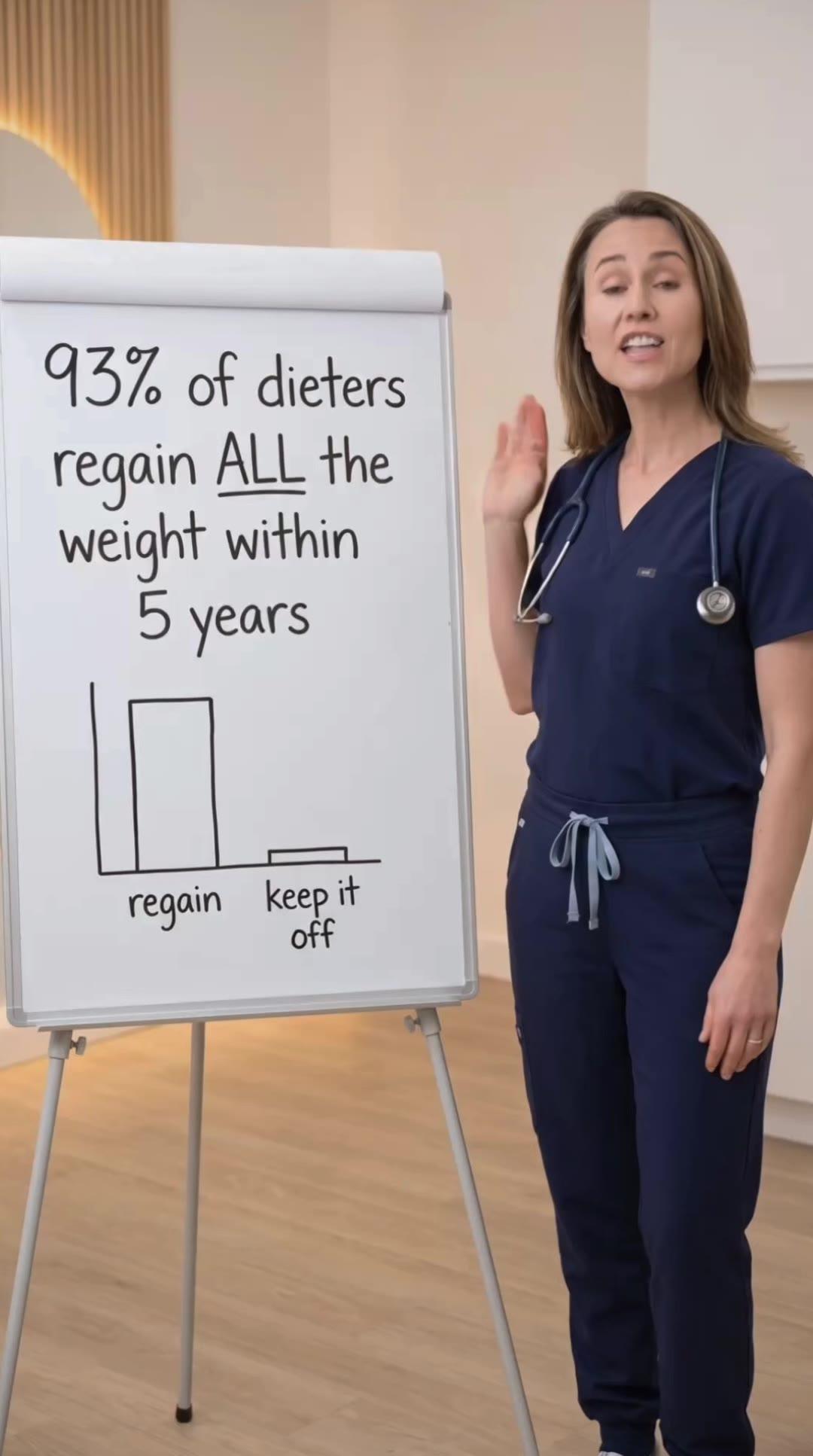
NAD anti-aging ad creative has a specific tension to navigate: the target audience is large, well-read, and genuinely interested — but the claims that would most directly reach them are the ones most likely to create compliance exposure. "Reverse aging" is what people want to hear. It's also a claim with no defensible substantiation for any current telehealth offering. The creative work is finding the honest, accurate version of the anti-aging value proposition that still resonates with an audience actively looking for answers on longevity.
NAD IV vs Oral NAD: Why the Distinction Matters in Creative
NAD IV therapy and oral NAD+ supplements occupy different regulatory and advertising positions. Supplement brands making NAD+ claims operate under the dietary supplement framework — DSHEA — which allows structure/function claims with the standard disclaimer. Telehealth NAD programs that deliver NAD via IV infusion or injection are providing a medical service under physician supervision, and the advertising requirements are correspondingly more stringent.
This matters for creative because you need to know which category your product sits in before you write the first word of copy. A telehealth platform prescribing and administering NAD IV therapy cannot use the same claim language that a supplement brand uses on Amazon. If your creative is going to emphasize the IV or injectable delivery — which it should, because clinical delivery is a genuine differentiator — the claims attached to it need to meet the standard for medical service advertising, not supplement marketing.
Creative Angles That Perform
Cognitive clarity and focus is the strongest performing hook for NAD creative across most audiences. "Clear mental fog" and "think sharper in your 40s and 50s" are specific, experiential claims that the target audience recognizes from their own lives. NAD+ depletion with age is associated with mitochondrial function, and the cognitive dimension of that is something the 45-to-65 audience is actively experiencing. The hook meets them where they are.
Energy and vitality is the second strong angle — "feel like yourself again at 45" rather than "feel like you're 25 again," which implies reversal and creates claim risk. The first version is honest and resonant. The second version implies a specific anti-aging outcome you can't substantiate. The difference is subtle in the copy and significant in the compliance review.
The cellular health narrative — explaining the role of NAD+ in cellular energy production and how NAD+ levels decline with age — performs particularly well with the informed segment of the audience: people who have read about NAD+ in longevity content, who take NMN or NR supplements, who are familiar with the David Sinclair-adjacent discourse on aging. For these viewers, a physician explaining the biological mechanism is not new information — it's credibility confirmation that the brand knows what it's talking about.
What to Avoid in NAD Creative
"Reverse aging" is the primary creative trap, even when it appears in softened forms. "Turn back the clock," "feel decades younger," or any language that frames the outcome as chronologically reversing the aging process is implied reversal and draws FTC scrutiny. The honest claim is that NAD+ IV therapy may support cellular energy and certain aspects of metabolic health — not that it restores a younger biological state.
Connecting NAD+ to specific neurodegenerative conditions is off-limits even where research is actively being conducted. The research interest in NAD+ and conditions like Alzheimer's and Parkinson's is real, but the clinical trial stage of that research means no telehealth brand can responsibly imply NAD+ prevents or treats those conditions. Any creative that draws that connection — even by framing it as a question — creates liability exposure and will be rejected by compliant review processes.
Guaranteed outcome language is a problem across all telehealth verticals, but in anti-aging it's particularly acute because the audience wants to believe and the creative temptation is to lean into that desire. "Guaranteed results" and "clinically proven to slow aging" are not substantiable claims for current telehealth NAD programs and should not appear in any form.
Concepts we ship across every awareness stage.
See the work →The Longevity Aesthetic Works
NAD anti-aging creative performs better visually when it looks like premium wellness rather than clinical medicine. Clean, optimistic imagery — an active 50-year-old in natural light, not a hospital IV bag — aligns with how the target audience wants to see themselves. The message is optimization and vitality, not disease treatment. The visual language needs to reflect that.
That said, if your program includes IV NAD therapy delivered in a clinical setting, leaning into the clinical imagery for a specific creative set can work well. The IV setting actually increases perceived value for this audience — it signals that this is a serious medical protocol, not a supplement. This isn't inconsistent with the longevity aesthetic; it's a different creative register that works for audiences already in consideration who want to understand exactly what the program involves.
Platform Targeting and Video Length
Meta is the primary paid channel for NAD telehealth programs. Age targeting of 40 to 65 with interest layers around health optimization, biohacking, and longevity reaches the core audience. A useful lookalike expansion from this base is people interested in fitness and energy supplements — they're familiar with the concept of supplementing for performance, and NAD IV therapy is a natural next step in that category progression.
Video length for NAD creative skews longer than most telehealth categories. 60 to 90 seconds works well for awareness because the audience needs enough context to understand why they'd seek NAD IV therapy rather than continuing to take oral supplements. The creative job is to explain the bioavailability difference, the physician supervision benefit, and the specific outcomes to expect — all in a way that doesn't make unsubstantiated claims. That takes more time than a 30-second hook-and-CTA.
Retargeting creative can go shorter. For warm audiences who've already visited the site or watched a full video, a 30 to 45 second case study format — "what patients typically experience in the first four weeks" with appropriate individual-results disclaimers — converts well. This audience has done their research; they need a final credibility signal and a clear path to book.
Credentialed Creator Format and Content Strategy
A nurse practitioner or functional medicine physician explaining NAD+ biology on camera is the highest-performing single creative format in this vertical. It works because it's educational without being clinical, it signals genuine expertise without being inaccessible, and it gives the audience the informational foundation they need to act with confidence.
NAD also has a strong organic search opportunity that most brands underinvest in. The questions people are typing — "NAD IV therapy near me," "does NAD IV work," "NAD vs NMN," "NAD therapy cost" — represent high-intent traffic that converts well when it lands on quality content. Paid ads and SEO content compound each other in this category in a way that's more pronounced than in most telehealth verticals. A comprehensive content investment in NAD education lowers your paid CPAs over time as organic awareness grows the brand's recognition in the consideration phase.
Related Articles
Peptide Ad Creative for Telehealth Brands
How to produce peptide ad creative for telehealth brands in 2026. Creative angles that work, compliance challenges, and platform-specific approaches.
Doctor-on-Camera Telehealth Ads That Convert
How to produce doctor-on-camera telehealth ads that pass compliance and convert. FTC rules, what physicians can say, and production approach.
Branding vs Direct Response in Telehealth Advertising
When telehealth brands should run brand-building creative versus direct response. How to allocate budget and structure campaigns for each objective.
Ready to build a testing system that scales?
A 30-minute call. We audit your creative approach and show you exactly what a complete angle-format-hook system looks like for your vertical.