TRT Ad Creative That Converts in 2026
Hook patterns, creative formats, compliance guardrails, and the angles that consistently drive TRT patient acquisition — from accounts that have tested all of it.
Concepts shown are internal creative studies, not client campaigns.


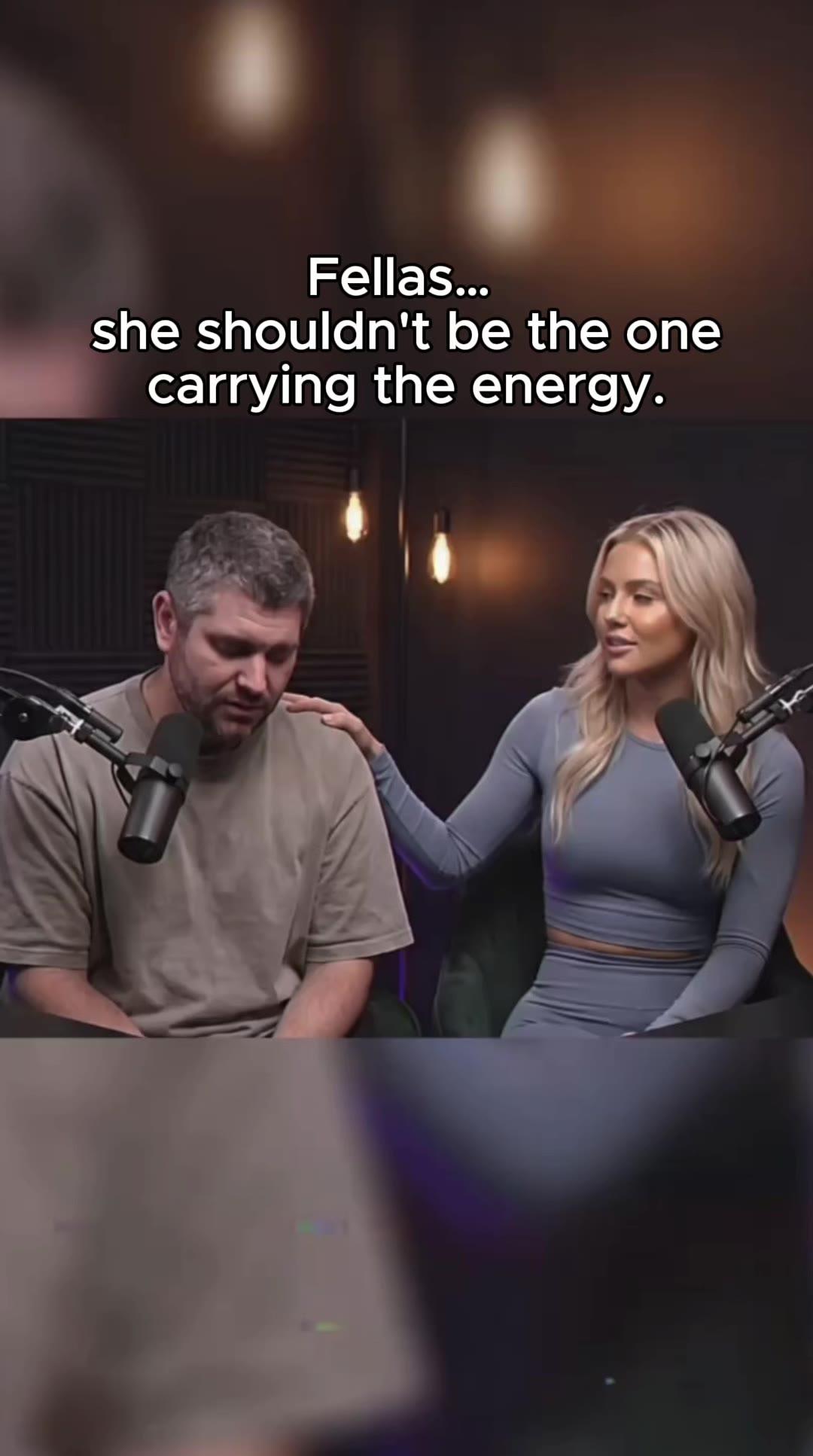
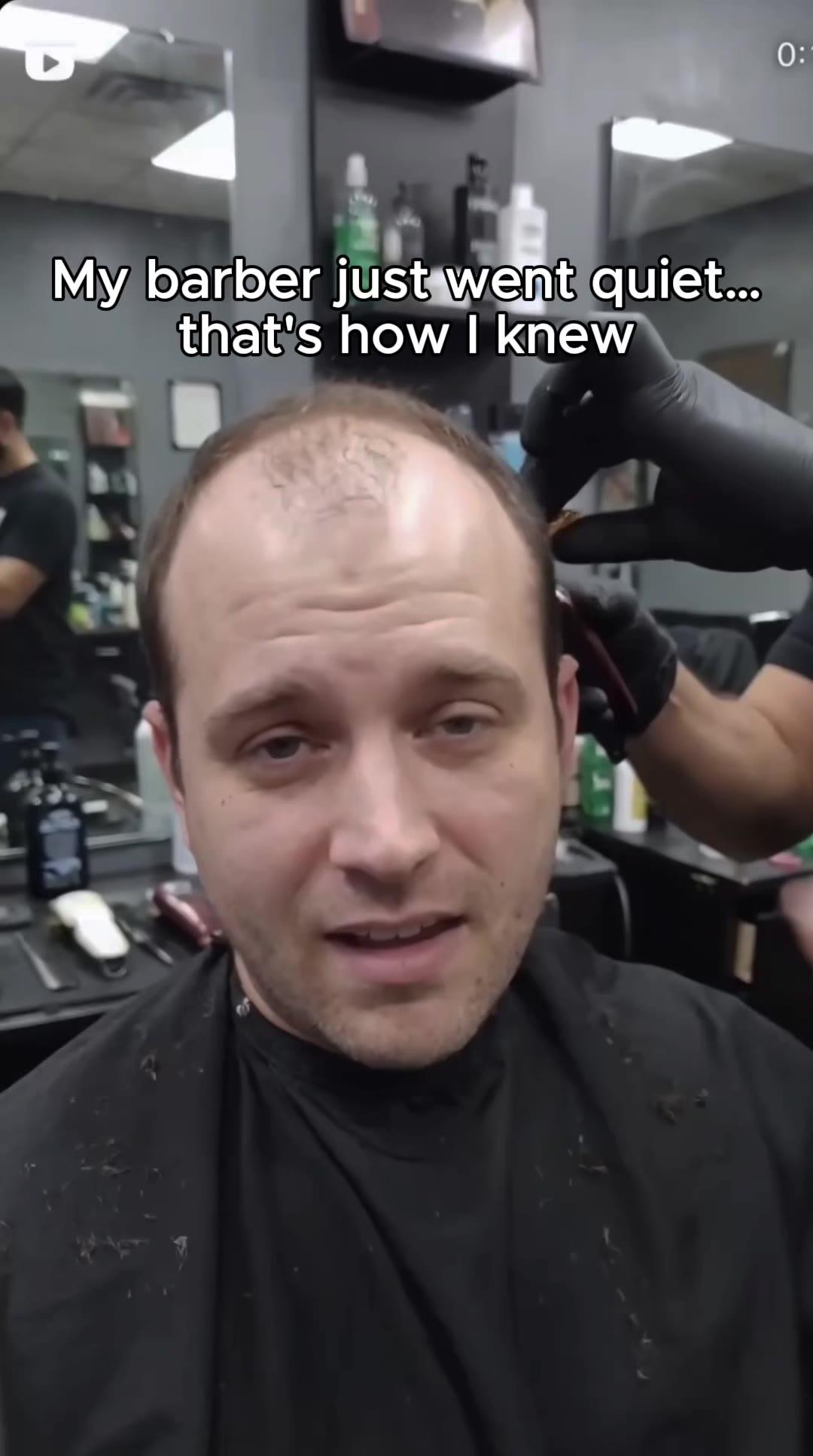

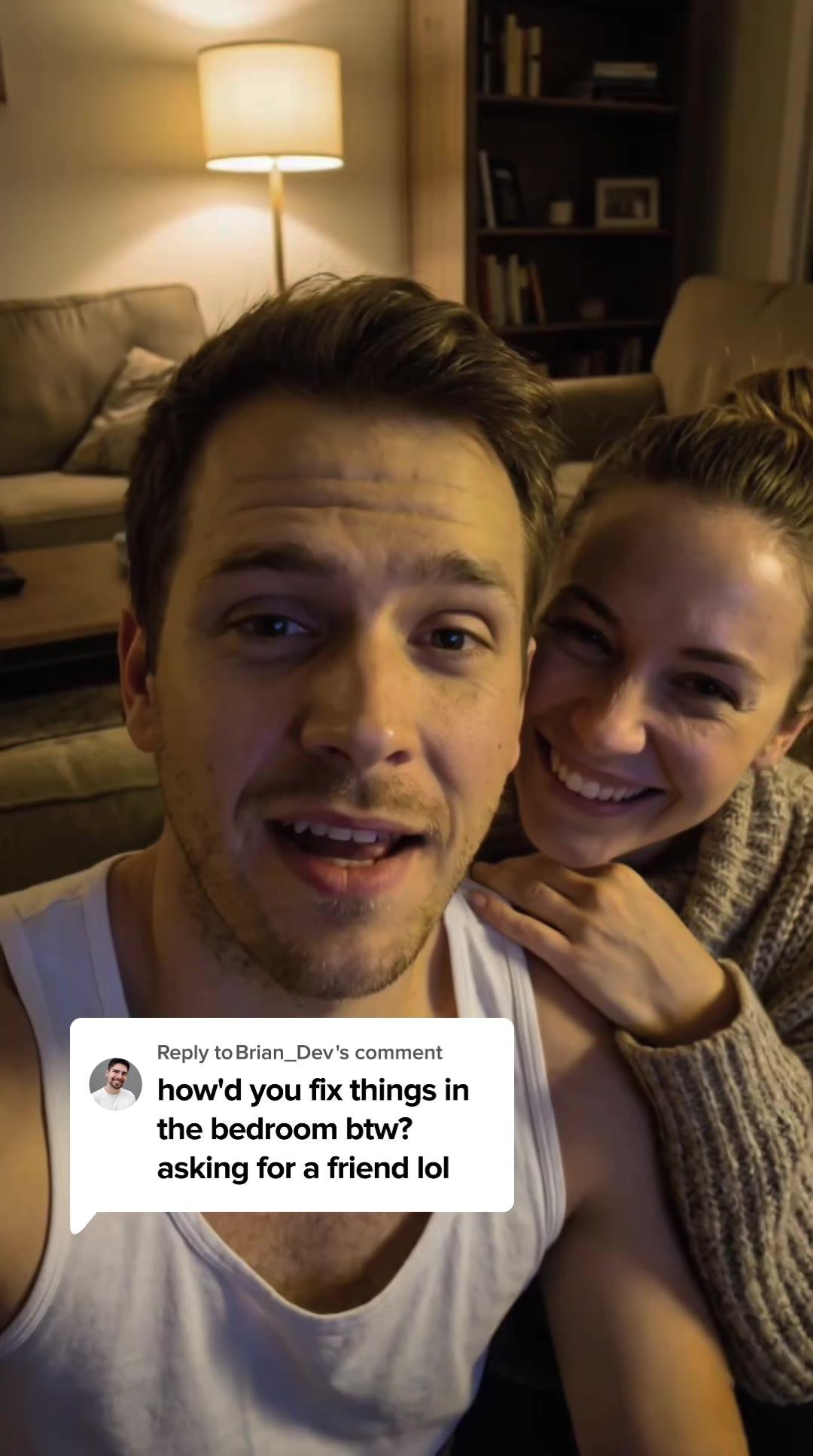

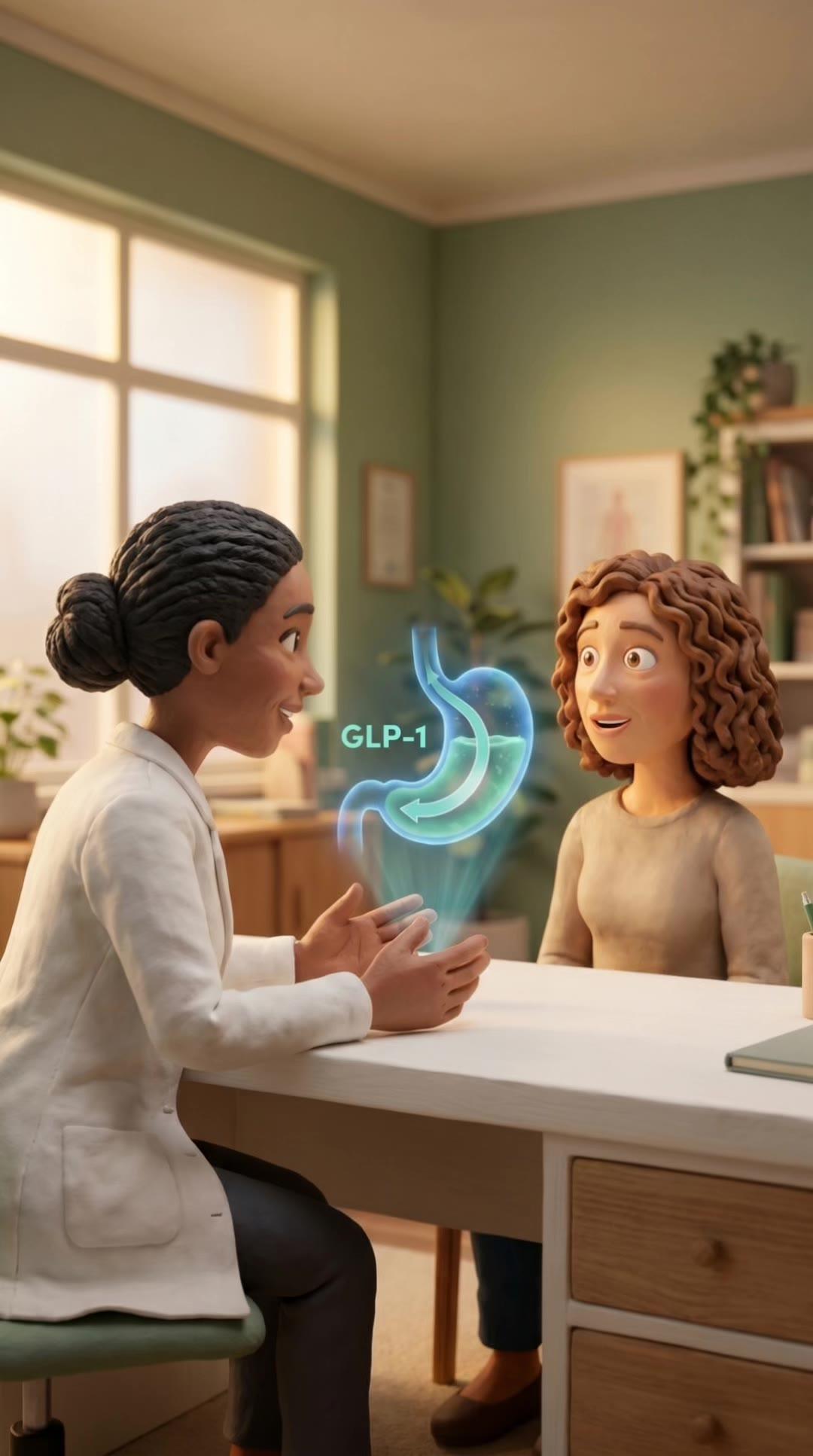
TRT ad creative has a problem that most other telehealth verticals don't: the target audience doesn't always know they're the target audience. Men between 35 and 55 experiencing the classic symptoms — chronic fatigue, mental fog, stalled gym results, low drive — often don't connect those symptoms to a treatable hormonal issue. They think it's stress, or aging, or not sleeping well enough. Your creative has to bridge that gap without sounding like a diagnosis, because platforms won't allow it and patients will tune it out.
The Hook Problem in TRT Creative
The hooks that work are symptom-first and identity-aware. "Constantly tired despite sleeping eight hours." "Your brain feels like it's operating through fog." "Working out consistently but not seeing results anymore." These are specific enough to feel personal, but they don't make a clinical claim. The viewer self-selects — if the hook resonates, they watch. If it doesn't, they scroll, which is fine.
What kills TRT hook performance is being too direct too early. "Low testosterone affects 40% of men over 45" is a claim that requires sourcing, often triggers policy flags, and doesn't make men feel seen — it makes them feel like a statistic. The hook needs to mirror the internal experience of the person you're trying to reach, not lecture them about epidemiology.
The "low T" framing itself has become less effective over time because it's been run into the ground. Audiences associate it with infomercials. Better-performing angles in 2026 lean into energy optimization, performance recovery, and metabolic health. These are accurate descriptions of what TRT can address, they don't carry the late-night-TV baggage, and they align with how the target demographic already thinks about health.
Creative Formats That Drive TRT Consultations
Three formats consistently outperform everything else in TRT paid media. The first is the short talking-head testimonial at 30 to 60 seconds. A man who fits the target demographic — 40s, visibly healthy but not over-the-top — speaks directly to camera about what changed after starting treatment. The key is specificity in the experience, not in the clinical detail. "I stopped needing a nap at 3pm" is better than "my levels normalized." Authentic fatigue from the delivery kills conversion faster than anything — it needs to feel like a real person, not an actor hitting marks.
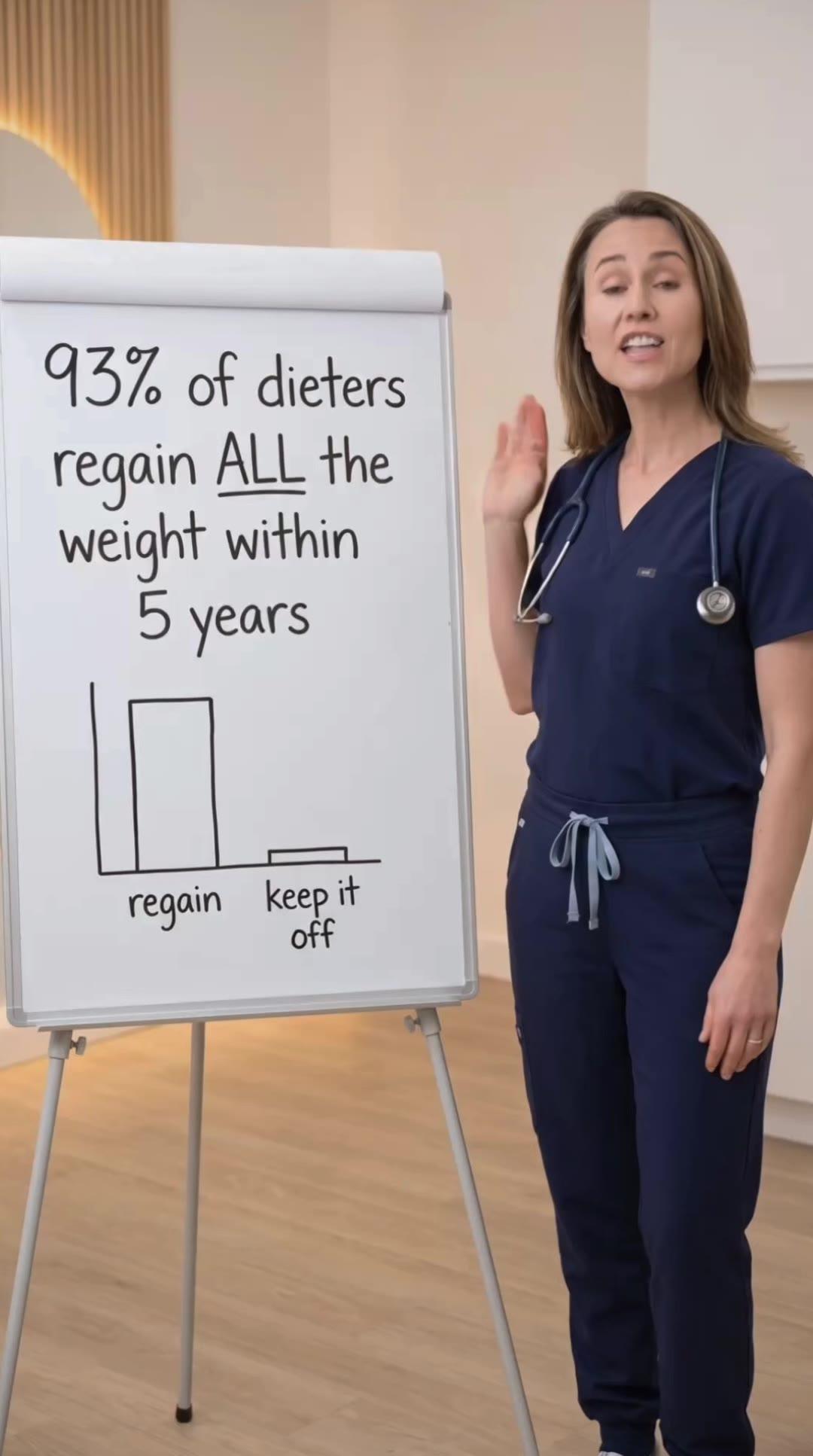
The second is the educational explainer by a medical professional. A physician or NP explaining the physiology of hormone decline with age — without making claims about what TRT will do for any individual — performs because it provides the informational scaffolding patients need before they feel comfortable inquiring. This format works particularly well for retargeting warm audiences who've visited a landing page but haven't converted.
The third is the day-in-life format. A loose narrative following someone through a productive, energized day — morning workout, focused work session, active evening — without the ad ever explicitly attributing it to TRT. The brand message comes at the end. This format tends to have strong view-through rates because it doesn't feel like an ad until the final five seconds, and by then the viewer has already invested time in the narrative.
What Gets TRT Ads Banned
Meta's policies for healthcare advertising catch a lot of TRT creative at the review stage if you're not careful. The most common rejection triggers are explicit references to erectile dysfunction in the same creative as TRT (these are treated as separate restricted categories and combining them is a fast path to rejection), claims about testosterone returning to specific numerical ranges, and before/after physique comparisons that imply the TRT caused a body composition change.
Body image focus more broadly is a policy risk. Creative that centers on muscle gain or fat loss in a way that implies TRT as the cause — even implicitly through before/after visual framing — is likely to get flagged. The safer framing is energy and quality of life, not physical appearance. This isn't just compliance protection; it also tends to convert better because the men who respond most readily to TRT advertising are not bodybuilders. They're normal men who feel off and want to feel normal again.
Avoid any sexual health references in TRT creative unless you're running those as a completely separate creative set with appropriate age gating and platform restrictions in place. Combining hormone optimization and sexual health into a single ad creates policy exposure across Meta, Google, and TikTok simultaneously.
Concepts we ship across every awareness stage.
See the work →The Trust Signal TRT Creative Needs
TRT patients research before they convert. The decision to start hormone therapy is not an impulse purchase — it requires a level of trust in the provider that most telehealth categories don't require at the same intensity. Your creative is not going to close the sale by itself. Its job is to earn enough credibility to get someone to the landing page, and then your landing page has to carry the load.
What signals legitimacy in TRT creative: visible physician credentials, clean professional production (doesn't need to be expensive, but it needs to look intentional), specific language that reflects clinical familiarity with the subject, and an absence of hype. Hype destroys credibility in this category faster than it does anywhere else in telehealth, because the prospect is already skeptical that a simple online consultation can address something they've been dealing with for years.
For social proof, you can use patient experience framing without running into testimonial compliance problems by using language like "patients in our program report improved energy and mental clarity" with appropriate disclaimers about individual results varying. This is different from presenting a specific individual's claims as representative of what a new patient should expect.
A Practical Testing Framework for TRT Creative
The testing structure that tends to work well for TRT campaigns: run three hooks, two creative formats, and two messaging angles at the same time. That's twelve combinations — enough to identify signal quickly without burning budget on an unmanageable variable count.
Hook variations should isolate the symptom you're leading with: fatigue, mental performance, or physical results. Format variations should compare talking-head against educational explainer. Messaging angle variations should compare "something is wrong" framing (you're experiencing something that can be addressed) against "optimization" framing (you're already doing well, this is about performing at a higher level). Both convert, but they resonate with different segments of the audience and the winner varies by account.
Once you have a clear winner in each dimension, combine the winning elements and give that ad significant budget to determine true ceiling performance. Don't rush to iterate on a winning ad — let it run long enough to gather actual data, because TRT creative has a longer shelf life than most telehealth verticals. The audience isn't seeing other TRT ads constantly, so fatigue builds more slowly.
Landing Page Alignment and Creative Rotation
The promise made in the creative has to be reflected on the landing page or you'll see high click-through with low conversion. If your ad leads with energy and cognitive performance, the landing page needs to address those outcomes explicitly — not pivot immediately to a clinical questionnaire without any contextual bridge. The drop-off that comes from promise-to-page misalignment is one of the most preventable conversion losses in TRT acquisition.
On creative rotation: TRT creative has notably longer shelf life than GLP-1 creative. GLP-1 is a high-velocity news topic with frequent regulatory and platform changes that require creative refresh. TRT operates in a more stable environment. A well-crafted talking-head TRT testimonial can run for four to six months before fatigue becomes a visible issue in the data. Plan your creative rotation schedule accordingly — you don't need to produce as much volume as a GLP-1 account, but the quality per asset matters more because each piece carries more weight.
Related Articles
Before and After Claims in Telehealth Advertising: The Full Compliance Guide
How to use before and after content in telehealth ads compliantly. What disclaimers you need, what Meta allows, and how to avoid FTC violations.
Doctor-on-Camera Telehealth Ads That Convert
How to produce doctor-on-camera telehealth ads that pass compliance and convert. FTC rules, what physicians can say, and production approach.
The Best Ads from Telehealth Brands Right Now
Breakdown of the telehealth ad creative that is actually working in 2026. Real examples from top brands with analysis of what makes them perform.
Ready to build a testing system that scales?
A 30-minute call. We audit your creative approach and show you exactly what a complete angle-format-hook system looks like for your vertical.