Whitelist Page Strategy for Female Rx and Anti-Aging Brands
The whitelist page approach that works for women's health and anti-aging telehealth brands — what page identities perform, what creative converts, and how to navigate the specific targeting and compliance dynamics of this audience.
Concepts shown are internal creative studies, not client campaigns.








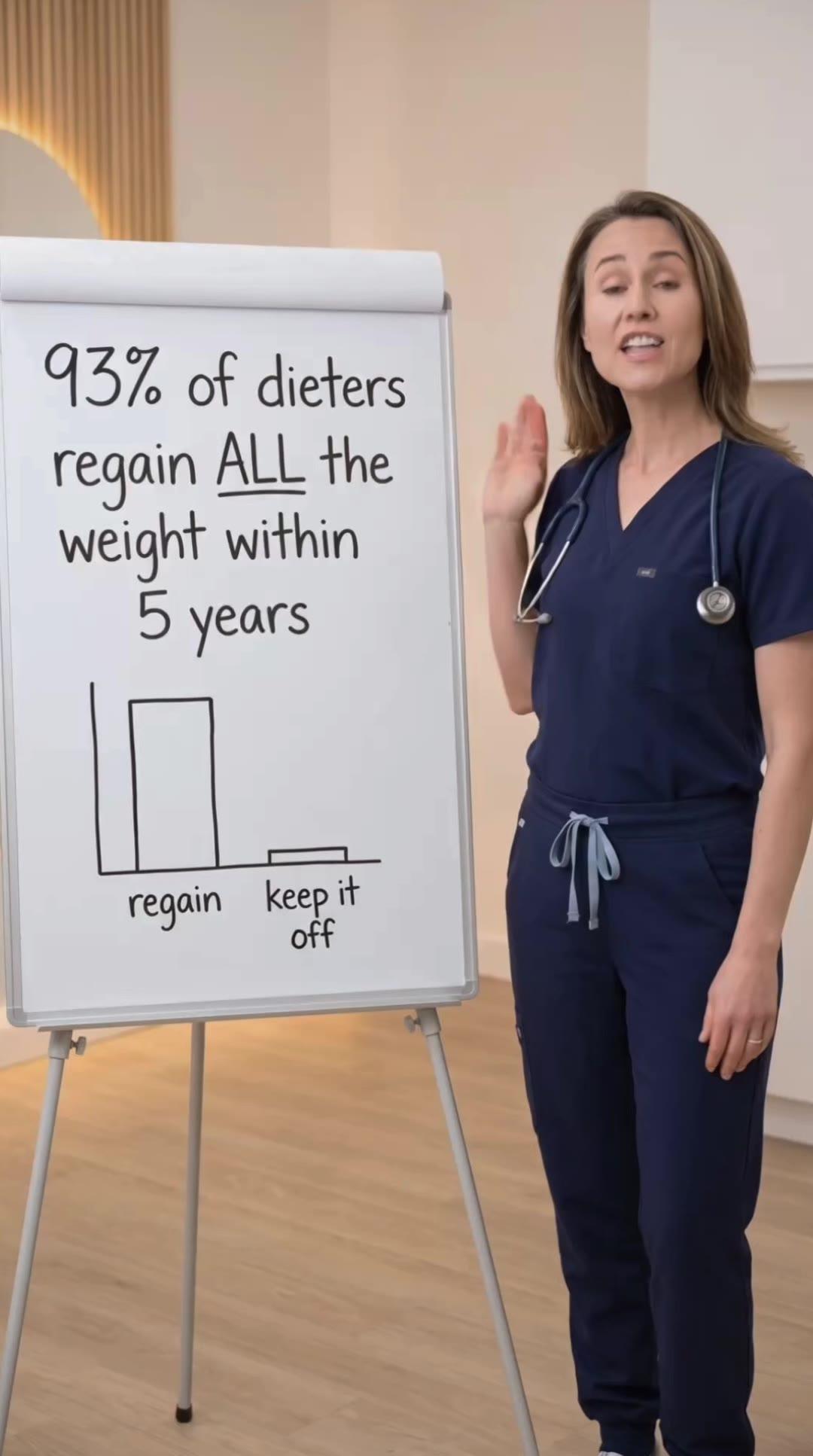
Whitelist page strategy for women's health and anti-aging telehealth brands requires a different emphasis than men's health categories. The audience dynamics, the creative that converts, the compliance environment, and the types of page identities that perform are all distinct. For brands in hormonal health, menopause and perimenopause management, peptide therapy, and related women's telehealth categories, building the right distributed telehealth paid social infrastructure means understanding what this audience specifically needs from the source identity before it converts.
The Women's Health Audience and What It Responds To
Women seeking hormonal health and anti-aging telehealth solutions typically bring more research context to the conversion decision than many health categories. This is an audience that has often had unsatisfying experiences with conventional medicine — dismissed concerns, inadequate answers, or offered options that do not address what they are experiencing. They are not passive health consumers; they are active health seekers who are already doing research.
This research orientation means that educational content and informational framing perform strongly across both persona and publisher page vehicles for this category. Unlike some men's health verticals where emotional testimonials dominate, women's health audiences often engage first with information that takes their concerns seriously and then with solutions that address those concerns. The source that demonstrates understanding before selling earns disproportionate conversion credit.
Community and validation signals matter more for this audience than for most telehealth categories. Women going through perimenopause, hormonal shifts, or unexplained symptoms often feel isolated — they have been told their symptoms are normal or psychosomatic, and they are looking for both solutions and validation. Creative that acknowledges the shared experience of being underserved by conventional medicine taps into this validation need before transitioning to the solution.
Persona Page Identity for Women's Health Brands
Persona pages for women's health telehealth work best when the persona reflects the target audience at a relatable life stage. For perimenopause and hormonal health brands, a persona in the 40-55 demographic who posts about navigating the hormonal transition with intelligence and self-advocacy — not as a victim but as an informed, proactive woman — is more effective than one who posts primarily about health anxiety or frustration.
Anti-aging and longevity-focused personas for women should be positioned around proactive health optimization rather than anti-aging in the cosmetic sense. Women in their 40s and 50s who are building strength, optimizing metabolic health, and investing in cellular longevity are a different audience than those seeking to look younger. The persona identity should reflect the proactive optimization orientation rather than the reactive decline-management framing.
For peptide and functional medicine brands targeting women, a persona with a health professional background — a nurse practitioner, a health coach, a functional medicine patient who has become knowledgeable — can carry credibility signals that a pure lifestyle persona does not. The semi-professional framing adds authority to health content while maintaining the personal accessibility that makes personas effective as ad vehicles.
Publisher Page Opportunities for Women's Health
Publisher pages covering women's hormonal health, perimenopause, or functional medicine for women can be particularly powerful in this category because the audience is research-oriented and has historically been underserved by mainstream health media. A publication that takes women's hormonal health seriously — covers the science, presents treatment options, and provides educational content — differentiates from the dismissive information environment many women in this demographic have experienced elsewhere.
Editorial content about perimenopause symptoms and management, HRT and bioidentical hormone options, metabolic changes in women over 40, and the relationship between hormonal health and energy, sleep, and cognitive function all perform well as organic content for women's health publisher pages. This content builds the publication's credibility as a resource while warming the audience for conversion-oriented paid campaigns.
A women's health publisher page also has longevity as a vehicle. The women's health space is evolving rapidly — new research, new treatment approaches, new telehealth service offerings — which means there is a continuous supply of genuinely interesting content to publish. A publication that stays current with this evolving landscape can maintain organic audience growth that serves both the trust-building function and the performance of paid campaigns run from the page.
Concepts we ship across every awareness stage.
See the work →Creative Angles That Convert for Women's Health and Anti-Aging
Symptom validation is a powerful creative entry point for women's hormonal health advertising. Creative that begins by naming specific symptoms the audience experiences — brain fog, disrupted sleep, unexplained weight gain, mood changes, low energy that is not explained by lifestyle — validates the experience before offering solutions. For an audience that has often been told their symptoms are not significant, this validation creates attention and engagement.
The "I thought this was normal" hook resonates strongly in this category. Many women experiencing perimenopause or hormonal imbalance symptoms have normalized them without knowing there are effective treatment options. Creative that reframes these symptoms as addressable rather than inevitable reaches women at the point where they move from passive acceptance to active seeking. This reframe is both truthful and conversion-oriented.
Anti-aging and longevity creative for women works better with a capability frame than a cosmetic frame. Creative that focuses on energy, strength, cognitive performance, and longevity — maintaining the capability and vitality that matters to the audience — outperforms creative focused on looking younger. Women in the target demographic for anti-aging telehealth are generally more motivated by health and performance than by appearance, and creative that reflects this performs accordingly.
Targeting Considerations for Women's Health
Meta's sensitive health targeting restrictions affect women's health advertising similarly to other health categories. Targeting based on health conditions or symptoms is not permitted; targeting based on interests, demographics, and behaviors is generally viable. For women's hormonal health brands, interest targeting around wellness, functional medicine, women's health advocacy, and related categories builds qualified audiences without relying on condition-based targeting.
Age-range targeting is particularly important for women's health and anti-aging categories. The primary conversion demographic for most hormonal health telehealth brands is 38-60, with meaningful variation by specific service area. Precise age targeting is appropriate, effective, and not subject to the discrimination concerns that arise in employment or housing contexts when advertisers age-target for health services.
Customer list lookalike audiences are among the best-performing targeting sources for women's health brands. Lists built from engaged leads, consultation completers, or active patients — when compliant with applicable privacy regulations — produce lookalike audiences that align closely with the actual conversion profile. Testing multiple list bases (lead-gen list vs. patient list vs. high-LTV patient list) often reveals meaningful lookalike performance differences worth optimizing.
Compliance Nuances for Women's Health and Hormone Therapy
Hormone therapy advertising — including bioidentical hormone replacement therapy, progesterone, and estrogen-related telehealth services — faces specific FDA advertising considerations when product-specific claims are made. The same framework that applies to TRT — consultation-first framing, category-level claims rather than product-specific claims, avoidance of guarantee language — applies in the women's health hormone space.
Anti-aging claims present their own compliance dimension. Claims about reversing aging, restoring youth, or producing specific anti-aging outcomes are difficult to substantiate and often fall into the category of implied disease claims that FDA takes an interest in. Creative that focuses on optimization and maintenance of health rather than reversal of aging is both more defensible and often more resonant with sophisticated audiences who are skeptical of over-stated claims.
Peptide advertising for women's health requires awareness of the regulatory status of specific peptides. Some peptides commonly prescribed in functional medicine have regulatory ambiguities that affect how they can be advertised. Your compliance review process should address the specific regulatory status of each peptide category you advertise rather than treating peptide advertising as a single undifferentiated category.
Related Articles
Persona Pages vs Publisher Pages vs Creator Whitelisting
The three main whitelisting vehicles for telehealth paid social and how each performs for different verticals.
Editorial Whitelisting for Telehealth Ads
How editorial whitelisting works and why publisher-style pages produce different performance outcomes for certain telehealth verticals.
Whitelisting Strategy for GLP-1 Telehealth Brands
The specific whitelisting approach that works for GLP-1 and metabolic health telehealth brands.
Whitelisting and Compliance for Telehealth Ads
How whitelisting interacts with FDA, FTC, and Meta platform compliance for telehealth brands running distributed ad campaigns.
Ready to build a testing system that scales?
A 30-minute call. We audit your creative approach and show you exactly what a complete angle-format-hook system looks like for your vertical.