Whitelisting Strategy for GLP-1 Telehealth Brands
The specific whitelisting approach that works for GLP-1 and metabolic health telehealth brands — which page vehicles to prioritize, how to handle compliance, and what creative performs across the funnel.
Concepts shown are internal creative studies, not client campaigns.

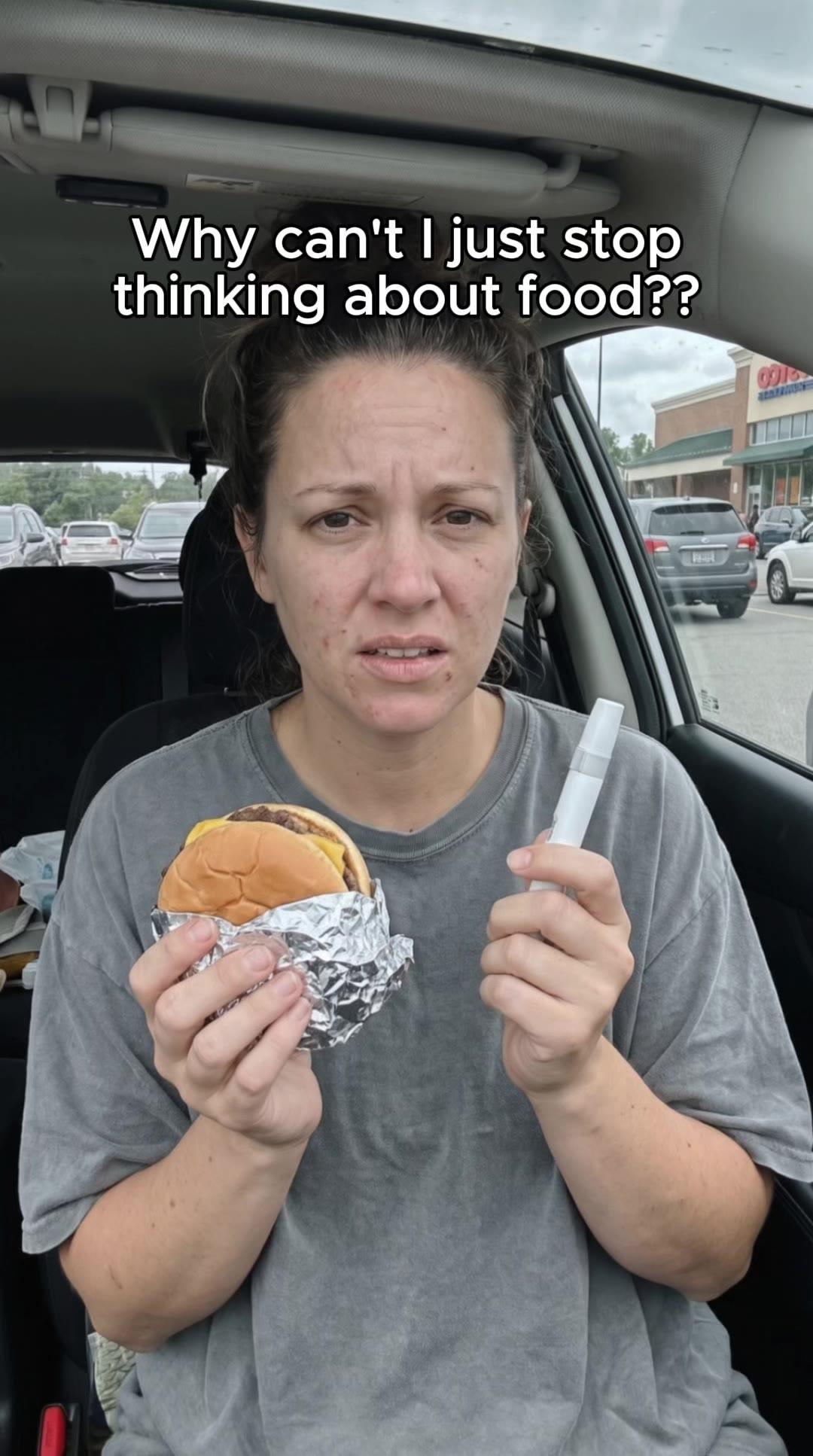





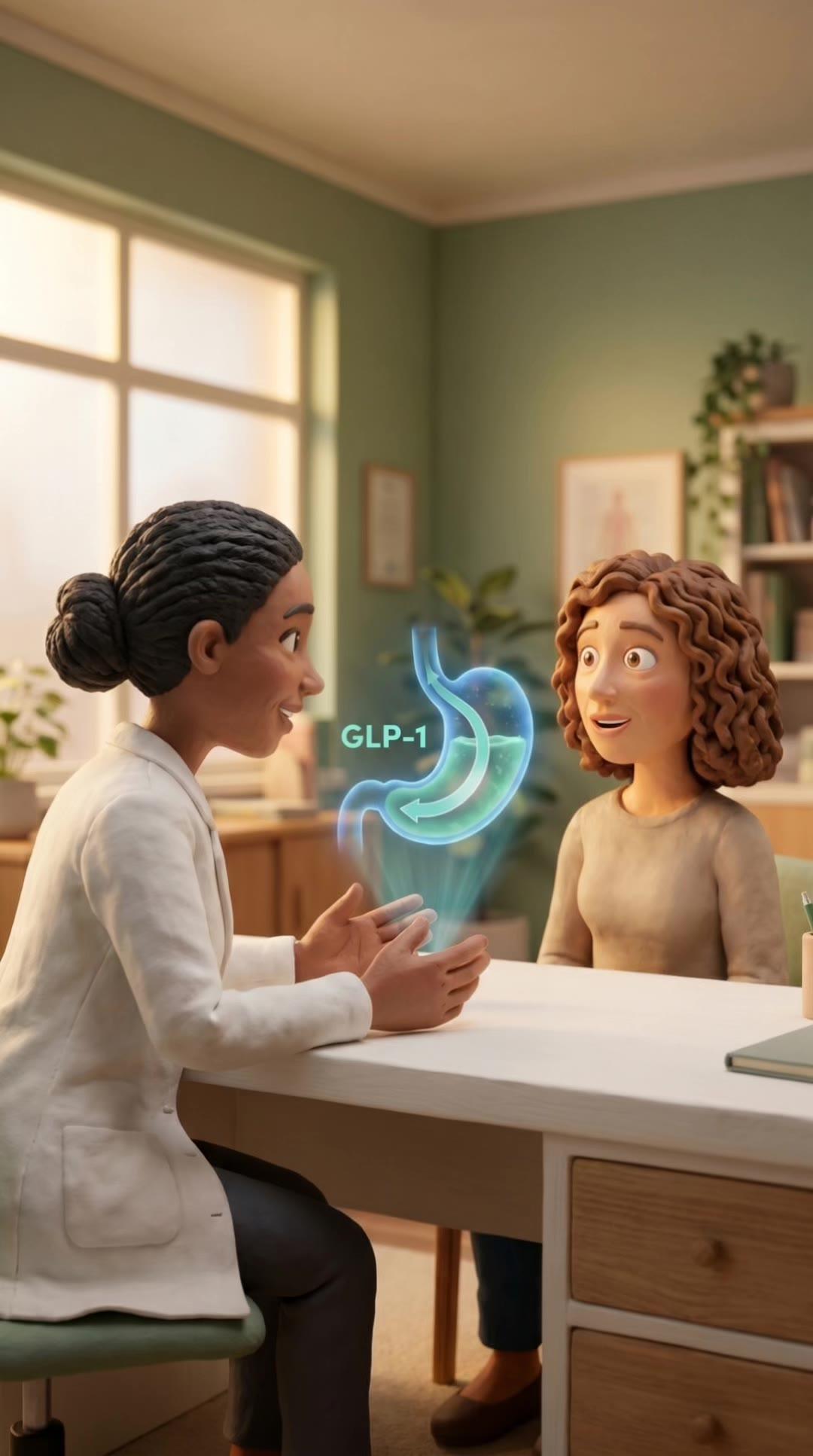
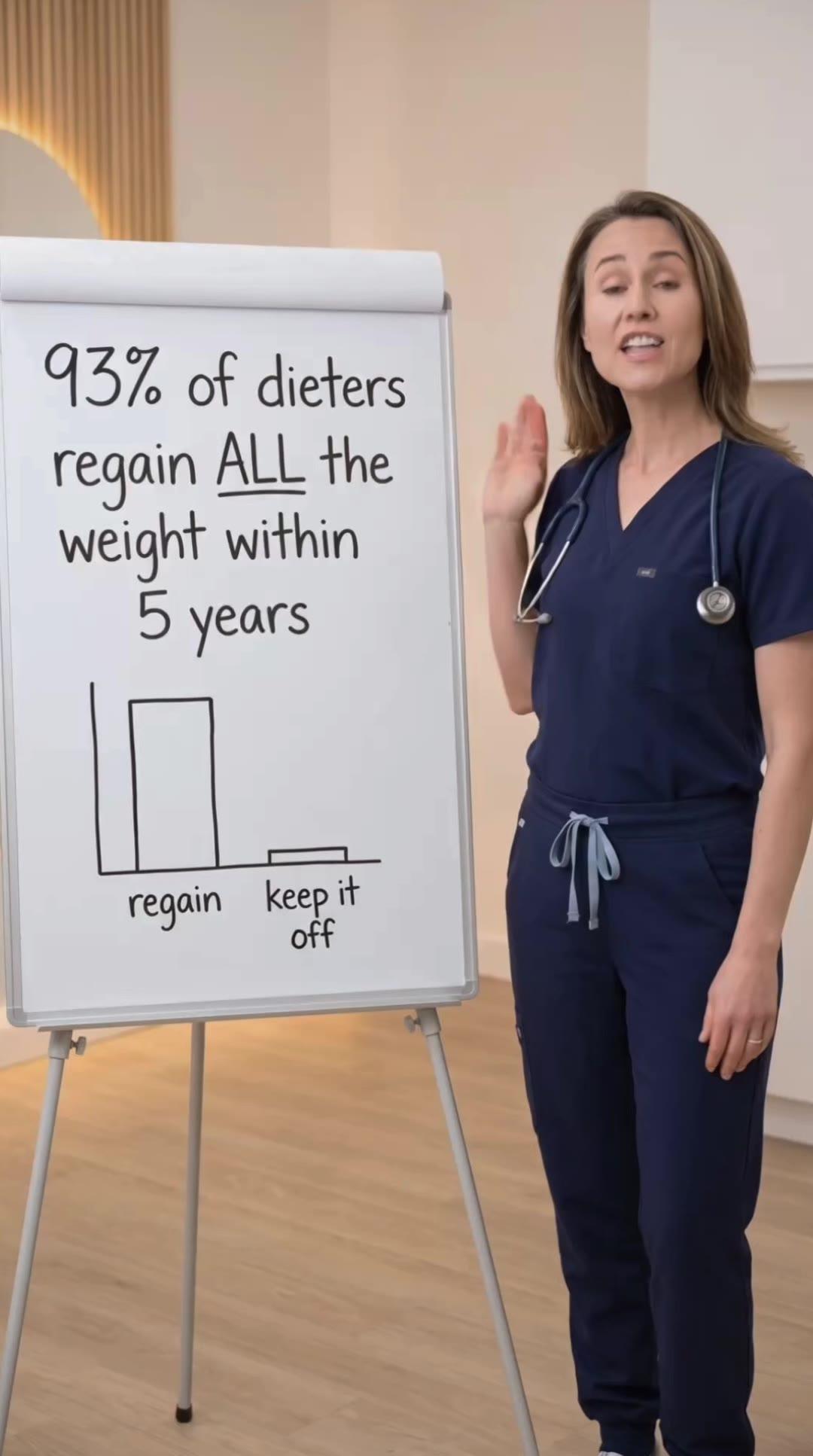
Whitelisting strategy for GLP-1 telehealth brands requires a different emphasis than whitelisting for men's health categories. The audience, the compliance environment, and the creative dynamics are all distinct. GLP-1 advertising sits at the intersection of high consumer awareness, significant regulatory scrutiny, and a conversion cycle that can be longer than many direct-response categories. Building the right telehealth paid social infrastructure for a GLP-1 brand means understanding what makes this vertical different and building accordingly.
The GLP-1 Audience and What That Means for Page Identity
GLP-1 audiences have done more research than almost any other telehealth category before they convert. These are people who have been thinking about weight management for some time, have heard about GLP-1 medications through news coverage, social media, or conversations, and are evaluating their options carefully. They are not typically impulse converters — they are making a considered health decision.
This research orientation means that both publisher pages and persona pages can perform well for GLP-1, unlike men's health categories where persona pages dominate. A well-constructed metabolic health publication page that provides genuine educational content about GLP-1 mechanisms, patient selection criteria, and what the experience involves can capture research-stage attention effectively. This audience is seeking information and will engage with content that provides it.
Persona pages for GLP-1 work best when the persona has genuine weight management struggle in their backstory — not just a fitness identity, but the specific experience of having tried other approaches before finding what worked. The emotional resonance of "I tried everything and nothing worked until this" is disproportionately powerful in the GLP-1 category because it accurately describes the experience of a large segment of the target audience.
Page Portfolio Recommendations for GLP-1 Brands
A GLP-1 brand building whitelisted distribution from scratch should develop both persona and publisher page infrastructure in parallel. Start with two persona pages — one representing a woman in the primary demographic (35-55, weight management journey), one representing a man in a comparable demographic. These serve as the primary direct-response conversion vehicles.
Add one publisher page positioned as a metabolic health or weight loss science publication. This page carries educational and research-framing content that serves the research-oriented segment of the audience. The publisher page is not necessarily your highest-volume conversion driver, but it captures audience segments that convert poorly from direct testimonial creative and well from educational content.
Consider creator whitelisting as a third layer once the persona and publisher infrastructure is established. Creators with documented weight loss journeys using GLP-1 medications — who post authentically about their experience — can drive conversion from audiences that are skeptical of both brand advertising and anonymous personas. The creator's real identity and verifiable journey are performance assets that constructed personas cannot replicate.
Compliance Complexity in GLP-1 Advertising
GLP-1 advertising operates under compounded compliance scrutiny. Meta's healthcare advertising policies apply broadly. FDA regulations on pharmaceutical and telehealth advertising apply specifically. FTC endorsement and advertising claim standards apply throughout. The compound effect of these overlapping frameworks means that creative that would pass one standard may fail another.
The most common compliance failures in GLP-1 advertising involve before-and-after imagery, specific weight loss claim amounts, and implied guarantees of outcomes. These are categories where whitelisted distribution does not provide additional protection — the underlying compliance requirements apply regardless of which page the ad runs from. What whitelisting provides is risk distribution: a compliance issue on a persona page does not affect your brand account or other pages in the portfolio.
The educational content framing that works well for GLP-1 publisher pages also has compliance advantages. Content that explains how GLP-1 medications work as a class, what the clinical evidence shows generally, and what a consultation involves makes fewer direct claims than advertising that promises specific outcomes. Building a creative library of educationally framed content alongside your direct-response library gives you options at different points in Meta's review spectrum.
Concepts we ship across every awareness stage.
See the work →Creative Strategy That Works for GLP-1 Distribution
Top-of-funnel creative for GLP-1 whitelisted campaigns should lead with the emotional and practical experience of weight management struggle rather than with medication claims. Hooks that describe the experience of having tried other approaches, having metabolic factors working against conventional methods, or discovering there is a medical dimension to weight management that most people do not know about all perform well for awareness-stage creative.
Mid-funnel creative should address the most common objections in the target demographic: whether they would qualify, what the process involves, what the cost is, and whether the medication is safe. Objection-addressing creative from persona pages — a persona who shares their own journey through these same questions — performs well for audiences who have already been exposed to top-of-funnel content but have not yet converted.
Bottom-of-funnel and retargeting creative should focus on the ease of getting started and what happens in the first consultation. Removal of friction — making the path from interest to intake as simple as possible — is the primary conversion driver at this stage. Creative that walks users through the process step by step reduces the uncertainty that keeps researching audiences from converting.
Managing the Longer GLP-1 Conversion Cycle
GLP-1 conversion cycles can run longer than many direct-response categories. A user who first engages with GLP-1 content may take weeks or months to convert, compared to the faster conversion windows typical of some other telehealth categories. This longer cycle has implications for how you structure your whitelisting and distribution strategy.
Attribution windows should be set longer for GLP-1 campaigns than for categories with faster conversion cycles. Using a 7-day click attribution window may miss a significant portion of actual conversions from users who were influenced by your advertising but took more time to act. Test longer attribution windows and compare the resulting performance data to understand the true conversion timeline from your paid social campaigns.
Multi-page touch strategies — where users encounter creative from multiple pages at different stages of their research — are particularly effective for GLP-1 because of this longer cycle. A user who sees a publisher page educational ad in week one, a persona page testimonial ad in week two, and a retargeting campaign in week three has experienced a more complete conversion journey than a user who only encountered one creative execution. Distributed page infrastructure enables this multi-touch approach in ways that a single brand account cannot.
Scaling GLP-1 Whitelisting Programs
GLP-1 brands that have proven out whitelisting on a small page portfolio should scale the number of active pages before scaling individual campaign budgets. The category has enough audience depth that adding additional page identities — more personas, a second publisher page with a different editorial angle — delivers incremental conversion without running into the frequency and saturation issues that come from scaling a single page's budget.
Creative volume matters at scale. The GLP-1 audience is large and diverse, and no single creative angle converts across the full spectrum of that audience. Maintaining an active creative testing program — with new hooks, new personas, new formats tested regularly — is the mechanism for finding the creative that converts the next segment of the addressable audience as you grow.
Build page infrastructure ahead of spend growth. A GLP-1 brand planning to significantly increase paid social budget in the next six months should be building and aging the pages that will carry that additional budget today, not when the spend increase is ready. The 90-day aging requirement means the infrastructure investment must precede the budget deployment by a meaningful lead time.
Related Articles
Persona Pages vs Publisher Pages vs Creator Whitelisting
The three main whitelisting vehicles for telehealth paid social and how each performs for different verticals.
Editorial Whitelisting for Telehealth Ads
How editorial whitelisting works and why publisher-style pages produce different performance outcomes for certain telehealth verticals.
Whitelisting and Compliance for Telehealth Ads
How whitelisting interacts with FDA, FTC, and Meta platform compliance for telehealth brands running distributed ad campaigns.
Why Almost Every Scaling Telehealth Brand Whitelists
The strategic case for distributed page advertising — why telehealth brands across verticals move spend away from brand accounts as they scale.
Ready to build a testing system that scales?
A 30-minute call. We audit your creative approach and show you exactly what a complete angle-format-hook system looks like for your vertical.