Editorial Whitelisting for Telehealth Ads
How editorial whitelisting — distributing paid telehealth ads through publisher-style pages — produces different performance outcomes than persona pages and why certain verticals respond more strongly to news-format source identities.
Concepts shown are internal creative studies, not client campaigns.








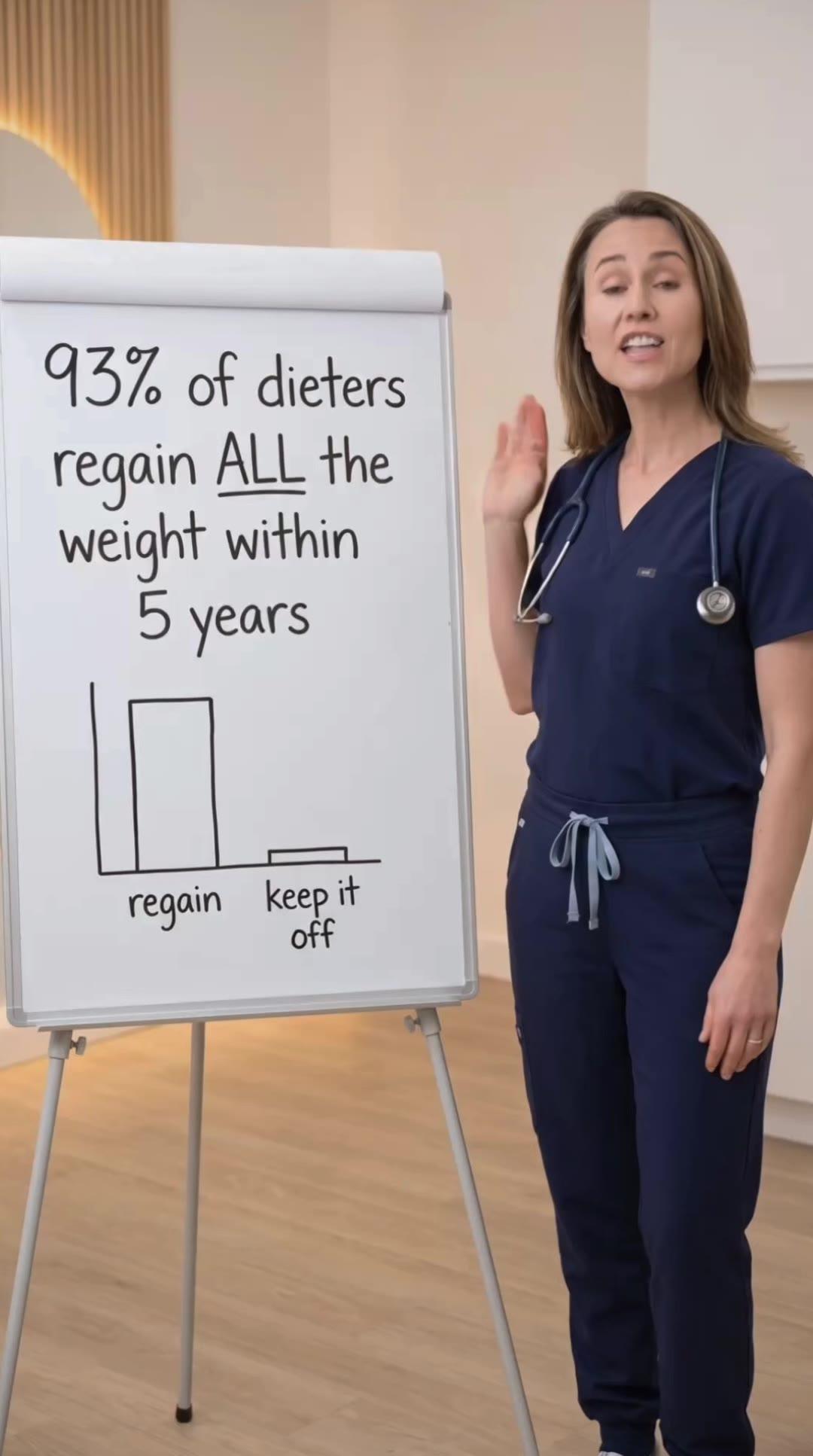
Editorial whitelisting is the practice of running paid telehealth ads through pages that present as health publications rather than brands, individuals, or advertisers. The ad appears to come from a health media outlet — think "Metabolic Health Weekly" or "The GLP-1 Report" — rather than from the pharmaceutical or telehealth company funding the campaign. For brands building distributed telehealth paid social infrastructure, editorial whitelisting is a distinct vehicle with its own performance profile and operational requirements.
What Makes a Page Editorial
An editorial page is one whose identity is built around publishing health information rather than selling products or representing an individual. The name reads like a publication — a report, a journal, a health outlet, a wellness newsletter. The visual identity uses masthead-style design rather than the profile photo and personal brand look of a persona page. The content cadence mimics a publication: articles, news items, educational posts, research summaries.
The distinction from a persona page is meaningful in how users perceive the source. A persona page communicates: this is a person who has used or recommends this product. An editorial page communicates: this is a publication covering health topics that happens to be reporting on this treatment option. The credibility mechanisms are different even though the underlying whitelisting mechanics are identical.
For telehealth categories where research-backed framing matters — GLP-1, peptides, anti-aging — the editorial source identity activates different trust signals than a personal recommendation. Users who are skeptical of testimonials or brand advertising may respond to content that reads like editorial coverage. This is the core performance hypothesis behind editorial whitelisting, and it holds up in practice for specific verticals and audience segments.
How Editorial Pages Differ Operationally
Editorial pages require more content infrastructure than persona pages to maintain their identity credibly. A health coach persona can post three times a week with brief wellness tips and still feel authentic. A health publication that posts three times a week needs those posts to look like actual editorial content — articles with body copy, health news summaries, research-based posts with enough depth to justify the publication format.
The good news is that telehealth brands running content marketing programs often have existing assets they can adapt. Blog posts, educational email content, and existing health education materials can be reformatted for an editorial page's organic post cadence. Brands that are already producing written content for SEO or CRM purposes can often repurpose a meaningful fraction of that content for editorial page organic posts without significant incremental production cost.
The operational overhead of maintaining an editorial page is higher than a persona page, but not dramatically so if content repurposing is in place. Where brands struggle is when they launch an editorial page without a content pipeline to sustain it. A publication that goes quiet for weeks or posts irregularly loses the editorial identity that makes it perform. Build the content supply chain before building the page.
Creative Strategy for Editorial Whitelisting
Ad creative running from an editorial page needs to match the source identity to perform well. When the source is a health publication, the ad creative that outperforms is typically formatted as editorial content — articles, explainers, news-format hooks — rather than direct-response offers. A page named "Metabolic Health Weekly" running a standard direct-response ad with benefit callouts and a "Get Started" CTA creates a source-content mismatch that users notice.
The strongest editorial ad formats look like content that the page would naturally publish. Native-style ads that lead with educational or news-format hooks, then transition to a product mention, outperform traditional DTC ad formats when run from editorial pages. The creative angle shifts from persuasion to information: "here is what you should know about GLP-1 options" rather than "our GLP-1 program delivers results."
This does not mean editorial ad creative cannot be performance-oriented. The best editorial ad creative leads with information, earns the reader's attention through the value of the content, and then converts them with a clear call to action. The persuasion happens after the trust is established, not before. This is a fundamentally different creative sequence from standard DTC advertising, and it requires creative teams who understand content-led conversion rather than interruption-based conversion.
Concepts we ship across every awareness stage.
See the work →Which Telehealth Verticals Benefit Most
GLP-1 and metabolic health advertising consistently responds well to editorial framing. The audience for GLP-1 products has typically done significant research before converting — they have read articles, watched explainers, and evaluated options. An ad that looks like editorial coverage of GLP-1 treatment options meets this audience where they already are rather than trying to interrupt their research with a traditional ad.
Peptide and longevity brands see similar dynamics. These audiences skew toward research-oriented consumers who evaluate scientific framing. A publication covering peptide protocols with legitimate educational content, then advertising related telehealth services, aligns with how this audience actually makes decisions. The editorial frame is not a trick — it is matching the ad experience to the audience's decision-making process.
Men's health verticals — TRT and ED specifically — tend to perform better through persona pages than editorial pages. The decision-making process for men's health treatments is more personal and identity-driven than research-driven. A relatable individual who has navigated the same issue carries more weight than a publication reporting on treatment options. This does not mean editorial pages cannot work for men's health, but the primary whitelisting vehicle for those verticals is typically persona-based.
Building Credible Editorial Identities
The name and visual identity of an editorial page determine whether users accept the publication frame. Names that are too generic ("Health News Daily") feel low-credibility. Names that are specific to a vertical but clearly positioned as a niche outlet ("The Metabolic Medicine Report," "Longevity Protocol Weekly") feel more like genuine specialist publications.
The About section of an editorial page should describe the publication's mission, coverage focus, and audience clearly. A well-written About section that reads like a real publication's editorial mission — what they cover, who they write for, why they exist — contributes to the page's credibility both for users and for Meta's review systems. Spend time on this copy. A vague or clearly provisional About section undermines the entire editorial identity.
Visual identity for an editorial page should look like a media outlet, not a brand or individual. A logo that resembles a publication masthead, a cover image that looks like a magazine or newsletter header, consistent typography in organic posts — these details accumulate into a credible editorial identity. Users assess these cues quickly, and a page that looks like a publication when the ad is served reinforces the credibility frame the creative is trying to establish.
Compliance Profile of Editorial Whitelisting
Editorial pages face the same Meta healthcare advertising policies as persona pages and brand accounts. The source identity does not change the content requirements — telehealth ads must still comply with restrictions on before-and-after imagery, specific drug name claims, and claims about prescription treatments. The editorial frame does not create regulatory space that does not otherwise exist.
Where editorial pages may have an advantage is in how certain content categories are framed. Educational content about treatment categories — explaining how GLP-1 works, what peptide therapy involves, what the research shows on testosterone optimization — is different from direct advertising claims. An editorial page that educates and then invites users to learn more through a telehealth platform is structurally different from a brand ad making direct efficacy claims.
This structural difference is worth understanding because it shapes creative strategy. The most effective editorial telehealth ads are educational first, commercial second. They inform the audience before they sell to them. This approach has better compliance characteristics because informational content about treatment categories is evaluated differently than direct product advertising. The creative team needs to understand where the line is and how to stay on the right side of it.
Integrating Editorial Pages Into a Portfolio Strategy
Editorial pages work best as part of a broader whitelisting portfolio rather than as a standalone strategy. A telehealth brand running both persona pages and editorial pages for the same vertical gets performance data that informs which source identity works better for which audience segment. This information is more valuable than any individual page's performance in isolation.
Build editorial pages aligned to verticals where educational framing is strategic. If you are running GLP-1 campaigns, a metabolic health publication page is a natural complement to persona pages in the same category. The two vehicles can run different creative approaches to the same audience, letting the algorithm find the best source-content combination for each user segment.
Start one editorial page and maintain it properly for 90 days before running ads. Measure its performance against your existing persona pages on the same creative. If it outperforms, expand the editorial page infrastructure. If performance is comparable, decide based on operational fit — which vehicle is easier for your team to maintain at the required quality level. The best portfolio is not the most complex one. It is the one your team can execute consistently.
Related Articles
Running Telehealth Ads Through Editorial-Style Pages
How editorial-style publisher pages work as ad distribution vehicles and what makes them perform differently than persona pages.
Persona Pages vs Publisher Pages vs Creator Whitelisting
The three main whitelisting vehicles for telehealth paid social — how each works and when to use each.
How Publisher Pages Change Your Telehealth Ad Creative
What changes about creative strategy when you run telehealth ads through publisher pages instead of brand or persona pages.
What to Post on a Whitelist Page Before Running Ads
Content strategy for aging whitelist pages — what to post, how often, and what Meta looks for before pages are ready for paid advertising.
Ready to build a testing system that scales?
A 30-minute call. We audit your creative approach and show you exactly what a complete angle-format-hook system looks like for your vertical.