Running Telehealth Ads Through Editorial-Style Pages
The news-publication approach to telehealth ad distribution — how editorial-style pages work as ad vehicles, what makes them perform differently from persona pages, and how to execute the format credibly.
Concepts shown are internal creative studies, not client campaigns.







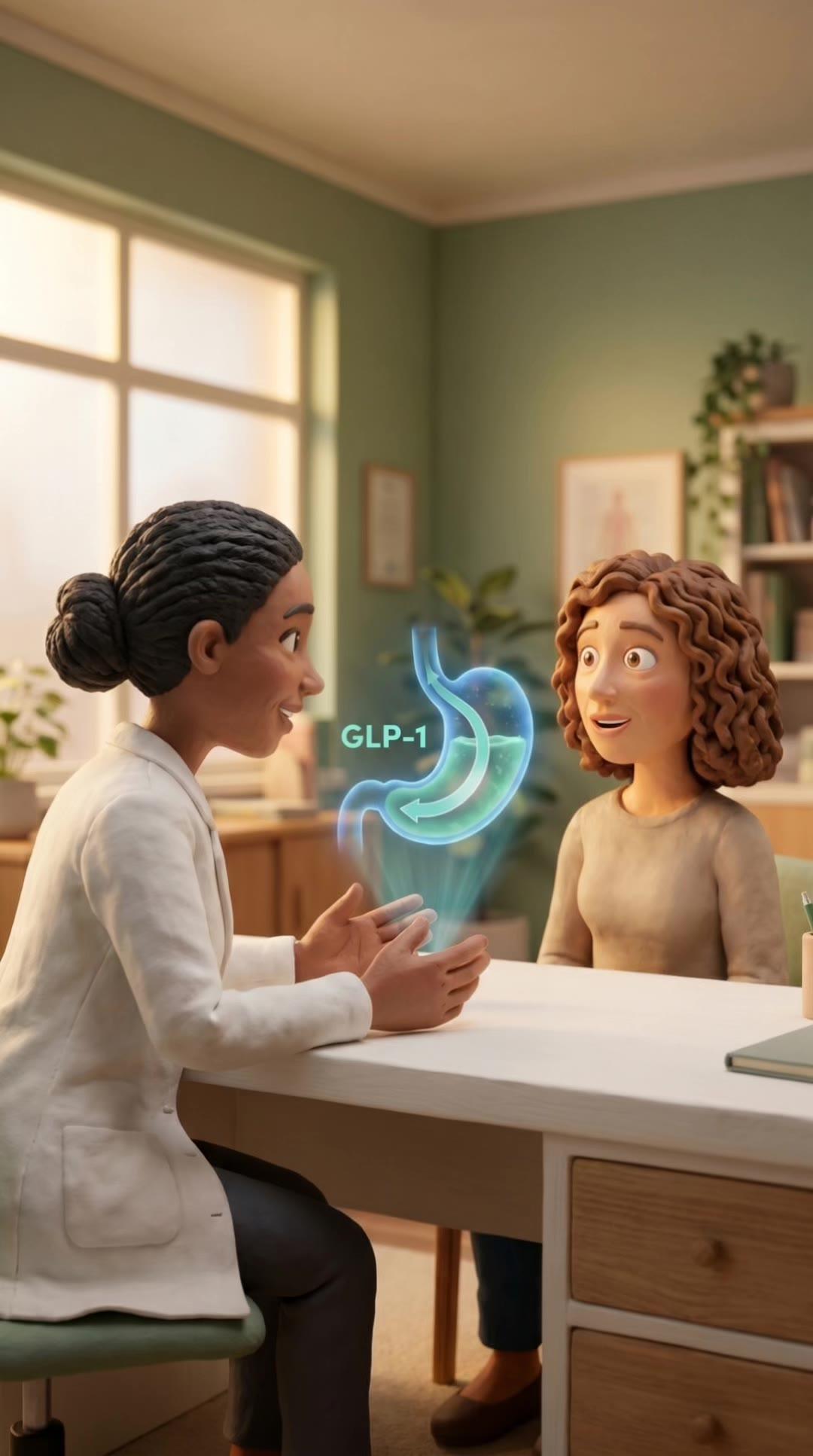
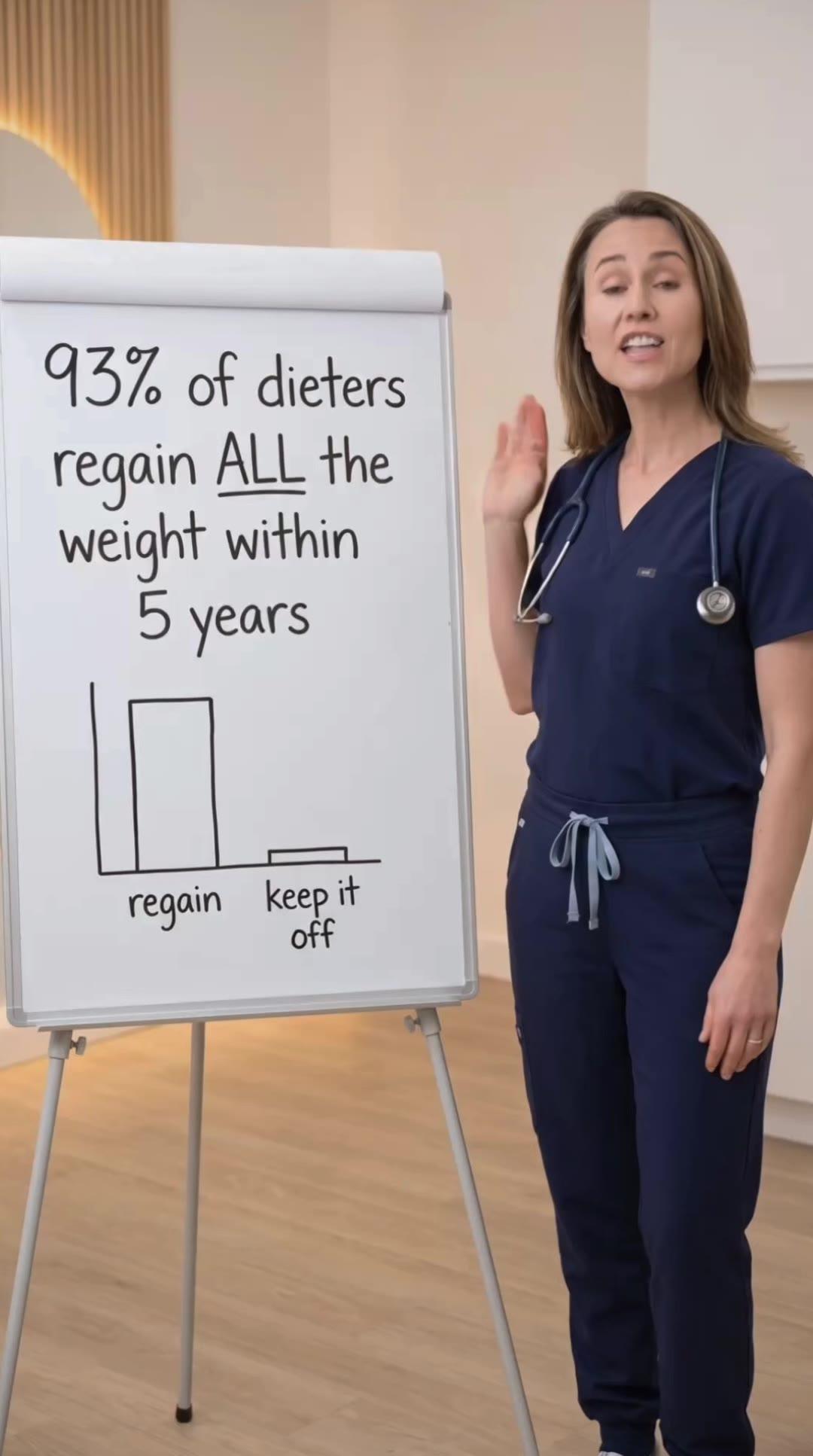
Running telehealth ads through editorial-style pages — pages that present as health news outlets or publications rather than individuals or brands — is one of the more sophisticated approaches to distributed telehealth paid social. The format works because it exploits the credibility gap between "brand advertising about health" and "media reporting on health" in ways that resonate strongly with research-oriented health audiences. Getting it right requires understanding both why it works and what makes it fail.
The Credibility Mechanism Behind Editorial-Style Pages
When users encounter content from a publication, they apply a different evaluative frame than they apply to brand advertising. Publications are expected to provide information about the world. Brands are expected to sell products. Even though users know that paid ads are commercial regardless of the source, an ad that appears to come from a health outlet triggers the "information" frame rather than the "sales pitch" frame — and those frames produce different engagement and conversion behaviors.
This credibility mechanism is particularly powerful for health decisions, where consumers are explicitly seeking trustworthy information. A telehealth service presented as something a health publication is covering — rather than something a company is selling — is evaluated through a trust lens that commercial advertising rarely earns. The page that distributes the ad does not guarantee this framing; the creative must reinforce it.
The mechanism works best when the page identity, the organic content it posts, and the paid ad creative are all internally consistent. A health publication that posts wellness research summaries and educational articles, then runs paid ads that look like article-format coverage of a treatment option, creates a coherent user experience. A publication that posts generic content and then runs ads that look like standard DTC ads breaks the frame and loses the credibility benefit.
Building an Editorial Page That Reads as Legitimate
The name is the first credibility signal. Editorial page names for telehealth should feel like specialist health publications rather than brand names or generic wellness accounts. Names that reference a specific topic domain — metabolic health, hormone optimization, longevity medicine — feel more like legitimate publications than broad wellness names. The name should be something a real publication in this space might actually use.
The visual identity should evoke media rather than lifestyle brands. Mastheads, publication-style logos, and article-thumbnail visual formats signal editorial content. Cover images that look like magazine spreads or newsletter headers reinforce the publication identity. The profile photo should be a logo, not a person — editorial pages are institutions, not individuals.
The About section is critical. A well-written editorial mission statement — explaining what the publication covers, who it serves, and why it exists — is a trust signal that users notice even when they are not consciously reading it. A vague or clearly fabricated About section creates the impression of a hastily assembled advertising vehicle. Invest in the copy that tells the publication's story.
Organic Content That Sustains the Editorial Identity
Editorial pages need content that a real health publication would actually publish. This includes article-format educational posts about health topics in the publication's coverage area, news summaries about relevant health research or regulatory developments, explainers about treatment categories and how they work, and Q&A format posts that address common audience questions.
The content does not need to be original long-form journalism — most editorial pages work effectively with shorter educational posts of 200-400 words that address specific health topics in an informative, credible tone. The goal is content that would be useful to someone researching the topic, not content that reads like a keyword-stuffed SEO article or an AI-generated wellness post.
Sourcing organic content from existing health media — summarizing articles, curating relevant research — is a legitimate and efficient approach for editorial page maintenance. Sharing and commenting on external health journalism is what real health publications often do on social media. This approach keeps content quality high without requiring original research production for every post.
Concepts we ship across every awareness stage.
See the work →Ad Creative Formats That Match the Editorial Frame
The most effective ad formats for editorial-style pages mimic the appearance and tone of actual editorial content. Article-thumbnail image ads — with a headline-style text overlay, a relevant health photo, and the page name as attribution — look like links to health articles rather than advertisements. Users click these expecting informative content, and the landing page should deliver on that expectation before converting them.
Long-form copy ads that lead with health information before transitioning to a call to action perform well from editorial pages. The copy structure mirrors how publications write about health topics: provide context, explain the issue, present the solution (the telehealth service), and invite the reader to learn more. This structure maintains the information-first framing throughout the ad rather than shifting mid-copy from editorial to commercial.
Video formats that look like health news segments or documentary-style explainers are the video equivalent of the article-thumbnail static format. A video that leads with a health issue framed as something the publication is investigating, then presents a telehealth solution as its conclusion, maintains the editorial frame through the full creative length. Direct-response video formats that feel like commercials break the editorial frame regardless of the source page they run from.
Verticals Where Editorial Pages Perform Best
GLP-1 and metabolic health brands see consistent strong performance from editorial pages. The GLP-1 audience approaches the treatment decision through an information-gathering process, and a publication covering weight management medicine is a natural fit for this audience's research mode. Educational content from a metabolic health publication converts the research-stage user more effectively than direct response advertising from a brand.
Peptide and longevity brands benefit significantly from editorial distribution. The longevity audience is highly research-oriented, scientifically literate, and skeptical of commercial advertising. A publication covering the science of aging, cellular health, and peptide protocols speaks directly to how this audience actually evaluates health interventions. The editorial frame is not a trick with this audience — it is simply meeting them where they are.
Women's health and hormone optimization brands can also see strong results from editorial pages, particularly when the publication covers topics like perimenopause, thyroid health, or metabolic changes in women over 40. These audiences have often encountered dismissive or inadequate conventional medical treatment for their concerns and respond to educational content that takes their health issues seriously and presents telehealth as a solution.
Common Ways Editorial Pages Fail
The most common failure mode is running standard DTC creative from an editorial page without adjusting the format or tone. An ad that says "Get your GLP-1 prescription online" with a benefit list and a "Start Now" button looks like direct advertising regardless of whether it comes from a publication or a brand. The editorial source identity does not transform non-editorial creative. The creative must match the source.
Neglecting organic content maintenance is another common failure. Editorial pages require a consistent publication cadence to sustain their identity. A page that was active during the aging period but stops posting once ads launch looks abandoned. The organic content cadence should continue throughout the active advertising period — at least two to three posts per week — to maintain the trust signals and page identity that make the editorial approach work.
Trying to cover too many health topics is a third common mistake. A publication that covers weight loss, men's health, skin care, and longevity simultaneously looks unfocused. Real specialist health publications have a defined coverage area. Choose the specific niche that serves your advertising goals and maintain that focus consistently. A tightly focused editorial page builds stronger credibility signals than a broad general wellness publication.
Related Articles
Editorial Whitelisting for Telehealth Ads
How editorial whitelisting works and why publisher-style pages produce different performance outcomes for certain telehealth verticals.
How Publisher Pages Change Your Telehealth Ad Creative
What shifts in creative strategy when you run telehealth ads through publisher pages instead of brand or persona pages.
Persona Pages vs Publisher Pages vs Creator Whitelisting
The three main whitelisting vehicles for telehealth paid social and how each performs for different verticals.
What to Post on a Whitelist Page Before Running Ads
Content strategy for aging whitelist pages — what to post, how often, and what Meta looks for before pages run paid ads.
Ready to build a testing system that scales?
A 30-minute call. We audit your creative approach and show you exactly what a complete angle-format-hook system looks like for your vertical.