Should Your UGC Creators Also Be Affiliates
The case for and against combining UGC creator relationships with affiliate arrangements for telehealth brands — and how the structure changes incentives, compliance obligations, and performance outcomes.
Concepts shown are internal creative studies, not client campaigns.



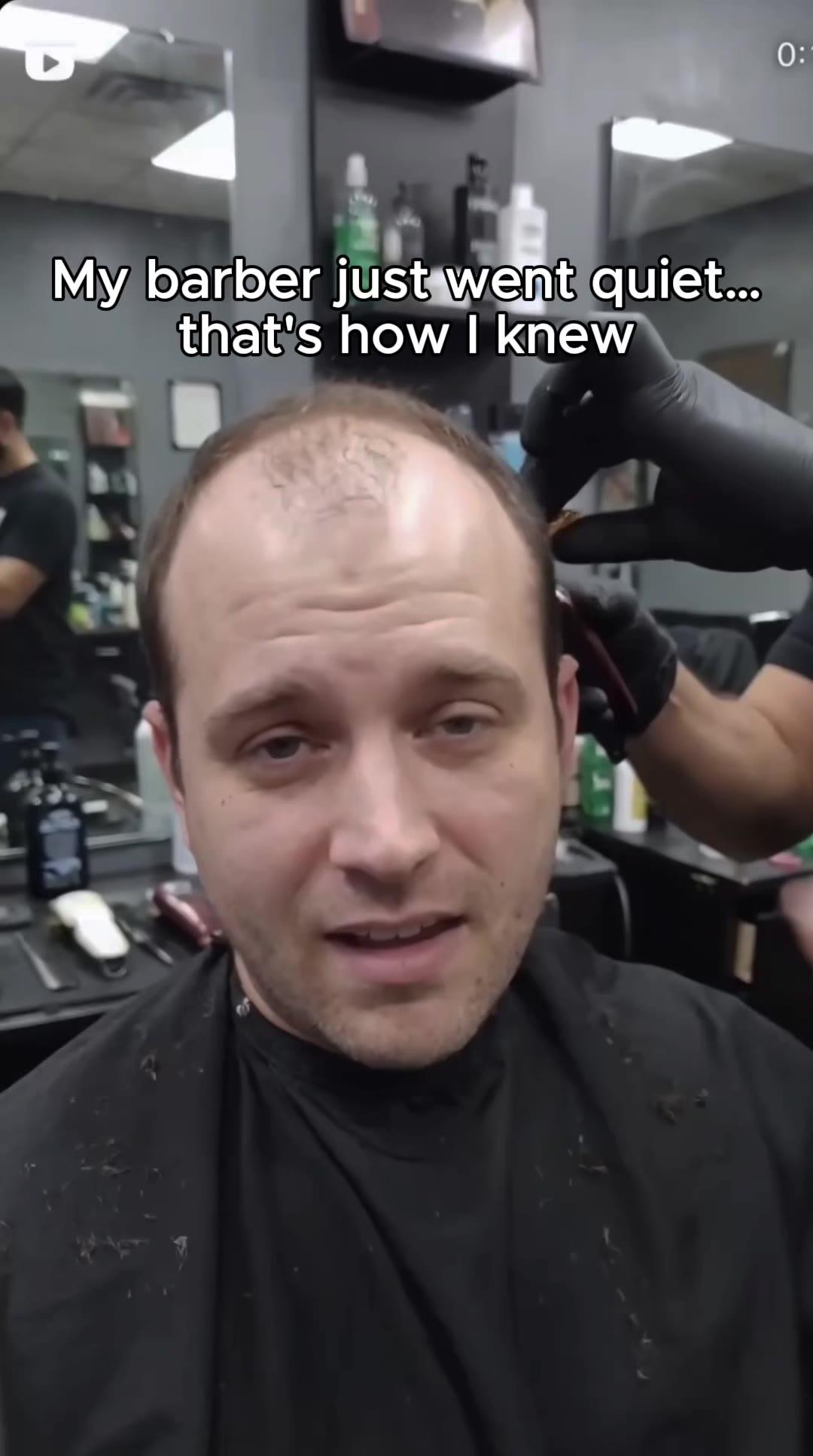




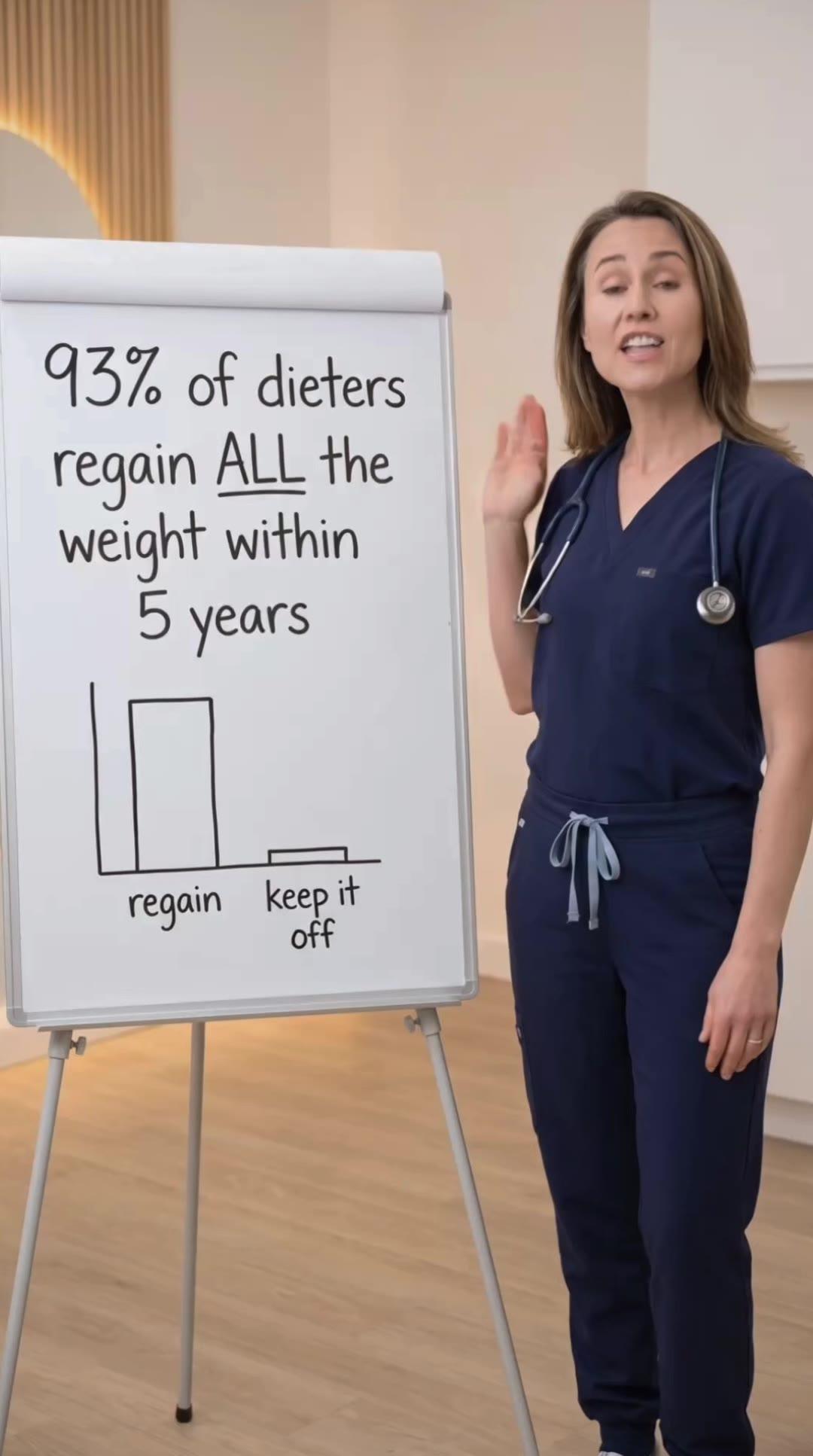
UGC creators who whitelist their accounts for telehealth brands occupy a specific position in the paid social ecosystem — they produce content, grant access to their identity, and typically receive a flat fee for the arrangement. The question of whether those same creators should also earn performance-based affiliate commissions is one that more telehealth brands are grappling with as they scale their telehealth paid social programs and look for ways to deepen creator relationships beyond transactional content production.
The Basic Mechanics of a Dual Arrangement
In a standard UGC creator relationship, the creator produces content and may grant whitelisting access. They receive a flat fee per video or monthly retainer, and the performance of the content does not affect their compensation. Their financial upside is capped at the agreed rate regardless of how well the ads perform.
In a dual UGC plus affiliate arrangement, the creator receives the same base flat fee for content production and whitelisting, but also receives a commission on conversions attributable to their unique affiliate link or promo code. If the content drives significant organic traffic on their own platform — through non-paid posts, their own audience — they earn on those conversions too. The financial upside is uncapped on the affiliate side.
The structural difference matters because it changes the creator's incentive set. A creator earning only flat fees has no financial reason to promote the brand beyond their contract obligations. A creator earning affiliate commissions has an ongoing financial reason to recommend the product to their audience, post organically about it, and mention it in relevant content. The arrangement converts a one-time supplier into a longer-term advocate.
When the Combination Makes Strategic Sense
The dual arrangement is most valuable when the creator has a genuine, engaged audience in your target demographic. A creator with a health and wellness following who is personally invested in the telehealth category you serve can drive meaningful organic conversions through their own content. The affiliate commission structure gives them a reason to create that organic content beyond their contractual UGC obligations.
For telehealth verticals where personal testimonials carry weight — GLP-1 results, TRT transformations, hair loss recovery — creators who have authentically experienced results are in a particularly strong position to generate affiliate conversions. Their organic posts about their personal results are not advertising; they are genuine recommendations. The affiliate commission provides compensation for that value creation, which is fair and creates better long-term creator relationships.
Volume-driven creators who produce large amounts of content but have smaller or less engaged audiences are less suited to the dual arrangement. Their value is primarily in content production efficiency — they deliver scripts well and maintain consistency. Adding affiliate commissions to this relationship adds administrative overhead without proportional value, because the organic conversion potential from their platforms is limited.
FTC Disclosure Obligations Change When Affiliates Are Involved
The FTC's endorsement guidelines require clear disclosure when a creator has a material connection to a brand — including financial arrangements that may affect their endorsement. A UGC creator being paid a flat fee to produce content has a material connection that requires disclosure when that content is used as a paid ad. Adding an affiliate arrangement creates an additional material connection that affects any organic content the creator posts about the brand.
This means creators in a dual arrangement need to disclose the affiliate relationship in all their organic content about the brand, not just in paid ad placements. The disclosure requirements for organic affiliate content are different from those for paid partnership ads. Ensure your creator agreements spell out exactly what disclosure language is required for each type of content and that creators understand they cannot make health claims in organic content that would not pass compliance review in a paid ad context.
The complication is that telehealth brands operate in a high-scrutiny regulatory environment. A creator who makes unauthorized health claims in organic affiliate content — claiming specific health outcomes, using drug names incorrectly, making before-and-after comparisons without proper context — creates compliance liability for the brand even if that content was not produced or approved by the brand. In a dual arrangement, the brand's exposure to creator-generated compliance risk is higher than in a flat-fee-only relationship.
Concepts we ship across every awareness stage.
See the work →Structuring the Agreement to Manage Risk
A well-structured dual creator agreement addresses both the commercial terms and the compliance requirements explicitly. The commercial terms define the base fee for content production and whitelisting, the commission rate for affiliate conversions, the attribution window, how conversions are tracked, and the payment schedule. These terms should be clear enough that neither party is uncertain about what they will earn under different scenarios.
The compliance terms are often under-specified in creator agreements, and that creates risk. The agreement should define what claims the creator is authorized to make in organic content, what disclosure language is required, what approval process applies to any organic posts about the brand that will include the affiliate link, and what happens if the creator makes unauthorized health claims. A creator who understands these boundaries clearly is a lower compliance risk than one who is operating without guidance.
Consider whether to require pre-approval for organic affiliate posts before they go live. This adds operational overhead but gives the brand a compliance review touchpoint for content it did not produce. For high-follower creators whose organic posts reach large audiences, pre-approval is worth the friction. For micro-creators with smaller reach, the oversight may not be proportionate to the risk.
How Dual Arrangements Affect Creator Content Quality
Creators with affiliate upside tend to produce more invested content for the brand. When compensation is purely flat, creators optimize for contract compliance — delivering the agreed number of videos at acceptable quality. When there is affiliate upside, creators have a financial incentive to make the content as persuasive as possible, because more persuasive content drives more conversions and higher commissions.
This incentive alignment is genuinely valuable. The best UGC for telehealth ads is content where the creator is authentically invested in the product and believes in what they are promoting. Creators who have experienced results, believe in the brand, and have financial upside tied to performance tend to produce more authentic, compelling content than those completing a transactional content delivery obligation.
The risk is the opposite outcome: creators who optimize aggressively for conversions may be tempted to make stronger claims than are compliant. Performance-incentivized creators in health categories need clearer guardrails than those earning flat fees. The incentive structure that improves content quality also creates the compliance risk that requires tighter management. Both effects are real, and a good creator program accounts for both.
Attribution and Tracking Considerations
Tracking affiliate conversions in telehealth requires some care. The standard attribution model — unique promo codes or tracking links — works for organic content. But in whitelisted paid ad campaigns, the affiliate link is not visible to the user the same way it is in organic content, which creates attribution complexity when the same creator is running paid ads and organic affiliate content simultaneously.
Separate the tracking for paid ad performance and organic affiliate performance clearly. Paid campaigns running from a creator's whitelisted account should be tracked and attributed through your standard ad account reporting. Organic affiliate conversions should be tracked through the creator's unique code or link separately. Combining these attribution streams creates data that is hard to interpret and can create disputes about what conversions count toward affiliate commissions.
Define attribution windows that are realistic for telehealth conversion cycles. Telehealth conversions often take longer than standard e-commerce conversions — users may research for weeks before converting. A 7-day attribution window may significantly undercount conversions for creators driving awareness at the top of the funnel. Think through the attribution model before you sign agreements, because changing it after the fact creates creator relationship friction.
Which Creator Types Suit the Dual Model Best
The dual UGC plus affiliate model works best for creators who are genuine users or believers in the product category, have an engaged following in the target demographic, post consistently about health and wellness topics, and have clean compliance histories with no pattern of making exaggerated health claims. These creators exist in every major telehealth vertical — GLP-1, TRT, women's health, hair loss, longevity — and finding them requires more selective sourcing than pure UGC production.
Mid-tier creators — those with follower counts in the tens of thousands rather than millions — often represent the best value in dual arrangements. They are typically more authentic in their health content than influencers at scale, their audiences are more engaged, and their fee expectations are lower than macro-influencers. The affiliate upside is meaningful to them without being so large that it creates aggressive content optimization problems.
Reserve flat-fee-only relationships for pure UGC production creators where the goal is content volume rather than organic audience reach. Use the dual arrangement selectively for creators who bring genuine audience value alongside their content production capability. Not every creator in your program needs an affiliate component — be selective about which relationships merit the added structure and compliance overhead.
Related Articles
How Meta Partnership Ads Work for Telehealth Brands
Meta's official partnership ads product — how it works, how it differs from page whitelisting, and why it matters for scaling telehealth campaigns.
Creator Whitelisting vs Page Whitelisting
How creator-based whitelisting and page-based whitelisting compare for telehealth brands in terms of setup, cost, and performance.
Setting Up Meta Partnership Ads Step by Step
The technical setup process for Meta partnership ads for telehealth brands — from creator access to campaign launch.
Whitelisting and Compliance for Telehealth Ads
How whitelisting interacts with FDA, FTC, and Meta platform compliance for telehealth brands running distributed ad campaigns.
Ready to build a testing system that scales?
A 30-minute call. We audit your creative approach and show you exactly what a complete angle-format-hook system looks like for your vertical.