How Meta Partnership Ads Work for Telehealth Brands
Meta's official partnership ads product — how it works, how it differs from persona and publisher page whitelisting, and why it matters for scaling telehealth campaigns.
Concepts shown are internal creative studies, not client campaigns.
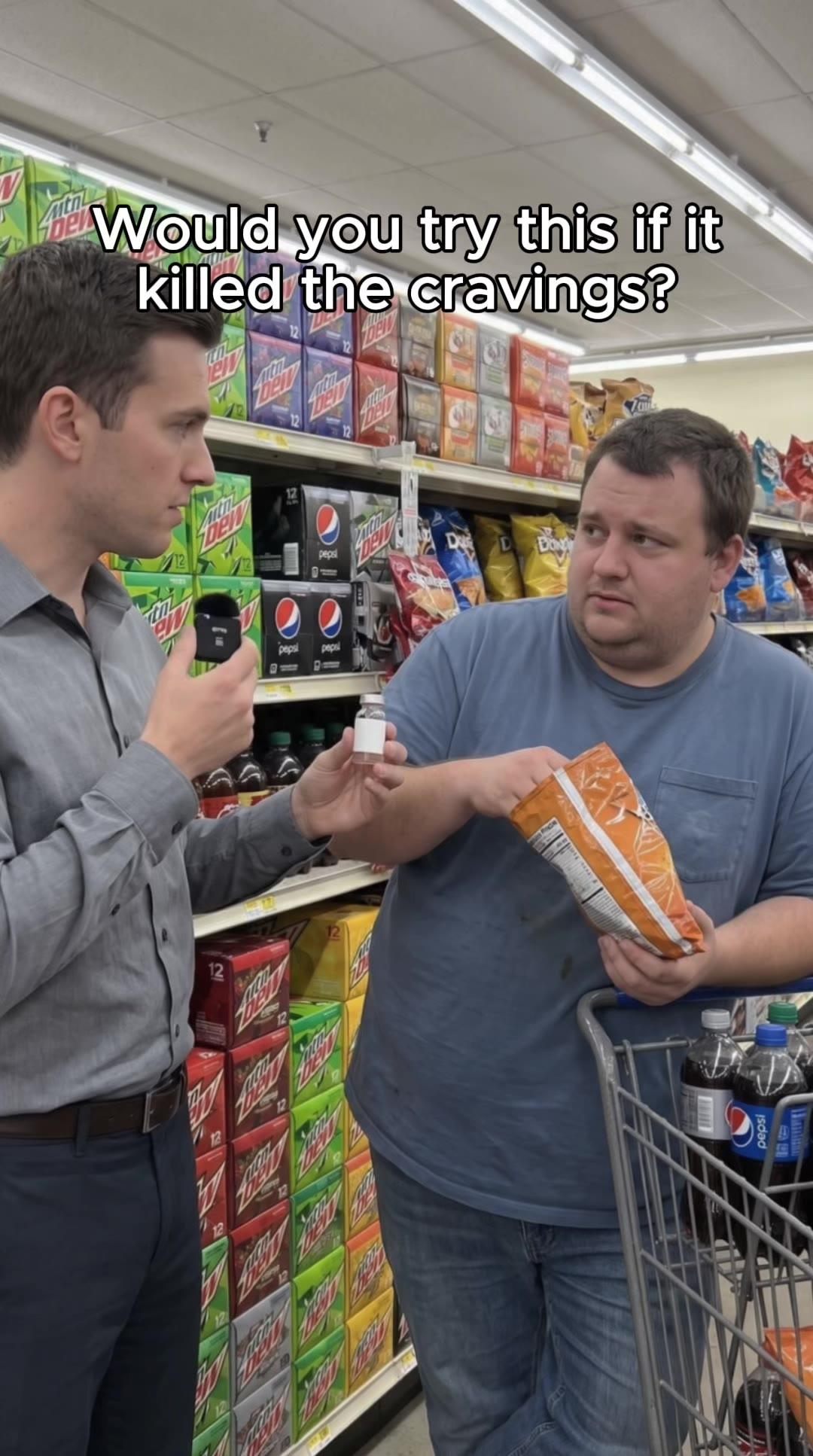
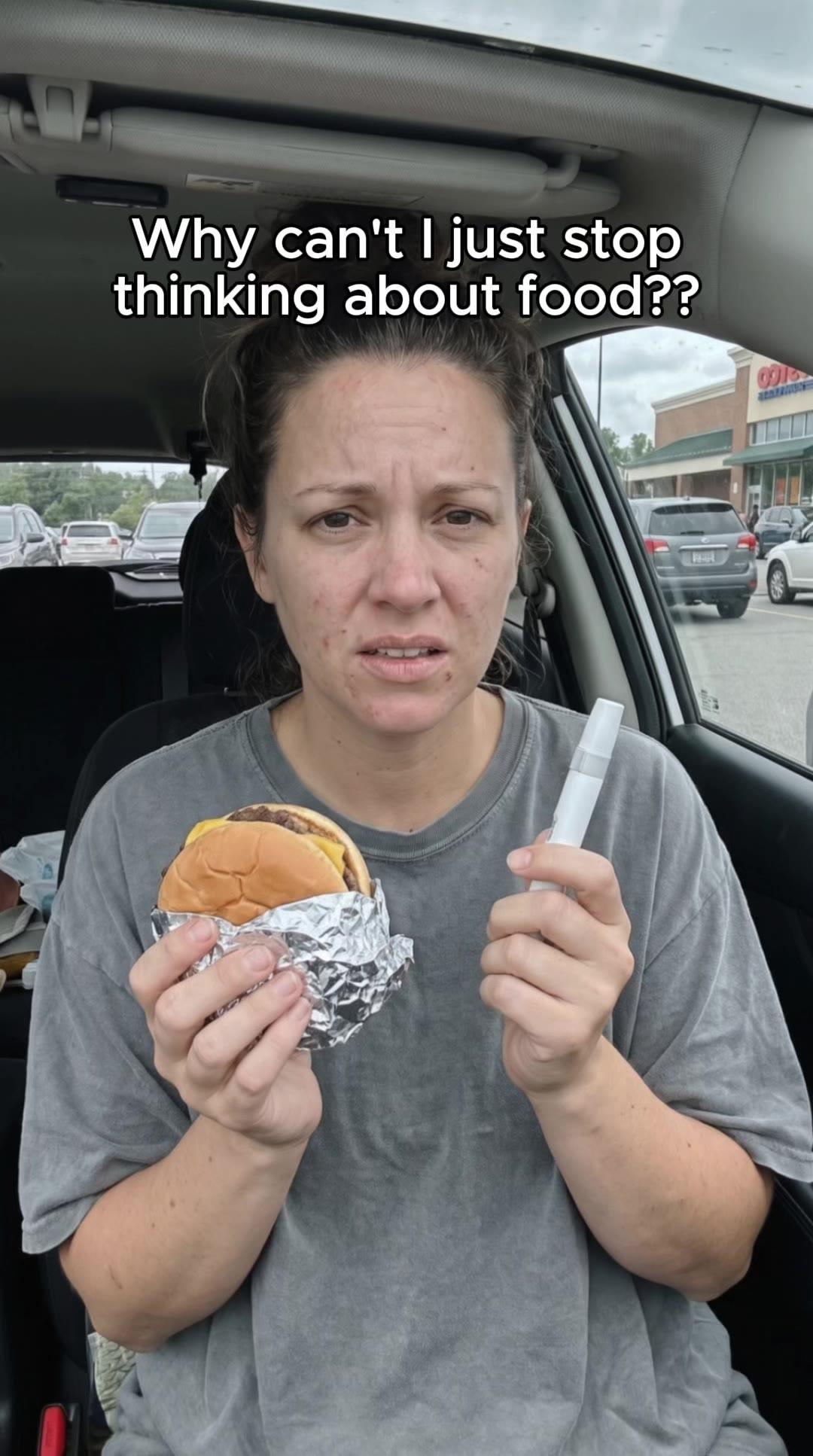
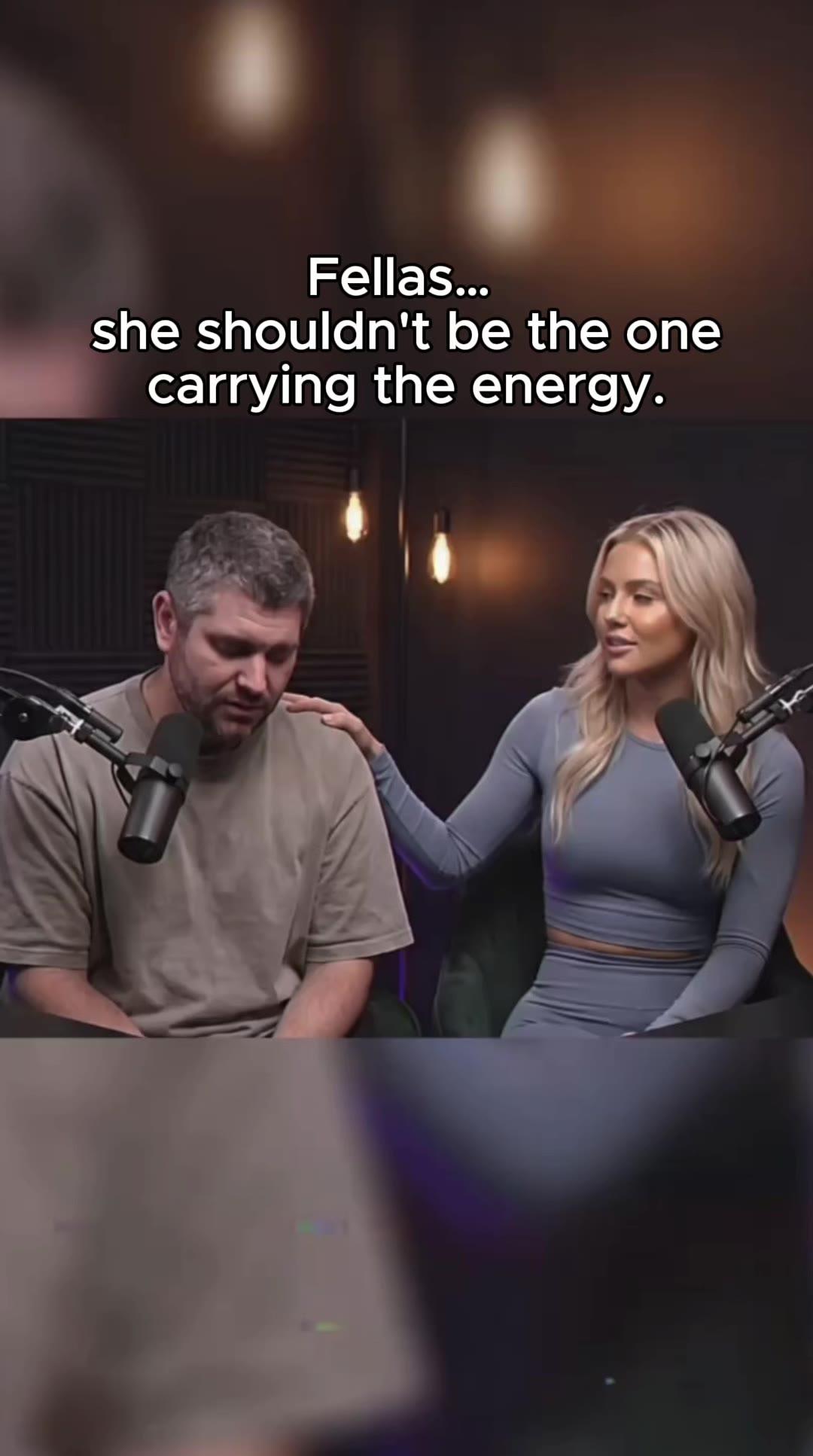
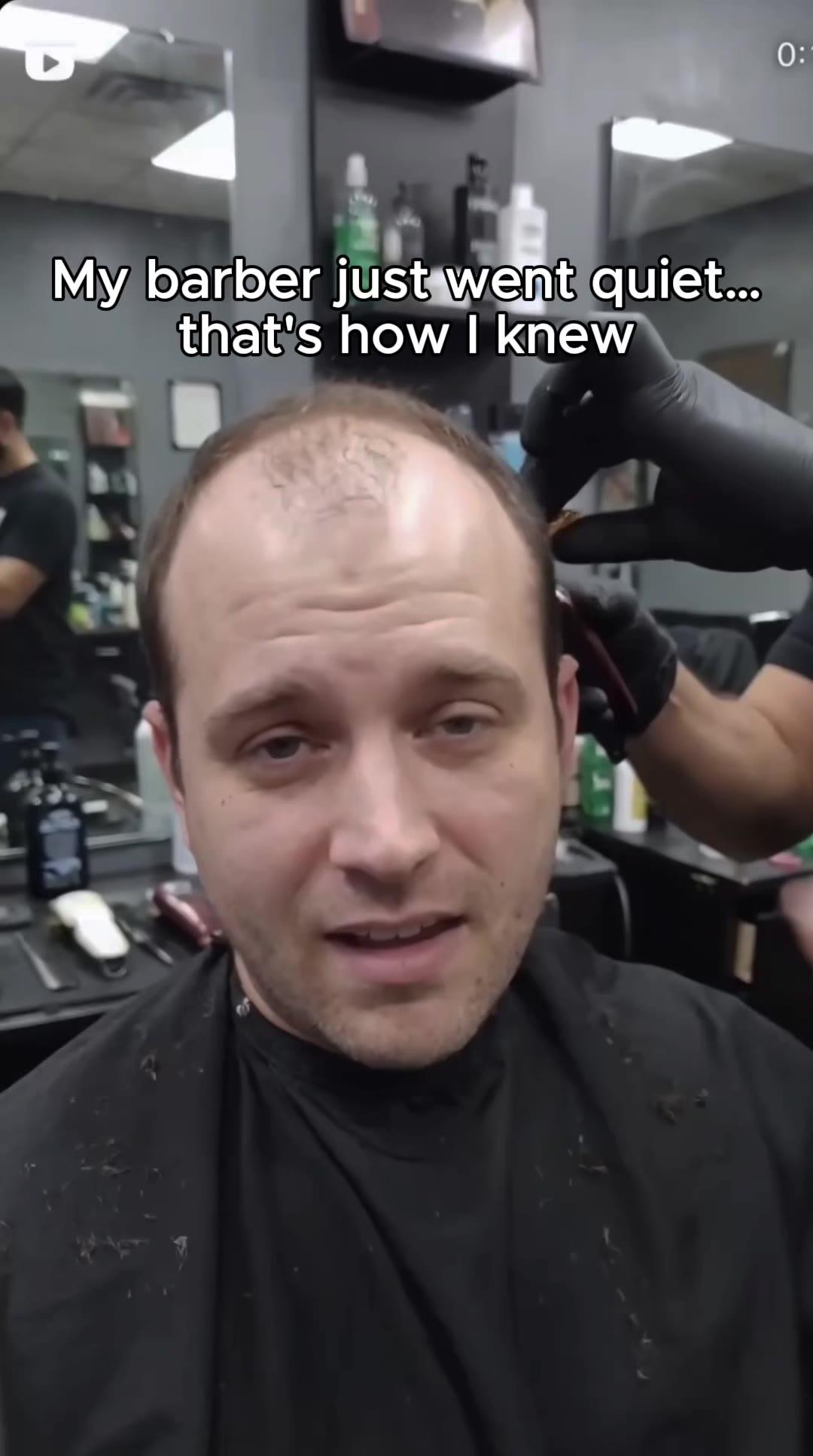

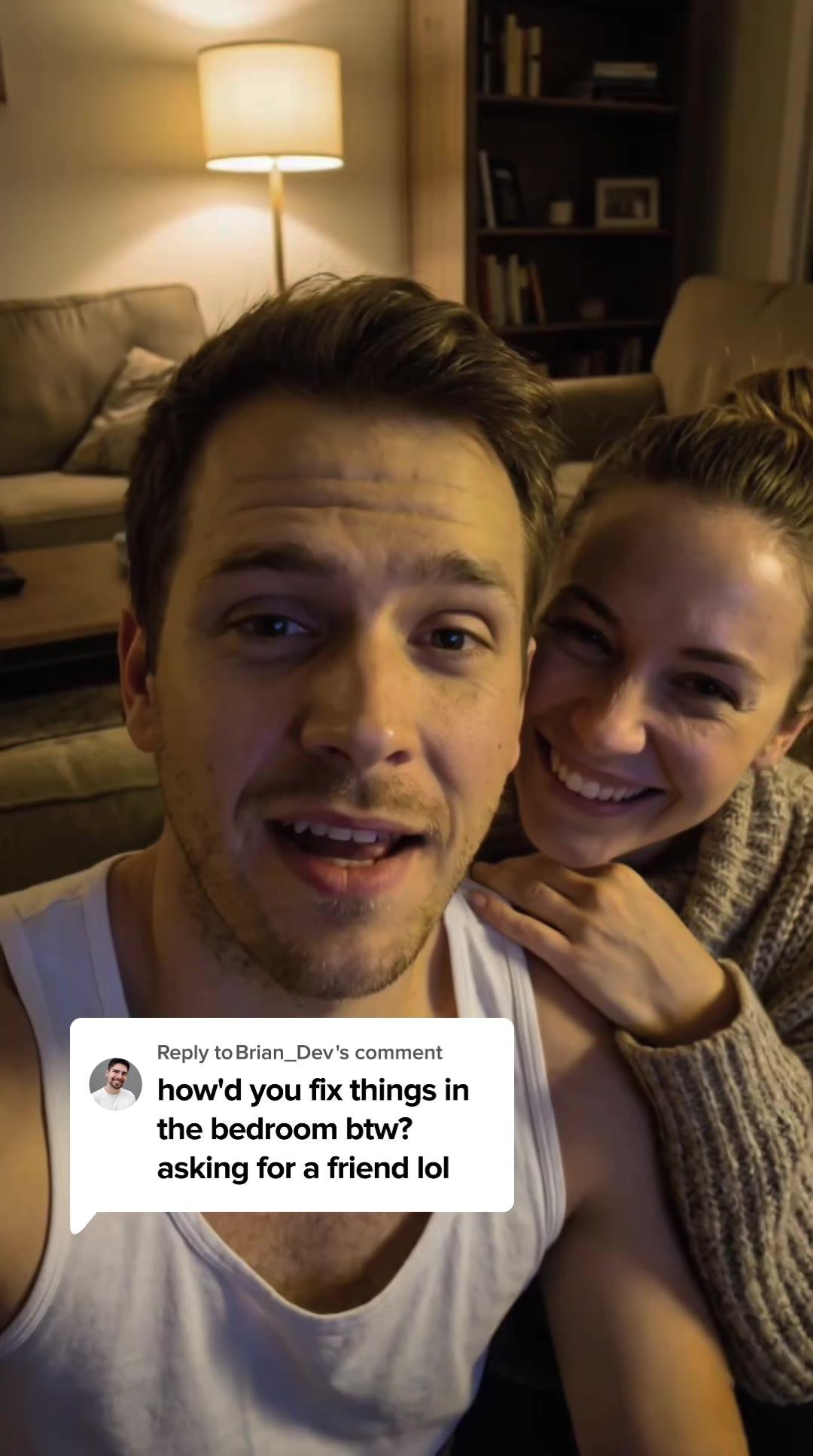

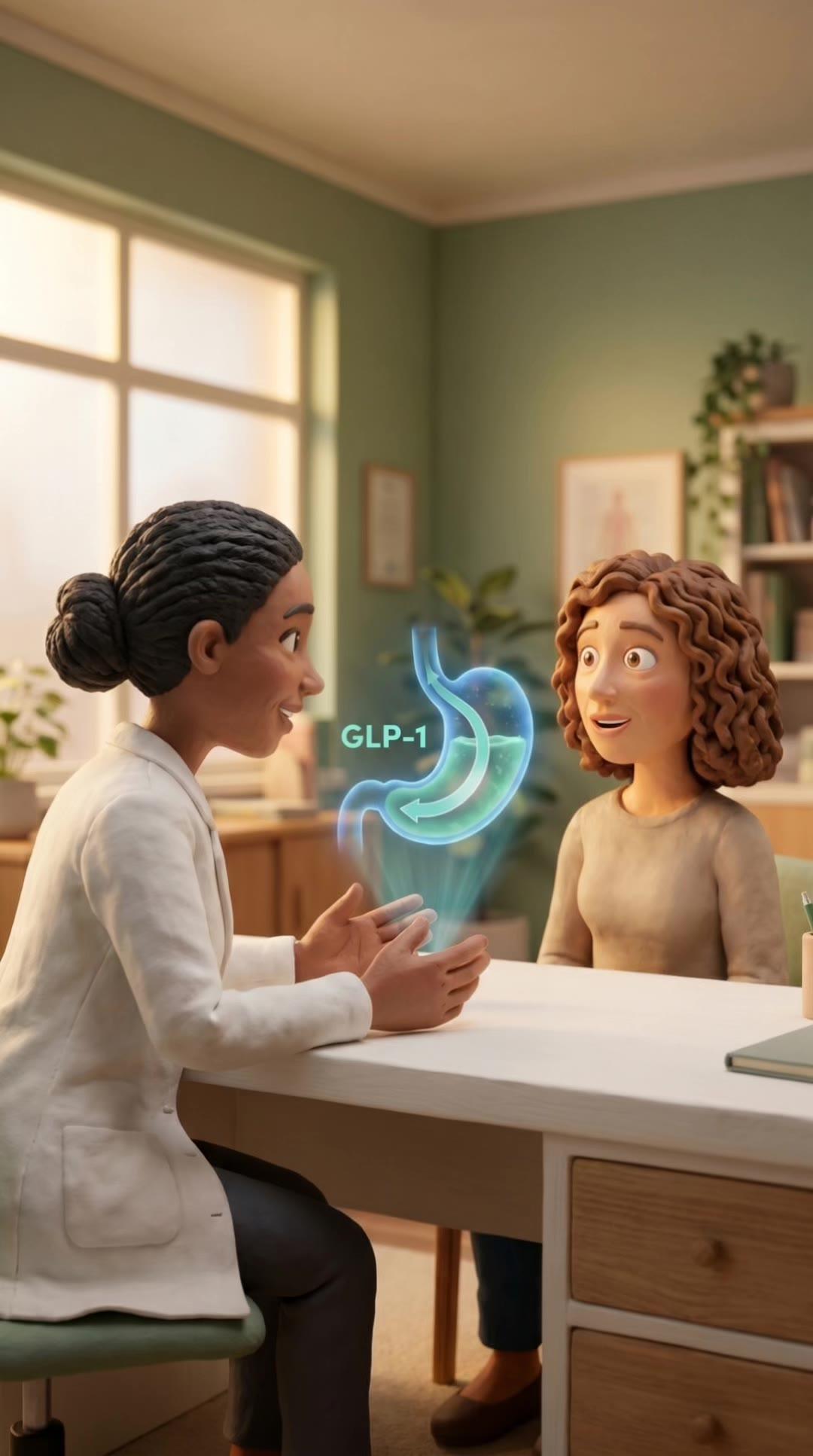
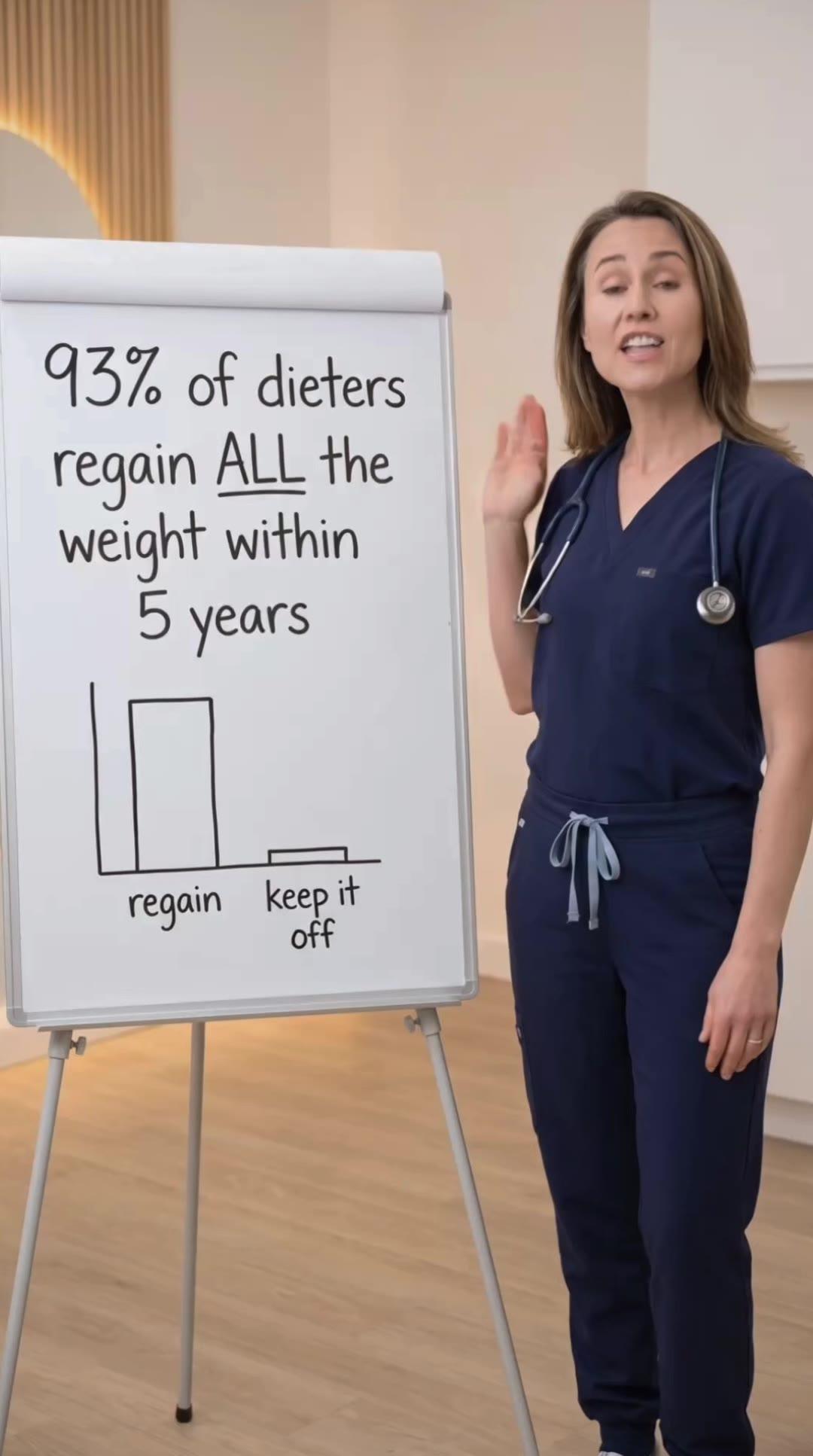
Meta partnership ads are the platform's official mechanism for running paid promotions through a creator or publisher's account. Unlike persona and publisher page whitelisting — which involves pages you build and operate — partnership ads use real creator or media accounts with Meta's explicit technical support for the arrangement. For telehealth brands building distributed telehealth paid social strategies, understanding the difference between official partnership ads and informal page whitelisting is essential for choosing the right tool for each use case.
What Partnership Ads Actually Are
Meta partnership ads — previously known as branded content ads — are a native Meta product designed to let advertisers run paid distribution of content created by or associated with a creator's account. The creator grants the advertiser access through Meta's creator marketplace or through a direct partnership invitation. Once access is granted, the advertiser can use Ads Manager to run campaigns from the creator's page identity.
The critical distinction from informal whitelisting is that partnership ads are backed by Meta's official product infrastructure. The access grant goes through Meta's systems, the ads are tagged as partnership content, and the arrangement is visible to Meta's compliance and review teams. This is not a grey area practice — it is a product Meta built and actively supports.
The ad format in the feed includes a "Paid partnership with [Brand]" label below the creator's name. This transparency label distinguishes partnership ads from organic creator content and from persona or publisher page ads, which do not carry this label. The presence of the label affects how some audiences perceive the content — some respond better to the transparency, others respond better to ads without the commercial label visible.
Why Telehealth Brands Use Partnership Ads
Partnership ads give telehealth brands access to creator audiences and the credibility of real person endorsements without building persona or publisher infrastructure. A telehealth brand can partner with a health and wellness creator who already has an established following in the target demographic and run paid distribution through that creator's account immediately, without the 90-day aging process required for new pages.
The trust signal from a real creator with a genuine following is qualitatively different from a persona page. Users who follow a creator have a relationship with that person — they have already decided they trust that person's perspective on health topics. When a creator's page runs a paid ad, the implicit endorsement carries more weight than an ad from a page they have never encountered before.
Partnership ads also provide a compliance-friendly path for certain healthcare advertising. Because the partnership is officially recognized by Meta, the review process for partnership ads goes through defined channels. Brands that have experienced difficulties getting certain telehealth content approved through brand accounts sometimes find that the same content, properly structured for a creator partnership, moves through review differently.
The Technical Setup
Setting up partnership ads requires several steps. The creator must have a professional account on Instagram or a Facebook page, must be eligible for the branded content tool, and must accept the partnership invitation from your brand. On the brand side, you need a Business Manager with appropriate permissions and an ad account set up to run partnership ad campaigns.
The creator approves individual campaigns or grants broader access depending on the arrangement. Broader access makes the operational workflow more efficient — you do not need creator approval for every individual ad set — but some creators prefer to maintain approval rights over each campaign. Negotiate the access structure upfront when establishing the partnership.
Campaign setup in Ads Manager for partnership ads is nearly identical to standard campaign setup, with the addition of selecting the creator's account as the page identity. Targeting, bidding, and optimization settings work the same way. Creative is either produced by the creator, produced by the brand and delivered to the creator, or co-produced. For the full technical setup walkthrough, see the guide on setting up Meta partnership ads step by step.
Concepts we ship across every awareness stage.
See the work →Creator Selection for Telehealth Partnership Ads
Creator selection for telehealth partnership ads follows different criteria than selecting UGC creators for content production. The creator running partnership ads needs to have a genuine audience in your target demographic, a history of health or wellness content that aligns with your category, and a compliance-safe online presence with no history of making false health claims.
Audience authenticity matters significantly. A creator with a large following that does not engage is less valuable for partnership ads than a smaller creator whose audience actively engages with health content. The partnership ad distribution benefits from the creator's audience relationship, and an inauthentic audience provides less of that benefit.
Health category alignment is important for compliance reasons as well as performance. A creator who primarily posts fitness content and then runs a pharmaceutical ad faces more scrutiny than a creator whose entire platform is health and wellness content. The more coherent the creator's existing content is with the telehealth category you are advertising, the more natural the partnership ad appears to both users and reviewers.
Partnership Ads vs Persona Page Whitelisting — When to Use Each
Use partnership ads when you want the trust signal of a real person with an established audience, when speed to market matters more than long-term asset building, or when the creator's specific audience is a high-value target segment. Partnership ads are also appropriate when you want to test whether creator-distributed content outperforms page-distributed content for a specific vertical or creative angle.
Use persona and publisher page whitelisting when you want to build owned distribution infrastructure, when creator fees are prohibitive at your required campaign volume, or when you need more control over the page identity and content environment. Owned pages are assets that appreciate over time — creator partnerships are recurring arrangements that stop when the relationship ends.
The most sophisticated telehealth brands use both in parallel. Partnership ads provide performance data on what resonates when distributed through real creator identities. Persona and publisher pages provide owned distribution that scales without per-campaign creator fees. The two approaches inform each other — creator partnership performance data shapes how persona pages are positioned and what content angles they explore.
Compliance Obligations in Partnership Ads
In partnership ad arrangements, the brand remains responsible for the ad content's compliance with FDA, FTC, and platform policies. The creator is not the advertiser of record for compliance purposes — the brand funding the campaign bears that responsibility. This means your standard compliance review process applies to all partnership ad creative before launch.
FTC disclosure requirements are automatically addressed by Meta's paid partnership label, which the platform adds to tagged content. However, the brand must ensure the creator does not make independent claims in their own organic content about the partnership that do not meet FTC endorsement guidelines.
Document all partnership arrangements in writing, including what claims the creator is and is not authorized to make, what approval process applies to creator-originated content, and what the review timeline is before campaign launch. Clear documentation protects both the brand and the creator if any compliance questions arise later.
Managing Partnership Ad Performance
Partnership ad campaigns are optimized using the same signals and tools as standard campaigns. Set up your pixel tracking the same way, use the same conversion events, and apply the same attribution windows. The distribution source is different — the creator's account rather than a brand or persona page — but the optimization mechanics are identical.
Compare partnership ad performance against your persona page and brand account performance using the same metrics. If partnership ads deliver lower CPAs for the same creative, that tells you the source identity is adding meaningful value. If performance is comparable, the question becomes whether creator fees justify the arrangement relative to building owned page infrastructure.
Track performance at the creator level across campaigns. Some creators' audiences respond strongly to telehealth offers; others do not. Identify which creator partnerships deliver strong performance and deepen those relationships — more creative volume, higher budget allocation, longer-term partnership terms. Treat high-performing creator partnerships the way you treat high-performing ad creative: scale what works.
Related Articles
Setting Up Meta Partnership Ads Step by Step
The technical setup process for Meta partnership ads for telehealth brands — from creator access to campaign launch.
Creator Whitelisting vs Page Whitelisting
How creator-based whitelisting and page-based whitelisting compare for telehealth brands in terms of setup, cost, and performance.
Should Your UGC Creators Also Be Affiliates
Whether combining UGC creator relationships with affiliate arrangements makes sense for telehealth brands and how to structure it.
What Whitelisting Means for Telehealth Ads
The fundamentals of whitelisting for telehealth brands — what it is, why brands use it, and how it differs from brand account advertising.
Ready to build a testing system that scales?
A 30-minute call. We audit your creative approach and show you exactly what a complete angle-format-hook system looks like for your vertical.