Can You Advertise TRT on TikTok in 2026
TRT advertising on TikTok occupies a genuine gray zone. Here is what the platform's policy actually says, what gets approved in practice, and how compliant testosterone telehealth brands frame their campaigns.
Concepts shown are internal creative studies, not client campaigns.
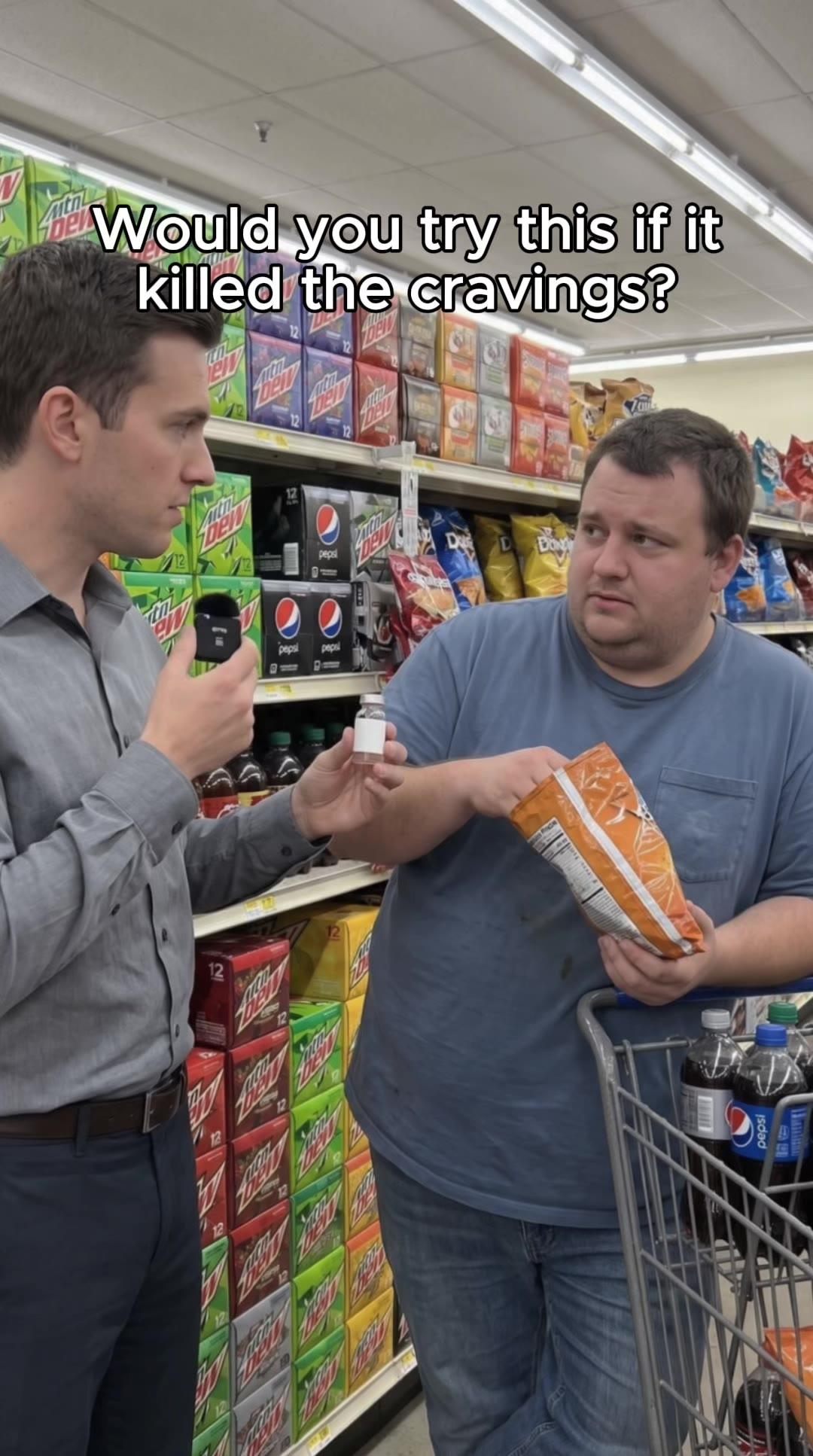
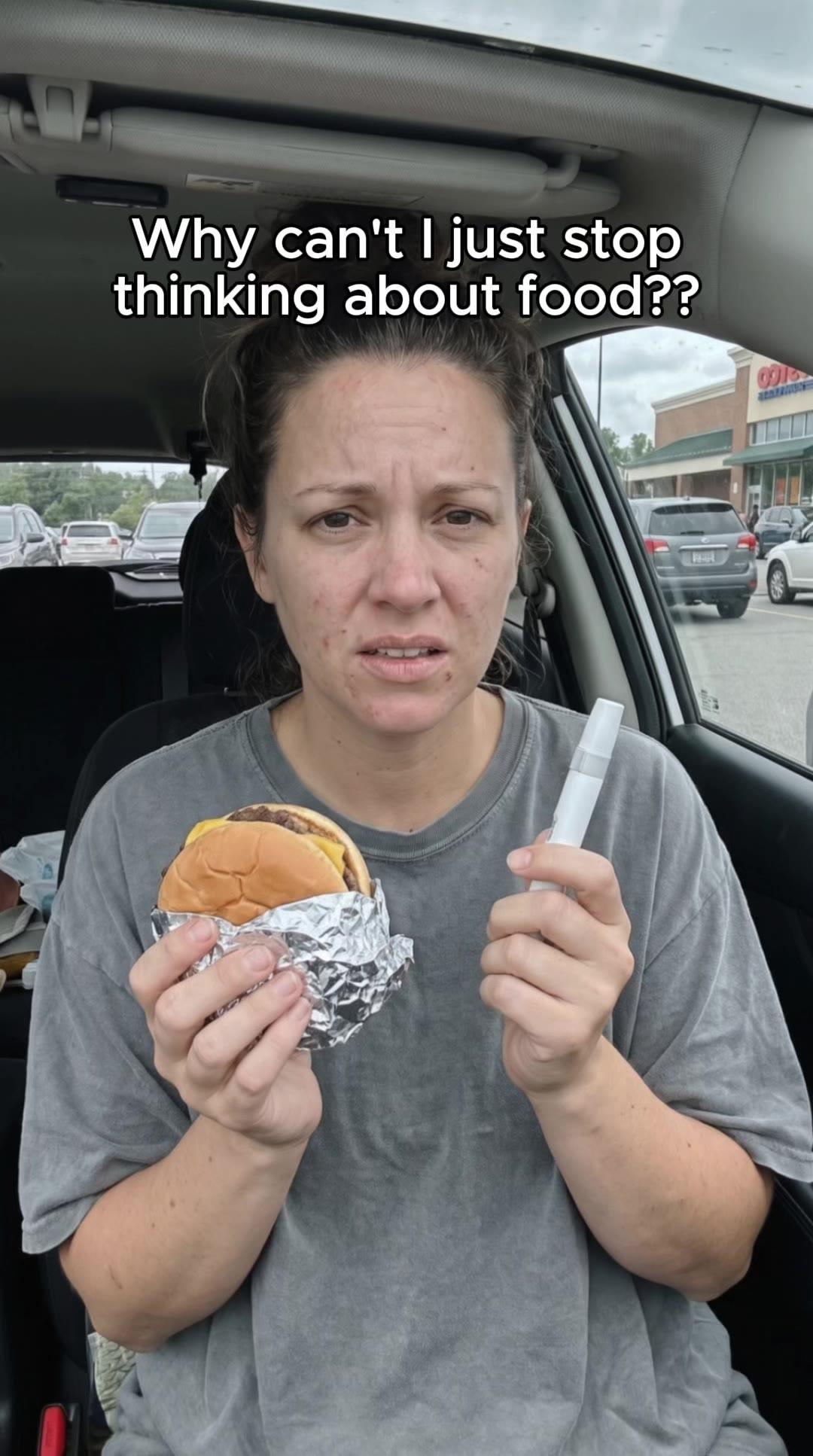
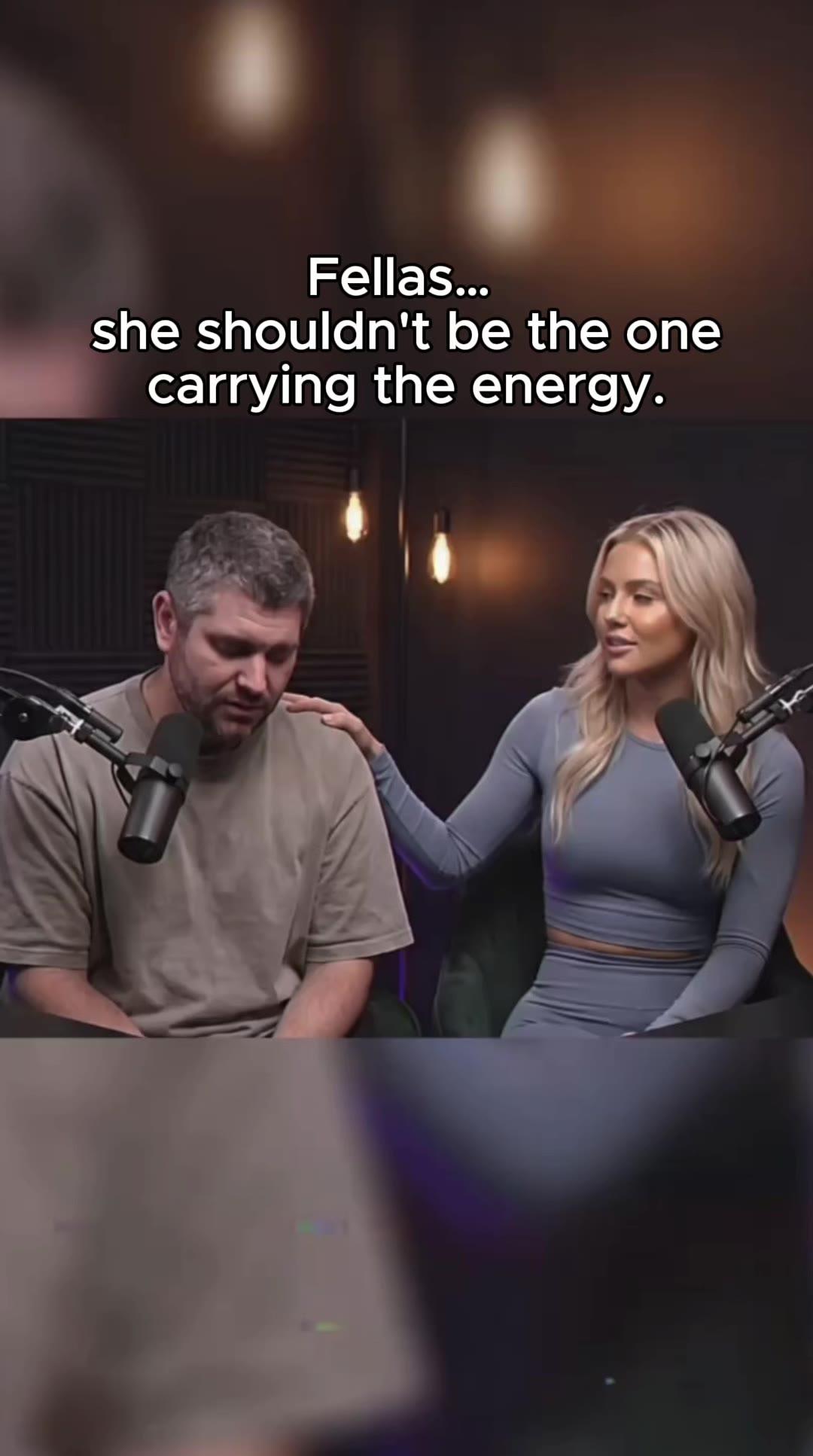
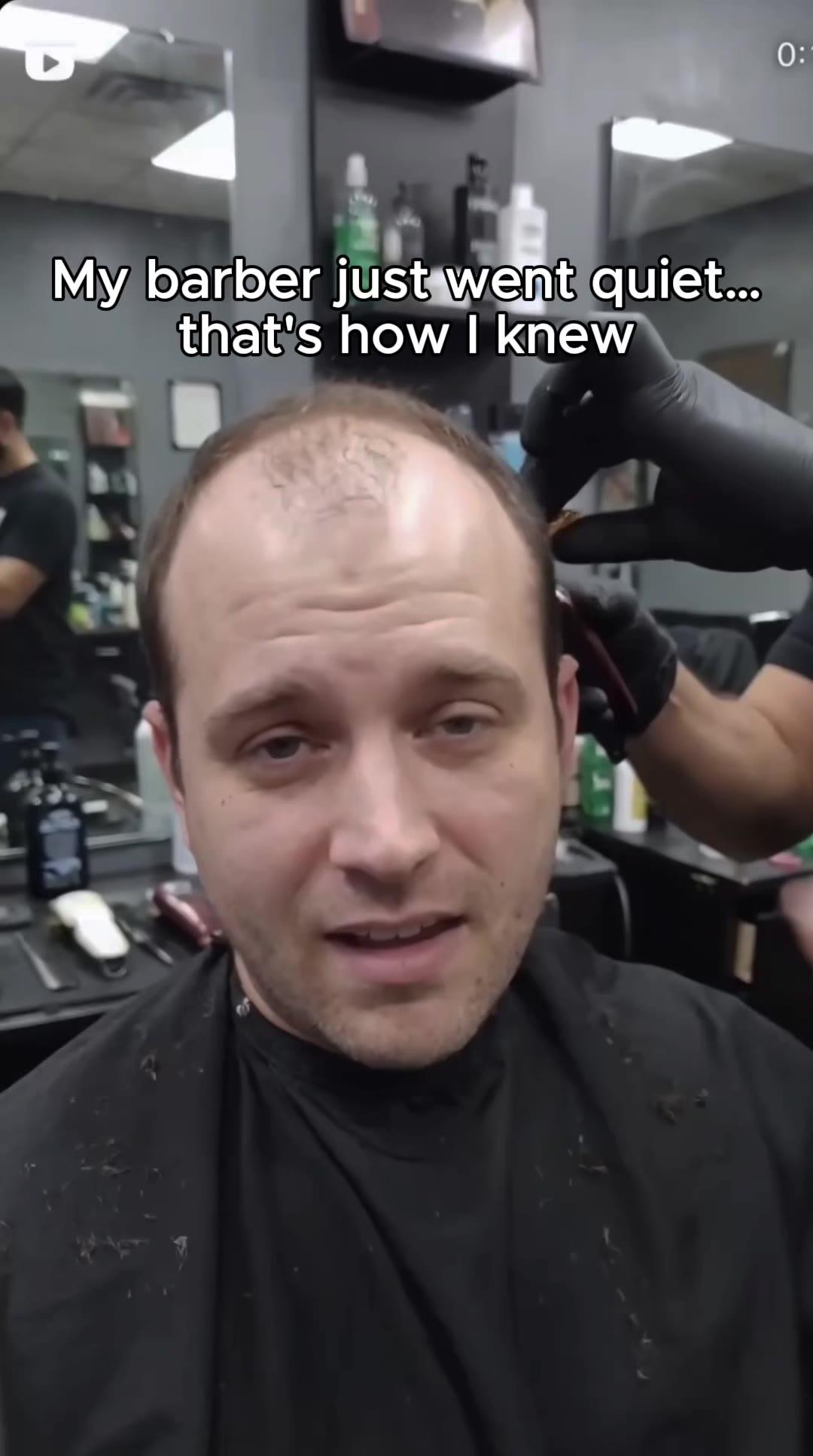



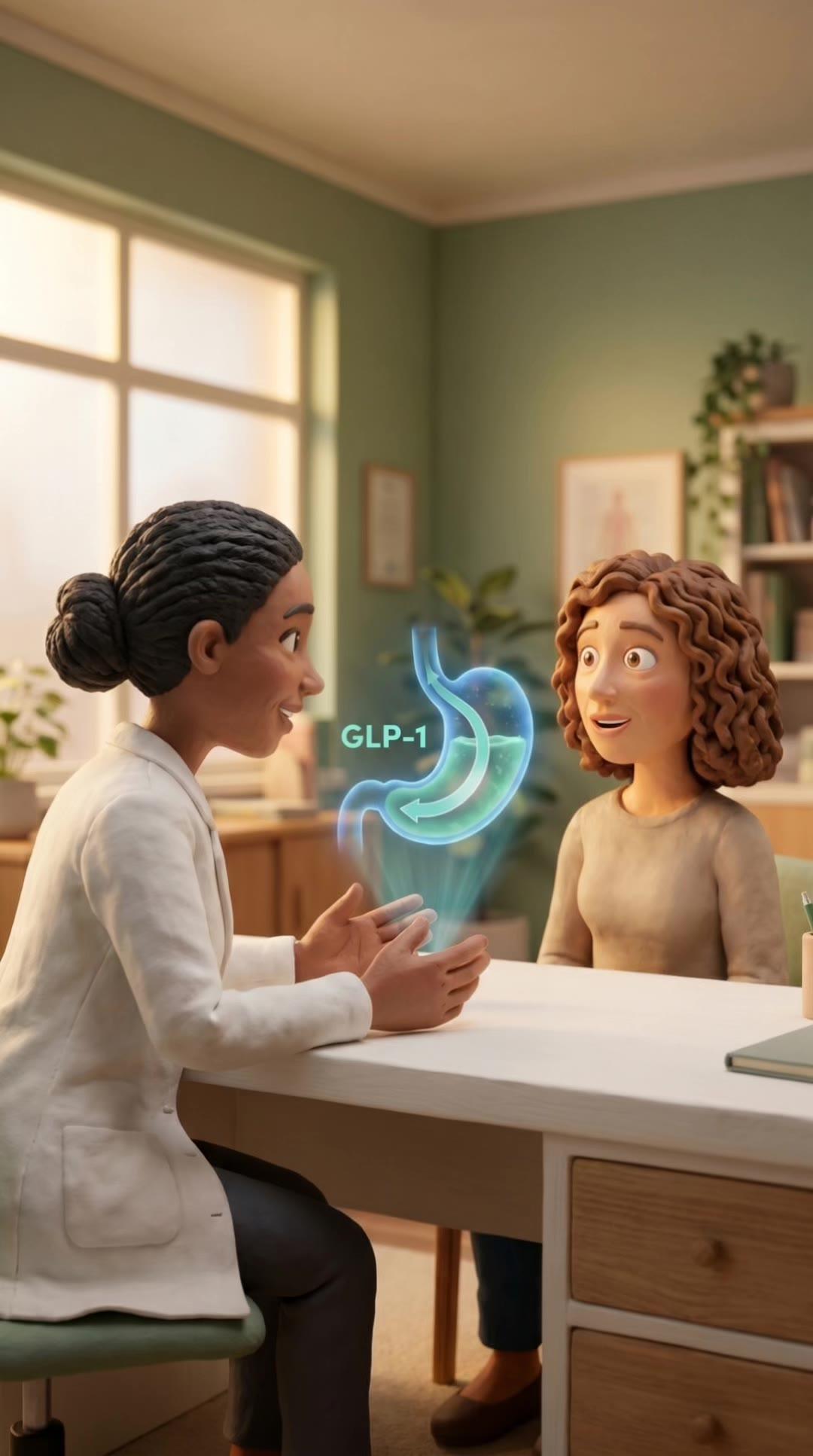
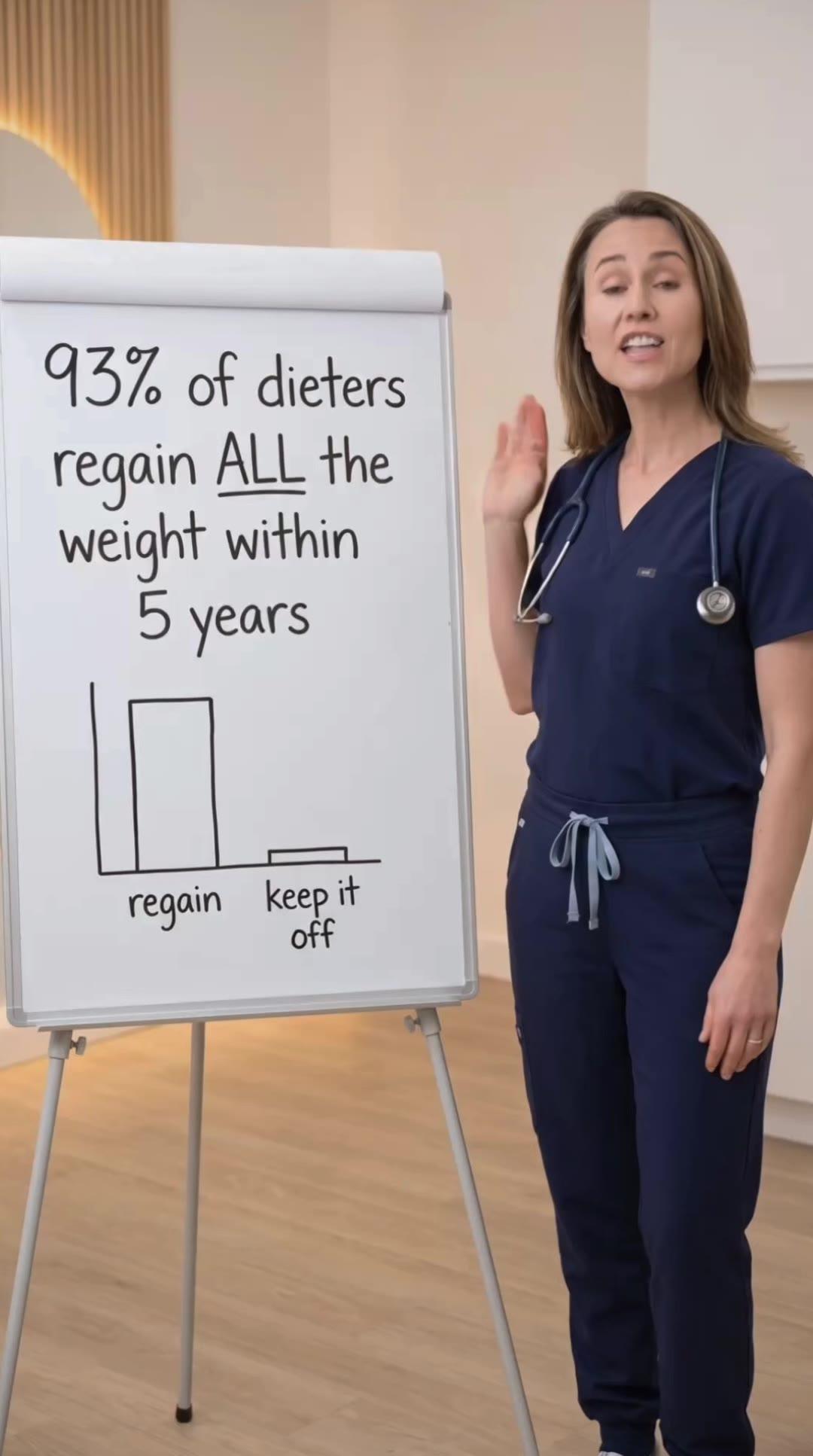
If you want to advertise TRT on TikTok, the short answer is: it depends entirely on how you frame it. Testosterone replacement therapy sits in a policy gray zone that is neither cleanly permitted nor outright banned. The platform's healthcare and pharmaceutical policies apply to TRT advertising, but those policies distinguish between promoting a prescription compound and promoting access to a physician-supervised consultation. That distinction is where compliant TRT campaigns live — and where many brands get it wrong.
TikTok's audience profile and regulatory environment have pushed the platform toward conservative enforcement across all healthcare categories. But TRT is not treated identically to, say, direct-to-consumer prescription drug advertising. If your ad leads with the medical service rather than the molecule, you have a workable path. Understanding exactly where the lines are drawn saves you from burning ad spend on campaigns that will never pass review.
What TikTok's Policy Actually Says About TRT
TikTok's Healthcare and Pharmaceutical advertising policy governs any ad that relates to medical treatments, prescription medications, or health services. The policy restricts promotion of prescription drugs — which testosterone cypionate and other testosterone formulations clearly are — but it does not categorically ban telehealth consultation ads in the men's health space.
The operative distinction TikTok draws is between service and product. An ad promoting the testosterone compound itself — naming the specific formulation, referencing dosing, linking to a page where users can select a compounded testosterone product — reads as pharmaceutical advertising under the policy. An ad promoting access to a licensed physician who evaluates testosterone levels and prescribes appropriate treatment is closer to healthcare service advertising, which operates under different and more permissive rules.
In practice, TikTok's automated review systems in 2026 flag ads based on keyword combinations, landing page content, and creative context. Ads that use terms like "testosterone cypionate," "testosterone enanthate," or "compounded testosterone" in any promotional context consistently fail review. Ads framed around "speak with a physician about testosterone levels" or "men's health optimization consultation" have a substantially better approval rate.
What Gets Approved and What Gets Rejected
Approved TRT ads on TikTok share a common structure: they open with a symptom or lifestyle observation, frame the solution as physician access rather than a specific treatment, and drive to a consultation or intake form rather than a product page. Copy like "Feeling off? Low energy, brain fog, and declining drive are worth discussing with a doctor" paired with a CTA toward a health assessment clears review at a workable rate.
What reliably gets rejected: any ad referencing specific testosterone compounds by name, ads making before/after hormone level comparisons ("went from 280 to 850 ng/dL"), ads that include sexual performance claims linked explicitly to TRT, and ads whose landing pages contain compounded testosterone product descriptions even if the ad copy itself is clean. TikTok reviews landing pages as part of ad evaluation, so a compliant ad pointed at a non-compliant page will fail regardless of how carefully the creative is written.
Symptom-based hooks work when they stay general rather than therapeutic. "Signs your T might be low, according to doctors" is educational framing that performs well as an opening hook. "Low testosterone is destroying your performance — here is how to fix it" reads as a therapeutic claim and draws review flags.
Spark Ads and Creator Content for TRT
Spark Ads — TikTok's format that lets brands amplify existing organic creator posts as paid ads — consistently outperform direct brand ads for TRT on the platform. A creator who is a genuine TRT patient or a men's health educator building organic content about their experience with testosterone optimization has an established context that automated review systems treat differently than a cold brand ad.
The performance advantage compounds: creator content in the men's health space on TikTok earns high organic engagement, and Spark Ads preserve that engagement signal while adding paid distribution. Brands that have built relationships with credible TRT creators and use Spark Ads as the primary TikTok paid format report consistently better approval rates and lower CPMs than brands running standard in-feed ads from brand accounts.
The creator selection criteria matter here. Creators who discuss the consultation and monitoring process — the physician relationship, the lab work, the protocol adjustments — rather than positioning TRT as a self-directed lifestyle upgrade produce content that clears the service-vs-product threshold more reliably.
This is what compliant telehealth creative looks like.
See the work →Account Health and Violation Risk
Account history matters more on TikTok than most brands realize. An ad account that has accumulated healthcare policy violations — even violations from ads that were only briefly live before being rejected — develops a trust deficit that affects future campaign approval rates. TikTok's system applies increased scrutiny to accounts with healthcare violation patterns, meaning an account that ran aggressive TRT product ads early on will face more friction on subsequent campaigns even if those later campaigns are fully compliant.
For brands entering TikTok paid advertising in the TRT space for the first time, starting with conservative, service-focused creative and establishing a clean account record before testing more aggressive framing is the right sequence. Account health is infrastructure for TikTok paid media — protect it.
When ads are rejected, the rejection reason matters. TikTok's automated rejections for healthcare categories often come with policy references that tell you specifically which element triggered the flag — pharmaceutical promotion, medical claims, restricted product category. Use that information. Adjust the specific element that triggered the rejection rather than rewriting the entire ad, and submit for human review if the rejection appears to be an automated false positive. Human review overturns automated rejections in the healthcare space more often than most advertisers expect.
TikTok vs Meta for TRT Advertising
Meta is materially more permissive for TRT advertising than TikTok, and that gap has widened rather than narrowed through 2025 and into 2026. Meta has an established healthcare advertiser framework, a pre-approval pathway for pharmaceutical-adjacent categories, and enforcement patterns that experienced healthcare media buyers can predict and navigate. TikTok's healthcare enforcement is less transparent and more aggressive, particularly for content that could reach younger audiences.
What works on Facebook — including more direct framing around testosterone optimization, symptom-specific language, and some level of treatment outcome language — will often fail on TikTok without additional adjustment. The framing that clears Meta review is not a reliable template for TikTok. Build TikTok creative specifically for TikTok's policy environment rather than adapting Meta creative.
For most TRT telehealth brands, the right channel allocation treats TikTok as a supplementary channel rather than a primary acquisition channel. Meta carries the volume; TikTok contributes through Spark Ads and educational content amplification where the brand has invested in creator relationships. Brands that try to replicate Meta-level TRT ad spend on TikTok typically find the compliance overhead too high relative to the volume available.
The Creative Approach That Works in 2026
The TRT TikTok creative formats that earn consistent approval share a structure: open with a relatable symptom or observation rather than a claim, frame the physician consultation as the solution rather than the testosterone itself, use educational scaffolding ("here is what low testosterone actually means, according to doctors") to build credibility, and close with a low-friction CTA toward a health assessment or consultation booking.
Men's health optimization framing — energy, cognitive performance, body composition, drive — gives you more creative latitude than direct TRT framing while reaching the same audience. Viewers searching for TRT content know what they are looking for; you do not need to name the compound to attract and convert them.
Landing page alignment is not optional. If your ad uses service-level framing but your landing page has product-specific language about testosterone formulations, compound dosing, or compounding pharmacy partnerships prominently featured, the ad will fail landing page review. Ensure your TikTok destination pages match the consultation-forward framing of the ad itself.
Related Articles
How to Advertise ED Treatment on Facebook Without Getting Banned
Erectile dysfunction advertising compliance for Meta platforms. What ad copy works, targeting restrictions, and how to scale ED telehealth ads.
Can I Advertise Compounded Medications Online
Rules for advertising compounded medications through telehealth. Platform policies, FDA considerations, and what framing gets approved.
Before and After Claims in Telehealth Ads
How to handle before and after content in telehealth advertising. What platforms allow, FTC rules, and compliant alternatives.
Creative built to pass review, and convert anyway.
A 30-minute call. We audit your creative approach and show you exactly what a complete angle-format-hook system looks like for your vertical.