Can You Advertise ED Treatment on TikTok in 2026
ED treatment is the most restricted healthcare category on TikTok. Here is what brands actually encounter — the policy reality, what occasionally gets approved, and why most ED telehealth advertisers find better ROI elsewhere.
Concepts shown are internal creative studies, not client campaigns.
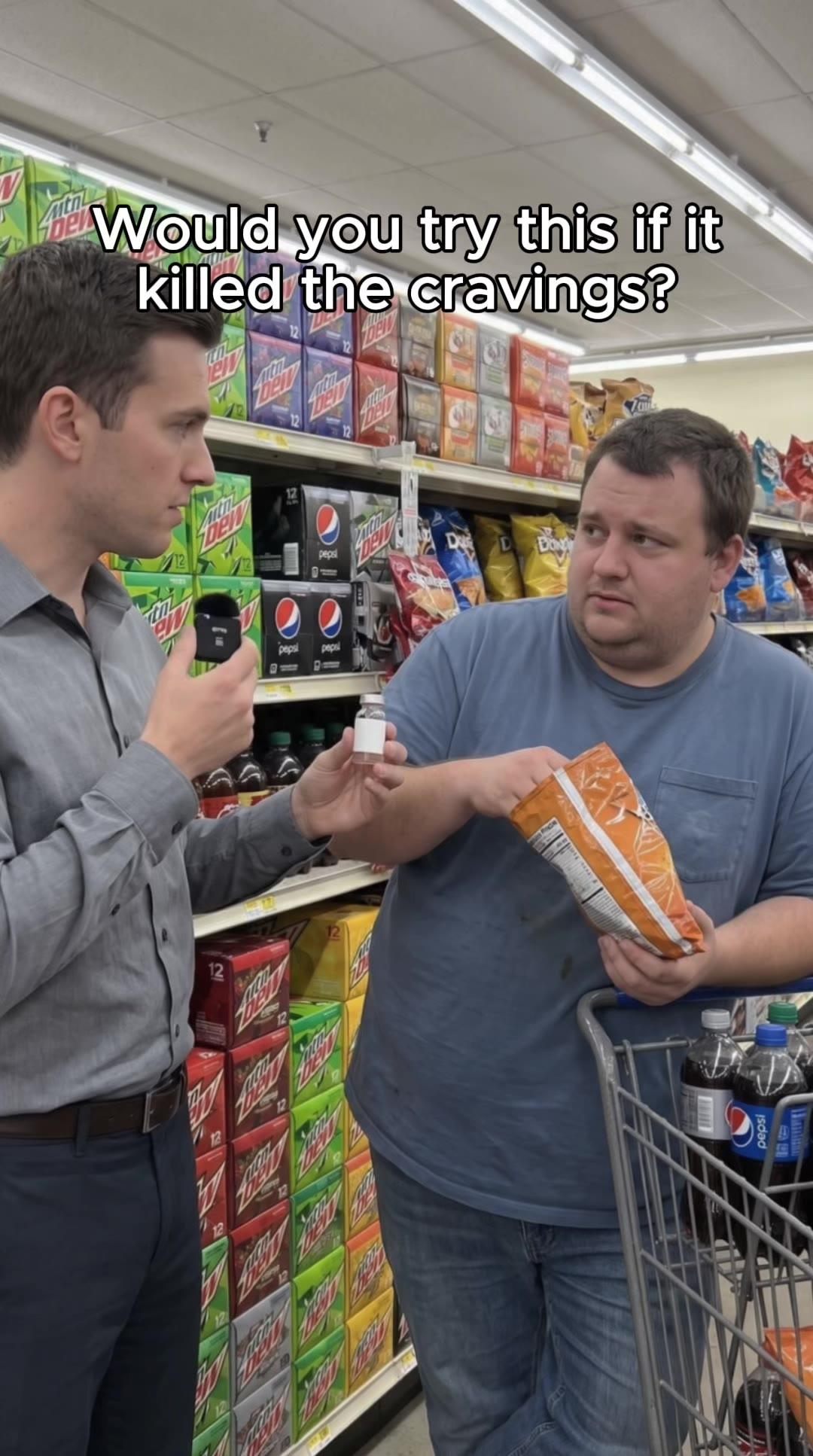

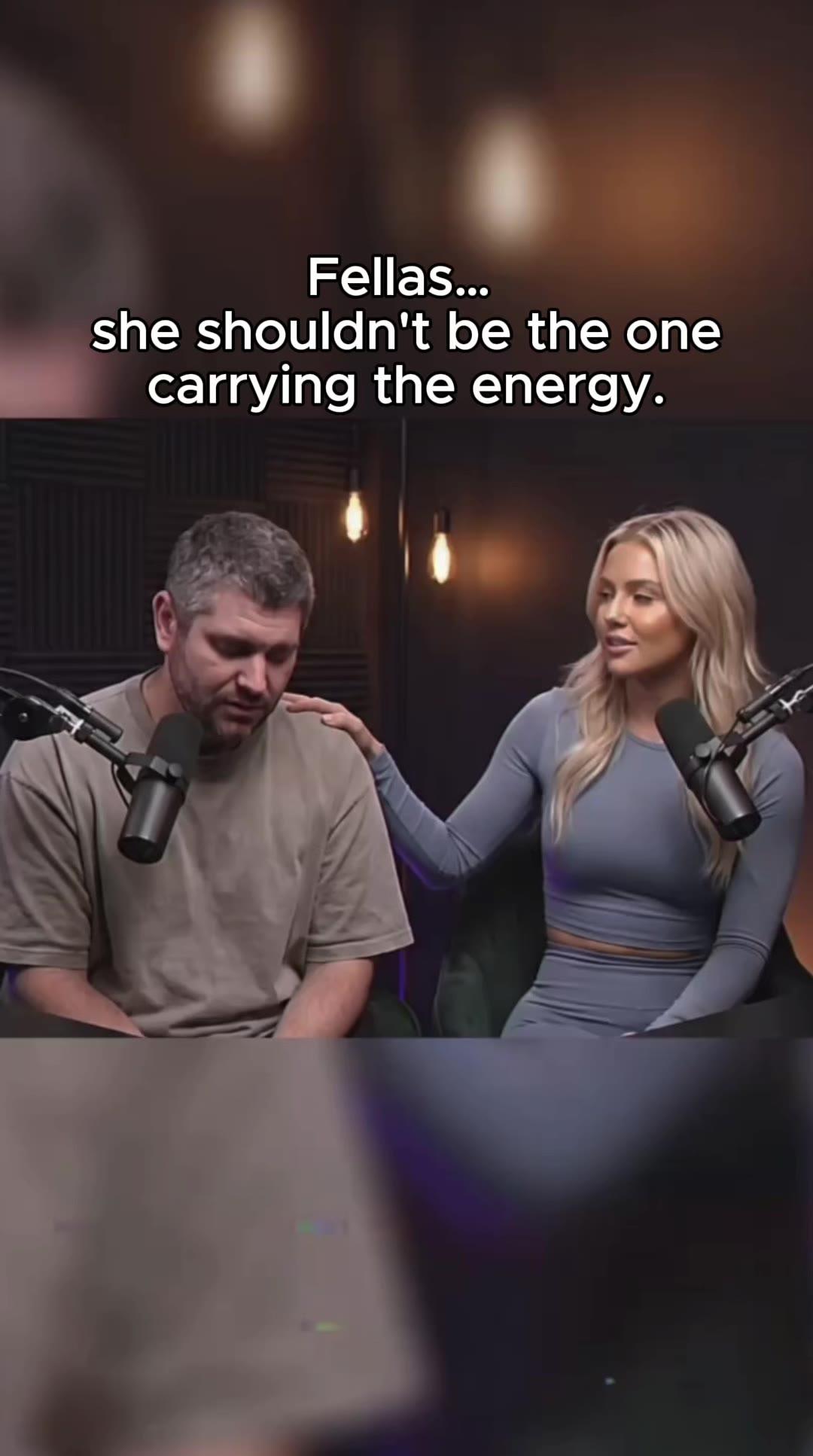
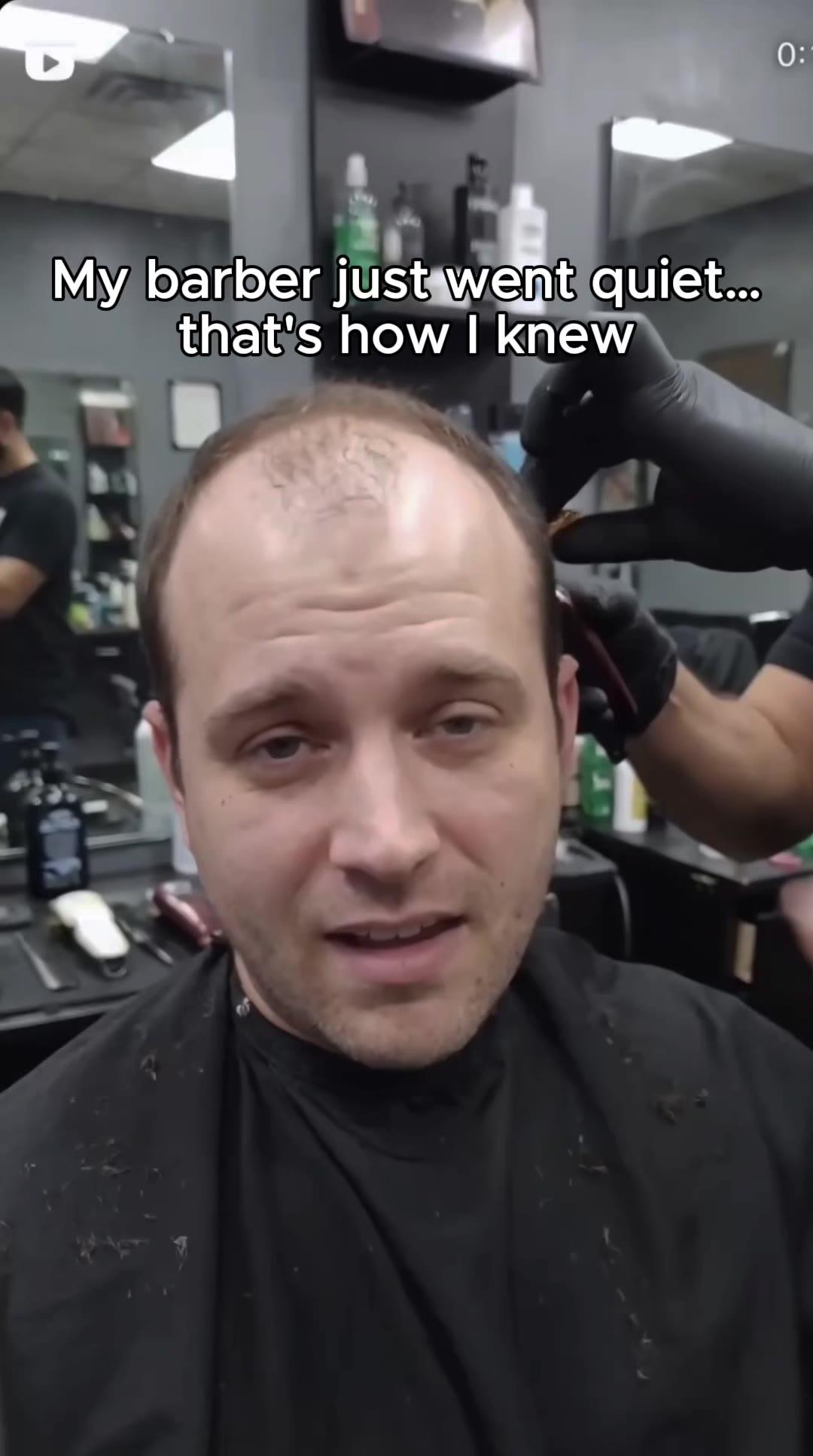



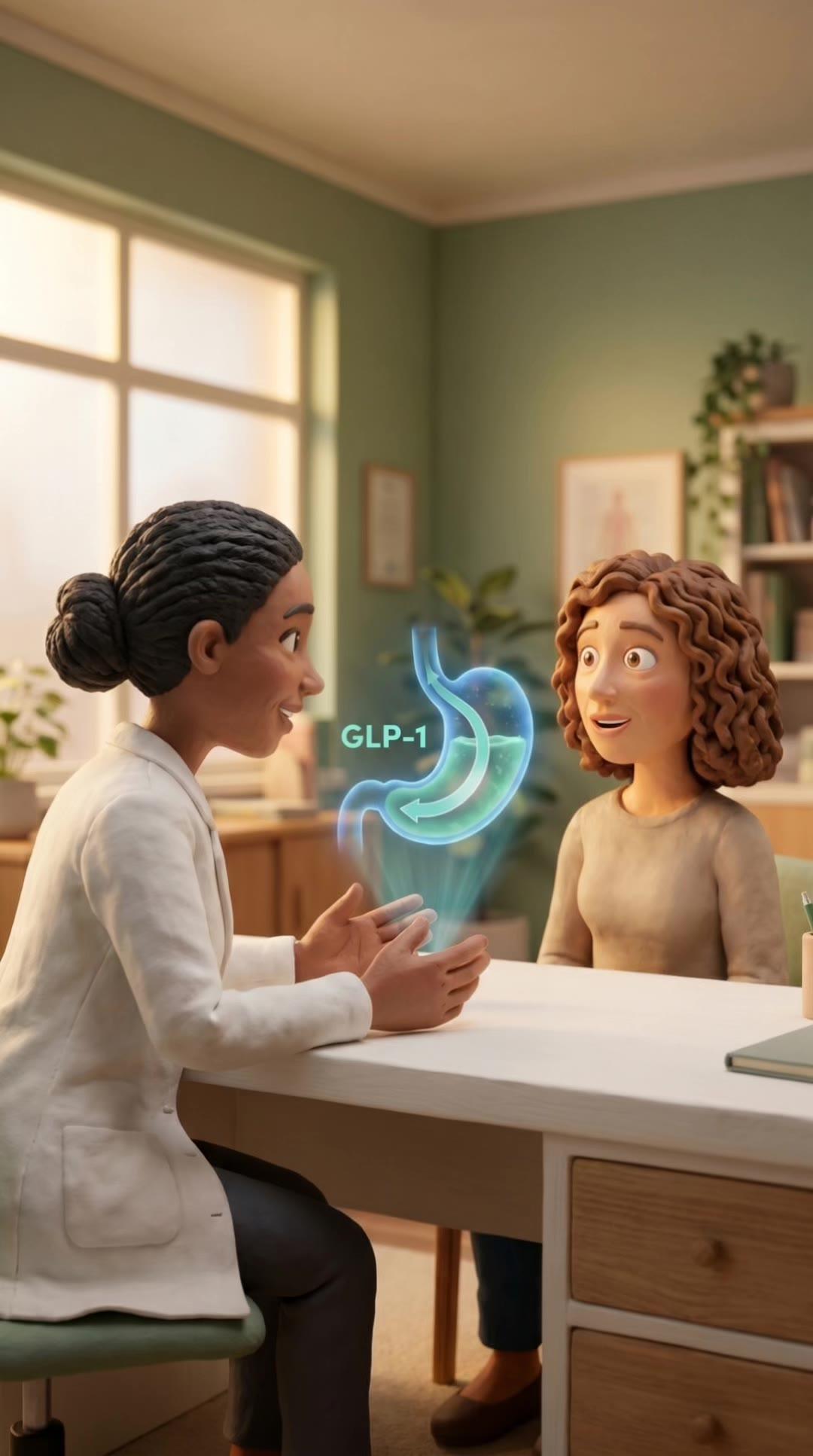
Trying to advertise ED treatment on TikTok is one of the harder problems in telehealth paid media. The platform applies its most conservative content standards to sexual health categories, and erectile dysfunction falls squarely within that classification. That does not mean TikTok is entirely off the table for ED telehealth brands — but it does mean your strategy here needs to be built around the platform's constraints rather than adapted from what works on Meta or Google.
The reality check first: direct ED treatment ads — ads promoting sildenafil, tadalafil, branded ED medications, or telehealth services explicitly described as ED treatment — get rejected consistently. The category is not a borderline case where clever framing reliably flips the outcome. Brands that have found workable paths on TikTok for ED-adjacent campaigns have done so by moving far enough away from explicit ED framing that the ads are effectively men's health or relationship confidence campaigns rather than ED campaigns.
Why TikTok Is More Restrictive Than Other Platforms
TikTok's approach to sexual health advertising is shaped by several factors that don't apply to Meta or YouTube in the same way. The platform's demographic skews younger — the median TikTok user is significantly younger than the median Facebook user — and TikTok has built its advertising policies with youth audience protection as an explicit priority. Sexual health content in paid advertising is treated as categorically more sensitive than on platforms where the primary audience is adults.
TikTok has also faced more regulatory scrutiny globally than Meta has around content shown to younger users. The company has responded by being conservative across all health and wellness advertising categories, with sexual health receiving the most restrictive treatment. This is a policy environment that is unlikely to change significantly in the near term — if anything, the trajectory has been toward tighter enforcement rather than more permissive standards.
The policy document itself restricts sexual health drug advertising explicitly. What the policy leaves ambiguous is the exact boundary between sexual health drug advertising and men's health service advertising. That ambiguity is where some brands find a narrow path, but it is not a reliable one.
The Confidence and Relationship Framing Approach
Some ED telehealth advertisers have found limited success on TikTok by framing campaigns entirely around male confidence, relationship quality, and performance in the broadest sense — without mentioning ED, erectile function, or sexual performance directly. Ads that address "feeling like yourself again," "the confidence to show up in your relationship," and "men's health consultation" have cleared review for some accounts.
The challenge with this approach is that it requires creative execution that is genuinely indirect. The ad cannot wink at the viewer in a way that makes the sexual health connection obvious — TikTok's reviewers are not naive about what certain categories of men's health consultation imply. The framing has to be substantively about holistic men's health rather than being thinly veiled ED advertising. That limits conversion rate, because the audience who lands on an intake form after a generic men's health ad may not be the high-intent ED patient you actually want to reach.
This is the fundamental tension with indirect framing on TikTok for ED brands: the further you move from explicit ED framing to pass review, the lower your conversion quality becomes. Some brands find the math still works at scale; most find it does not compared to channels where they can be more direct.
Organic TikTok vs Paid Ads for ED Brands
The policies that govern paid advertising on TikTok are substantially different from the content policies that govern organic posts. Creators discussing ED, sexual health, and men's wellness on TikTok organically build large, engaged audiences. That organic content environment is far more permissive than the paid advertising environment.
This creates a Spark Ads opportunity for some brands. If you have creator relationships with men's health educators or authentic ED patients who have built organic content on TikTok, those posts can sometimes be amplified as Spark Ads with better results than direct brand ads. The organic context — a real person's account, established engagement history, content that fits the creator's normal feed — changes how TikTok's review systems classify the content.
Even Spark Ads are not a guaranteed path. TikTok's paid promotion policies apply to Spark Ads, and creators whose content explicitly discusses ED treatment by name or promotes specific medications will find those posts restricted when submitted as paid campaigns. The Spark Ads opportunity is real but requires the same framing discipline as any other TikTok paid format.
This is what compliant telehealth creative looks like.
See the work →What the Established Brands Have That You Don't
It is worth acknowledging that Hims, Roman, and similar established men's health brands have TikTok presences that include paid promotion of their sexual health products in ways that smaller brands cannot replicate. The reason is direct commercial relationships — these companies have negotiated with TikTok at the platform level and operate under different terms than standard advertisers who go through the self-serve ad system.
For brands that are not at that scale, standard policy enforcement applies. What you see established brands running on TikTok is not a blueprint for what the standard self-serve approval process will approve. Attempting to run the same creative as a brand with a negotiated TikTok relationship will result in rejection through the standard process.
Better Channels for ED Advertising
Meta — specifically Facebook — remains the most viable paid channel for ED telehealth advertising. Meta has a more established healthcare advertiser framework, a pre-approval process that gives advertisers a legitimate path for sexual health categories, and enforcement patterns that experienced media buyers have learned to navigate effectively. The audience demographic for ED also skews older, which aligns better with Facebook's user base than TikTok's.
YouTube is viable for ED advertising through educational format content. Long-form or mid-roll ads that address ED as a medical condition, explain treatment options at a general level, and drive to a consultation have cleared YouTube review. The educational framing has to be genuine — YouTube's reviewers assess whether the content serves an educational purpose or is primarily promotional — but brands willing to invest in educational creative find YouTube a viable complement to Meta.
Podcast advertising deserves mention as a channel with essentially no visual compliance constraints. Podcast host reads and pre-recorded audio spots for ED telehealth brands are common and effective, with the host relationship adding credibility that no programmatic display format can match. For brands frustrated by TikTok and Meta compliance overhead, podcast investment often has a better compliance-to-conversion ratio than platform experimentation.
The Practical Decision on TikTok for Your ED Brand
If you have creative that can genuinely function as a men's health consultation service ad — not as thinly veiled ED advertising, but as a legitimate men's health access message — testing a small TikTok budget is reasonable. Set a low budget threshold, expect higher rejection rates than other verticals, and evaluate whether the creative that clears review converts at a rate that justifies the channel.
If your brand depends on being explicit about ED treatment to convert patients effectively, TikTok paid advertising is not the right channel allocation right now. The compliance overhead is high, the approval rates for explicit ED framing are low, and the alternatives — Meta, YouTube, podcast — offer better paths at this stage of TikTok's policy evolution for sexual health categories.
Where TikTok does make sense for ED brands regardless of paid advertising constraints is in organic content investment. Building an educational men's health presence on TikTok through creator partnerships, brand educational content, and community engagement develops an audience that can be converted through other channels. The organic TikTok ecosystem for men's health is substantive and growing; the paid advertising environment is not.
Related Articles
How to Advertise ED Treatment on Facebook Without Getting Banned
Erectile dysfunction advertising compliance for Meta platforms. What ad copy works, targeting restrictions, and how to scale ED telehealth ads.
Can I Use Patient Stories in Telehealth Ads
Rules for using patient testimonials and stories in telehealth advertising. FTC requirements, platform policies, and compliant approaches.
Before and After Claims in Telehealth Ads
How to handle before and after content in telehealth advertising. What platforms allow, FTC rules, and compliant alternatives.
Creative built to pass review, and convert anyway.
A 30-minute call. We audit your creative approach and show you exactly what a complete angle-format-hook system looks like for your vertical.