Female Rx Ad Creative for Telehealth Brands
HRT, hormonal health, and women's Rx telehealth creative — the largest underserved audience in telehealth and the creative approach that actually reaches them.
Concepts shown are internal creative studies, not client campaigns.



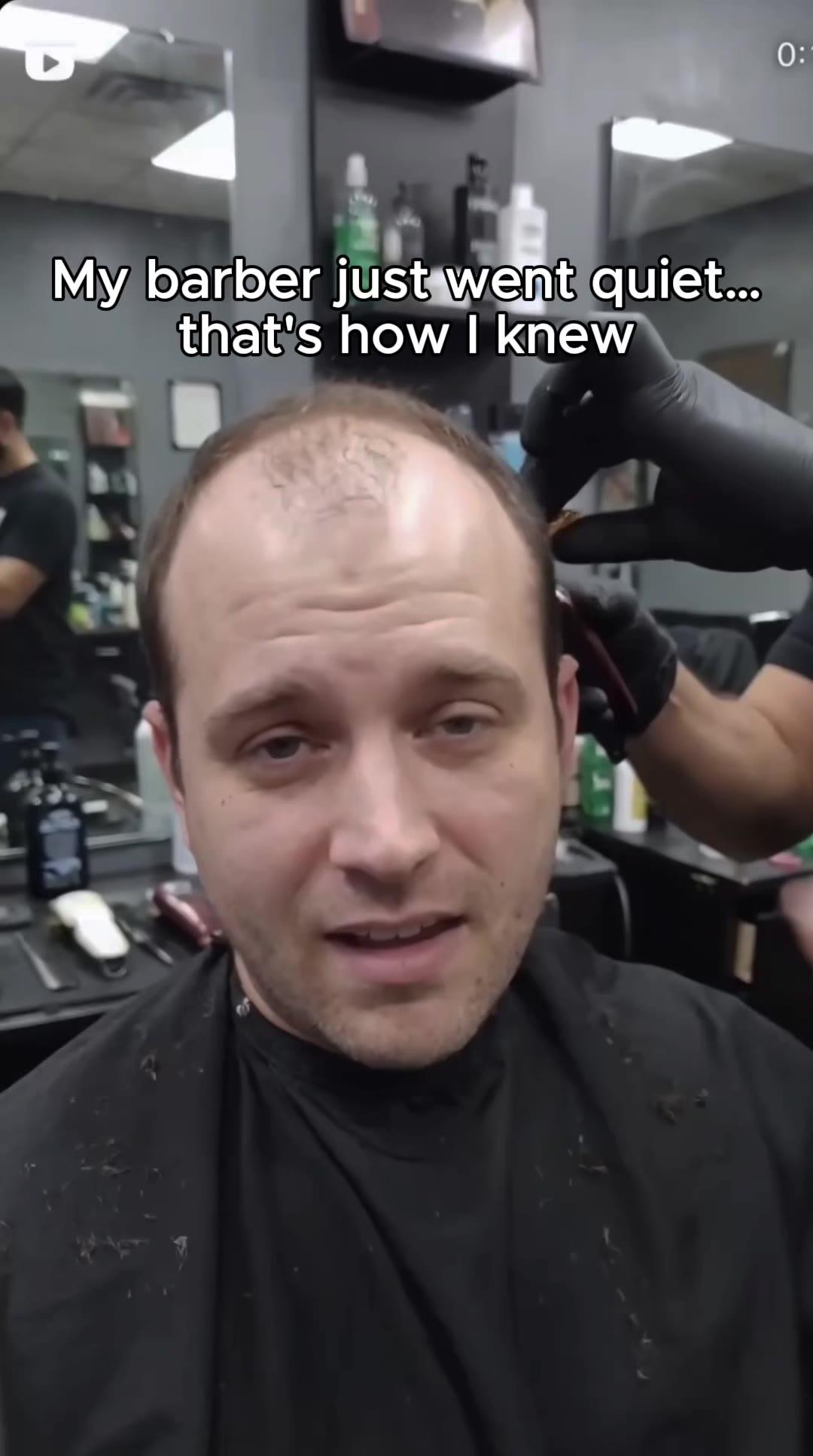



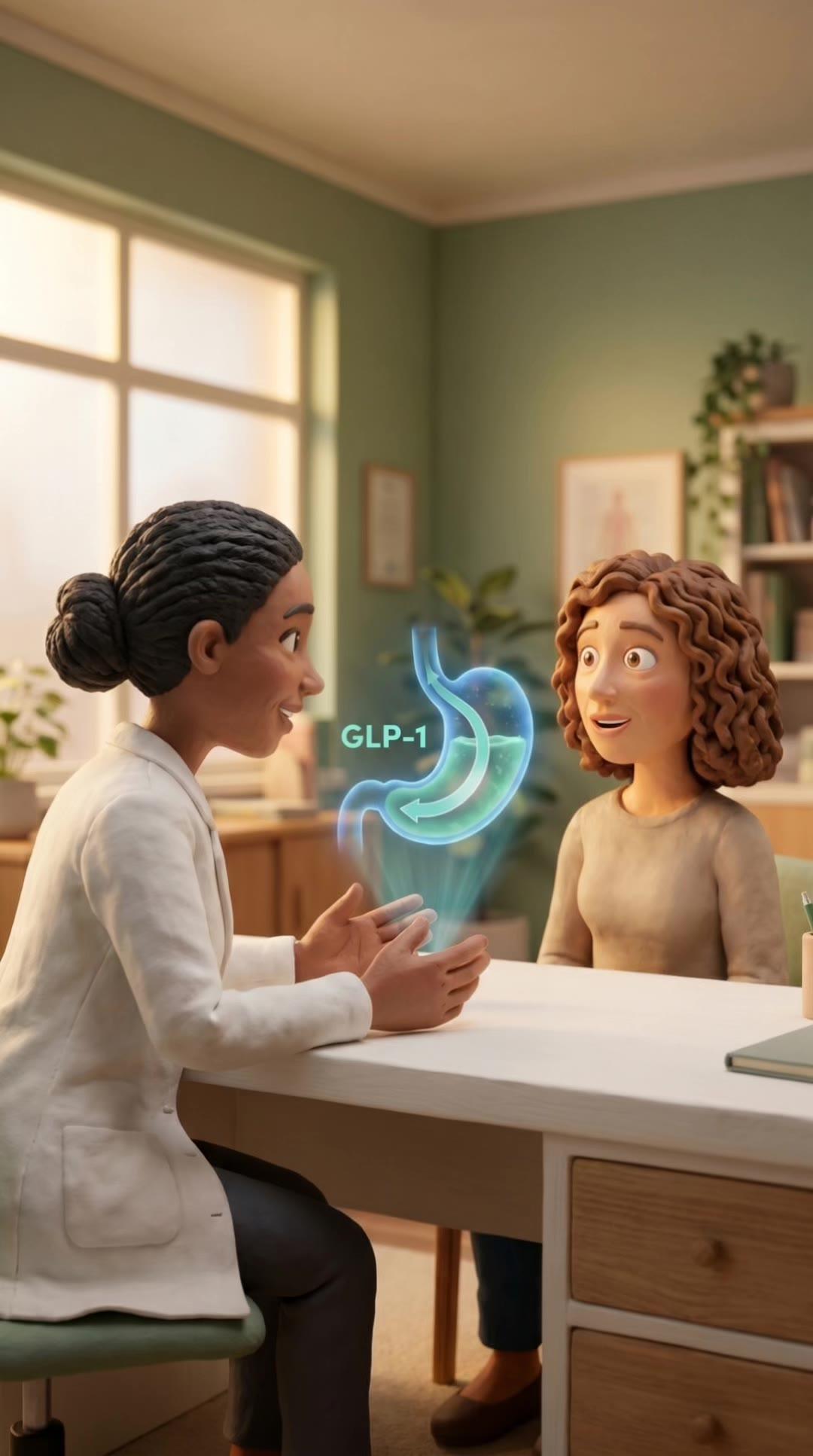
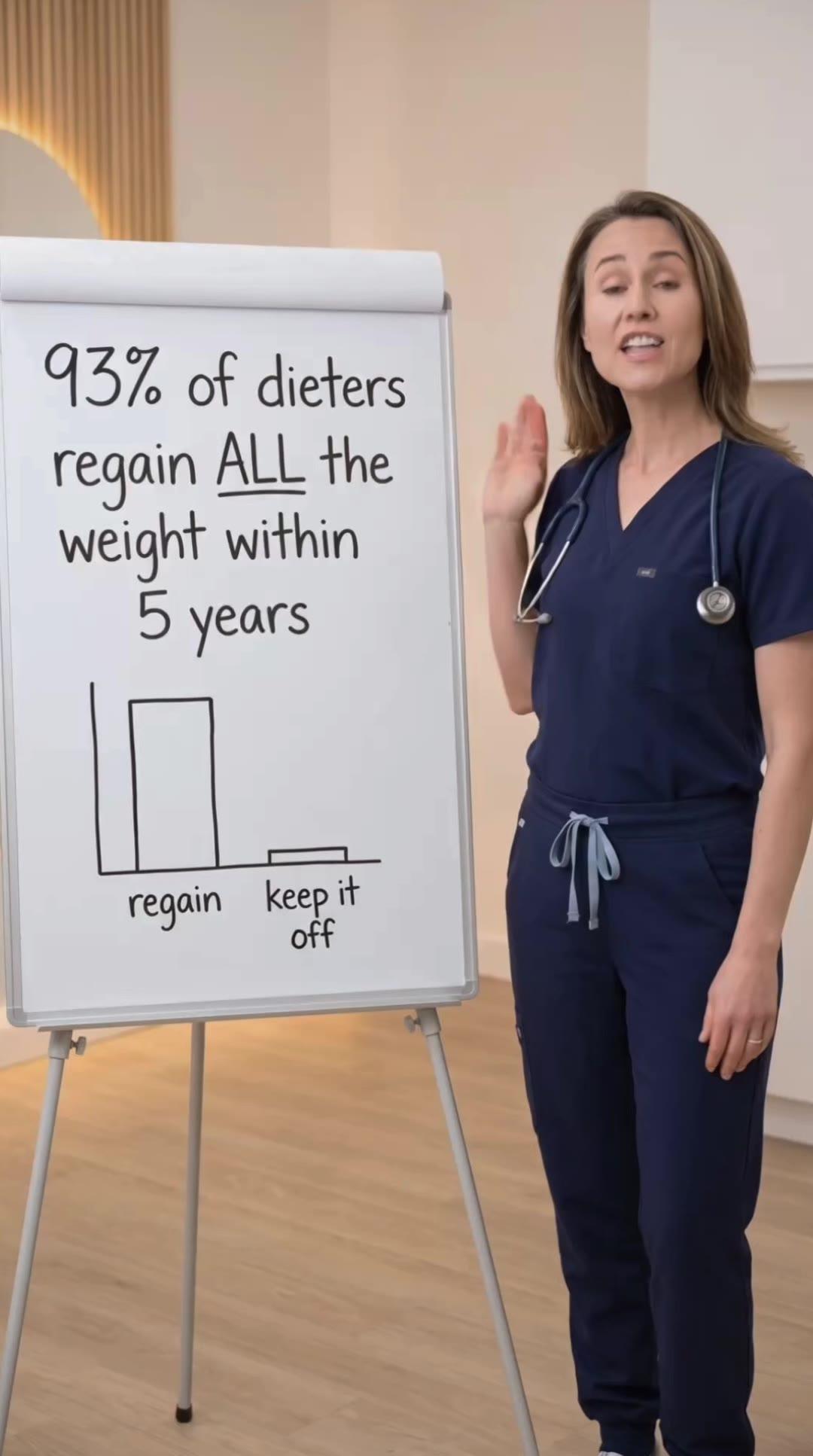
Female Rx ad creative for telehealth covers a broad landscape: HRT for perimenopause and menopause, thyroid management, PCOS treatment, sexual health, and the broader category of physician-supervised hormonal optimization for women. Each sub-category has its own creative requirements, compliance considerations, and audience psychology. But the thread connecting all of them in 2026 is an audience — primarily women 40 to 55 — that is large, engaged, underserved by traditional healthcare, and actively looking for solutions that the conventional medical system hasn't offered them.
The Perimenopause Opportunity
The biggest audience segment in female Rx telehealth right now is perimenopausal and early menopausal women. This is a population that spent years hearing from OBGYNs that their symptoms — disrupted sleep, mood changes, brain fog, weight shifts, irregular cycles, joint pain — were normal and expected. Many were told to "wait it out." The combination of growing public awareness about HRT options and the telehealth model's ability to deliver physician-supervised hormonal care without a lengthy referral process has created a genuine opening.
The creative opportunity is equally significant. This audience is not passive. Women in perimenopause are actively researching their symptoms, sharing information in communities, and looking for providers who take their experience seriously. Creative that reflects an accurate understanding of what perimenopause actually feels like — not a clinical checklist, but the lived experience of sleeping eight hours and waking up exhausted, of mood shifts that feel foreign to the person experiencing them, of a body that feels different and a medical system that doesn't seem interested — lands hard with an audience that has been looking for recognition.
Creative Angles That Convert
The hook that performs most reliably for HRT and hormonal health is symptom recognition delivered authentically. "Nobody told me perimenopause could feel like this" — followed by a specific, recognizable description of the experience — creates an immediate connection with viewers who have been looking for that validation. The creative is not telling them they have a problem. It's showing them that someone else understands the problem they've been trying to articulate.
The empowerment frame consistently outperforms symptomatic problem-solving. Women in the 40 to 55 demographic are proactive about health — they're not waiting to be diagnosed, they're seeking information and taking action. Creative that positions HRT and hormonal health programs as a proactive health optimization decision, rather than a response to a problem, aligns with how this audience sees themselves. "Taking control of how I feel at 48" is more resonant than "fixing my hormones."
The physician supervision angle matters for a specific reason in this vertical: many women in this audience have had negative experiences with dismissal in traditional healthcare settings. A telehealth platform that leads with physician-supervised care, personalized to the individual's lab work and symptoms, addresses a genuine distrust that's been earned by the conventional system. Creative that explicitly describes the consultation and treatment process — "a physician reviews your symptoms and your labs, then works with you on a plan" — converts because it describes something concretely different from what these women have already experienced.
Platform Strategy for Female Rx Creative
Meta is the primary paid channel for this audience, and Instagram performs particularly well for women 40 to 55. This demographic is active on Instagram, responds well to video content in the feed and Reels, and the platform's interest targeting for health optimization, women's health, and fitness reaches the core audience effectively. The social sharing behavior of health content among women in this demographic also creates organic amplification of well-targeted paid creative.
TikTok has organic potential in the perimenopause and hormonal health space — there are large, engaged communities of women sharing information about their HRT experiences — but paid advertising in this category on TikTok is inconsistent. The organic content opportunity is real and worth investing in, but don't plan paid TRT and HRT spending primarily on TikTok without account history supporting it.
Meta's healthcare ad policies categorize hormonal health as a sensitive category that may require pre-approval for certain placements. This is a process worth completing early — having pre-approved status expands placement options and reduces the friction of ongoing approval cycles when you're launching new creative.
Concepts we ship across every awareness stage.
See the work →Video and Static Creative Formats
The video format that converts best for female Rx telehealth is a woman in her 40s or 50s speaking conversationally to camera about how she found out about telehealth-based hormonal care and what the consultation process was like. This is not a transformation testimonial. There's no "I lost 20 pounds" or "I feel 20 years younger." It's a process story: "I didn't know this was possible," "the consultation was nothing like my OBGYN appointments," "they actually looked at my labs." The specificity of the experience is what makes it credible.
Static creative for female Rx should lean on lifestyle photography over clinical imagery. A woman in her 40s looking energized and engaged in her life — not a medical setting, not a pill bottle — performs better. Copy should be benefit-focused and empowerment-oriented: "Physician care for how you feel in your 40s and 50s." The visual and copy combination should feel like it belongs in a health-forward lifestyle publication, not in a pharma ad.
Compliance for Female Rx Creative
Explicit references to specific hormone levels — "low progesterone," "estrogen deficiency," "low estradiol" — require care in creative. Framing around symptoms and how they affect quality of life is consistently safer than framing around specific lab values, which can read as making diagnostic claims. The creative can describe what testing involves without asserting that a specific deficiency will be found.
Before/after body comparisons are off-limits for female Rx in most platform contexts. The creative should not imply that hormone therapy will change a woman's physical appearance or weight in a way that looks like a body transformation ad. The outcomes that are fair to reference are functional and experiential: sleep quality, energy, mood, cognitive clarity, and overall quality of life.
Call-to-Action Language That Converts
"Speak with a physician today" consistently outperforms "buy now" or "get started" for female Rx creative. The audience needs to feel like they're beginning a relationship with a medical provider, not purchasing a product. "See if you qualify" is another high-performing CTA because it invites rather than demands — the viewer is being offered an assessment, not sold a subscription.
The CTA framing matters most in video creative where it appears at the end of a content experience the viewer has already invested in. A physician-led video ending with "if any of this resonates with you, we'd love to talk — here's how to reach us" converts at a higher rate than the same video ending with a hard "click now" prompt. The tone of the CTA should match the tone of the content that preceded it.
Related Articles
TRT Ad Creative That Converts in 2026
Hook patterns, creative formats, compliance guardrails, and the angles that consistently drive TRT patient acquisition.
Doctor-on-Camera Telehealth Ads That Convert
How to produce doctor-on-camera telehealth ads that pass compliance and convert. FTC rules, what physicians can say, and production approach.
Telehealth Ad Creative That Actually Converts
What makes telehealth ad creative work. Angles, hooks, formats, and production tactics for GLP-1, TRT, ED, and hair loss brands scaling $100K-$500K monthly.
Ready to build a testing system that scales?
A 30-minute call. We audit your creative approach and show you exactly what a complete angle-format-hook system looks like for your vertical.