ED Treatment Ad Creative for Telehealth
How to produce ED treatment ad creative for telehealth brands that passes platform review and drives consultations — and what gets rejected on every platform, every time.
Concepts shown are internal creative studies, not client campaigns.


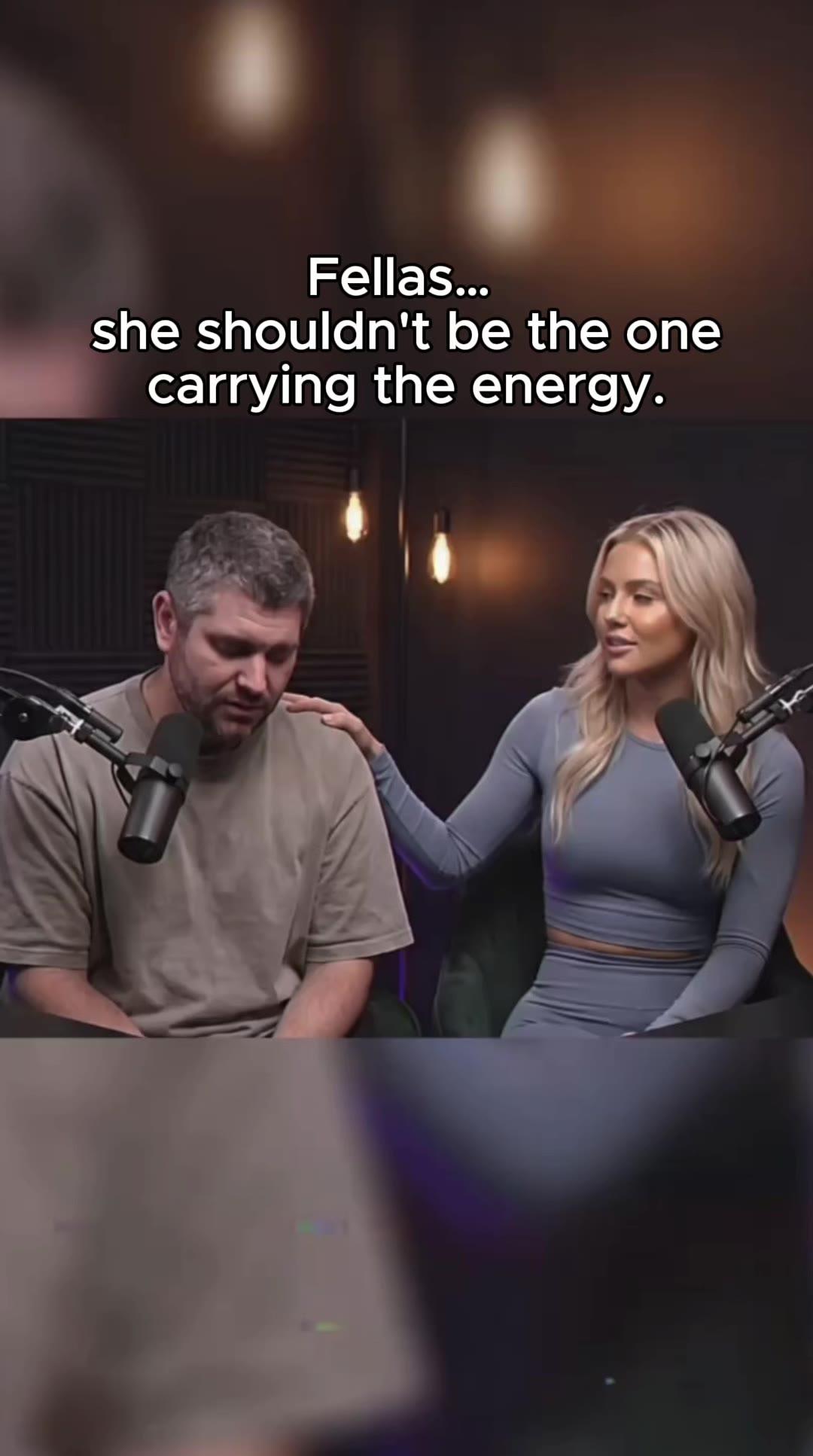
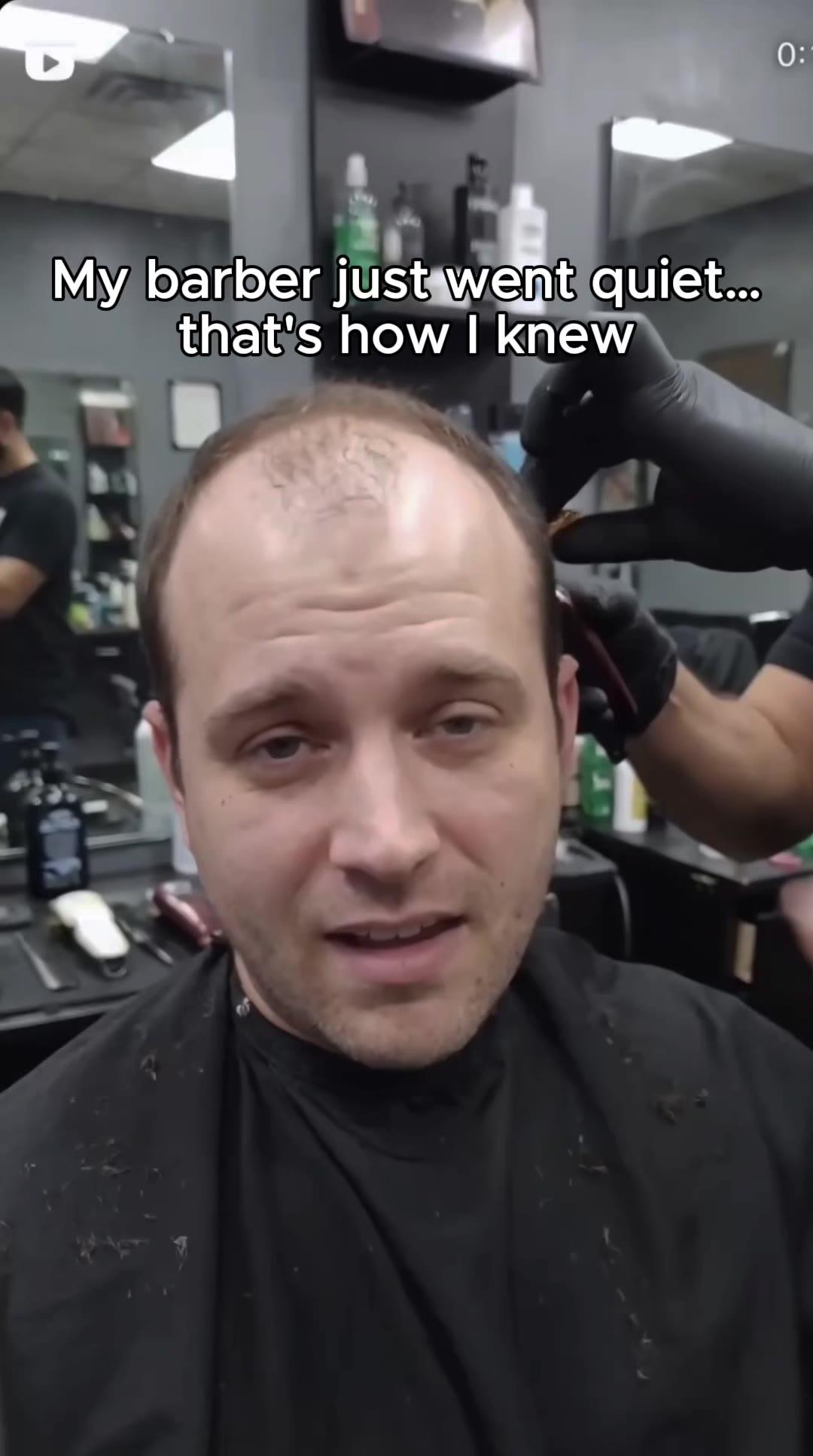

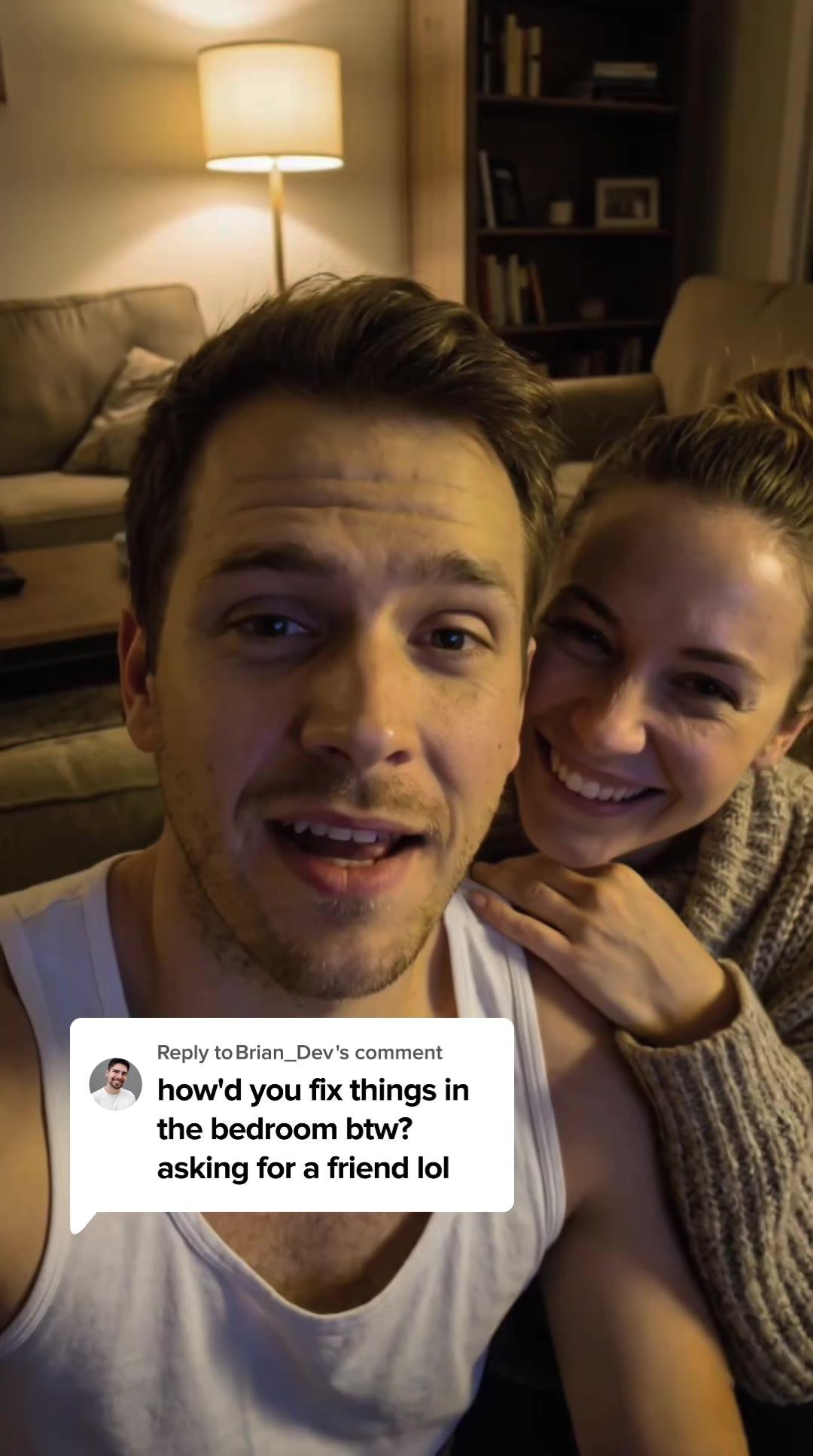


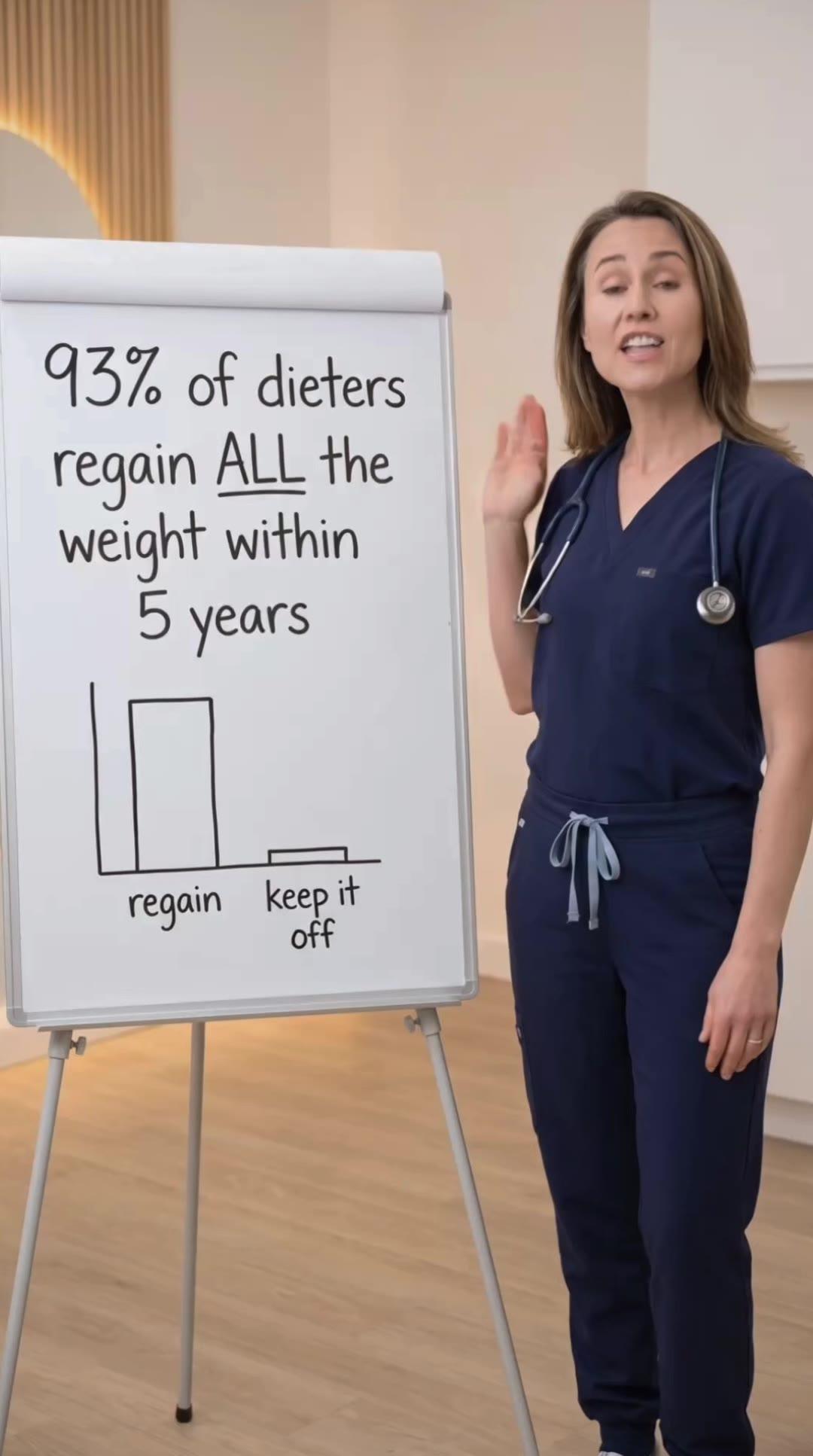
ED treatment ad creative for telehealth is the most restricted category in paid media. Meta, TikTok, and Google each have specific policies limiting what you can say, show, and imply — and those policies layer on top of FTC and FDA requirements that apply regardless of platform. Running compliant, converting creative for this vertical requires understanding all of those constraints simultaneously and then finding the creative space that remains. There is meaningful creative space. Brands like Ro and Hims have built large paid media programs within it. But it requires discipline.
Why This Vertical Is Harder Than It Looks
The core challenge with ED treatment advertising is that you're advertising for a condition patients are embarrassed to discuss publicly. Unlike weight loss or hair loss, which carry social visibility and shared cultural conversation, ED is deeply private. Men don't talk about it with friends, they don't post about it on social media, and many won't mention it to their primary care physician. The telehealth model exists precisely because it offers a way to address the issue without facing the discomfort of an in-person appointment — but your creative has to acknowledge that tension without exploiting it or naming it explicitly in ways that trigger policy flags.
This means the creative challenge is twofold: you need to reach an audience that's searching for a solution without self-identifying publicly as the audience, and you need to do it on platforms that have written rules explicitly restricting how you can describe the condition and treatment.
What Gets ED Ads Rejected
Knowing the rejection triggers is half the battle. Explicit references to sexual performance are the most straightforward rejection path — language describing what happens during sex, anatomical language, or any framing that sounds like a sexual aid rather than a medical treatment will get disapproved across all major platforms. Before/after claims about sexual experience are similarly restricted, even when they're worded obliquely.
Imagery is equally risky. Any visual that could be interpreted as sexualizing the product — even abstractly — creates platform exposure. This applies to thumbnails on video ads as much as it does to static creative. If a reviewer sees something ambiguous, the default is rejection. Design your creative to leave no ambiguity.
On TikTok, the restrictions are tighter than Meta. YouTube sits at the most restrictive end of the major platforms for this category — running ED creative on YouTube at meaningful scale requires either category-specific ad approvals or careful use of restricted placement settings. Most ED telehealth brands deprioritize YouTube for awareness and use it only for specific remarketing scenarios where audience targeting provides more control over who sees the ad.
Angles That Get Approved and Convert
Confidence and relationship framing consistently gets through review. Creative that focuses on a man feeling more present with his partner, more engaged in his relationship, more at ease with himself — without ever specifying why — works because it's emotionally resonant and doesn't trigger policy keywords. The viewer makes the connection; the ad doesn't have to.
The physician-trust approach is particularly effective: a doctor or NP explaining that ED is a common medical condition, that it's often linked to cardiovascular health or hormonal factors, and that many men avoid addressing it simply because they don't know where to start. This format depersonalizes the topic enough to make it feel clinical rather than intimate, which reduces the discomfort barrier for the viewer and builds credibility simultaneously.
The "talk to a doctor online about ED" message is direct, compliant, and highly functional as a CTA. It names the condition, which is fine — you can say "ED" in ad copy on most platforms. It frames the action as consultation rather than purchase. And it highlights the telehealth model's core value proposition: access without the friction of an in-person visit.
Concepts we ship across every awareness stage.
See the work →The Privacy Angle as a Genuine Differentiator
The reason men don't address ED is not primarily that they don't know treatment exists — it's that they don't want to sit in a waiting room and then have a conversation they find humiliating. Telehealth removes that barrier entirely. Building the privacy and convenience message into your creative is not just a selling point, it's addressing the actual objection that's preventing the target audience from acting.
"No office visit required" and "prescription sent to your pharmacy" are functional, honest, and compelling to an audience that has been avoiding this conversation precisely because of the access friction. The online-first model is a genuine product advantage in this vertical, not just a generic telehealth benefit — lean into it hard in your creative.
Testimonials, Humor, and Alternative Formats
Standard testimonials are harder to produce for ED than for other telehealth verticals because real patients don't want their faces in ads for ED treatment. Creative workarounds that maintain authenticity include voice-over testimonials with no on-camera appearance, animated character formats where an illustrated persona describes an experience, and actor-played scenarios with an on-screen disclosure that the person is a paid actor. Each of these has its own creative constraints, but they allow the emotional texture of a real testimonial without requiring the actual patient to be visible.
Humor has worked for some brands in this category. Ro and Hims have both run campaign elements that use gentle comedy to address the subject without being graphic. The compliance principle is the same: humor that normalizes the conversation without sexualizing it is generally fine; humor that relies on double entendres or explicit framing is not. The line is narrower than it looks in a creative brainstorm, so review any comedy-forward concepts with your compliance team before production.
Creative Length by Objective
For awareness placements — top of funnel, broad targeting — 15 to 30 seconds is the right range. The goal is to create enough impression and plant the idea clearly enough that when the viewer encounters the need, they remember the brand. You don't need to close anyone at this stage.
For consideration and conversion — retargeting warm audiences, people who've visited the site or engaged with prior creative — longer formats in the 60 to 90 second range work well. At this point the viewer has self-identified as interested, and the job of the creative shifts to explaining the process, building trust in the platform, and reducing the final hesitation before they fill out a form. A physician-led educational format walking through what a consultation looks like and what happens after — without any hype or urgency pressure — converts reliably in this position.
Related Articles
TRT Ad Creative That Converts in 2026
Hook patterns, creative formats, compliance guardrails, and the angles that consistently drive TRT patient acquisition.
Branding vs Direct Response in Telehealth Advertising
When telehealth brands should run brand-building creative versus direct response. How to allocate budget and structure campaigns for each objective.
Telehealth Ad Creative That Actually Converts
What makes telehealth ad creative work. Angles, hooks, formats, and production tactics for GLP-1, TRT, ED, and hair loss brands scaling $100K-$500K monthly.
Ready to build a testing system that scales?
A 30-minute call. We audit your creative approach and show you exactly what a complete angle-format-hook system looks like for your vertical.