How to Market Retatrutide Telehealth Services
Retatrutide marketing telehealth is a different challenge than marketing semaglutide or tirzepatide — because most of the audience has never heard of it. That is both the obstacle and the opportunity.
Concepts shown are internal creative studies, not client campaigns.



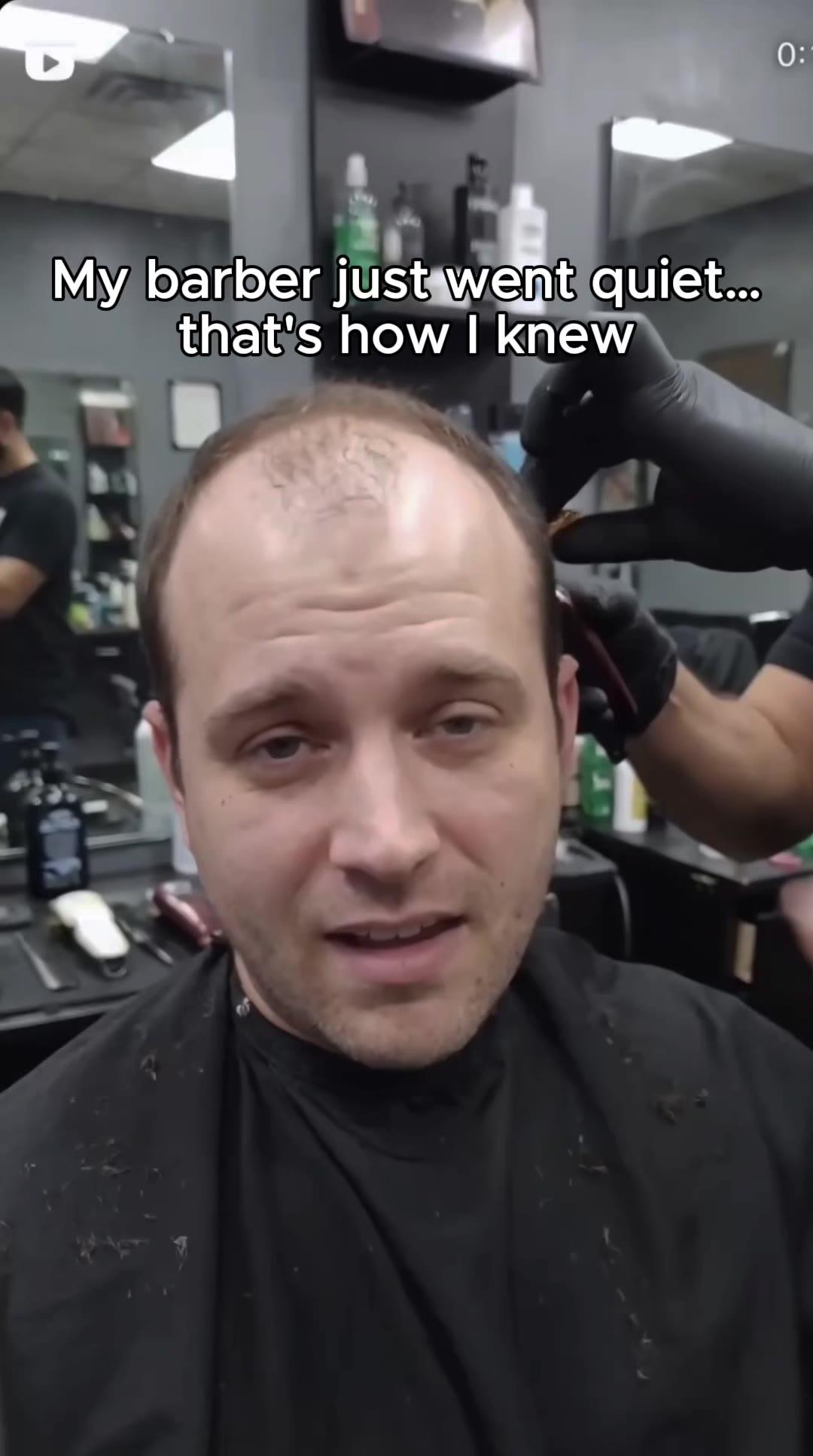





Retatrutide marketing telehealth in 2026 requires a fundamentally different demand strategy than the playbooks built around semaglutide or tirzepatide. Those molecules have consumer brand recognition — Ozempic and Mounjaro are household names, their mechanisms have been covered in mainstream media, and patients arrive at telehealth consultations already educated about what they want. Retatrutide does not have that awareness yet.
That lower awareness is not just a challenge to work around — it is a positioning opportunity for the telehealth brands willing to invest in patient education before paid demand fully materializes.
What Retatrutide Is and Why the Mechanism Matters for Marketing
Retatrutide is a triple receptor agonist — it activates GIP, GLP-1, and glucagon receptors simultaneously. Tirzepatide activates two of those three receptors. This more comprehensive mechanism is clinically meaningful, and the clinical trial data from Phase 2 research showed substantial weight loss results that exceeded what had been seen with earlier agents. The science is legitimately differentiated.
But because most patients currently accessing retatrutide are doing so through compounded versions, your marketing cannot use "retatrutide" as a brand name in the sense that Ozempic or Wegovy functions as one. You are not marketing a pharmaceutical brand — you are marketing a medical program that uses a specific compound under physician supervision. That framing is both more accurate and more compliant.
Positioning language that works in the market: "triple agonist GLP-1 program," "next-generation weight management protocol," "multi-receptor weight loss program." These terms communicate the differentiator without implying a brand equivalence that would create compliance exposure.
The Consumer Education Challenge and How to Address It
The core challenge with retatrutide marketing is that most people searching for GLP-1 weight loss are searching for semaglutide or tirzepatide. Paid search volume for "retatrutide" is a fraction of what you see for "semaglutide online" or "Ozempic alternative." Running a cold acquisition campaign targeting only retatrutide-specific search terms will generate very limited volume.
The smarter approach is to intercept patients who are already in the GLP-1 funnel — searching for semaglutide or tirzepatide programs — and introduce retatrutide as a consideration during the evaluation stage. This means your landing pages, your nurture sequences, and your consultation conversations need to include a clear, confident explanation of why a more comprehensive receptor mechanism might be worth considering for their specific goals.
Educational content is the primary asset here. Blog posts, short videos, and email sequences that explain how triple agonism works and why it represents a different approach than single or dual agonist programs build awareness among patients who are already engaged with GLP-1 content. You are not trying to create demand from scratch — you are redirecting existing demand toward a better-informed decision.
Messaging Angles and What to Leave Alone
The legitimate scientific differentiator for retatrutide is the triple mechanism of action. You can explain this mechanism — how activating the glucagon receptor in addition to GIP and GLP-1 affects metabolism and energy expenditure — without making comparative efficacy claims. The mechanism is the message, not a claim about outcomes relative to competitors.
Do not make comparative efficacy claims. Saying your retatrutide program "works better than Ozempic" or produces more weight loss than tirzepatide is both a compliance risk and scientifically inappropriate in a marketing context. Even if you are aware of clinical trial data showing strong results, translating that into advertising claims requires precision that most marketing copy does not provide. The better approach is to explain the mechanism and let patients draw their own conclusions in a consultation.
Positioning around the consultative model protects you on all fronts: "Our physicians assess your history, your response to previous GLP-1 therapy if applicable, and your goals — then determine whether a triple agonist program is the right choice for you." That framing communicates clinical seriousness, positions the physician as the recommending authority, and avoids any direct product efficacy claim.
Concepts we ship, problem-aware to product-aware.
See the work →Platform Strategy for Retatrutide Ads
On Meta, retatrutide ads follow the same approval process as other GLP-1 telehealth ads. The platform does not distinguish between compounds — it applies the same healthcare and pharmaceutical advertising policies across the category. This means the creative and copy guidelines you already use for semaglutide or tirzepatide ads apply here. Frame the service as a medical consultation program, keep claims within the bounds of symptom and service language, and avoid anything that sounds like drug promotion.
The differentiation happens on the landing page, not in the ad itself. Your Meta ad can look substantially similar to other GLP-1 ads — it is optimized for click volume against the same audience. Once the patient reaches your landing page, that is where you explain what makes your program different, including the option to discuss a triple agonist protocol with a physician.
TikTok organic is particularly well-suited to retatrutide education. Educational explainer content about how triple agonists work — presented by a physician or pharmacist in a credible, accessible format — tends to perform well on the platform because it genuinely teaches the viewer something they did not know. This content drives awareness and search intent that paid campaigns can then capture.
Patient Journey Content That Builds Trust
The most compelling content asset for retatrutide marketing is the patient who switched from semaglutide or tirzepatide and shares their experience with the transition. This content works because it directly addresses the question most interested patients have: "I've been on Ozempic — is this different enough to be worth switching?" A first-person account from someone who made that switch under physician supervision is far more persuasive than any brand claim.
These patient journey pieces need to be authentic and specific. Generic "I feel so much better" content does not differentiate. Content where a patient describes their specific experience — what they noticed differently, how the side effect profile compared, what their physician told them about the mechanism — carries weight with the research-oriented audience that is most likely to consider a triple agonist program.
As consumer awareness of retatrutide grows over the next 12 to 18 months, the brands that have already built educational content infrastructure and patient story assets will be positioned to scale paid acquisition efficiently. The investment in content now is the foundation for paid scalability later — because every piece of content that ranks for retatrutide-related search terms or builds organic reach is warming the audience before you spend a dollar on paid distribution.
Building the Funnel for a Low-Recognition Product
Marketing a compound with low consumer brand recognition requires a longer funnel than marketing something patients already know they want. The funnel for retatrutide looks like this: awareness content educates patients who are already interested in GLP-1 options; consideration content explains the mechanism and what makes a triple agonist different; decision content — consultation offers, free intake assessments, pricing transparency — converts the patient who is now informed and ready to engage.
Each stage requires different creative and different distribution channels. Awareness content belongs on TikTok, YouTube, and organic search. Consideration content belongs in email nurture sequences and on your landing pages. Decision content is your retargeting campaign and your consultation call-to-action. Treating the funnel as a single stage and expecting cold-traffic ads to carry the full weight of patient education and conversion is the most common mistake in emerging compound marketing.
The brands that build this full-funnel infrastructure for retatrutide now — while the market is still early — will have a durable patient acquisition advantage when the compound gains broader recognition. Early mover positioning in an educational content category is a real competitive asset, and it compounds over time in ways that paid advertising alone does not.
Related Articles
How to Market Semaglutide Telehealth Services
Complete marketing playbook for semaglutide weight loss programs — positioning, creative, and patient acquisition tactics that work.
Compounded Semaglutide Advertising
How to advertise compounded semaglutide programs compliantly. Platform policies, claim restrictions, and creative that gets approved.
How to Differentiate Your GLP-1 Telehealth Brand
Stand out in a crowded GLP-1 market with sharper positioning, smarter messaging, and a brand identity patients actually remember.
Your next GLP-1 batch, minus the compliance roulette.
A 30-minute call. We audit your creative approach and show you exactly what a complete angle-format-hook system looks like for your vertical.