How to Market NAD and Anti-Aging Telehealth
NAD telehealth marketing sits at the intersection of longevity science and wellness culture — which makes it harder to position than GLP-1 weight loss, but also harder for competitors to copy once you get it right.
Concepts shown are internal creative studies, not client campaigns.
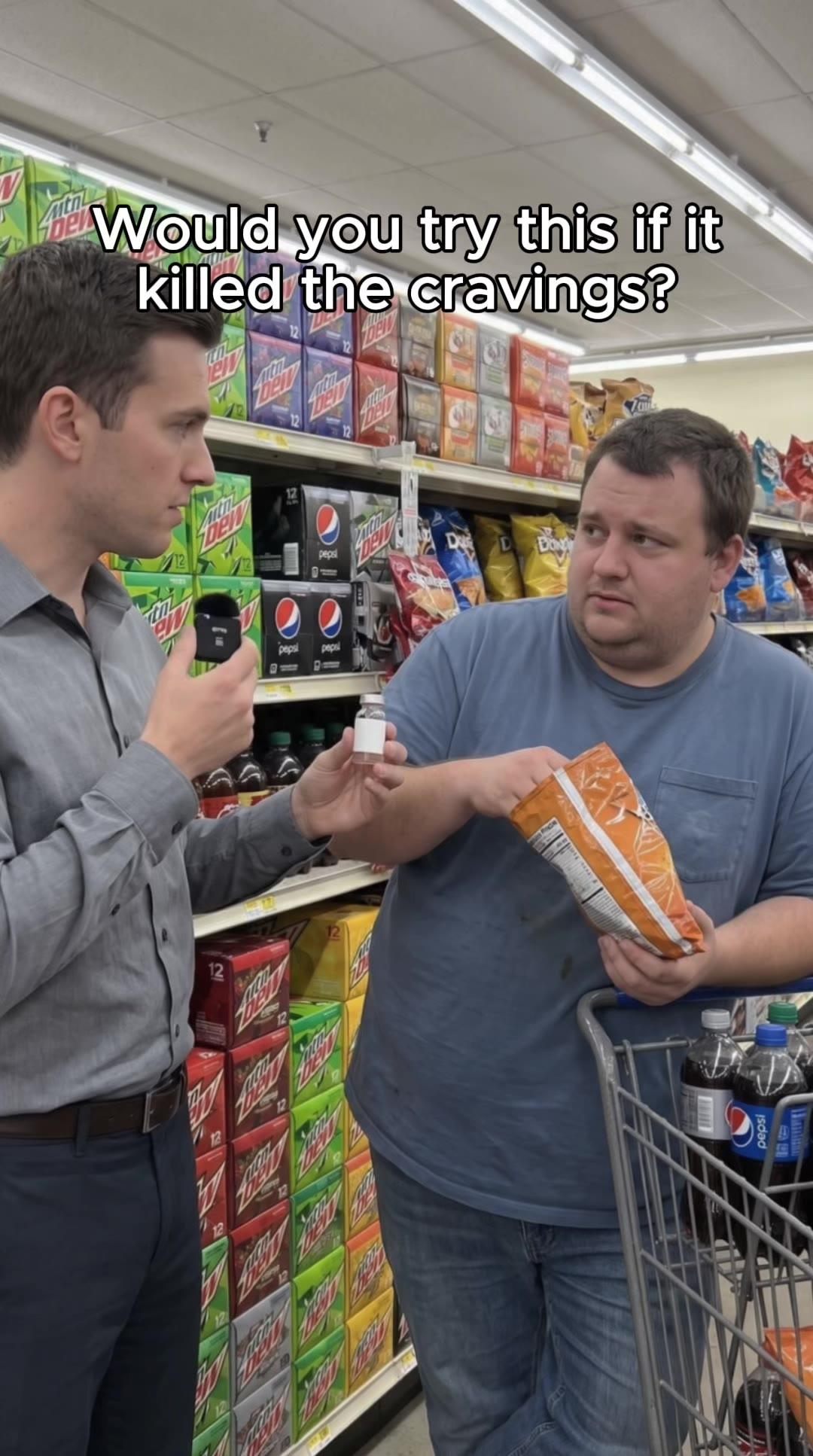
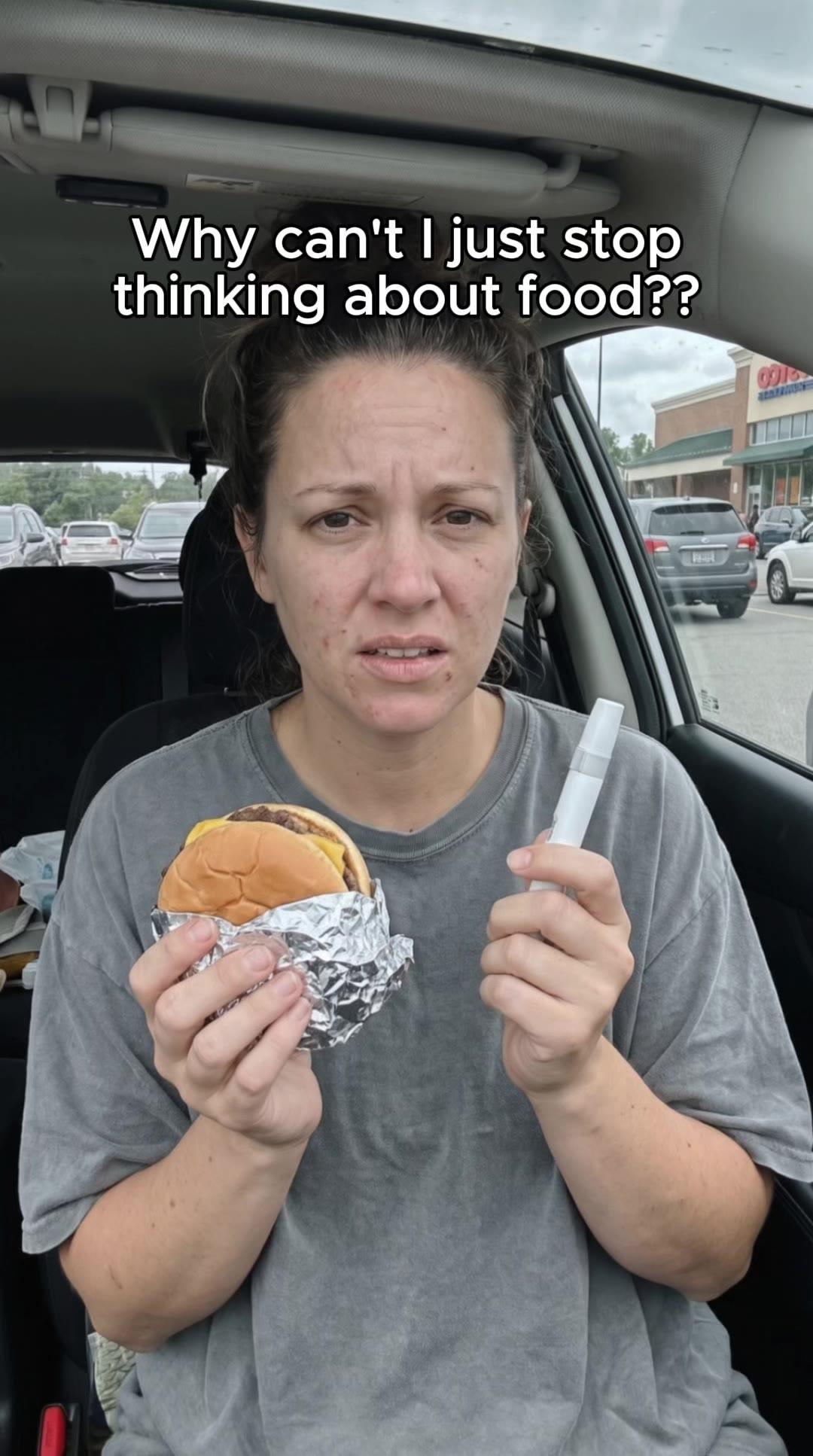

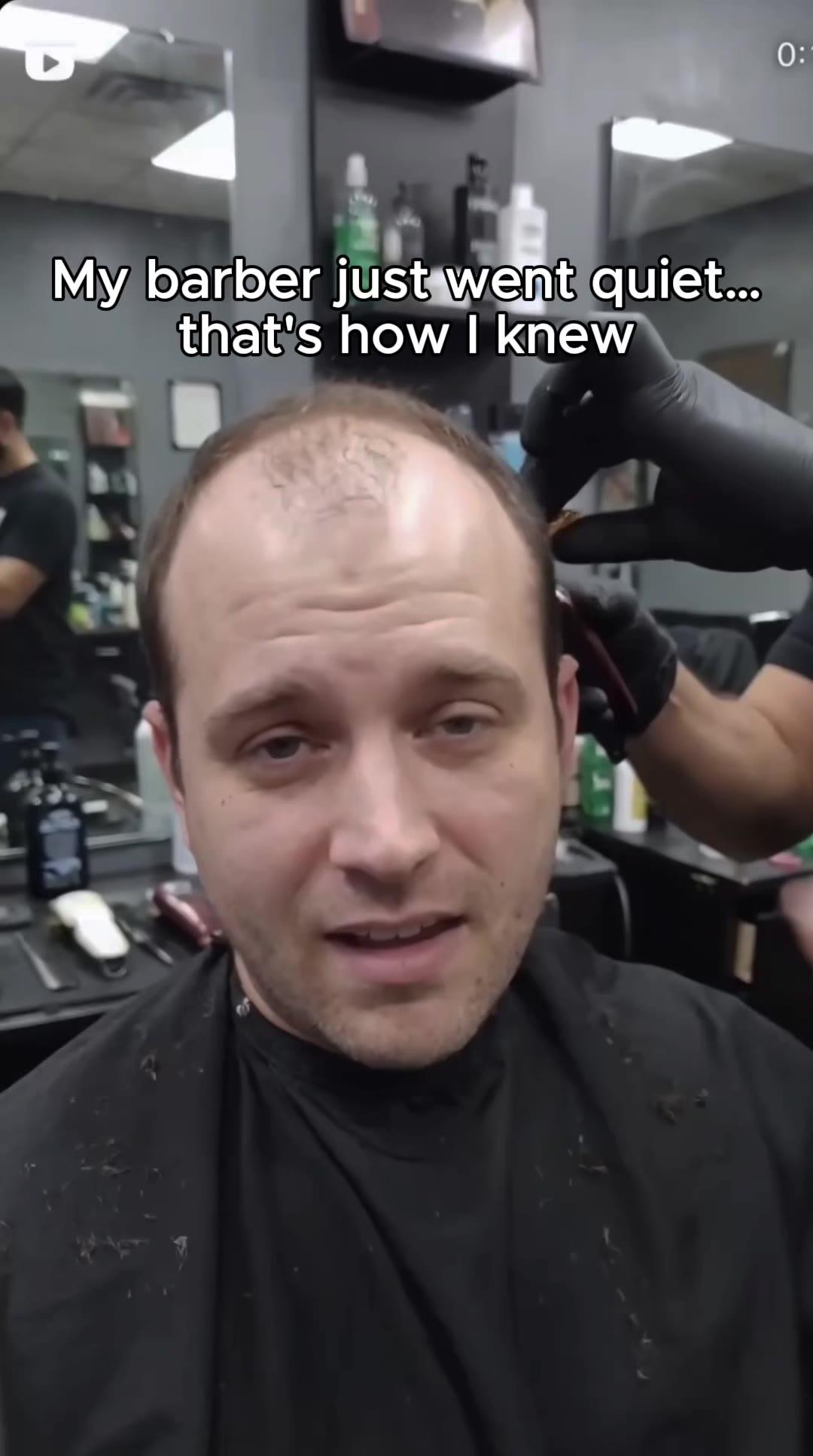

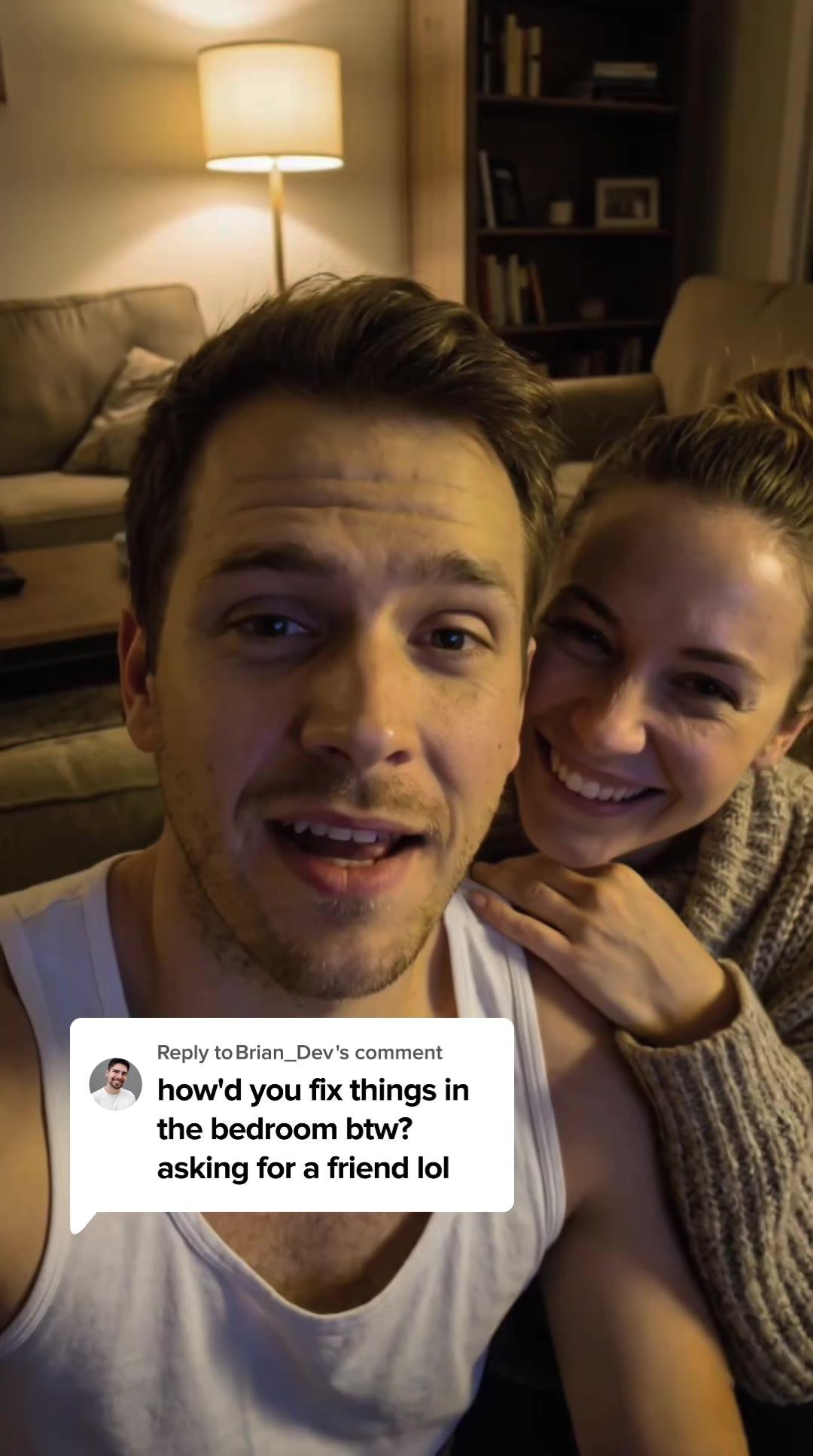

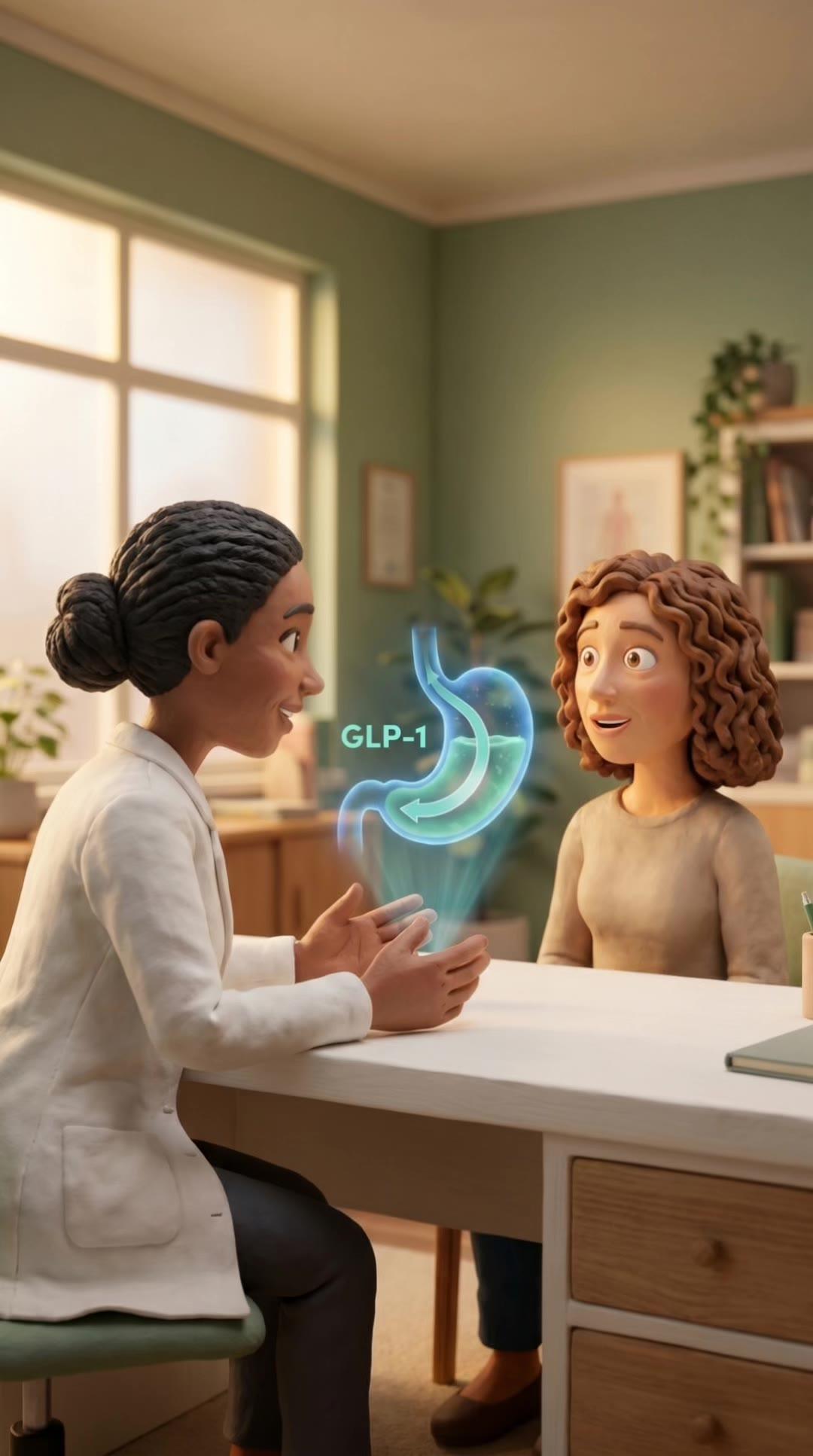
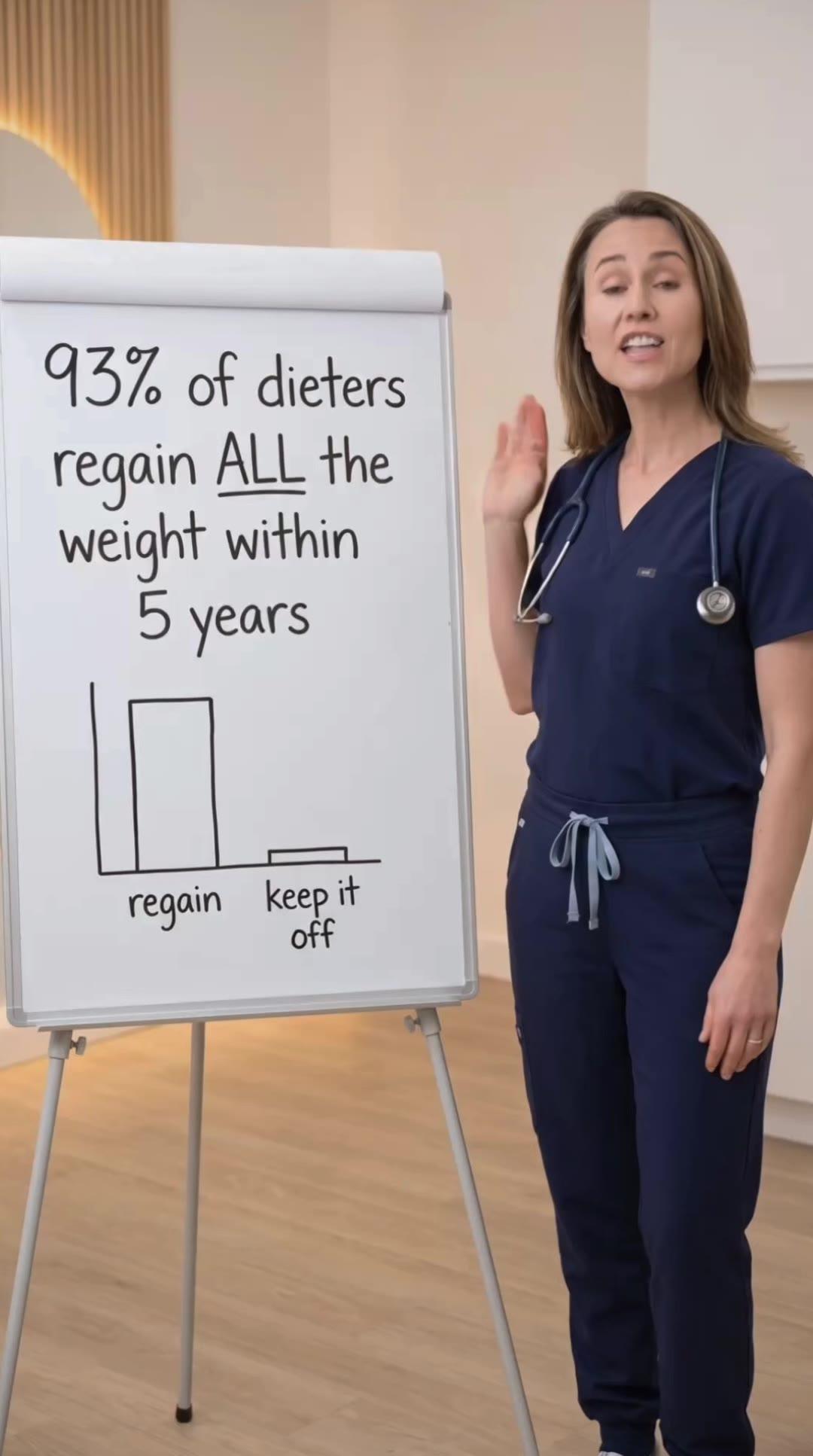
NAD telehealth marketing occupies a different category than GLP-1 weight loss. The patient is not suffering from a condition they want fixed immediately — they are optimizing a body they already consider reasonably functional. That changes everything: the urgency of the purchase, the vocabulary they use when searching, the kind of content they consume before buying, and the trust signals that actually move them.
If you try to run NAD marketing with the same playbook you use for semaglutide, you will spend money educating an audience that was never going to convert at GLP-1 CACs. This guide is about understanding the distinct psychology of this buyer and building a marketing system that matches it.
Who Is Actually Buying NAD Telehealth
The core audience for NAD telehealth is typically between 40 and 65 years old, with a meaningful secondary cluster of high-performance 30-somethings who have been in the biohacking space for a few years. These are not people who are sick. They are people who feel the gap between how they perform and how they want to perform — slower cognitive recovery after a demanding week, energy that plateaus in the afternoon, sleep that is technically adequate but not restorative. They describe this as a quality-of-life issue, not a medical one.
This distinction matters for your creative and copy. A GLP-1 patient often comes in with a clear problem statement: they want to lose a specific amount of weight. A NAD patient comes in with a vaguer dissatisfaction — they want to feel sharper, recover faster, slow down what they perceive as gradual decline. Your marketing has to name that dissatisfaction precisely, because it is not obvious and the patient has probably not articulated it clearly to themselves yet.
This audience also over-indexes on research. They read before they buy. They listen to podcasts, follow longevity researchers, and have probably already encountered NAD through a third-party source before they see your ad. That context works in your favor if your content is credible. It works against you if your content sounds like supplement marketing.
Platform Strategy for NAD Telehealth
Meta remains the primary paid acquisition channel for NAD telehealth, and it allows NAD-related advertising with some friction. The key is framing. Ads positioned around "cellular energy" and "metabolic health" clear review more consistently than ads that lean on "anti-aging" language, which Meta flags for health claims review more aggressively. You want your ad to feel like a wellness service ad, not a drug ad.
TikTok is more permissive for educational content about NAD and longevity, and the organic side of TikTok is extremely active in this space. Longevity content from credentialed creators — physicians, researchers, functional medicine practitioners — routinely gets strong organic reach. Paid TikTok performs better when you amplify existing creator content through Spark Ads rather than running brand creative directly. The platform's audience responds to first-person educational content far better than polished brand spots.
Google Search is highly viable for NAD telehealth because there is genuine search intent around terms like "NAD IV therapy near me," "NAD+ treatment online," and "NAD infusion telehealth." Unlike GLP-1 search, where you are competing with major pharmaceutical brands and large telehealth platforms spending enormous budgets, the NAD search landscape is less crowded. A well-structured search campaign with a strong landing page can generate qualified leads at reasonable cost.
Pinterest deserves mention here even though it is underused by telehealth brands in general. The NAD audience — particularly the 40-55 female segment interested in healthy aging — uses Pinterest for health and wellness research. Long-form pins linking to educational articles about NAD and cellular health build organic traffic over time in a way that paid social does not.
Messaging Angles That Actually Work
The most effective messaging for NAD telehealth marketing focuses on cellular energy, brain fog, and metabolic health. These are concrete, relatable, and do not require disease-level framing. "Your cells produce less NAD as you age, which affects how efficiently they generate energy" is educational and credible. It invites curiosity rather than claiming a cure.
What you want to stay away from is "anti-aging" as a primary claim about reversing biological age. This territory is scientifically contested, attracts FTC scrutiny, and sounds like a supplement ad. You can discuss the research on NAD and aging mechanisms without claiming your product reverses aging. The distinction is between explaining a mechanism and making an outcome promise.
Frame the telehealth consultation as the value, not the compound. Patients are not buying NAD — they are buying access to a physician who will assess their profile, order appropriate labs, and build a protocol tailored to their situation. This framing positions you as a medical service rather than a supplement delivery business, which is both more accurate and more defensible from a compliance standpoint.
Concepts we ship, problem-aware to product-aware.
See the work →IV vs Oral and Sublingual Products Require Different Approaches
If you offer IV NAD therapy, your marketing is partly a logistics and experience play. IV patients are paying for a premium, in-clinic or at-home experience. The marketing should emphasize the experience, the supervision, and the concentrated delivery method. The audience for IV tends to be higher-income and already familiar with IV wellness services — they do not need to be educated on what an IV is.
Oral and sublingual NAD products are a different market. The audience is broader, the price point is lower, and the barrier to trial is smaller. Your marketing for oral products should emphasize convenience, consistency, and the supervision advantage over buying supplements without guidance. The comparison is not IV vs oral — it is physician-supervised oral dosing vs buying something off Amazon without knowing if it is appropriate for you.
Do not try to sell both products with the same creative. They are different products for different buyers with different levels of commitment. Mixing them in a single ad confuses both audiences.
What to Avoid in NAD Marketing
Disease treatment claims are the clearest line to stay behind. NAD is not FDA-approved to treat any specific condition, and positioning it as a treatment for fatigue, depression, or cognitive decline invites regulatory attention and platform rejection. You can discuss the research; you cannot claim therapeutic outcomes.
Avoid invoking FDA drug status language around NAD in ways that imply regulatory approval for your specific service or formulation. If you are working with a compounding pharmacy, you understand the compliance requirements — your marketing should not create confusion about the status of what you are offering.
"Proven to reverse aging" is a phrase that will get your ads flagged immediately and should never appear in any of your copy, creative text, or landing pages. Beyond platform compliance, it is the kind of language that erodes trust with exactly the skeptical, research-oriented audience you are trying to reach.
Creative Formats That Perform in This Space
Educational explainer content — either short-form video or long-form written — consistently outperforms generic wellness creative for NAD. The audience is research-oriented, so content that teaches them something they did not know about NAD metabolism, cellular energy production, or the aging process earns engagement and builds a conversion pipeline over time.
Credentialed creator endorsements carry significant weight. A functional medicine physician or longevity researcher explaining why they personally use or recommend NAD is far more persuasive than any brand-produced ad. These do not have to be celebrities — the credibility of the credential matters more than the follower count. A board-certified physician with 8,000 followers talking about NAD will often outperform a general wellness influencer with 800,000.
Patient journey videos work particularly well when they focus on performance and energy improvements rather than dramatic before/after visuals. A 50-year-old describing how their mental clarity improved over 90 days of a supervised NAD protocol is believable and aspirational to your core audience. It does not overstate, and it speaks directly to the kind of outcome they are hoping for.
Building a Content Moat Before Running Paid Ads
Because NAD buyers research extensively before converting, content marketing is not optional — it is structural to your acquisition funnel. A telehealth brand that has built a library of credible, educational content about NAD, longevity, and cellular health has a persistent asset that continues generating organic traffic and warm leads long after individual ad campaigns have ended.
Target longevity keywords before you ramp paid spend: terms like "how does NAD work," "NAD and aging," "best NAD supplement vs IV," "NAD+ for brain fog," and similar informational queries have meaningful search volume from exactly the audience you want. Ranking for these terms through quality content means that by the time a prospect sees your paid ad, they have likely already encountered your brand through organic search. That warm re-exposure dramatically improves conversion rates.
The brands that build durable patient acquisition in the longevity space are not outspending their competitors on paid ads — they are out-educating them. NAD telehealth marketing rewards the same depth of content investment you would apply to any sophisticated B2B category where the buyer does significant research before committing.
Related Articles
How to Differentiate Your GLP-1 Telehealth Brand
Stand out in a crowded GLP-1 market with sharper positioning, smarter messaging, and a brand identity patients actually remember.
Social Proof Strategies for GLP-1 Ads
How to use patient stories, reviews, and credentials to build trust in GLP-1 telehealth advertising without running into compliance issues.
How to Market Semaglutide Telehealth Services
Complete marketing playbook for semaglutide weight loss programs — positioning, creative, and patient acquisition tactics that work.
Your next GLP-1 batch, minus the compliance roulette.
A 30-minute call. We audit your creative approach and show you exactly what a complete angle-format-hook system looks like for your vertical.