How to Start a GLP-1 Telehealth Business in 2026
A founder's walkthrough of starting a GLP-1 telehealth business. Provider network, pharmacy partnership, compliance setup, and the marketing launch sequence that gets you from idea to first patients.
Concepts shown are internal creative studies, not client campaigns.
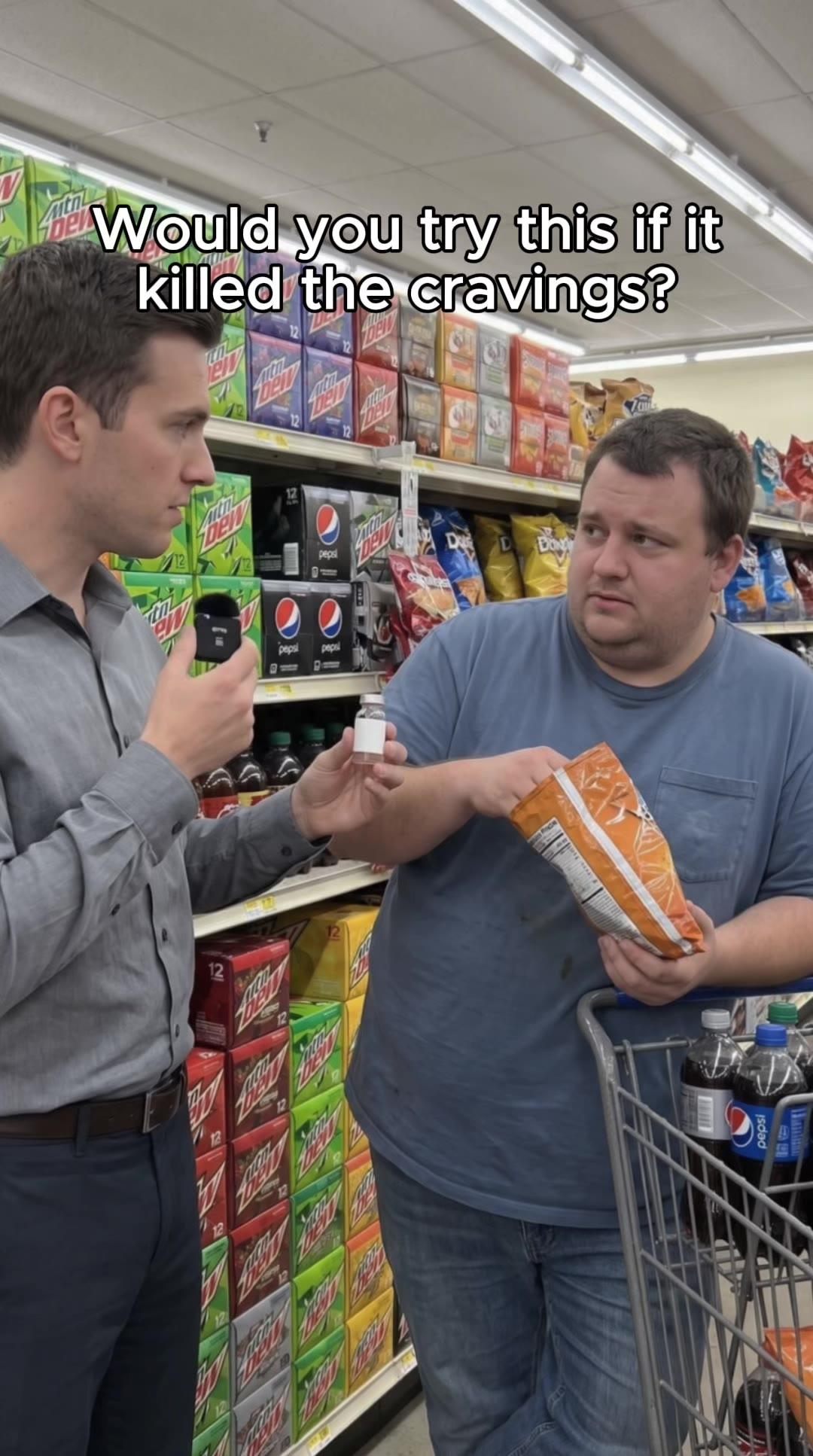
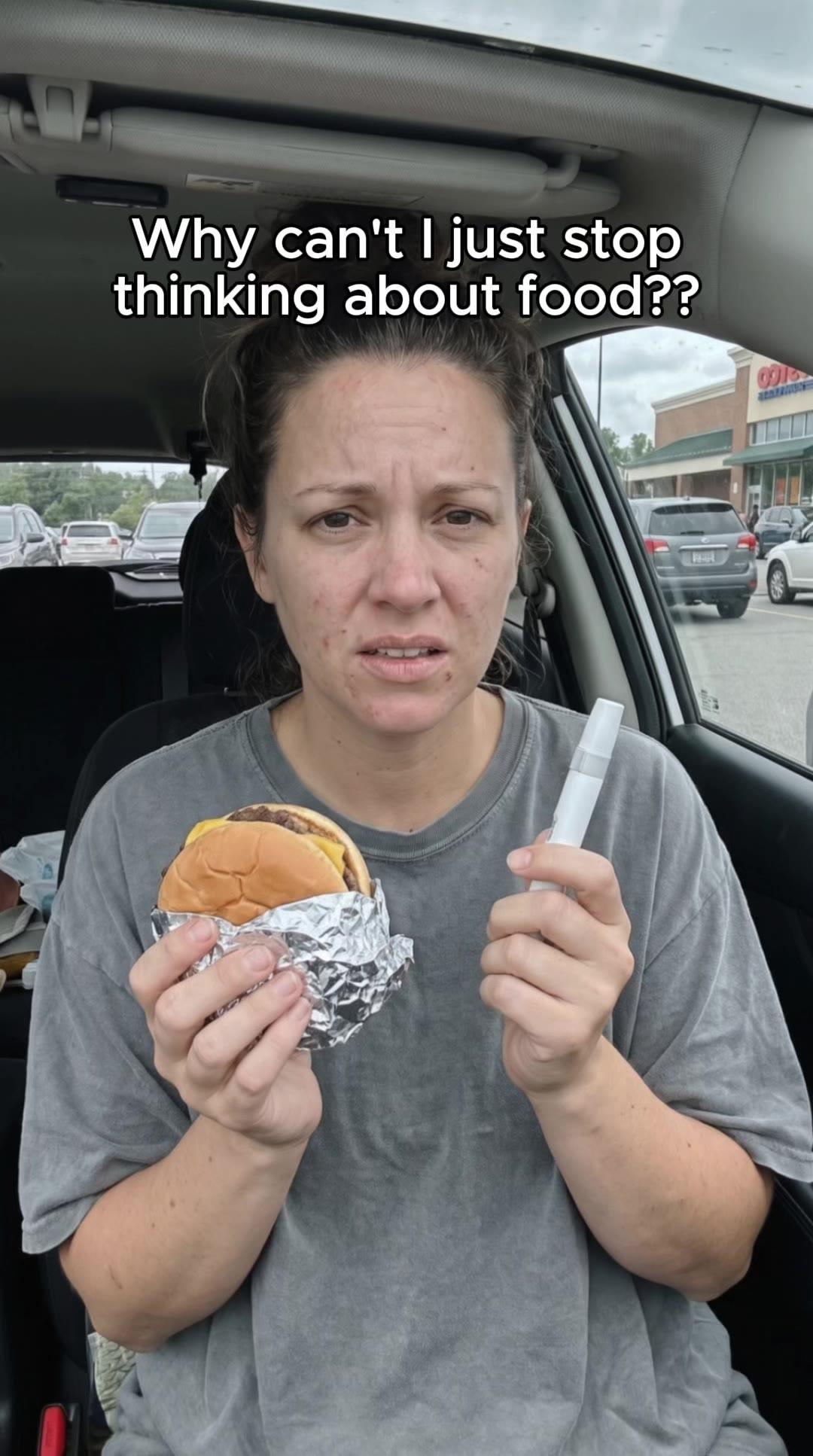

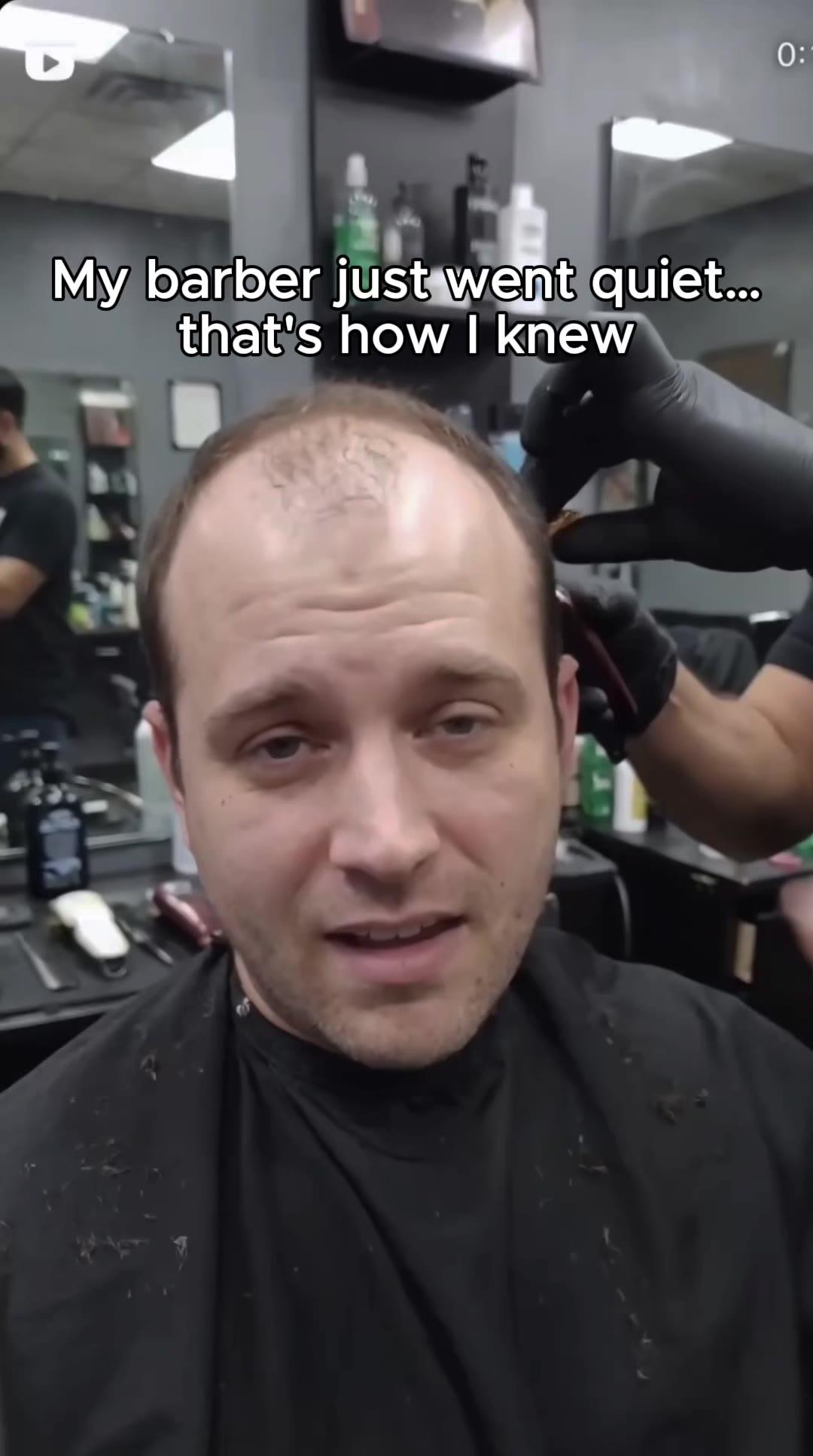

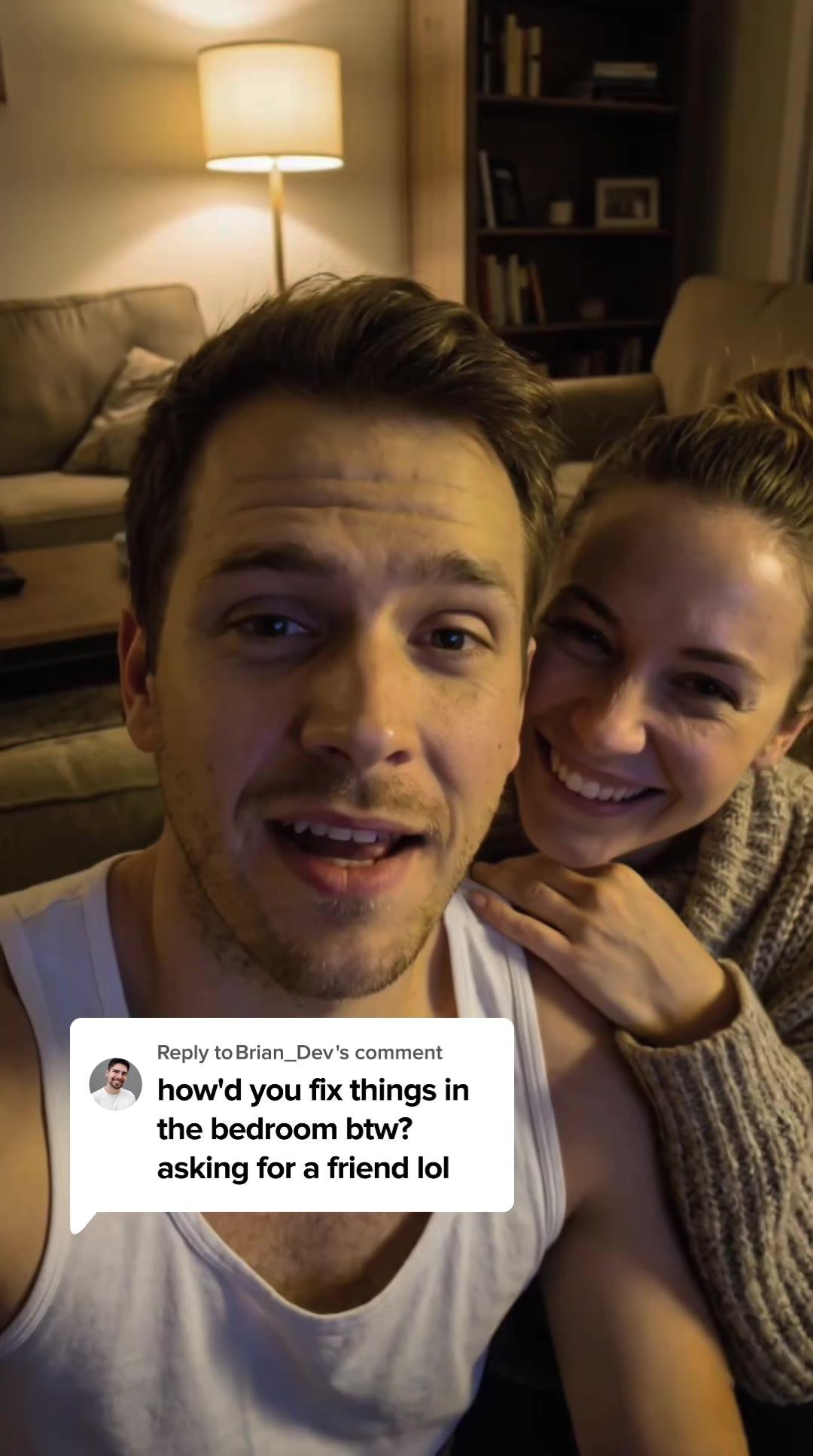

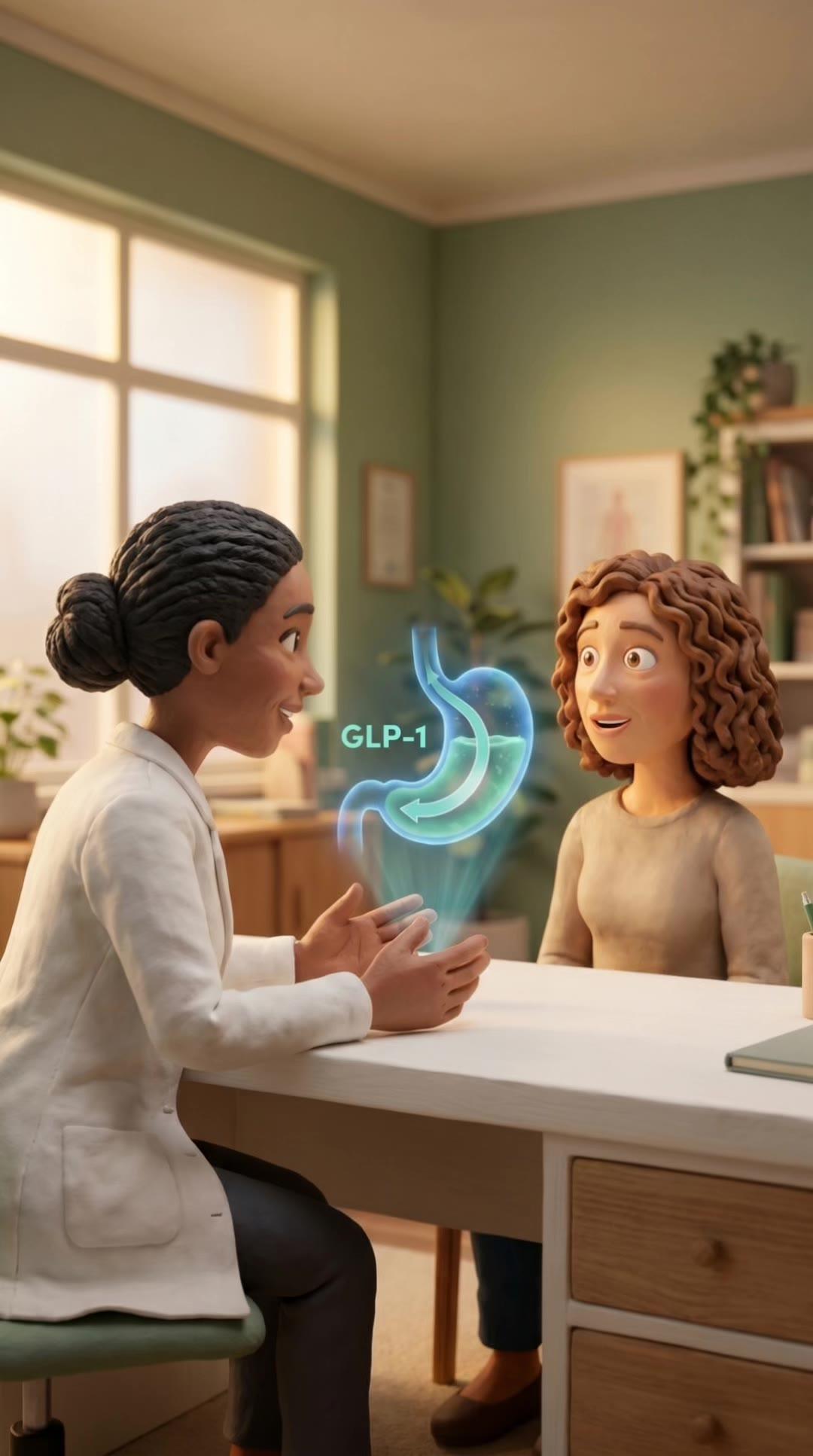
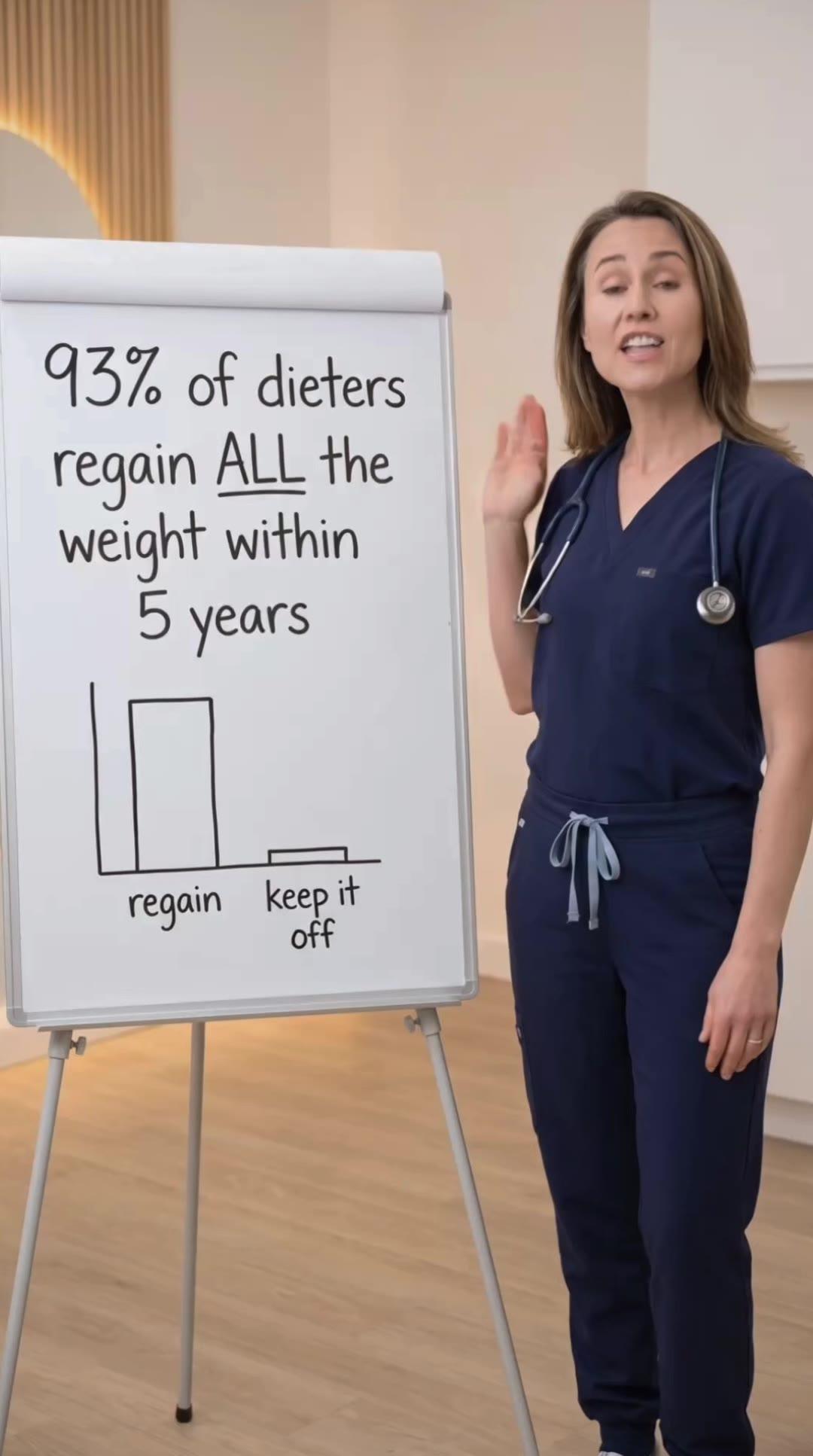
Starting a GLP-1 telehealth business in 2026 is harder than it was two years ago, and that is partly good news. The brands that survive the more demanding regulatory and competitive environment will be the durable ones. The brands that try to copy the 2022 playbook will run into walls that did not exist back then. This is a walkthrough of how to start with the current reality in mind.
Here is how to start a GLP-1 telehealth business in 2026: foundation, provider network, pharmacy, compliance, and marketing launch.
Step One: Pick Your Business Model
Cash-pay compounded semaglutide or tirzepatide. The most common starting model in 2026. Lower revenue per patient than insurance-coordinated, but cleaner operations and faster patient onboarding.
Insurance-coordinated brand-name GLP-1 (Wegovy, Zepbound). Higher revenue per patient but operationally complex. Requires prior authorization workflows, copay assistance navigation, and pharmacy partnerships. Most founders should not start here unless they have insurance-coordinated experience.
Hybrid model. Cash-pay compounded as the entry product, with optional brand-name navigation for patients who want it. Operationally heaviest but most adaptable as the regulatory landscape shifts.
Step Two: Build the Provider Network
You need licensed providers in the states you will operate. For a national launch, that typically means multi-state licensed clinicians or a provider network with state coverage you can rely on.
Provider quality matters more than headcount at launch. Two strong, named, credentialed providers who will appear in your marketing are more valuable than ten anonymous providers serving a faceless model.
Sort out medical leadership early. Your medical director is the person who signs off on protocols, oversees clinical quality, and serves as the regulatory point of contact. Without one, you cannot operate safely.
Step Three: Pick a Pharmacy Partner
For compounded GLP-1, pick a 503A or 503B compounding pharmacy with established compliance posture, transparent quality systems, and a shipping operation that can scale with you. Vet the pharmacy as carefully as you would vet a co-founder. The pharmacy relationship is one of the highest-risk vendor relationships in the business.
For brand-name GLP-1, build relationships with specialty pharmacies that handle insurance navigation and have access to current Wegovy and Zepbound supply.
Step Four: Compliance Foundation
Set up your legal entity, telemedicine licensing, and HIPAA-compliant technology stack from day one. The cost of doing this right at launch is meaningfully less than the cost of fixing it after you have patients.
Apply for LegitScript certification immediately if Google Ads will be part of your channel mix. The application takes 4-8 weeks at best; building your launch plan around this timeline is essential.
Build a medical review process for marketing creative. Every ad needs to be approved by a clinician before launch. This is non-negotiable for GLP-1 brands in 2026.
Concepts we ship, problem-aware to product-aware.
See the work →Step Five: Build the Website and Funnel
A clean, transparent website that explains what you offer, who your providers are, what the medication is, and what it costs. Brands that try to grow on vague websites lose at the conversion step regardless of how well the ads work.
Above-the-fold non-negotiables: medication identification, pricing with full subscription terms, qualification gate visibility, state availability disclosure, and provider credentialing. For the structure, see GLP-1 landing page optimization.
Step Six: Marketing Launch
Start with Meta paid social. Allocate $30-60K for the first 90 days. Produce 20-30 ads in your first batch using mechanism-of-action, process transparency, and provider-led formats.
Add Google Search once LegitScript is approved. Branded search for your brand name and non-branded search for high-intent terms in your category.
Resist the urge to launch all channels at once. Two channels, executed well, beats five channels executed poorly. Add channels as the first two stabilize.
Step Seven: Read the Real Numbers at Day 90
By day 90 you should have honest data on fully-loaded patient acquisition cost, landing page conversion rates, consultation-to-purchase rates, and early retention indicators. Use these to decide whether to scale, hold, or restructure.
For GLP-1, the benchmark for fully-loaded CAC at $50-150K monthly spend is $180-320. If you are within 25% of this range, the business is working. If you are 50%+ above, diagnose before adding spend.
Common Mistakes
Trying to operate in multiple categories at launch. Pick GLP-1 and dominate the operational and marketing focus. Multi-category brands lose at every stage.
Underinvesting in retention infrastructure. Acquisition without retention is a treadmill. Build the infrastructure before you scale spend.
Treating compliance as a setup item rather than an ongoing operational discipline. The rules change, the platforms adjust, and brands that do not stay engaged lose ground quietly.
The Short Version
Starting a GLP-1 telehealth business in 2026 is operationally demanding but commercially viable. Pick a clean model, build the provider and pharmacy foundation, set up compliance from day one, launch marketing with focus and discipline, and read the real numbers at day 90 before scaling. The brands that move methodically grow. The brands that try to shortcut the foundation rebuild from regulator letters and platform restrictions.
Related Articles
A Marketing Plan for a Weight Loss Clinic in 2026
A founder-level marketing plan for a weight loss clinic.
GLP-1 Telehealth Brand Positioning
How to position a GLP-1 telehealth brand.
A Founder's Guide to GLP-1 Marketing Budgets
Budget allocation across stages.
How to Launch a Telehealth Brand: The First 90 Days of Marketing
A founder-level marketing launch plan.
Your next GLP-1 batch, minus the compliance roulette.
A 30-minute call. We audit your creative approach and show you exactly what a complete angle-format-hook system looks like for your vertical.