How to Find New Patients for a GLP-1 Telehealth Brand
A founder's view on the channels, audience profiles, and growth levers that actually fill GLP-1 consultations in 2026.
Concepts shown are internal creative studies, not client campaigns.
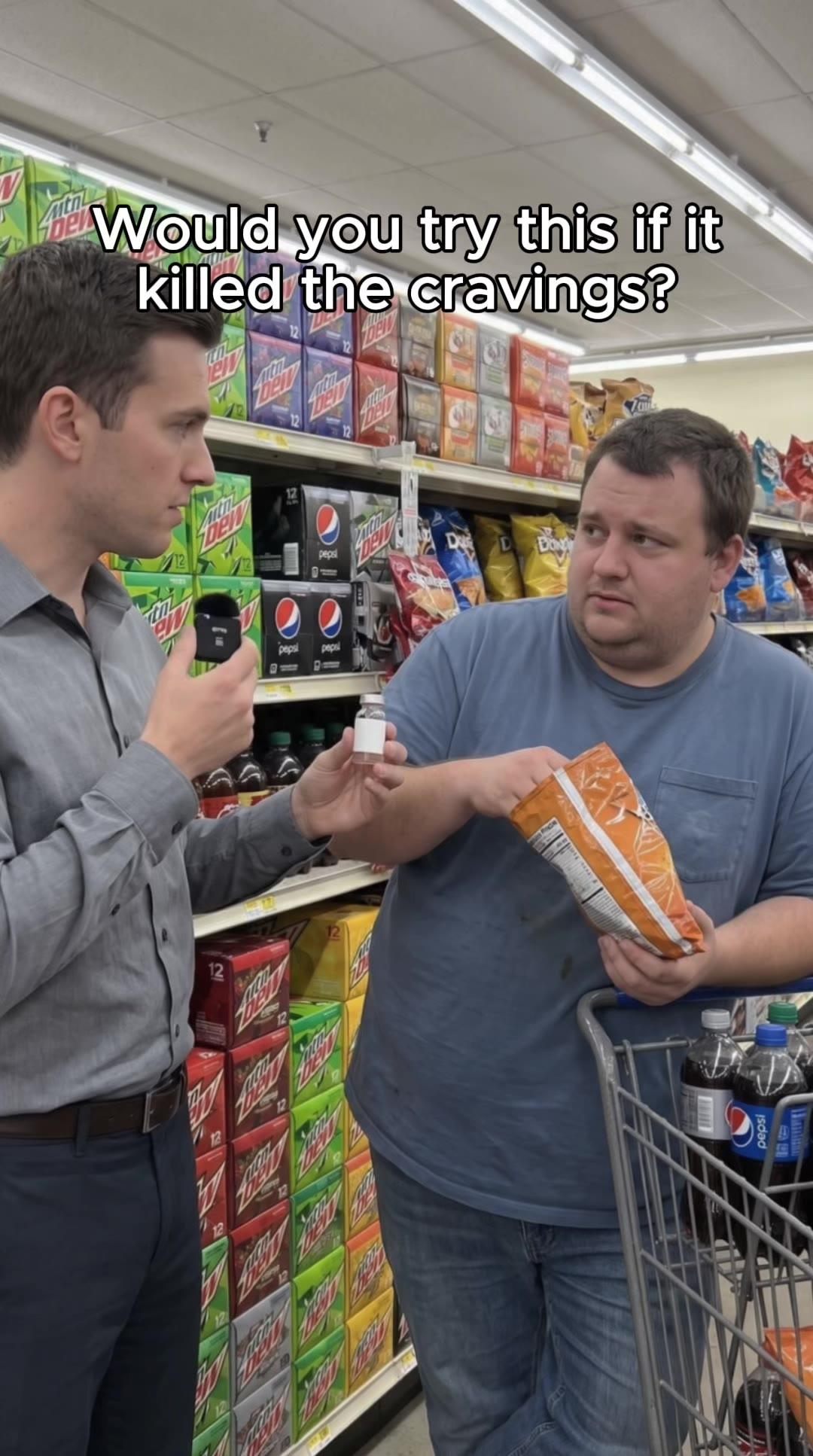
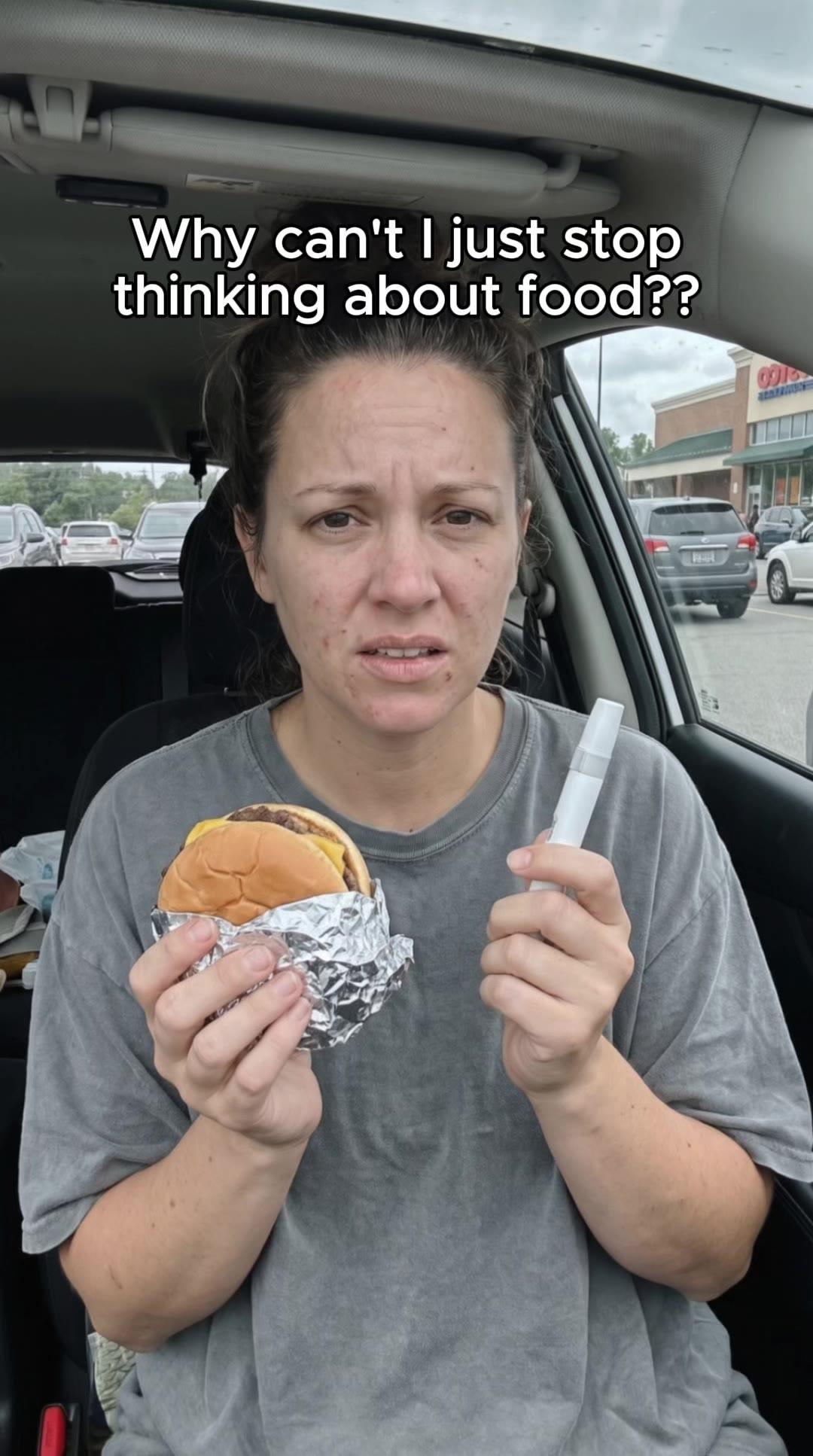
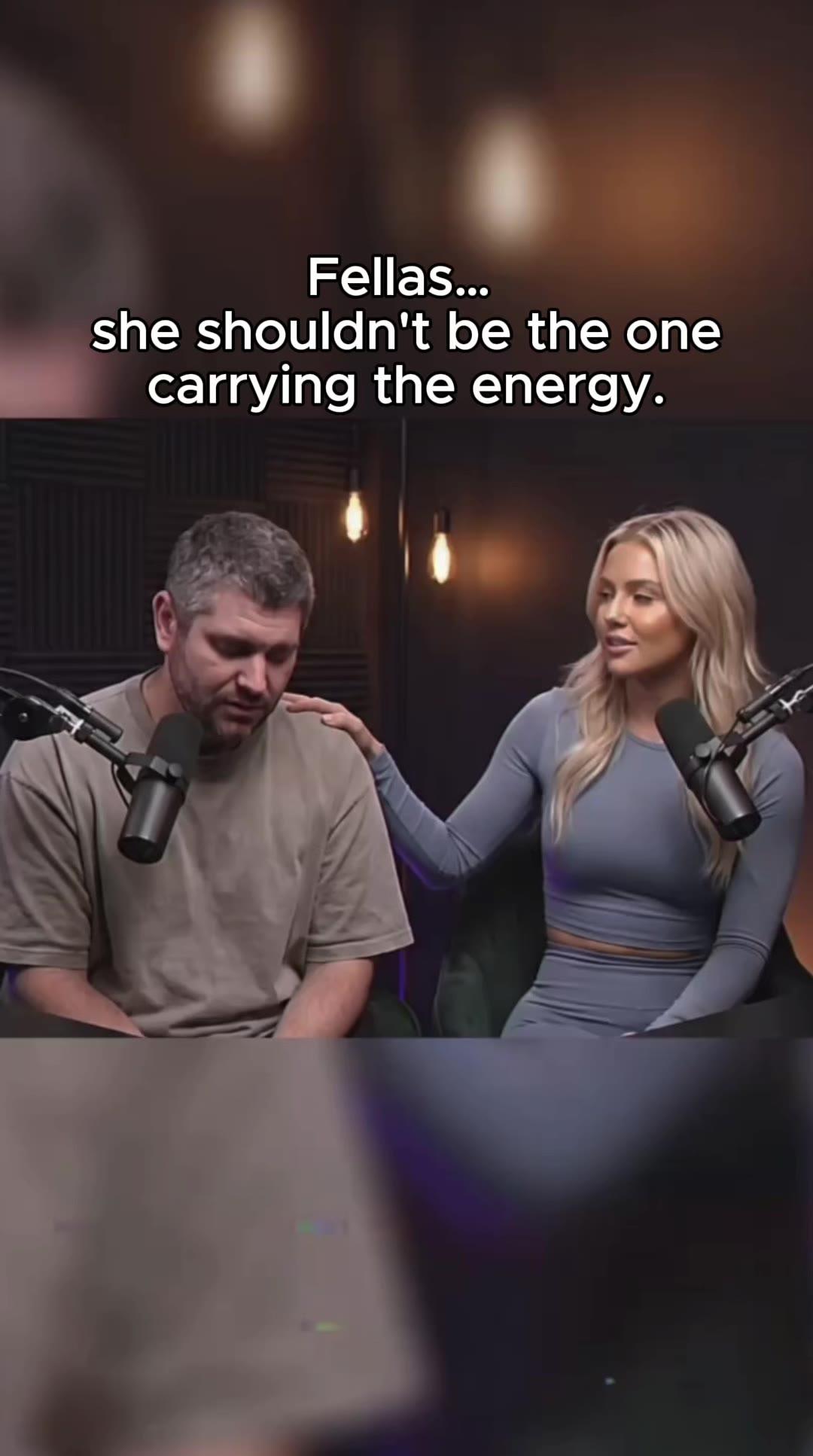
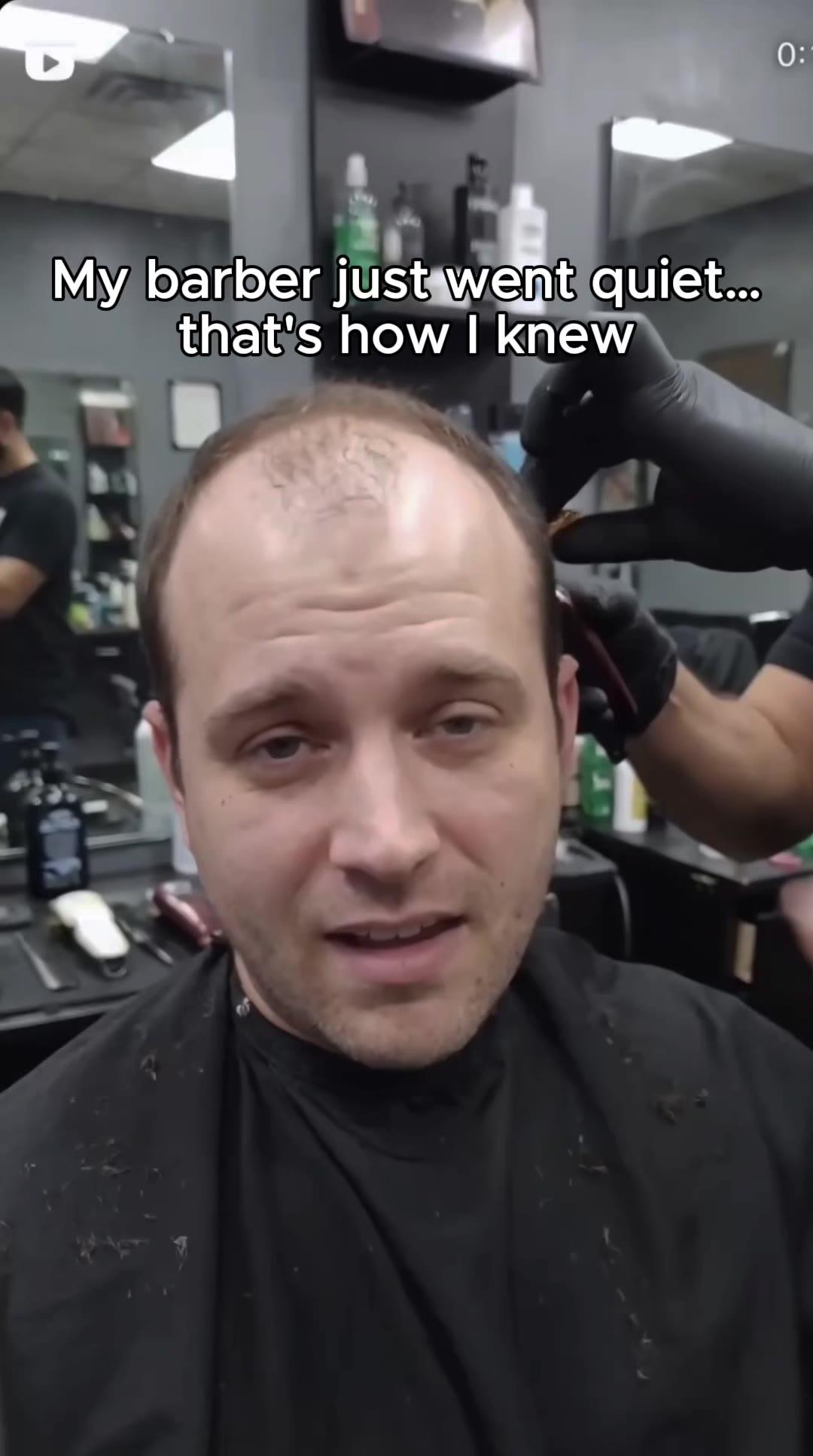

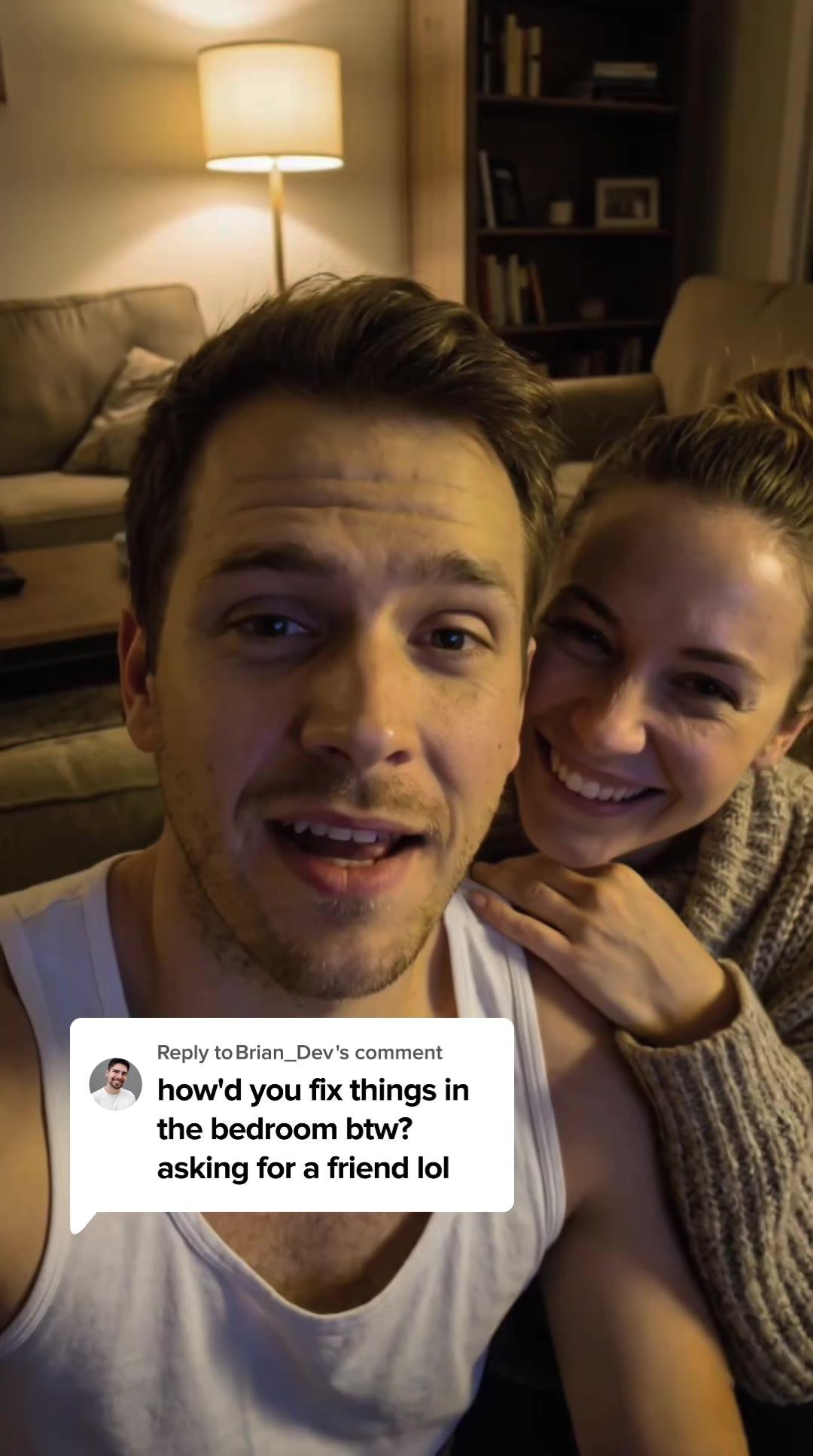

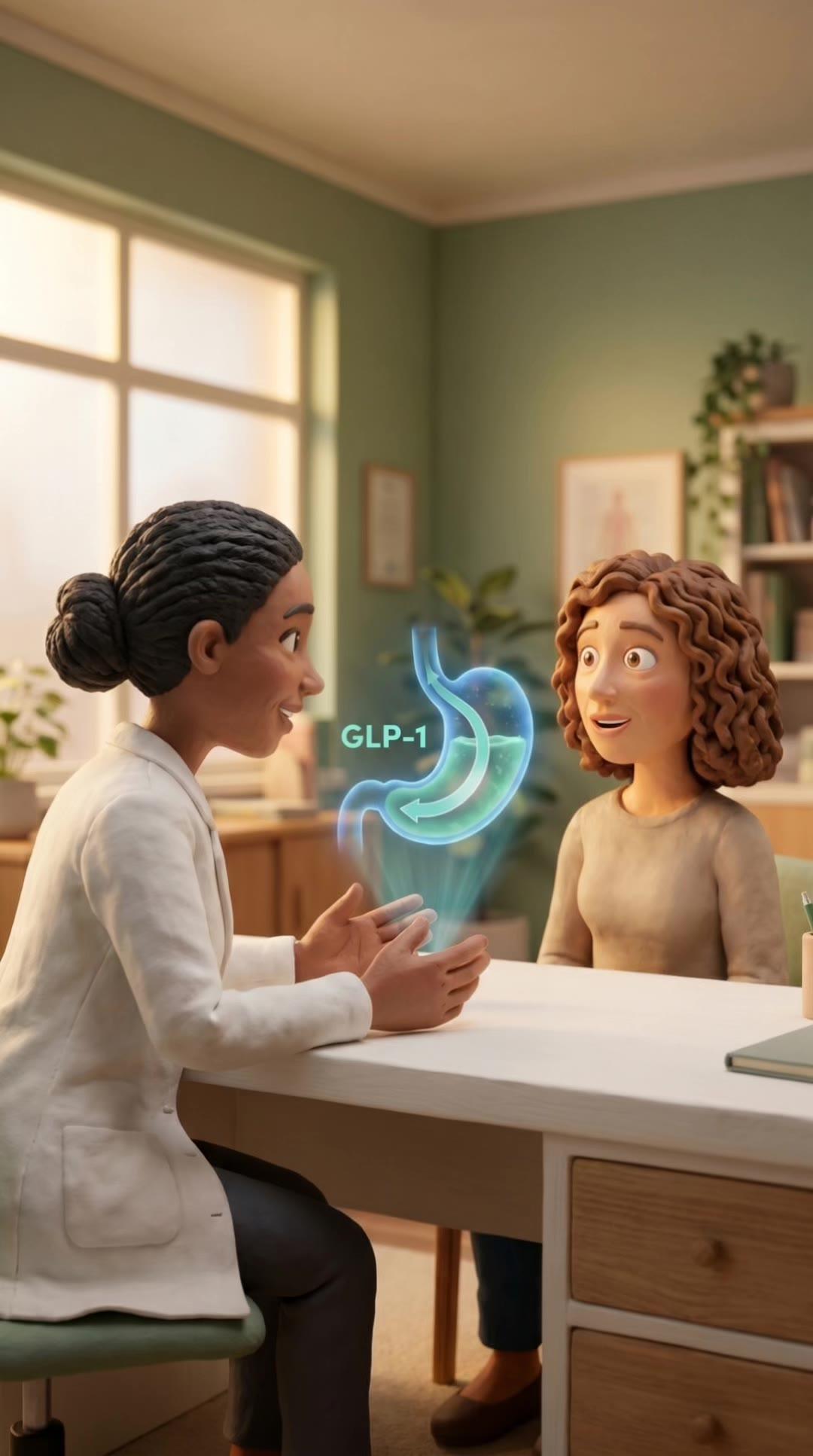
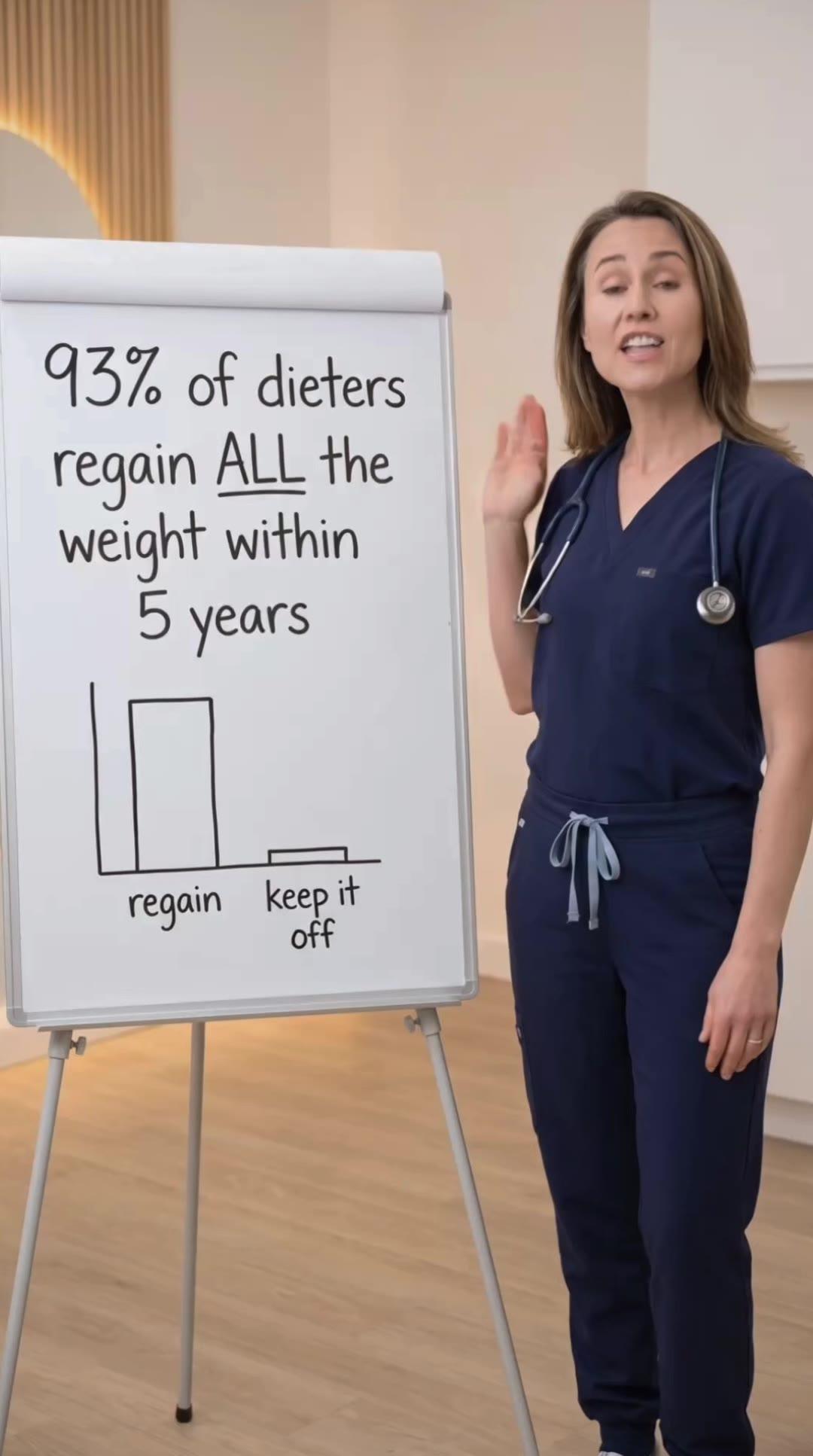
"How do I find more patients?" is the GLP-1 founder question that gets asked the most and answered the worst. The answer is usually framed in terms of one channel or one tactic, when the real answer is a stack of decisions across acquisition, conversion, and retention. The brands that consistently find new patients are not the brands with the most tactics; they are the brands with the cleanest stack across all three layers.
Here is the plain-English answer for GLP-1 founders.
Who You Are Actually Looking For
The GLP-1 audience in 2026 splits into three rough groups: first-time GLP-1 users who have heard about the medications and are researching access; second-product users who tried semaglutide and are evaluating tirzepatide; and reactivation candidates who started GLP-1, churned, and might come back.
Each group requires different creative, different channels, and different funnel architecture. Brands that treat the audience as one cohort underperform brands that segment from day one.
Where the Patients Actually Come From
Meta paid social: 55-70% of paid GLP-1 patient acquisition for cash-pay compounded brands. The audience targeting depth and creative format flexibility make it the primary engine.
Google Search: 15-25% of paid acquisition. Branded search captures the demand Meta creates; non-branded search captures research-mode patients. LegitScript required.
Owned channels (email, SMS, referral, organic social): 10-20% of new patient volume for mature brands. Brands under-investing here cap their growth potential.
TikTok: 5-15% of paid acquisition for brands with platform-native creative. Skip for brands without category fit.
Targeting That Actually Works
Meta's algorithm prefers broad audiences in 2026. Over-targeting (layering many interests, narrowing demographics aggressively) usually hurts performance. Start broad, let the algorithm find the responders, and let creative do the targeting work.
Use creative to self-select audiences. A creative variant that opens with "If you are a woman over 45 and weight loss has gotten harder..." filters the audience without explicit demographic targeting.
Build retargeting layers for landing page visitors, consultation page abandoners, consultation no-shows, and lapsed patients. Each segment needs different creative tuned to where the patient dropped off.
The Consultation-to-Patient Funnel
Most GLP-1 brands lose more patients in the consultation flow than in the ad-to-landing-page step. The bottleneck is usually post-click, not pre-click.
Landing page to consultation booking: target 8-15%. Below 6% signals a landing page problem.
Consultation booking to consultation attended: target 75-90%. Below 70% signals a booking flow or expectation-setting problem.
Consultation attended to first purchase: target 50-65%. Below 40% signals a qualification or pricing communication problem.
For the deeper funnel analysis, see the weight loss sales funnel.
Concepts we ship, problem-aware to product-aware.
See the work →Underused Patient Sources
Reactivation campaigns to lapsed patients. Brands that systematically reach out to patients who churned 30-90 days ago recover 5-15% of them. Most brands skip this entirely.
Referral programs designed for hero patients, not for transactional promoters. Frame the program as "share something that helped you" rather than "earn a $25 credit," and the patient quality and conversion rates improve dramatically.
Existing patient cross-product upsell. Patients on semaglutide who plateau become high-conversion candidates for tirzepatide. Build the cross-product workflow rather than letting the patient churn.
Reddit and niche community engagement. Subreddit advertising and authentic community participation drives high-quality patient flow that big brands cannot easily replicate.
What Slows Patient Acquisition
Insufficient creative volume. Twenty new ads per month is the floor for a $50K monthly Meta program. Below that, audience fatigue compounds.
Slow medical review. Ads waiting in the review queue while the audience moves on. Build a fast review process or scale stalls.
Untested landing pages. The single highest-leverage A/B test in GLP-1 is on the landing page, not the ads. Most brands do not test their landing pages enough.
Reactive retention. Patients leaving faster than they arrive. Acquisition cannot outrun churn.
The Short Version
Finding new patients for a GLP-1 telehealth brand in 2026 is a stack of decisions across acquisition, conversion, and retention. Build Meta and Google as primary channels, segment for first-time vs second-product audiences, build retargeting layers for the patients who almost convert, invest in owned channels for the long term, and never let retention lag the acquisition cohort. Brands that operate across all three layers grow. Brands that focus on acquisition tactics alone stall.
Related Articles
How to Get More Patients for a Telehealth Brand
Channel mix and growth levers for telehealth brands.
GLP-1 Marketing Ideas That Actually Work in 2026
Specific GLP-1 marketing ideas you can use.
GLP-1 Telehealth Retargeting
Retargeting strategy for GLP-1 telehealth brands.
GLP-1 Telehealth Email Marketing
Email marketing for GLP-1 telehealth.
Your next GLP-1 batch, minus the compliance roulette.
A 30-minute call. We audit your creative approach and show you exactly what a complete angle-format-hook system looks like for your vertical.