GLP-1 YouTube Ads for Telehealth Brands
GLP-1 YouTube ads operate in a different funnel position than Meta or TikTok — they work best as a consideration channel, not a cold acquisition play. Getting this wrong costs money; getting it right builds a durable patient pipeline.
Concepts shown are internal creative studies, not client campaigns.
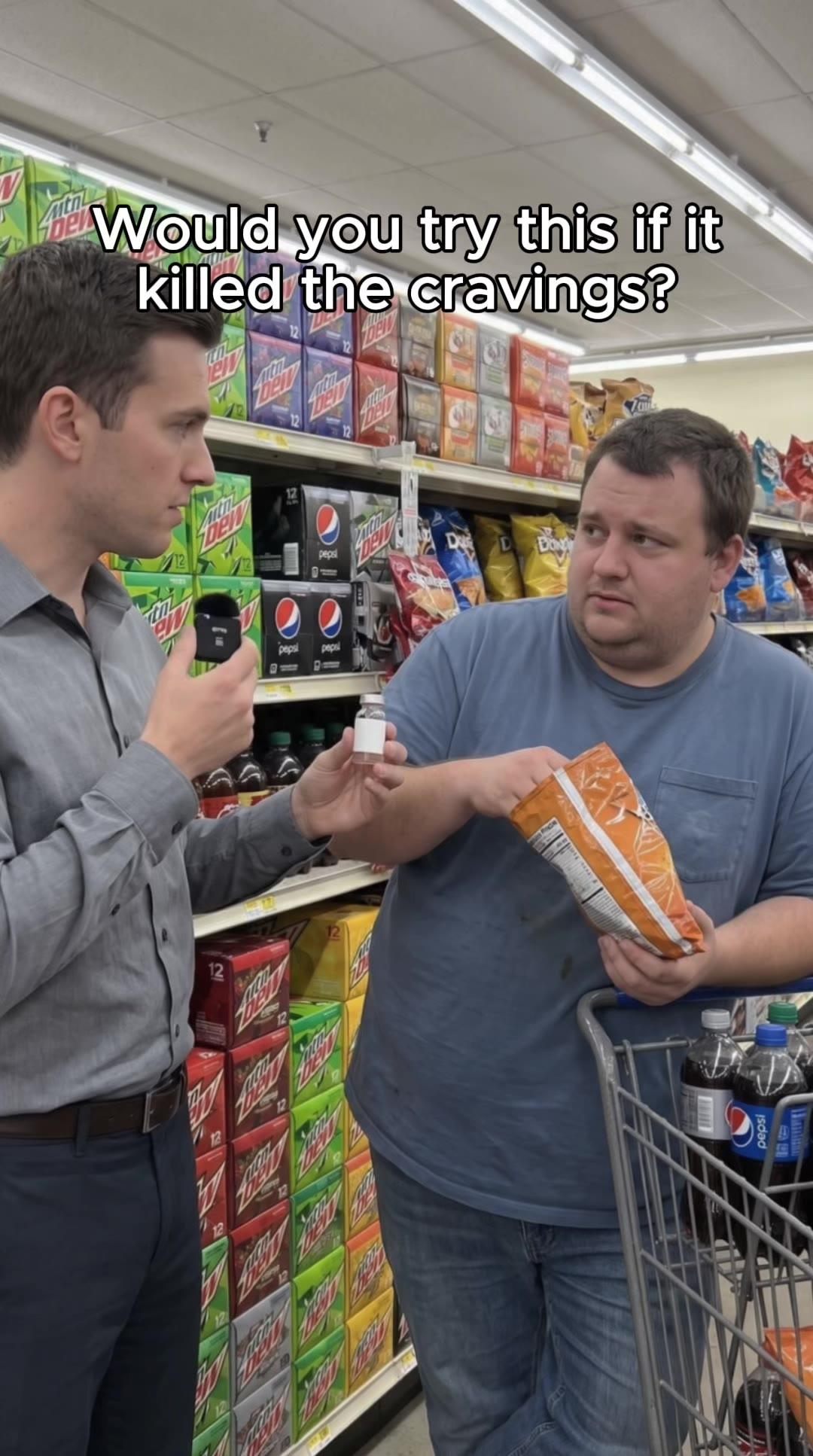
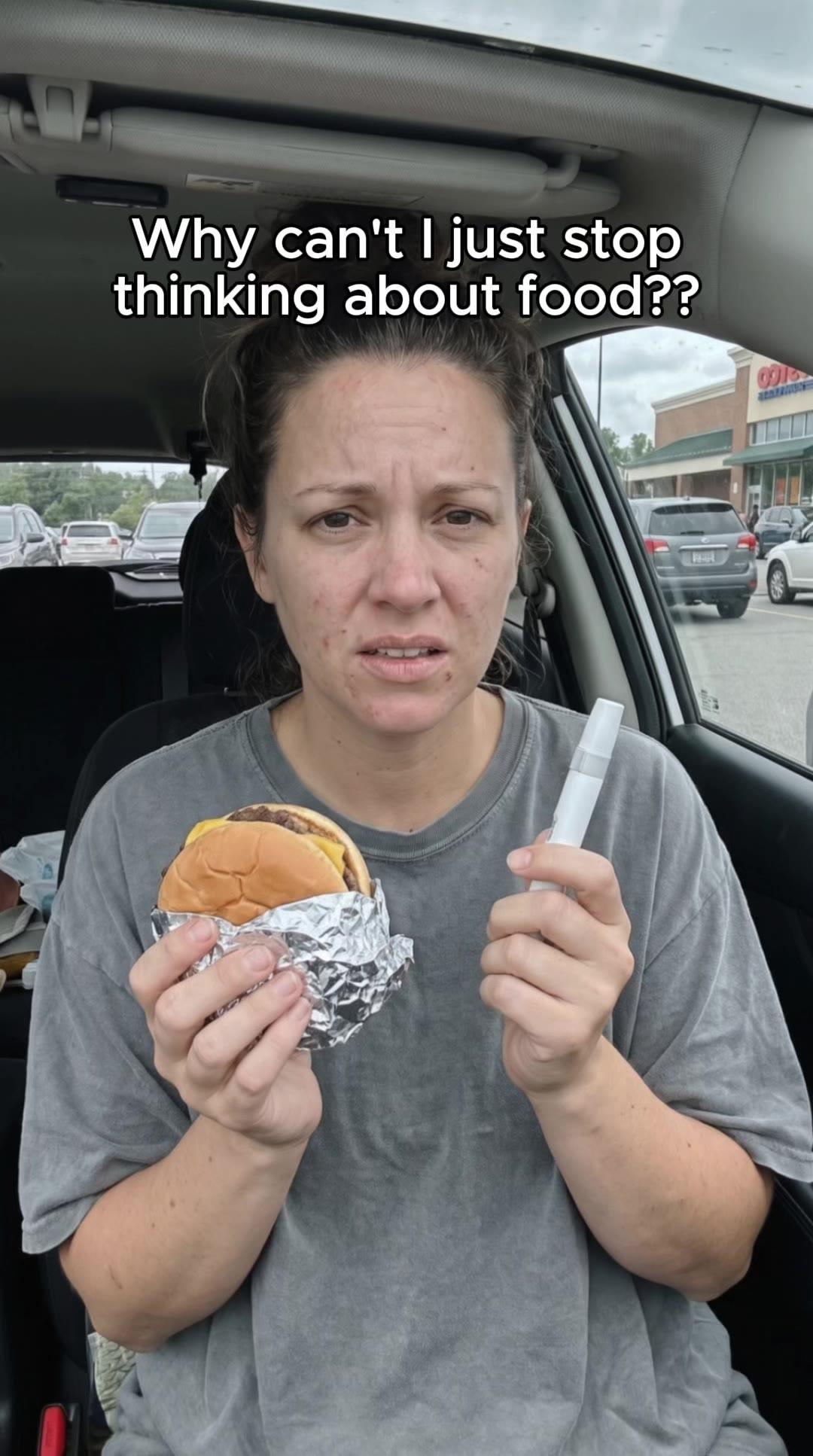
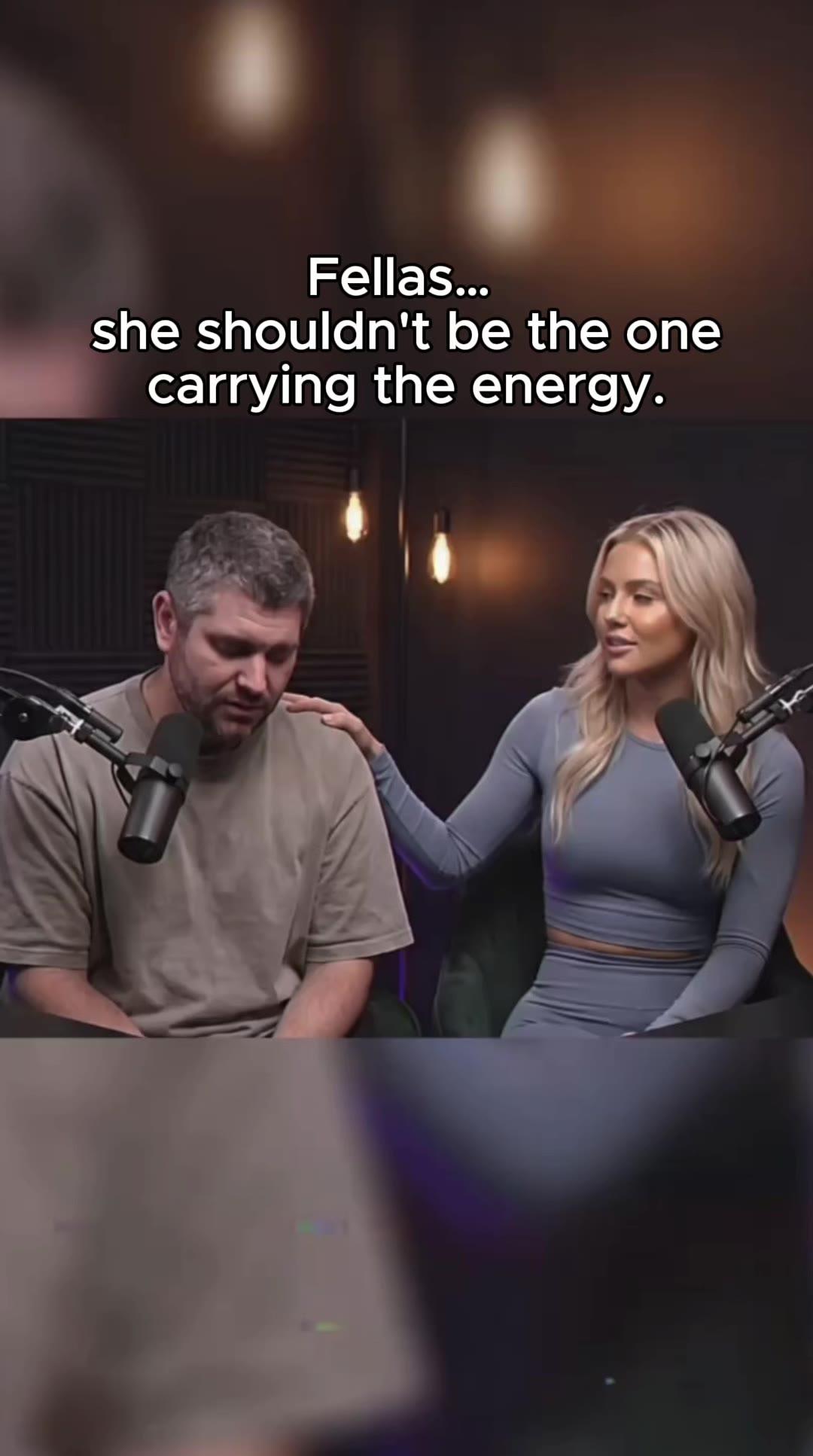
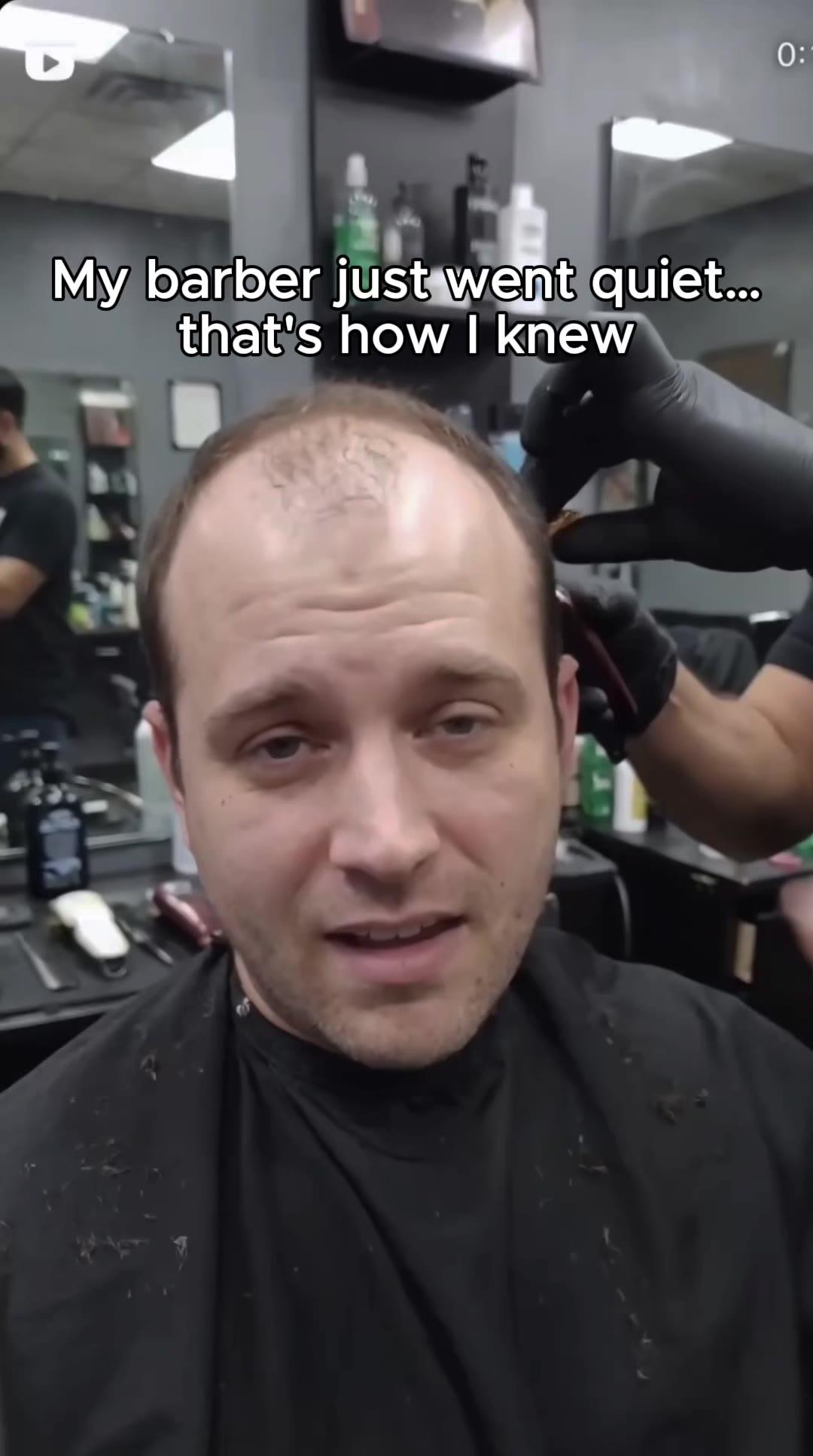

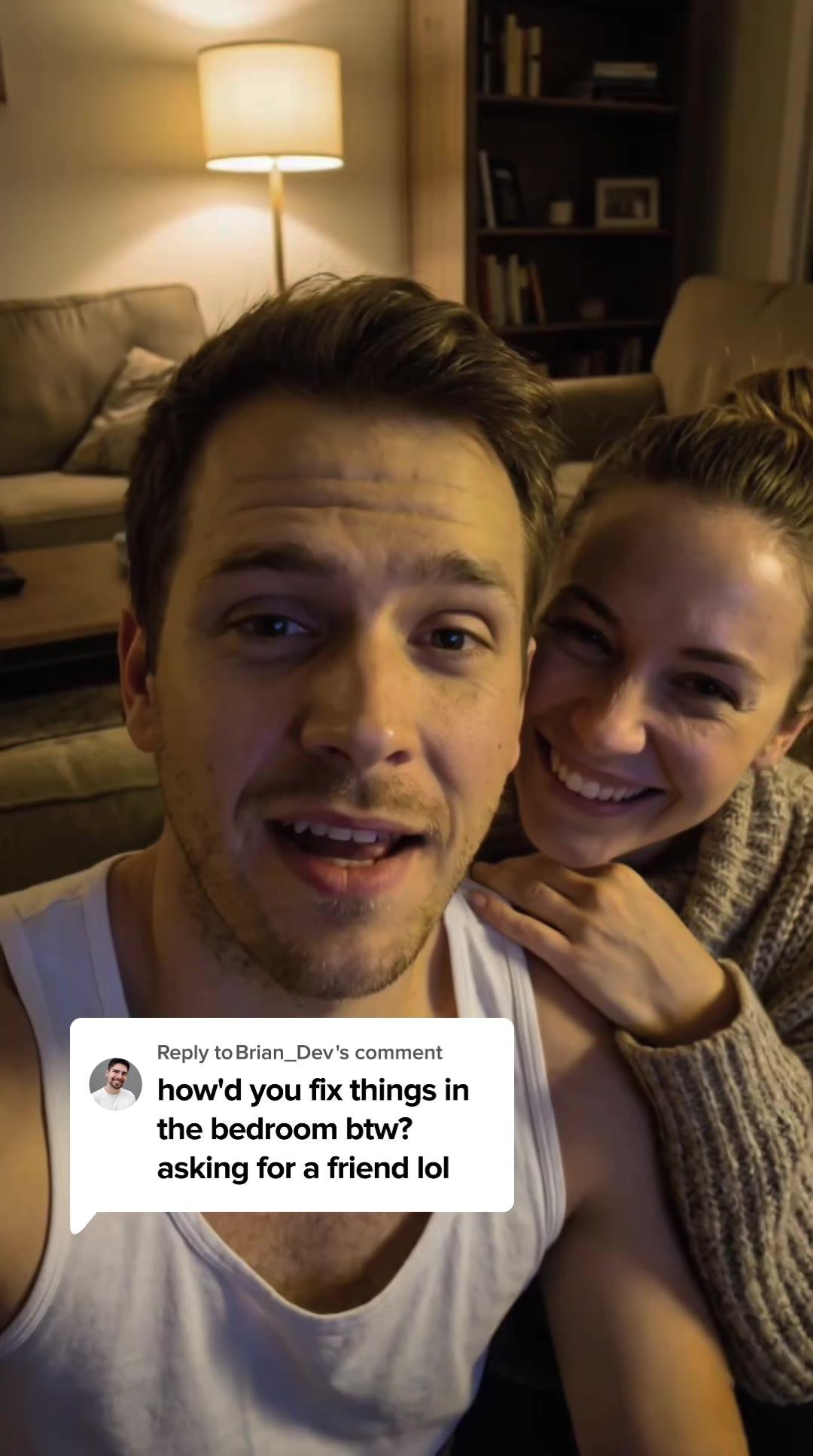

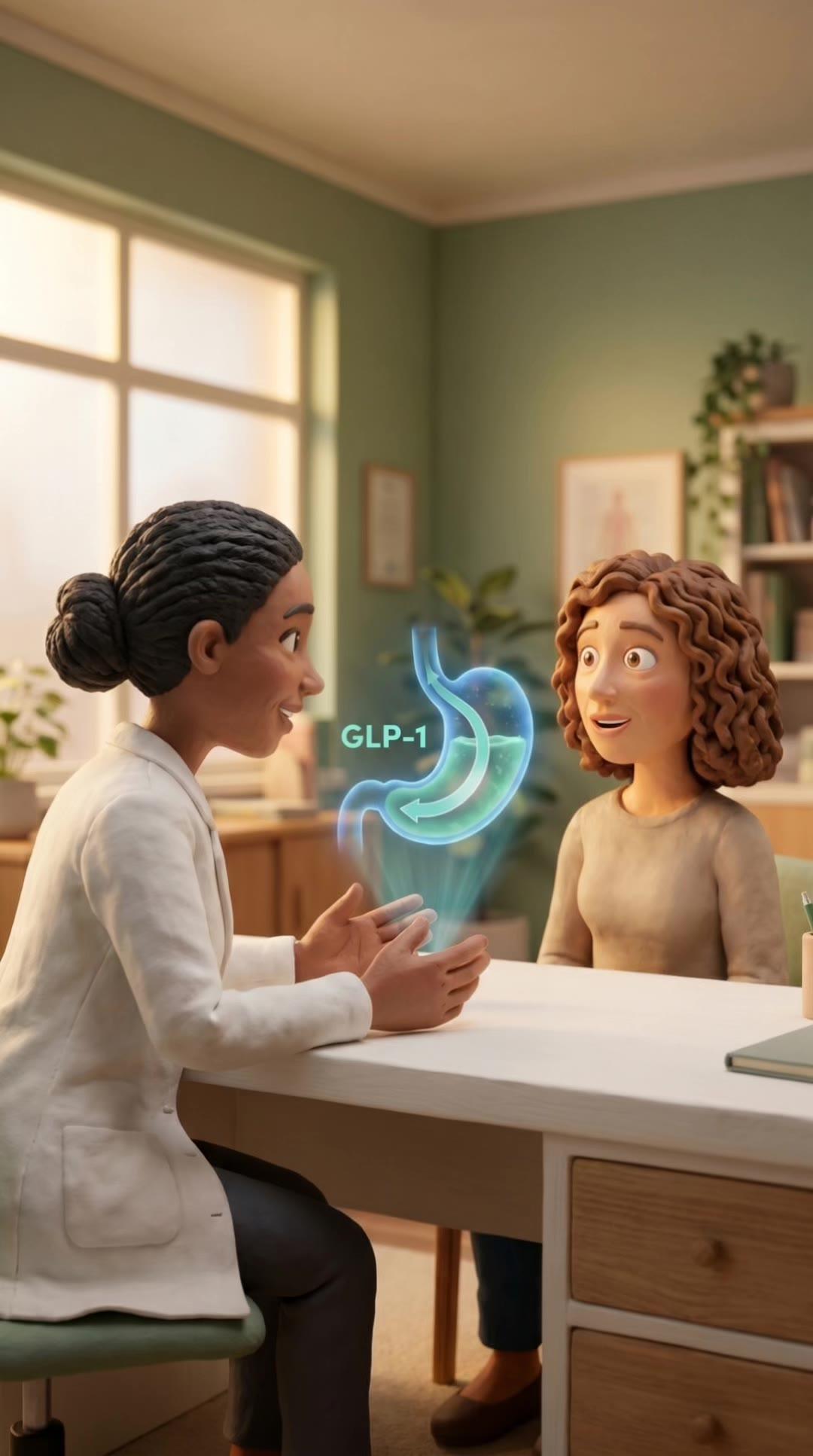
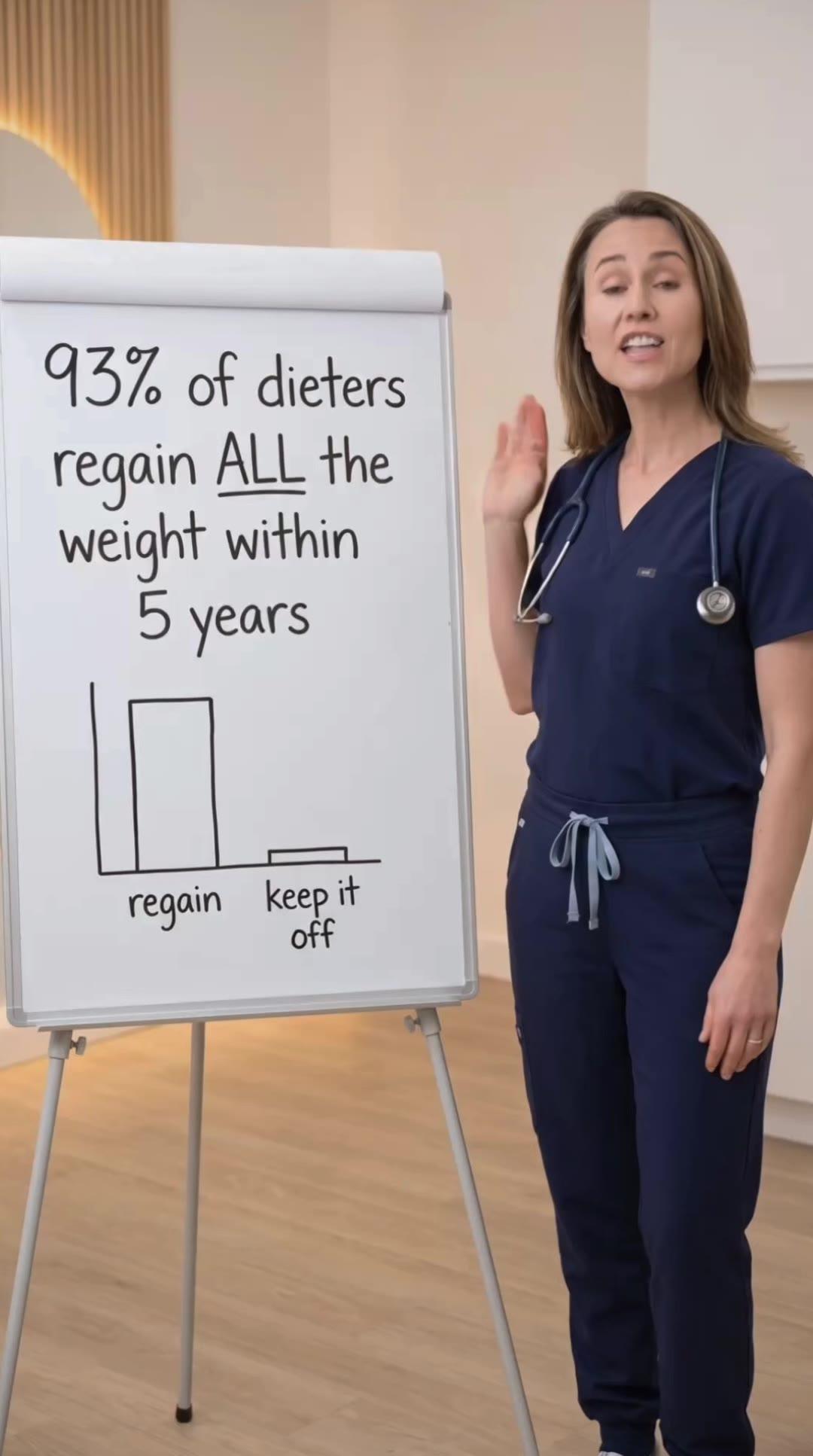
GLP-1 YouTube ads for telehealth sit within Google's advertising ecosystem, which means they carry different compliance requirements than Meta or TikTok and serve a different role in the patient acquisition funnel. YouTube is not where patients make quick decisions about starting a GLP-1 program — it is where they research, evaluate, and build the conviction that eventually converts on your landing page or search ad. Understanding that funnel position is the foundation of any effective YouTube strategy for GLP-1 telehealth.
The brands that run YouTube effectively for GLP-1 are not trying to replicate what they run on Meta. They are building longer, more educational creative that moves the patient from general awareness to informed interest — doing the education work that makes downstream conversion more efficient and patient quality higher.
Compliance and Certification Requirements
YouTube sits within Google's advertising platform, and Google applies its pharmaceutical and healthcare advertising policies across YouTube campaigns. For telehealth advertisers operating in the prescription medication category — which includes any telehealth brand offering GLP-1 programs — the Google healthcare and pharmaceutical advertising policy requires advertiser verification.
LegitScript certification is the standard route to meeting Google's requirements for online pharmacy and prescription-adjacent telehealth advertising. LegitScript is an independent verification organization that reviews online healthcare businesses for compliance with pharmacy laws and prescription standards. The certification process takes several weeks, involves documentation of your prescribing practices, pharmacy relationships, and compliance protocols, and requires annual renewal. It is not optional if you want to run GLP-1 ads on Google properties at scale.
Brands that have not completed LegitScript certification can run into account suspension when their YouTube campaigns scale or when Google's automated review flags the healthcare nature of the content. Getting certified before you commit significant budget to YouTube is the only reliable approach.
Ad Formats That Work for GLP-1 Telehealth
Skippable in-stream ads are the workhorse format for GLP-1 YouTube advertising. These are the pre-roll and mid-roll ads that viewers can skip after five seconds, and they account for the majority of YouTube advertising spend across most categories. The five-second rule is real — if your ad does not deliver a clear hook in the first five seconds, a significant portion of viewers will skip before you have communicated anything of value. This makes the opening of your video the single most important creative decision.
For GLP-1 telehealth specifically, skippable in-stream ads in the 90-second to three-minute range outperform shorter formats because the category requires explanation. A 15-second ad cannot adequately communicate what physician-supervised GLP-1 therapy is, why it is different from other weight loss approaches, and what the patient's first step should be. A 90-second ad that opens with a clear hook, explains the concept in accessible terms, and ends with a specific call to action can do all of that.
Non-skippable ads are an option but carry more compliance risk — a viewer who cannot skip an ad about GLP-1 that they did not seek out is more likely to interpret it as pharmaceutical advertising, and the aggressive exposure creates policy sensitivity. For most GLP-1 telehealth advertisers, skippable formats are the more reliable path. YouTube Shorts ads exist but are generally too brief for the educational format that works in this vertical.
Creative That Performs on YouTube
Three creative formats reliably work for GLP-1 telehealth on YouTube. The educational format — a physician or health educator explaining how GLP-1 medications work in accessible terms — performs well because it delivers genuine value to the viewer rather than just pitching a product. Patients who are evaluating GLP-1 programs are hungry for credible information, and an ad that teaches them something useful builds trust before asking for anything.
The patient story format — a real patient describing their journey with a GLP-1 program in specific, non-hyperbolic terms — works because it is relatable and specific. The most effective patient story ads are not dramatic transformations. They are grounded accounts of what the experience was like: the consultation process, how they adjusted to the medication, what changed over time. This specificity is what makes them credible to a viewer who is skeptical of over-polished health advertising.
The doctor explanation format — a physician who is part of your program explaining the clinical rationale for GLP-1 therapy, who it is appropriate for, and what patients should know before starting — delivers authority and trust simultaneously. This format also makes compliance review straightforward because it is clearly educational content from a credentialed healthcare provider.
What does not work: overpromised results, generic weight loss messaging that sounds like supplement advertising, and before/after visuals that make specific body transformation claims. These creative approaches fail both in platform review and with the YouTube audience, which has strong pattern recognition for low-credibility health content.
Concepts we ship, problem-aware to product-aware.
See the work →Targeting Strategy for GLP-1 YouTube Campaigns
YouTube's most effective targeting approach for GLP-1 telehealth is custom intent audiences — audiences built from people who have searched for specific GLP-1-related terms on Google. Because YouTube is part of Google's ecosystem, you can build an audience of people who have recently searched for "semaglutide online," "GLP-1 prescription," "Ozempic alternative," or any weight management medication term, and serve your YouTube ads specifically to those people. This targeting approach produces the highest-quality YouTube audience for GLP-1 because you are reaching people who have already expressed explicit search intent.
In-market audiences for healthcare and weight management supplement custom intent targeting with a broader pool. Keyword targeting on specific YouTube videos about GLP-1 medications — placing your ad before videos about Ozempic, weight loss medications, or telehealth services — captures viewers who are actively engaging with category content.
YouTube retargeting is one of the platform's highest-performing use cases for GLP-1 telehealth. Reaching people who have already visited your website, watched one of your videos, or engaged with your Google Search ads with a longer-form YouTube video is an efficient way to move warm prospects further down the consideration funnel without the cost of cold acquisition.
Measuring YouTube Correctly
YouTube attribution works differently than click-based attribution, and this difference consistently causes GLP-1 brands to undervalue the channel. Most website analytics show YouTube contributing minimal last-click conversions — because YouTube is a consideration channel, and the actual conversion often happens later on Google Search or direct traffic after the patient has watched your video and then come back to complete intake a few days later.
View-through conversion attribution — credit given to YouTube for a conversion that happened after a patient viewed (but did not click) your ad — is the metric that captures YouTube's actual contribution to your patient acquisition. Setting up view-through windows in Google Ads and evaluating YouTube performance on this basis, alongside data-driven attribution models in Google Analytics, gives you a more accurate picture of what YouTube is actually doing in your funnel.
Brands that evaluate YouTube only on last-click conversion will consistently underfund it and miss the downstream conversion lift it provides to their search campaigns. The patient who watched your 90-second YouTube ad and then searched for your brand name three days later and converted on Google Search is a YouTube-influenced conversion — it just does not look like one in a last-click attribution model.
Budget Requirements and Scale Expectations
YouTube requires more budget than Meta to generate statistically meaningful data for optimization. The CPV (cost per view) model and the longer creative format mean that building up enough conversion events to meaningfully optimize bidding requires a minimum spend threshold that is higher than what you would need on Facebook or Instagram to start drawing conclusions.
For GLP-1 telehealth brands, YouTube makes most sense as a channel addition once your Meta and Search campaigns are already producing consistent results. At that point, YouTube's reach into the consideration-stage audience — people actively researching GLP-1 options but not yet searching with high commercial intent — adds a funnel stage that improves the efficiency of your downstream conversion channels and builds brand recognition that reduces long-term acquisition costs.
Related Articles
GLP-1 Google Ads Strategy for Telehealth
Build a GLP-1 Google Ads strategy for your telehealth brand. Keyword targeting, compliance requirements, landing page specs, and how to scale profitably.
GLP-1 Telehealth Patient Acquisition Cost
Understanding and optimizing patient acquisition costs for GLP-1 telehealth. Benchmarks, channel breakdowns, and how to improve your CAC.
Best Landing Pages for GLP-1 Telehealth
What makes a high-converting GLP-1 landing page. Structure, copy, trust signals, and the design patterns that consistently drive intake form completions.
Your next GLP-1 batch, minus the compliance roulette.
A 30-minute call. We audit your creative approach and show you exactly what a complete angle-format-hook system looks like for your vertical.