GLP-1 Google Ads Strategy for Telehealth
A GLP-1 Google Ads strategy for telehealth captures the highest-intent traffic in the category — patients who are already searching, already decided they want help, and ready to take action. The challenge is compliance, competition, and getting the conversion infrastructure right.
Concepts shown are internal creative studies, not client campaigns.
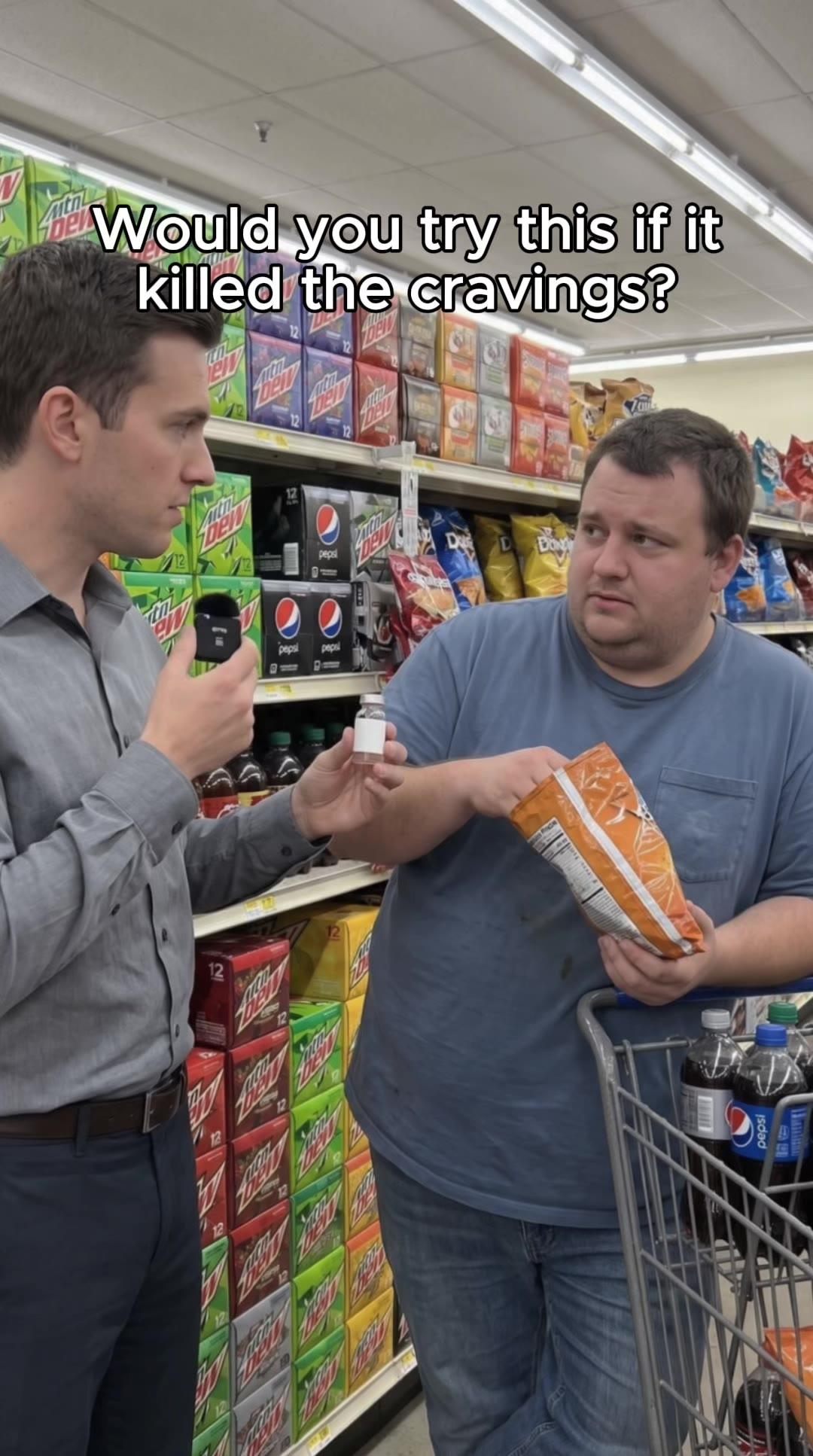
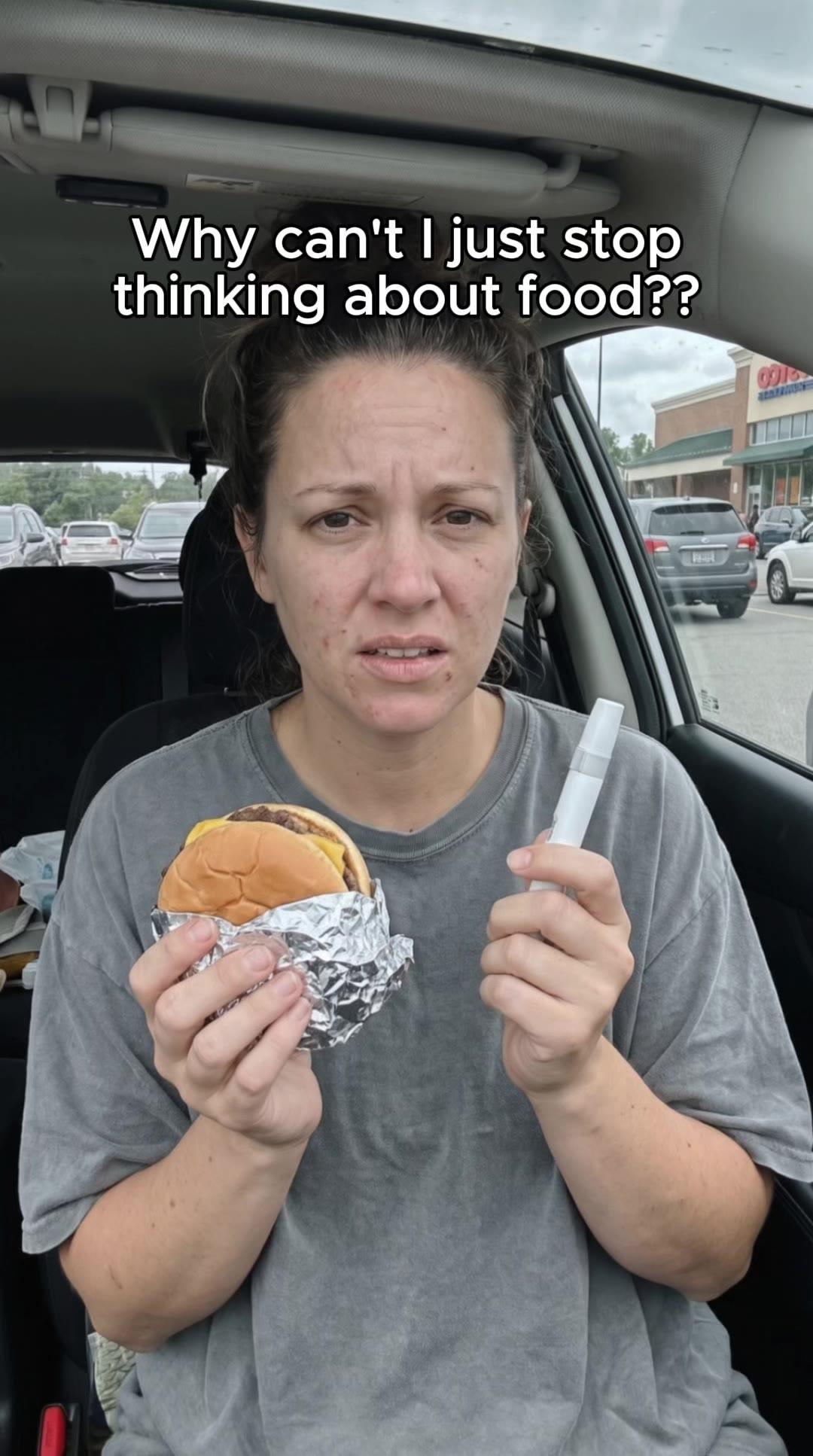





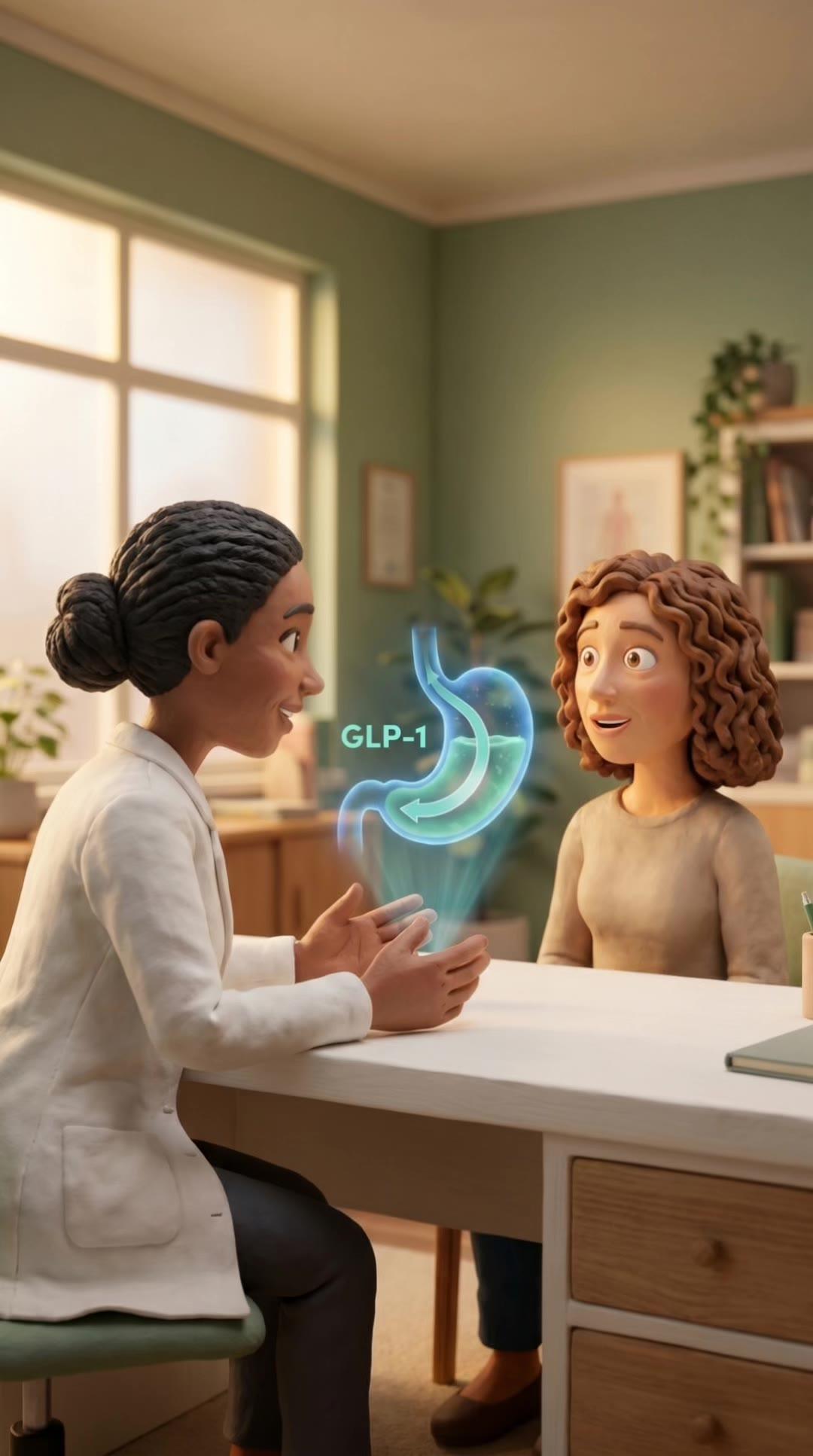
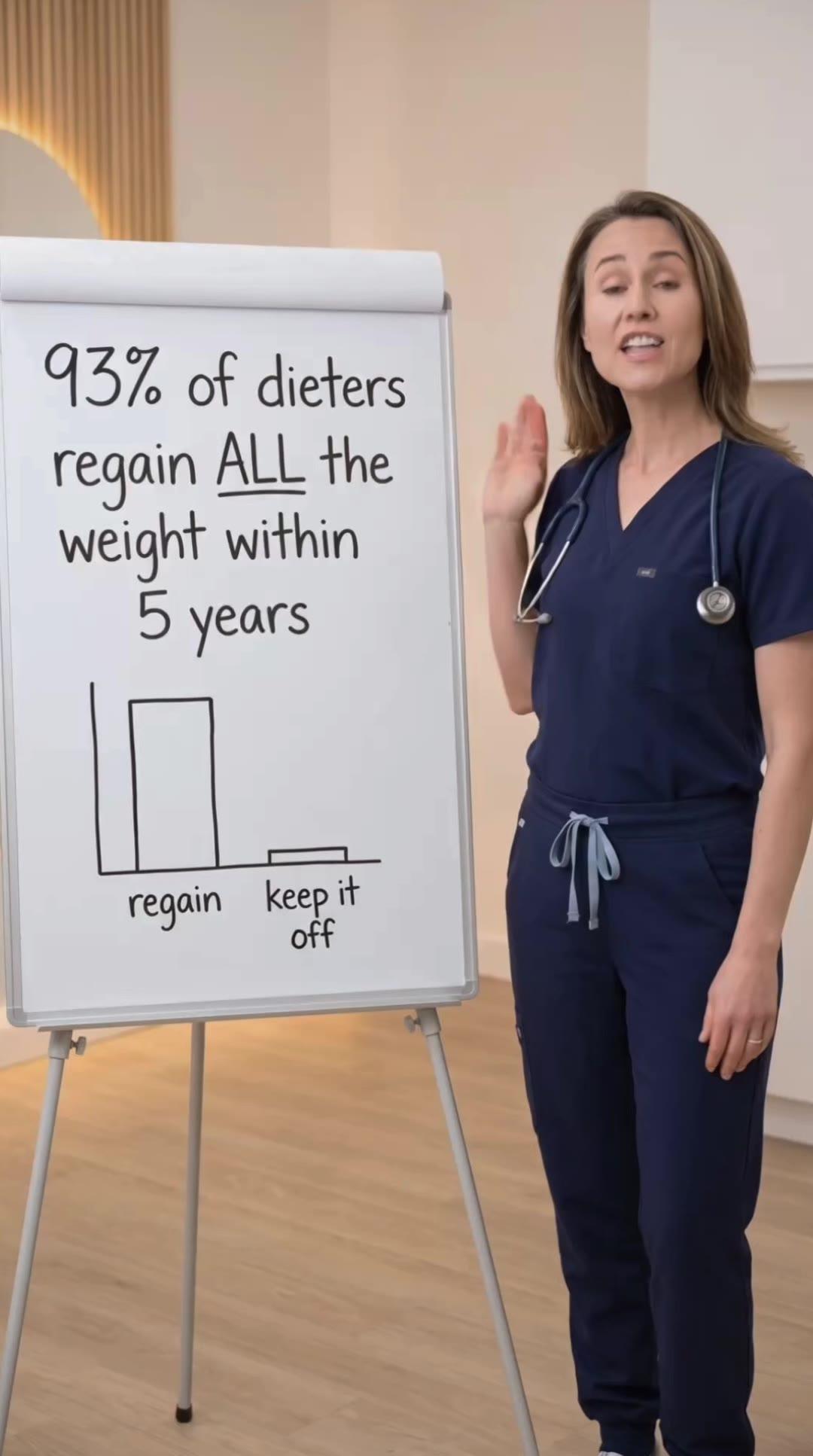
A GLP-1 Google Ads strategy built for telehealth has a structural advantage that no other paid channel offers: patients arrive from a search query, which means they have already expressed explicit intent. A patient searching "semaglutide online prescription" or "GLP-1 telehealth program" is not being interrupted by an ad — they went looking for exactly what you offer. Capturing that intent efficiently and converting it into a consultation is the core task, and it requires getting the compliance infrastructure, keyword architecture, and conversion setup right before you start spending.
LegitScript Certification and Why You Need It First
Before running any GLP-1 search ads at meaningful scale on Google, you need to understand LegitScript certification and whether your business model requires it. LegitScript is an independent verification organization that reviews online businesses operating in regulated healthcare categories — including online pharmacies, compounding pharmacies, and telehealth providers offering prescription medications.
Google requires LegitScript certification for advertisers in the online pharmacy and prescription medication categories. For GLP-1 telehealth brands — which are in the business of prescribing controlled medications through online channels — this typically means certification is required to advertise without risk of account suspension. The process involves submitting documentation about your prescribing practices, pharmacy partnerships, state licensure, and compliance protocols. It takes several weeks and requires annual renewal.
Brands that skip this step and start running GLP-1 Google Ads without certification often experience campaigns that run initially before getting flagged, then face account review and suspension that can halt advertising for weeks while the certification process catches up. Starting with certification avoids that disruption and gives you a stable advertising foundation.
Keyword Strategy Across Three Intent Tiers
The keyword landscape for GLP-1 telehealth on Google organizes naturally into three intent tiers, each requiring different bidding, different ad copy, and different landing page strategy.
The first tier is brand and drug name terms: Ozempic, Wegovy, Mounjaro, Zepbound, semaglutide, tirzepatide. These terms have enormous search volume and the highest commercial intent. Patients searching these terms know what GLP-1 medications are and are looking for a way to access them. The competition is intense — major telehealth platforms and pharmacies bid aggressively on these terms — and the CPCs are high. But the conversion intent is also the highest of any search traffic, which makes these terms viable even at elevated CPCs if your conversion funnel is efficient.
The second tier is generic prescription and service terms: "GLP-1 prescription online," "semaglutide telehealth," "online weight loss medication," "weight loss injection prescription." These terms capture patients who are familiar with the category and actively seeking a provider but have not yet committed to a specific brand. CPCs are lower than brand terms, conversion intent is high, and this tier often produces the best cost-per-consultation in a mature Google Ads account.
The third tier is problem and research terms: "medically supervised weight loss," "prescription weight loss program," "doctor prescribed weight loss medication," "lose weight with medication." These terms attract patients earlier in the decision process — they know they want medical help with weight loss but may not yet know what GLP-1 is. CPCs are lower, conversion rates are lower, but volume is high and the patients who do convert tend to be high-quality because they arrived through an educational entry point.
Negative Keywords Are Not Optional
Negative keyword management is one of the most impactful and most neglected levers in GLP-1 Google Ads accounts. Without a disciplined negative keyword list, your ads will surface for queries that attract non-converting traffic and create policy exposure — searches related to free samples, insurance coverage comparisons, specific clinical trial recruitment, pharmacy-specific queries, and adjacent health topics that share vocabulary with your target terms.
Build and maintain a negative keyword list that excludes irrelevant queries from each keyword tier. Common categories to exclude: queries about insurance coverage for brand-name drugs (patients who need insurance approval are not cash-pay telehealth prospects), queries about specific side effects in a non-treatment context, queries about clinical trials, queries including "coupon" or "discount card" terms for brand-name pharmaceuticals, and queries that indicate the user is a healthcare professional rather than a patient.
Ad Copy Within Policy
Google's ad copy policies for healthcare and pharmaceutical advertisers prohibit superlative claims, unsubstantiated efficacy statements, and comparative claims about competitors. In practical terms, this means your GLP-1 search ad copy needs to be factual, descriptive, and service-oriented rather than outcome-focused.
Ad copy structures that clear review reliably: service descriptions ("physician-supervised GLP-1 programs available online"), process descriptions ("complete intake online, connect with a physician, receive personalized care"), and access descriptions ("telehealth GLP-1 program — licensed physicians in your state"). Call-to-action language like "start your consultation," "complete free intake," or "see if you qualify" is specific without overclaiming.
What generates review flags and policy issues: "lose weight guaranteed," "most effective GLP-1 program," "cheaper than Ozempic," or any language that implies a clinical outcome comparison against competitors. These are not just policy issues — they also tend to underperform because search-intent patients are evaluating you against other providers, not against a drug, and overclaiming reduces trust.
Concepts we ship, problem-aware to product-aware.
See the work →Landing Page Requirements for Google Compliance
Google audits landing pages for healthcare advertisers, and your landing page needs to meet specific requirements to maintain ad approval and account standing. Medical disclaimer language must be present and accessible — language indicating that the content is for informational purposes and not a substitute for professional medical advice. Physician disclosure — identifying that prescribing is done by licensed physicians in applicable states — must be visible. Terms of service, privacy policy, and a clear process for patients to understand what they are enrolling in must be accessible from the landing page.
The landing page should also be structurally coherent with the search query and ad. A patient who searched "semaglutide telehealth" and clicked an ad should arrive on a page that directly addresses semaglutide-based telehealth services. Landing page mismatch — sending search traffic to a generic homepage — increases bounce rates, reduces quality scores, and raises CPCs across the account.
Bidding Strategy for GLP-1 Search
For GLP-1 telehealth search campaigns, Target CPA bidding outperforms manual bidding once the account has accumulated sufficient conversion data for the algorithm to learn effectively. The threshold for meaningful smart bidding performance is typically around 30 to 50 conversions per campaign per month — below that volume, manual or enhanced CPC bidding produces more predictable results while you build up data.
Define your conversion event precisely before you start. "Conversion" in a GLP-1 telehealth context should be a meaningful downstream action — completed intake form submission, consultation booked, or account created — not a pageview or a generic click. Bidding toward low-quality events inflates reported conversion volume while obscuring actual patient acquisition cost.
Display, Retargeting, and Brand Defense
Google Display and Performance Max campaigns serve as a retargeting layer for patients who visited your site from any source — search, social, or direct — but did not convert. For GLP-1 telehealth, retargeting display creative should be straightforward reminder messaging: the service they viewed, the consultation offer, and a direct call to action. Complex creative messaging in retargeting is wasted because these patients already know who you are.
Brand campaign management is a non-negotiable part of any GLP-1 Google Ads strategy. If you are not bidding on your own brand name, competitors will capture that traffic cheaply. A patient who has seen your Meta ad, visited your site, and then searches your brand name to return is a near-certain conversion — allowing a competitor to intercept that search with a lower-cost brand-name bid is an avoidable loss. Bid on your brand terms, maintain them at moderate CPCs, and protect that conversion path.
Conversion Tracking Setup
Google Ads conversion tracking for GLP-1 telehealth requires specific event configuration to track the multi-step intake process accurately. The standard setup involves tracking at minimum two events: the intake form start (a micro-conversion that signals engagement) and the completed intake submission (the primary conversion). If you have a consultation booking step, tracking that as a separate event adds additional signal quality.
Google Tag Manager is the standard implementation approach for multi-step form tracking. Setting up tags for each intake step, with triggers tied to specific URL changes or form submission events, allows you to see where patients drop off in the intake process and which keywords and ad variations are producing completed intakes rather than just form starts. This granularity is what separates accounts that optimize effectively from those that spend based on surface-level metrics that do not reflect actual patient acquisition.
The combination of clean keyword architecture, compliant copy, a conversion-optimized landing page, and accurate tracking setup is what makes a GLP-1 Google Ads strategy work at scale. Each of these elements depends on the others — strong keywords with a weak landing page, accurate tracking with non-compliant copy — and a gap in any one of them limits the ceiling of what the account can achieve.
Related Articles
GLP-1 YouTube Ads for Telehealth Brands
How telehealth brands run GLP-1 YouTube ads in 2026. Ad formats, compliance requirements, targeting strategy, and creative that works on YouTube.
Best Landing Pages for GLP-1 Telehealth
What makes a high-converting GLP-1 landing page. Structure, copy, trust signals, and the design patterns that consistently drive intake form completions.
GLP-1 Telehealth Patient Acquisition Cost
Understanding and optimizing patient acquisition costs for GLP-1 telehealth. Benchmarks, channel breakdowns, and how to improve your CAC.
Your next GLP-1 batch, minus the compliance roulette.
A 30-minute call. We audit your creative approach and show you exactly what a complete angle-format-hook system looks like for your vertical.